Table of Contents
Spending under 2000 dollars on solar lighting used to feel like a compromise. You got dim lights, weak batteries, and housings that cracked after one rainy season. That is not the case anymore. The solar lighting market has changed a lot, and today this budget gets you products that genuinely hold up.
Walk into any home improvement store or browse online and you will find hundreds of options. Garden stake lights, motion flood lights, string lights, wall-mounted security lights. All sitting comfortably within 2000 dollars. The problem is not finding options. The problem is knowing which ones are actually worth your money and which ones will disappoint you by the second month.
This article gives you a straight answer on that.
Best Solar Lights Under 2000: Know the Types First
Picking a solar light without knowing what type you need is like buying shoes without knowing your size. You need to match the light to the job.
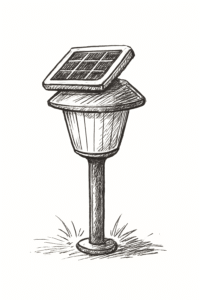
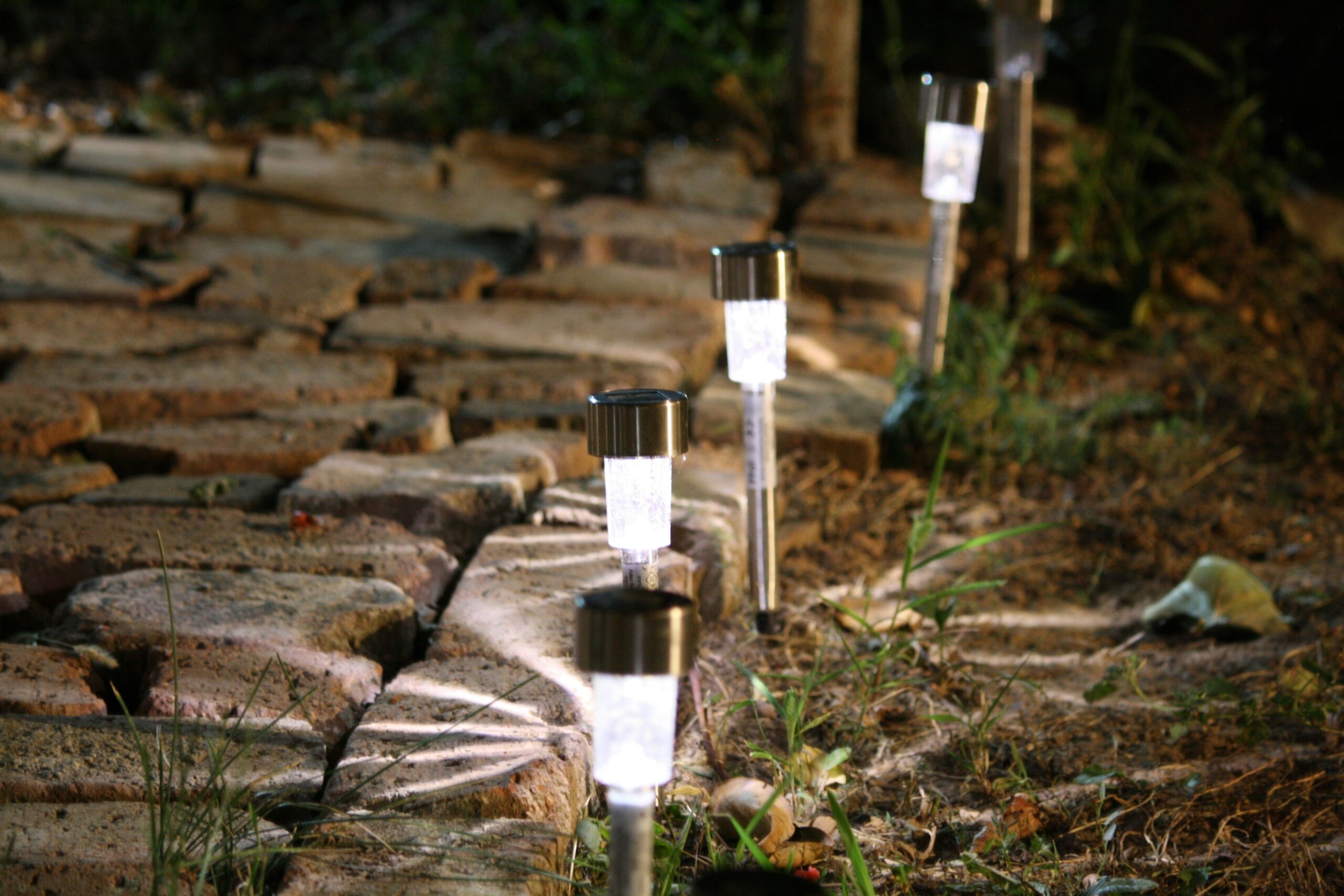
Solar garden stake lights push into the ground along your pathway or garden bed. They charge during the day and glow at night automatically. They are purely decorative and provide soft, low-level light. If you want bright security lighting, these are not your answer.
Solar flood lights are built for brightness. They spread wide beams across large areas like driveways, backyards, and entry points. Most models in this budget include motion sensors, which is a genuinely useful feature because the light only activates when someone moves nearby, saving battery life through the night.
Solar string lights drape across patios, fences, or outdoor structures. They add atmosphere rather than real brightness. Under 2000 dollars gets you long strings with warm or coloured LEDs that work well for outdoor gatherings or permanent patio decoration.
Solar motion sensor lights are wall-mounted units built for security and convenience. They sit dark and quiet until movement triggers them. Great for side passages, garage walls, and entry doors where you only need light occasionally.
What the Specs Actually Mean
Product listings throw a lot of numbers at you. Here is what each one actually tells you before you buy solar lights under 2000.
Battery capacity in mAh: This tells you how much energy the battery stores. A 600mAh battery drains quickly, often within three or four hours of darkness. Look for 1200mAh or above. That gives you a light that runs through a full night without cutting out at midnight.
Lumens: This is actual brightness. Watts are irrelevant for LED lights. Lumens tell the truth. Pathway lights need 10 to 50 lumens. Flood and security lights need 400 lumens minimum to be genuinely useful. If a product listing shows only watts, the brand is hiding the real brightness figure.
IP rating: This tells you how well the light handles water and dust. IP65 is the minimum you should accept for any outdoor light used year-round. IP65 means the light handles dust completely and withstands water jets from any direction. Anything lower and you are risking damage from normal rain.
Panel type: Monocrystalline panels charge more efficiently than polycrystalline panels. They work better on cloudy days and charge faster in limited sunlight. Many budget solar lights now include monocrystalline panels, so look for this in the product description before you buy.
The Features That Actually Matter
Two solar lights at the same price point perform very differently based on a few key design choices. These are the ones worth paying attention to.
A detachable solar panel on a cable is genuinely useful. It lets you mount the panel somewhere it gets full sun while placing the light wherever you actually need it. Built-in panels force the panel and the light to share the same location, which often means one of them is in a compromised spot.
Replaceable batteries matter more than most buyers realise. Sealed batteries that cannot be swapped out turn a functioning light into landfill the moment the battery dies, usually after one to two years. A light with standard AA or AAA NiMH batteries costs almost nothing to restore. Pull out the old battery, put in a fresh one, and the light works like new.
Multiple lighting modes give you control over battery life. A dim steady mode for all-night ambience, a bright motion-activated burst for security, and a flashing option for visibility. Lights with only one mode drain the battery faster and give you less flexibility.
What Each Category Delivers at This Budget
Here is a realistic picture of what solar lights under 2000 dollars actually deliver across each type:
- Garden pathway lights: Sets of 8 to 12 stake lights, warm LED glow, automatic dusk-to-dawn operation, stainless steel or weatherproof ABS casing, IP65 rated
- Solar flood lights: 800 to 2000 lumen output, motion detection range up to 10 metres, adjustable panel angles, lithium or NiMH battery options
- Solar string lights: 10 to 20 metre lengths, 100 or more LED bulbs, multiple colour and brightness modes, weatherproof wire construction
- Solar motion sensor lights: Wide-angle detection, three or more lighting modes, IP65 or IP66 rated, compact wall-mount design
These are not stripped-down products. At this price point in 2026, you get real features and real build quality when you shop with the right criteria in mind.
Brands With a Solid Track Record in 2026
You do not need to gamble on unknown brands. Several names consistently deliver reliable solar lights within this budget.
Litom builds solid motion sensor flood lights with good detection range and reliable batteries. Aootek produces bright, wide-coverage flood lights that hold up well through different weather conditions. Urpower makes compact, affordable garden and pathway lights that punch above their price. Baxia Technology focuses on bright motion sensor lights with strong lumens output at a low price. Lepower offers durable flood lights with adjustable panels and long-lasting batteries.
When browsing any of these brands, check reviews from the past three months specifically. An overall star rating built on old reviews tells you about a product that may have changed in manufacturing quality since those reviews were written.
Mistakes That Cost People Money
Most buyer regret with solar lights comes from a small number of avoidable mistakes.
Choosing the cheapest product in a category feels like saving money but rarely works out that way. A light at the absolute bottom of the price range almost always uses a low-capacity battery, a low-efficiency panel, and housing that weakens quickly outdoors. Spending slightly more within your budget for better specs saves you from replacing the product within a year.
Ignoring placement before buying is another mistake that leads to poor performance. Even the best solar light charges poorly in the wrong spot. Before purchasing, stand where the light will go during peak daylight hours and check how much direct sky is above you. Trees, walls, and overhangs steal more sunlight than most people expect.
Skipping the initial charge is a mistake that affects new lights specifically. Every new solar light needs two full days of direct sunlight before its first use. This conditions the battery and lets it reach full capacity. People who skip this step think the product is broken when it performs poorly on the first night.
Quick Buying Checklist
Run through this before you buy:
- Battery rated 1200mAh or above
- IP65 water resistance rating minimum
- Lumens listed clearly in product description
- Monocrystalline solar panel preferred
- Replaceable battery design
- Multiple lighting modes available
- Detachable panel option where possible
- Recent buyer reviews checked from past 90 days
- Placement confirmed for 4 to 6 hours direct sun daily
Keeping Your Solar Lights Working Long Term
Buying well is half the job. The other half is basic maintenance that takes very little time.
Wipe the solar panel with a damp cloth once a month. Dirt and pollen are quiet killers of solar light performance and most people never think to clean the panel at all. Replace the battery proactively after 18 months rather than waiting for it to die completely. Store decorative lights indoors through harsh winter months if your climate drops well below freezing.
Solar lights under 2000 dollars are a genuinely smart purchase when you go in with the right information. The budget is generous enough to get you quality products across every outdoor lighting category. You just need to know what to check before you buy and what to do once they are installed.
Summary
Finding good solar lights under 2000 dollars is absolutely possible. The market has options across garden lights, flood lights, and decorative styles, all within this budget. But not every affordable solar light is worth buying. This article breaks down what to look for, what to avoid, and what real value looks like at this price point. You will leave with a clear picture of what your money gets you and how to pick a light that actually lasts.