Table of Contents
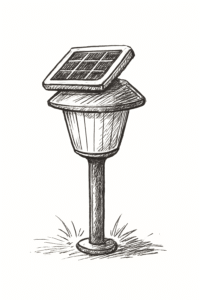
A regular solar light does one thing. It charges during the day and turns on at night. That is the whole job. No adjustments, no learning, no response to what is actually happening around it. An AI powered solar light does something different. It watches, learns, and makes decisions on its own based on real conditions around it every single day.
This is not a small upgrade. It is a completely different way of thinking about outdoor lighting. And in 2026, these lights are no longer expensive novelties. They are practical, affordable products that homeowners, businesses, and city planners are choosing over traditional solar lights at a growing rate.
This is something we cover in detail in our guide on Solar Lights 2026
What AI Powered Solar Lights Actually Do
The word AI gets used loosely in product marketing, so it is worth being specific about what these lights actually do differently.
A standard solar light uses a basic photoresistor sensor. When darkness falls, the light turns on. When daylight returns, it turns off. That is the full extent of its intelligence. It does the same thing every night regardless of weather, season, battery level, or how many people walked past it.
AI powered solar lights use onboard processors and machine learning algorithms to go beyond this. They track how much energy the solar panel collected that day. They check the current battery level. They monitor movement patterns around the light over days and weeks. Using all of this information together, the light decides in real time how bright to shine, when to activate fully, and when to dim down to preserve battery life.
On a day with heavy cloud cover and limited charging, the light automatically adjusts its brightness output to make the stored energy last through the night. On a night with no movement detected for several hours, it dims itself to extend battery life. When movement is detected, it brightens instantly. This kind of real-time decision making is what separates AI powered solar lights from everything that came before them.
The Technology Inside These Lights
Understanding what is inside an AI powered solar light helps you appreciate why they perform so differently.
Adaptive brightness control is the core feature. The onboard processor continuously monitors battery charge and adjusts LED output accordingly. Instead of running at full brightness all night and dying by 2am, the light manages its energy intelligently so it stays functional until morning.
Motion prediction algorithms go further than basic motion detection. Standard motion sensors react to movement. AI motion systems learn movement patterns over time. If your dog walks past the same corner every night at 10pm, the light begins anticipating that and adjusting sensitivity accordingly. If movement in a certain zone has always been a person rather than wind-blown leaves, the system learns to distinguish the two.
Weather-responsive charging is another feature built into advanced models. The system checks battery input from the solar panel throughout the day and recalibrates its overnight energy budget based on how much charge was actually collected. A cloudy day triggers automatic energy conservation for that night.
Remote app control comes standard with most AI powered solar lights at current price points. You adjust brightness levels, set motion sensitivity, check battery status, and review activity logs from your phone. Some models integrate with smart home platforms like Google Home and Amazon Alexa.
How AI Powered Solar Lights Compare to Regular Solar Lights
The difference in day-to-day performance between AI powered solar lights and standard solar lights is significant enough to matter for most buyers.
A regular solar light runs at fixed brightness until the battery runs out. On a cloudy day after limited charging, it dies early and leaves you in darkness by midnight. It cannot tell the difference between a person walking toward your front door and a cat crossing your lawn. It treats every night the same way regardless of what actually happened that day.
An AI powered solar light adjusts to each day individually. It reads the battery level after charging, sets an energy budget for the night, and manages brightness in real time to hit that budget. It distinguishes between meaningful movement and background noise. It gets smarter the longer it runs because it builds a picture of your specific environment over time.
Battery life is noticeably longer with AI management. Studies from solar technology researchers in 2025 showed that adaptive brightness control alone extends effective battery run time by 30 to 40 percent compared to fixed-output lights using identical batteries.
Where AI Powered Solar Lights Work Best
These lights are not necessary in every situation, but they deliver real advantages in specific settings.
High-traffic residential areas benefit from motion prediction. A light outside your front door handles dozens of activations every evening. An AI system learns the pattern and manages energy accordingly so the battery never drains before morning.
Large outdoor spaces like backyards, parking areas, and commercial lots benefit from adaptive brightness. Lighting a large area all night at full power drains even good batteries quickly. AI management dims the light during low-activity periods and brightens it on demand, covering more ground with less energy waste.
Seasonal climates with variable sunlight benefit enormously from weather-responsive charging. In winter months, charging time drops significantly. AI powered solar lights automatically compensate by reducing output so the stored energy lasts longer each night.
Security-focused installations benefit from the pattern recognition built into AI motion systems. A light that learns the difference between normal activity and unusual movement around your property provides smarter security than one that triggers on everything equally.
What to Look for When Buying AI Powered Solar Lights
The term AI appears on more product labels than it probably should. Here is how to separate genuine AI powered solar lights from products that just use the word for marketing.
Look for adaptive brightness as a documented feature, not just multiple brightness modes. Multiple modes means you manually switch settings. Adaptive brightness means the light adjusts itself automatically based on real conditions. These are very different things.
Check for app connectivity with genuine data reporting. A real AI powered solar light shows you battery charge levels, activity logs, and energy usage history through the app. A light with a basic remote control calling itself AI is not the same thing.
Look for integration with established smart home platforms. Google Home and Amazon Alexa compatibility confirms the product uses real smart technology rather than a basic microcontroller dressed up in AI marketing language.
Read recent reviews specifically about long-term performance. AI systems in these lights improve over the first few weeks as they learn your environment. Reviewers who have used the light for two months or more give you much more useful information than someone reviewing after three days.
Top Features to Check Before Buying
Run through this list before purchasing any AI powered solar light:
- Adaptive brightness control confirmed in product description
- App connectivity with battery and activity reporting
- Motion prediction or pattern learning mentioned specifically
- IP65 water resistance rating minimum
- Battery capacity 2000mAh or above for AI-managed models
- Smart home platform compatibility listed
- Monocrystalline solar panel for efficient charging
- Recent verified reviews from buyers with 60 or more days of use
The Real Advantage of AI in Solar Lighting
The honest case for AI powered solar lights comes down to one thing. They stop wasting energy. A traditional solar light spends energy without thinking. It runs at full brightness whether ten people walked past or nobody did. It drains the battery the same way on a sunny day and a cloudy day. It gives you no information about what is happening and no ability to respond to it.
An AI powered solar light treats energy as something worth managing carefully. It responds to what actually happens around it. It learns from your specific environment. It reports back to you so you understand what your lights are doing and why. Over weeks and months, this intelligence translates into longer battery life, more consistent overnight performance, and lighting that genuinely fits the patterns of your life rather than ignoring them entirely.
In 2026, that kind of smart outdoor lighting is no longer a luxury product. It sits within reach for most buyers and it delivers results that traditional solar lights simply cannot match.
Summary
AI powered solar lights are not a distant concept anymore. They are sitting in driveways, gardens, and streets right now, making decisions on their own about when to shine bright and when to dim down. This article explains how they work, what separates them from regular solar lights, and what you should know before buying one. No technical background needed. If you want smarter outdoor lighting that saves energy and lasts longer, this is the right place to start.