Table of Contents
The purpose of solar lights is something people think they understand until they actually start using them. Most folks assume it is just about saving a bit of money on electricity. And yes, that is part of it. But the real reason solar lights have taken off the way they have in 2026 is much more practical than that. They put light exactly where you need it without asking anything from your home, your wiring, or your electricity meter.
They Exist Because Wiring Outdoor Spaces Is a Nightmare
Ask anyone who has tried to get proper outdoor lighting installed by an electrician. It costs more than expected, takes longer than expected, and involves digging up ground you did not want disturbed. Solar lights sidestep all of that completely. You push them into the soil or mount them on a wall and they start working the same evening. There is no project, no quote, no waiting around.
That is a genuinely useful thing. Not in a flashy way, in a Tuesday-evening-at-home kind of way. Your garden path was dark, now it is not. Your back gate was a security weak spot, now it has a motion light on it. The problem got solved without involving anyone else or spending serious money.
The Purpose of Solar Lights for Safety at Home
People trip on unlit steps. They twist ankles on garden paths they cannot see properly. Elderly relatives visiting at night navigate your front path by memory rather than sight. These are not dramatic scenarios, they happen regularly in homes without proper outdoor lighting. Solar pathway lights fix this for a fraction of the cost of wired alternatives.
Motion-activated solar security lights serve a different safety need. They sit completely off until something moves nearby, then flood the area with light. That reaction is fast enough to startle someone approaching a property in darkness and visible enough to alert whoever is inside. Homes with consistent outdoor lighting get targeted by opportunistic intruders far less often than dark ones. That is not opinion, residential security research backs it up consistently.
And unlike wired security lights, solar ones keep working when the power goes out. The battery charged during the day and it has no connection to your home grid at all. A winter blackout that lasts four hours does not affect them in the slightest.
What Solar Lights Do for Your Electricity Bill
Outdoor lighting running all night on grid electricity adds up faster than people realise. A few floodlights, some pathway lights, maybe a light above the garage door, running eight hours a night, that is a meaningful chunk of your annual electricity use. Solar lights cut that number to zero once the upfront purchase is made.
The sun charges them for free every day. The energy they use at night costs you nothing. For a household with decent outdoor lighting needs, switching to solar can save hundreds of kilowatt hours per year. In a period where energy prices have gone up sharply across most countries, that saving lands harder than it would have five years ago.
The Purpose of Solar Lights Where the Grid Does Not Reach
This is where the purpose of solar lights becomes something bigger than home improvement. In rural areas, on farms, at the bottom of large properties, in villages without reliable electricity infrastructure, solar lights are not a lifestyle choice. They are the only practical option.
Running power cables to a barn two hundred meters from your house costs thousands. A solar light costs forty pounds and takes ten minutes to install. For communities in parts of Africa, South Asia, and rural South America, solar street lighting has changed what evenings look like. Markets stay open longer. Children study after dark. People move around safely in ways they previously could not. That is the purpose of solar lights at its most meaningful level.
Garden Atmosphere Is a Real Purpose Too
Not everything needs to be practical. Some people buy solar lights because they want their garden to look good at night and they do not want to run extension cords across the lawn to do it. Solar string lights, solar lanterns, solar spotlights aimed at trees or flower beds, these serve a genuine purpose even if that purpose is just making your outdoor space feel warmer and more inviting after the sun goes down.
If you spend summer evenings outside, which most people do when the weather allows, having a well-lit garden makes those evenings better. It extends the usable hours of a space you probably spent real money on landscaping. Solar lights make that possible without adding anything to your electricity bill or requiring any cables running out through a window.
Solar lights need real, direct sunlight but do solar lights need direct sunlight or will shade work too? Not bright shade. Not filtered light.
How the Technology Behind Solar Lights Actually Works
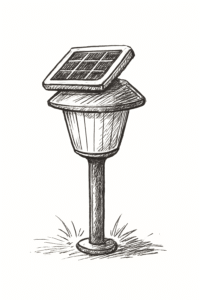
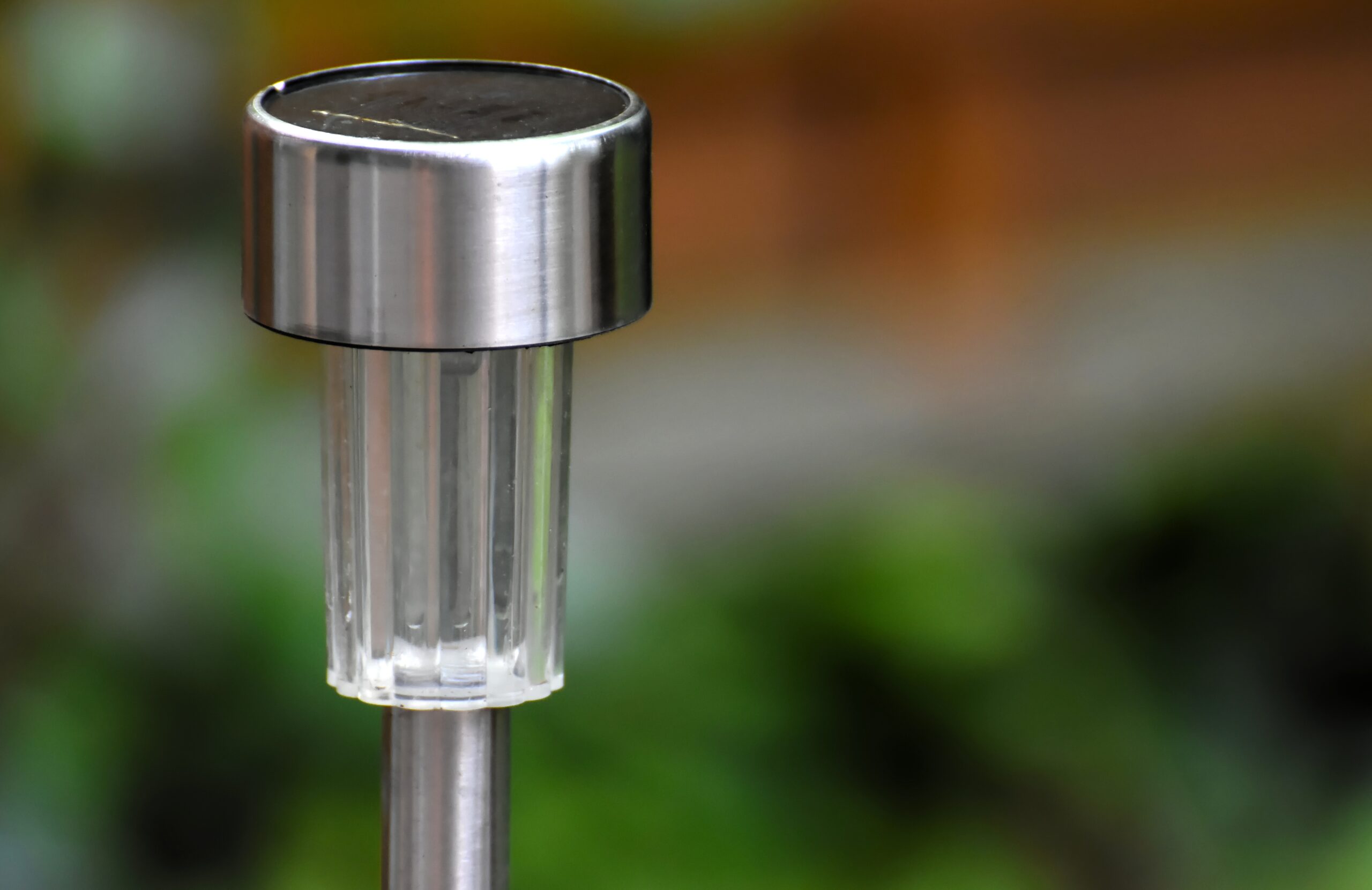
You do not need to understand photovoltaic cells at a technical level to use solar lights, but knowing the basics helps when you are choosing between products. The panel on top absorbs sunlight and converts it into electrical energy. That energy charges a battery inside the unit, usually a lithium-ion or nickel-metal hydride cell depending on the quality of the light. When the sensor detects darkness, it opens the circuit and the battery powers the LED.
The LED is the part that matters for light quality. Better solar lights use high-lumen LEDs that produce genuinely useful light rather than a faint orange glow. The battery size determines how many hours the light runs. A small cheap battery on a cloudy day gives you two hours. A proper lithium cell on a cloudy day still gives you five or six. That difference is what separates useful solar lights from decorative ones that disappoint after a week.
What to Actually Look for Before You Buy
The purpose of solar lights is clear. Whether a specific light delivers on that purpose depends entirely on what is inside it. Cheap solar lights are everywhere and most of them are not worth the box they come in. The panel is too small to charge the battery properly. The battery drains too fast. The LED is too dim to be useful. You get two weeks of mediocre performance and then nothing.
When choosing, check these things specifically.
- •Battery type: Lithium-ion holds charge far better than older nickel-metal hydride cells, especially in cold weather. If the listing does not mention lithium, assume it is the cheaper option.
- •Panel size: A panel smaller than the top of the unit is cutting corners. You want as much surface area as the design allows for reliable charging on overcast days.
- •Lumen output: For pathway lighting, 10 to 50 lumens works. For security or flood lighting, you want 300 lumens or more. Check this number before buying.
- •IP rating: This tells you how waterproof the unit is. IP65 handles rain and wind without issues. Anything below IP44 is not worth putting outside in a country with real weather.
This is something we cover in detail in our guide on Are Solar Lights Waterproof?
The Environmental Side of the Purpose of Solar Lights
Every solar light replacing a grid-powered one reduces the electricity demand that gets met by fossil fuel generation. It is not a dramatic reduction on its own. But scaled across millions of homes switching outdoor lighting to solar, it adds up to a meaningful drop in residential carbon emissions from lighting alone.
Good quality solar lights also last years before anything needs replacing. A well-made unit running for five years generates far less waste than cycling through cheap electric lights every eighteen months. For people trying to reduce their environmental footprint without overhauling their whole lifestyle, outdoor solar lighting is one of the easier and more affordable places to start.
So What Is the Real Purpose of Solar Lights?
The purpose of solar lights is to solve the lighting problem that wired electricity either cannot reach or costs too much to serve. They bring safety to dark paths, security to unlit corners, atmosphere to garden spaces, and independence to places the grid never touched. They do all of that without involving an electrician, without adding to your electricity bill, and without needing you to remember to switch them on.
That combination of simplicity and usefulness is why they went from a novelty to a genuine household staple in a fairly short window of time. If you have outdoor spaces that go dark after sunset and you have not sorted the lighting yet, solar is the most sensible place to start in 2026.
Summary
Solar lights exist to bring light where wiring is impractical or too expensive. They serve home safety, outdoor security, energy saving, off-grid communities, and garden ambiance without any ongoing electricity cost. Quality matters when buying. Check battery type, panel size, lumen output, and IP rating before spending money. The right solar light works reliably for years and costs nothing to run.