Table of Contents
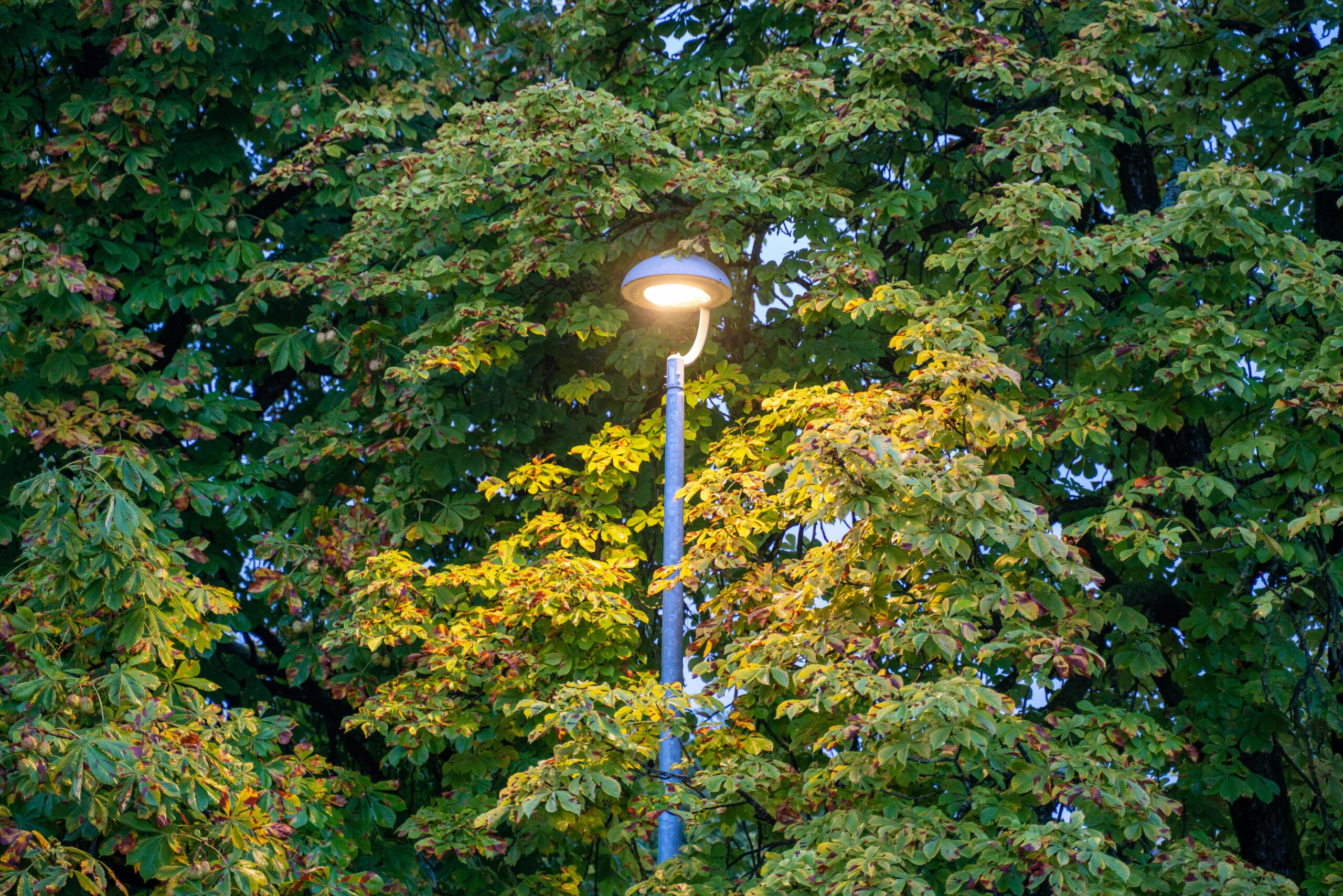
Solar lights and trees don’t mix well, and anyone who’s bought a six-pack of cheap stake lights and watched them die within a month already knows it. The panel needs sun. The tree blocks sun. That’s the whole conflict in one sentence. So do solar lights work under trees, or are you just wasting money? The honest answer depends on the panel type, the battery inside, and how thick that canopy actually is overhead. Some trees let through enough light to keep a decent solar light running for hours. Others kill it dead by sunset every single time. Here’s what actually determines which side of that line your yard falls on.
How Solar Lights Actually Charge and Work
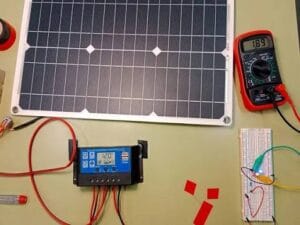
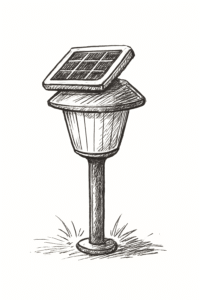
Sun hits the panel. Panel makes electricity. That electricity goes into a battery. At night, the battery powers the LED. That’s the whole thing.
Panel size limits how fast the battery fills. Most path lights use panels under 1 watt. Battery capacity sets how long the light runs. A big battery with a small panel in shade never fills up.
Does Shade Really Stop Solar Lights From Working?
No. Shade cuts output. It doesn’t kill it.
Some panels handle low light better than others. Amorphous panels keep producing power in dim conditions where crystalline panels drop off hard. Lights marketed as shade-tolerant usually mean they stuck an amorphous panel on there and called it a day.
You still need some sun hitting the thing. Full dark shade all day? Dead light by 9 PM every time.
Full Shade vs. Partial Shade vs. Filtered Light Through Trees
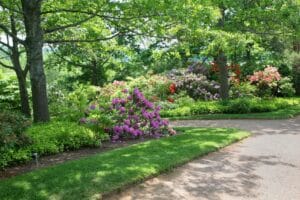
Full shade means zero direct sun all day. Evergreens, covered porches, north walls. Lights barely charge. Maybe 30 minutes of glow.
Partial shade means direct sun for part of the day and shadow for the rest. Two or three hours of direct sun plus indirect light can fill a battery halfway. Usable in summer.
Filtered light means dappled patterns through leaves. Honey locust and birch let enough through. Big-leaf maples don’t. Amorphous panels handle dappled light. Crystalline ones struggle.
Solar lights need real, direct sunlight but do solar lights need direct sunlight or will shade work too? Not bright shade. Not filtered light.
What Determines Performance in Shaded Spots
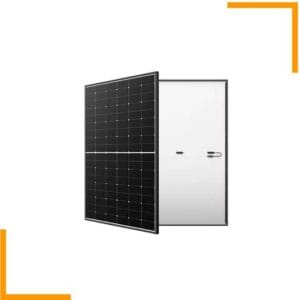
Panel type. Amorphous works in shade. Monocrystalline works in sun. Pick the right one for your spot.
Panel size. Bigger panel catches more light. Simple physics.
Battery. Lithium-ion holds charge better than NiMH. NiMH self-discharges faster and hates cold. Replaceable batteries let you swap in better ones later.
Charge controller. Good ones charge at lower light levels. Cheap ones need stronger sun to start.
LED quality. Efficient LEDs squeeze more light from less power. Cheap LEDs waste it as heat.
Season. Winter sun sits low. Shadows stretch. Days are short. Performance tanks November through February.
Weather. Cloudy days plus tree cover equals almost no charge.
Real-World Performance: What to Actually Expect Under Tree Cover
Under an open-canopy tree like honey locust or birch, a decent amorphous-panel light runs 4 to 6 hours in summer.
Under a dense maple or oak, maybe 2 to 3 hours.
Under a spruce or pine, an hour or less. Often nothing.
Winter cuts all those numbers by half or more.
How to Get the Best Performance From Shaded Solar Lights
Move the lights into sun pockets. Watch your yard for a day and mark where sun hits longest. Place panels there.
Buy lights with separate panels on cables. Stick the panel in the sun. Stick the light where you want it.
Clean the panels. Dirt on an already shaded panel kills output. Wipe them every two weeks.
Swap the batteries. Stock batteries in cheap lights are garbage. Put in Eneloop Pros or better lithium cells if the light takes them.
Trim low branches blocking the panel during peak hours.
Best Solar Lights for Shaded or Tree-Covered Areas
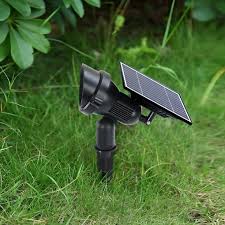
Look for these features: amorphous panel, lithium battery, separate panel on a cable if possible, replaceable battery.
Brands that make lights with at least some of these features include Litom, Urpower, Gigalumi, and Ring. Check current models and prices when you’re buying because SKUs change constantly.
When Solar Lights Just Aren’t the Right Choice
Dense evergreens. Covered porches. North-facing walls under heavy canopy. Solar won’t work here. Save your money.
Cloudy climates with short winter days also kill solar performance. Coastal PNW, Scotland, that kind of place.
For those spots, run low-voltage wired lights. Costs more upfront. Works every night. No battery swapping. No panel cleaning. No disappointment.
FAQs
Do solar lights work under pine trees?
No. Too dense year-round.
What trees let enough light through?
Honey locust, birch, mesquite, silk tree. Fine leaves, open branches.
How do I know if my yard is too shady?
If you can’t see distinct shadow patterns on a sunny day, it’s too dark.
Can I make cheap solar lights work in shade?
Clean them. Upgrade the batteries. Move them to brighter spots. That helps. It won’t fix fundamentally wrong placement.
Are expensive solar lights better for shade?
Only if the extra money buys a remote panel and lithium battery. Paying more for a prettier housing doesn’t help.
Summary
Solar lights work under trees when the canopy lets light through and the light uses an amorphous panel with a lithium battery. Dense evergreens and full shade defeat solar entirely. Seasonal sun angle changes performance dramatically. Remote panels, regular cleaning, and battery upgrades help in borderline spots. For permanent deep shade, wired lights are the better choice.