Table of Contents
The Problem: Why You Need a Reliable Power Source When the Grid or Outlets Fail
Your phone battery drops to 5 percent right when you need it most. Picture yourself camping in the mountains with zero outlets in sight. Or picture load shedding hitting your neighborhood again, with the inverter giving up hours ago. Either way, the panic is real, and so is the need for backup power not tied to a wall socket.
Grid power fails everyone eventually. Storms knock down lines. Remote campsites don’t hide sockets behind rocks. Even city apartments lose power during peak summer demand. Your phone turns into a lifeline for calls, maps, and emergency updates right when it dies fastest.
Solar lights with mobile charging exist for exactly this gap. Instead of waiting on the grid, they store daylight and hand it straight to your phone and your bulb after dark. No fuel. No extension cord. No dead-battery panic at 2 a.m.
What Are Solar Lights with Mobile Charging & How They Solve This
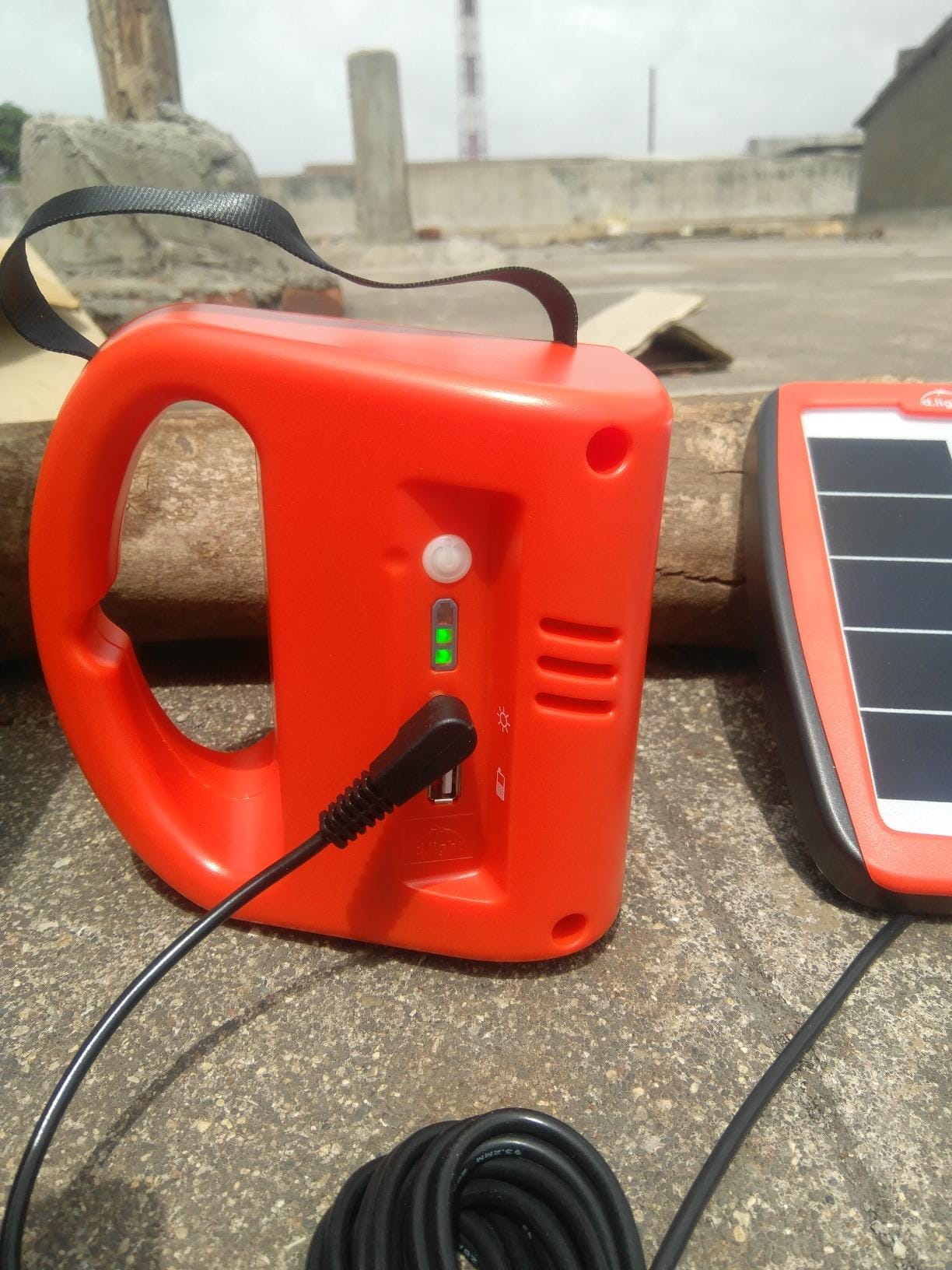
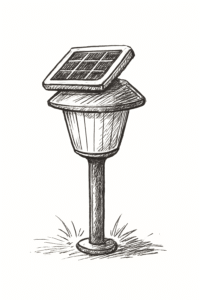
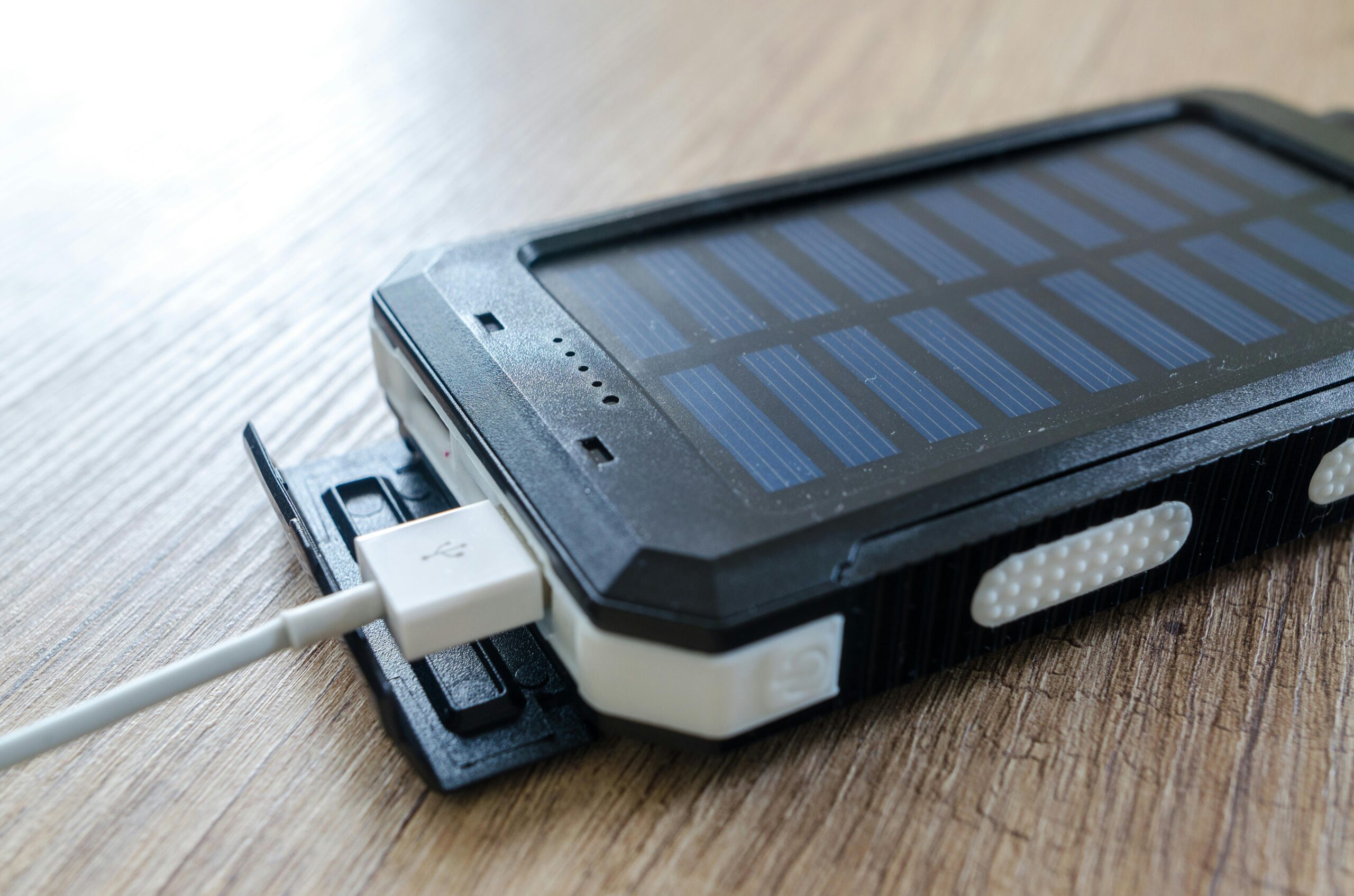
A solar light with mobile charging combines three parts in one device: a small photovoltaic panel, a rechargeable battery, and a USB output port. Sunlight hits the panel, the panel generates direct current electricity, and a small charge controller manages the flow into the battery for storage.
Once the sun goes down, the stored energy does two jobs. It powers the LED bulb for illumination, and it feeds your phone through the USB port. You get light and a working phone without touching a wall socket.
The whole mechanism solves the outage problem directly, with zero dependence on grid power, fuel, or a cord running to some distant plug point.
Types of Solar Mobile-Charging Lights
Established names already sell in each category below, LuminAID’s inflatable lanterns, MPOWERD’s Luci Pro Series, d.light’s solar lanterns, and Solight’s MEGAPUFF among them. Checking a few real listings before you buy gives you a sense of realistic battery capacity, IP ratings, and price points for the category.
All-in-One Integrated Units
These pack the panel, battery, light, and USB port into a single compact body. Setup takes seconds. Place the unit where sunlight reaches it, and everything charges together.
Integrated units suit campers and travelers who want one item to carry, not three. The tradeoff: the panel stays fixed to the light, so shaded spots hurt performance.
Hybrid Modular Systems
Here, the panel sits apart from the battery and light unit, connected by a cable. Mount the panel wherever the sun hits hardest, a windowsill, a rooftop ledge, a tent’s sunny side, while the light and battery stay wherever you need them.
Modular systems perform better in areas with patchy sun exposure or frequent cloud cover. The extra cable adds a small bit of bulk, but the flexibility often wins out for home backup use.
DIY Retrofit Kits
Some users build their own setup from separate parts: a solar panel, a charge controller, a battery holder, and a USB adapter. This route costs less upfront and lets you pick your own battery size.
Retrofit kits demand basic wiring knowledge and carry more risk if connections loosen or the charge controller goes missing. They suit anyone comfortable with hands-on electronics work.
Key Features to Check Before You Buy
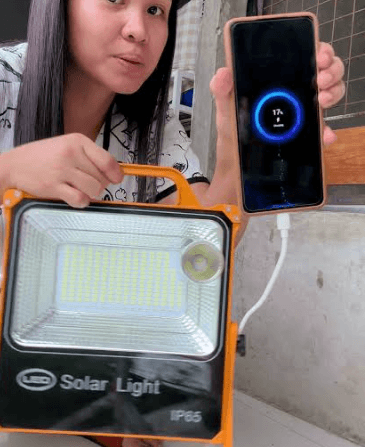
Compare these specifications before buying a solar light with a phone charger:
- Battery capacity (mAh): Match this to your phone. A 5,000 mAh unit typically delivers close to one full smartphone charge. A 10,000 mAh unit stretches to two.
- Output port type: USB-A with 5V/2A output charges most phones at a normal pace. USB-C with higher amperage charges faster and suits newer devices.
- Solar panel type: Monocrystalline panels convert roughly 17 to 22 percent of sunlight into electricity. Polycrystalline panels sit lower, around 13 to 17 percent, and cost less.
- IP rating: IP65 means the unit resists dust and water jets. IP67 means it survives brief submersion. Outdoor use through Pakistan’s monsoon season calls for IP65 at minimum.
- Charge controller: MPPT controllers pull more usable power from the panel than older PWM controllers, especially in low light.
- Safety certification: Look for CE, FCC, or RoHS marks. These confirm the unit passed basic electrical safety and environmental testing.
How to Choose the Right One for Your Needs
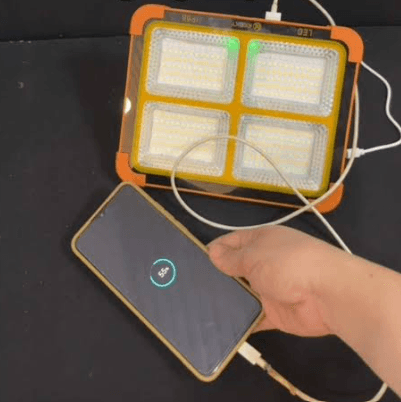
Your use case decides which type fits best.
Campers and hikers do best with a lightweight all-in-one unit rated IP65 or higher. Weight and packed size matter more here than raw battery capacity.
Households dealing with regular load shedding or grid outages get more mileage from a hybrid modular system with a larger battery. The panel mounts wherever the sun hits hardest on your roof or balcony, while the battery and light stay wherever you need them most.
Daily balcony or patio use rarely calls for more than a mid-range integrated unit. Premium specs go to waste on occasional evening light and a quick top-up charge.
Pros and Cons: What to Realistically Expect
Pros:
- No recurring electricity cost, since sunlight powers the whole unit
- Keeps working during outages, exactly when the grid and inverters fail
- Small and light enough for travel, camping, and outdoor events
- Less dependence on disposable batteries over time
Cons:
- Charging speed swings with the weather, so cloudy days slow everything down
- Output wattage stays lower than a wall charger, meaning charge times run longer
- Upfront cost sits higher than a basic flashlight or standard power bank
- Battery capacity fades gradually after repeated charge cycles, same as any rechargeable battery
Set your expectations around these limits, and the product delivers real value. Expect it to replace a wall charger entirely, and disappointment follows fast.
Cost & Value: Is It Worth Buying?

Pricing spreads across three rough tiers.
Entry-level units offer a small battery and basic light output, priced for casual buyers who want occasional backup. Mid-range units add a bigger battery, better IP rating, and faster USB output, and this tier delivers the strongest value for most households. Premium modular and hybrid systems cost more upfront but add flexibility, larger panels, and support for multiple devices.
Return on investment shows up fastest for households facing regular load shedding. A one-time purchase replaces repeated spending on candles, backup batteries, or emergency data top-ups during outages. Occasional campers get the value from convenience more than direct savings.
Real Customer Experiences & Lessons Learned
Patterns repeat across buyer feedback on these products.
Setup and first use earn consistent praise. Most buyers find the panel-to-battery connection simple, with no technical background needed.
Charging speed causes the most frustration. Buyers expecting a full phone charge in an hour or two run into disappointment, because low-wattage solar input takes several hours under full sun, and longer under cloud cover.
Battery capacity claims printed on packaging sometimes exceed real-world performance. Reviewers who cross-check capacity against verified test results report better satisfaction than those who trust the number on the box alone.
IP rating matters more than buyers expect going in. Units left outside through a full monsoon season without an adequate rating fail faster than advertised lifespans suggest.
The lesson across this feedback stays consistent: verify specifications against independent sources before buying, and set realistic expectations for charging speed.
Maintenance, Safety & Legal Tips for Long-Term Use
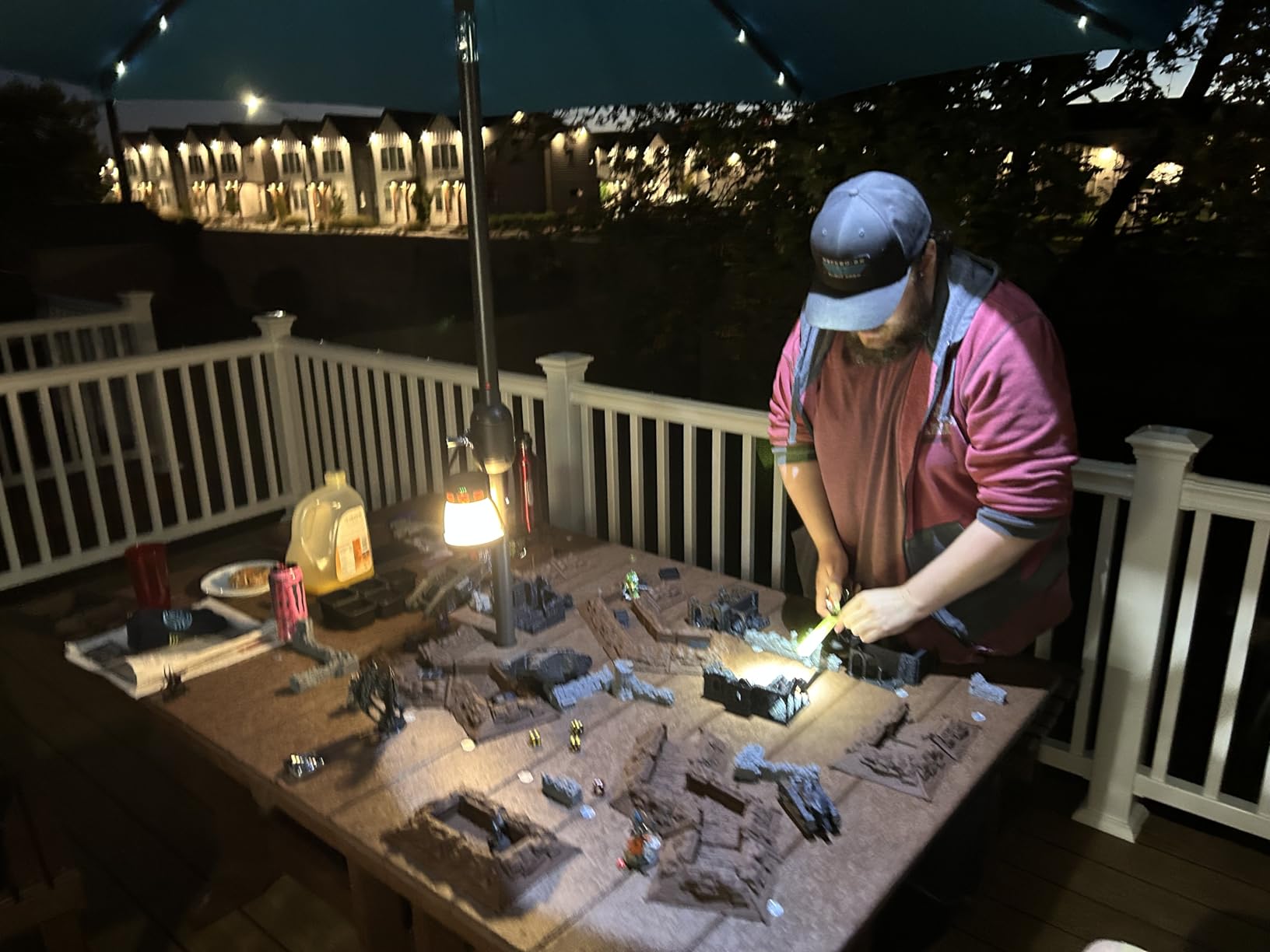
Wipe the solar panel surface with a soft, dry cloth every week or two. Dust and grime block sunlight and cut charging efficiency.
Store the unit away from extreme heat when not in use. Lithium batteries degrade faster above roughly 45°C, so a hot car dashboard or direct summer heat shortens battery life.
Buy units carrying CE, FCC, or RoHS certification. These marks confirm the electronics passed recognized safety testing for voltage regulation and fire risk.
Never leave a damaged unit charging unattended, indoors or outdoors. A punctured or swollen lithium battery poses a fire risk and needs careful, immediate disposal.
Dispose of dead batteries through proper e-waste channels, not household trash. Lithium batteries count as hazardous waste in most regions, including Pakistan’s growing e-waste collection points.
Look into your housing society or building rules before mounting fixed solar lights on shared walls, rooftops, or balconies facing neighbors. Some societies restrict visible external fixtures.
FAQs
Does a solar light fully charge a phone in one day?
A unit with 5,000 to 10,000 mAh capacity delivers one to two full smartphone charges once fully charged itself, given several hours of full sun exposure.
Do these lights work well in cloudy weather?
Charging slows significantly under cloud cover. Expect double the charging time compared to full sun, and consider a modular system with a larger panel for regions with frequent overcast days.
How long does the battery inside last?
Most lithium batteries in these units handle several hundred to over a thousand charge cycles before capacity drops noticeably, translating to roughly two to four years of regular use.
Are solar mobile-charging lights safe to leave outdoors in rain?
Only with an IP65 rating or higher. Confirm the rating before leaving any unit exposed through monsoon season or heavy rainfall.
Which type works best for emergency backup at home?
Hybrid modular systems work best. Position the panel for maximum sun exposure separately from where you store the battery and light indoors.
Conclusion
A dead phone during a power cut or a camping trip creates a problem grid power doesn’t always solve. Solar lights with mobile charging fill this gap with stored sunlight, ready whenever the grid isn’t.
Match the unit to your actual use, camping, emergency backup, or daily patio use. Review the specifications listed above, and keep expectations realistic around charging speed. Do this, and the purchase earns its price back in convenience and peace of mind.