Table of Contents
The Problem With Regular Solar Lights That Nobody Warns You About
Here is a situation a lot of people find themselves in. You buy a solar wall light online. It looks good in the photos. The reviews are decent. You mount it on the wall outside your front door, and the first few nights it works fine. Then, slowly, it starts dying earlier and earlier. By week three it is off by midnight. By winter it barely makes it past 9pm.
The culprit is almost always the same thing. The wall where you need the light does not get enough direct sun during the day to charge the built-in panel properly. Maybe it faces north. Maybe a tree sits in front of it. Maybe a roof overhang casts shade across it from midday onward. The light and the panel are stuck together, so wherever one goes, the other follows. You have no choice.
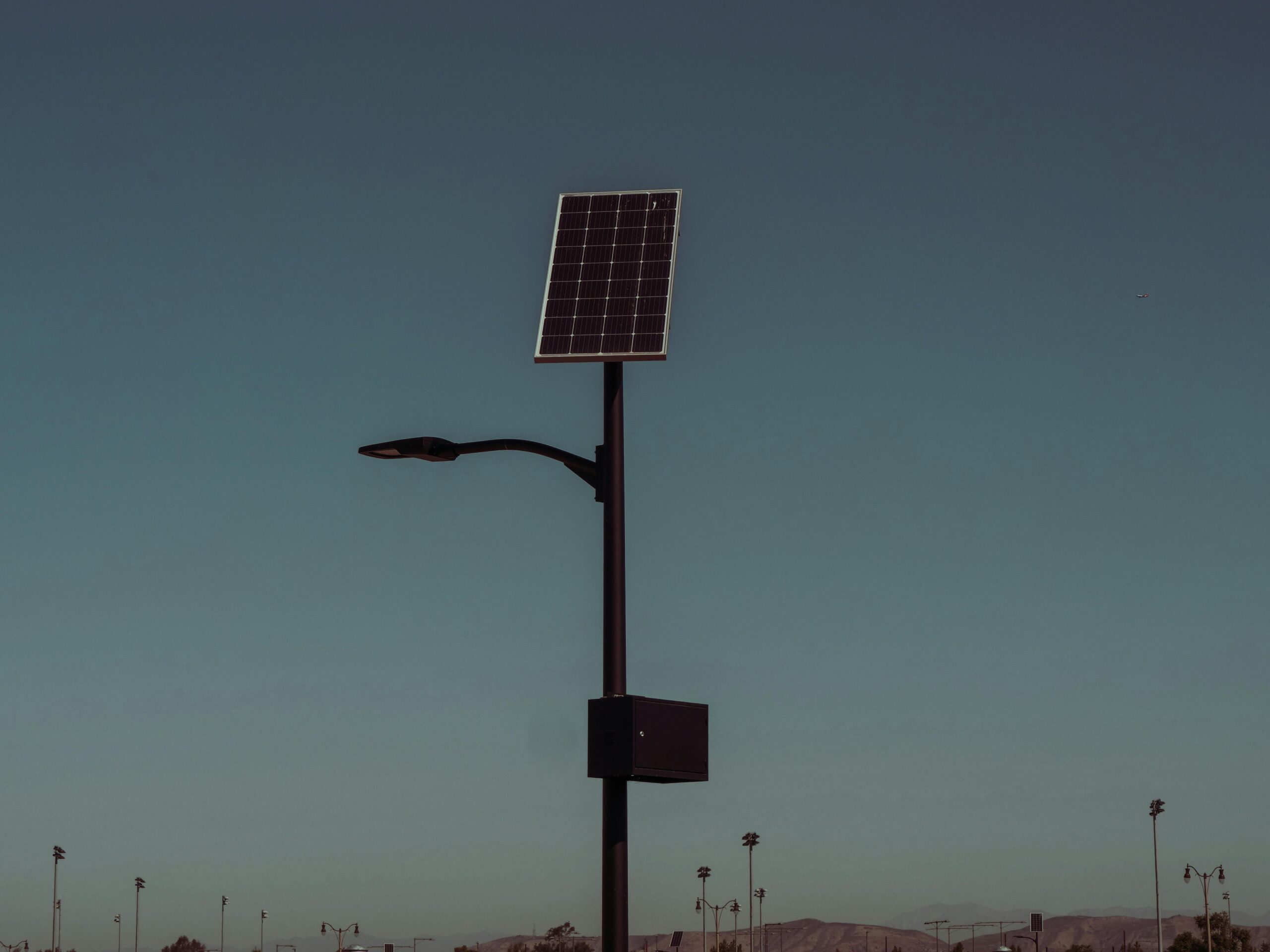
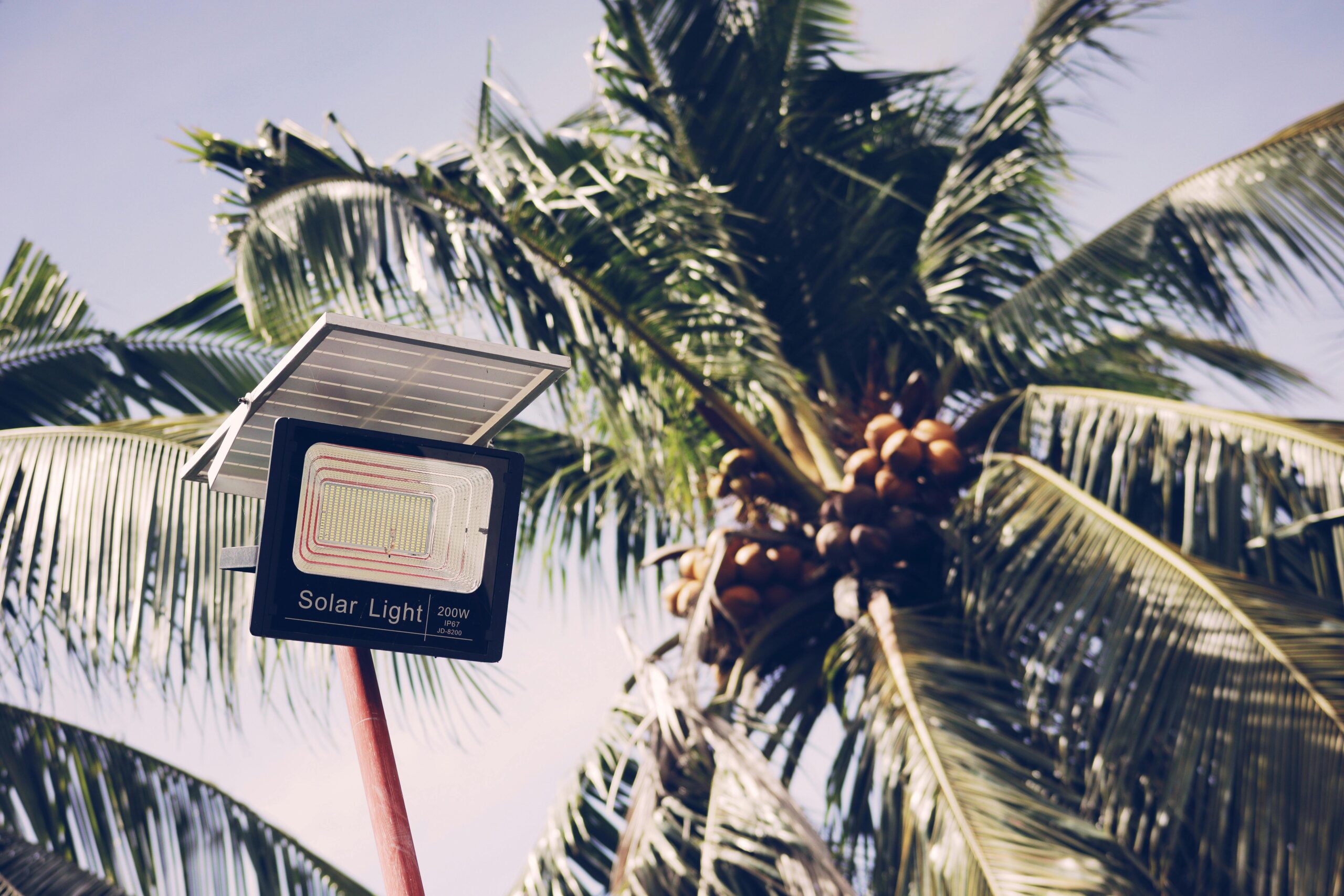
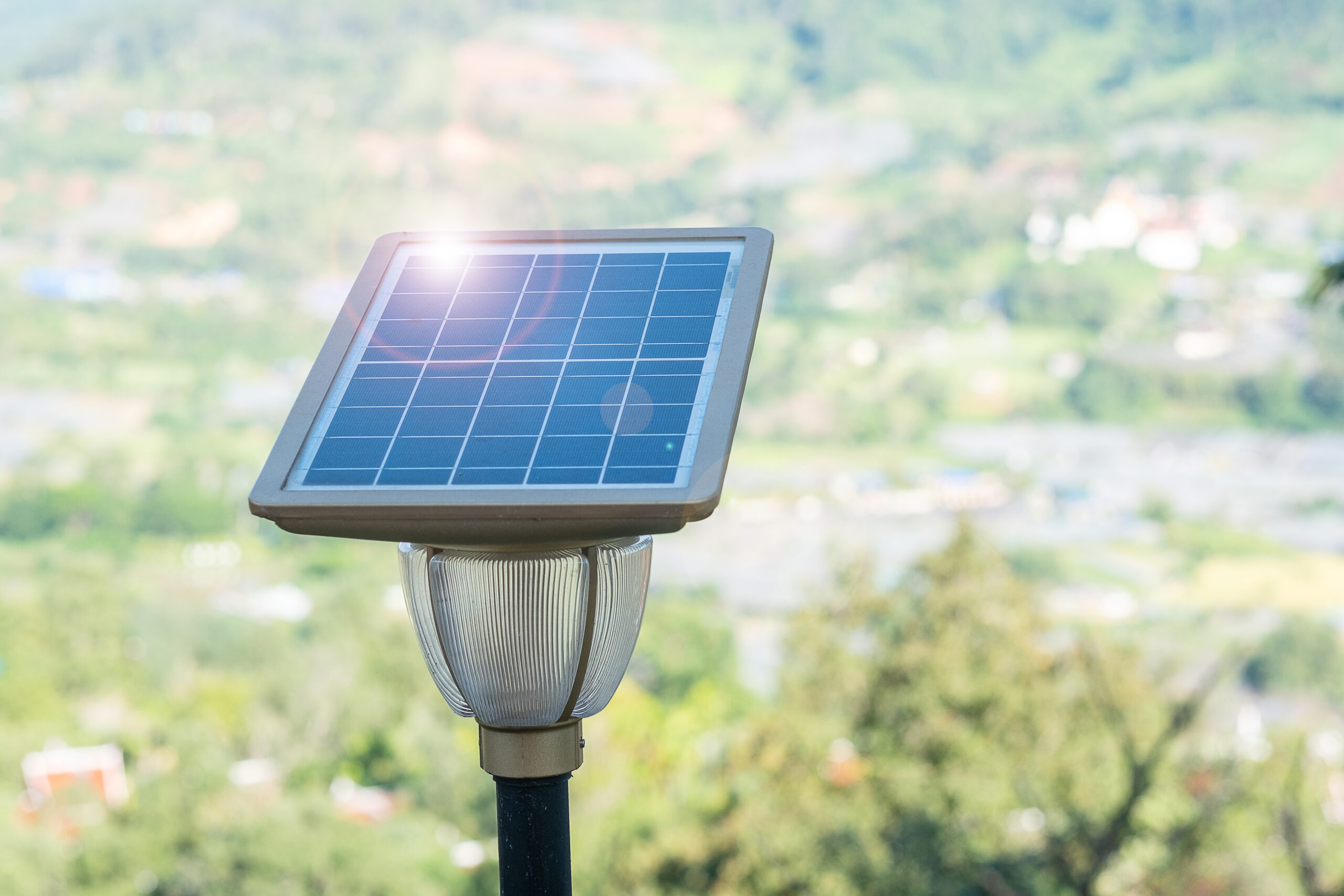
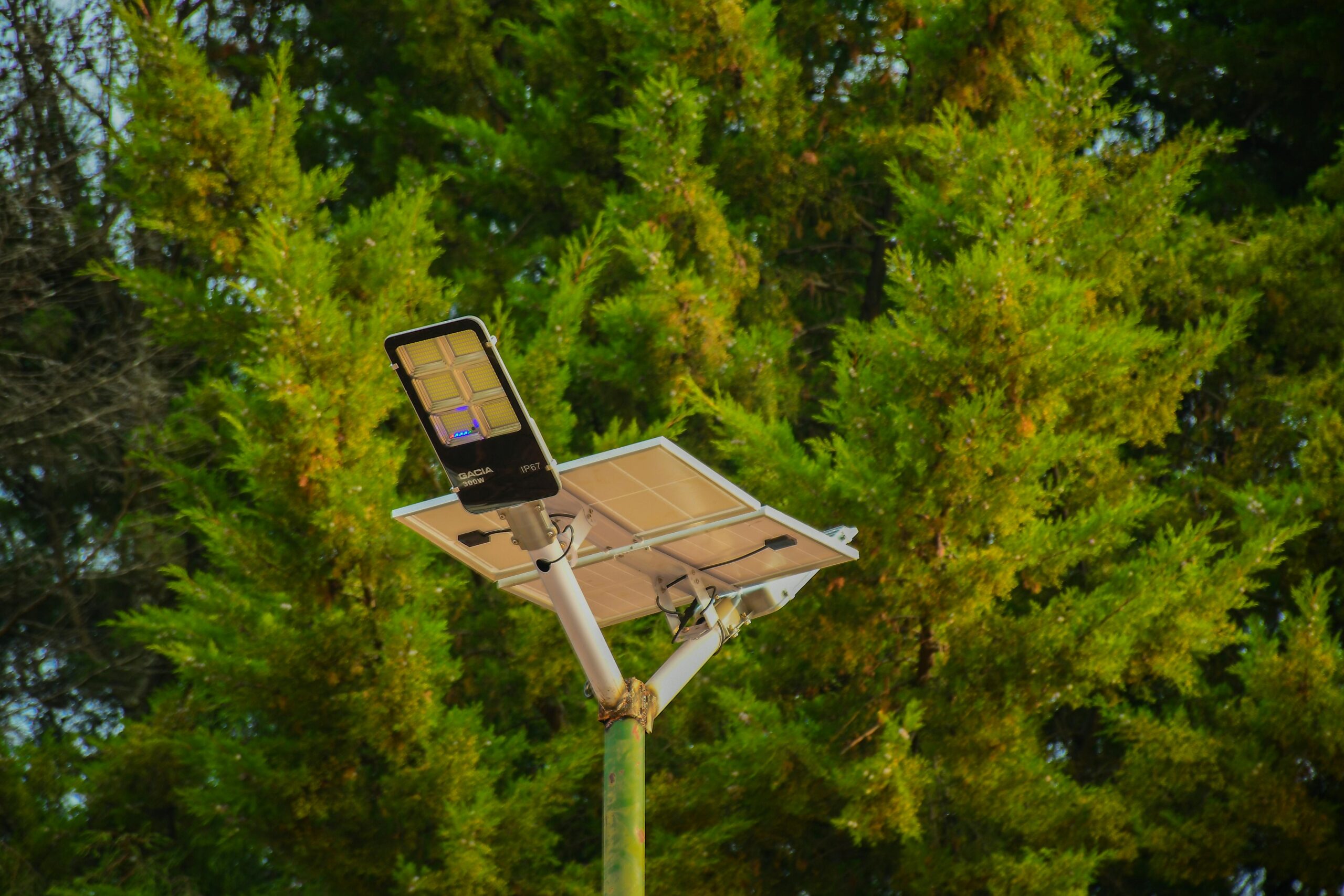
Solar lights with a separate panel solve this completely. The panel goes where the sun actually hits. The light goes where you actually need it. A cable connects the two, usually running anywhere from 10 to 16 feet depending on the model. That gap is the whole point.
Who Actually Needs This Type of Solar Light
Not everyone needs a separate panel setup. If your install spot gets six or more hours of direct sun daily, a standard integrated solar light works perfectly fine. But a lot of homes do not have that luxury, and the separate panel design exists specifically for those situations.
You need solar lights with a separate panel if your front door, porch, or garden wall faces north and gets little to no direct afternoon sun. You need it if trees, a fence, or a neighboring building casts shade over your wall through most of the day. You need it if you want to put a light in a covered area, under a veranda, inside a porch, or in any spot where a solar panel on the fixture itself would be completely useless.
Some people also use them for sheds and outbuildings. The panel goes on the sunny south-facing roof. The cable runs inside. The light sits on the ceiling. This setup lets you have a real solar-powered shed light without any wiring, batteries you have to replace constantly, or relying on a wall socket outside.
How the Separate Panel System Actually Works
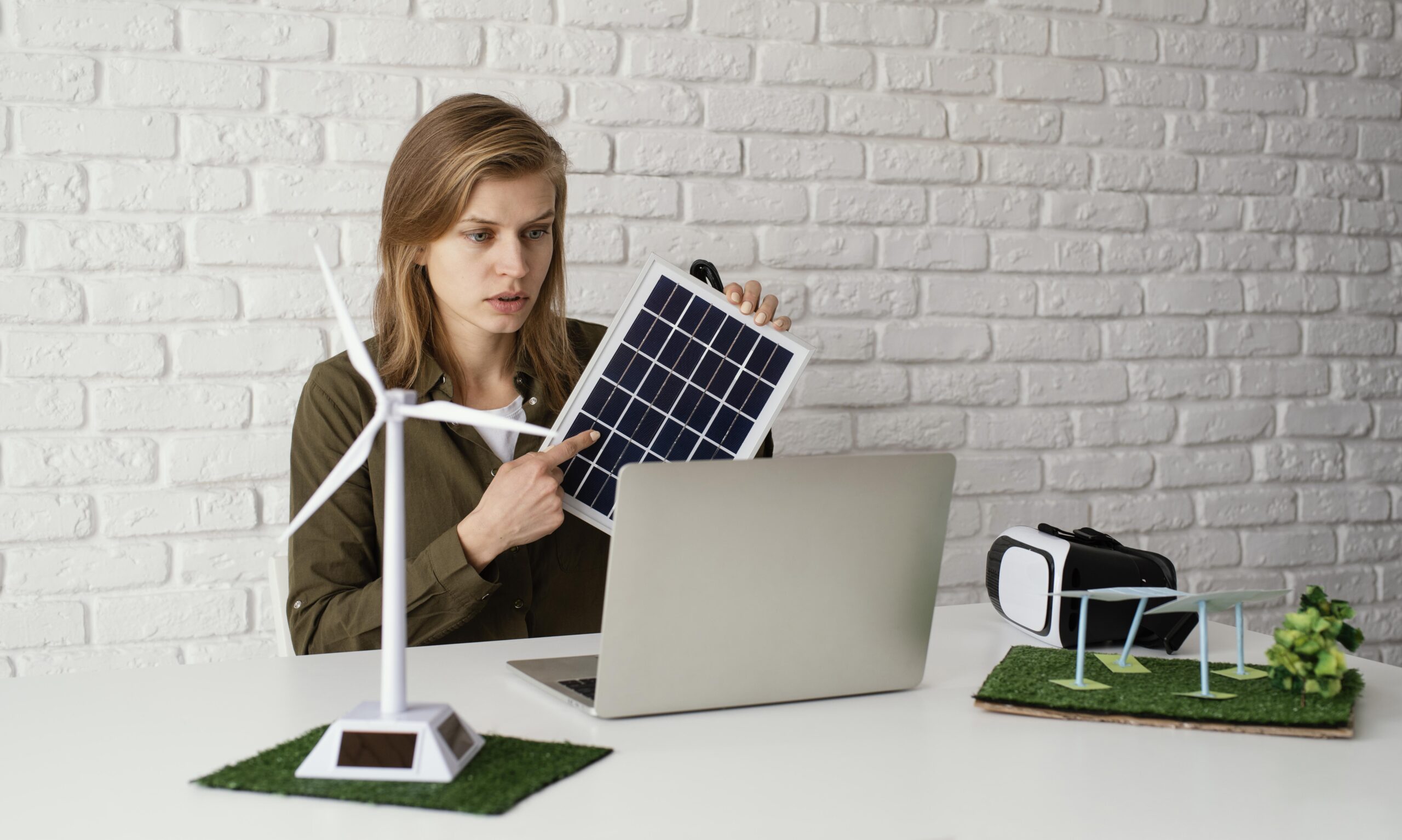
It is simpler than it sounds. The solar panel sits outdoors in a spot with good sun exposure. During daylight hours it converts sunlight into electrical energy and stores that energy in a rechargeable battery inside the light fixture. When it gets dark, the light draws from that stored energy and turns on. Most models do this automatically through a built-in dusk-to-dawn sensor.
The cable between the panel and the light is weatherproof and designed to sit outdoors year-round. You do not need to worry about it getting wet. On most models you can hide the cable along a wall edge, tuck it under a fence rail, or run it through a small drilled hole if you want a cleaner look.
Some models also let you extend the cable further using extension cables sold separately. This matters if your ideal panel spot is further than the included cable reaches. A handful of brands sell wire extensions specifically for this purpose, so you get more placement freedom without buying a completely different product.
Where Separate Panel Solar Lights Work Best
North-Facing Walls and Covered Porches
This is the number one use case. A north-facing wall in most regions gets very little direct sun. An integrated solar light mounted there will consistently underperform. A separate panel model lets you run the panel around to the south-facing side of the house or up onto a fence post that catches good afternoon light, while the light itself stays exactly where you want it on that shaded wall.
Covered porches have the same issue. The overhang blocks the panel from getting sun. With a separate panel, this stops being a problem at all.
Garden Spotlights and Uplights
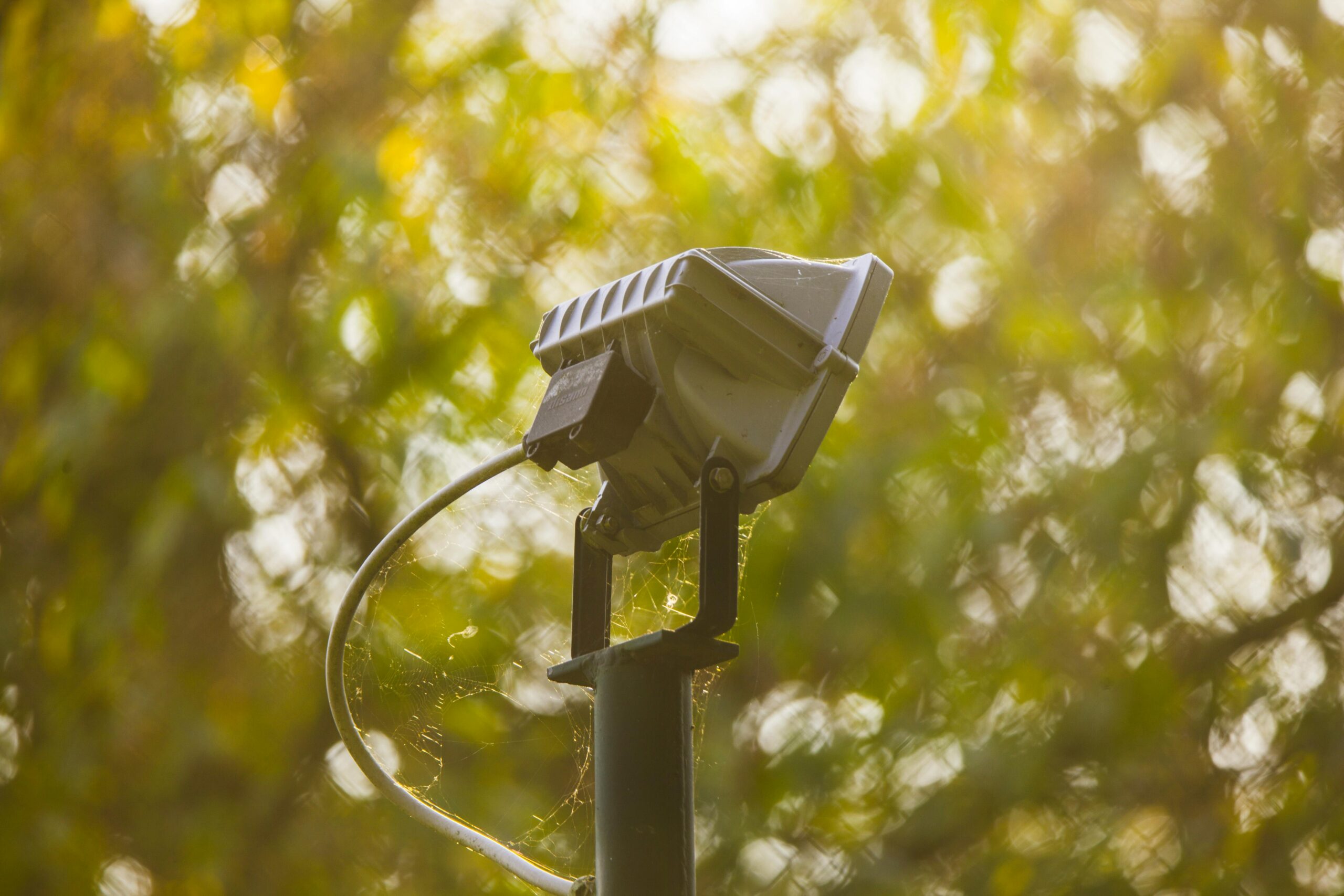
Spotlights that illuminate a tree, a garden feature, or a wall from below often need to be positioned in spots with no sun exposure. The fixture itself sits in shade, pointed upward. This is exactly the kind of setup where separate panel solar spotlights shine. The panel goes in a sunny patch of garden. The spotlight goes wherever the effect needs to happen.
Sheds, Garages, and Outbuildings
Indoor solar lighting for outbuildings is a genuinely useful application. The panel mounts outside on a sunny roof or wall. The cable runs through a small gap or hole. The light sits inside where you need it. No mains electricity needed. No battery-powered lanterns you forget to charge. Just reliable, automatic light when you walk in after dark.
Security Lights on Awkward Walls
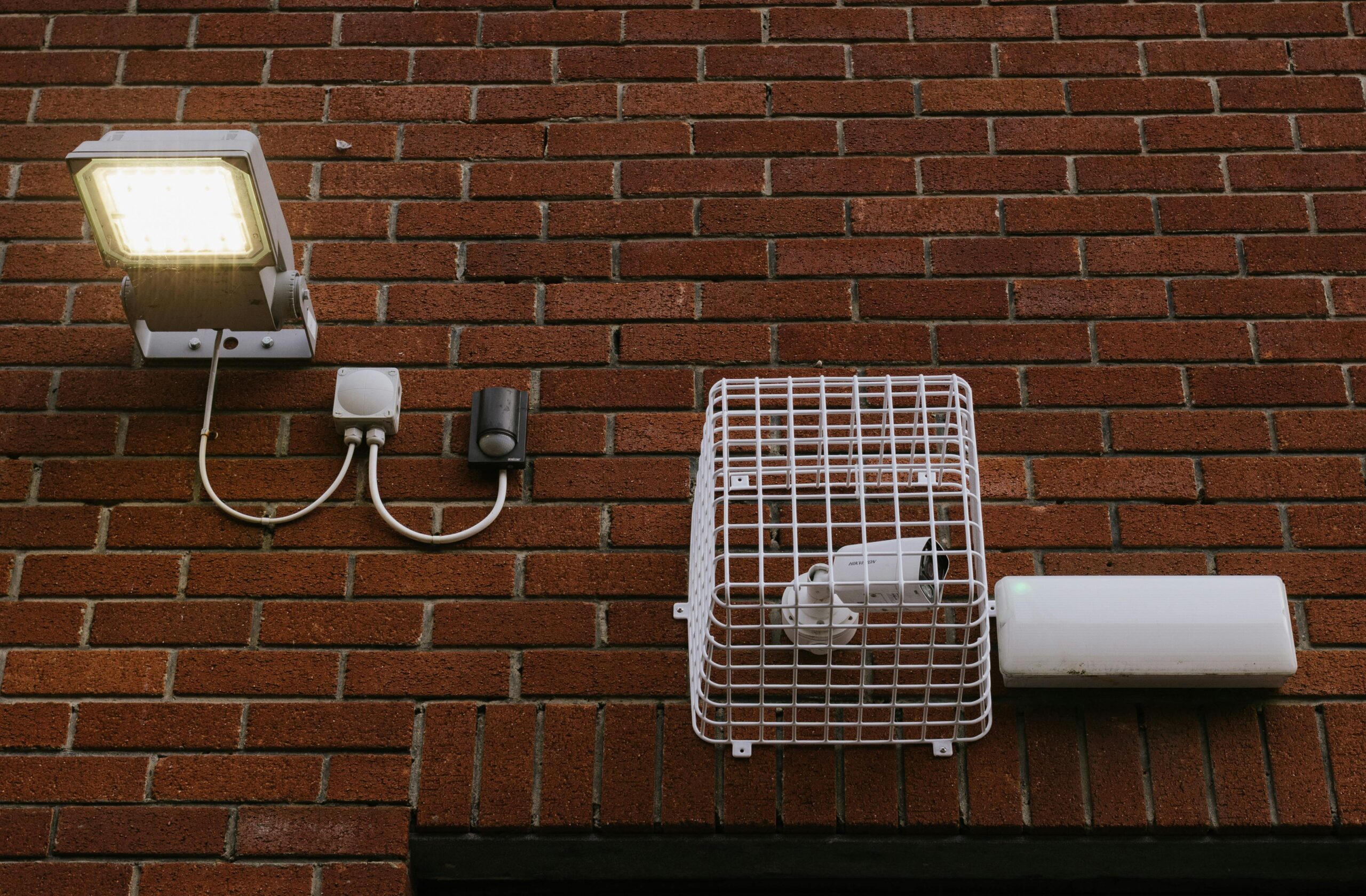
Security floodlights need to go where they cover the most ground, not where the panel gets the best sun. A separate panel setup lets you place a security light over a garage door, side gate, or back entrance without sacrificing charge performance because the panel is somewhere far more useful.
What to Look for Before Buying
This is where most buyers go wrong. They find a product that looks right and order it without checking the details that actually determine whether it will work.
- Cable Length: The distance between where your panel needs to go and where your light needs to go determines everything. Most separate panel models come with 10 to 16 feet of cable. Measure your setup before buying. If you need more reach, check whether the brand sells extension cables.
- Panel Size and Wattage: A larger panel charges faster and more fully, which directly affects how long the light runs at night. For a security light or a bright garden spotlight, you want a monocrystalline panel with decent wattage. Small decorative lights get away with smaller panels.
- Battery Capacity: This determines runtime. A well-charged battery on a good separate panel model runs 8 to 14 hours. Budget models with small batteries die in 4 to 6 hours, which makes them useless through a full night.
- IP Rating: Both the light and the panel need weatherproofing. IP65 is the minimum for outdoor use. IP67 is better for exposed spots. Check the rating on both components, not just the light head.
- Panel Adjustability: The best separate panel models let you tilt and angle the panel to catch the most direct sun. A panel locked at a fixed angle performs much worse than one you can position precisely. Look for at least 180 degrees of tilt adjustment on the panel mount.
- Replaceable Battery: Worth checking every single time. When the internal battery reaches the end of its life, usually after 2 to 3 years, a replaceable cell saves the whole unit. A sealed battery means the whole light goes in the bin.
Setup Tips That Most Guides Skip
The physical installation of solar lights with a separate panel is straightforward, but a few things trip people up.
Give the system a full 48-hour charge in direct sun before you judge performance. The battery needs proper conditioning on the first charge. Testing on night one gives you an inaccurate and usually disappointing result. Wait two full days of good sun before deciding whether the product works.
When positioning the panel, tilt it toward the direction that gets the most afternoon sun. Morning sun is weaker than afternoon sun in terms of panel charging efficiency. A slight tilt toward the west-facing or south-facing angle, depending on your location, makes a real difference to how full the battery gets each day.
Run the cable neatly. This sounds obvious but an untidy cable draped across a wall looks cheap and gets caught on things. Use cable clips along the wall edge, tuck it behind a downpipe, or route it in a channel. Ten minutes of tidy cable management makes the whole setup look far more intentional.
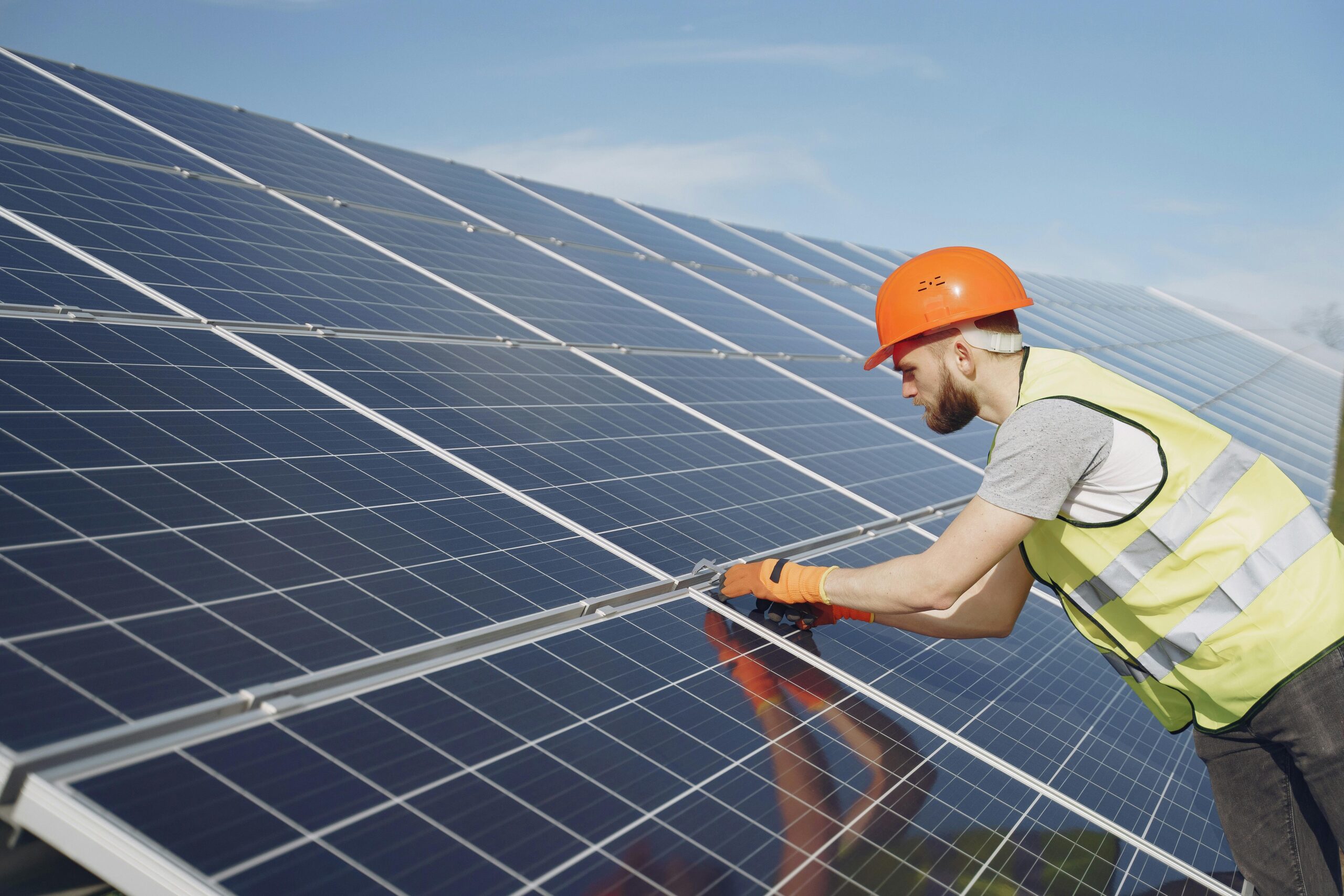
Clean the panel once a month. A damp cloth across the surface takes ninety seconds and removes the dust, pollen, and grime that noticeably reduce charging performance over time. This one habit extends the effective life of the system more than anything else you could do.
The Mistakes Worth Avoiding
- Buying without measuring the cable reach and ending up with a panel that cannot get to a sunny position.
- Mounting the panel at a fixed angle pointing straight up at the sky instead of angling it toward the sun’s path.
- Forgetting to check the IP rating on the panel separately from the light head. Some brands waterproof the light and leave the panel exposure rating vague.
- Choosing a model with a sealed battery and no replacement option, then discarding the whole unit two years later.
- Not using cable clips and leaving a loose cable flapping across a wall where it looks bad and eventually gets damaged.
Summary
Most people do not know solar lights with a separate panel even exist until they install a regular solar light in the wrong spot and it dies by 10pm. The separate panel design fixes that exact problem. This guide explains how they work, where they genuinely make sense, what to look for, and the details most buyers overlook until it is too late.