The Author
Table of Contents
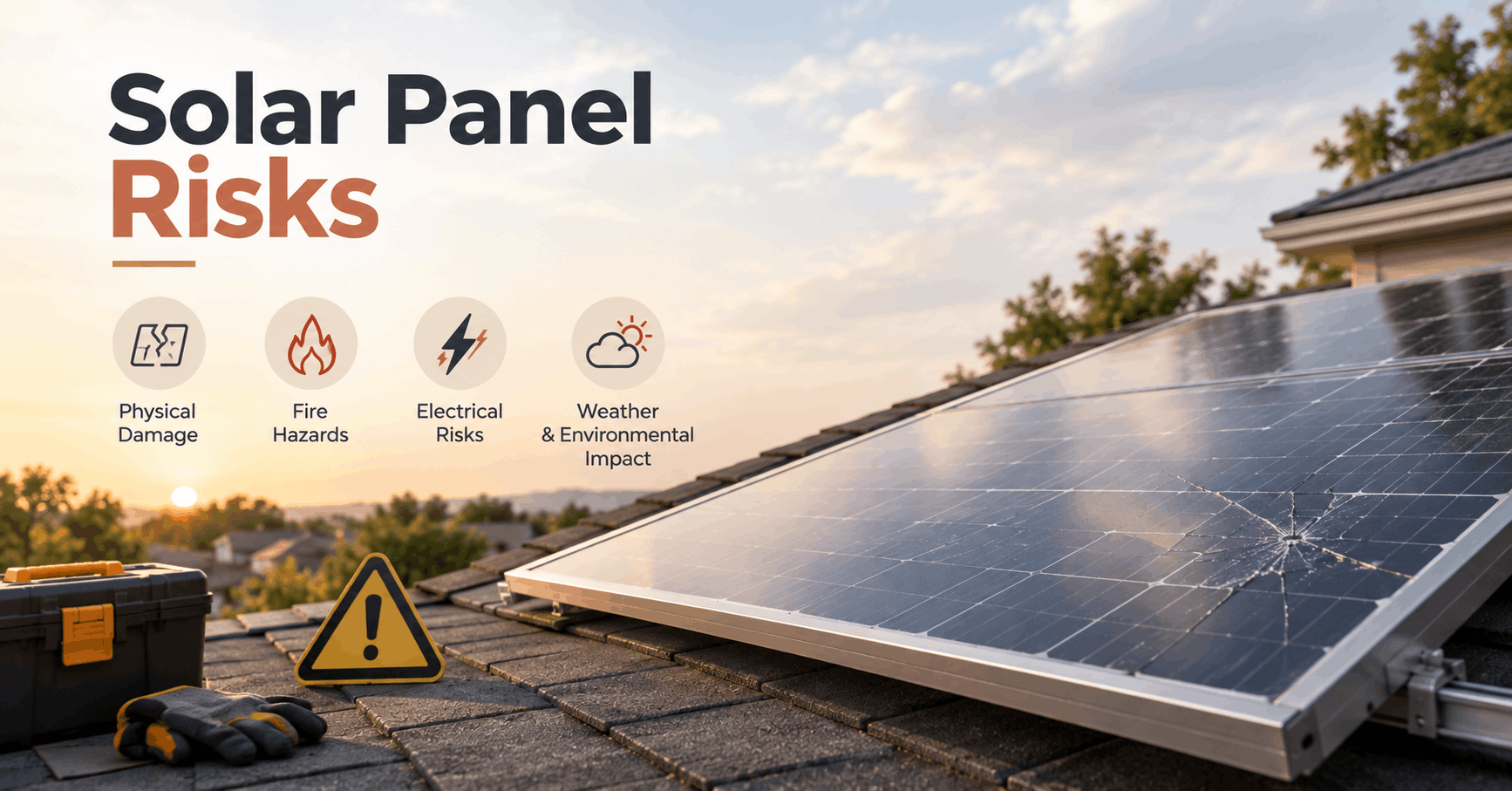
The dangers of solar power rarely come up in the sales conversation. The installer shows up with enthusiasm, talks about savings, shows you a payback calculator, and somewhere in the excitement the actual risks get skipped entirely. That is a problem because the risks are real, they affect real households, and knowing them upfront changes how you approach the whole decision.
This is not an argument against solar power. Millions of installations run safely for decades without incident. The point is that solar power involves high voltage electricity, significant roof modifications, and chemical storage systems. Treating it as risk-free because it sounds clean and green does the buyer a disservice.
This is something we cover in detail in our guide on Solar Panel Risks Homeowners Should Know Before Installing in 2026
Dangers of Solar Power: Electrical Fire Risk
Fire is the danger most people do not associate with solar panels until they read about it. Solar panels generate direct current electricity at high voltage. The wiring that carries that electricity from your roof to your inverter runs through your roof cavity, wall spaces, and electrical system. Any fault in that wiring creates a serious fire risk.
DC electrical fires are harder to fight than standard AC electrical fires. Standard household circuit breakers interrupt AC current effectively. DC current does not behave the same way. It does not cross zero volts the way AC does, which means arc faults in DC wiring sustain themselves longer and at higher temperatures. Fire services in multiple countries have updated their training specifically because of the different behavior of DC solar fires.
Faulty installation is the leading cause of solar-related fires. Connectors not properly seated. Wiring run through roof spaces without adequate protection. Inverters installed without proper ventilation. These are installation errors that happen when work is done quickly, cheaply, or by installers without adequate training. The cheapest quote for your solar installation is sometimes the most expensive decision you make.
Micro-inverter systems reduce the DC fire risk by converting current to AC at each individual panel rather than running high-voltage DC cable across the full roof. If fire risk is a specific concern for your household, micro-inverter architecture is worth asking about explicitly before signing any installation contract.
Roof Damage Is More Common Than Installers Admit
Putting panels on your roof means putting penetrations in your roof. Every mounting point is a hole drilled through your roofing material and sealed against water ingress. When that sealing is done correctly it holds for years. When it is done poorly it leaks. Slowly at first, then increasingly.
Roof leaks from poor solar installation are among the most common complaints filed against solar companies in every major market. The leak does not always appear immediately. It shows up months or years later when the sealant around a mounting point has degraded or was never applied properly. By then the water has been working its way through your roof structure for a long time before you notice it.
The weight of panels adds structural load to a roof that was not designed with that weight in mind. Most modern roofs handle the load without issue. Older roofs, roofs with pre-existing structural weaknesses, or roofs with unusual architecture sometimes do not. A structural assessment before installation is standard practice for reputable installers and a red flag when it is skipped.
Panel removal during roof repairs becomes a specific cost and complication that buyers rarely anticipate. If your roof needs work after panels are installed, the panels come off first and go back on after. That removal and reinstallation costs money every time it happens and is entirely your problem to manage.
Battery Storage Dangers of Solar Power
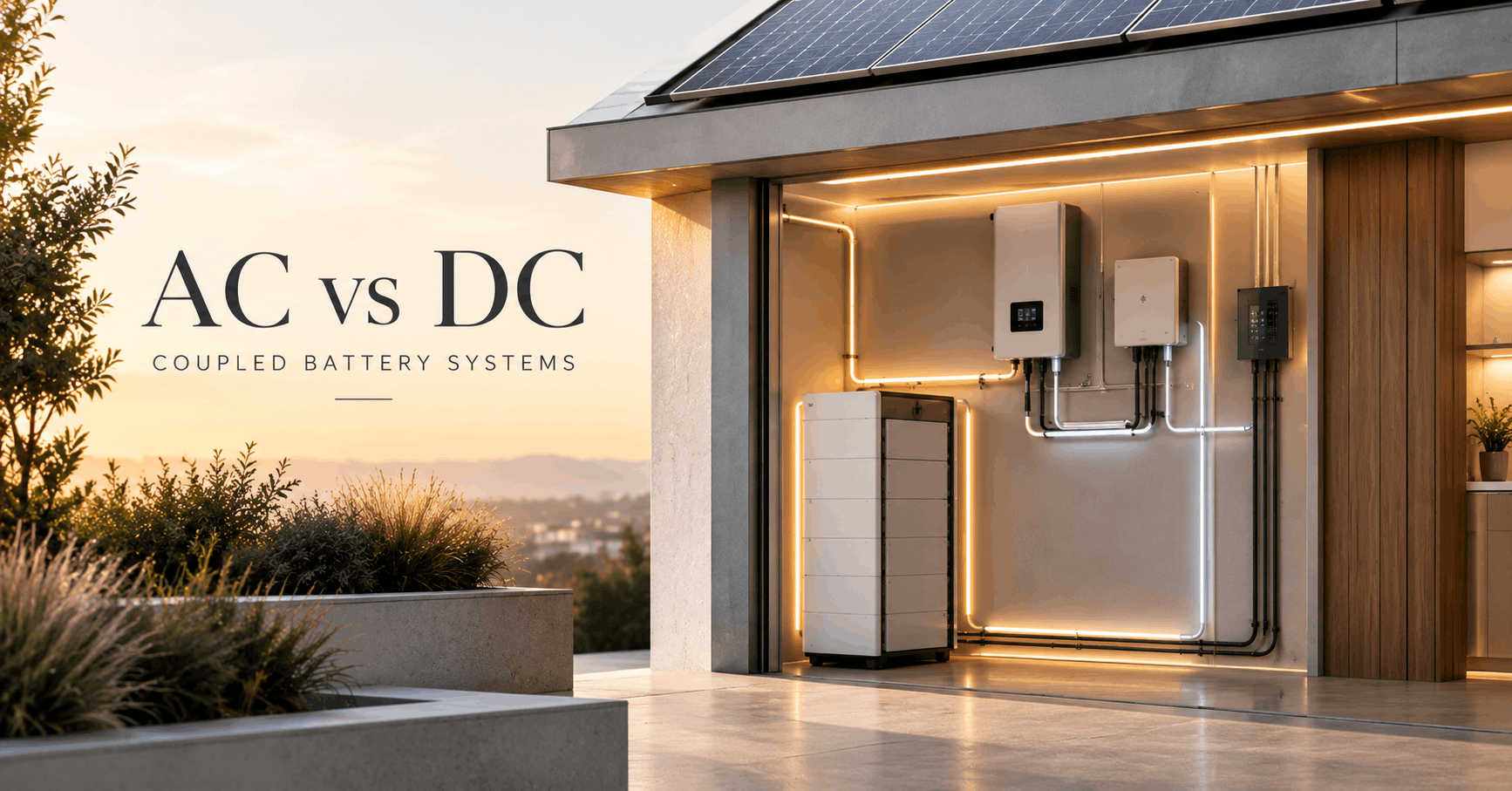
Home battery systems store large amounts of energy in chemical form. Lithium ion batteries, the most common type used in residential solar storage, carry thermal runaway risk. Thermal runaway is the condition where a battery cell overheats, triggers neighboring cells to overheat, and the cascade accelerates faster than any cooling system can respond. The result is intense heat and in serious cases fire.
Thermal runaway in a home battery system is rare but it has happened in documented cases across multiple countries. The risk increases with poor installation, inadequate ventilation around the battery unit, physical damage to the battery housing, and charging the battery outside its rated temperature range.
Quality battery management systems monitor cell temperature, voltage, and charge rate continuously and shut the system down before thermal runaway conditions develop. Cheap systems or improperly installed systems may lack adequate monitoring. The difference between a quality battery installation and a cheap one is not always visible from the outside but the risk difference is real.
Battery placement matters for fire safety. A battery installed in an attached garage adjacent to living spaces presents different risk than one installed in a detached outbuilding or an exterior wall-mounted enclosure. Ask your installer specifically about the safest placement option for your property layout rather than accepting whatever position is most convenient for the installation crew.
Dangers of Solar Power During Emergency Services Response
This danger is specific, not widely discussed, and genuinely important. When emergency services respond to a fire at a property with solar panels, those panels keep generating electricity for as long as daylight hits them. There is no master switch that makes a rooftop solar system safe to cut through or spray water on during firefighting operations.
Fire services in multiple countries now follow specific protocols for solar-equipped properties. Some involve not cutting through the roof in areas where panels are present. Some involve not using water on certain parts of the electrical system. These protocols exist because firefighters have been injured by electrical shock from solar systems during responses to house fires that started from completely unrelated causes.
This does not mean solar panels make your house more dangerous to live in. It means that if your house catches fire for any reason, the presence of solar panels changes how emergency services respond and potentially limits what they can do. This is a real consideration that nobody in the sales process volunteers.
Rapid shutdown systems address this specific problem. They cut panel output to safe voltage levels within thirty seconds of activation, giving emergency services a way to make the system safe before working on the building. Some regions now mandate rapid shutdown as a code requirement. Others do not. Ask whether your installation includes it and whether your local code requires it.
This is something we cover in detail in our guide on Solar Energy Pros and Cons
Chemical and Environmental Hazards
Solar panels contain materials that are fine when sealed inside a functioning panel and problematic when that panel is broken, degraded, or disposed of improperly. Cadmium telluride thin-film panels contain cadmium, a toxic heavy metal. Standard silicon panels contain lead solder. Both require careful handling at end of life.
A broken panel from storm damage, hail impact, or physical accident exposes these materials. Cadmium exposure carries serious health risks. Lead exposure from solder is less acute but still worth managing carefully. Handling a shattered solar panel without appropriate protective equipment is genuinely hazardous in ways that handling broken glass alone is not.
Panel disposal at end of life is a growing and incompletely solved problem. The first large wave of residential solar installations from the early 2010s is approaching end of life. Recycling infrastructure in most countries handles a fraction of the volume that will need processing over the next decade. Panels ending up in general landfill leach materials into soil and groundwater over time.
Some manufacturers offer take-back programs for end-of-life panels. Asking about this before you buy and choosing manufacturers with documented recycling commitments is worth doing, not just for environmental reasons but because disposal costs for solar panels in markets without recycling infrastructure can fall back on the property owner.
Dangers of Solar Power From Poor Installation Quality
This thread runs through almost every danger category above but deserves direct attention on its own. The solar installation industry in most markets has grown faster than the regulatory frameworks governing installer quality. The result is a wide range of installation quality that the buyer often has no easy way to assess before signing.
Undersized wiring overheats under load. Improperly rated connectors fail over time and create arc fault conditions. Inverters installed in poorly ventilated spaces run hot and degrade faster, sometimes failing in ways that create electrical hazards. Roof penetrations sealed with the wrong materials fail sooner than expected.
None of these failures are inevitable. They are the result of cost-cutting, inexperience, or rushing. They are also the reason the cheapest solar installation quote deserves the most scrutiny rather than the least. Ask for installer certification documentation. Ask for references from completed installations. Ask what warranty covers workmanship separately from product warranty. Ask what happens if a roof leak develops after installation. The answers tell you a great deal about the installer before any work begins.
Electromagnetic Field Concerns
Inverters and the wiring carrying high-frequency switching current generate electromagnetic fields. The research on residential EMF exposure from solar installations does not currently support serious health concerns at the levels produced by standard residential systems. This is worth stating clearly because online communities sometimes overstate the risk significantly.
What is accurate is that inverter placement affects local EMF levels. An inverter mounted on a wall shared with a bedroom produces higher field levels in that bedroom than one mounted in a detached garage or on an exterior wall. If EMF exposure is a personal concern, discussing inverter placement specifically with your installer is a reasonable and practical step.
Summary
The dangers of solar power are real and worth understanding before installation. DC electrical fire risk, roof damage from poor mounting, battery thermal runaway, and the specific complications solar panels create for emergency services response are the main concerns. Chemical hazards from broken or end-of-life panels add further consideration. Most of these risks are manageable with quality installation, proper system design, and informed buying decisions. The danger is not in solar power itself but in treating it as without risk simply because it sounds clean.