The Author
Table of Contents
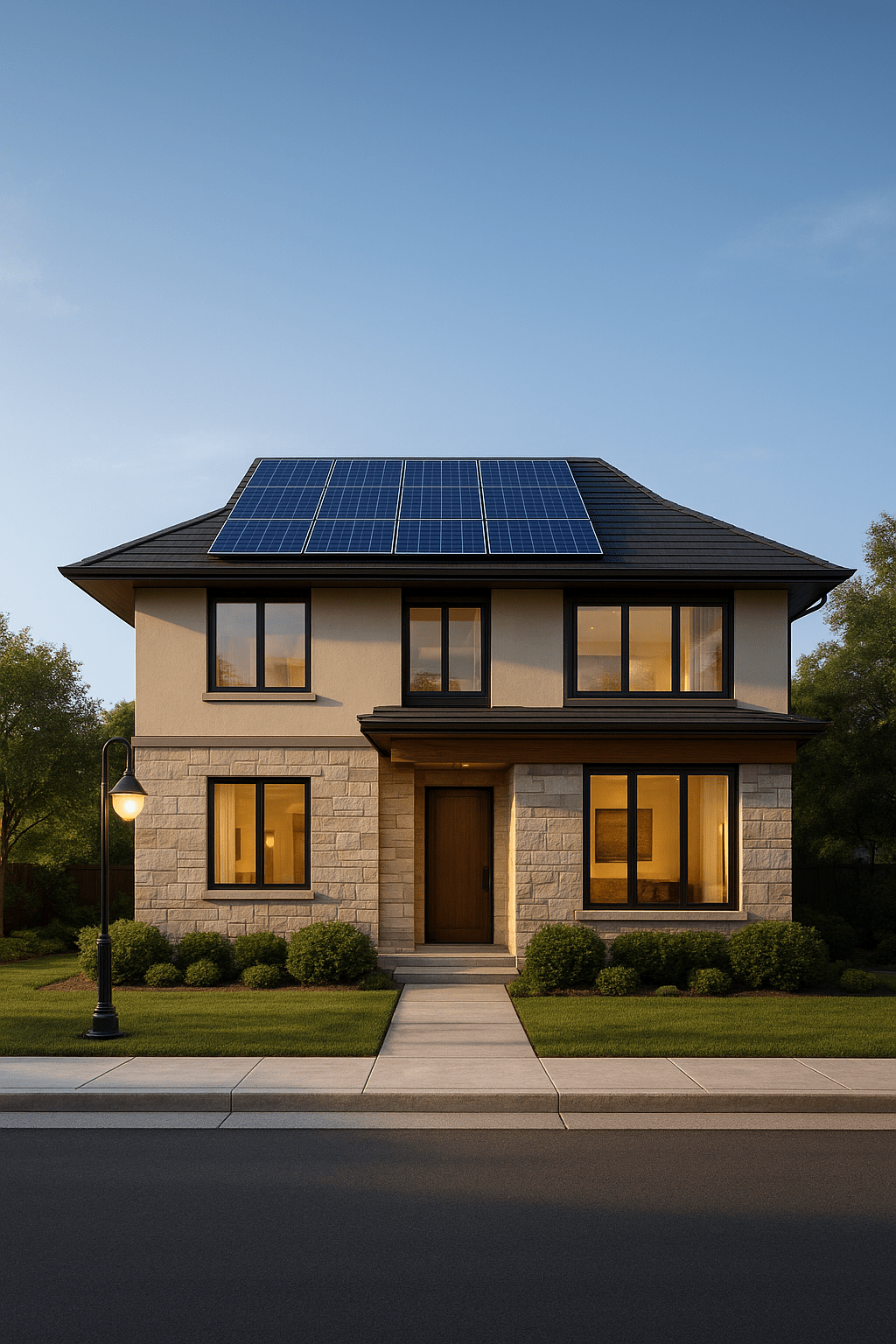
As electricity rates keep climbing, more homeowners are looking at solar panels as a way to take control of their power bill. Solar power is a renewable energy source that can cut your carbon footprint and reduce what you pay your utility company every month.
But 2026 changed the math. The 30% federal residential solar tax credit expired at the end of 2025, and homeowners now have to weigh the pros and cons of solar without that subsidy doing a third of the work. Whether solar is cheaper than grid electricity in 2026 now depends far more on where you live than it used to.
To help you decide if solar still makes sense for your home, here’s a full breakdown of the real advantages and disadvantages of solar energy in 2026.
Key takeaways
- The main advantages of solar energy are that it’s a clean, renewable resource that reduces electricity bills by an average of $1,500 a year, increases property value by about 6.9%, and still qualifies for state-level incentives in many areas.
- The main disadvantages of solar energy are its high upfront cost (about $21,600 before incentives), its dependence on sunlight and weather, and the loss of the 30% federal tax credit for purchased systems in 2026.
- For most homeowners, the pros still outweigh the cons — panels typically break even in 8 to 12 years and keep producing for 25+ years after that.
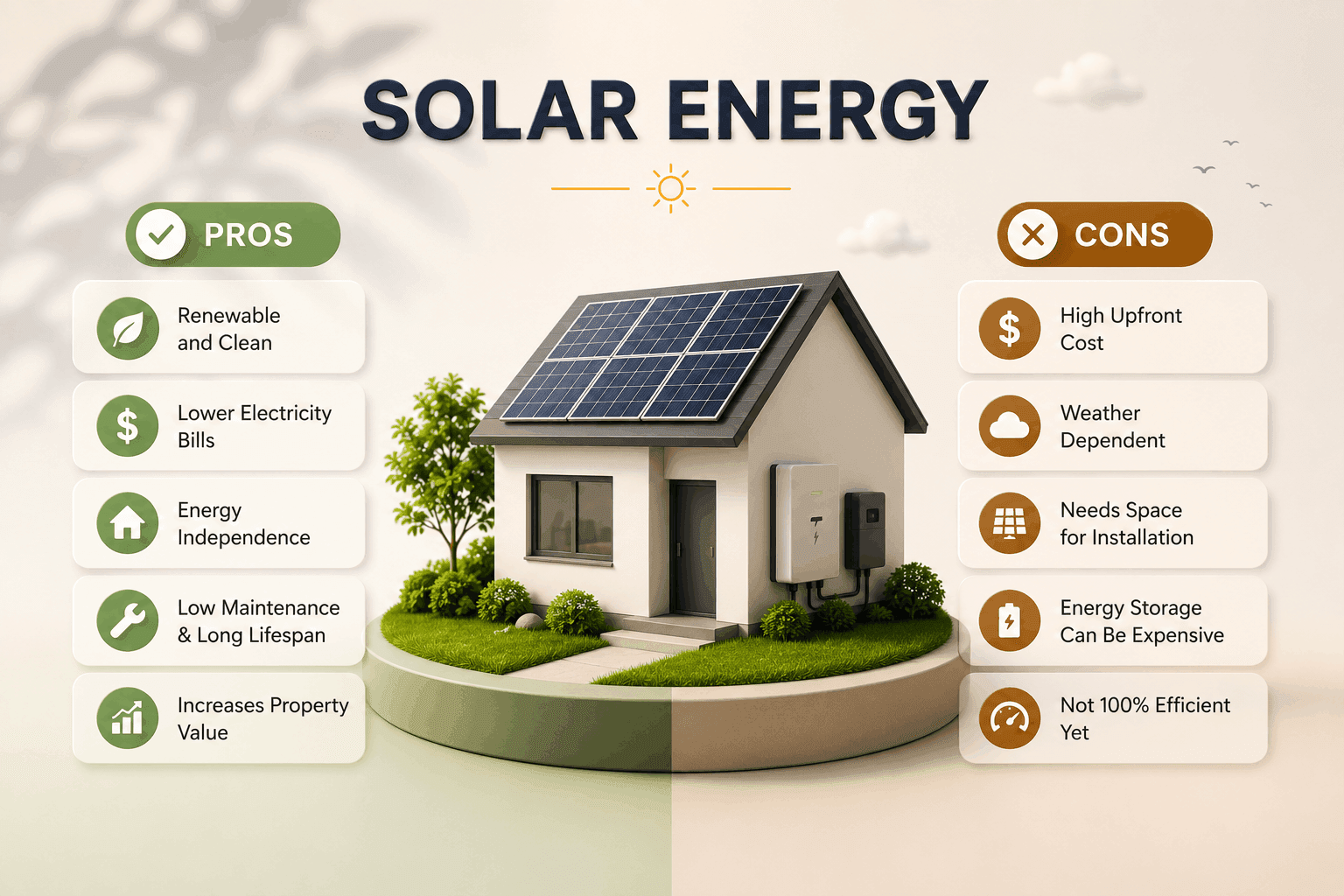
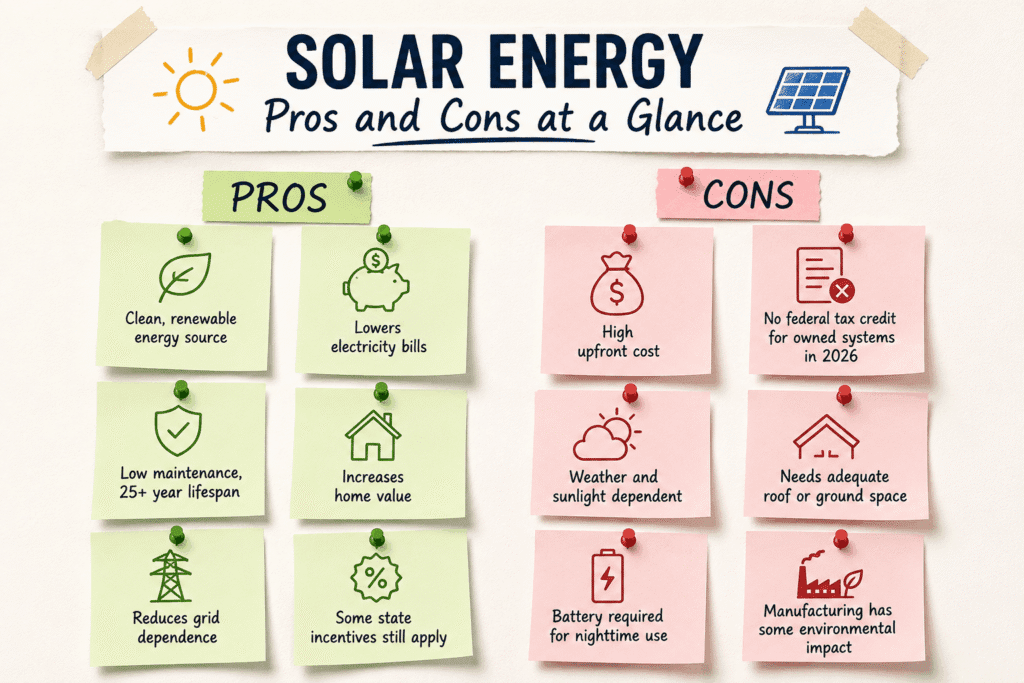
Solar energy pros and cons at a glance
Pros
- Clean, renewable energy source
- Lowers electricity bills
- Low maintenance, 25+ year lifespan
- Increases home value
- Reduces grid dependence
- Some state incentives still apply
Cons
- High upfront cost
- No federal tax credit for owned systems in 2026
- Weather and sunlight dependent
- Needs adequate roof or ground space
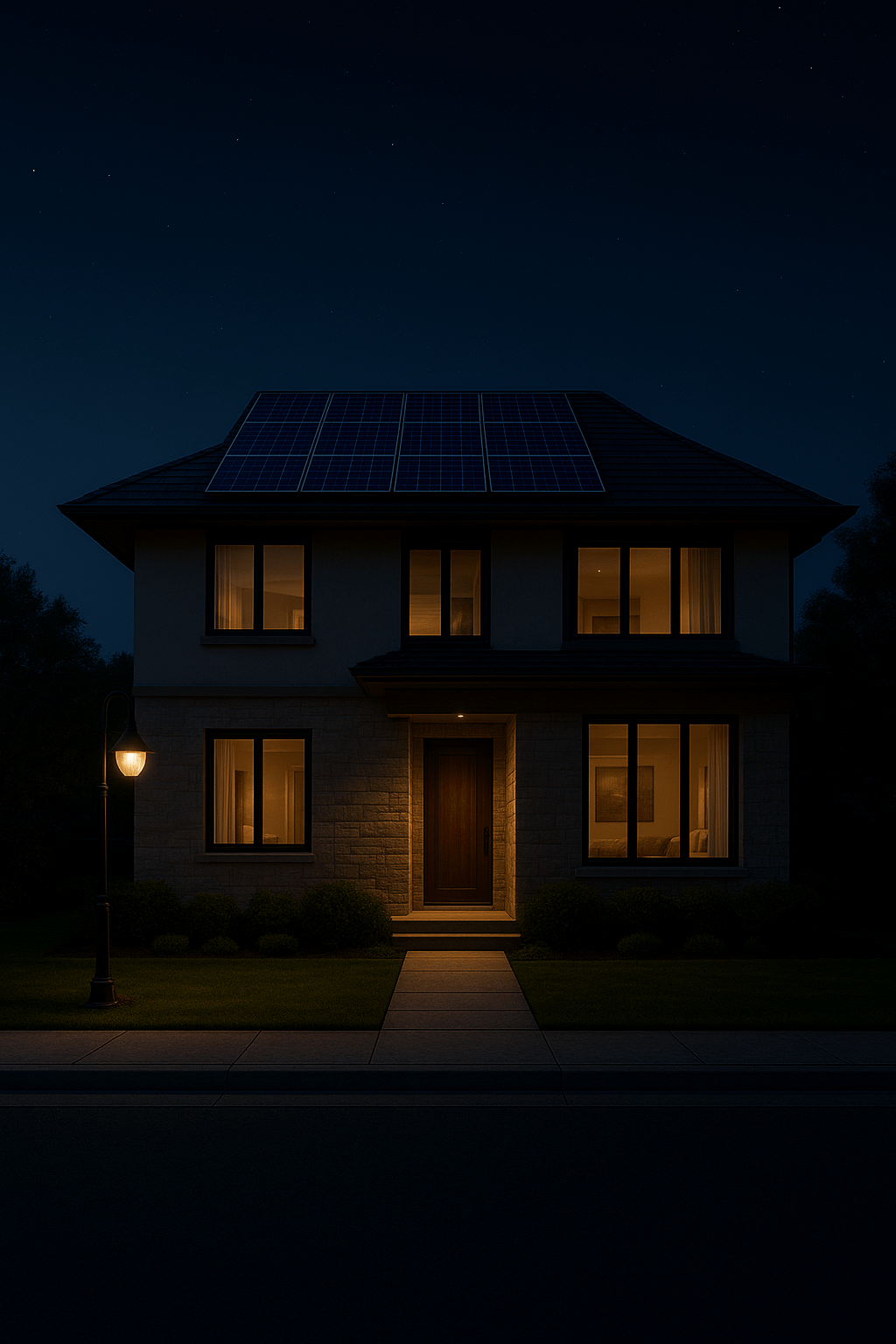
- Battery required for nighttime use
- Manufacturing has some environmental impact
6 advantages of solar energy
1. Solar is a renewable, sustainable energy source
Sunlight isn’t running out anytime soon, and using it doesn’t deplete the supply for tomorrow. That makes solar fundamentally different from fossil fuels, which are finite and take millions of years to form. Every panel installed is one more household pulling less from a limited resource.
2. Solar energy lowers your electricity bill
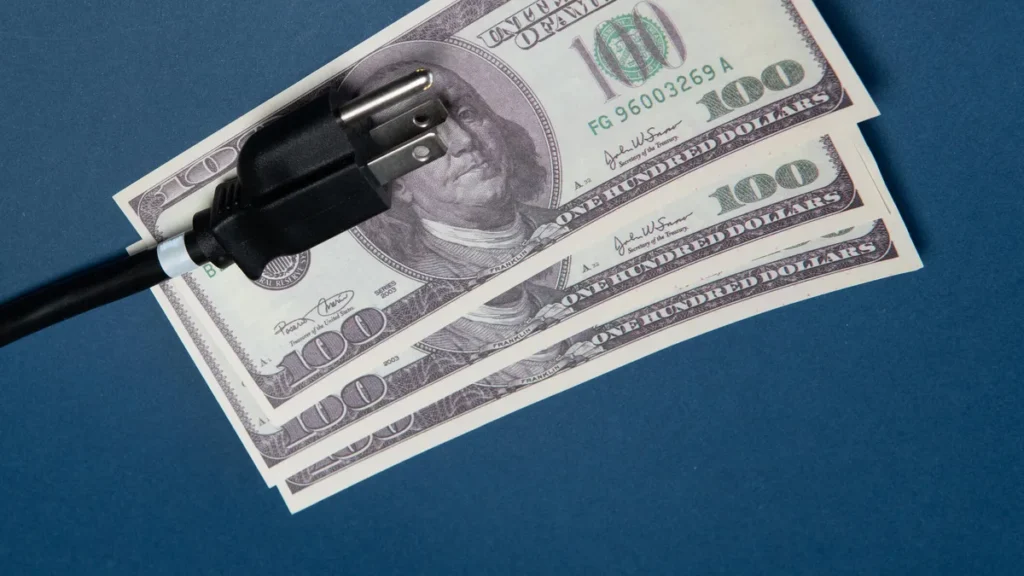
This is usually the reason people look into solar in the first place, and the numbers back it up. Homeowners with solar save around $1,500 a year on electricity, on average, and most see a real drop in what they owe the utility company each month. If you want to see exactly what that looks like for your own usage, here’s a simple way to calculate your solar bill before you sign anything.
Some homeowners even chase a true zero-electricity-bill setup — it’s possible, but it comes with a few catches worth understanding, which this guide to solar and zero electricity bills covers in detail.
3. Solar panels require very little maintenance
No moving parts means very little to wear out or break. Most panels come with 25-year warranties, and beyond an occasional cleaning, they largely take care of themselves. Compare that to a water heater or an AC unit, and solar starts to look almost low-effort.
4. Solar panels can increase your home’s value
Homes with solar tend to sell for more. Research aligned with Zillow and national laboratory data has found solar installations raise property value by an average of 6.9%. Buyers like knowing their future electric bill is already handled.
5. Solar reduces your dependence on the grid
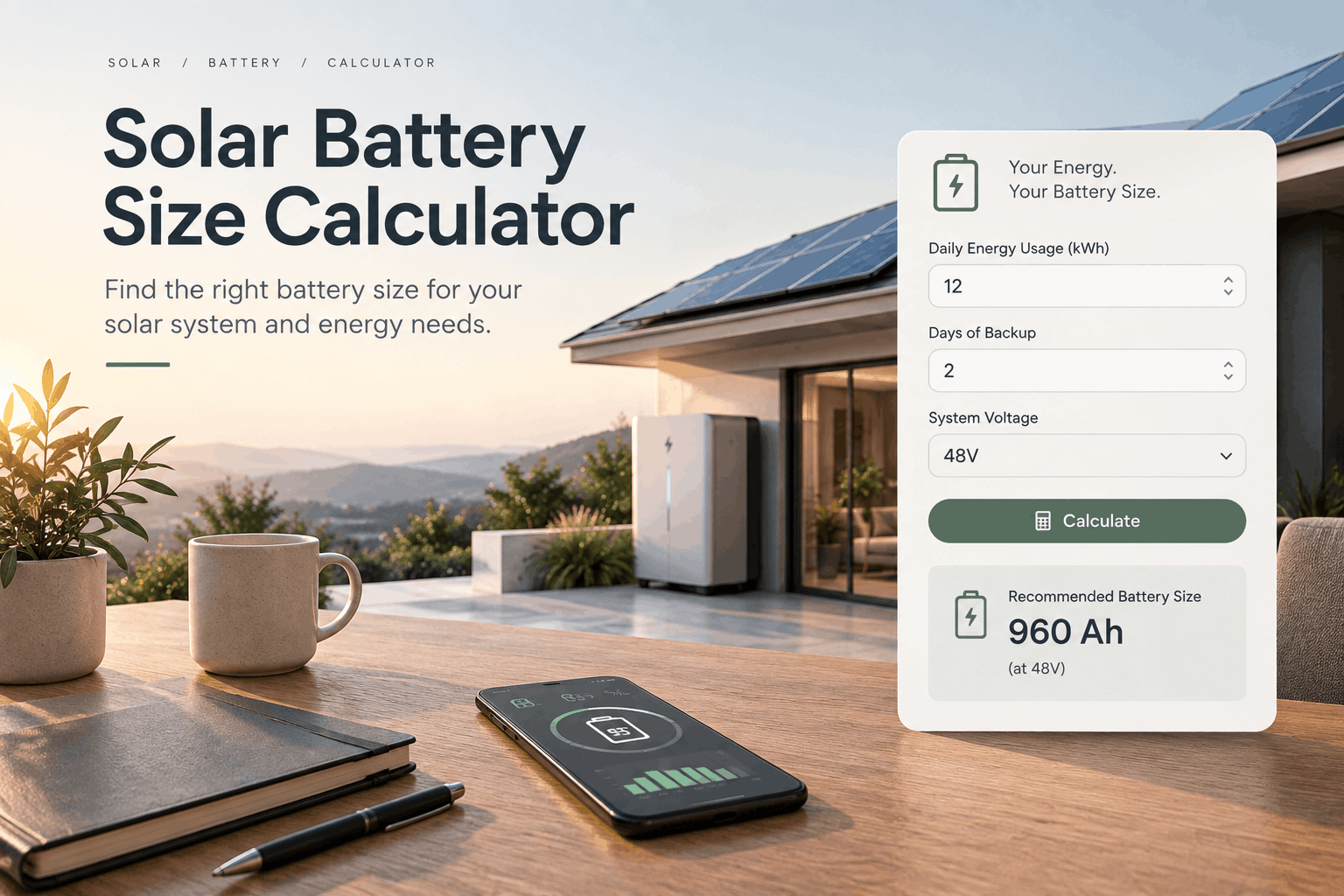
Every kilowatt-hour your panels produce is one you’re not buying from a utility. Add a battery, and you gain a real buffer against rate hikes and, in some regions, power outages.
6. State incentives can still lower your cost
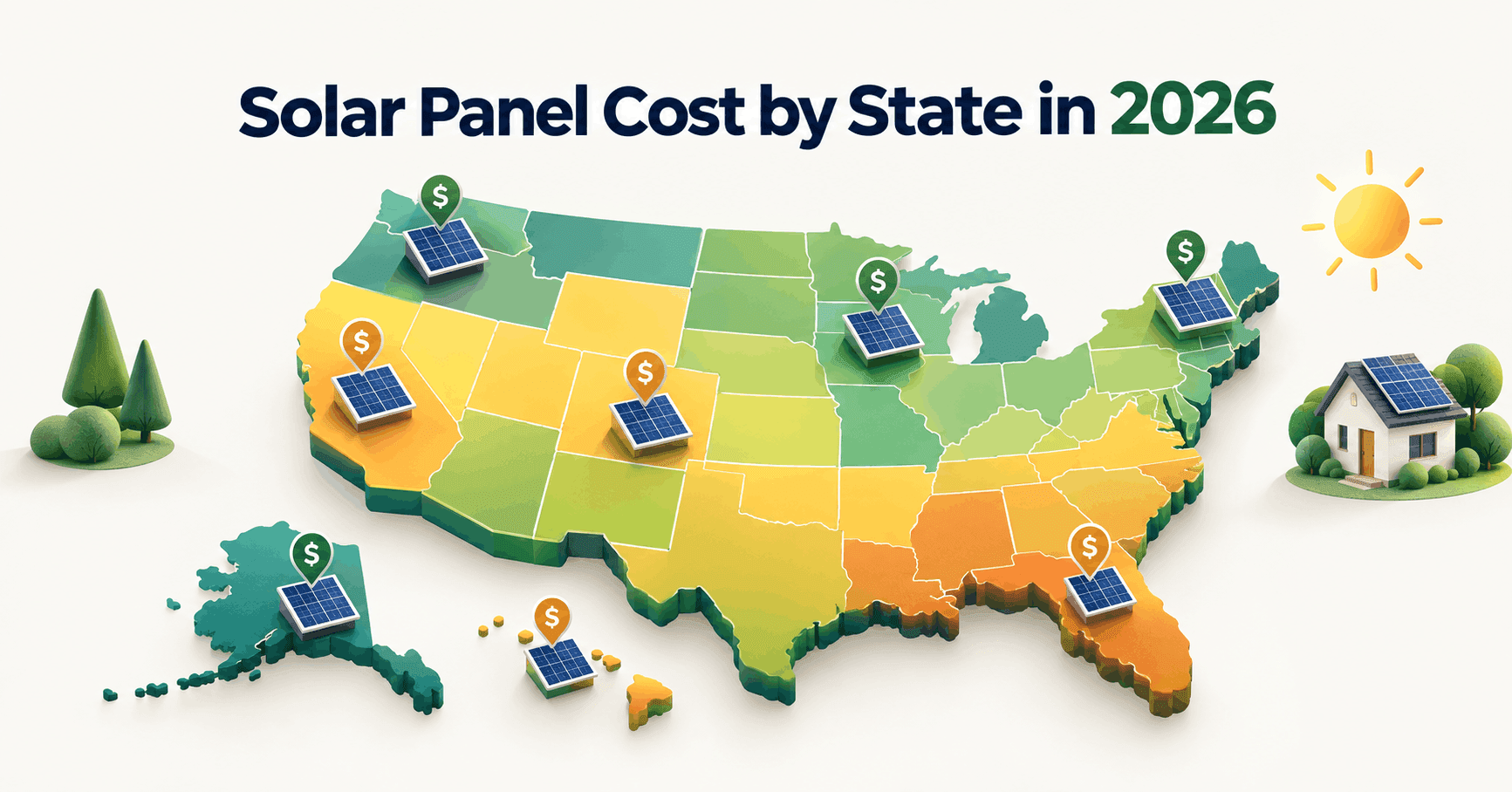
The federal 30% credit is gone for purchased systems, but it’s not the whole picture. States like New York, Massachusetts, and New Jersey still run rebate, tax credit, or performance-payment programs that can meaningfully cut your net cost. Leases and PPAs can also indirectly pass along savings through a separate commercial tax credit. Check your state before assuming there’s nothing left on the table.
6 disadvantages of solar energy
1. Solar has a high upfront cost
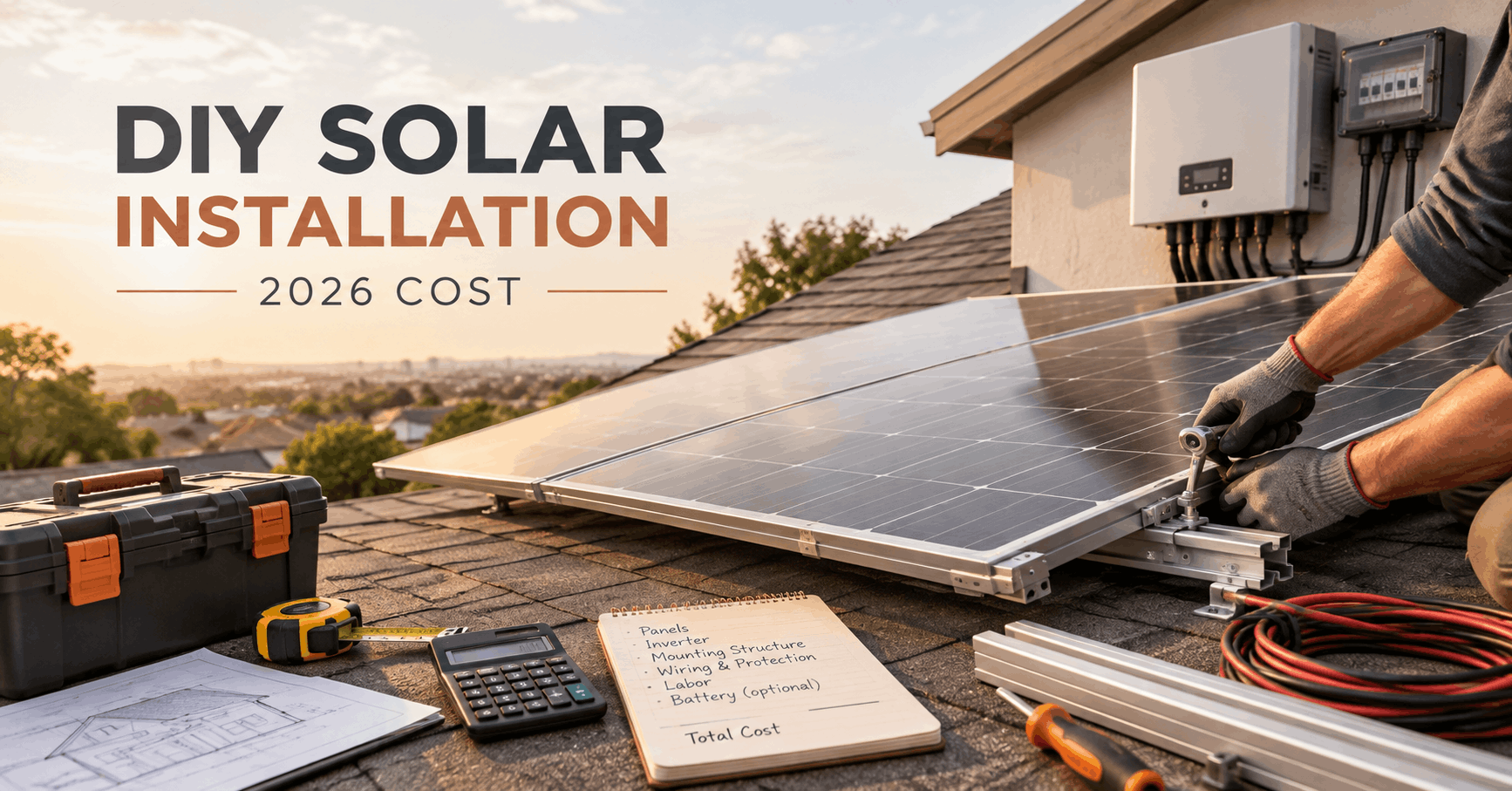
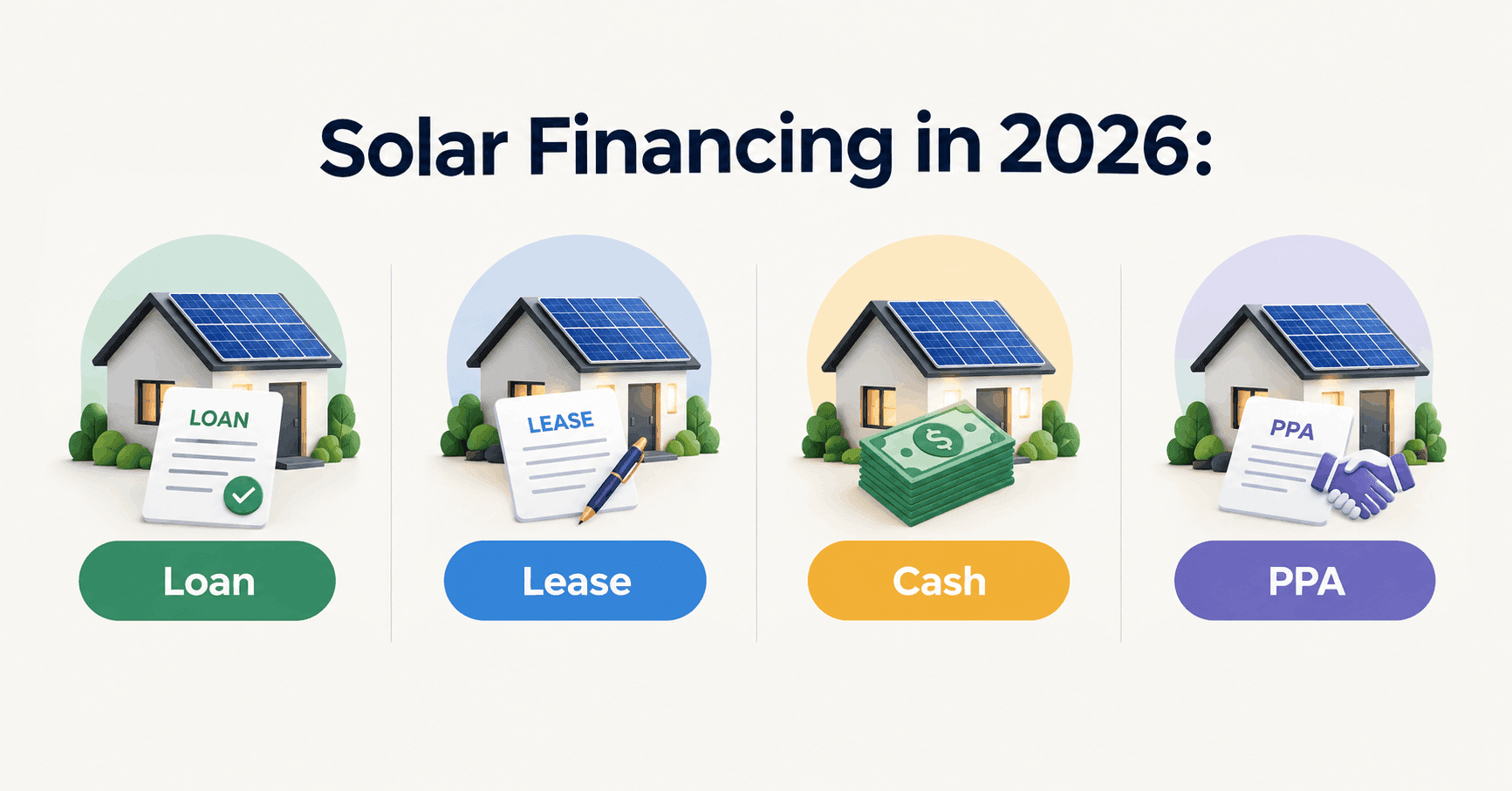
The average residential solar installation runs about $21,600 before incentives, or roughly $3.03 per watt. Without the federal credit to soften that, homeowners now need financing, a lease, or real savings to make the investment work — and cost is consistently the downside homeowners bring up first when asked what they wish they’d known earlier.
Costs have also crept up for a newer reason: tariffs on imported solar panels, inverters, and battery systems, some running as high as 50% to 100%, have started pushing hardware prices back up in parts of the market — even as manufacturing efficiency keeps pulling long-term costs down.
2. The federal tax credit is gone for owned systems
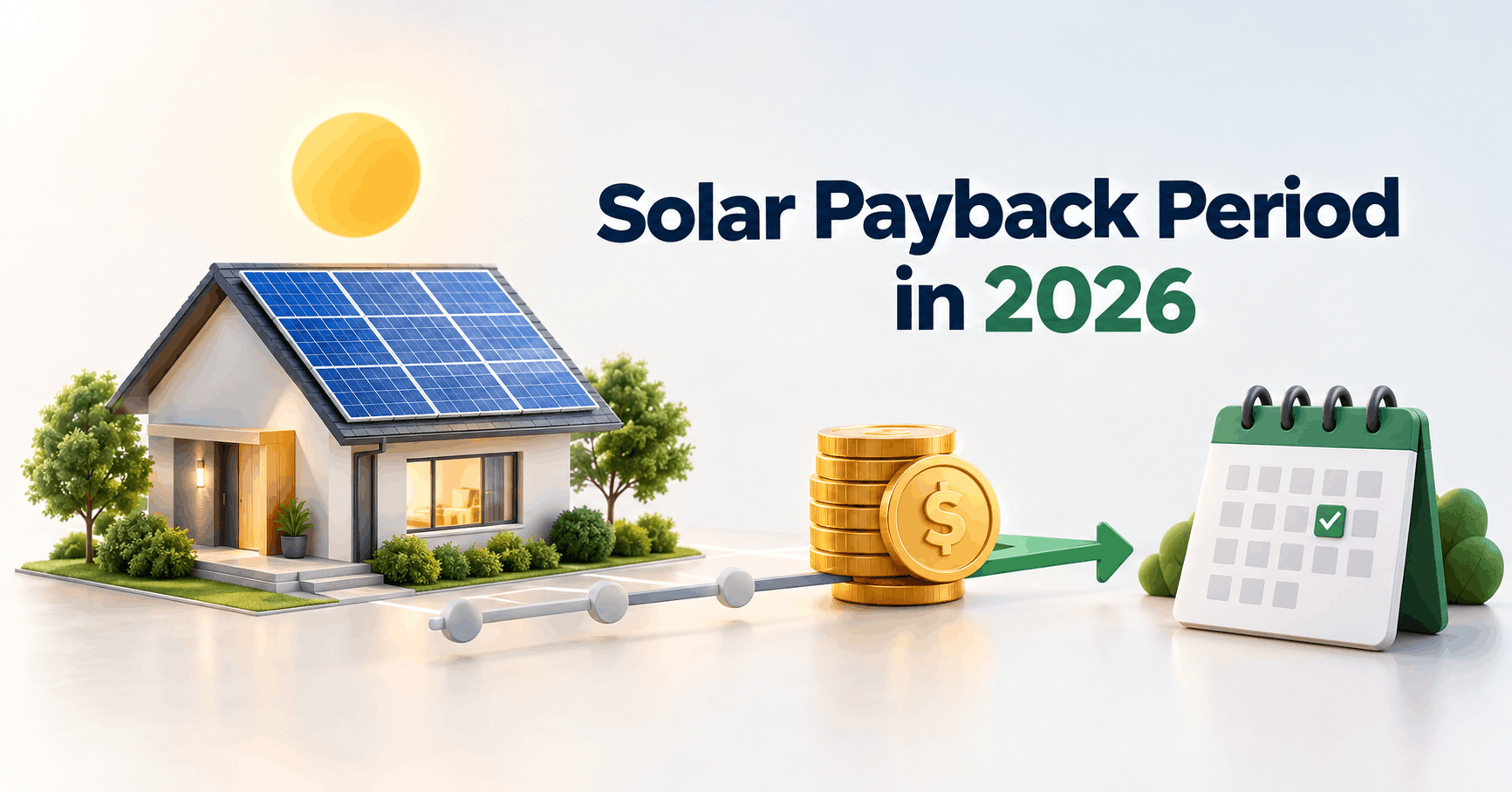
The 30% federal residential solar tax credit (Section 25D) expired December 31, 2025, under the One Big Beautiful Bill Act — no phase-down, no grace period. Homeowners who buy with cash or a loan in 2026 get $0 back from the IRS. This is the single biggest change to solar economics in over a decade, and it’s pushed the average payback period longer than it used to be — you can see exactly how much longer in this breakdown of the solar payback period and how long it takes to break even [link coming soon].
3. Solar is weather and sunlight dependent
Panels need sunlight to produce power, so output drops on cloudy days and stops at night. You can offset this with a battery or by staying grid-connected, but you can’t fully control the weather — and for some homeowners, this ends up being the single biggest risk they didn’t fully account for going in.
4. Not every roof is a good fit
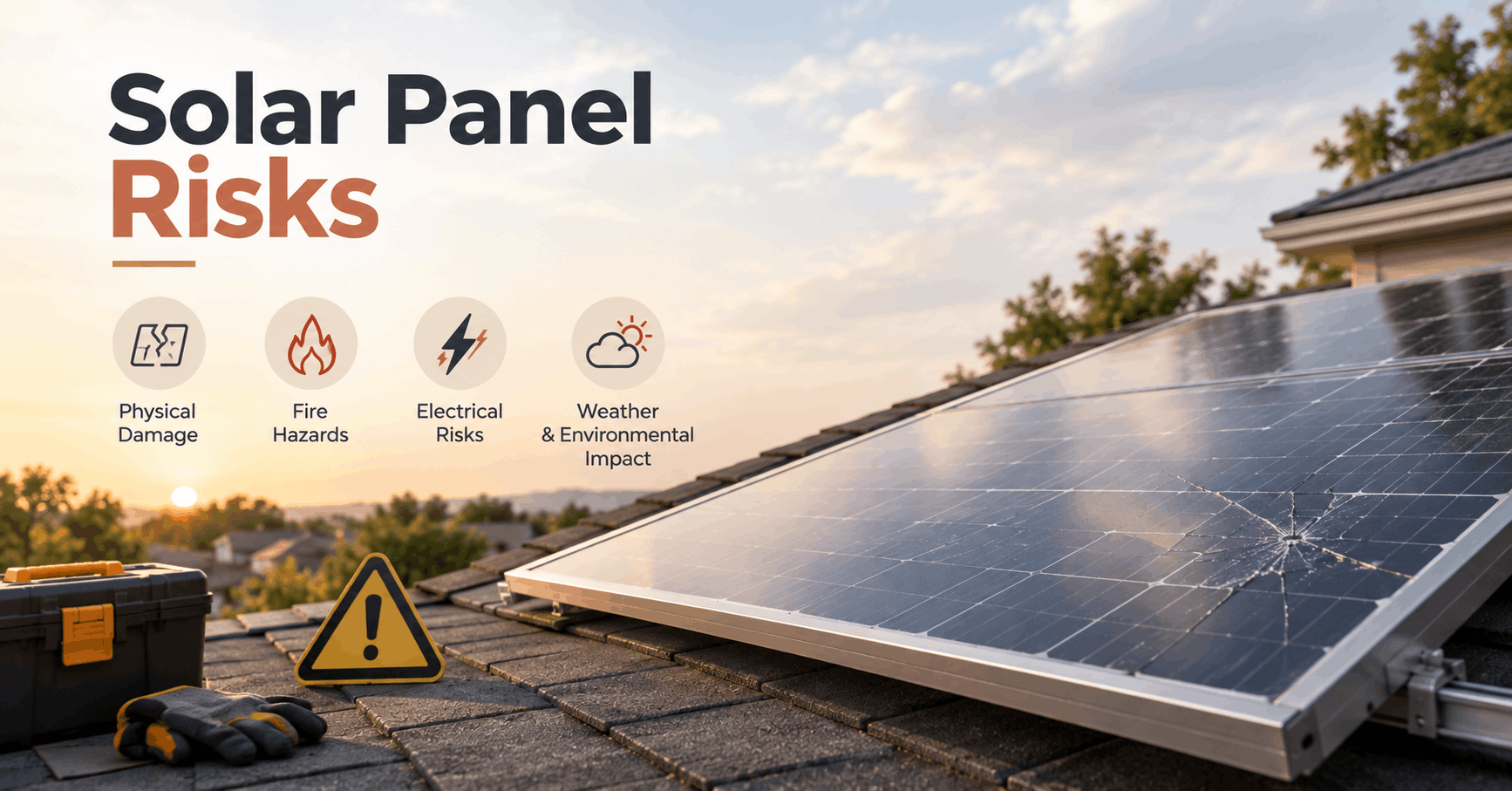
Shading, orientation, age, and structural weight limits can all rule out a roof — or shrink the system down to a size that isn’t worth installing. Ground-mounted systems solve shading but need open land, which not every property has. It’s worth reviewing the specific risks homeowners should check for before installing, since a bad roof fit is one of the more common regret points.
5. Manufacturing isn’t completely impact-free
Solar is clean once it’s running, but producing the panels takes raw materials like aluminum, copper, and silicon, some of which come from resource-intensive mining. Panel recycling at end of life is also still a developing industry. None of this erases solar’s long-term environmental benefit, but it’s part of what’s often left out of the pitch when a salesperson is trying to close a deal quickly.
6. Your bill may not disappear entirely
Even with a properly sized system, some homeowners are surprised to see their bill stay higher than expected — usually due to undersizing, shading, billing structure, or usage patterns that changed after installation. If that happens to you, here’s a breakdown of why your bill might still be high with solar panels and what to check first.
For a fuller list beyond these six, this guide rounds up ten disadvantages of solar energy every homeowner should weigh before signing a contract, and this honest look at the real trade-offs is worth reading if you want the unfiltered version.
Do the pros of solar energy outweigh the cons?
For most homeowners, yes — the long-term electricity savings and boost in home value tend to outweigh the higher 2026 upfront cost, especially since panels keep producing for 25+ years after they’ve paid for themselves. The payback period is longer than it was with the federal credit in place, but it isn’t broken. It’s simply more location-dependent than it used to be.
Whether solar makes sense for your specific home comes down to your roof, your local electricity rate, and what your state still offers in incentives.
FAQs
Is the 30% federal solar tax credit still available in 2026?
No, not for homeowners who buy with cash or a loan. It expired December 31, 2025. Leases and PPAs can still indirectly pass along a version of it.
How long until solar panels pay for themselves?
Typically 8 to 12 years in 2026, without the federal credit. High-electricity-rate states with strong incentives can see 5 to 7 years.
Do solar panels really increase home value?
Yes, on average. Research aligned with Zillow and national laboratory studies points to roughly a 6.9% increase.
Do I need a battery with my solar system?
Not necessarily, but without one, you’ll rely on the grid at night or during cloudy stretches.