Table of Contents
The biggest downside is the upfront cost. You pay thousands before you save one dollar.
I talked to ten people who wanted solar panels but did not buy them. Eight of them said the same thing. Too much money upfront. They could not afford to spend 15,000tosave100 per month. That takes years to pay back.
One guy worked out the math. He would save 1,200peryearonhiselectricbill.Hissolarsystemcost18,000 after tax credits. That is 15 years to break even. He is 60 years old. He said I will be 75 when this pays off. No thanks.
The other two people had different reasons. One lived in a shady lot. Too many trees. The other rented his home. Could not install panels on a roof he did not own.
So yes. Upfront cost is the number one reason people do not go solar. But there are other downsides too. Let me walk you through all of them.
You need sun. Your roof needs the right angle and direction.
Solar panels need direct sunlight. Not morning sun only. Not sun through tree leaves. Full direct sun from late morning to mid afternoon.
My cousin installed solar on his house. Beautiful panels. Top brand. Expensive. But his roof faced east and west, not south. His panels only made power in the morning and late afternoon. At noon, when the sun was strongest, his panels faced away. His system produced half of what he expected. He still saves money. But his payback period doubled.
South facing roofs are best. East and west work but produce less. North facing roofs in the northern hemisphere produce almost nothing. Do not put solar on a north facing roof.
Your roof needs to be in good shape. Solar panels last 25 years.
Here is a downside nobody mentions. Solar panels last 25 to 30 years. Your roof shingles last 15 to 20 years. If you put solar on an old roof, you have a problem.
You either remove the panels to replace your roof. That costs 3,000 to 5,000. Or you leave the old roof and hope it does not leak. Not good choices.
I know a couple who learned this the hard way. They installed solar on their 18 year old roof. Two years later, the roof started leaking. They had to pay $4,000 to remove and reinstall the panels. That wiped out two years of electricity savings.
If your roof is old, replace it before you go solar. Add that cost to your upfront number.
At night and on cloudy days, your panels make zero or very little power.
Solar panels do not work at night. Obviously. But many people forget this when they sign the contract.
On a cloudy day, your panels make 10 to 25 percent of their normal power. On a rainy day, maybe 5 percent. On a snowy day, zero if the panels are covered.
You still need electricity at night. You still need it on cloudy days. That means you either stay connected to the grid or you buy batteries.
Batteries are expensive. A home battery costs 8,000 to 15,000. That adds to your upfront cost. Without batteries, you pull from the grid at night. You still pay the electric company. You just pay less.
Your electric bill does not go to zero. You still pay fees.
Many people think solar means no more electric bill. Not true.
You still pay connection fees. Grid maintenance fees. Meter fees. Taxes. These fees are 10to30 per month depending on where you live.
If your solar panels cover all your electricity usage, your bill drops to these fees. You never get to zero.
One man I spoke to was angry about this. He said nobody told me about the fixed fees. He still pays $25 every month. Forever.
You need permission from your utility company. They can say no.
Before you install solar, you submit paperwork to your electric company. They review your plan. They check their transformer. They make sure the grid can handle your solar power.
Most utilities approve. But some say no. The transformer on your street is too small. The lines are old. The neighborhood already has too much solar.
I know a family in a rural area. Their utility denied their solar application. The transformer on their pole was 50 years old. Upgrading it would cost $10,000. The utility said the homeowner would have to pay. They could not afford it. No solar for them.
Some HOAs and local rules ban solar panels.
Homeowners associations are famous for blocking solar. They say panels are ugly. They ruin the neighborhood look. They do not match the architecture.
In some states, HOA rules cannot stop solar. State law overrides them. In other states, the HOA wins. You cannot install panels.
Check your HOA rules before you buy anything. Check your local building codes too. Some historic districts ban visible solar panels. You would have to put them on a ground mount in your backyard. More money. More space.
The payback period is long. Five to fifteen years depending on where you live.
Solar pays for itself over time. But that time is long.
In sunny states with expensive electricity like California and Hawaii, payback is 5 to 7 years. In cloudy states with cheap electricity like Washington and Oregon, payback is 12 to 15 years.
If you move before the payback period ends, you lose money. You either leave the panels for the next homeowner or you pay to remove them and take them with you.
A real estate agent told me solar panels add value to a home. But not dollar for dollar. A $20,000 solar system might add $10,000 to your home price. You lose $10,000 if you sell after five years.
The tax credit helps but you need enough tax liability to use it.
The US government gives a 30 percent tax credit for solar. Spend $20,000 on panels and get $6,000 back on your taxes.
But here is the catch. You need to owe at least $6,000 in federal taxes to get the full credit. If you owe less, the credit carries over to future years. But you wait.
A retired couple told me about this. They had low income. Low tax bill. They only owed $2,000 per year. Their $6,000 credit took three years to use. They got the money. But not all at once.
Solar panels degrade over time. They lose power every year.
Solar panels do not last forever at full power. They degrade. Every year, they produce 0.5 to 1 percent less electricity.
After 10 years, a panel that made 400 watts now makes 360 to 380 watts. After 20 years, 320 to 360 watts.
Your system produces less power over time. Your electric bill creeps back up. Most warranties guarantee 80 to 85 percent power after 25 years. That is acceptable. But it is a downside.
You cannot take your panels with you easily if you move.
A friend of mine rented a house with solar panels. The landlord paid for them. My friend paid the landlord for the electricity. It worked fine.
Then my friend bought his own house. He wanted to take his portable solar setup. He had ground mounted panels. He paid an installer 3,000touninstallthemandmovethem.Thenanother4,000 to install them at his new house.
He said I should have just bought new panels. The moving cost was almost as much as a new system.
If you think you will move in the next five years, solar might not make sense.
The biggest downside remains upfront cost. Nothing else comes close.
After talking to all these people and looking at my own research, the answer is clear. The biggest downside is the money you need to spend before you see any savings.
Everything else is manageable. Shade. Roof direction. Battery cost. HOA rules. Utility approval. All of these can be fixed with more money or more planning.
But the upfront cost stops people cold. 15,000isalotofmoney.25,000 is more than many families have in savings. Even with tax credits and financing, the monthly payment for a solar loan can be higher than your electric bill savings for the first few years.
One man told me his solar loan payment was 180permonth.Hiselectricbillbeforesolarwas150. He paid $30 more per month for the first two years. Then his loan payment stayed the same but his electric bill savings grew. He broke even in year three.
He said it was worth it. But those first two years were hard.
My final take after researching this for weeks
Solar electricity saves money over time. It reduces your carbon footprint. It gives you energy independence.
But the upfront cost is real. It is the biggest downside. It is the reason most people say no.
If you have $20,000 in the bank and you plan to stay in your home for 10 years, go solar. You will save money.
If you live paycheck to paycheck and $2,000 is a lot of money, do not go solar. The math does not work for you. You cannot wait 10 years to break even.
Solar is not for everyone. The industry does not like to say that. But it is true. The biggest downside is the price tag. Everything else is small compared to that.
FAQs
What is the main disadvantage of solar energy?
The main disadvantage is the high upfront cost. A residential solar system costs 10,000to30,000 after tax credits. Payback takes 5 to 15 years.
Do solar panels work at night?
No. Solar panels produce no electricity at night. You need grid power or batteries for nighttime electricity.
Are solar panels worth it financially?
Yes if you stay in your home for 10 or more years and live in a sunny state with high electricity rates. No if you plan to move soon or live in a cloudy state with cheap power.
How long do solar panels take to pay for themselves?
5 to 7 years in sunny states with expensive electricity like California. 10 to 15 years in cloudy states with cheap electricity like Washington.
Can solar panels damage my roof?
Improper installation can cause leaks. Professional installers use flashing and sealants to prevent leaks. If your roof is old, replace it before installing solar.
Do solar panels work on cloudy days?
Yes but at reduced power. Cloudy days give 10 to 25 percent of normal output. Heavy rain gives 5 percent or less.
What happens to solar panels when the power goes out?
Grid tied solar systems shut off during power outages. This protects utility workers. You need batteries to keep power during an outage.
Can I install solar panels myself to save money?
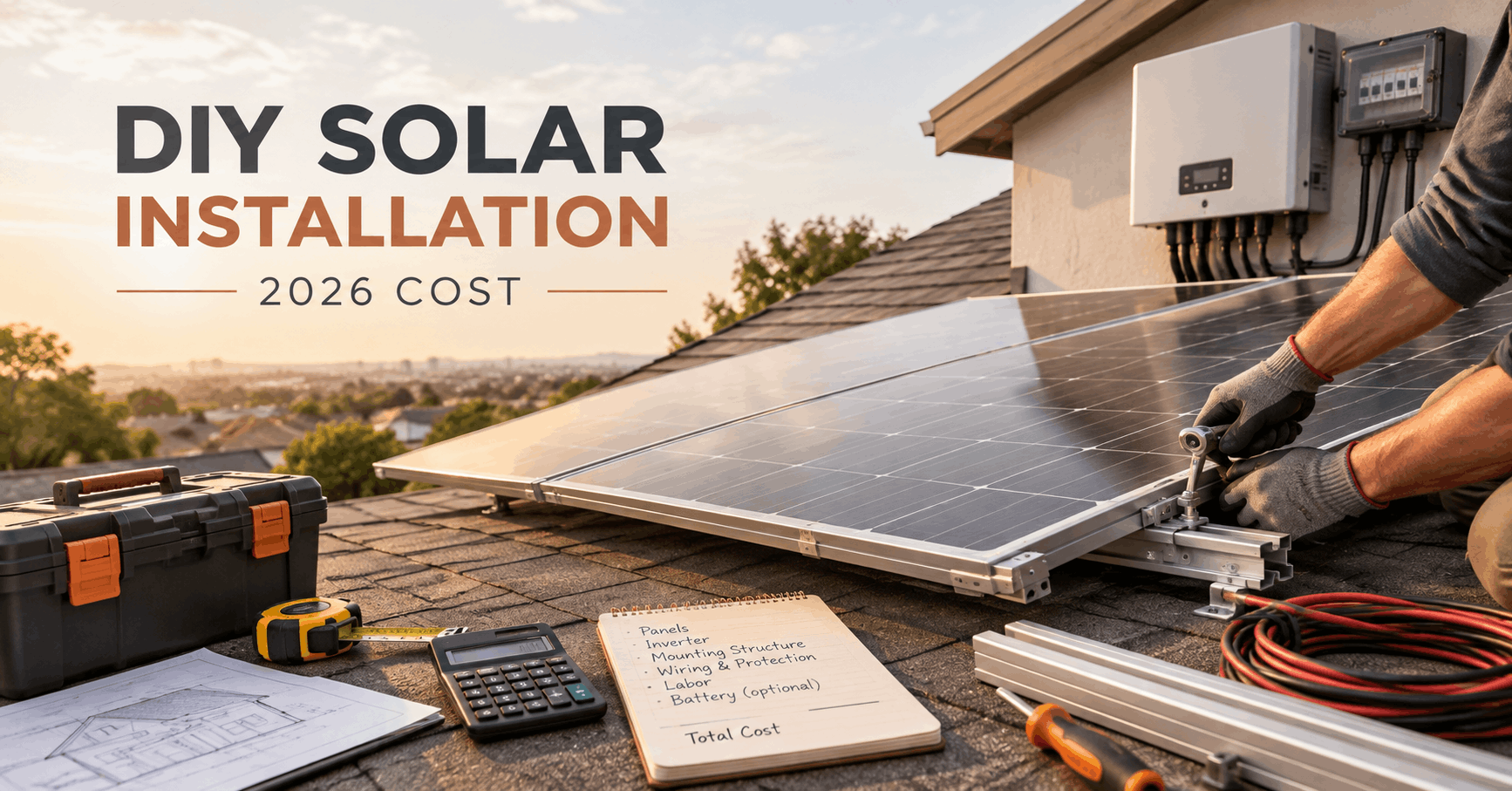
You can but not recommended. Wiring mistakes cause fires. Roof mistakes cause leaks. Permit mistakes cause fines. Hire a professional installer.
Do solar panels require a lot of maintenance?
No. Wash them with a hose once or twice per year. Keep trees trimmed. That is it. No moving parts to break.
Will solar panels eliminate my electric bill?
No. You still pay fixed fees. 10to30 per month for grid connection, meters, and taxes. Your usage charges go away if your panels cover all your usage.
Summary
The biggest downside to solar electricity is the upfront cost. 10,000 to 30,000 before you save a single dollar. Other downsides include needing a south facing roof in good condition, low power on cloudy days, no power at night, grid fees you still pay, long payback periods of 5 to 15 years, and HOA or utility restrictions. Solar saves money over time but only if you stay in your home long enough and can afford the upfront investment. It is not for everyone.