Table of Contents
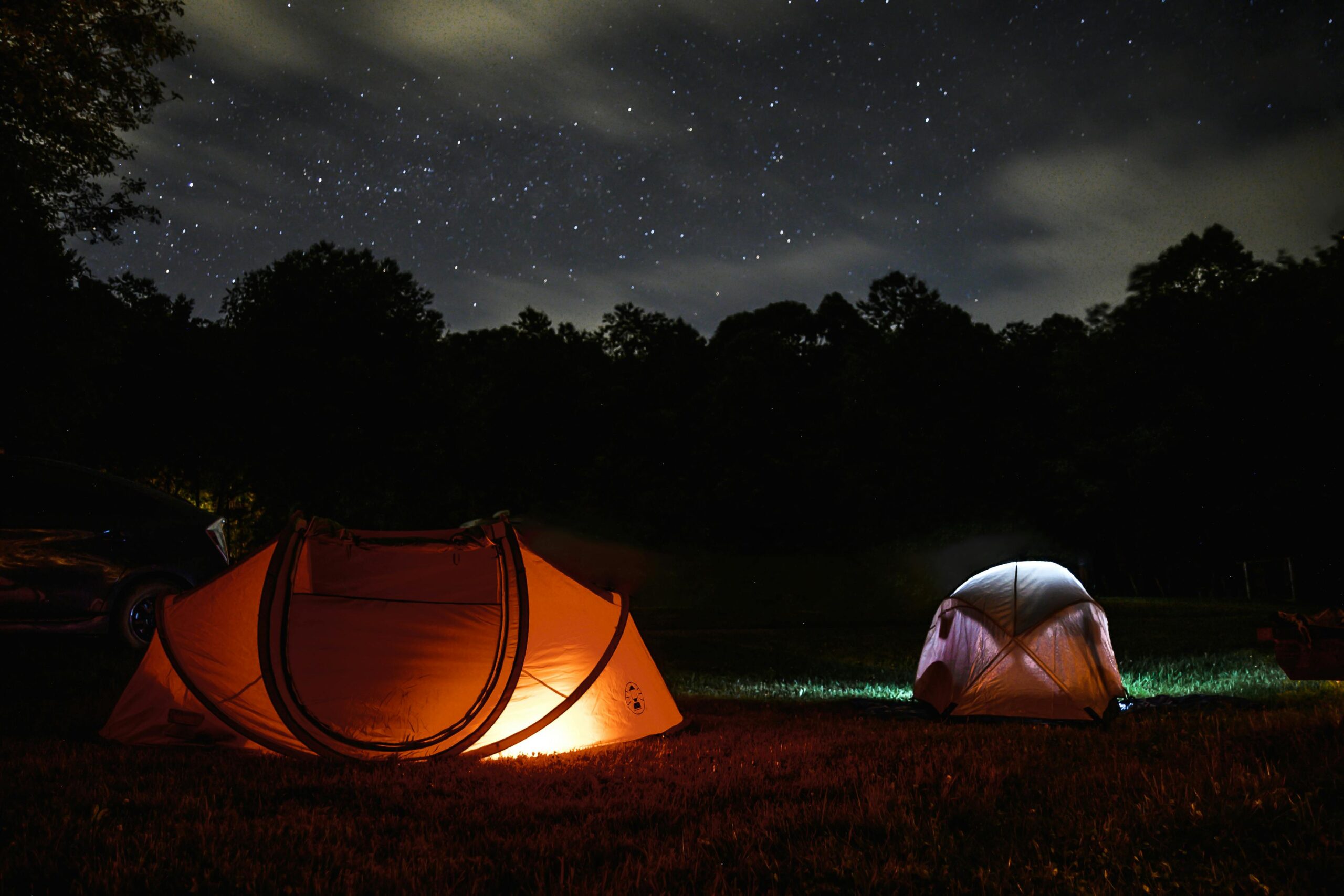
Solar lights for camping tent setups have saved more camping trips than people give them credit for. Ask anyone who has spent twenty minutes hunting through a dark tent for a torch with dying batteries and they will tell you the same thing. There has to be a better way.
There is. And in 2026 the solar options for tent lighting are genuinely good. Not just passable. Actually good. Light enough to carry without noticing. Bright enough to be useful. Smart enough to charge themselves while you are out doing whatever you came camping to do.
What Changed With Solar Lights for Camping Tent Use
Three years ago the honest answer was that most solar camping lights were underwhelming. Heavy for what they delivered. Slow to charge. Dim after a few hours. The kind of product you buy once, take on one trip, and leave in the garage forever after.
The 2026 versions are a different story. The panels got smaller and more efficient at the same time. Monocrystalline technology charges faster and pulls more from overcast skies than the older panels ever managed. The batteries hold more without adding weight. A decent solar camping light now sits between 80 and 180 grams. That is genuinely lighter than a standard torch with fresh batteries in it.
Brightness came up too. 150 to 300 lumens is the standard range for mid-tier solar camping lights now. That lights the inside of a tent properly. Not the dim orange glow that older solar lights produced. Actual white light you can read by, cook by, and move around your campsite without tripping over things.
Solar Lights for Camping Tent: Which Type Fits Your Style
Not every camping situation calls for the same lighting solution. Getting the type right matters more than getting the brand right.
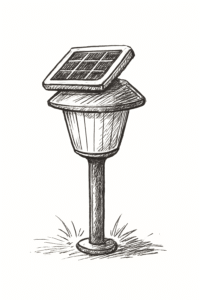
Solar Lanterns
The most practical all-round option for tent camping. They hang from the loop at the top of your tent, sit on the ground, or clip to a guy rope outside. Good ones collapse flat for packing and weigh next to nothing. Light spreads evenly in every direction which covers a tent interior without creating one bright spot and dark corners everywhere else.
Solar String Lights
These have gone from novelty item to genuinely useful camping gear over the last two years. The panel clips outside the tent during the day. The string runs inside along the tent ridge at night. Warm white LEDs make the inside of a tent feel like an actual comfortable space rather than a plastic cave with a spotlight. For family camping or longer stays at a fixed site, these are worth every gram.
Solar Camping Bulb With Hook
The minimalist option. One LED bulb, one small panel, one hook. That is it. Solo campers and ultralight backpackers swear by these because they weigh almost nothing and do the job without any extra features getting in the way. The best 2026 models let you detach the panel during the day for better sun placement and reconnect it to the bulb at night.
Solar Headlamp With Trickle Charging
Not strictly a tent light but it fills the gap between ambient tent lighting and personal task lighting. Some 2026 headlamp models include a small solar panel built into the band that adds charge through the day. Not a replacement for dedicated charging but a useful backup that means you arrive at camp with more battery than you left with.
The Features That Separate Good Solar Camping Lights From Useless Ones
This is where most buyers go wrong. They see a product with solar on the label, check that it looks light enough, and buy it without digging into the numbers that actually determine whether it performs in the field.
- Weight and packed size: Anything above 250 grams starts mattering over distance. Check the packed dimensions too. A light that folds or rolls small fits into the gaps in a full pack. A bulky one competes with things you actually need.
- Lumen output: 100 lumens handles a small tent. 200 to 300 covers a larger tent and gives you useful light around the entrance. Below 80 lumens is decoration. It looks like light in photos and feels like almost nothing in an actual dark tent.
- Battery capacity: 1000 to 1500mAh runs most models through a full night at moderate brightness. If you camp under heavy tree cover or in regions with unpredictable weather, push that to 2000mAh so you have buffer on bad charging days.
- Charging time: Five to seven hours of direct sun for a full charge is the honest figure for quality models. Anything claiming full charge in two hours from a panel the size of a credit card is not telling you the truth.
- Waterproof rating: IP44 as an absolute minimum. IP65 for anywhere with real weather. Camping lights that fail in the first serious rain are worse than useless because you trusted them and they let you down at the exact moment you needed them.
- Light modes: Multiple brightness settings matter more than most people realize before they have used them. A 30% brightness mode on a quality 200 lumen light often doubles the runtime. When you are sleeping and need just enough light to find your shoes, full brightness is waste.
- USB backup input: Some solar camping lights charge from a power bank through USB when solar is not available. For trips in dense forest, multi-day overcast stretches, or winter camping with genuinely short days, this backup matters.
Getting a Full Charge in Real Camping Conditions
This is the part that separates people who get great results from solar camping lights and people who get frustrated by them. The product is the same. The difference is how they use it during the day.
Hang the panel on the outside of your tent facing south if you are in the northern hemisphere. When you head out hiking for the day, clip it to the back or top of your pack where it faces upward. Not buried in the side pocket. Not inside the bag. Outside, facing the sky, collecting light the whole time you are walking.
Tree cover is the enemy of solar camping. Dense forest canopy blocks far more sunlight than it looks like from ground level. If your campsite sits under heavy trees, find the nearest clearing and hang the panel there during peak sun hours. Even walking it twenty meters from your tent to an open patch of ground makes a real difference on the charge.
Overcast days still work with monocrystalline panels. Slowly, but they work. A full grey day might deliver 40 to 60% charge on a quality panel. That is still several hours of useful light at moderate brightness. Not ideal but not a dead light either.
Angle the panel toward the sun rather than leaving it flat. In early morning and late afternoon when the sun sits low, a flat panel barely catches it. Prop it against your pack, your boot, a rock, whatever is available. That angle change adds meaningful charge time across a full day.
Solar Lights for Camping Tent Use Across Different Trips
Different camping situations genuinely need different approaches. Here is the honest breakdown.
Summer Car Camping and Festivals
This is the easiest condition for solar camping lights. Full sun days, no weight restrictions, and time to place the panel properly. Almost any decent solar camping light performs well here. Even mid-range options deliver good results when they have eight hours of strong summer sun to work with.
Backpacking and Multi-Day Wilderness Trips
Weight and pack size become the decision makers. Open ridgelines and alpine terrain charge panels brilliantly. Dense forest limits charging significantly. Choose lightweight models under 150 grams with monocrystalline panels and at least 1500mAh battery. Bring a small USB power bank as backup insurance on longer trips.
Wet Weather and Coastal Camping
Rain changes everything. IP65 is the minimum worth carrying in genuinely wet regions. IP67 for coastal camping where salt spray adds corrosive stress on top of moisture. Check that hardware like clips and hooks is stainless steel rather than standard metal in salt environments.
Winter Camping
Short days create real charging challenges. Lithium iron phosphate batteries handle freezing temperatures without the capacity drop you get from standard lithium ion cells. Days can be genuinely too short for a full charge even with a clear sky. A USB backup charging option goes from convenient to necessary in winter camping conditions.
The Mistakes That Ruin Solar Camping Light Performance
Every one of these is avoidable. Every one of them leads to the same outcome. A dark tent and a frustrated camper.
Packing the light inside your tent during the day is the biggest one. The light needs sunlight. Leaving it packed inside while you hike means arriving at camp in the evening with a dead light and no good options. Hang it outside every single morning before you leave. Make it automatic.
Not doing a test charge before the trip catches people out repeatedly. Solar camping lights arrive from manufacturers with partial charge at best. Give it a full day of sun at home before you pack it. You want to know it works before you are two hours from the nearest shop.
Trusting manufacturer lumen claims without checking real user reviews is a mistake worth avoiding. Claimed output and actual output are sometimes very different numbers. People who have used the light in actual dark conditions give you a far more accurate picture than the spec sheet does.
Buying the cheapest option and expecting quality results is the classic error. A six dollar solar camping light has a panel that charges a battery too small to run meaningful brightness past midnight. The ten to thirty dollar range is where the products that actually work through a full night live.
Summary
Solar lights for camping tent use have improved enough in 2026 to replace traditional battery and gas lighting for most camping situations. They charge during the day while you are active, weigh less than older alternatives, and deliver genuine brightness through the night. Check weight, lumen output, battery capacity, waterproof rating, and whether the model includes a USB backup option. Hang the panel in direct sun during the day, choose the right type for your camping style, and avoid the common mistake of leaving it packed inside your tent all day.