Table of Contents
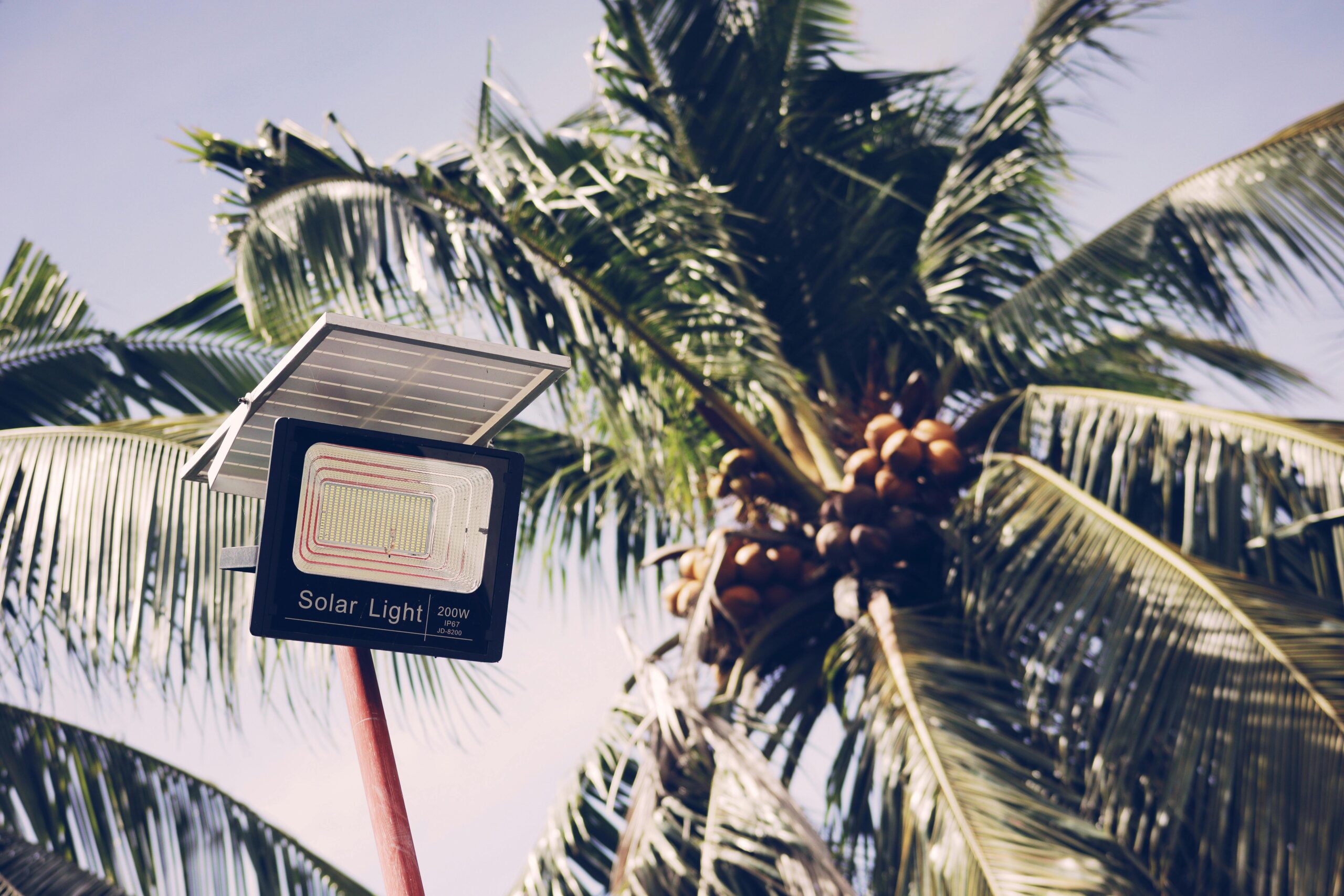
IP67 solar lights are the ones worth buying when you are tired of replacing outdoor lighting every season. Most people have been through it. You buy a set of solar lights, they work fine through summer, the first serious autumn storm arrives, and within a week two of them are dead and one is flickering. You check the packaging again and see the words “water resistant” in small print. Not waterproof. Resistant.
IP67 is a different standard entirely. It means the light survives being submerged in one meter of water for thirty minutes and comes back working. Rain does not come close to that. Garden sprinklers do not come close. Even serious flooding at ground level does not push past what IP67 is rated to handle.
If you want outdoor lighting that genuinely lasts through every season without replacement shopping becoming an annual routine, this is the rating worth looking for.
What IP67 Actually Means and Why the Number Matters
IP stands for Ingress Protection. It is an international standard that tells you exactly how well a device resists solid particles and liquids getting inside. The two digits after IP each measure something different.
The first digit measures protection against solid particles like dust and debris. A rating of six means the device is completely dust tight. Nothing gets in. The second digit measures protection against water. A rating of seven means the device survives temporary submersion up to one meter deep for thirty minutes without water entering the housing.
Put those together and IP67 means completely dust tight and submersion proof under one meter. For outdoor lighting sitting in a garden through rain, sprinklers, snowmelt, and surface water pooling, that is a serious level of protection that most standard outdoor lights do not come close to matching.
The scale runs from zero to nine on the water side. Here is how the ratings relevant to outdoor lighting compare.
- IP44: Handles water splashing from any direction. Light rain only. Fails in heavy downpours over extended periods.
- IP65: Handles water jets from any direction including garden hose pressure. Good for most standard outdoor use.
- IP66: Handles powerful water jets at higher pressure. Suitable for exposed coastal and storm-prone locations.
- IP67: Survives temporary submersion to one meter. Handles flooding, heavy pooling, and any realistic outdoor weather condition.
- IP68: Continuous submersion rated beyond one meter. Rarely necessary for standard outdoor lighting.
For most outdoor applications IP67 solar lights cover everything you will realistically throw at them.
This is something we cover in detail in our guide on Are Solar Lights Waterproof?
IP67 Solar Lights vs Lower Rated Options
This comparison matters because the price difference between IP65 and IP67 products is often small but the performance difference in tough conditions is not.
IP65 lights handle rain well. They hold up through normal seasons in most climates. Where they start failing is prolonged heavy rainfall, ground-level installation where water pools around the base, coastal environments with salt spray, and locations near sprinkler systems running at higher pressure. The seals weaken over time under repeated stress and water eventually finds its way in.
IP67 solar lights start at a higher protection baseline. The seals are built to handle submersion, which means rain, sprinklers, pooling, and coastal spray all sit well within what the housing is rated for. The device does not just survive these conditions. It handles them without the seals degrading at the rate you see in lower rated products.
For buyers in regions with heavy seasonal rainfall, monsoon climates, areas prone to surface flooding, or coastal locations with salt air, the step up to IP67 is worth every extra dollar. For buyers in mild climates with light seasonal rain, IP65 is adequate and the cost saving is reasonable.
Where IP67 Solar Lights Make the Most Sense
Not every outdoor space needs IP67 protection. But certain situations make it the only sensible choice.
Ground level installations are the clearest case. Pathway lights, garden stake lights, and any unit sitting close to soil level face pooling water after heavy rain. An IP65 light in that position faces conditions close to its rated limit every time serious rain falls. An IP67 light has headroom to spare.
Coastal properties deal with salt spray on top of rainfall. Salt air is corrosive in ways that fresh rainwater is not. It attacks seals, degrades housing materials, and accelerates the failure of electrical connections inside the housing. IP67 solar lights with UV stabilized housings and stainless steel or marine grade hardware are the only ones worth installing within a reasonable distance of the ocean.
Gardens with automatic irrigation systems present a specific challenge. Sprinkler heads that activate at ground level drench nearby lights repeatedly across a season. The cumulative effect of daily or weekly soaking under sprinkler pressure pushes past what IP44 and some IP65 products were built to handle long term.
Areas with heavy snowfall face a different version of the same problem. Snow accumulates on and around the light housing. As it melts, water sits against the seals for extended periods. Freeze-thaw cycles expand and contract the housing material repeatedly. IP67 solar lights with cold-rated lithium iron phosphate batteries and tight seals handle this far better than standard outdoor solar lights.
Key Features to Look for Beyond the IP67 Rating
The IP67 rating covers water resistance. It does not tell you everything about whether a solar light is worth buying. These other features determine how well the light actually performs.
- Battery type: Lithium iron phosphate batteries maintain performance in cold temperatures where standard lithium ion batteries lose capacity fast. If your location gets freezing winters, this matters as much as the IP rating.
- Panel type: Monocrystalline solar panels charge efficiently in low light and overcast conditions. IP67 solar lights are often installed in locations that receive less than ideal sun exposure. A monocrystalline panel makes the most of whatever light is available.
- Lumen output: Check the actual brightness figure. IP67 does not guarantee strong light output. A security light needs 800 lumens minimum. A flood light needs 1500 lumens and above. A pathway light works at 100 to 200 lumens.
- Housing material: UV stabilized polycarbonate or aluminum housing resists sun degradation over years of outdoor exposure. Standard ABS plastic yellows, cracks, and weakens under prolonged UV exposure regardless of the IP rating.
- Battery capacity: 2000mAh or above for overnight performance. Smaller batteries run flat before morning in winter when days are short and charging time is limited.
- Motion sensor range and angle: For security applications, sensor coverage angle and detection distance determine how useful the light actually is. A wide angle sensor on a corner installation covers far more area than a narrow one.
Common Mistakes Buyers Make With IP67 Solar Lights
Getting the IP rating right and then making other mistakes is more common than you would think.
Placing the panel in shade is the one that kills performance fastest. The IP67 rating protects the housing from water. It does nothing for charging if the panel sits under a tree or beside a wall that blocks afternoon sun. The panel needs six or more hours of direct sunlight daily for reliable overnight performance.
Buying IP67 rated lights with poor quality panels and small batteries is a false economy. The housing survives the weather but the light dies before midnight because the battery never held enough charge. The IP rating on the box means nothing if the core components are underpowered.
Ignoring the housing material beyond the IP rating is a mistake in coastal and high UV environments. An IP67 rated light with standard ABS plastic housing will survive submersion but the casing degrades visibly within two seasons of sun and salt exposure. UV stabilized materials and marine grade fittings matter in these environments.
Not checking the operating temperature range catches buyers in cold climates off guard. An IP67 light with a standard lithium ion battery performs well through rain and submersion but loses significant capacity when temperatures drop below freezing. Check that the battery type and rated operating temperature match your climate conditions.
This is something we cover in detail in our guide on What to Look For When Buying Solar Lights 2026 Guide
Maintenance for IP67 Solar Lights
IP67 solar lights need less maintenance than lower rated products but they still benefit from regular attention.
Clean the solar panel surface at the start of each season. Dust, pollen, bird activity, and mineral deposits from rain reduce charging efficiency measurably over time. A damp cloth and sixty seconds of attention restores full panel performance.
Inspect the housing seals once a year. IP67 seals are durable but physical impact, UV exposure over years, and extreme temperature cycling gradually affect seal integrity. A small crack or gap around the housing joint is worth addressing with outdoor silicone sealant before water finds it.
Check the mounting hardware annually in coastal locations. Salt air attacks metal fittings over time regardless of IP rating. Stainless steel hardware holds up far better than standard zinc or aluminum fittings in salt environments. Replace corroded hardware before it fails completely and risks the mounting security of the light.
Battery replacement every four to six years restores the device to near original overnight performance. Lithium iron phosphate batteries degrade slowly so the drop is gradual. When you notice the light dying noticeably earlier in the night than it used to, a fresh battery almost always fixes it without replacing the whole unit.
Summary
IP67 solar lights handle submersion up to one meter, making them the strongest waterproof option for outdoor solar lighting. They outlast lower rated products in heavy rain, coastal conditions, ground level installations, and irrigated gardens. Beyond the IP67 rating, check battery type, panel quality, lumen output, and housing material before buying. Clean the panel each season, inspect seals annually, and replace the battery every four to six years. For outdoor lighting built to last through real weather, IP67 is the standard worth insisting on.