Table of Contents
Solar lights in Norway sound like a bad idea the moment you think about it. The country has polar nights, weeks of near-zero sunlight, and temperatures that would freeze most outdoor products solid. A light that runs on sunshine, sitting in a country that barely sees sunshine for months. It sounds almost funny.
But here is the thing. Norwegians are actually using solar lights in large numbers, and a good portion of them are genuinely happy with the results. The reason is not that the dark winters have gotten shorter. It is that solar lighting technology has moved far ahead of where most people think it is.
This article gives you the straight answer on solar lights in Norway, without the usual sales talk.
What Solar Lights Actually Do
Before you decide whether solar lights in Norway make sense for your home, it helps to understand what you are actually buying.
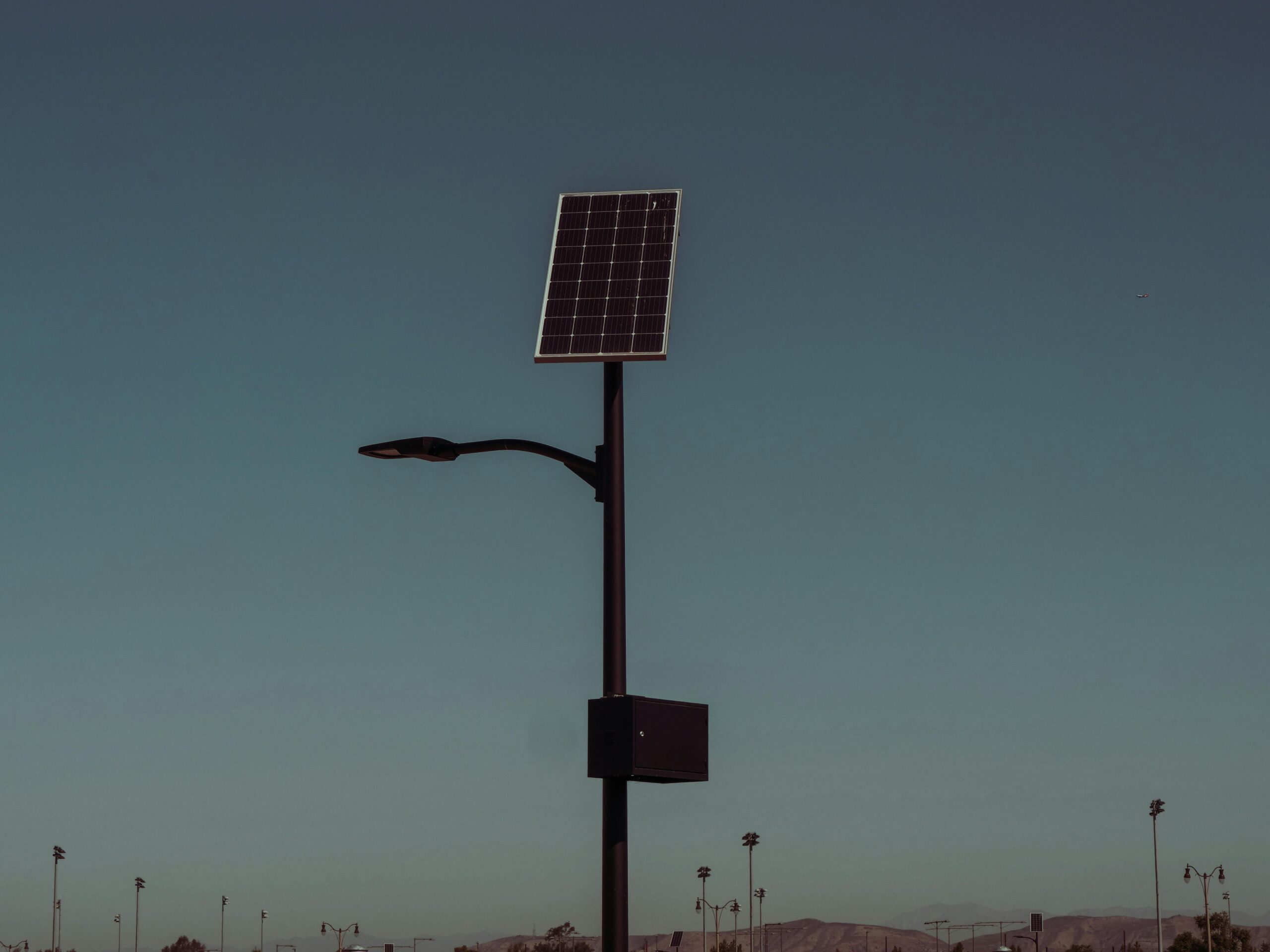
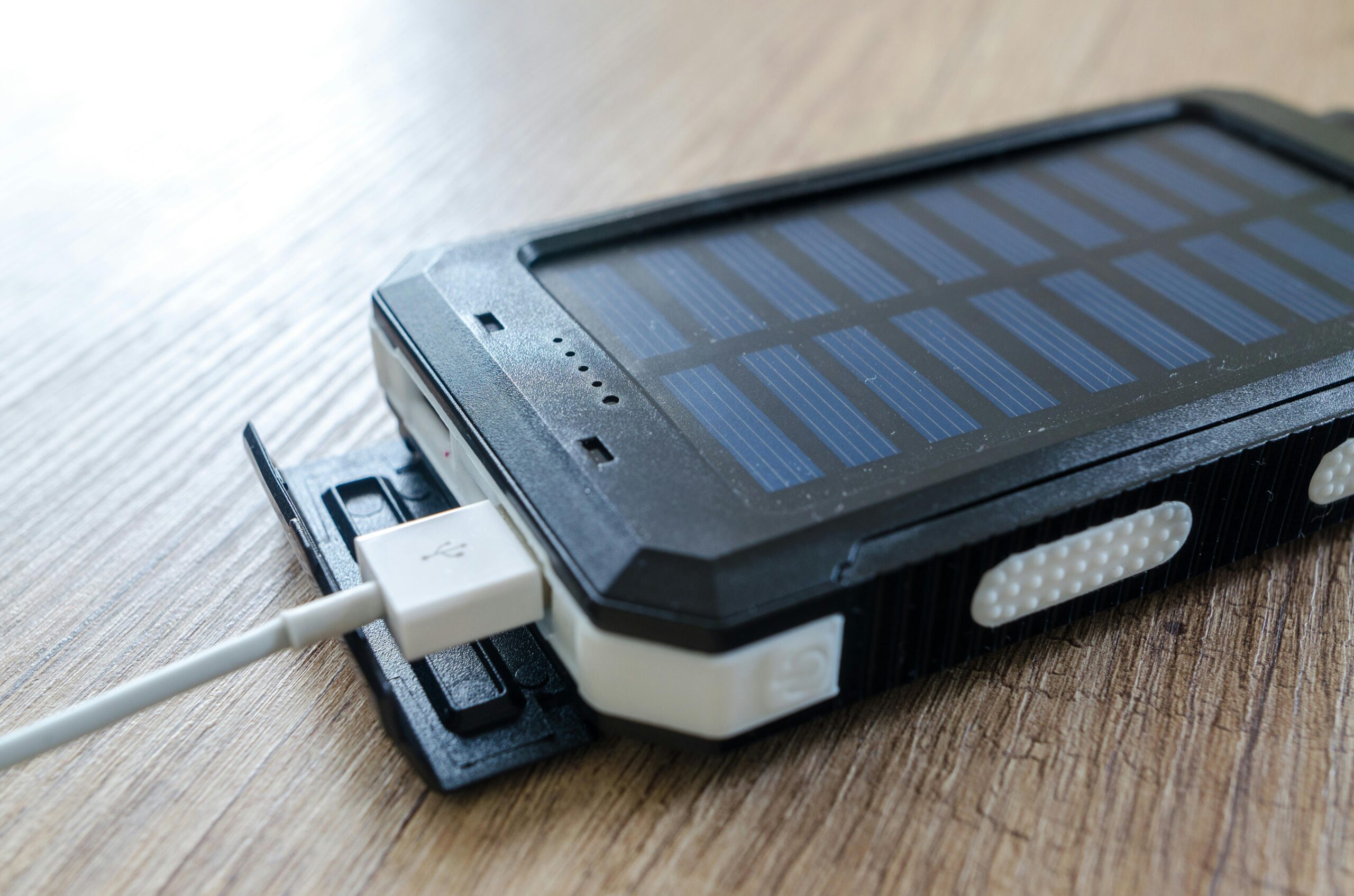
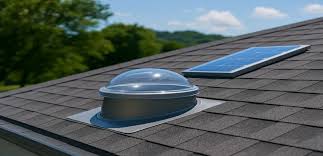
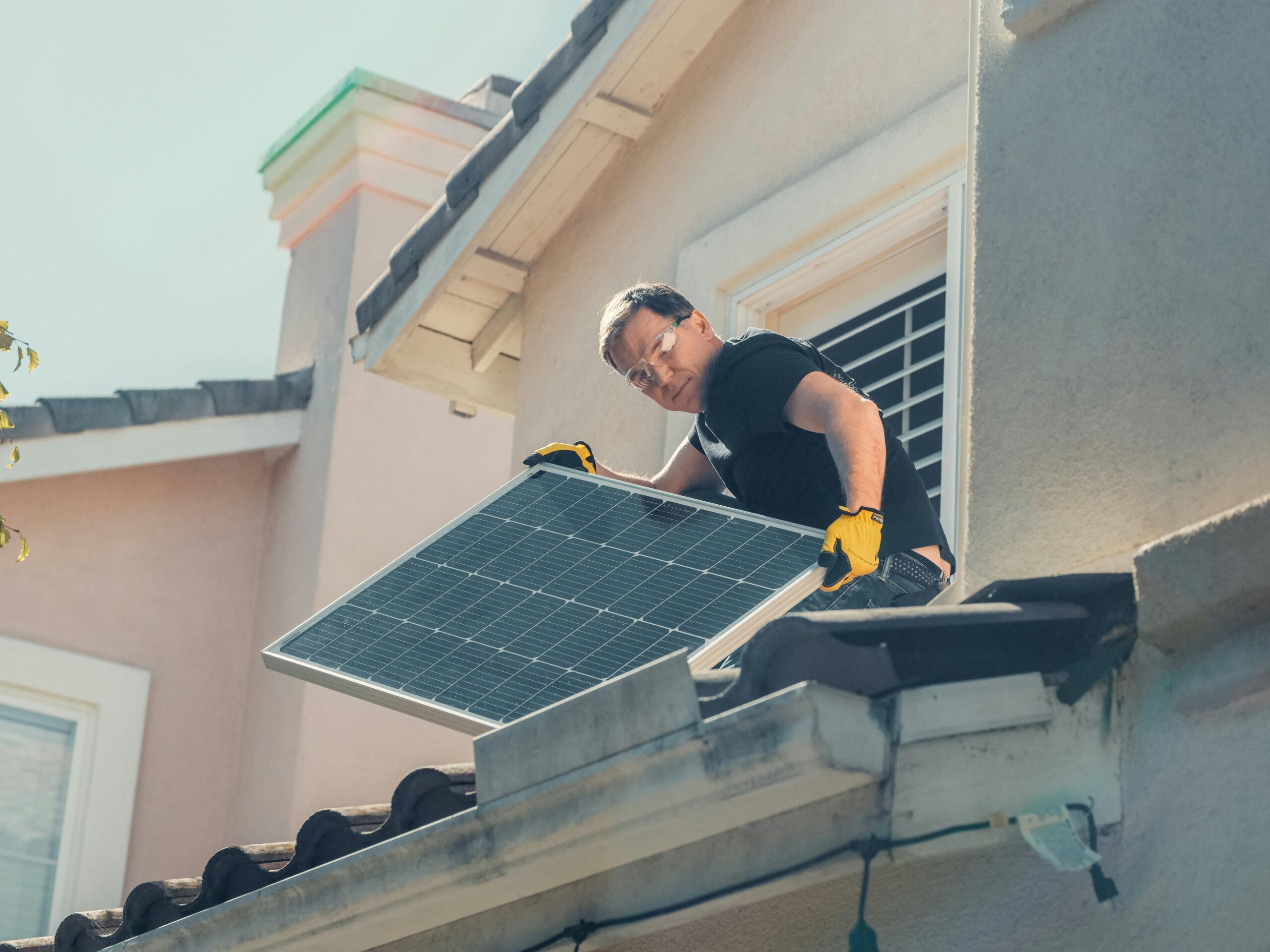
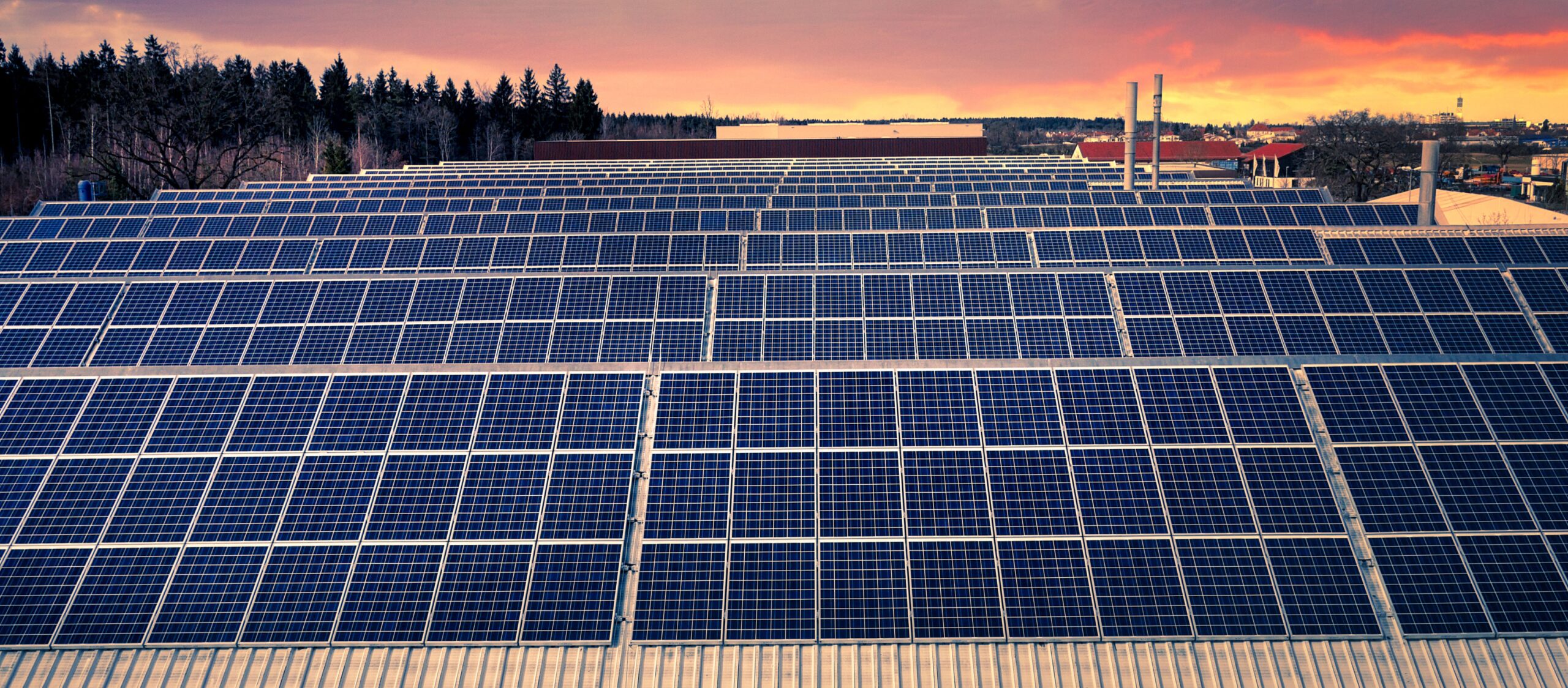
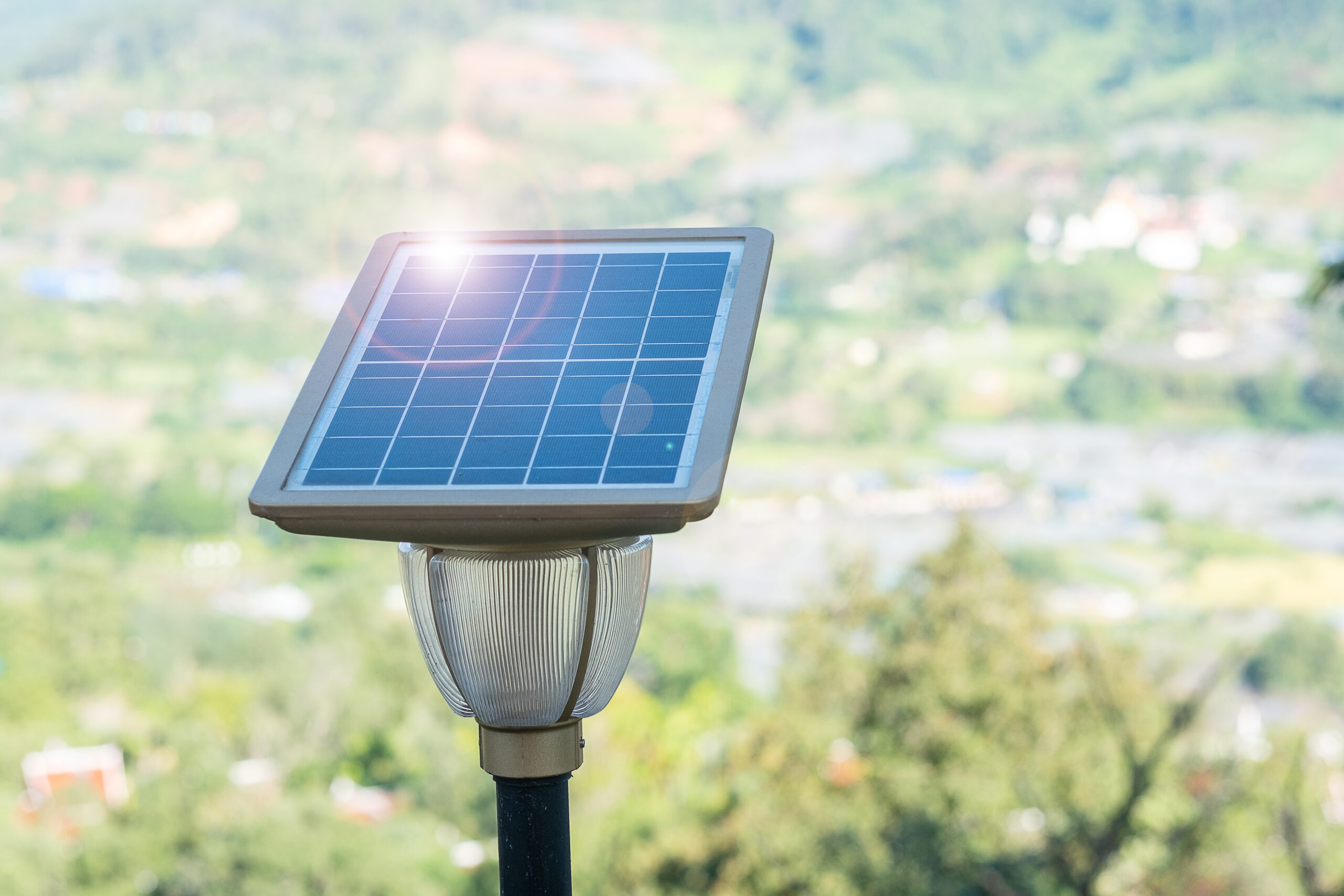
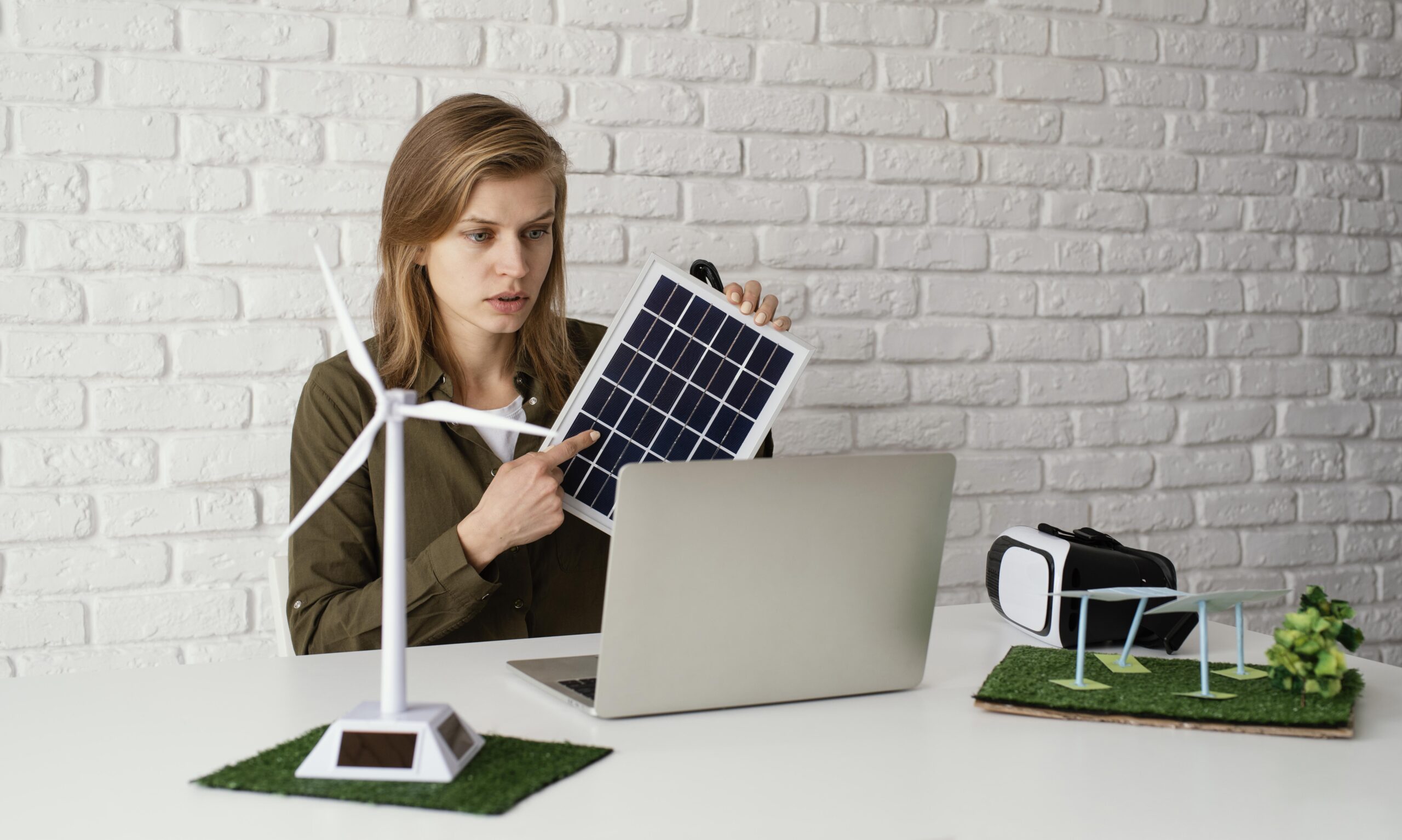
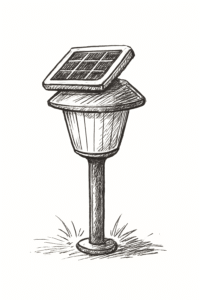
A solar light is not complicated. There is a small panel on top that absorbs whatever daylight is available and turns it into electricity. That electricity goes into a battery inside the fixture. When darkness falls, the battery releases that stored energy and the LED inside the light switches on. A built-in sensor handles all of this automatically. You do not touch anything.
The important word in that explanation is “whatever daylight is available.” Modern solar panels do not need blazing direct sunshine to charge. They pick up diffused light too, the kind you get on a grey Norwegian winter afternoon. They are less efficient on overcast days, yes. But they still charge.
A decent solar light after five to six hours of any daylight, direct or diffused, runs for eight to ten hours through the night. That is enough to keep your garden path lit from dusk until well past midnight, even in winter.
The Honest Problem With Solar Lights in Norway
Nobody should pretend this is simple. Solar lights in Norway face a real challenge that people in southern Europe or the Middle East never deal with.
Norway sits between 57 and 81 degrees north latitude. Oslo and Bergen in the south get around five to six hours of weak winter daylight in December. That is short, but workable. The sun is low in the sky, the angle is poor, and clouds block a lot of what is left. Panels charge slowly.
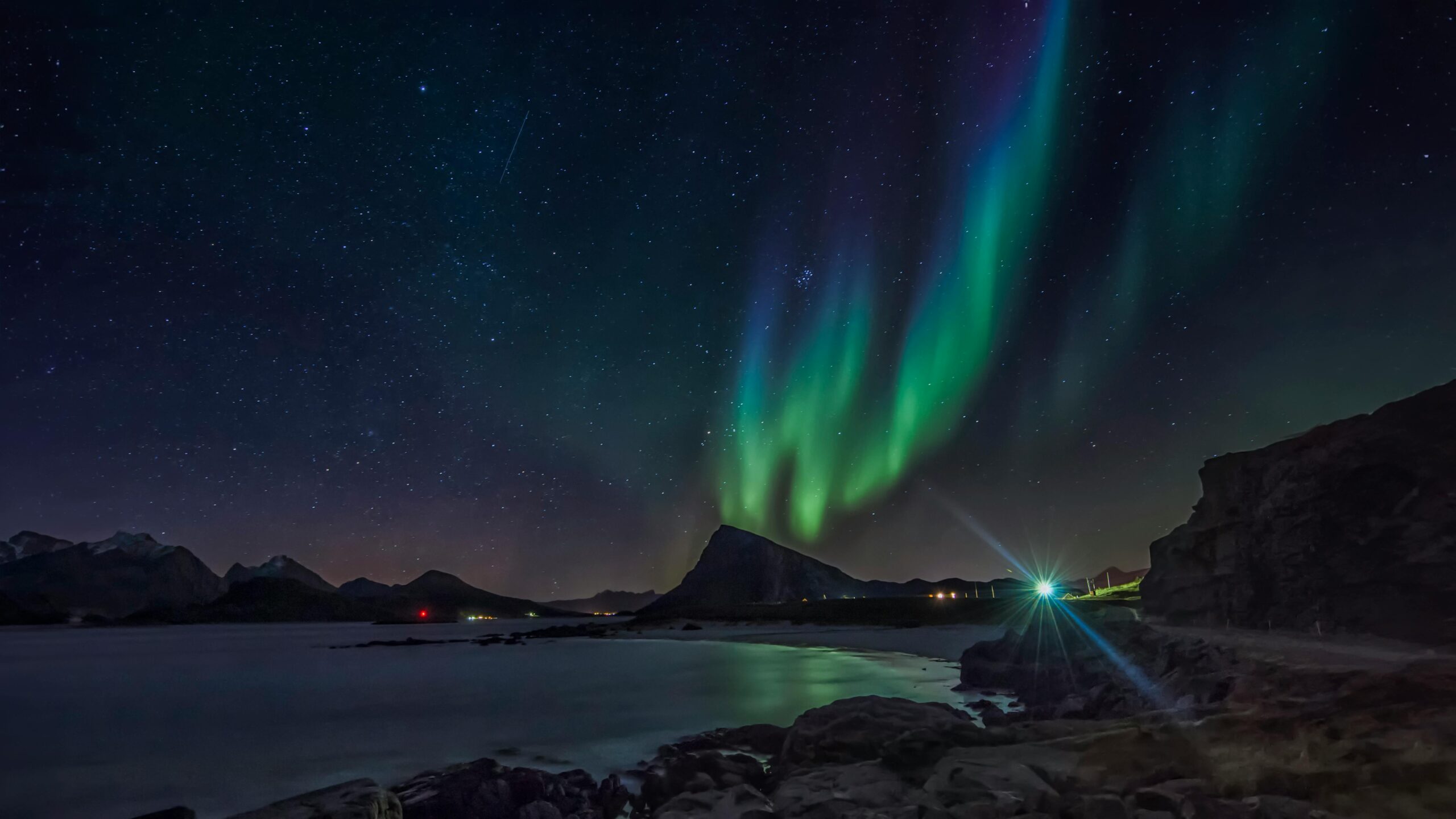
Go north toward Tromsø and things get more dramatic. The sun sets in late November and does not come back until mid-January. That period is called polar night. During polar night, the light you get is civil twilight at best, a soft blue glow for a couple of hours around midday. Panels can still pick up some charge from this, but output drops significantly.
The budget solar lights you find on discount websites are not made for this. They are designed for places like Spain or California, where winter still brings six to eight hours of decent sun. Put them in a Norwegian garden in December and they will disappoint you badly.
The solar lights in Norway that actually perform are built differently. They carry larger lithium-ion batteries that store more energy from shorter charging windows. They use monocrystalline panels that squeeze more electricity out of weak, low-angle light. They are rated to operate in temperatures down to minus 20 degrees Celsius or colder. And they carry an IP65 or IP67 waterproof rating that keeps Norwegian rain, snow, and sleet out of the internals.
That difference between a quality product and a cheap one is enormous in a Norwegian winter.
Where in Norway Solar Lights Actually Work Well
Solar lights in Norway perform very differently depending on where you live. This is probably the most important thing to understand before you buy anything.
If you live in southern Norway, Oslo, Bergen, Stavanger, or Trondheim, solar lights work reliably for the majority of the year. Even through winter, a quality product with a large battery keeps running. You get reduced brightness on the darkest weeks, but the light stays on. Most homeowners in southern Norway who have switched to solar garden lights report they are happy with performance from roughly late February through November, and acceptable through December and January.
If you live in central Norway or areas like Bodø and Mo i Rana, solar lights handle spring through autumn brilliantly. Winters get harder. You want a product with the highest battery capacity you can find, and you need to position panels facing south to catch every bit of available light.
If you live in northern Norway, Tromsø, Alta, Kirkenes, or further north, the situation is more honest. Solar lights in Norway at this latitude are excellent from March through September. The midnight sun in summer charges them continuously and they perform beyond expectations. Winter is a different story during polar night specifically. This does not mean solar lights are useless in the north. It means you pair them with realistic expectations and choose products rated for extreme conditions.
Which Types of Solar Lights in Norway Make the Most Sense
Not every type of solar light suits Norwegian conditions equally. Some are far better suited than others.
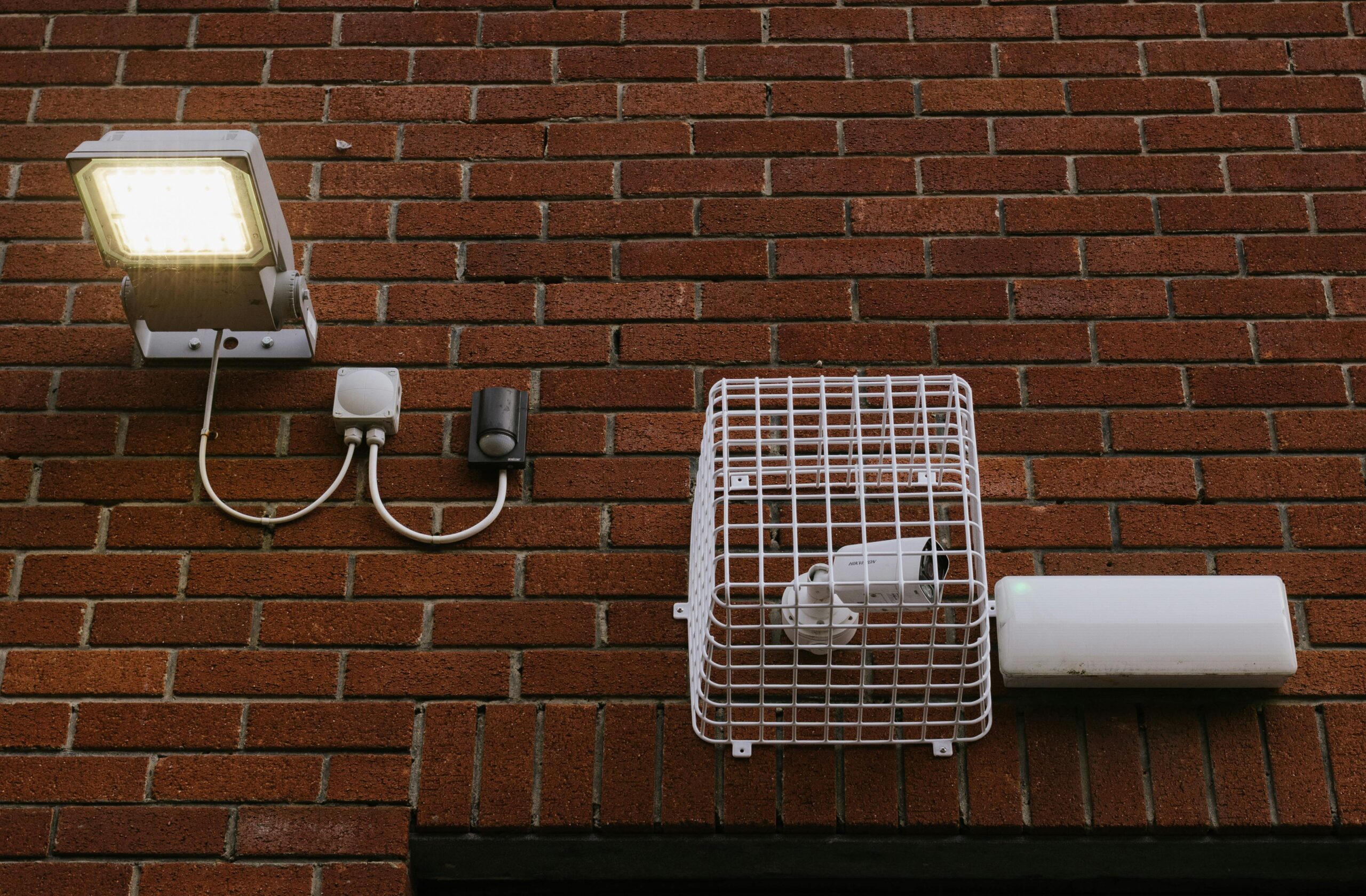
Solar security lights with motion sensors are probably the best match for Norway. They do not run continuously. They activate only when they detect movement, which means they use the stored battery power carefully. Even after a short winter charging day, a good motion-sensor solar light has enough reserve to trigger multiple times through the night. These are ideal around front doors, garages, and garden sheds.
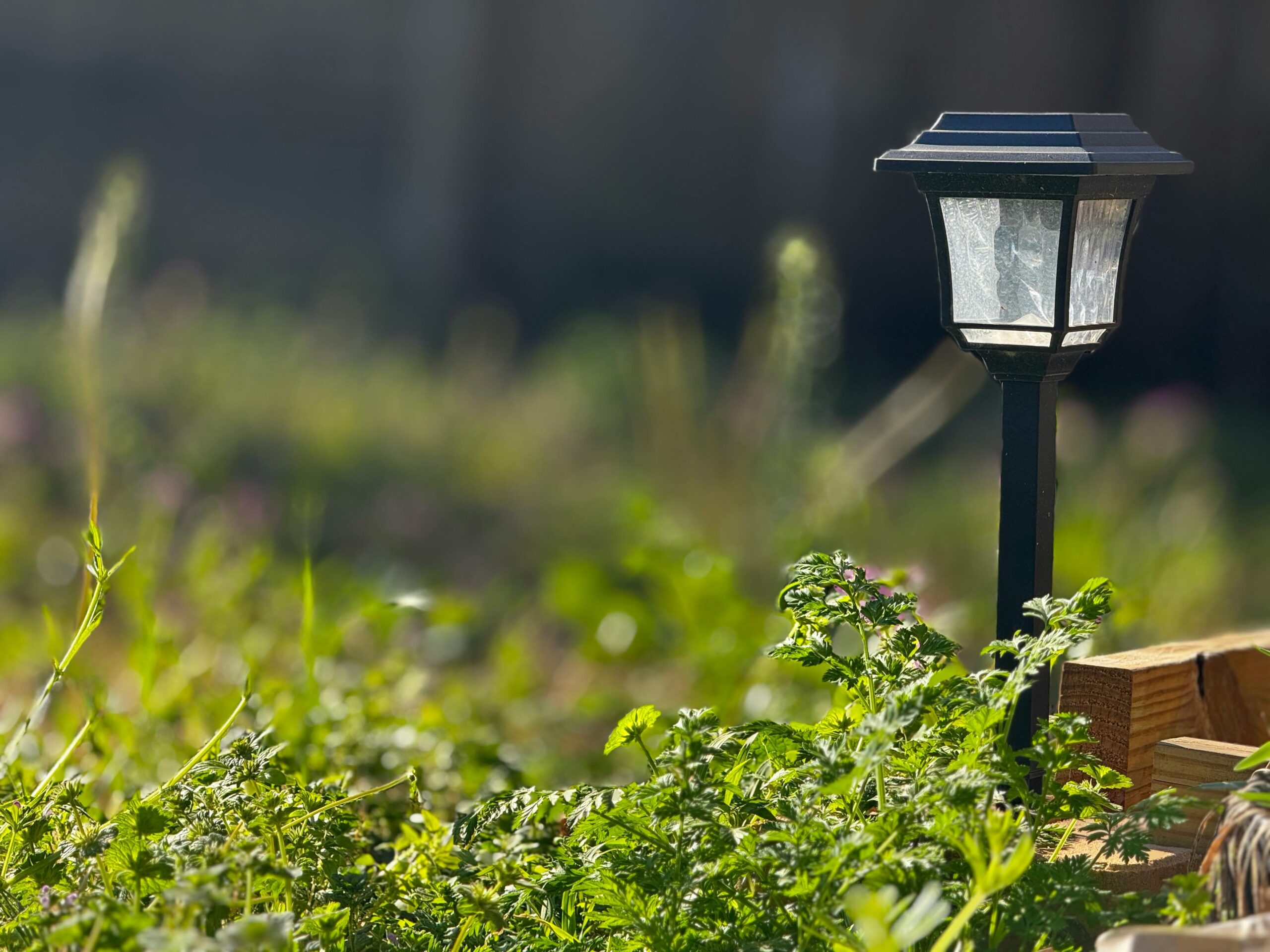
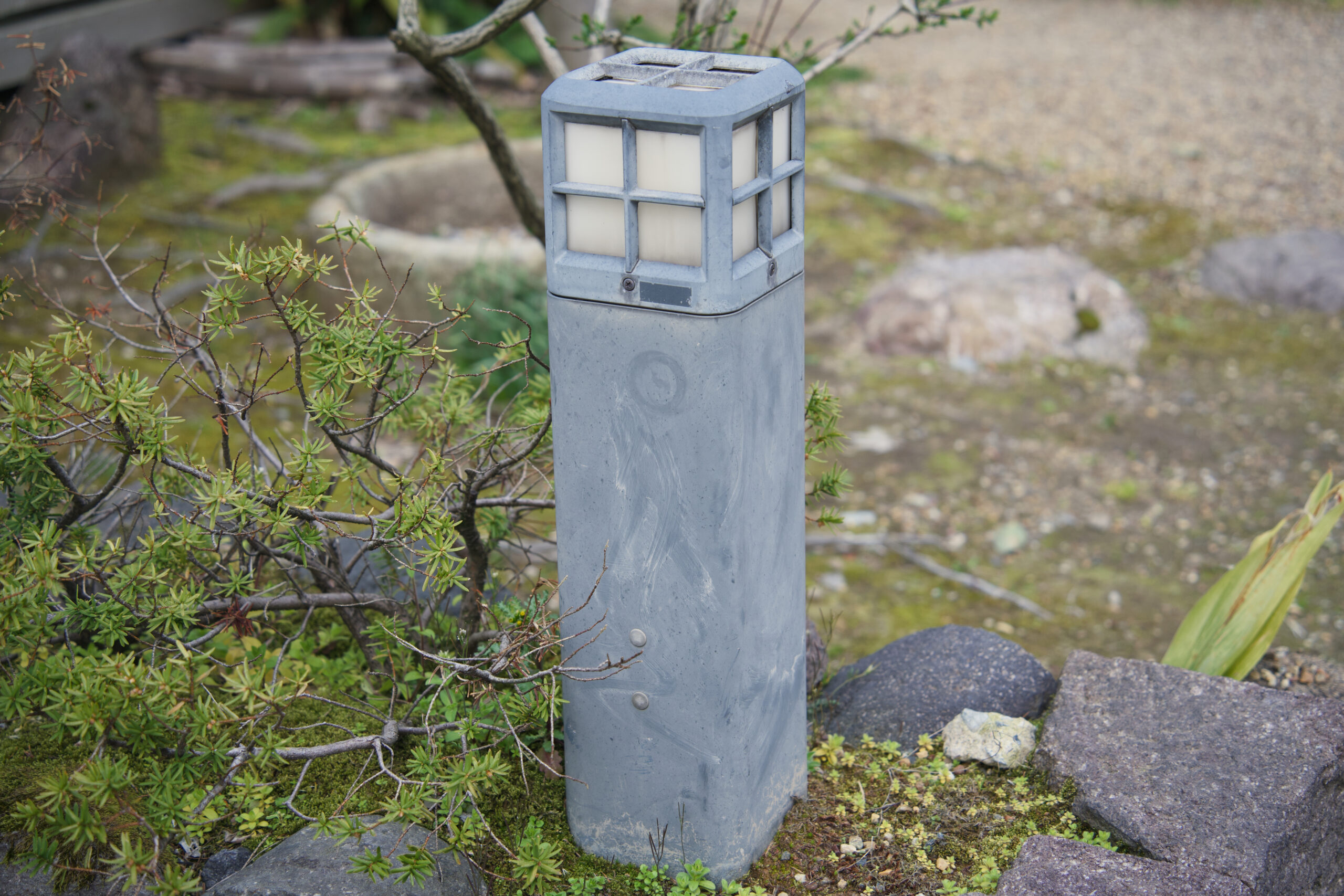
Solar pathway lights are popular and they work well through most of the Norwegian year. They are low wattage, so they do not drain the battery fast. During the long summer days, they store far more energy than they need. During darker months, that reserve helps carry them through. The key for pathway lights is choosing ones with decent lumen output and a high-capacity battery. The cheapest options sold in bulk packs usually fail Norwegian winters quickly.
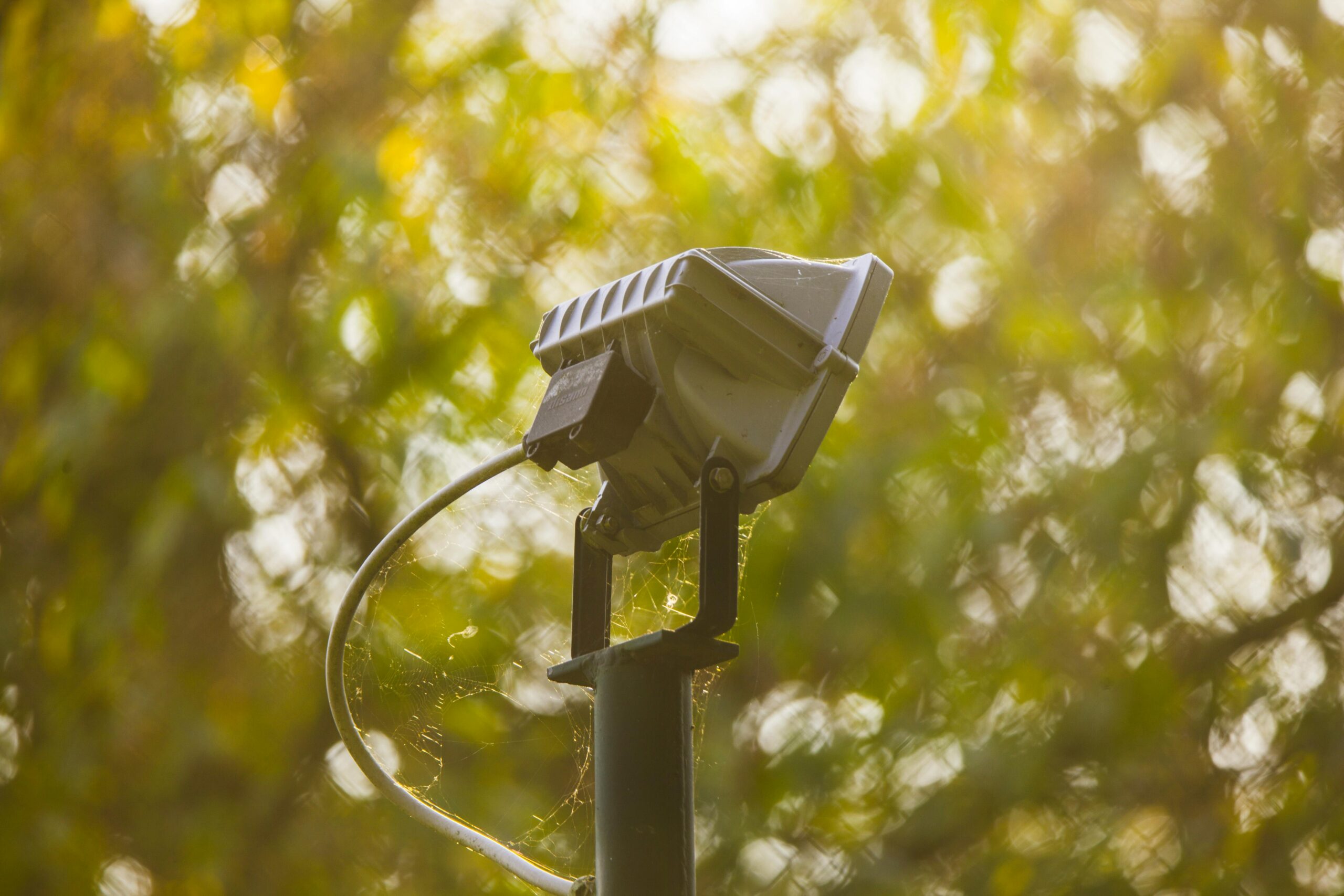
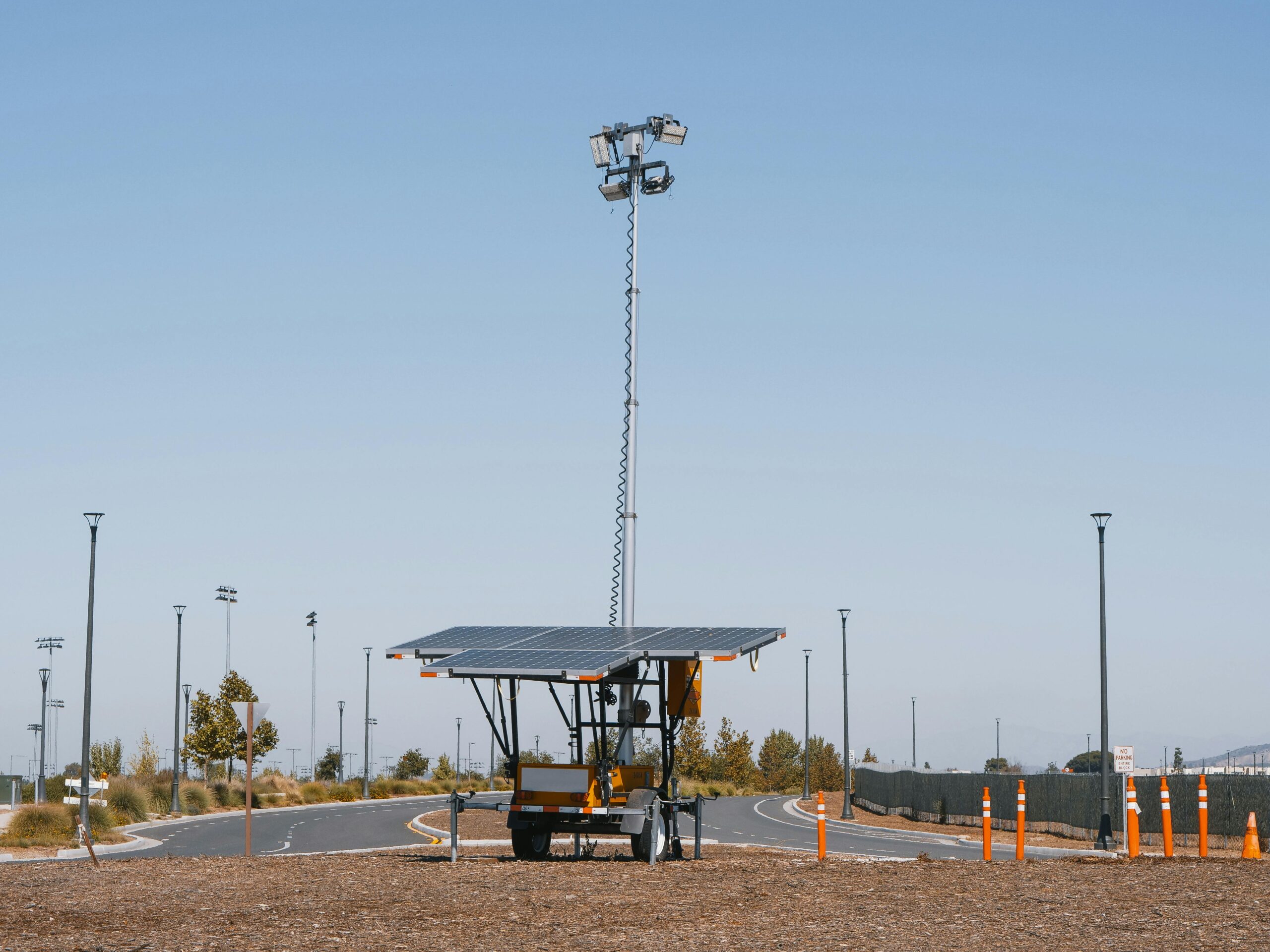
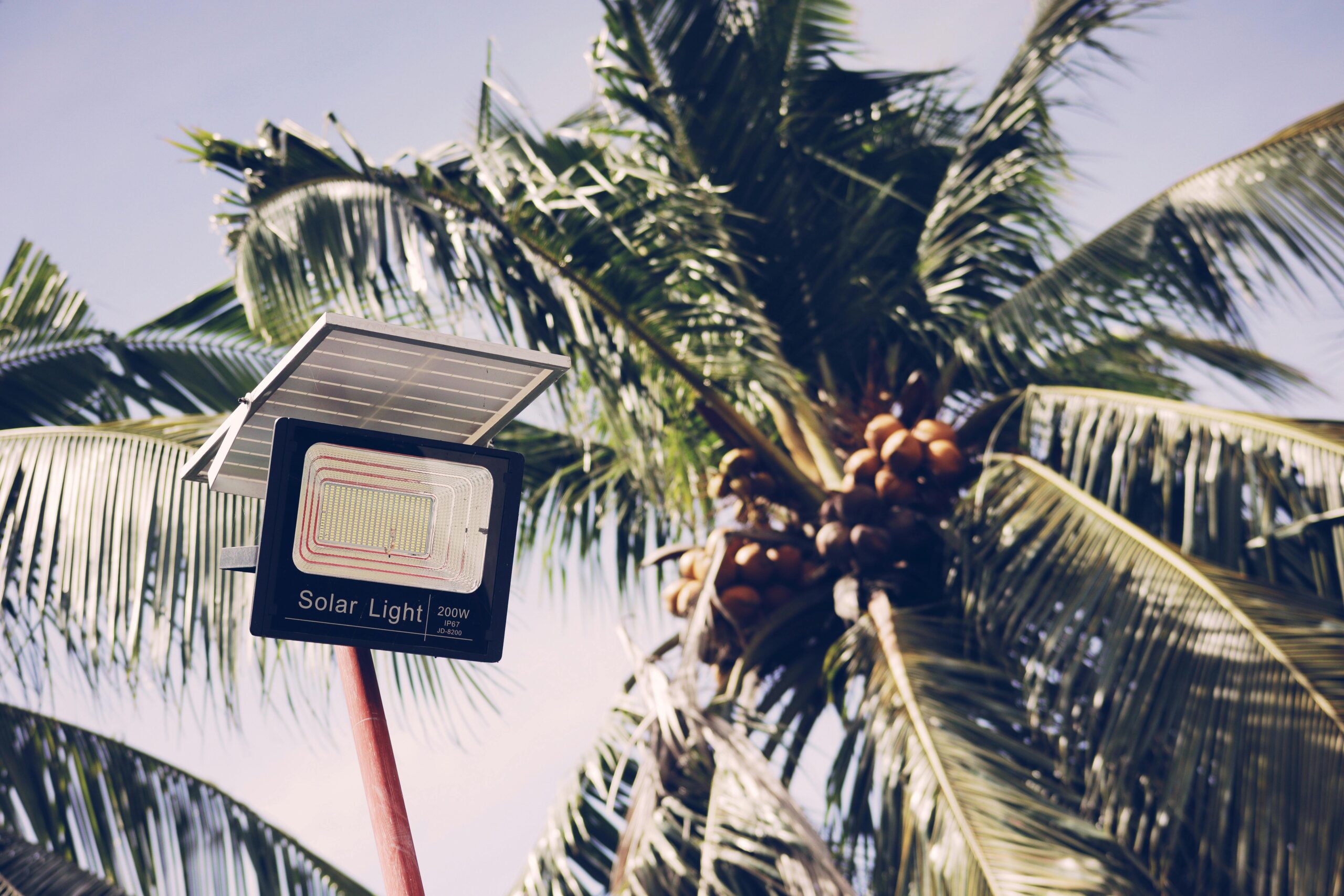
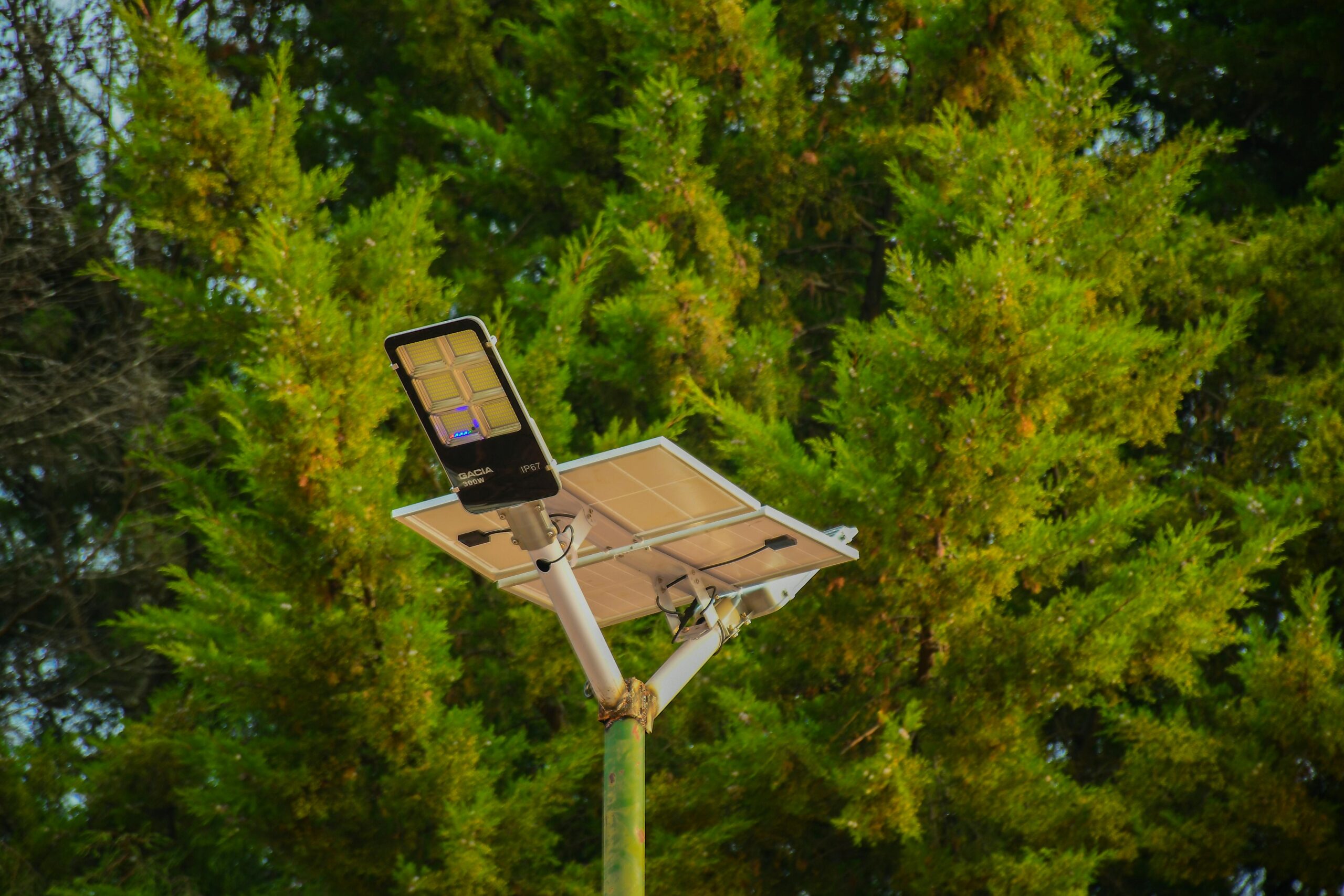
Solar flood lights and high-lumen security lights are the strongest performers in Norway because they use separate, larger panels that you mount in the best possible position for sunlight. The panel and the light fixture are two separate pieces. This means even if the light is under a roof overhang, you position the panel on a sunny south-facing wall where it charges properly.
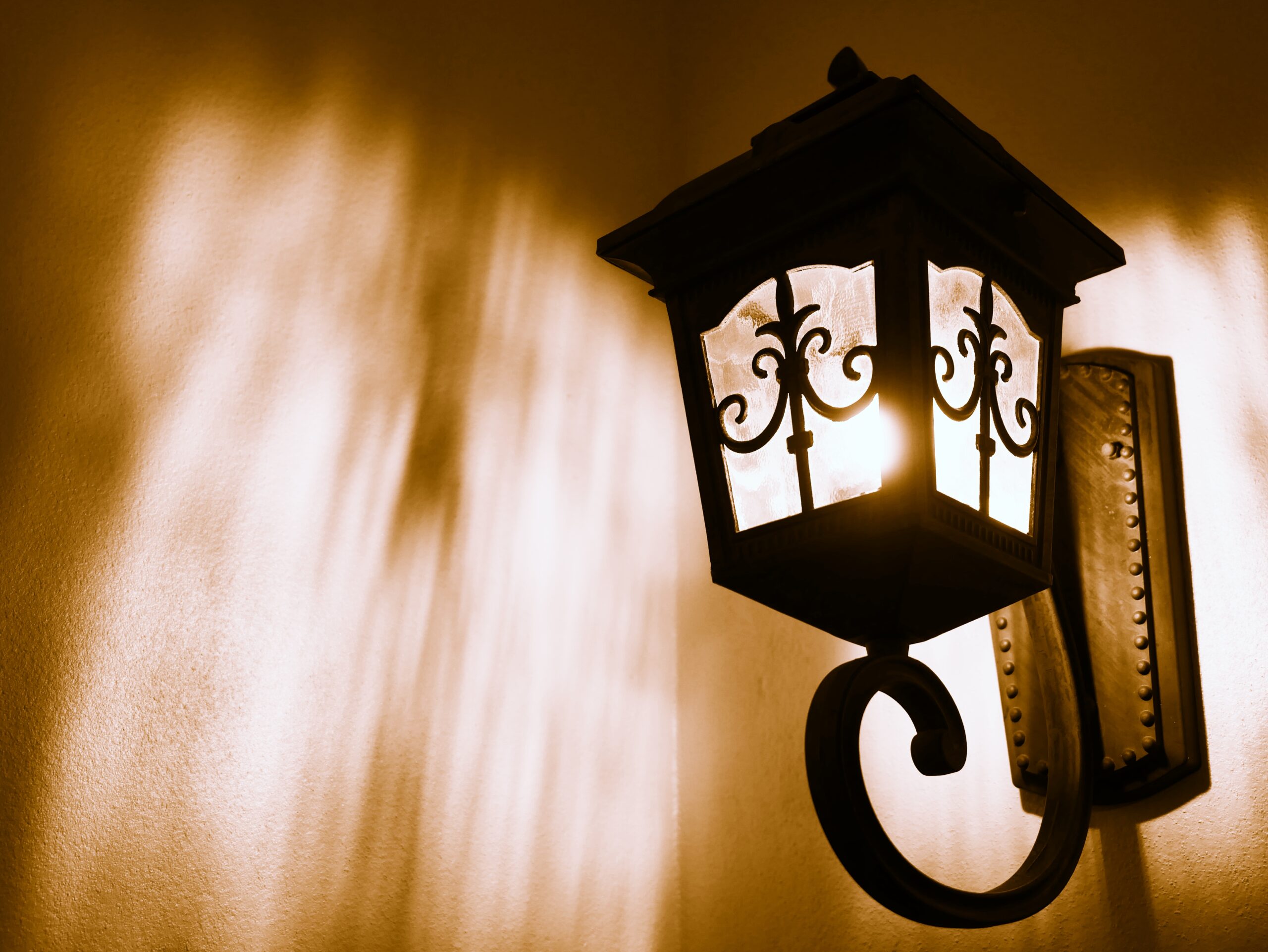
Solar string lights and decorative garden lights are more of a spring and summer product in Norway. They look wonderful during Norwegian summer evenings and through autumn. Expecting them to perform through deep winter is asking too much of a product designed primarily for atmosphere rather than function.
Practical Things You Should Do Before and After Buying
A few habits make a genuine difference for solar lights in Norway regardless of which product you choose.
Face your panels south. Norway sits in the northern hemisphere, meaning the sun always tracks across the southern sky. A panel facing south captures the maximum available light at every hour of the day throughout the year. This single adjustment improves winter performance more than almost any other factor.
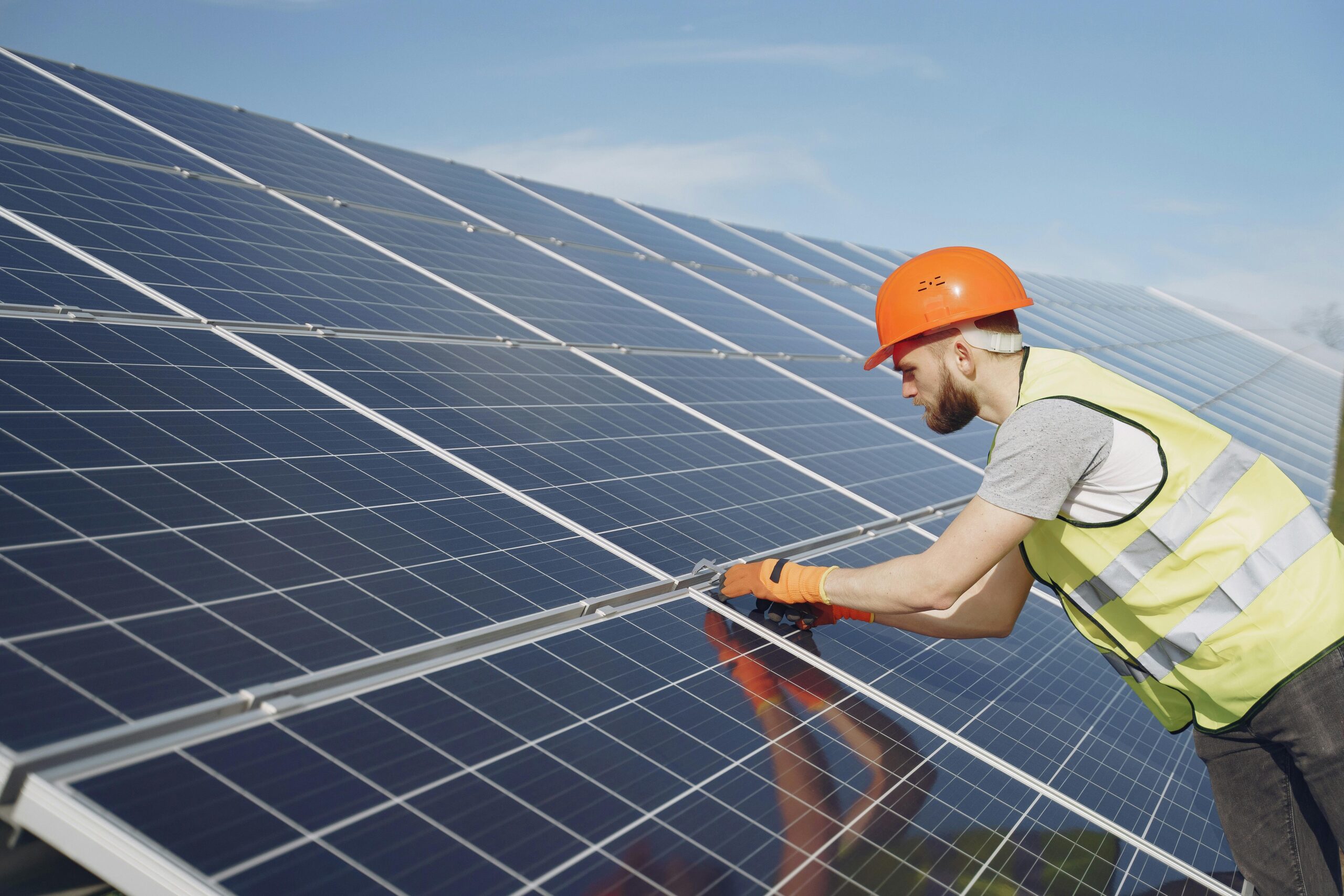
Keep panels clean. Snow sitting on a solar panel means zero charging. Wipe them after snowfall. Dust and bird droppings during drier months also reduce efficiency more than most people realise. A quick wipe every couple of weeks takes thirty seconds and makes a real difference.
Do not install solar lights in shaded spots. A tree, a fence, a wall casting afternoon shadow on your panel means the light barely charges and disappoints you at night. The panel needs open sky.
In the far north during the darkest weeks of polar night, store decorative solar lights indoors. Running a battery repeatedly to empty in extreme cold without proper recharging damages it over time. Bringing lights inside during the hardest weeks extends their lifespan considerably.
Are Solar Lights in Norway Worth Buying?
For most Norwegian homes, yes. Solar lights in Norway make real sense when you buy the right product for your location and season.
Norway is one of the most sustainability-conscious countries in the world. Norwegians already lead in electric vehicle adoption, hydropower use, and renewable energy investment. Solar lights fit naturally into that mindset. No wiring costs, no added electricity bill, no maintenance beyond an occasional panel wipe.
The summer performance of solar lights in Norway is genuinely outstanding. Midnight sun means continuous charging and lights that run all night on full brightness without ever draining fully. That alone makes the investment worthwhile for a large part of the year.
Winter performance depends entirely on your location and your product choice. Buy cheaply and you will be disappointed. Buy a cold-climate rated product with a lithium-ion battery and a monocrystalline panel and you will find solar lights in Norway far more capable than you expected.
Summary
Solar lights in Norway work well when you choose the right product. Southern Norway sees reliable year-round performance. Northern regions perform best from March through September. Lithium-ion batteries, monocrystalline panels, and IP65 ratings are essential for cold climates. Motion-sensor security lights are the smartest choice for winter efficiency. Cheap models struggle badly in Norwegian winters. Quality products handle the conditions and reduce electricity costs through most of the year.