Table of Contents
Understanding Nighttime Power Generation
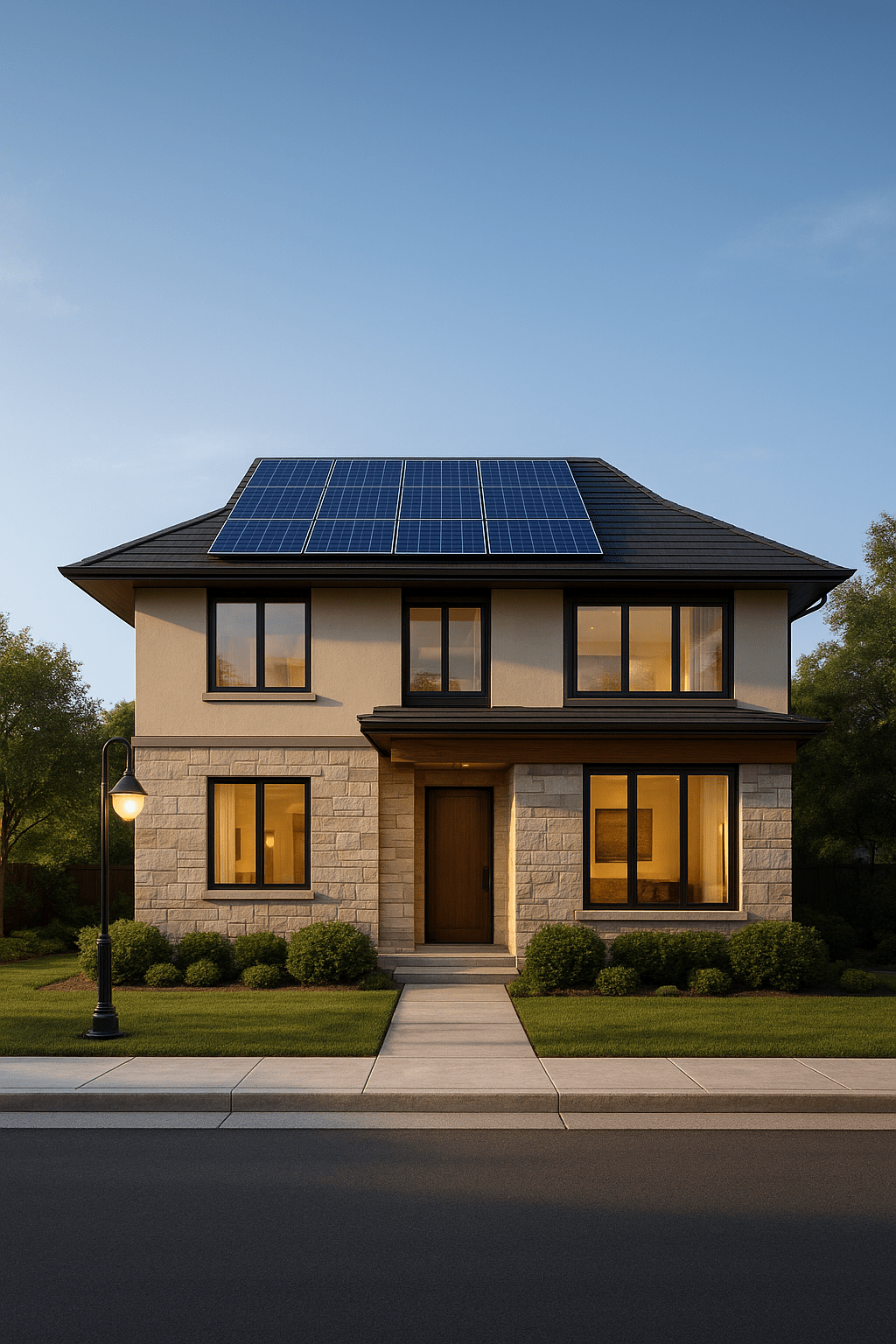
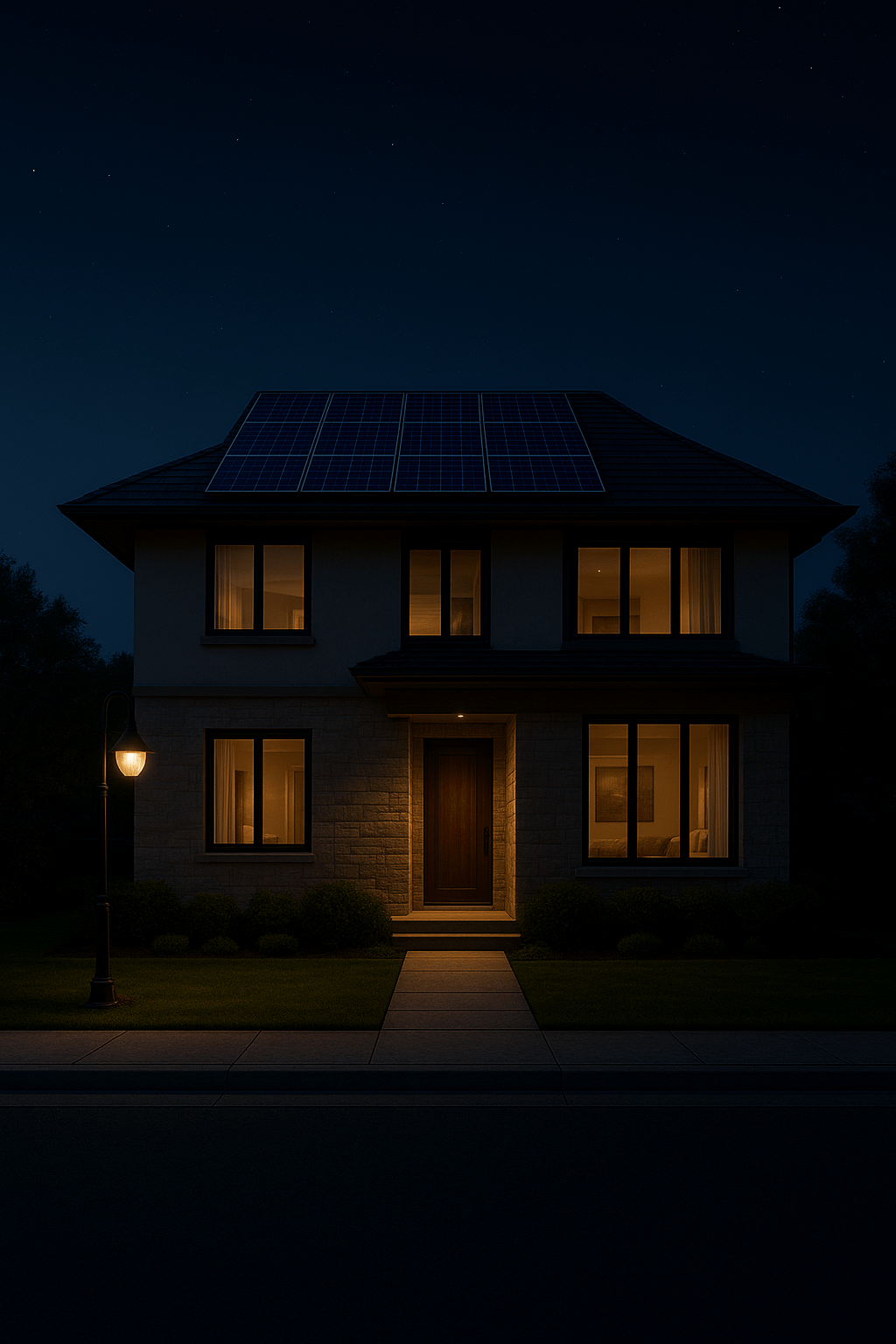
Electricity generation at night presents unique challenges because solar panels stop working when the sun sets. Your options depend on location, budget, and energy needs. Several proven methods exist to produce power after dark.
Wind Energy Systems
Wind turbines generate electricity whenever wind moves, regardless of time. Wind patterns often strengthen during night hours in many regions. Small residential turbines produce 5 to 15 kilowatts. Larger commercial units generate 2 to 3 megawatts or more.
You need adequate wind speeds, typically above 10 miles per hour for efficient output. Urban areas experience blocked wind from buildings and trees. Rural and coastal locations work better for wind installations.
Wind turbines require initial investment of 50,000 to 250,000 dollars for residential setups. Maintenance costs run about 500 to 1,000 dollars yearly. Lifespan reaches 20 to 25 years with proper care.
Hydroelectric Power
Water flowing downhill spins turbines to create electricity. Hydropower works 24 hours daily when water flows consistently. Output depends on water volume and elevation change.
Small-scale hydro systems suit properties with streams or waterfall potential. Output ranges from 5 kilowatts to 100 kilowatts for residential installations. Large-scale hydroelectric dams generate thousands of megawatts.
Water flow varies seasonally. Dry seasons reduce output. Wet seasons increase generation. Overall annual production remains stable in most climates.
Your location determines feasibility. You need legal water rights and environmental permits. Installation costs range from 20,000 to 500,000 dollars depending on system size.
Geothermal Energy Systems
Earth maintains constant temperature below ground level. Geothermal systems use this stable heat for electricity generation. Heat pumps transfer ground warmth to generate power and heating.
This method works equally well day and night. Ground temperature remains consistent at 50 to 60 degrees Fahrenheit year-round in most areas. Deeper drilling accesses higher temperatures.
Geothermal installations cost 15,000 to 30,000 dollars for residential systems. Return on investment happens in 5 to 10 years through energy savings. Lifespan extends 25 to 50 years.
Limitations include location. Geothermal works best in areas with geological activity. Some regions lack suitable underground conditions.
Battery Storage Solutions
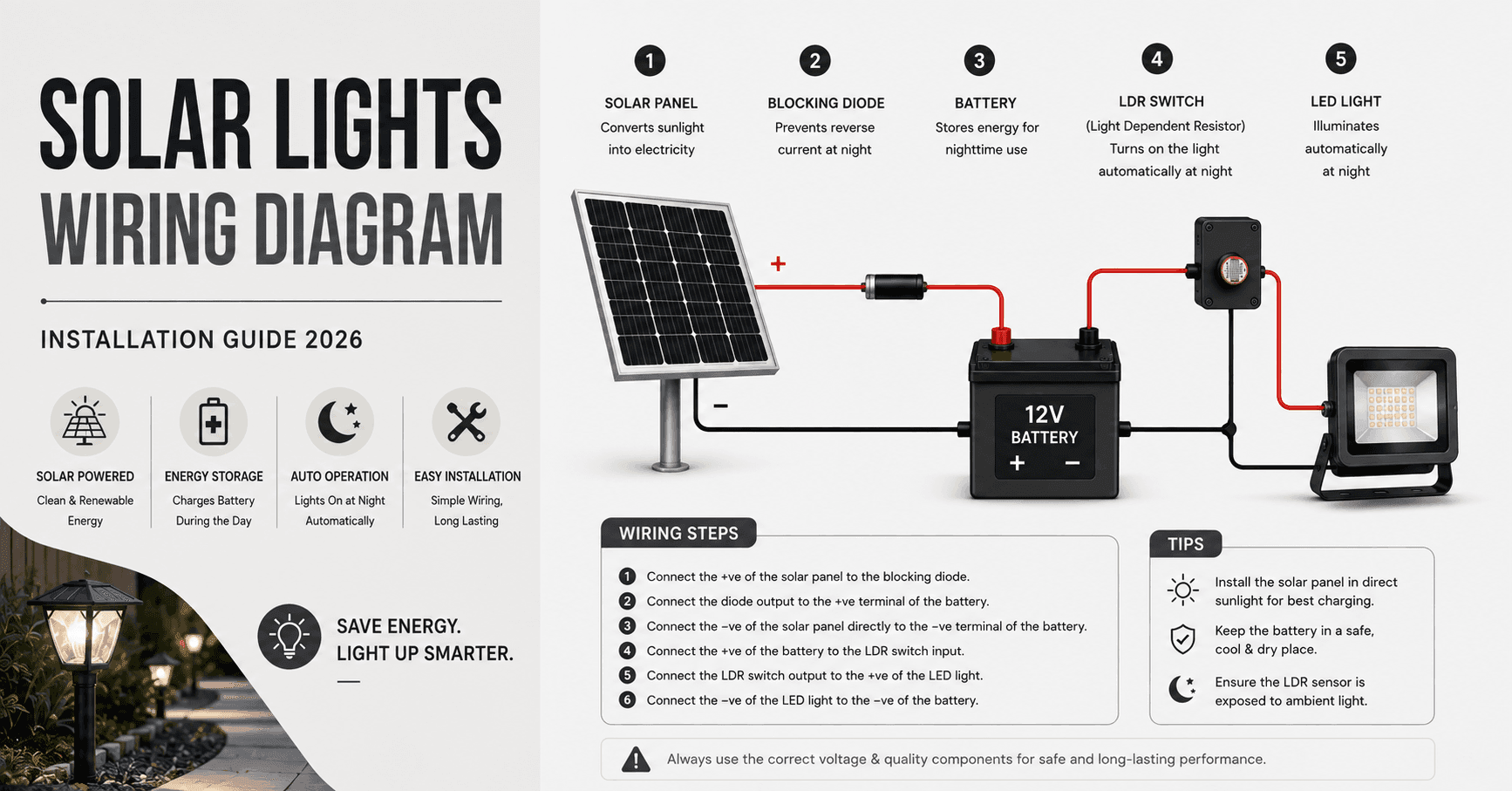
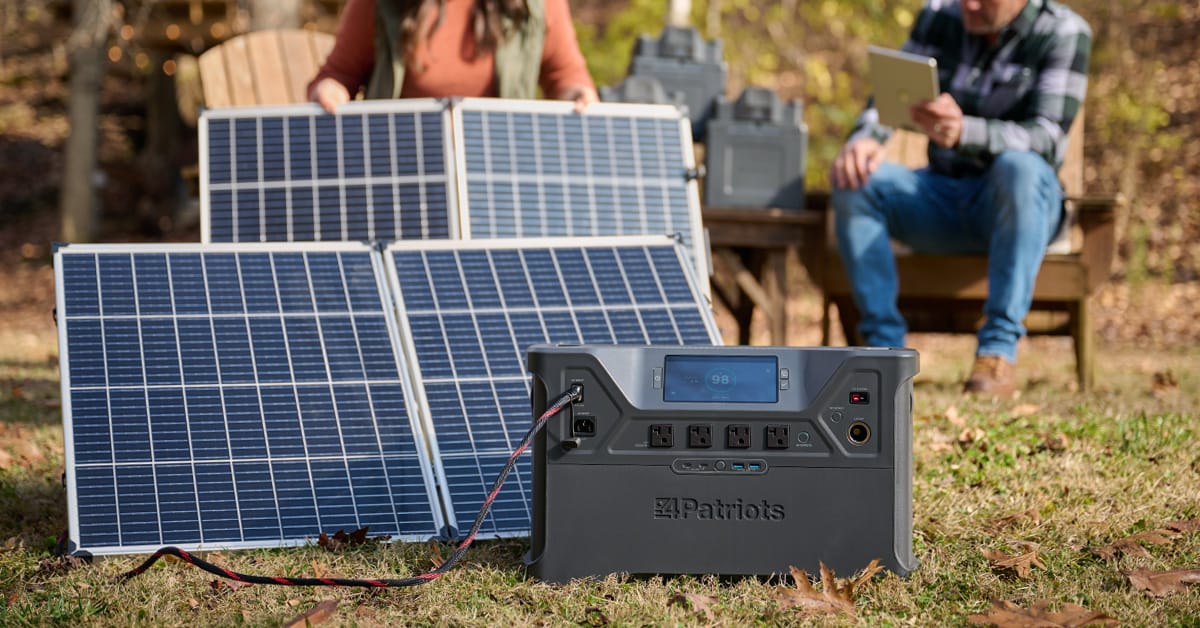
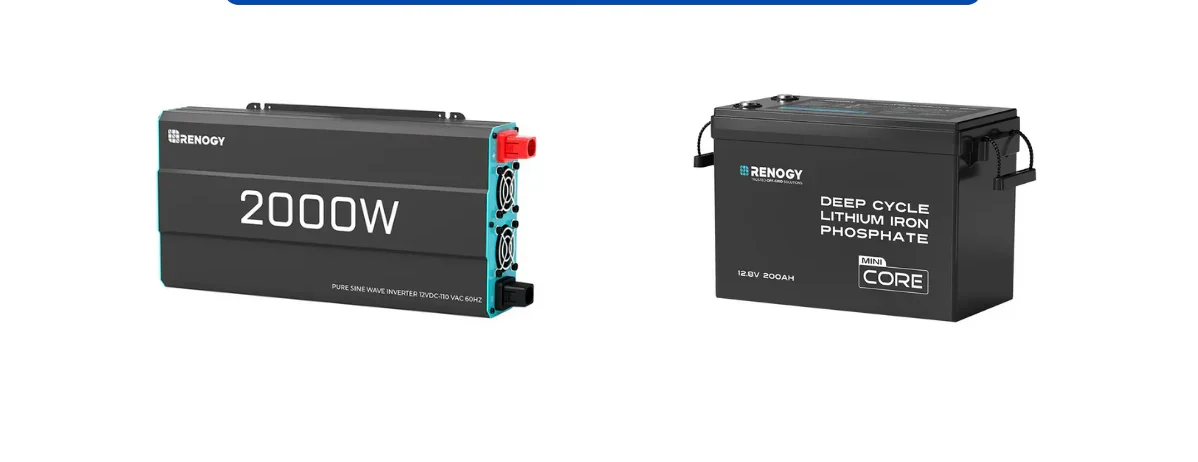
Battery systems store electricity generated during daylight hours. You use stored energy after sunset. This approach pairs well with solar installations.
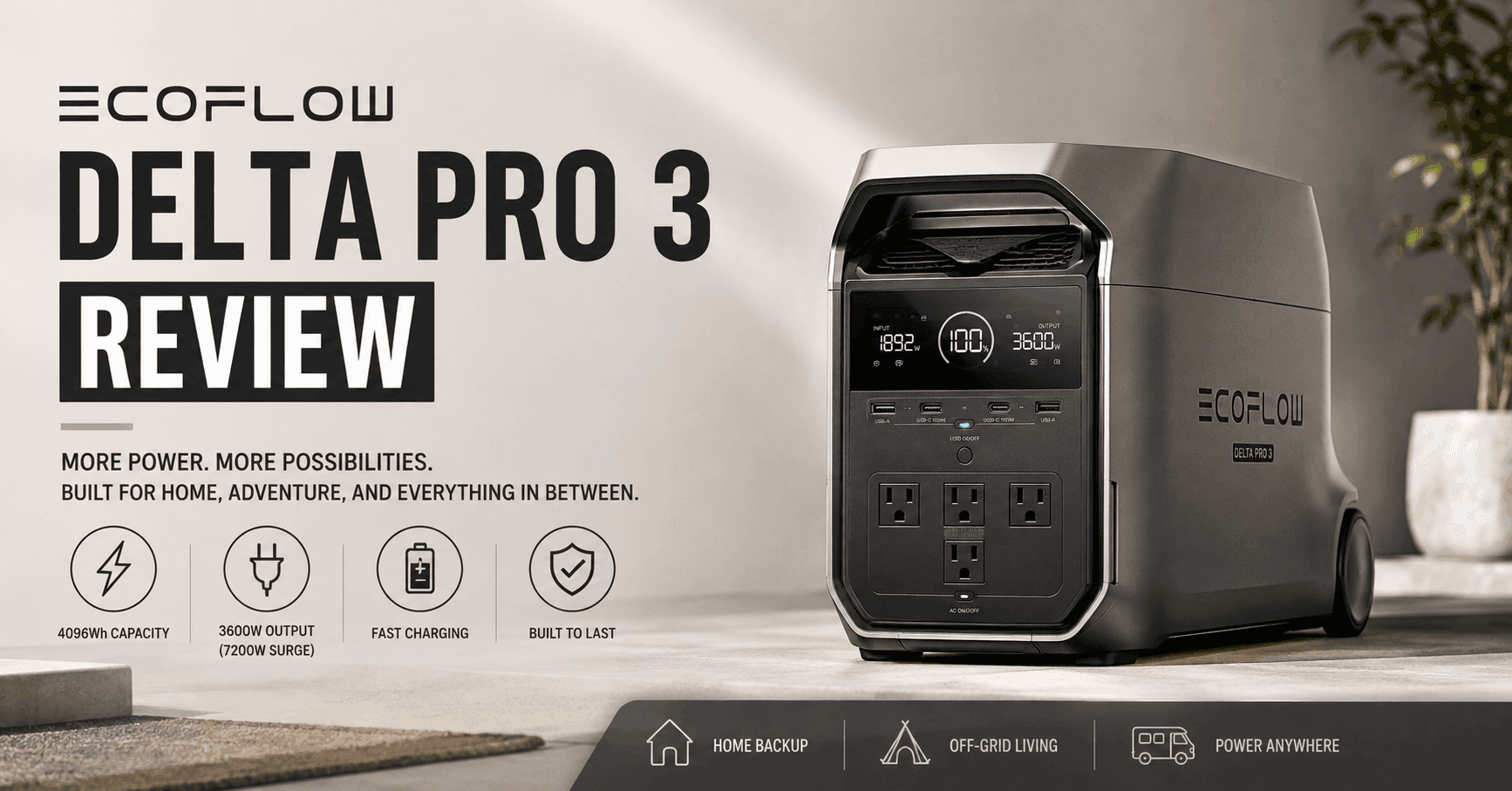
Lithium-ion batteries hold 10 to 20 kilowatt-hours for homes. Capacity ranges from small 5-kilowatt systems to large 50-kilowatt arrays. Lead-acid batteries offer cheaper options but shorter lifespans.
Battery costs dropped from 500 dollars per kilowatt-hour in 2010 to 100 dollars per kilowatt-hour in 2024. Prices continue falling yearly.
Backup power lasts until batteries fully discharge. Storage duration depends on system size and household consumption. A typical home uses 20 to 30 kilowatt-hours daily.
Natural Gas and Propane Generators
Combustion generators produce electricity using fuel burning. They operate any time, day or night. Output runs from 5 kilowatts to 50 kilowatts for homes.
These systems provide backup power during grid outages. Start automatically when utility power fails. Propane and natural gas cost less than diesel.
Generators produce noise, typically 60 to 85 decibels. Installation costs range from 3,000 to 15,000 dollars. Fuel costs vary by region and market prices.
Environmental concerns exist with fossil fuels. Emissions contribute to air pollution and climate impact. Generators suit emergency backup rather than primary power sources.
Tidal Energy Systems
Ocean tides move predictably, generating electricity twice daily. Tidal turbines work similarly to wind turbines but underwater. Water density produces more power from slower blade speeds.
Tidal systems generate consistent output. Predictability beats wind and solar for scheduling. Energy flows 10 to 12 hours daily as tides shift.
Installation requires coastal property. Tidal speed needs reach 2 meters per second for practical output. Equipment costs currently run 10,000 to 50,000 dollars per installation.
Technology remains less developed than other renewables. Fewer commercial installations exist. Research and development continues improving efficiency.
Biomass and Biogas Systems
Organic waste, agricultural residue, and animal manure generate biogas. Methane burns in generators to produce electricity. Output continues day and night when feedstock supplies material.
Biomass systems suit farms and agricultural operations. Consistent fuel supply makes reliable electricity generation possible. Output ranges from 5 kilowatts to 500 kilowatts.
Initial costs reach 50,000 to 200,000 dollars for residential biogas digesters. Operating costs stay relatively low with waste byproducts. Efficiency improves with feedstock consistency.
Challenges include odor and space requirements. Systems need adequate ventilation. Permits and regulations apply in most jurisdictions.
Pros and Cons Summary
Wind turbines produce consistent nighttime power but require open space and wind resources. Hydroelectric systems deliver reliable 24-hour generation but depend on water availability and permits.
Geothermal provides stable output independent of weather but works only in suitable locations. Battery storage extends solar usefulness but costs decline over time. Generators supply backup power quickly but burn fossil fuels.
Tidal energy offers predictability but requires coastal access. Biogas systems recycle waste but need livestock or food processing operations.
Choosing Your Nighttime Energy Solution
Start by assessing your location and resources. Wind sites need open terrain. Water systems require flowing streams. Geothermal works in most areas but performs better in certain regions.
Budget influences choices significantly. Wind and hydroelectric require substantial upfront investment. Battery storage costs have become competitive. Generators offer cheaper initial purchase price.
Combine methods for reliability. Many homes pair solar with battery storage plus a backup generator. Hybrid systems handle varying weather and seasonal changes.
Your electricity consumption determines system size. Calculate average nighttime usage. This number guides equipment selection and investment levels.
Local regulations matter. Building permits, environmental approvals, and utility interconnection rules apply. Contact local authorities before installation begins.
Professional installation ensures safety and optimal performance. Electrical work requires licensed contractors. Permits and inspections protect your investment.
Taking Action
Research available incentives in your area. Tax credits and rebates reduce net costs. Some regions offer grants for renewable energy installations.
Compare quotes from multiple installers. Equipment prices vary by location and supplier. Installation expertise affects system reliability.
Plan for maintenance and monitoring. Inspect components regularly. Replace worn parts promptly. Monitoring systems track output and identify problems early.
Summary
Generating electricity at night requires methods that don’t depend on sunlight. Wind turbines, hydroelectric systems, geothermal energy, tidal power, biogas systems, and battery storage all produce nighttime electricity. Wind and water sources offer reliable continuous generation. Geothermal provides stable output regardless of weather. Batteries store daytime solar energy for night use. Generators burn fuel for backup power. Each method has distinct advantages and limitations based on location, budget, and energy requirements. Hybrid approaches combining multiple systems offer the best reliability. Success depends on assessing your specific situation, understanding available resources, comparing installation costs, and following local regulations.