Table of Contents
Does rain affect solar panels? This is one of the most common questions homeowners ask before investing in solar lighting or solar energy systems. You spend good money on solar panels and then the rainy season hits and suddenly you start wondering if the whole thing was a mistake.
The short answer is yes, rain does affect solar panels. But not in the way most people expect. And once you understand what actually happens, you will stop worrying about it.
What Happens to a Solar Panel When It Rains
Rain does two things to your solar panel at the same time. One thing works against you. One thing works in your favor.
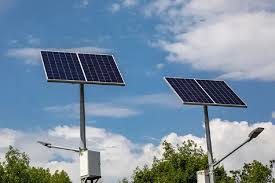
The thing that works against you is cloud cover. When it rains, the sky fills with thick clouds. Those clouds block a large portion of sunlight from reaching your panel. Your panel still collects some energy because sunlight still filters through clouds, but it collects significantly less than it would on a clear sunny day. This means your battery charges more slowly and stores less energy for the night ahead.
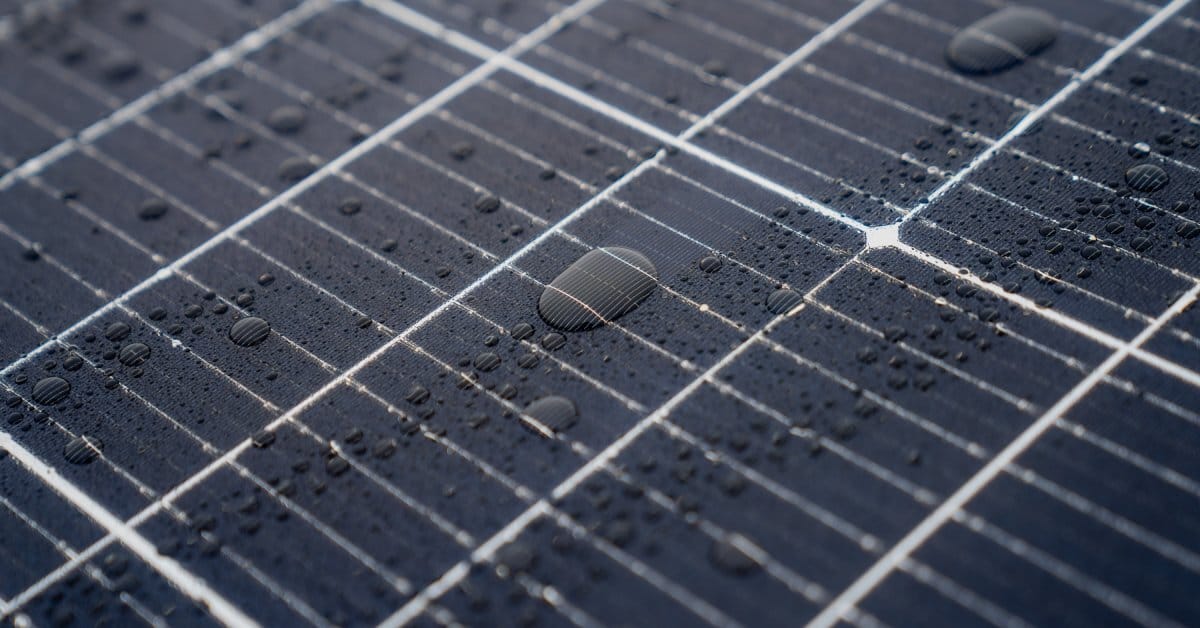
The thing that works in your favor is natural cleaning. Dust, dirt, pollen, and bird droppings build up on your panel surface over time. That layer of grime sits between your panel and the sun. It quietly reduces efficiency without you even noticing. Rain washes all of that off for free. After a proper rainy day, your panel surface is cleaner than it was before the rain started. When the sun comes back out, your panel charges more efficiently than it did before the storm.
So rain slows your panel down temporarily and cleans it up for free at the same time. That is the honest picture.
How Much Does Rain Actually Reduce Solar Panel Output
This is where homeowners get genuinely surprised. A solar panel does not stop working when it rains. It keeps collecting energy the whole time. The reduction depends on how heavy the cloud cover is.
On a lightly overcast day, your solar panel operates at roughly 50 to 70 percent of its normal capacity. On a heavily overcast or stormy day, output drops to around 10 to 25 percent. These numbers vary depending on the panel type you have and how thick the cloud cover gets in your area.
Monocrystalline solar panels handle low-light conditions better than other panel types. If you live somewhere that gets frequent rain or long grey winters, monocrystalline panels make a real difference. They extract more energy from diffused light and indirect sunlight than polycrystalline or thin-film alternatives.
This is why panel quality matters so much when you buy solar lights or a solar energy system for your home. A cheap panel struggles on cloudy days. A quality monocrystalline panel keeps working even when conditions are far from perfect.
Does Rain Physically Damage Solar Panels
This is the fear most homeowners carry without saying it out loud. You worry that water gets inside, causes a short circuit, or damages the panel permanently after heavy rainfall.
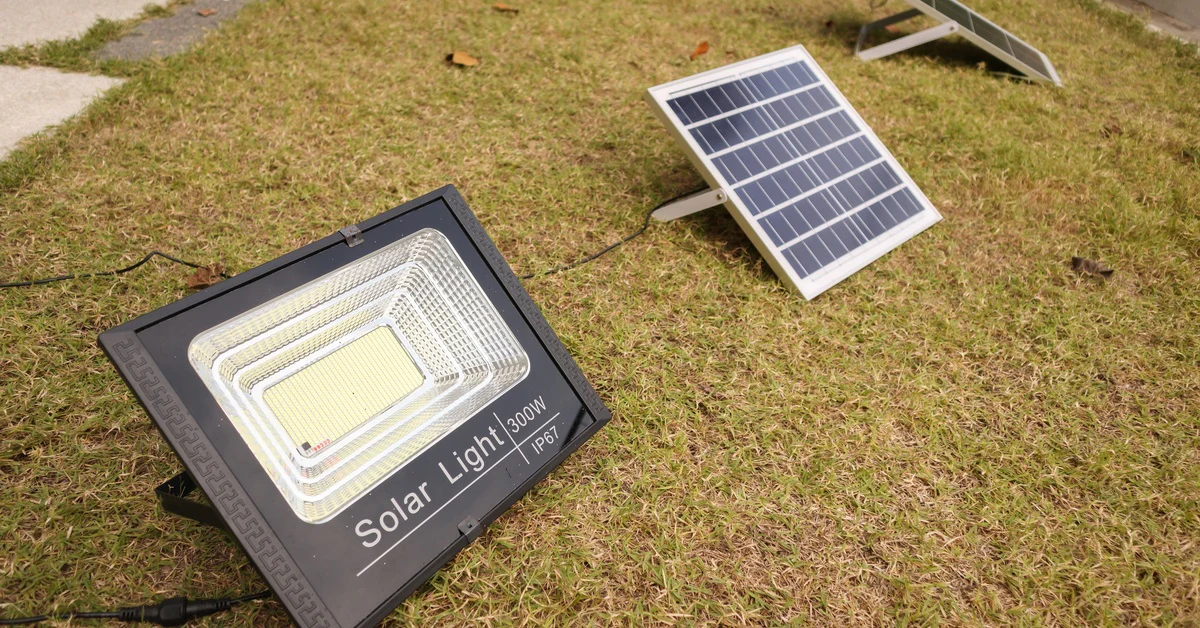
Good quality solar panels are built specifically to handle outdoor weather. They go through rigorous testing before they reach the market. An IP65 rated solar product handles direct rain and water jets from any direction without any damage. An IP67 rated product handles brief submersion in water. Either rating means your panel is fully protected against normal rainfall, storms, and heavy downpours.
The panels used in residential solar energy systems go even further. They use tempered glass surfaces that resist hail, heavy rain, and strong winds. Most residential solar panels carry warranties of 10 to 25 years precisely because manufacturers know these panels will face thousands of rain events over their lifetime.
So no, rain does not damage a properly rated solar panel. If your panel is getting damaged by rain, the product was either very cheaply made or incorrectly rated for outdoor use from the start.
What About Solar Lights Specifically
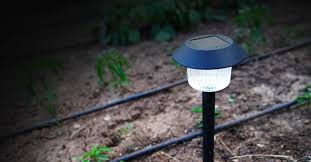
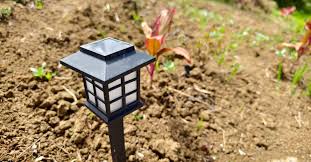
If you have solar lights on your veranda, garden, or driveway, rain affects them in exactly the same way it affects larger solar panel systems. The charging slows down on rainy days and the natural cleaning effect kicks in after the rain stops.
The key thing to check with solar lights is the IP rating on the product. This tells you how well the fixture handles water exposure.
- IP44 handles splashing water but not heavy rain. This rating is too low for most outdoor use.
- IP65 handles rain and strong water jets from any direction. This is the minimum rating you want for any solar light placed outdoors.
- IP67 handles brief submersion. This gives you extra protection in areas prone to flooding or very heavy rainfall.
Always check this number before you buy any solar light for outdoor use. A solar light without a proper IP rating sitting through a heavy rainstorm is a product that will fail on you within months.
The Battery Is What Gets You Through Rainy Days
Here is something most buying guides skip over. The solar panel is only half the story. The battery is what determines how your solar lights or solar system performs during and after a run of rainy days.
A good lithium-ion battery stores enough energy reserve to carry your solar lights through one or two consecutive cloudy days without the lights going completely dark at night. If your battery is small or low quality, one overcast day is enough to leave you in the dark by 10pm.
When you shop for solar lights or solar panels, always check the battery capacity. For solar lights, look for a capacity of at least 2000mAh for string lights and 4000mAh or higher for wall lights and flood lights. Larger batteries give you more buffer on the days when the sun does not show up properly.
Lithium-ion batteries also handle temperature changes better than older nickel-metal hydride batteries. In cold, wet winter weather, lithium-ion holds its charge more reliably. This matters more than most homeowners realize when they are shopping in summer and not thinking about what January looks like.
How to Help Your Solar Panels Perform Better During Rainy Seasons
You cannot control the weather, but you control how well your panels are set up to deal with it. A few simple steps make a real difference during long rainy periods.
Position your solar panel at a slight angle rather than lying completely flat. An angled panel lets rainwater run off the surface cleanly instead of pooling. Water pooling on a flat panel can leave residue behind when it dries, which builds up into grime over time.
After a run of rainy days, give the panel a quick wipe once the sun returns. Even after rain cleans most of the surface, a light wipe removes any remaining film and gets your panel back to full efficiency faster.
If your area experiences very long rainy seasons, consider solar lights with a separate panel on an extension wire. This lets you position the panel in the most optimal sunny spot available rather than fixing it permanently somewhere that gets blocked by overhanging roofs or trees during storms.
Common Questions Homeowners Ask About Rain and Solar Panels
Does rain void the warranty on solar panels?
No. Rain is a normal outdoor condition. Any reputable solar panel manufacturer designs their product to handle rain and warranties cover normal weather exposure. Only physical mishandling or improper installation affects most warranties.
Will my solar lights work the night after a rainy day?
Yes, but possibly not at full brightness or for the full duration. How much they are affected depends on how heavy the cloud cover was and how good your battery capacity is. A quality solar light with a strong lithium-ion battery handles a single rainy day without noticeable performance loss.
Should I bring my solar lights inside when it rains heavily?
Only if the product has a low IP rating. If your solar lights are rated IP65 or higher, leave them outside. They are built for exactly this situation. Bringing them inside regularly defeats the purpose of having outdoor solar lighting.
Trusted Brands That Build Rain-Ready Solar Products
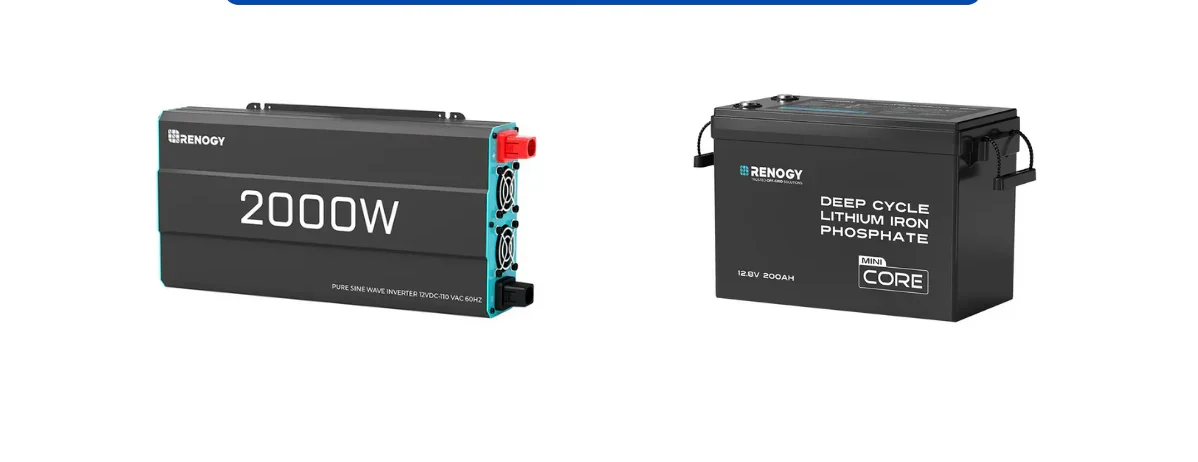
Brands like Aootek, Litom, Renogy, EcoFlow, and Jackery build solar products that are tested and rated for real outdoor weather conditions. These are names that homeowners across different climates trust because the products hold up through wet winters, heavy summer storms, and everything in between.
When you shop, look for the IP rating on the product page and check customer reviews from people in rainy climates specifically. Their experience tells you more than any product description will.
Summary
Rain affects solar panels by reducing charging output on cloudy days, but it also cleans the panel surface naturally. Good quality solar panels and lights with IP65 or IP67 ratings handle rain without any damage. A strong lithium-ion battery keeps your solar lights running through one or two consecutive overcast days. Monocrystalline panels perform better in low-light and cloudy conditions than cheaper alternatives. Rain is not something to fear with properly rated solar products. It is simply a normal part of outdoor use that good solar technology is built to handle.