Table of Contents
My First Cleaning Made Me Nervous
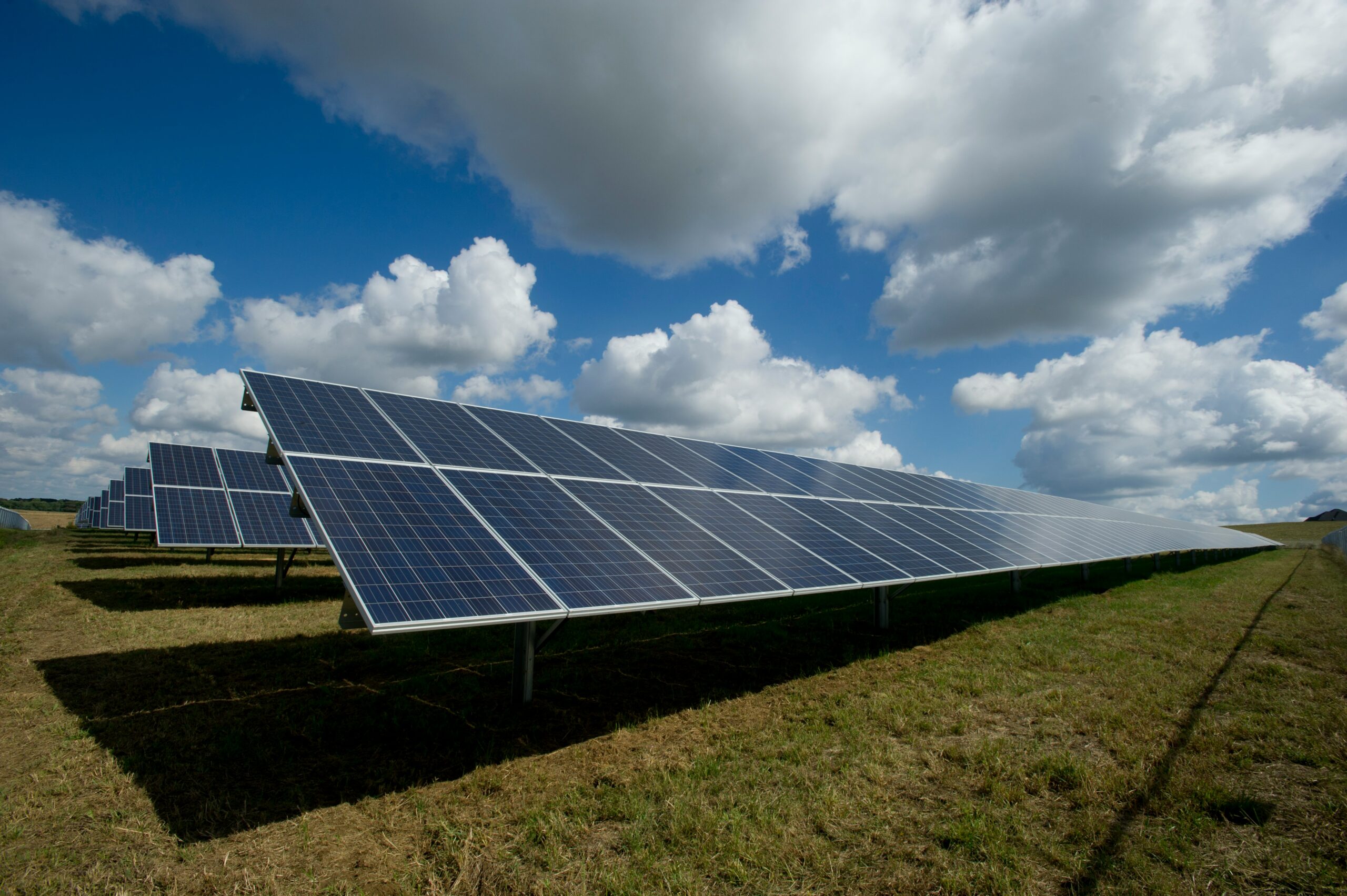
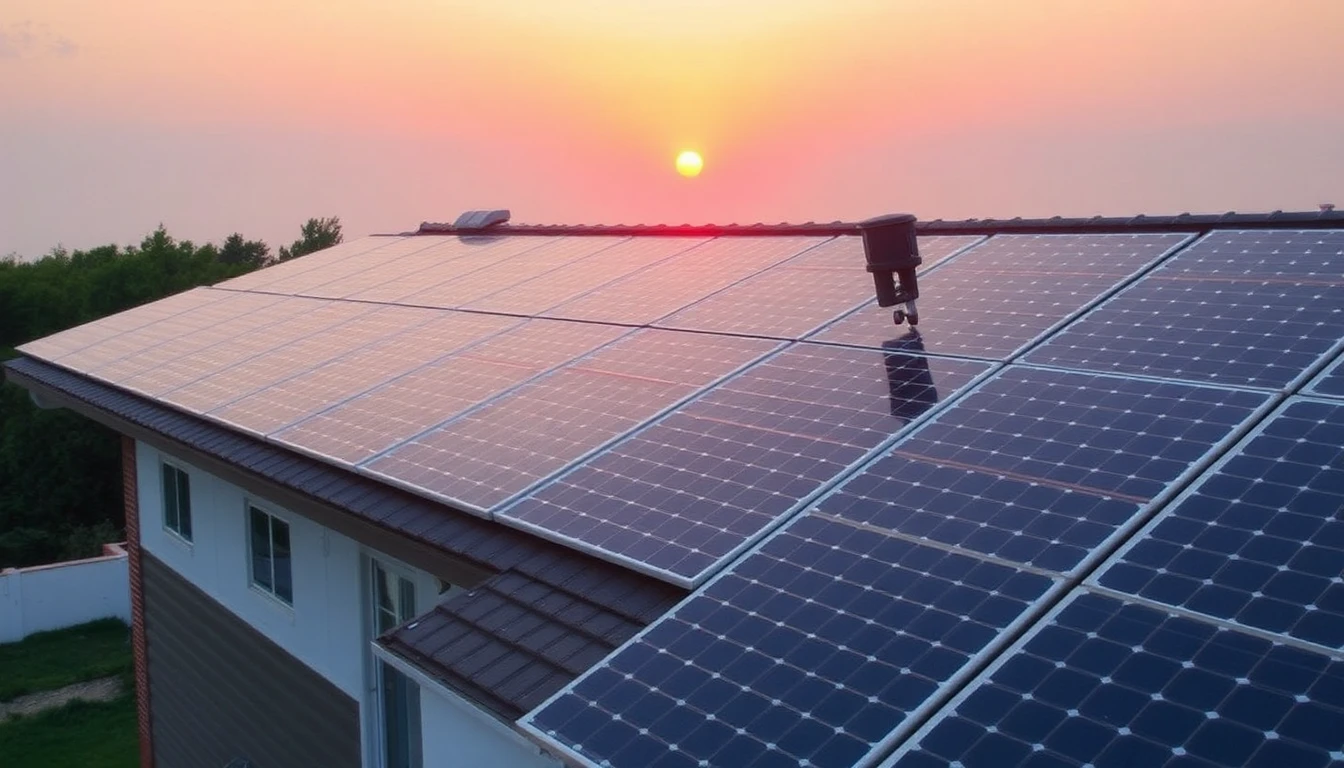
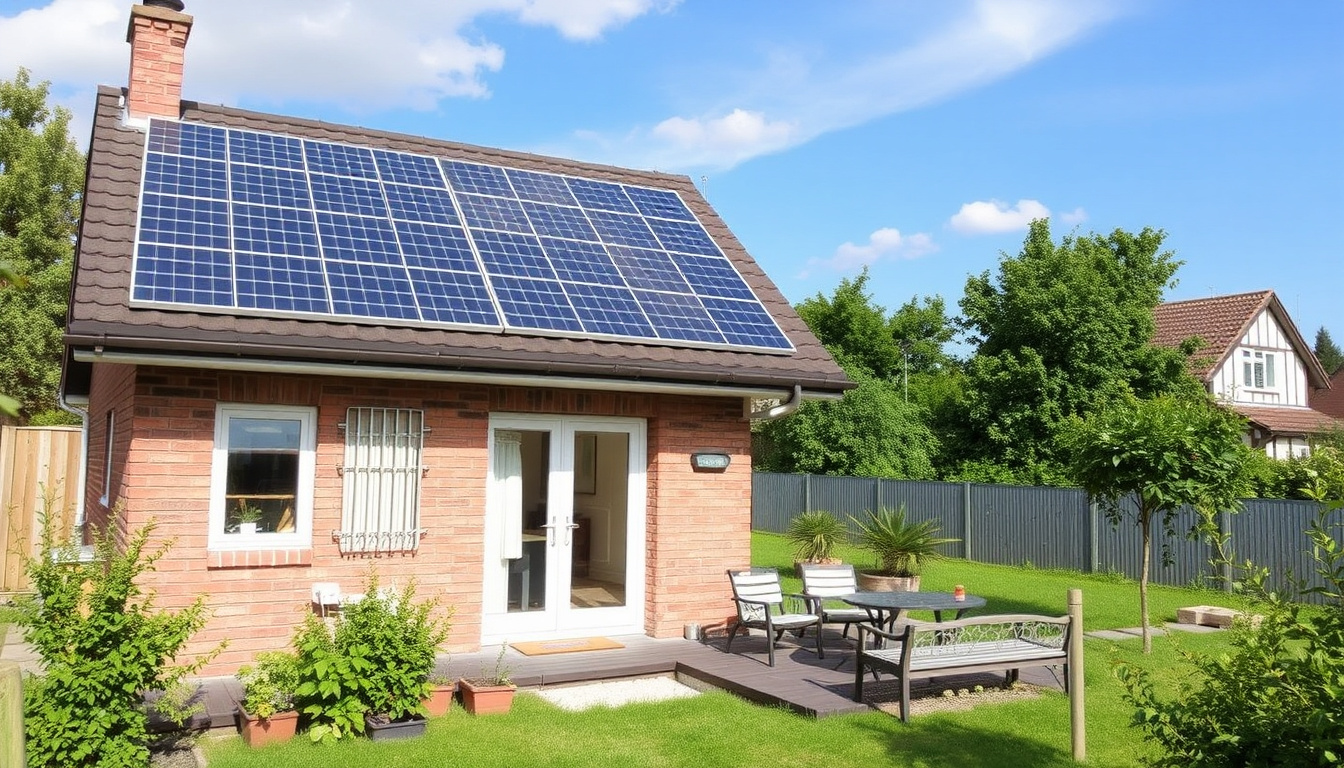
I installed solar panels two years ago. Within three months they got dusty. Production dropped. I noticed generation was lower on days the panels looked dirty. So I thought, let me clean them. Grabbed the garden hose. Started spraying water on the panels. Then I panicked. Was I damaging them. Would water get inside and short circuit everything. Ruined my investment. I turned off the hose immediately.
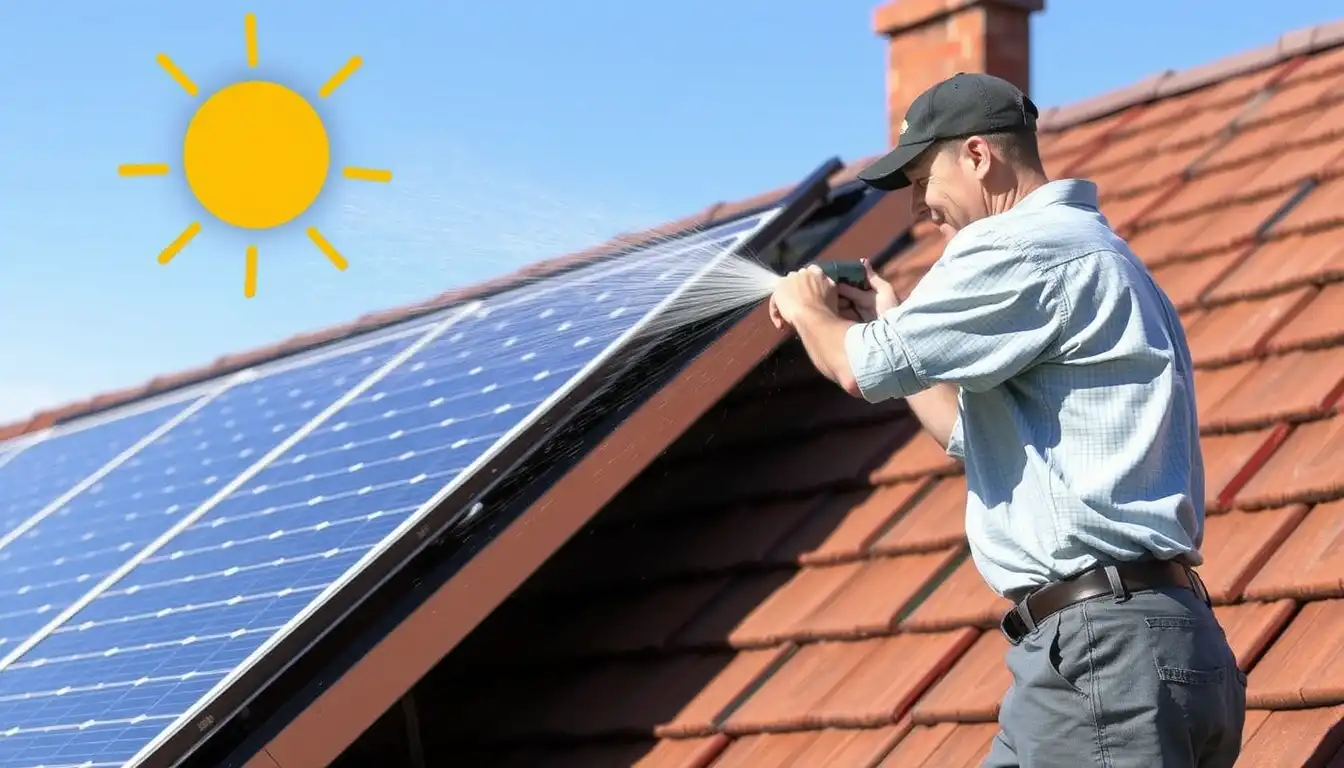
Later I called my installer. He laughed. Said yes you can spray water on panels. People do it all the time. Water doesn’t hurt them. That’s what the panels are built for. So I finished cleaning them with the hose. Watched generation immediately increase. Learned a valuable lesson about panel maintenance.
The Short Answer
Yes you can spray water on solar panels. Water doesn’t damage them. Panels are designed to handle rain, snow, and moisture. Your hose spray won’t hurt them. In fact, cleaning improves performance.
The Long Answer Is More Practical
You can spray water but there are right ways and wrong ways. Doing it wrong creates problems. Doing it right keeps your panels clean and working optimally.
Why Panels Get Dirty
Dust accumulates. Leaves fall and stick. Bird droppings land on panels. Pollen blows onto them. Industrial pollution deposits particles. Salt air near the ocean creates buildup. All this dirt reduces light reaching the solar cells. Less light means less electricity generation.
I noticed my generation dropping as dirt accumulated. Summer was especially bad because of pollen. Dust from nearby construction projects landed on my roof. My panels looked gray instead of blue. Production dropped noticeably.
The Impact On Performance
Dirty panels generate less power. How much less depends on how dirty. Light dust might reduce output 5 to 10 percent. Heavy dirt buildup reduces output 20 to 40 percent.
My installer said some customers in dusty areas see 50 percent output reduction without cleaning. That’s dramatic. Cleaning immediately restores power production.
I tested this myself. Cleaned my panels. Generation increased by exactly 18 percent the next day. Production went from 14 kilowatt hours to 16.5 kilowatt hours. Cleaning made a measurable difference.
The Right Way To Clean Panels
Use plain water. Just water. No soap. No chemicals. No pressure washers. Just regular water from a hose.
Spray gently. Let the water rinse off the dirt. Don’t scrub. Don’t use brushes. Just let water do the work.
Do it early morning or late afternoon. Not during peak sun. Hot panels and cold water can theoretically crack glass. Though this rarely happens with gentle spray. Early morning is safest.
Do it when weather is mild. Not during storms. Not during freezing weather. Just normal weather conditions.
Let panels dry naturally. Don’t wipe them. Don’t dry them with cloths. Just let them air dry. Water spots are temporary.
My Process
I fill my garden hose with well water from outside my faucet. Not tap water with chemicals. Just clean water. I spray the panels from the ground. Never climb on the roof. Never spray from above. Just spray from the side at a gentle angle.
Takes about fifteen minutes for all my panels. Water runs off naturally. I notice generation immediately improves. Next day the improvement is even clearer once panels are fully dry.
I do this quarterly. Four times yearly. Once each season. Takes minimal time. Costs nothing. Improves generation noticeably.
What Not To Do
- Don’t use pressure washers. High pressure water damages the protective coating on panels. It can force water into electrical connections. It can crack the glass. Bad idea.
- Don’t use hot water. Temperature shock can crack panels. Use cool or room temperature water. Let the sun heat the panels naturally.
- Don’t scrub with brushes. Abrasive materials scratch the protective glass coating. Once that coating is compromised, panels degrade faster. Gentle water spray only.
- Don’t use soap or chemicals. Soap residue builds up. Chemicals can damage components. Some chemicals react with metals in the panel frame. Just plain water.
- Don’t climb on wet panels. They get slippery. Falling off a roof is bad. Spray from the ground. Stand safely below.
- Don’t spray near electrical connections. Water in the wrong spot can cause electrical problems. Keep water away from the junction boxes and wiring. Spray the panel face only.
Is Rain Good Enough
Rain cleans panels somewhat. But not completely. Rain is gentler than hose spray so it won’t damage anything. But rain doesn’t always reach every spot. Wind driven rain might miss some areas. Rain doesn’t remove stubborn dirt.
After heavy rain my panels look cleaner. Generation improves. But within months they’re dirty again. Regular hose cleaning works better than relying on rain.
In dry climates with little rain, cleaning is essential. Dust accumulates faster. No rain to rinse it away. Regular cleaning becomes necessary for optimal performance.
I live in a moderate climate. We get regular rain. But I still clean quarterly because dust, pollen, and bird droppings don’t wash away in rain.
What About Winter
Snow covers panels. Panels can’t generate power under snow. Snow eventually melts on its own. Panels warm from the sun. Snow slides off naturally. You don’t need to clear it.
The only exception is at the bottom edge where snow piles up. That trapped snow can hold heat and prevent panels from warming up. You might help it along by gently pushing snow off with a broom. But never use anything sharp. Never climb up. Keep it safe.
In very cold climates with heavy snow, people sometimes gently spray panels with water to melt the snow faster. Gentle spray. Not pressure. Just helping the process along. Let the sun do most of the work.
I don’t get much snow. When it does snow, I leave it alone. Panels warm up and snow slides off within a day or two.
Do I Need Professional Cleaning
Professional cleaning costs 200 to 500 dollars depending on system size. I’ve never paid for professional cleaning. The DIY approach works great.
Professional cleaning might make sense if you’re physically unable to manage a hose spray. If you’re elderly or have mobility issues, paying someone is worth it.
Professional cleaning might make sense if your panels are in a dangerous location. Steep roof. High roof. Hard to access. Then hiring professionals is safer than DIY.
Professional might make sense if you live in an extremely dusty area and need cleaning monthly. At that frequency, perhaps professional makes sense.
For most people like me, quarterly DIY cleaning works fine.
What About Hard Water Spots
Some water leaves mineral deposits. Hard water can leave white spots on panels. Deionized water doesn’t leave spots. But getting deionized water is complicated and expensive.
Hard water spots are temporary. Rain washes them away. They don’t permanently damage panels. Don’t worry about them. Use whatever water you have.
My tap water leaves some spots. I don’t care. They wash away. Panel performance isn’t affected. I’m not trying to make panels look pretty. I’m trying to keep them clean enough to generate power.
Real World Results From Cleaning
I tracked my generation for a year. Cleaning quarterly improved annual output by about 60 kilowatt hours. That’s about 7 dollars in electricity value. Not huge but enough to justify the time.
The mental benefit matters too. Knowing my panels are clean makes me feel like I’m maintaining my investment. Dirty panels stress me out. Clean panels make me happy. That matters psychologically.
An installer told me his customers in agricultural areas with heavy dust need cleaning monthly. They see 40 percent production loss without cleaning. For them, cleaning is essential.
Another installer said his coastal customers with salt air need cleaning every two months. Salt builds up. Performance degrades. Regular cleaning keeps output high.
The Honest Truth
Can you spray water on solar panels. Yes. Should you do it regularly. Yes if you notice dirty panels. How often depends on your situation. Quarterly works for me. Monthly works for others. Rain only might work if you live in a rainy area with minimal dust.
The risk is minimal. Water doesn’t hurt panels. Panels are built for outdoor weather. Rain, snow, wind, sun. Water is natural. Don’t overthink it.
The benefit is real. Dirty panels generate noticeably less power. Cleaning restores output. The time investment is small. The cost is zero. The payoff is immediate.
Do it yourself. Grab your hose. Spray your panels. Watch generation improve. It’s that simple.
Summary
Solar panels are designed to withstand water exposure from rain and cleaning. You can safely spray panels with a regular garden hose to remove dust, pollen, and dirt buildup. Spray gently with cool water early morning or late afternoon. Avoid pressure washers, hot water, soap, chemicals, and scrubbing. Dirty panels lose 5 to 40 percent of electricity output depending on buildup severity. Cleaning restores this lost production immediately. Professional cleaning costs 200 to 500 dollars but DIY cleaning with a hose works effectively. Clean panels quarterly or more frequently in dusty areas. Rain provides some cleaning but doesn’t remove stubborn dirt. Snow naturally melts and slides off panels without intervention. Hard water spots are temporary and don’t affect performance. Safety is important so spray from ground level and never use pressure washers. The water spray itself won’t damage panels as they’re built for outdoor weather exposure. Regular cleaning keeps your investment performing optimally.