Table of Contents
Why Your Garden Looks Plain Without Color or Character
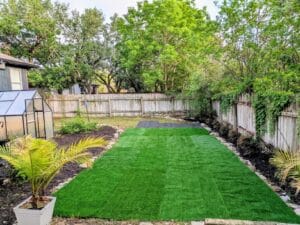
Your garden looks bright and full of life at noon. Then the sun drops, and the whole scene fades to grey. A plain white solar bulb switches on, and suddenly your flower bed looks like a hallway in a budget hotel.
This is the real problem behind a flat, boring garden at night. Standard solar lights do one job well: they light up a path so you don’t trip. They don’t add mood, warmth, or personality. Your garden has color and texture during the day, and it deserves the same after dark.
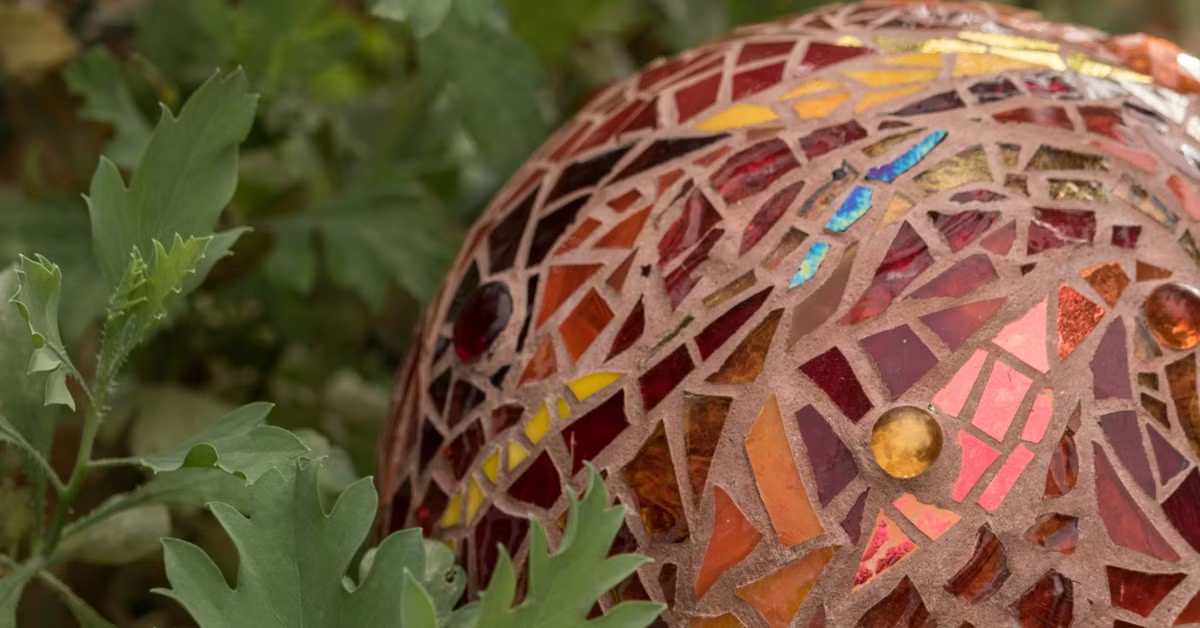
Mosaic solar lights fix this gap directly. Instead of a plain plastic bulb, you get a small piece of colored glass art that glows from within. The light passes through dozens of tiny glass pieces, and each one throws its own tint onto the ground, the wall, or the leaves around it. A path light becomes a lantern. A stake in the flower bed becomes a piece of garden art that happens to run on sunlight.
The fix isn’t complicated, but it does mean choosing the right light for the right spot, which is exactly what this guide walks you through.
Types of Mosaic Solar Lights for Different Garden Styles
Mosaic solar lights come in more shapes than most shoppers expect, and each one suits a different part of the garden.
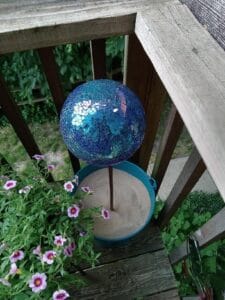
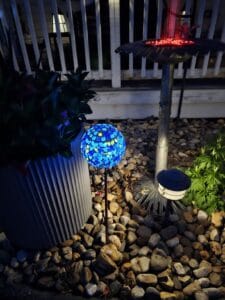
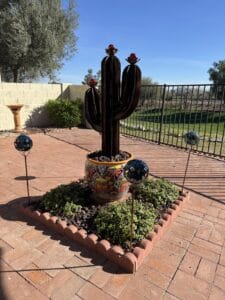
- Stake or path lights: A mosaic glass globe or cone sits on top of a metal stake, pushed straight into soil along a walkway or flower bed.
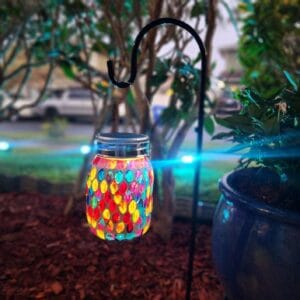
- Hanging lanterns: A mosaic glass shade hangs from a bracket, tree branch, or shepherd’s hook, and works well on patios and porches.
- Tabletop or ball lights: Round mosaic globes sit directly on a table, ledge, or garden wall without any stake.
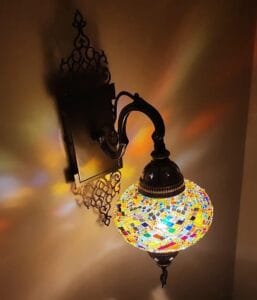
- Wall-mounted lights: Flat-backed mosaic fixtures attach to fences, sheds, or exterior walls for a fixed glow.
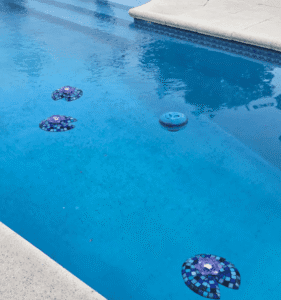
- Floating lights: Sealed mosaic globes float on ponds or pools, a nice option if your garden includes water.
Cottage and rustic gardens usually pair well with warm amber and green glass. Modern or minimalist spaces tend to look better with a single bold color instead of a busy multicolor mix. Moroccan-style patios often lean into deep blues, purples, and reds. There’s no strict rule here. Match the mosaic pattern to the mood you already have in the space, and the light will feel like part of the garden instead of an add-on.
How to Choose the Best Mosaic Solar Lights
Not every mosaic solar light on the market holds up outdoors. A few checks before you buy will save you a second trip to return a broken one.
- Glass quality: Real glass mosaic pieces hold color and shine better than printed plastic or resin panels made to look like glass. Tap the surface if you can. Glass sounds different from plastic, and it won’t yellow under UV light the way cheap plastic covers do over time.
- Size: Match the light to the space. A 4 to 6 inch globe suits a flower bed or border. Anything taller than 12 inches works better as a standalone patio or entryway piece.
- Battery type: Most mosaic solar lights use a NiMH rechargeable battery, which is affordable and handles moderate climates fine. Lithium and LiFePO4 batteries cost more but perform better in extreme heat or cold and last through more charge cycles.
- Brightness: Decorative mosaic lights are not meant to floodlight your yard. Most fall in the 10 to 50 lumen range, enough for a soft, warm glow rather than a bright spotlight.
- Waterproof rating: Look for an IP44 rating or higher on the product listing. It confirms the fixture is built to handle rain and splashes, not just dry evenings.
Skip any listing that lists no battery type, no lumen count, and no waterproof rating at all. That’s usually a sign the seller doesn’t know the specs either.
Best Places to Install Them in Your Garden
Placement changes everything about how a mosaic light performs, both as a light source and as a decoration.
- Along a pathway: Space stake lights every 3 to 4 feet so the glow overlaps slightly without one light drowning out the next.
- In flower beds: Push a single mosaic stake light near a cluster of tall plants so the colored glow filters through leaves and petals at night.
- On the patio table: A tabletop mosaic globe adds ambiance for dinner outside without competing with your actual dinner lighting.
- Hanging from a tree or pergola: Lanterns at eye level or slightly above create a warm pocket of light people naturally gather under.
- Near the front entrance: A single wall-mounted or hanging mosaic light by the door adds character to the one spot every guest walks past.
One placement rule matters more than any style choice: the solar panel needs 6 to 8 hours of direct sun each day. A gorgeous mosaic lantern hung under a shady porch roof will look great during the day and stay dark at night, no matter how nice the glass is.
What to Expect: Brightness, Runtime and Real-World Performance
Mosaic solar lights are decorative fixtures first and functional light sources second, and setting that expectation early avoids disappointment later.
Most models produce somewhere between 10 and 50 lumens, which is enough to create a warm colored glow but not enough to read a book by. If you want a mosaic light that also helps with visibility on a dark step or path, look for the higher end of that range, closer to 50 lumens, rather than the lower end meant for pure ambiance.
Runtime typically lands between 6 and 10 hours after a full day’s charge, which covers a full evening in most climates. That said, performance shifts with the weather. A string of cloudy days will shorten how long the light stays on, and winter’s shorter daylight hours mean less charging time overall. This isn’t a defect. It’s how every solar-powered fixture behaves, mosaic or otherwise.
Expect a gradual dimming toward the end of the night rather than an abrupt shutoff, since most units lower brightness automatically as the battery runs low to stretch out the glow.
Common Problems and Quick Fixes
Most mosaic solar light complaints trace back to one of a few simple, fixable issues.
- Dim or weak light: The most common cause is a dusty or pollen-covered solar panel. Wipe it with a damp cloth every few weeks, especially during high pollen season, and brightness usually returns after one full sunny charge.
- Light won’t charge at all: Check for shade first. Even a small branch or fence shadow during peak sun hours (10 AM to 2 PM) cuts charging power significantly. Move the light, then give it a full sunny day before judging the result.
- Water inside the housing: Even waterproof-rated lights can let moisture in through a cracked seal. Open the housing, dry it fully, and reseal any gaps with a bit of silicone before putting it back outside.
- Battery drains fast or won’t hold a charge: Rechargeable batteries wear out after roughly 1 to 3 years of daily cycles. Replace with the correct type, matching NiMH with NiMH or lithium with lithium. Mixing battery types or swapping in regular alkaline batteries will damage the circuit.
- Cracked or loose grout on the mosaic surface: Outdoor temperature swings can crack grout over time. A small amount of exterior-grade grout or silicone sealant applied to the gap keeps water out and holds the glass pieces in place.
Work through these in order before assuming the light is broken. Most fixes take less time than the walk to the hardware store.
Tips to Make Them Last Longer
A little routine care adds years to a mosaic solar light’s life and keeps the colors looking sharp instead of faded.
- Wipe the solar panel every 4 to 6 weeks, more often during spring pollen season or after dusty weather.
- Position each light where it gets 6 to 8 hours of direct sun, and recheck placement each season as trees grow and shade patterns shift.
- Inspect the grout lines twice a year and reseal any cracks before winter sets in.
- Bring lights indoors, or at minimum remove the batteries, ahead of hard freezes if your winters dip well below freezing for extended periods.
- Never mix old and new batteries, or different battery chemistries, in the same fixture.
None of this takes real effort. It’s the outdoor equivalent of wiping down a window, and it pays off every single evening the light switches on.
FAQs
Do mosaic solar lights work well in cloudy or low-sun climates?
They’ll still work, but runtime drops on overcast days since the battery gets a weaker charge. Positioning the panel for maximum direct sun matters even more in cloudy regions.
How long do mosaic solar lights typically last?
The glass and housing can last for years with basic care. The rechargeable battery is the part that wears out first, usually after 1 to 3 years, and it’s a simple swap once it does.
Are mosaic solar lights fully waterproof?
Most are rated for rain and splashes, not full submersion, unless the listing specifically states a floating or submersible design. Check the IP rating before buying if your garden gets heavy rain.
Can I repair a mosaic light if a piece of glass cracks?
Small cracks can often be patched with clear exterior sealant. A fully shattered piece usually needs a matching glass fragment and a bit of grout to blend back in.
Where should I place a mosaic solar light for the best color effect?
Near light-colored walls, pale stone, or white gravel, since these surfaces reflect the colored glow and make the effect more visible than dark soil or mulch would.
Do mosaic solar lights cost more than regular solar lights?
Generally yes, since the handmade glass work adds cost compared to a plain plastic bulb. The exact difference varies widely by brand and design, so it’s worth comparing a few listings rather than assuming a fixed price gap.
Summary
A plain garden goes flat and grey after dark, and mosaic solar lights fix that by turning ordinary path and patio lighting into colored glass art. Pick fixtures with real glass, the right battery type, and a waterproof rating, then place them where they’ll get 6 to 8 hours of direct sun. Expect a soft 10 to 50 lumen glow rather than floodlight brightness, and most problems, from dim light to charging issues, trace back to a dirty panel, poor placement, or an aging battery. A little regular cleaning and the occasional grout touch-up keep the color and the glow going for years.