Table of Contents
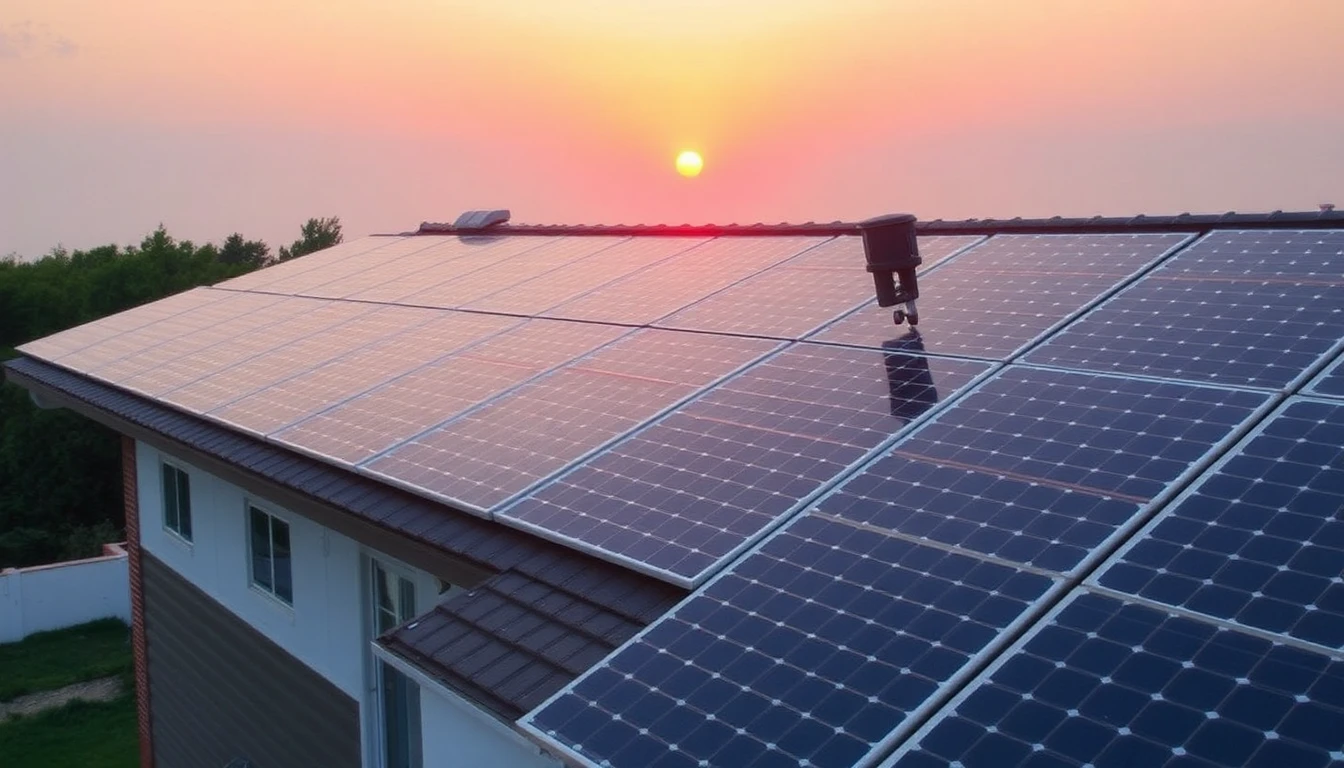
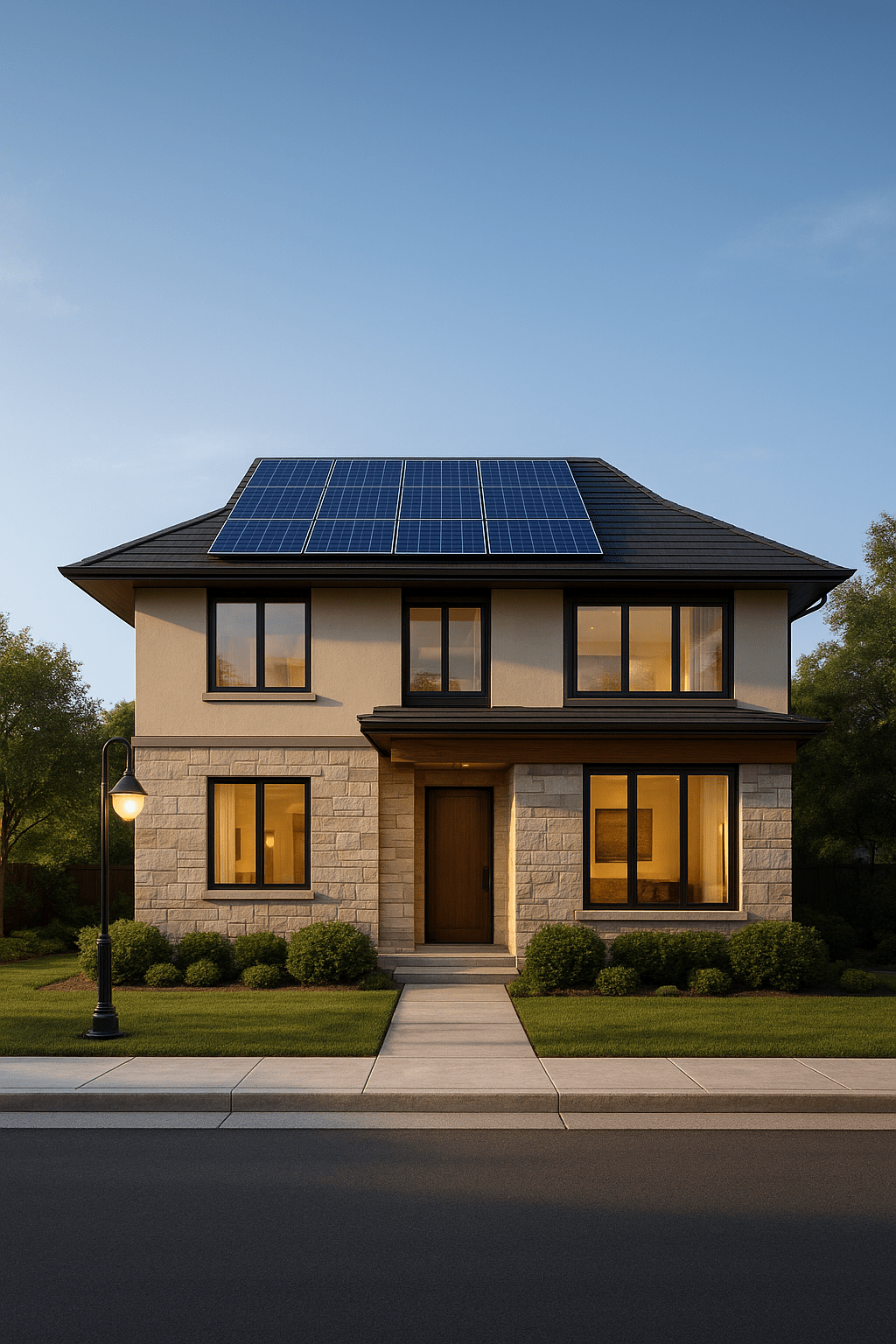
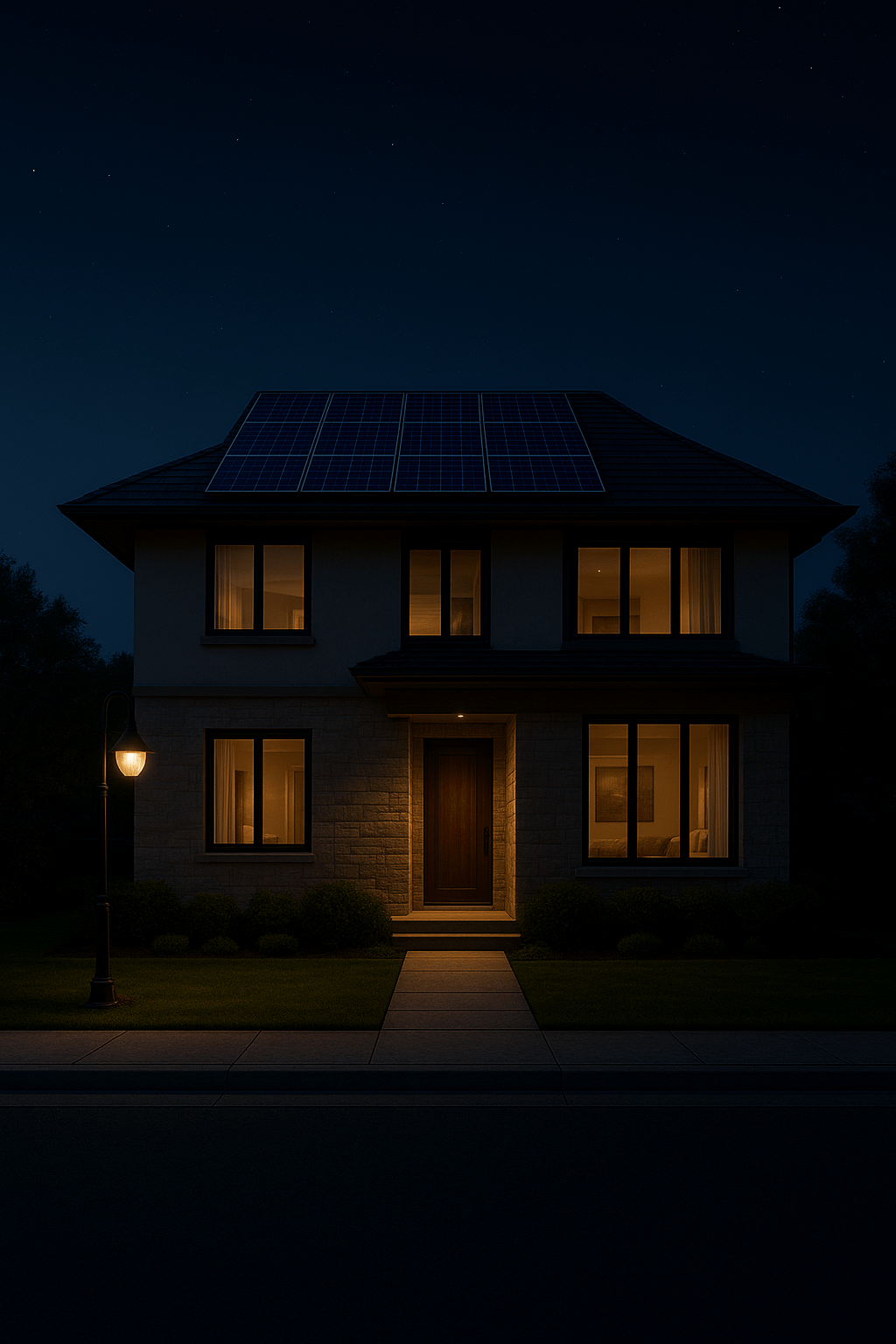
Solar lighting solutions in Bolivia are doing something quietly impressive. Villages that had nothing after dark for generations are getting light. Not because the government finally ran power lines out there. Because someone put a solar panel on a roof, connected a small battery, and that was enough.
That is kind of the whole story in one sentence. But there is a lot more to it.
Bolivia gets an almost unfair amount of sunshine. The Altiplano sits above 3,700 meters. Less atmosphere means more solar intensity hitting every panel. Communities up there charge batteries faster than most places in the world even think about. It is a genuine natural advantage that the country is only now starting to fully use.
Why Solar Lighting Solutions in Bolivia Make Practical Sense
People talk about Bolivia’s solar potential in big numbers. Over 1,100 MW of renewable energy already installed. Projections heading toward 2,000 MW before 2026 ends. Those figures matter for policy people and investors.
But for a family living three hours from the nearest town, what matters is simpler. Will this panel keep my lights on tonight. The answer in Bolivia is almost always yes. The sun here is reliable in a way that makes solar lighting genuinely trustworthy for daily life.
Rural families who spent money every week on kerosene are now spending nothing on light. That saved money goes somewhere else. Food. School supplies. Small business tools. The financial relief is real and it starts immediately.
The Gap That Solar Lighting Is Actually Filling
Bolivia’s official electrification number sits close to 98%. Sounds good. But that number includes areas where a grid connection exists somewhere nearby, not necessarily inside every home or reaching every community in the region.
More than 360,000 rural households sit beyond any realistic grid reach. These are not communities that missed out on a waiting list. These are places where terrain, distance, and cost make traditional electrification genuinely impractical. The Amazon basin. The deep valleys between Andean ridges. Remote Chaco settlements.
Solar lighting does not need a road for power lines. It does not need years of infrastructure planning. A small kit arrives, gets installed in a few hours, and works that same night. That speed matters enormously to families who have been waiting for decades.
Children studying after dark. Mothers cooking without kerosene smoke filling the room. A village path lit enough that walking at night does not feel dangerous. These are not small improvements. They change how people live every single day.
Solar Street Lights Are Going Up Faster Than Expected
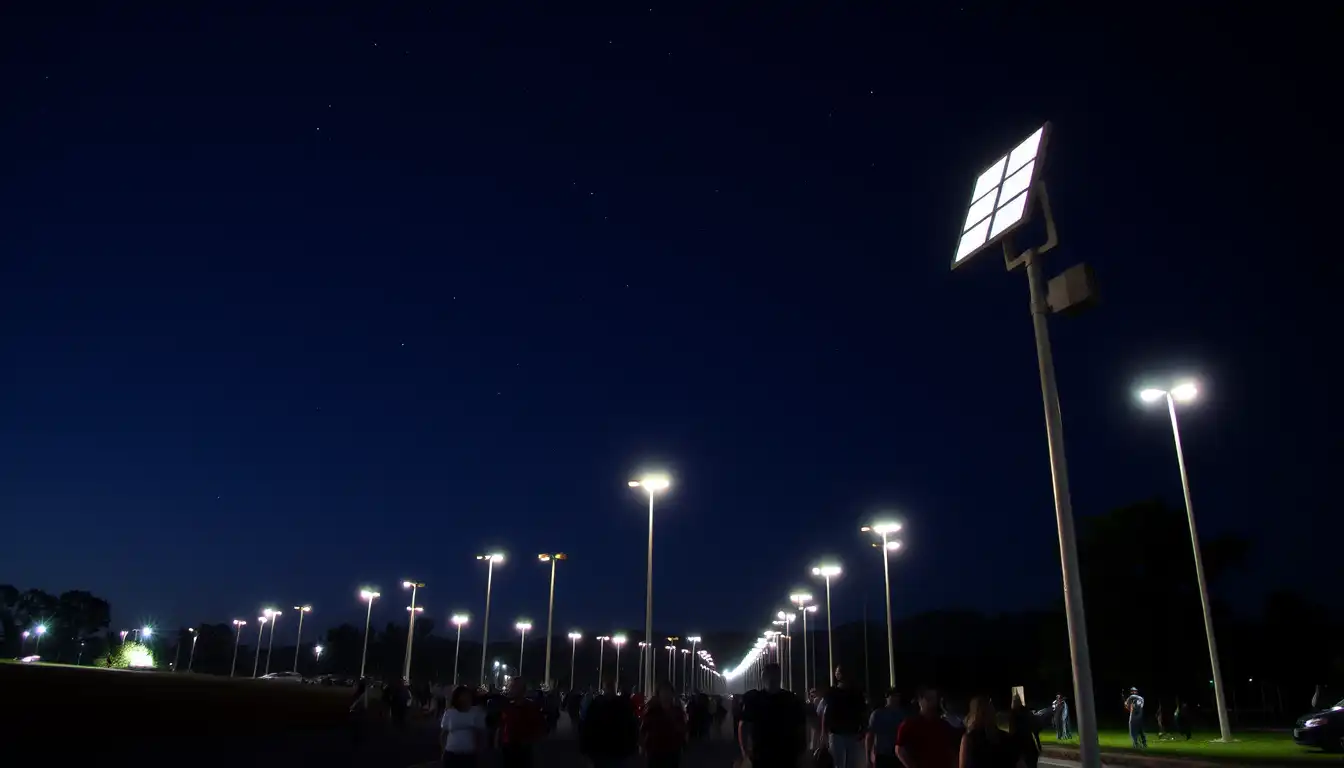
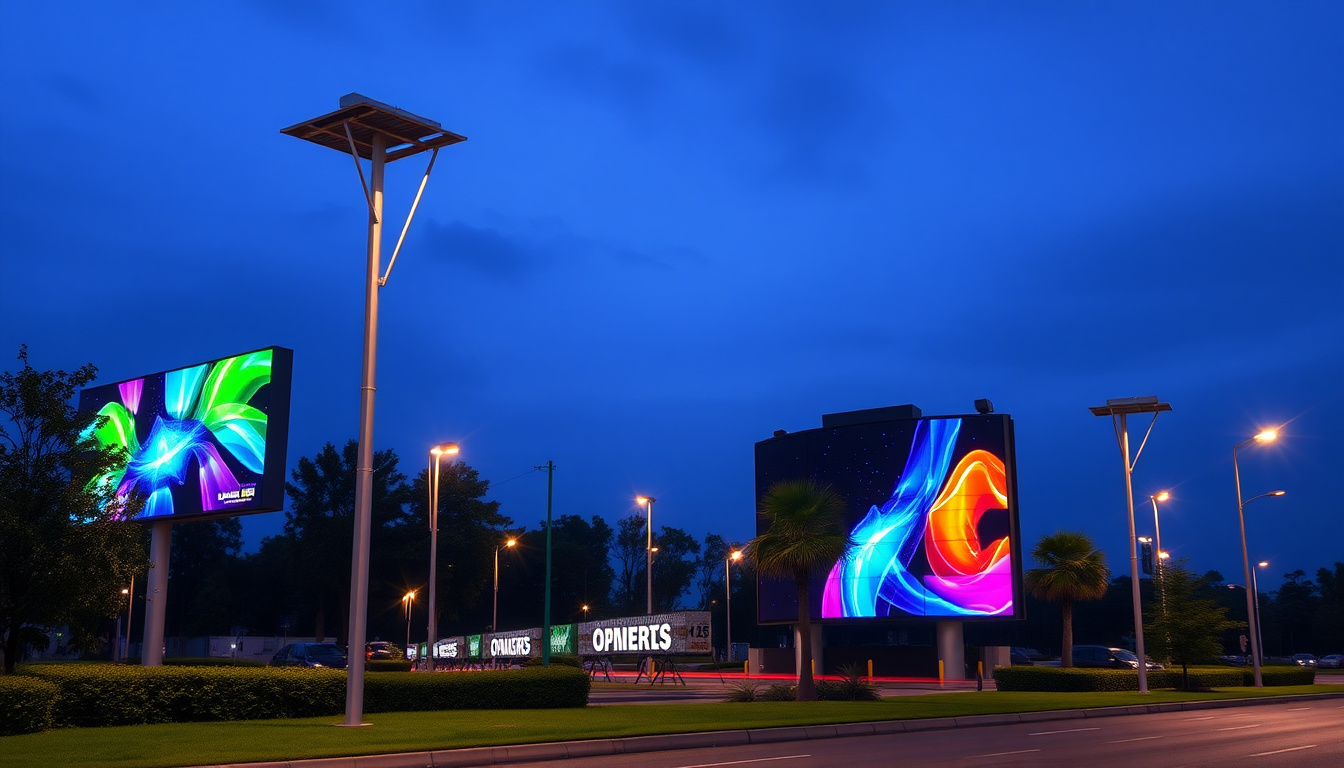
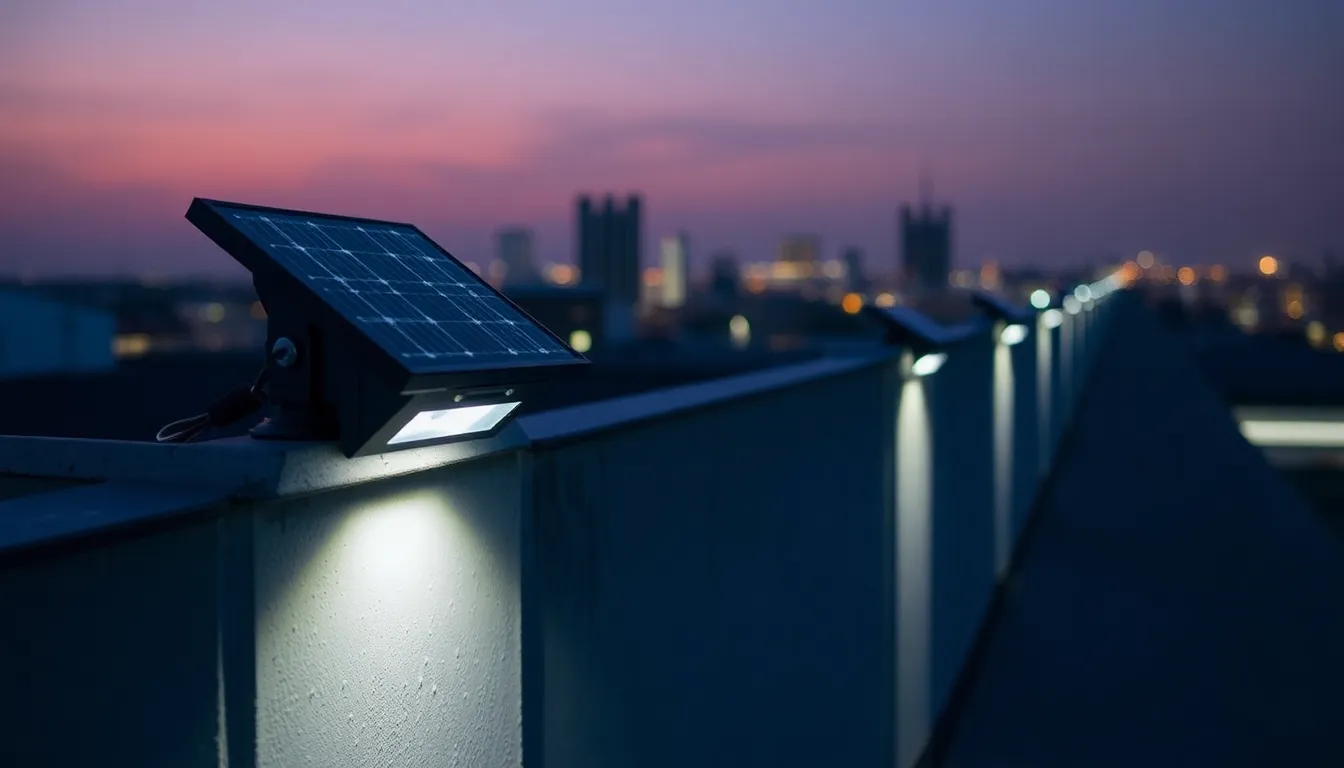
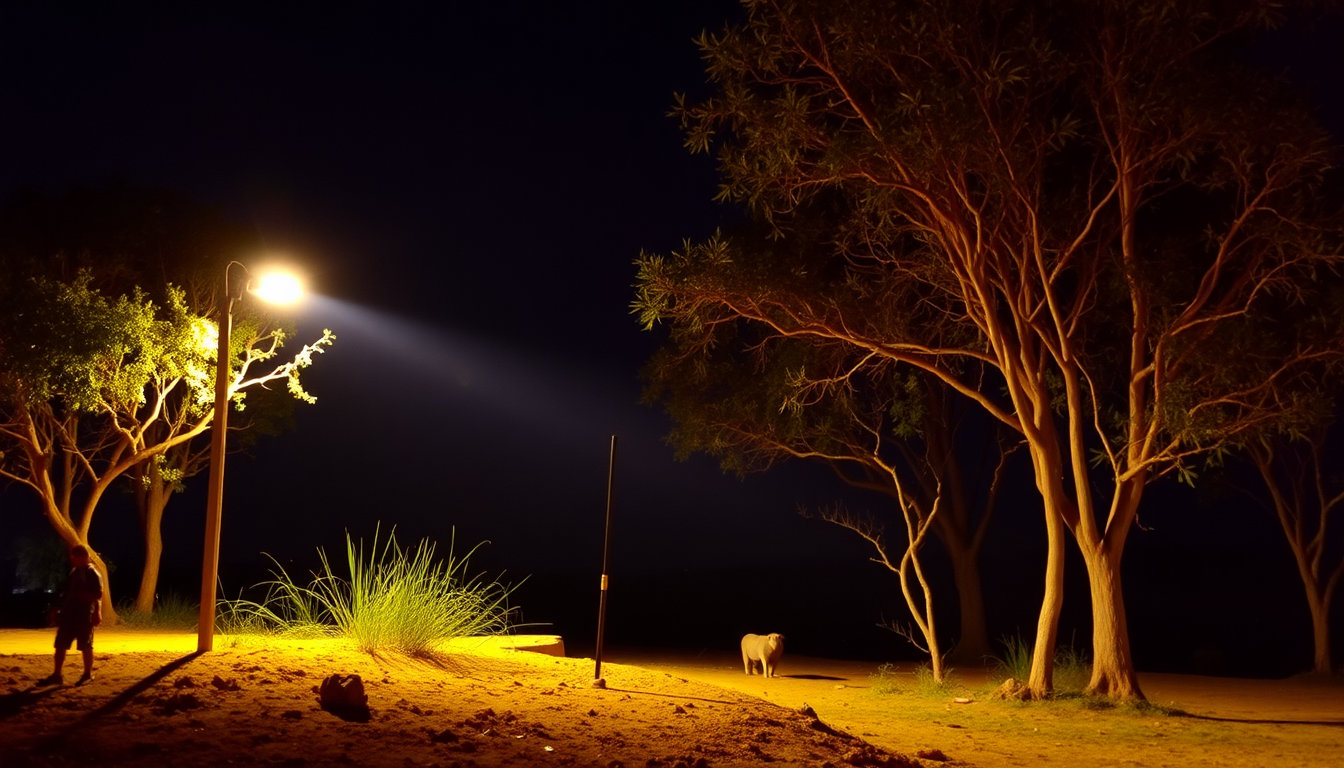
Something worth noticing across smaller Bolivian towns right now. Solar street lights are appearing along roads and paths that were completely dark before. Each pole is a standalone system. Panel on top, battery inside, LED light that comes on automatically when the sun goes down.
No grid connection needed. No electricity bill at the end of the month. A small municipal government with almost no budget can put up several of these and immediately change how safe and connected their community feels after dark.
Some towns waited years for grid extension promises that never came through. They stopped waiting and went solar instead. That is a shift in thinking that is spreading across Bolivia right now.
The Oruro Solar Plant and What It Proved
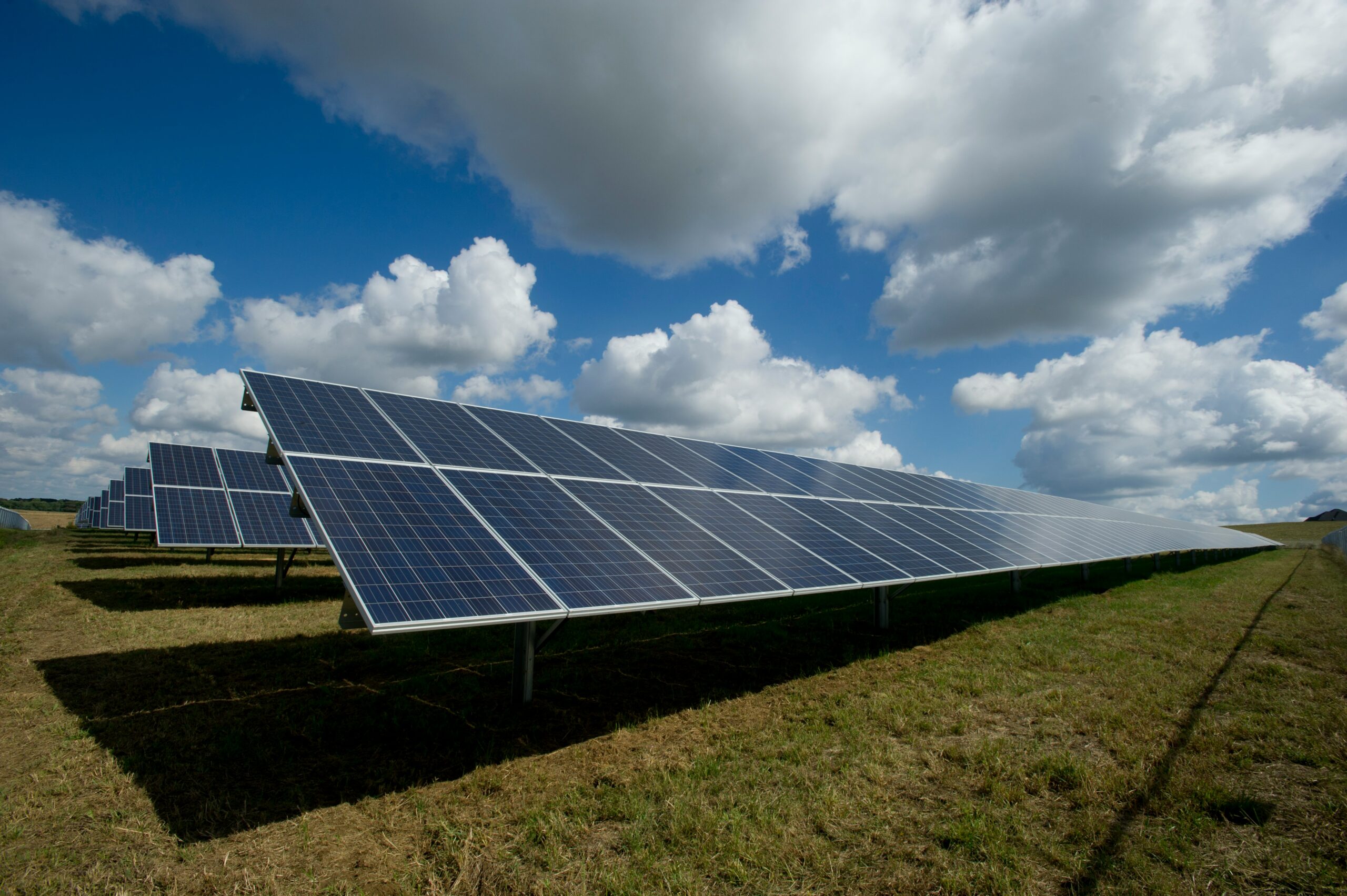
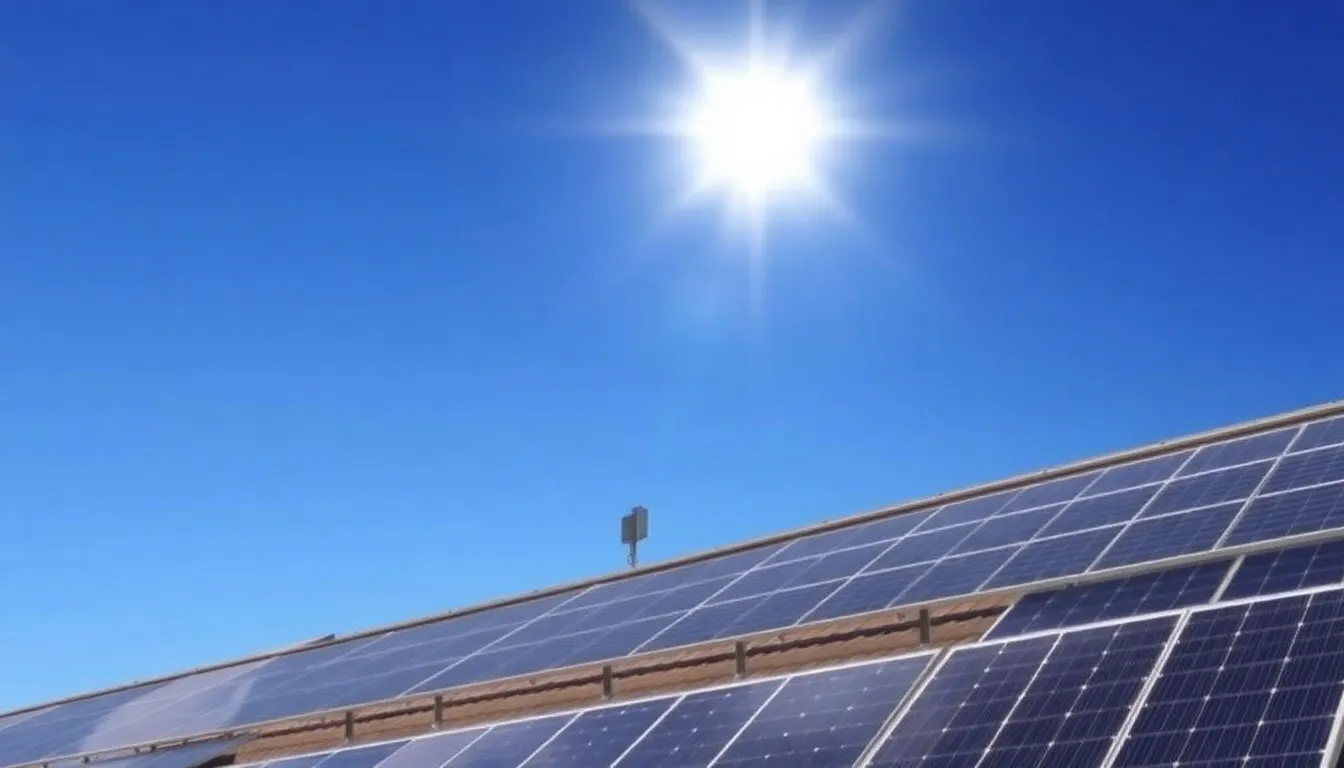
Bolivia’s biggest solar installation sits in Ancotanga, inside the Oruro department. High altitude location, 3,730 meters above sea level, sitting on a semi-desert plateau with almost permanent clear skies.
The numbers are significant. Over 300,000 solar panels. 214 hectares of land. 100 MW of electricity feeding directly into Bolivia’s national grid. Total investment crossed $97 million, backed by European development financing and Bolivia’s central bank.
It built out in two phases. First phase delivered 50 MW. Second phase doubled it. The plant mainly supplies Oruro, and when local demand drops, the surplus flows to La Paz and Potosí.
What this plant actually proved is more important than its output. It showed investors, local governments, and skeptics that large-scale solar works reliably at high altitude in Bolivia’s specific conditions. That proof is now pulling in more projects and more funding.
A $325 Million Commitment to Communities Left Behind
Bolivia put $325 million behind a rural solar electrification program aimed specifically at communities that the grid will never reach on any realistic schedule. This is serious money directed at a serious problem.
The program is not just about installing lights. It is powering small businesses so they can earn income after dark. It is running agricultural tools and irrigation equipment. It is giving rural health clinics the ability to treat patients in the evening without relying on phone flashlights.
Light comes first. Then economic activity follows. Then health outcomes improve. Then children grow up with opportunities their parents simply did not have. That chain reaction starts with a solar panel and a battery. It sounds simple because at its core it actually is.
Different Solar Lighting Systems Serving Different Needs
Bolivia does not use one type of solar lighting across the board. Different locations and communities need different solutions:
- Solar home lighting kits work for single households far from any grid. Small panel, small battery, two or three LED lights. Enough to change daily life completely.
- Solar street lights are self-contained pole systems going up in towns and along rural roads across the country.
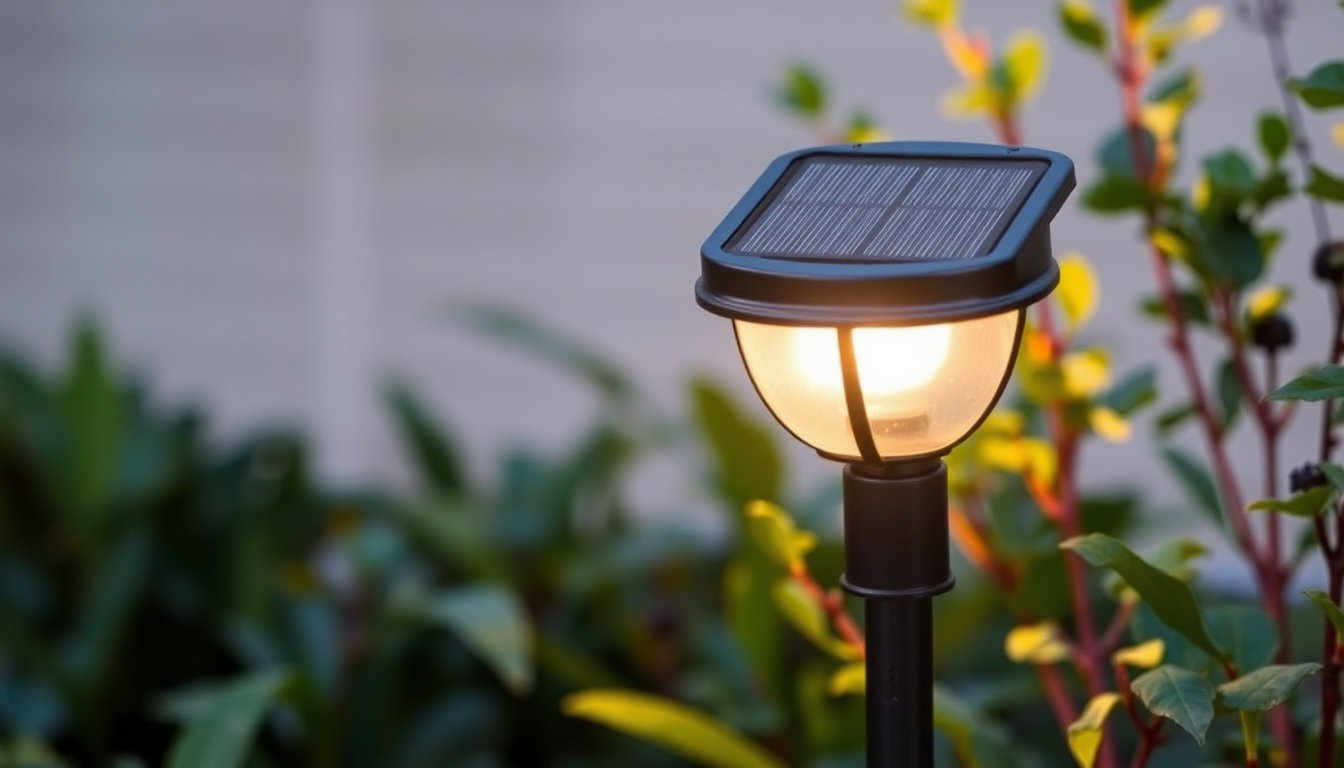
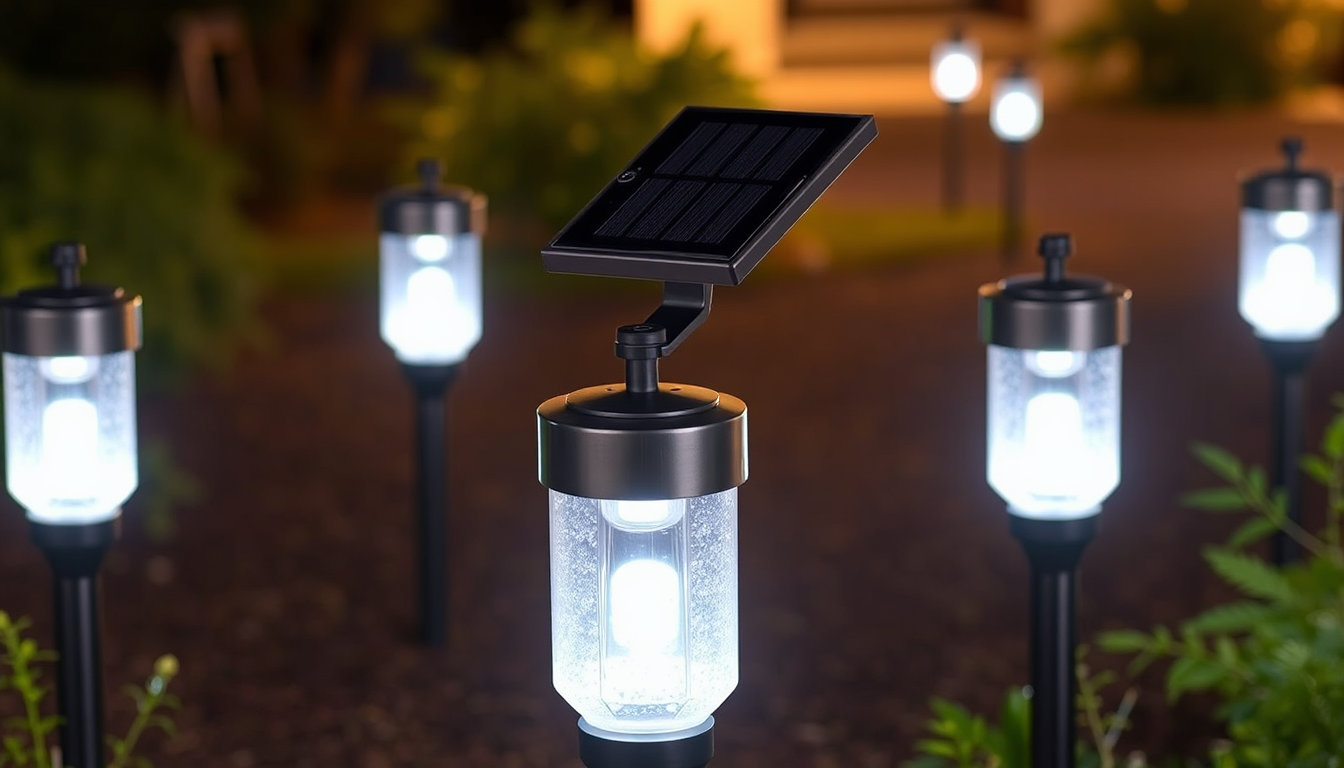
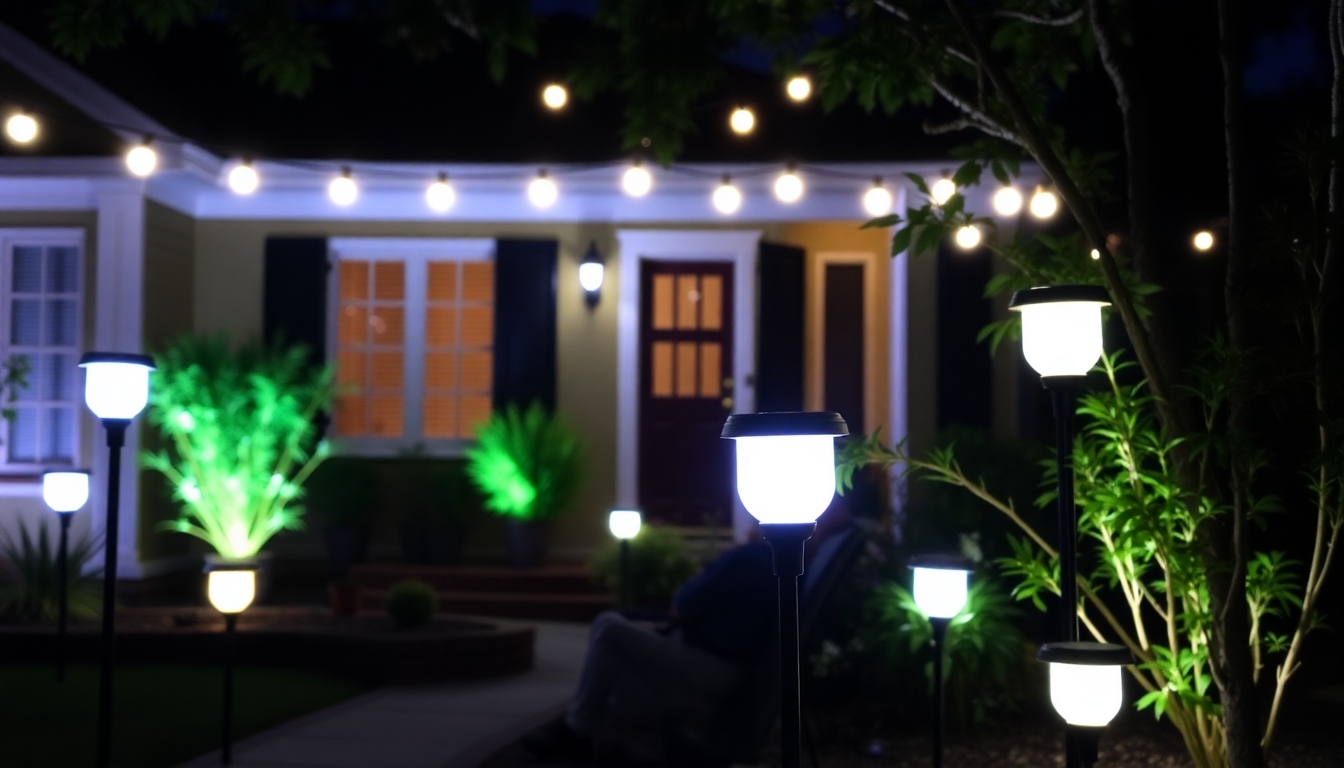
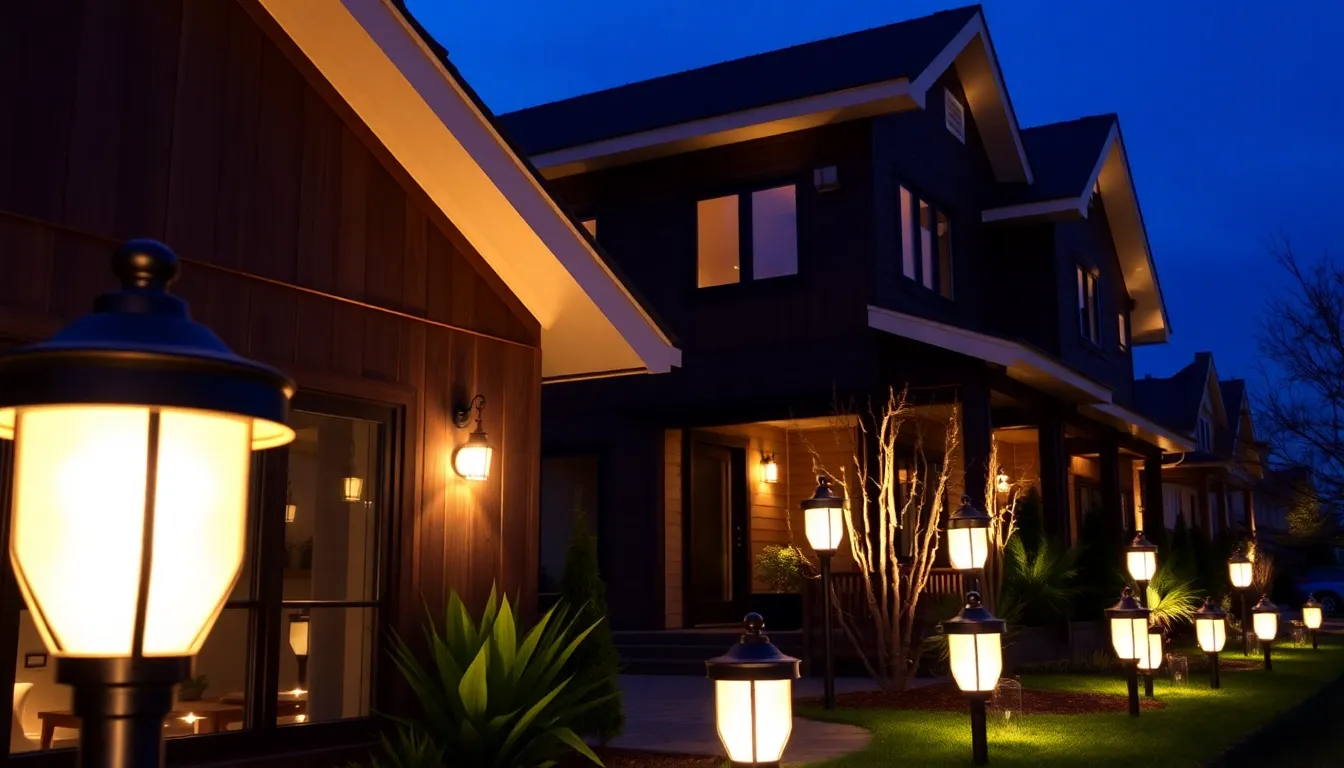
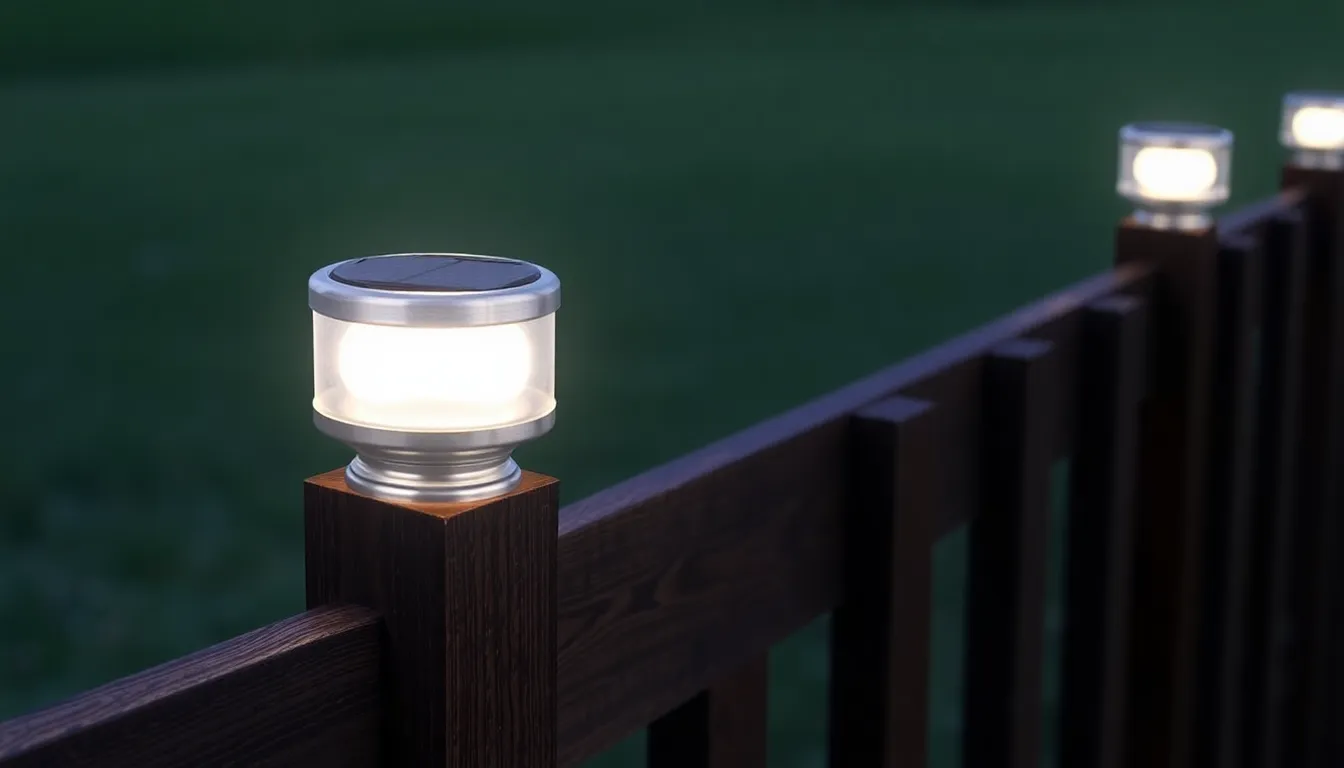
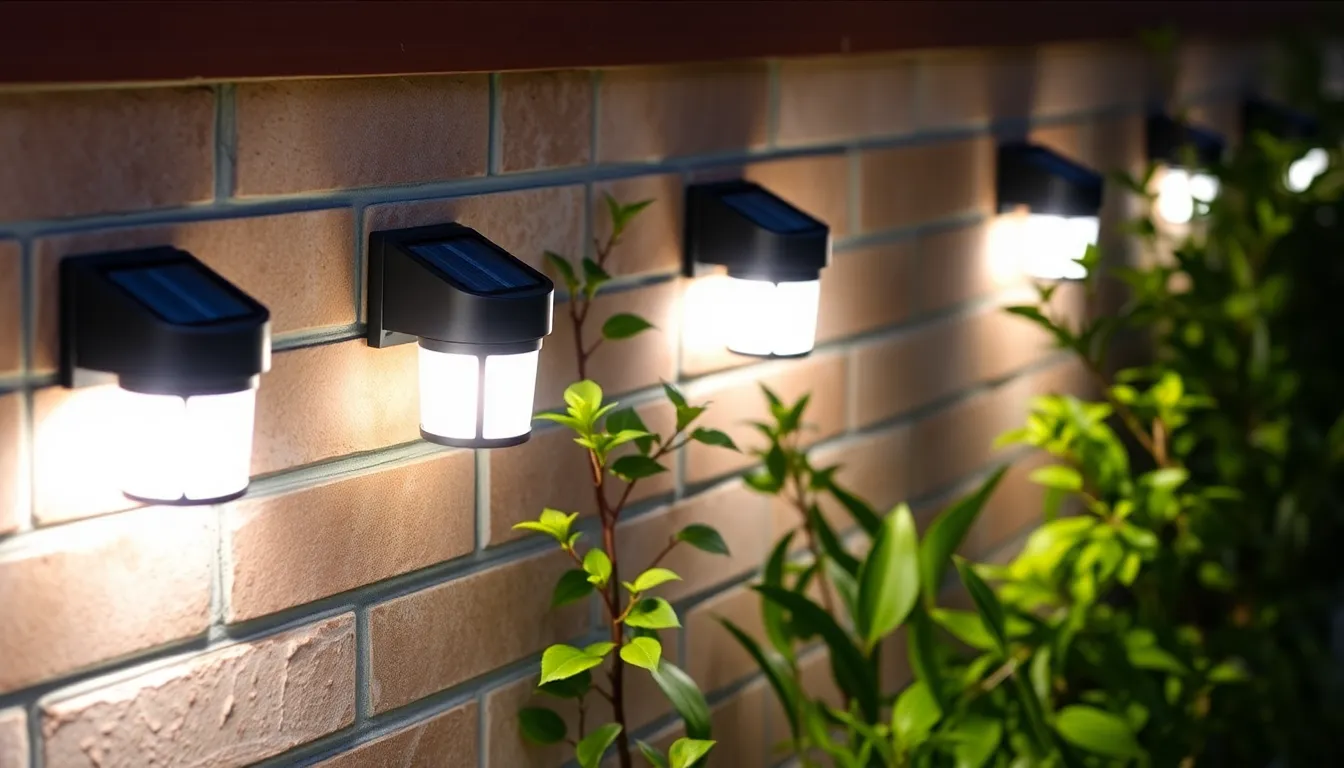
- Solar garden lights appear in urban homes and semi-urban properties for pathways and outdoor spaces.
- Solar floodlights handle security lighting needs for homes and small businesses.
- Community solar microgrids connect several homes or a local school to one shared system, spreading the cost and the benefit together.
Every single one of these works on the same basic idea. Sunlight in during the day. Stored energy out as light at night. No fuel. No wires from somewhere far away. No bill.
The Real Challenges Nobody Should Pretend Do Not Exist
Bolivia’s terrain makes distribution genuinely hard. Getting solar equipment to a remote Amazon community or a high mountain village costs serious money in logistics alone. Roads that barely exist. Distances that take days to cover. The equipment cost is sometimes the smaller part of the total bill.
Upfront purchase price remains a barrier. A solar home lighting kit is cheap compared to grid extension, but cheap is relative when a rural family earns very little. Financing options are growing but still thin in the areas that need them most.
Natural gas still dominates Bolivia’s energy mix at over 67% of total installed capacity. Shifting that balance takes time, consistent government policy, and private investment moving in the same direction simultaneously. None of that happens quickly.
Why 2026 Is a Turning Point for Solar Lighting in Bolivia
The technology available in 2026 is meaningfully better than what existed three years ago. Lithium batteries charge faster and last longer. LED efficiency keeps climbing. Motion sensors and automatic switching come standard now on most systems. Warm white light options make solar lights feel comfortable inside homes rather than harsh and clinical.
Better technology at lower prices. That combination directly helps Bolivia because it makes quality solar lighting accessible to more households and communities every year.
Bolivia’s government introduced new energy regulations in early 2026. Distributed solar generation projects up to 6 MW got expanded approval. Medium-scale solar installations got clearer legal pathways to connect to the national grid. For businesses and community programs working in solar lighting, that legal clarity removes real friction that was slowing projects down before.
What Families See From the Very First Night
When solar lighting reaches a community that never had it, specific things happen immediately:
- Families stop spending on kerosene and candles right away.
- Children study in the evening under proper light without straining their eyes.
- Women and girls move through village paths at night with real safety.
- Small shops stay open after dark and bring in more income.
- Health clinics handle evening patients with actual lighting.
- Streets feel safer and neighborhoods feel more alive after sunset.
These are not projected outcomes from a government report. These are things communities across rural Bolivia describe in straightforward terms when solar lighting arrives in their area for the first time.
Where Things Go From Here
Bolivia has the sunlight. The policy direction in 2026 is moving the right way. International funding is flowing into rural electrification at scale. The technology keeps improving. Most of the pieces are in place.
What needs work is faster installation pipelines reaching the most remote communities. Financing products that actually get to the lowest income households. Local training so communities fix and maintain their own systems without waiting for outside technicians every time something needs attention.
Solar lighting solutions in Bolivia are not slowing down. They are spreading into places that waited a very long time for this. The lights are on in villages that were dark for generations. That is happening right now in 2026 and it is picking up speed.
Summary
Solar lighting solutions in Bolivia are growing fast in 2026. The country gets some of the strongest sunlight on earth, making it ideal for solar-powered lighting systems. A $325 million rural electrification program and the 100 MW Oruro solar plant show how seriously Bolivia is moving on this. Families, schools, and small businesses are gaining reliable light for the first time. Challenges around cost and terrain remain, but progress is real and spreading fast.