Table of Contents
Why Rooftop Solar Lights Are Different From Ground Lights
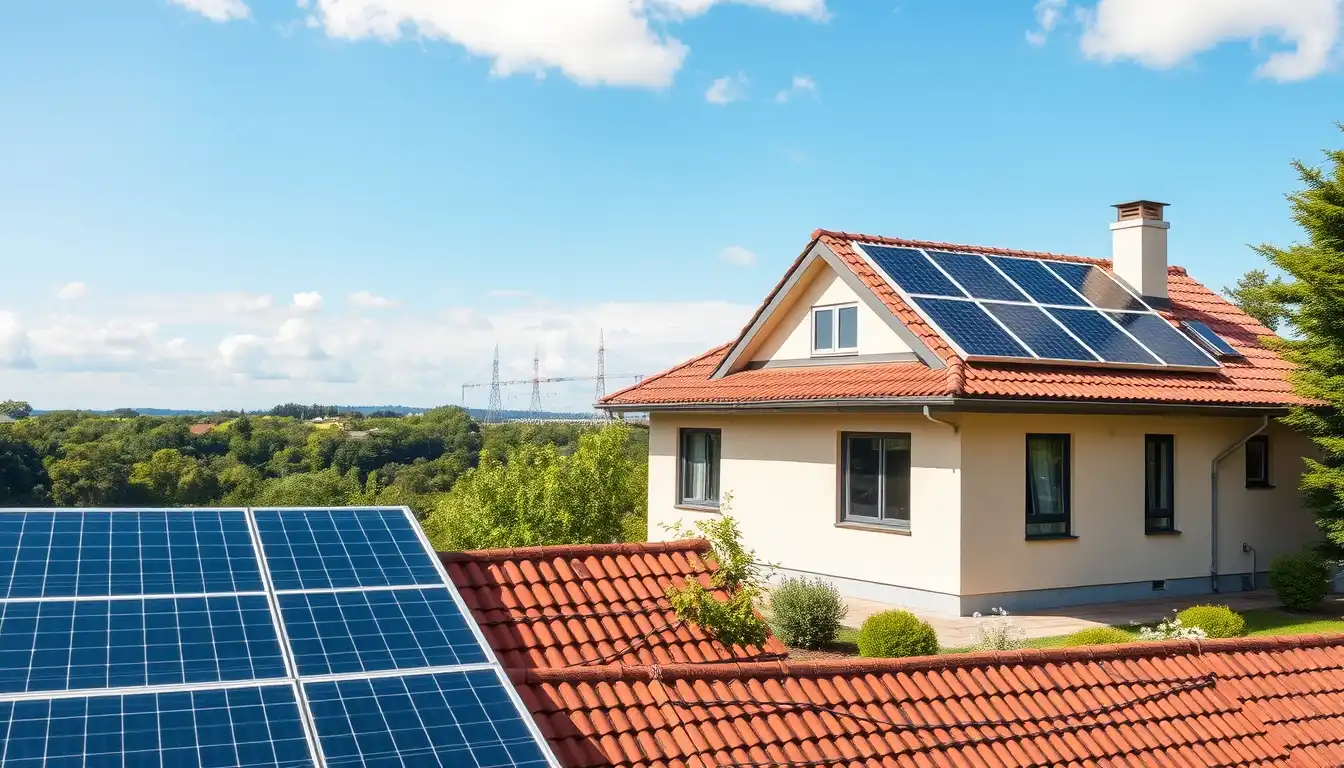
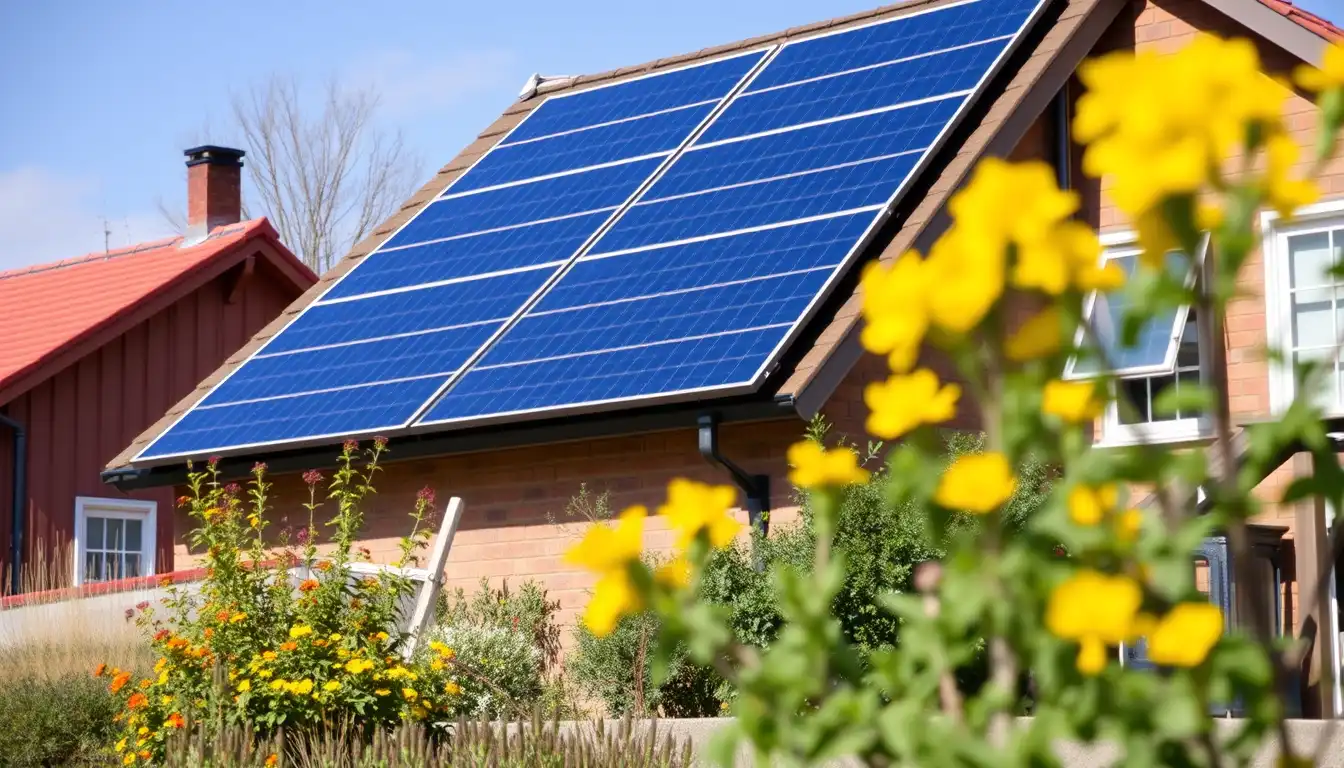
Your rooftop is basically a different planet than your yard. Ground-level lights sit in shade sometimes. Your roof gets blasted by sun all day. That sounds good for charging but it actually causes problems.
Heat kills solar light batteries. The hotter the temperature, the faster the battery dies. Your roof in summer gets way hotter than ground level. A roof that’s ninety degrees might have a solar light reaching one hundred twenty degrees. That extra heat shortens battery life by a lot.
Wind is another thing. Your roof catches wind that ground level never sees. A light that’s perfectly fine in calm conditions might blow over in wind on a rooftop. The wind pushes harder up there because nothing blocks it.
Weight matters too. Your roof has weight limits. You can’t just load it up with heavy lights. You need lightweight options that don’t stress your roof structure. Regular ground lights might be too heavy for rooftop installation.
Water pooling is different on rooftops. A slight slope on your roof means water runs downhill. Your light might sit in a spot where water pools. That water gets inside the light and ruins it.
Position on your roof changes everything. A light on a southern-facing rooftop edge gets more sun than a light that’s more central. That changes how well it charges and how long it lasts.
Safety Concerns You Actually Need To Know
Walking on your roof to install lights is dangerous. One slip and you fall. That’s serious injury territory. Some people hire professionals just for installation. That’s smart if you’re scared of heights or your roof is steep.
Wind can knock lights off your roof. They become projectiles falling on someone’s head below. Heavy lights are riskier. Lightweight lights blow away instead of falling, which is actually better.
Leaks happen when you drill holes for mounting. Your roof isn’t meant for random holes in it. Every hole is a potential leak spot. You need proper sealant and waterproofing. Cheap installation causes water damage inside your house.
Electrical hazards exist if you mix solar lights with regular electrical wiring on your roof. Keep solar lights away from electrical conduits, vents, and wiring. Solar lights don’t use electricity but water leaking toward wiring creates problems.
Uneven surfaces on rooftops cause lights to tip over. Your roof might look flat but it’s usually slightly sloped. A light that looks stable might shift with wind. Proper installation prevents this.
UV damage happens fast on rooftops because sun exposure is intense. Plastic casings break down quicker. Paint fades faster. Cheap lights deteriorate in one or two seasons on a rooftop versus three or four seasons on the ground.
Heat Effects On Rooftop Solar Light Batteries
Temperature is the enemy of solar light batteries. A battery rated to work at sixty degrees operates worse at ninety degrees and much worse at one hundred twenty degrees.
Your rooftop creates an oven effect. The dark asphalt or shingles absorb heat. That heat radiates up into your solar light. The light gets hotter than the actual air temperature.
This heat shortens battery life significantly. A battery that lasts three years at ground level might last only one year on a hot rooftop. That’s a huge difference in how often you replace lights.
Heat also affects charging efficiency. Your light doesn’t charge as efficiently when hot. It might reach eighty percent capacity instead of one hundred percent. That means less runtime at night.
Cold nights combined with hot days create stress on the battery. The temperature swings damage the battery chemically. A rooftop that’s one hundred twenty degrees at noon and forty degrees at midnight stresses the battery more than steady temperatures.
LiFePO4 batteries handle heat better than other battery types. This is where expensive solar lights shine. They’re designed to handle the temperature swings. Cheap lights with regular batteries struggle.
Ventilation around your light helps. A light mounted on a pole with air flowing around it stays cooler than a light sitting flat on the roof. Airflow reduces heat damage to the battery.
Best Solar Light Types For Rooftops
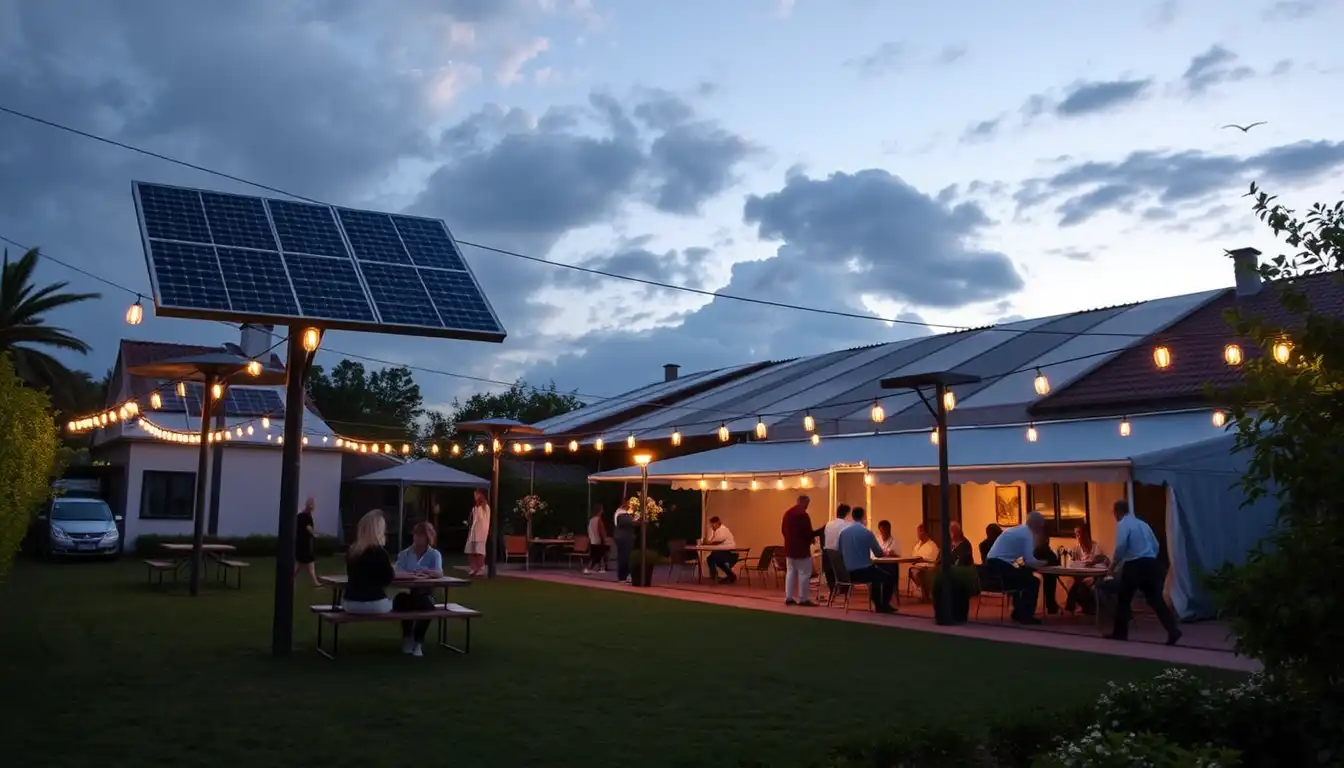
- String lights work really well on rooftops. They drape across the space and look beautiful. They’re lightweight so your roof doesn’t stress. The lights distribute the weight across multiple points instead of concentrating it. Make sure your string lights use quality LEDs that handle heat. Cheap string lights fail fast in heat. The wiring degrades. Buy good quality string lights and they work beautifully for years on a rooftop.
- Flat solar lights designed for patios work okay. They don’t have legs so wind resistance is better. But they need to be securely fastened or they slide in wind. Use adhesive or strapping to secure them.
- Stake lights don’t work well on rooftops. You can’t stake into your roof. Some people try screwing stakes down but that damages your roof. Skip stake lights entirely.
- Floating lights for water don’t work unless you have a rooftop pool. If you do have a rooftop pool, floating lights are cool. They look nice and work fine.
- Pendant lights suspended from cables work great on rooftops. They hang down from a cable system. Wind doesn’t affect them as much because they’re below the roofline. They look really nice too.
- Magnetic base lights stick to metal surfaces. If your rooftop has metal railings or structures, magnetic lights work. They’re secure and easy to reposition.
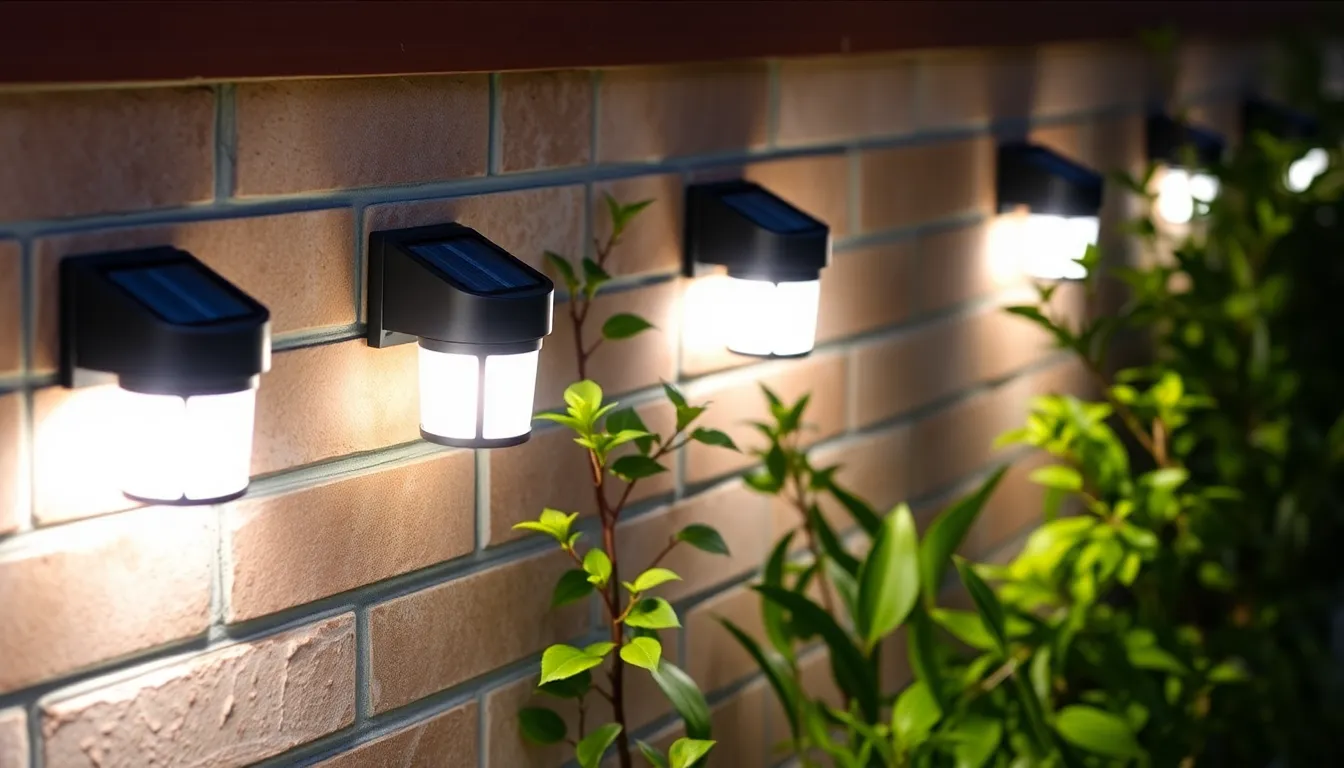
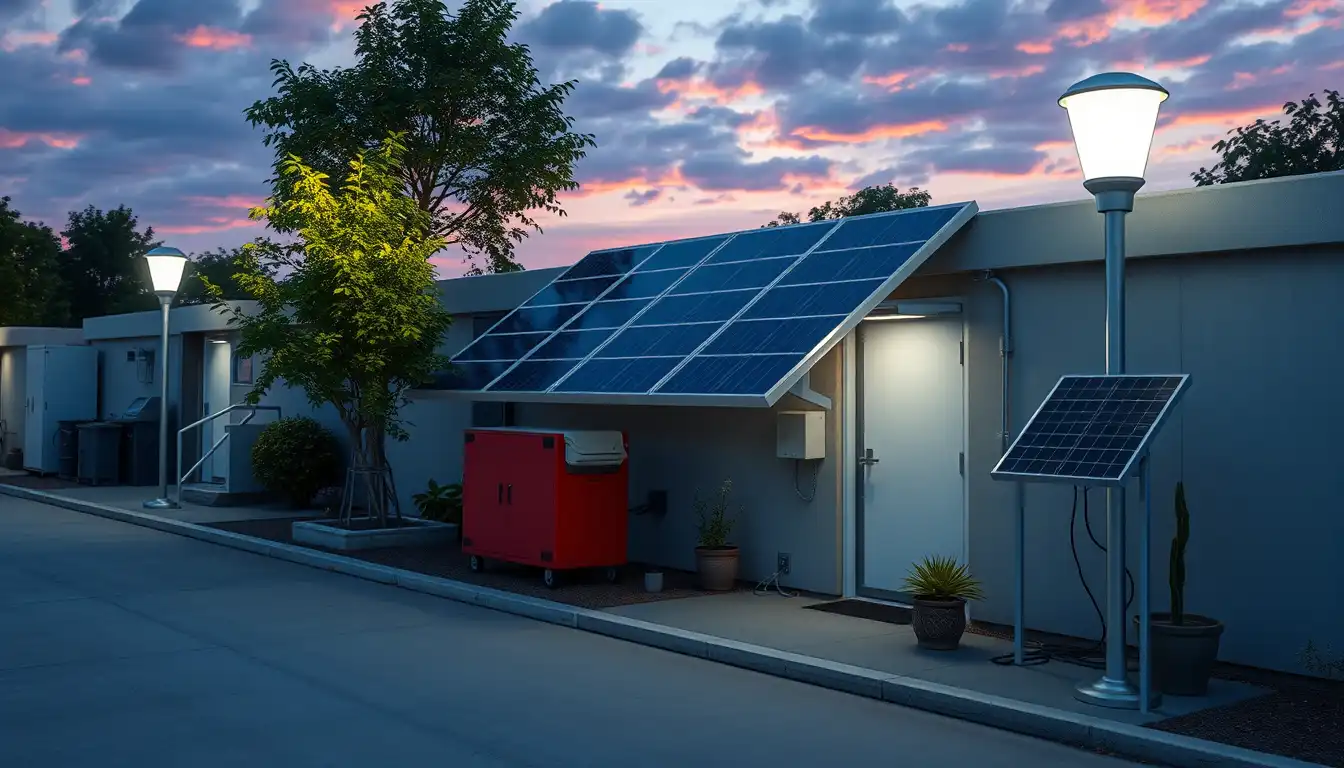
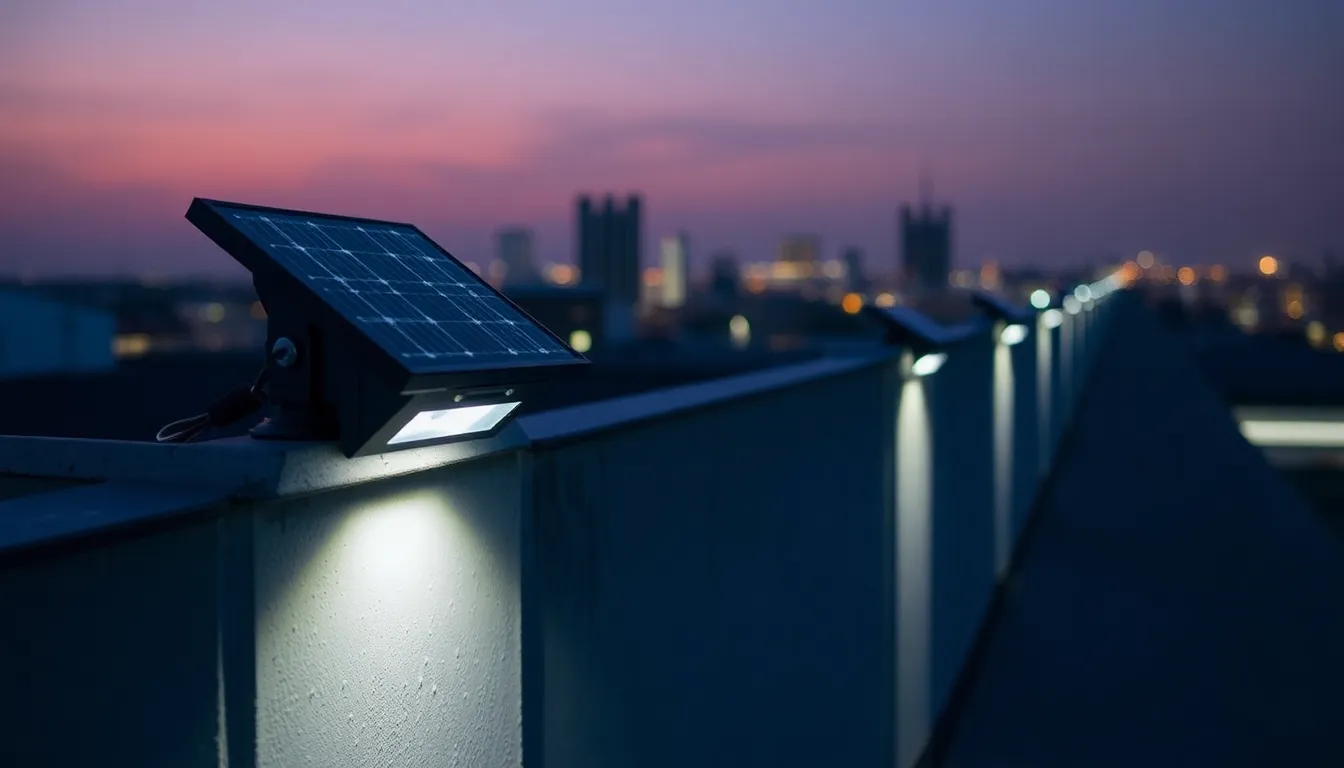
- Wall-mounted solar lights work if your rooftop has a parapet wall or raised edge. These mount flat against the wall. They don’t take up floor space and wind can’t knock them over.
Installation Without Damaging Your Roof
Don’t drill holes unless absolutely necessary. Every hole is a leak risk. If you must drill, use waterproof sealant afterward. Professional roofers recommend silicone caulk for sealing holes.
Use adhesive mounting when possible. Some solar lights have adhesive pads on the bottom. These stick to your roof without drilling. They don’t damage anything and work fine for lightweight lights.
Avoid fastening to the roof itself when you can. Mount lights to railings, parapets, or structures instead. These structures are designed to handle fastening. Your roof isn’t.
Weight distribution matters. Don’t bunch all your lights in one area. Spread them out so the weight distributes evenly across your roof.
Check your roof’s weight capacity before installing. Most residential roofs handle light solar lights fine. But if you’re covering your entire rooftop with lights, you need to know your limit.
Use lightweight materials. Aluminum lights weigh less than plastic. Less weight means less stress on your roof.
Secure everything against wind. Use strapping, adhesive, or fastening systems designed for rooftop use. A light that flies off your roof is dangerous.
Professional installation is worth the money if you’re unsure. Roofers know how to install things without causing leaks. That’s their job. They do it right.
How Rooftop Conditions Affect Performance
Shaded rooftops charge lights slowly. If trees or buildings block your rooftop, solar lights struggle. South-facing rooftops get the most sun. North-facing rooftops struggle in winter.
Reflective surfaces around your rooftop boost charging. A white painted parapet wall reflects light onto your panels. That extra light helps charging. Dark surfaces absorb light and provide no help.
Dust and debris accumulate faster on rooftops. Wind carries dust up there. Your lights need cleaning more often than ground-level lights. Dirty panels charge slower.
Rain runoff carries dirt onto your lights. Position lights away from where water runs off your roof. Otherwise they sit in dirty water constantly.
Frost and ice in winter stick to rooftop lights differently. Ground lights might avoid frost in sheltered spots. Your rooftop has nowhere to hide. Winter conditions hit rooftop lights harder.
Humidity on rooftops is different near coastal areas or lakes. Salt spray corrodes lights faster. You need lights with better corrosion protection if you’re near water.
Winter Performance On Rooftops
Cold air at rooftop level is colder than ground level. Your rooftop experiences lower temperatures than you expect. Wind chill makes it feel even colder.
Shorter winter daylight combined with cold temperatures means weak charging. Your rooftop light might get only two or three hours of useful sunlight on winter days. That’s not enough for a full charge.
Cold batteries don’t store energy well. A battery that charges one hundred percent at ground level might charge only seventy percent at rooftop temperatures. Your light doesn’t run as long at night.
Snow accumulation on rooftops is heavier and sticks longer. A ground light in a sheltered spot might stay mostly clear. Your rooftop light gets buried in snow. You need to clear it off frequently.
Wind blowing snow across your rooftop keeps lights cold. The constant cold slows charging even when it’s not actively snowing.
Buy rooftop lights with LiFePO4 batteries for winter performance. These batteries handle cold better. Regular batteries basically quit working in rooftop winter conditions.
Choosing Between Budget And Premium Rooftop Lights
Cheap rooftop lights fail within one season. The heat and wind and UV exposure destroy them. You spend thirty dollars and get six months of use. That’s expensive per month of use.
Mid-range lights like Clodesun last two to three seasons on a rooftop. That’s reasonable. You spend more upfront but get several years of use.
Premium lights work four to five years on rooftops. Higher price but spread over years it’s reasonable cost.
Work out the cost per season. A thirty dollar light lasting six months costs sixty dollars per year. A one hundred dollar light lasting four years costs twenty five dollars per year. Premium is cheaper long-term.
Consider brightness. Cheap lights are dimmer. They look weak at night. Mid-range and premium lights are brighter and look better.
Appearance matters on rooftops because people see your lights from the ground. Cheap lights look cheap. Good lights look nice and enhance your home’s appearance.
Maintenance For Rooftop Solar Lights
- Clean your lights monthly during seasons when they accumulate dust. More often if you live somewhere dusty or coastal.
- Check mounting regularly. Wind loosens fasteners over time. Tighten anything that moves.
- Inspect for corrosion or damage. Rooftop weather is harsh. Problems show up faster than ground-level lights.
- Replace batteries proactively before they fully fail. A light that’s getting dim still works. Replace the battery before it quits completely.
- Trim trees that shade your rooftop. Some shading is inevitable but minimize it where you can.
- Clear snow and ice from lights in winter. Don’t let them sit buried. A few minutes of clearing helps charging significantly.
- Check water drainage around your lights. Make sure water doesn’t pool in the installation area.
The Bottom Line On Rooftop Solar Lights
Your rooftop is great for solar lights because it gets tons of sun. It’s also tough on lights because of heat, wind, and weather exposure. Understanding these challenges helps you choose and install lights that actually work.
Buy quality lights, not cheap ones. Your rooftop is unforgiving. Quality lights survive. Cheap lights die.
Install properly without damaging your roof. A leaky roof costs thousands to fix. Your solar lights should never cause that problem.
Maintain your lights regularly. Rooftop conditions need more attention than ground-level lights.
Do that and your rooftop becomes a beautiful, well-lit space. People walking by notice and think your house looks amazing. That’s worth the effort.
Summary
Rooftop solar lights look amazing and light up your space without wiring. But they’re trickier than ground lights because of wind, weight limits, and heat. Your roof gets hotter than ground level, which affects battery performance. This guide explains what makes rooftop solar lights different, how to install them safely without damaging your roof, which lights actually work up there, and how to keep them working through different seasons.