Table of Contents
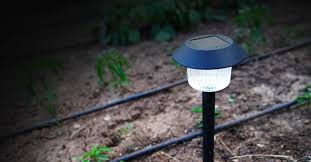
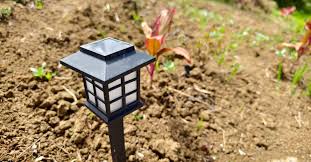
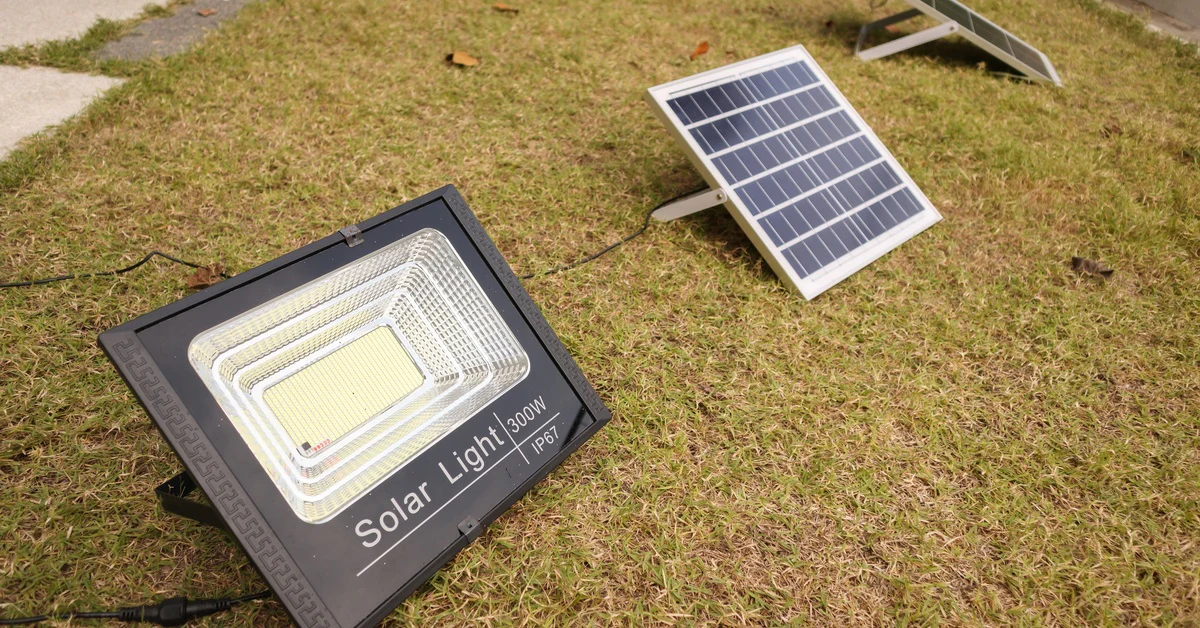
Magnetic solar lights promise something simple: no drilling, no wiring, just slap them on metal and walk away. I wanted to know if that promise actually holds up outdoors, so I mounted a batch of magnetic solar lights on every metal surface I own and left them there for three months.
Here’s what nobody tells you upfront: two problems quietly ruin most magnetic solar lights before their first year is even up, heat and rust. Let’s get those out of the way first, because they explain almost everything else in this guide.
The Problem With Magnetic Solar Lights (Heat + Rust)
Heat is the quiet killer. Solar lights sit outside all day, often on metal that gets scorching hot in direct sun. That heat doesn’t just make the light warm to the touch, it cooks the battery inside.
Lithium-ion batteries lose roughly half their usable life for every 8°C (14°F) rise above room temperature, according to solar battery degradation data compiled by SolarTechOnline. Budget solar lights, the kind sold in multipacks at hardware stores, typically last only 1–2 years before the battery gives out, compared to 5–7 years for premium units with better batteries and sealed housings.
Rust is the second problem, and it’s sneakier. Most magnetic solar lights use neodymium magnets, and these magnets are made mostly of iron. Iron plus moisture equals rust, plain and simple. Manufacturers coat the magnets in a thin layer of nickel to slow this down, but that coating isn’t invincible outdoors.
K&J Magnetics, a magnet manufacturer that runs its own corrosion tests, found that rusted magnets lost up to 11% of their pull strength during salt-water testing. Once a magnet rusts even slightly, it holds less weight. One windy night is sometimes all it takes for your light to end up in the flower bed instead of on the fence.
Do Magnetic Solar Lights Actually Work Long-Term?
Short answer: yes, but “long-term” means different things depending on what you buy. A $6 light from a bargain bin isn’t the same product as a $25 light with a sealed battery compartment and a coated magnet.
Battery chemistry matters more than the brand name on the box. Standard lithium-ion cells are typically rated for 500–1,000 charge cycles before capacity drops noticeably, while LiFePO4 cells can handle 2,000–4,000 cycles under the same conditions. That difference shows up outdoors as the gap between a light that dims after one summer and one that still runs strong after several. Most budget units skip this chemistry entirely, which is exactly why they die fast.
Temperature range matters too. Most lithium batteries perform best between roughly 15–25°C (59–77°F). Anything mounted where it bakes past that range for hours each day is working against its own battery from day one, regardless of how good the light looked in the store.
Magnet coating matters just as much. A bare nickel coating eventually lets rust creep in near coastal or humid climates. Rubber or epoxy-coated magnets hold up longer, based on corrosion testing published by several magnet manufacturers.
So yes, they work. Just don’t expect a clearance-bin version to behave like a properly built one.
Best Surfaces to Stick Magnetic Solar Lights On
Not all metal is created equal, and this is where a lot of buyers get tripped up.
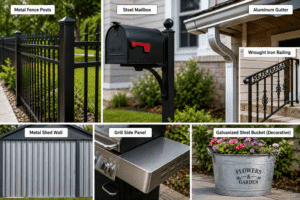
Metal Fence Posts
Flat, vertical steel fence posts are close to ideal. They get good airflow, which helps with the heat problem, plus a strong, even magnetic contact.
Steel Mailbox
Mailboxes are usually painted steel, which holds a magnet well. Avoid the sun-facing side if your mailbox bakes all afternoon — that’s prime real estate for battery heat buildup.
Aluminum Gutter
Here’s a fact worth knowing before you buy anything: aluminum isn’t magnetic. Most residential gutters are aluminum, so a magnetic light won’t stick to bare gutter metal at all. It only works if your gutter has exposed steel screws, brackets, or hangers for the magnet to grab.
Wrought Iron Railing
Railings performed the best in my test. Iron is highly magnetic, the surface is usually vertical, and there’s rarely any vibration to shake things loose.
Metal Shed Wall
Sheds work fine, but corrugated steel siding can leave small gaps under the magnet if the ridges are too deep, weakening the hold over time.
Grill Side Panel
Technically it works, but a grill radiates cooking heat straight into the light’s back panel. It’s the worst spot on this list if you actually use the grill often.
Galvanized Steel Bucket (Decorative)
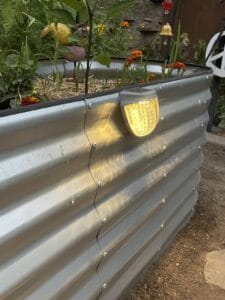
Great for a decorative planter-style setup. Galvanized steel is magnetic, and the zinc coating resists rust better than bare steel, so this pairing tends to last.
Where They Struggle: Cars, Trucks, and Curved Surfaces
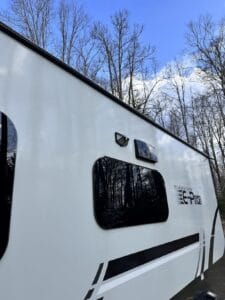
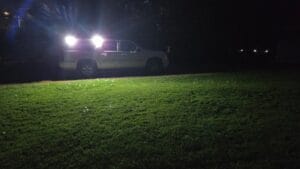
Cars are trickier than people expect. Plenty of modern vehicle panels — hoods, some fenders, most bumpers — are aluminum, fiberglass, or plastic composite, none of which hold a magnet.
Even where the metal is real steel, curved surfaces reduce the contact area for a flat-backed magnet, which weakens the hold significantly. Add driving vibration to that, and a light rated to sit still on a fence post can rattle loose on a moving vehicle in minutes.
My 3-Month Test: What Actually Held Up
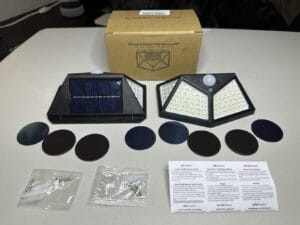
After three months outside, the wrought iron railing and fence post lights were still going strong: no rust, steady output, solid hold. The mailbox light held on fine too, though its battery ran down faster than the others by month two, most likely from full afternoon sun exposure.
The shed wall light slipped slightly after heavy rain, thanks to the corrugated ridges creating an uneven magnetic contact. The grill panel light was the biggest letdown — the housing felt noticeably warmer every time I checked it, and its light output dropped off first.
The gutter test failed exactly like the physics predicted: no stick, no light, no surprise. Once I moved that same light to a steel gutter bracket instead, it worked perfectly.
The galvanized bucket came in as a pleasant surprise. Three months of rain and sun later, there wasn’t a spot of rust visible, which lines up with how well zinc coatings resist corrosion compared to bare steel. My truck tailgate, on the other hand, was a short experiment. The magnet held for about a day of driving before vibration worked it loose, and I didn’t bother testing it again.
Tips to Prevent Rust and Heat Damage
A few small habits go a long way:
- Choose lights with rubber or epoxy-coated magnets over bare nickel-plated ones, especially in coastal or humid areas.
- Avoid mounting directly on metal that bakes in full afternoon sun for hours. Shifting the light a few inches to a shadier section of the same surface often helps.
- Wipe down the magnet and contact point occasionally to clear moisture before it turns into rust.
- Replace batteries in budget units proactively around year two, rather than waiting for total failure.
- Pick LiFePO4-based lights when you can find them; they tolerate heat and repeated charging far better than standard lithium-ion.
FAQs
Do magnetic solar lights stick to aluminum?
No. Aluminum isn’t magnetic, so the light needs a steel component nearby, like a screw or bracket, to attach to.
Do magnetic solar lights rust?
The magnet inside can, since most are iron-based with only a thin protective coating. Rust reduces magnetic pull strength over time, which is why some lights eventually fall off.
How long do the batteries actually last?
Budget lights typically last 1–2 years before the battery noticeably weakens. Higher-quality lights with better battery chemistry can last 5 years or more.
Can I use these on my car?
Not reliably. Curved panels, driving vibration, and non-magnetic materials like aluminum and fiberglass all work against a solid, lasting hold.
Are they waterproof?
Most are weather-resistant, not fully waterproof. Water sitting under the magnet for long periods speeds up corrosion, so drainage matters more than people assume.
Summary
None of this means skip them entirely. It means pick the right surface, buy a version with a decent magnet coating, and keep it out of the worst heat you can. Do that, and a simple magnetic mount can genuinely outlast the drilled-in alternative, minus the holes in your fence.