Table of Contents
My neighbor Tom spent two grand on buried electrical lines for outdoor lighting three years ago. Then he came over one evening, saw my string lights draped through the oak tree, and asked where I’d hired the electrician. When I told him I bought the whole setup online for forty bucks and installed it myself, his face dropped. He still talks about that conversation.
That’s the thing about solar tree lights. They solve a problem most people didn’t realize was fixable without expensive professionals and permanent installation.
The Problem With Traditional Outdoor Tree Lighting
Let’s be honest about what people usually do. They either leave their trees dark after sunset, or they hire someone to bury conduit through their yard. That buried wiring costs anywhere from five hundred to three thousand dollars depending on distance and yard complexity. Then there’s the monthly electricity bill creeping up. Those outdoor fixtures running nightly add real money to your power costs.
My friend Rachel had traditional uplighting on two trees. She checked her bill one summer and realized it was costing her forty-five dollars monthly. Just to light two trees. Forty-five dollars. Every single month. Twelve months a year. That’s five hundred forty dollars annually for something she didn’t even think about.
Plus there’s the flexibility problem. Traditional lighting is permanent. You want to move that spotlight to a different tree? Good luck digging up wiring. You bought a new home and want to take your outdoor lighting with you? Not happening. The lights stay with the property because everything’s buried.
What Actually Changes When You Go Solar
Solar tree lights work differently. Completely differently. You buy the light. You put it where you want it. You charge it in the sun. It glows at night. No wiring. No digging. No electrician. No ongoing bills.
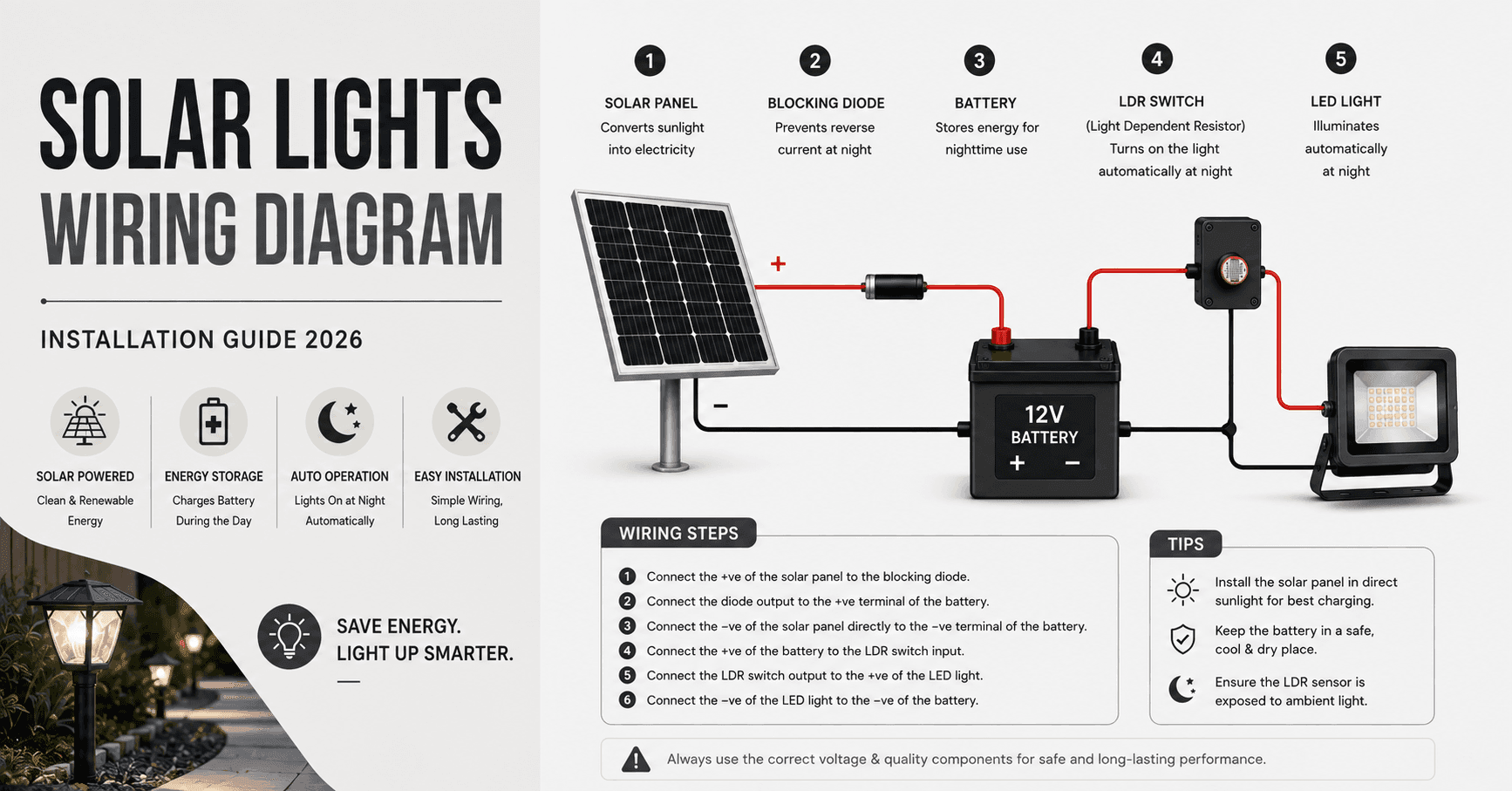
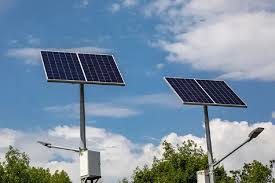
I installed my first solar string lights on a Saturday afternoon while drinking coffee. Took maybe twenty minutes. The solar panel sits on my fence railing where it gets sun. At dusk, the lights automatically turn on. At dawn, they turn off. I haven’t touched them in two years except to occasionally wipe dust off the panel.
That’s not an exaggeration. I literally forget they’re there until someone visits and asks about installation. Then I tell them the truth and watch them not believe me.
The money part matters too. My string lights cost thirty-eight dollars. They’ve been running nightly for two years. Monthly operating cost: zero. That’s not hyperbole. Zero. Nothing. No electricity flowing from my utility company to power those lights. I’d need to run them for eleven years of nightly use just to pay what Tom spent on wiring for two trees.
The Different Types and What They Actually Do
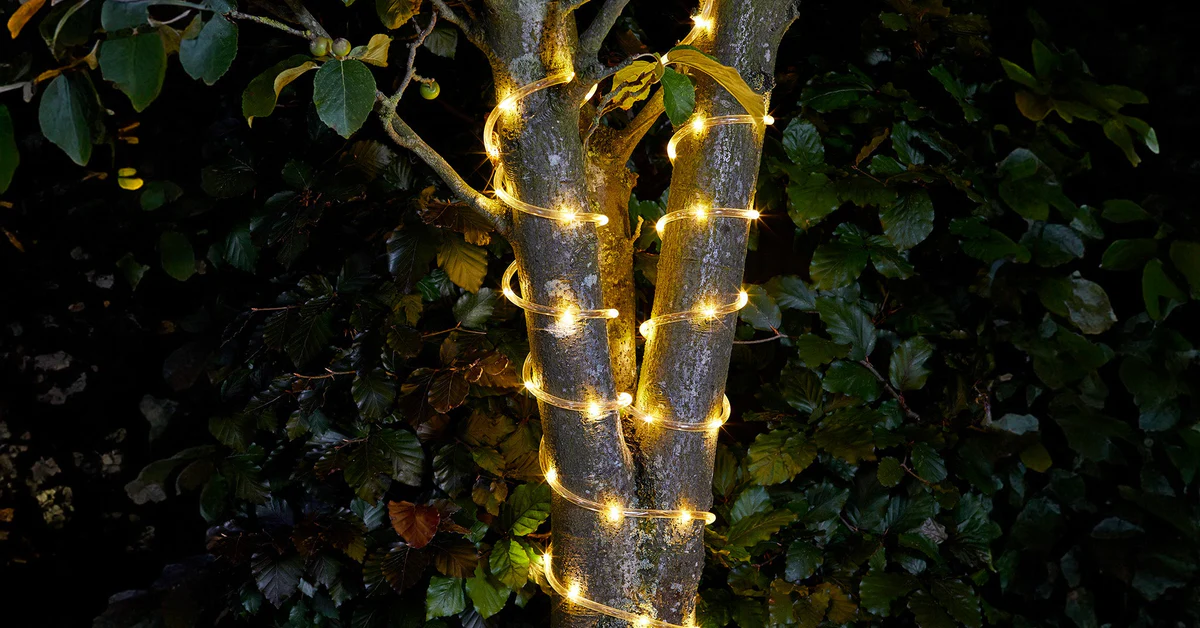
Solar string lights are the ones people picture first. Delicate little bulbs running along a wire. You drape them through tree branches, coil them around trunks, or run them along fence lines. They create atmosphere. They make your backyard feel intentional. My wife likes them better than anything else we own outside. We’ve had people specifically ask to come over and sit under the tree because the lighting is so pleasant.
The thing about string lights is they’re dim. They’re not meant to light a pathway or show security issues. They’re meant to make you want to sit outside and enjoy the evening. They do that incredibly well.
Uplights are spotlights mounted low, pointing up at tree trunks or branches. These show off tree structure. They create dramatic shadows on your house. They make trees look expensive and intentional. My neighbor did this with his big maple tree. At night it looks like museum lighting. Cost him about sixty dollars. Looks like he paid thousands.
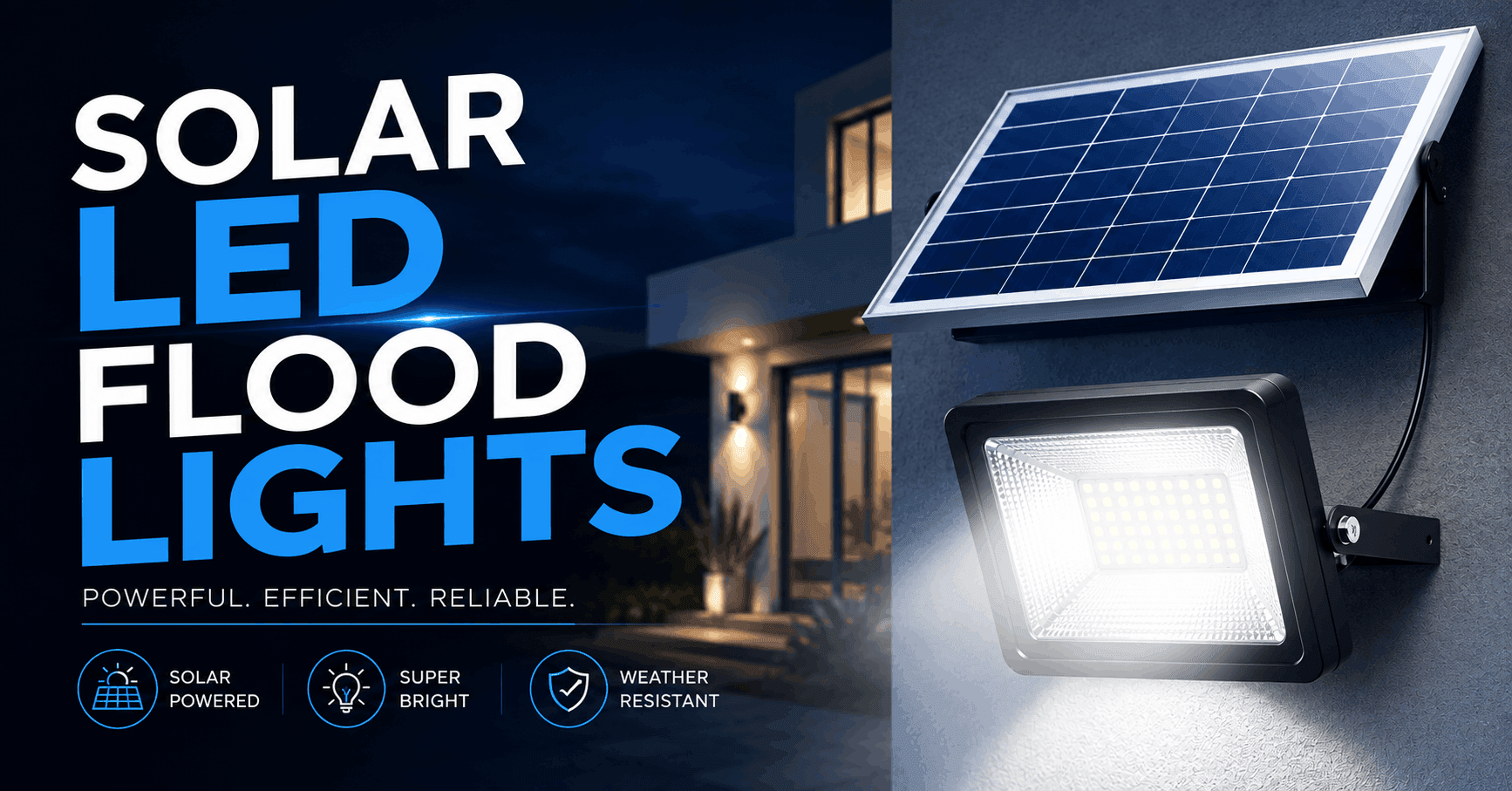
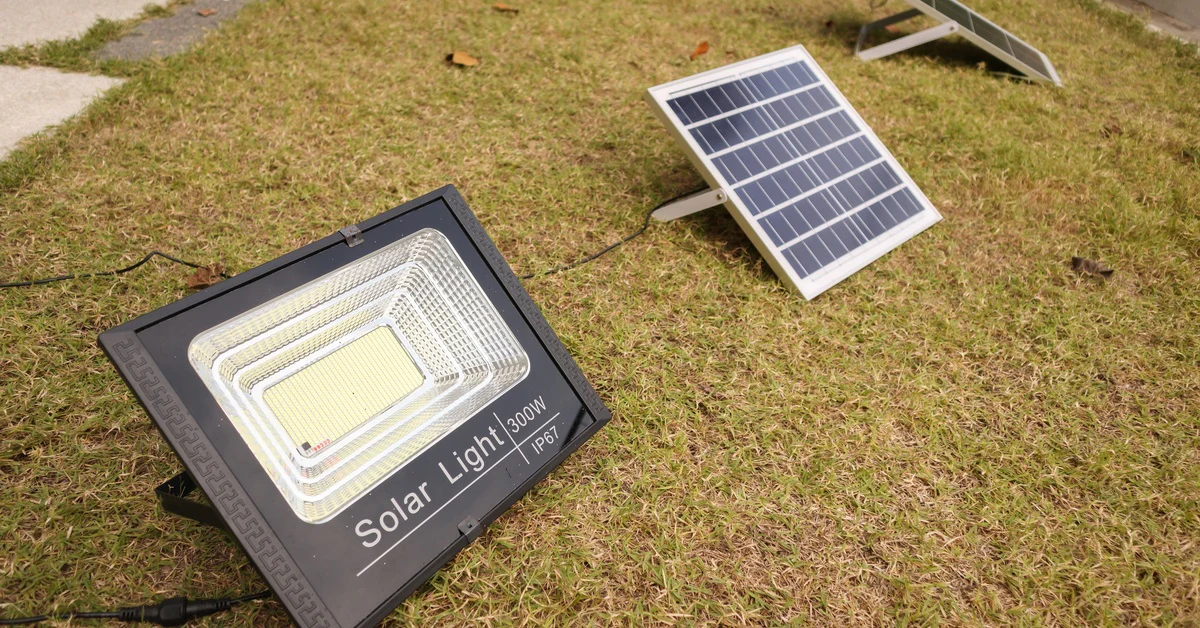
Spotlights and flood lights are brighter. These are for actual visibility. If you need to see a pathway or want security lighting that actually illuminates something, these work. They output real brightness. Eight hundred to a thousand lumens if you get decent ones. That’s equivalent to traditional sixty watt bulbs. They show detail. They work for safety.
Globe lights and fairy lights split the difference. They’re brighter than string lights but still create nice ambiance. People use these for entertaining areas where you want to actually see what you’re doing but don’t want harsh light.
Installation Is Stupid Simple
Seriously. This is almost embarrassing how easy it is.
For string lights, you clip or hook them onto branches. That’s it. Some people use those little plastic clips that snap on. Some just loop them over branches like they’re nothing. The solar panel mounts somewhere it gets sun. South-facing works best in northern areas. You need about four to six hours of direct sunlight daily. That’s not asking much. If your yard isn’t basically in a cave, you’re fine.
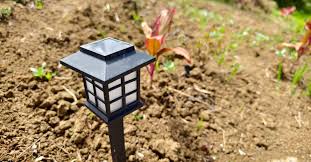
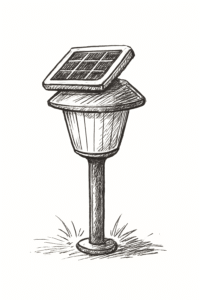
Stake lights go in the ground. Push. Done. Some people adjust the angle. Most people just stick them in and leave them. They auto-detect dusk and turn on. They auto-detect dawn and turn off. Built-in sensor. Automatic. You do nothing.
Wall-mounted versions screw on. Again, genuinely simple. Even my dad installed his. And my dad is not tech-oriented. He’s not handy. He literally just screwed them on and they worked.
The point is there’s no technical barrier. Not even a little bit. If you can put a lightbulb in a lamp, you can install solar tree lights.
Realistic Performance Expectations
Here’s where people sometimes get disappointed because they expect something unrealistic.
A solar light charges during the day. At night it runs off that battery power. How long it stays bright depends on battery size and brightness setting. Quality models run twelve to twenty hours on a full charge. Cheap models run maybe four to six hours. That matters if you want them shining through a whole evening and night.
The sun situation affects charging. Cloudy days? They still charge, just slower. A few weeks of gray weather? They charge slower still. In really dark climates, bigger solar panels help. But even people in Seattle say these work fine. Not perfect. Fine.
Battery quality makes a massive difference. Good lithium batteries last three years or more. Cheap batteries last one season. I’d rather spend eighty bucks and get three years than spend thirty bucks and replace it yearly. The math is obvious.
Brightness levels matter based on what you want. String lights are dim because they’re not supposed to be bright. That’s the point. Uplights are medium. Spotlights are actually bright. Know what you’re buying.
Waterproof ratings protect against weather. Look for IP65 or better. That means it handles rain, snow, dust. Your lights survive winter. Your lights survive being forgotten in a rainstorm. Peace of mind matters.
Real Stories From Real People
- My sister hated her backyard after dark. It disappeared into black nothing. She has three mature trees in her yard. She spent one hundred twenty dollars on solar uplights. Now her backyard is beautiful at night. She uses it in the evenings. People comment on how nice it looks when they visit. She feels like her whole property value increased even though technically it’s just lighting.
- Tom, my neighbor with the buried wiring, eventually ripped it out. He hired someone to remove the conduit. Then he installed solar lights. He spent maybe two hundred dollars total. He said later he was annoyed he didn’t just do that originally.
- My friend Derek lives in Minnesota. Harsh winters. Snow. Cold. He worried solar lights wouldn’t work. He bought four uplights on impulse. Three years later they’re still working. He’s replaced zero batteries. Says they work great even when snow covers them temporarily.
- Rachel, the person with the forty-five-dollar monthly bill, switched to solar. She looked at her next power bill and it was noticeably lower. Like obviously lower. She told everyone about it. Now three houses on her street have solar lights.
Why This Actually Matters Beyond Just Lighting
The money part is straightforward. Zero operating costs once you buy them. They typically pay for themselves in less than two years compared to traditional outdoor lighting. After that it’s basically free. That’s not opinion. That’s math.
The environmental side is real. Solar lights produce zero emissions while operating. You’re not pulling power from a grid that burns fossil fuels. You’re using actual sun. Over the lifespan of a light, the carbon reduction is measurable. One solar uplight saves about one ton of CO2 annually compared to a traditional outdoor light. That seems abstract until you think about it multiplied across thousands of homes.
The flexibility changes how you use your yard. You can try something, move it if you hate it, take it with you if you move. You’re not locked into permanent installations. That freedom matters more than it sounds.
Light pollution matters too. These lights are localized. They don’t spill into neighbors’ yards or light up the whole neighborhood. They brighten your space without aggravating the person next door.
Things That Actually Worry People
Do they work in cloudy places? Yes. Not optimally. But yes. My friend in Portland uses them. They work slower in winter with less daylight. They still work.
Will they survive harsh weather? Good ones will. Cheap ones might not. Same as anything. You get what you pay for. Quality solar lights with proper waterproofing handle seasons fine. Some people store them in extreme weather. Most don’t bother.
Are budget models worth it? Honestly, no. Save up for mid-range. You’ll be happier. Cheap ones fail quickly. It’s not worth replacing them every season.
Do they really turn on and off automatically? Yes. Photosensitive sensors detect darkness. They detect light. They turn on and off based on that. No timer. No manual switching. Automatic.
Starting Your Own Solar Lighting Project
Figure out what you actually want first. Ambiance? Get string lights. Drama? Uplights. Actual visibility? Spotlights. Different tools for different jobs.
Look at your yard honestly. How much direct sun does it get? If it’s basically full sun, any model works. Partial shade? You might want bigger panels. Heavy shade? You need quality panels that work in lower light.
Read real reviews from actual users. Not marketing reviews. Real ones where people talk about whether things worked in their climate, how long batteries lasted, what brightness was actually like. That information is gold.
Start small. Buy one. Install it. See if you like how it looks. Expand from there if you want. No reason to buy six lights before trying one.
Different brands have different quality levels. Some are trash. Some are solid. Some are really good. Mid-range usually beats budget. Premium beats mid-range. You don’t need premium for outdoor lights. Mid-range is the sweet spot.
The Actual Takeaway
Solar tree lights work. They’re cheap. They install in minutes. They cost nothing to operate. They don’t require professionals or permanent installation. They look good. They work in most climates. They last years if you pick decent quality.
The question isn’t whether they work. The question is why you’re not using them yet. Your trees could be glowing tonight if you wanted. Your yard could look intentional and beautiful after dark. Your electricity bill could be lower. Your installation could take the time it takes to drink a cup of coffee.
My neighbor Tom should have done this three years ago. You don’t have to make that mistake.
Summary
Solar tree lights are changing how people light their gardens. You get no wiring hassles, no electrician bills, and basically free lighting once you buy them. String lights create magic in your trees, uplights show off tree trunks beautifully, and spotlights handle security and visibility. They save hundreds yearly on electricity and cut your carbon footprint. Installation takes minutes. These lights work in most climates and last for years if you pick decent quality.