Table of Contents
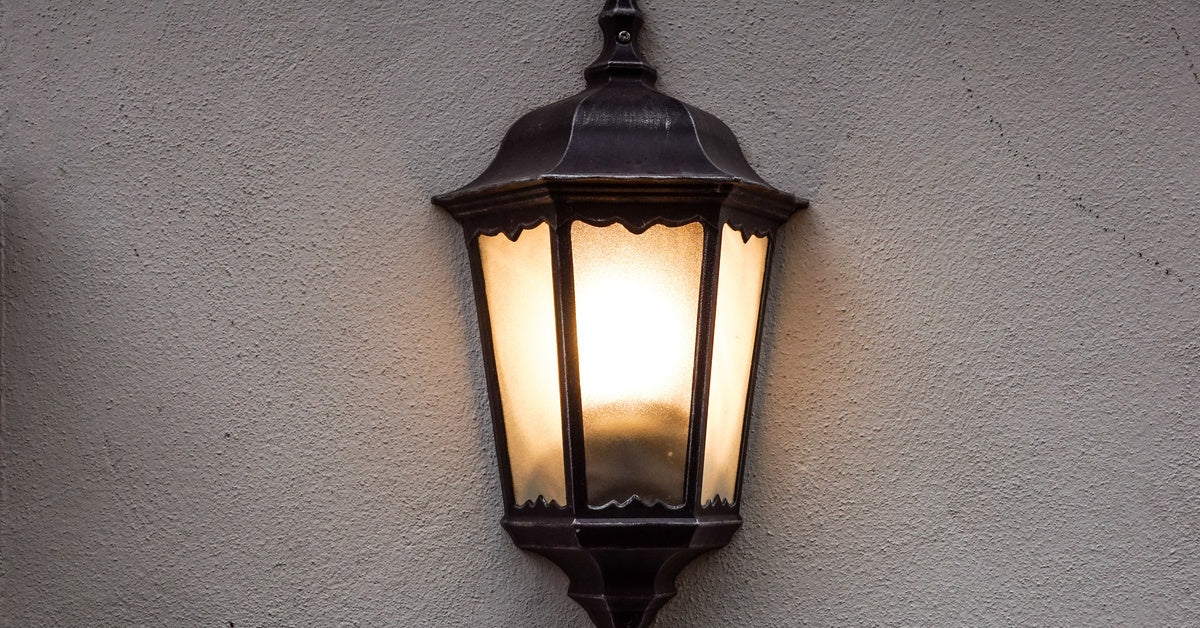
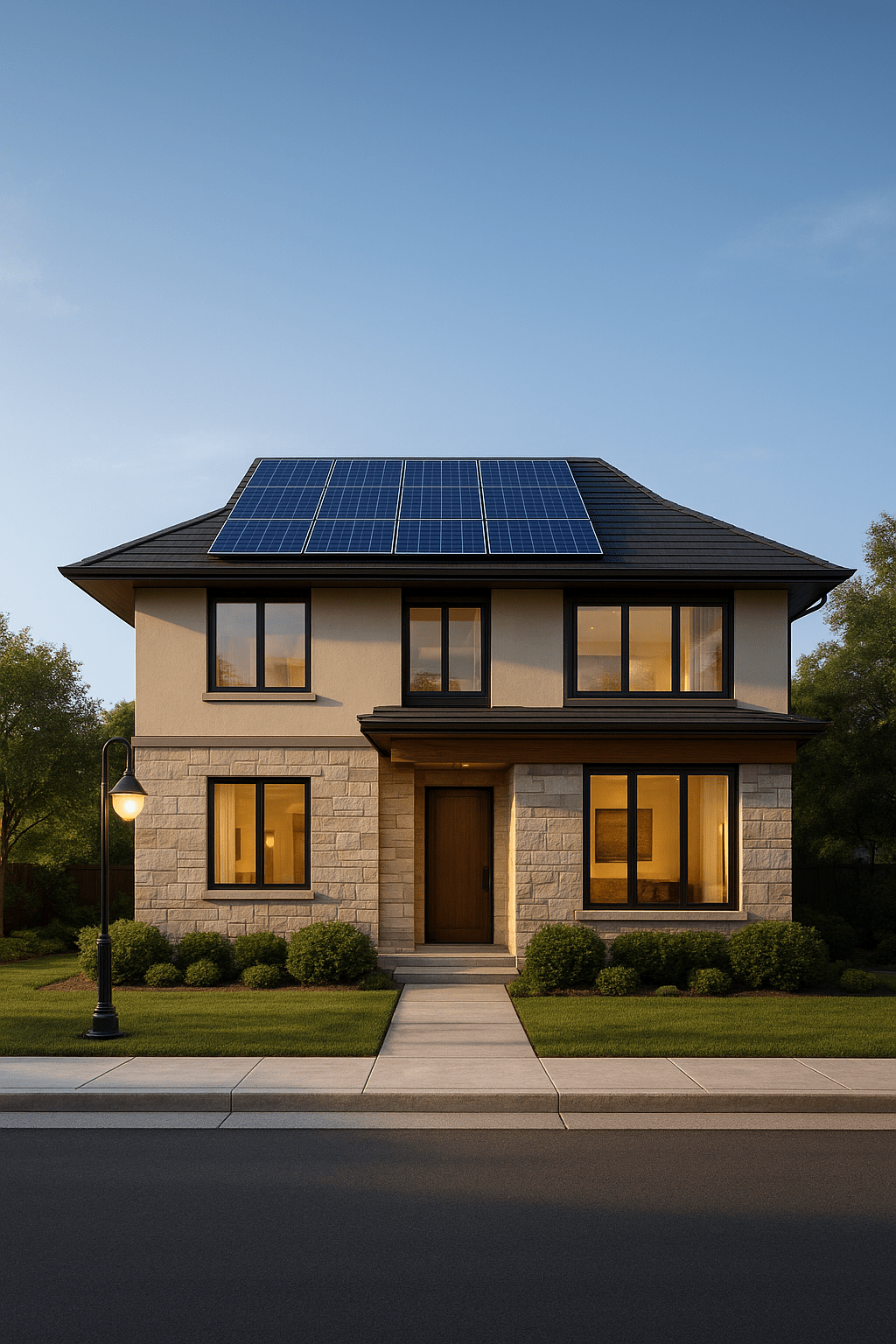
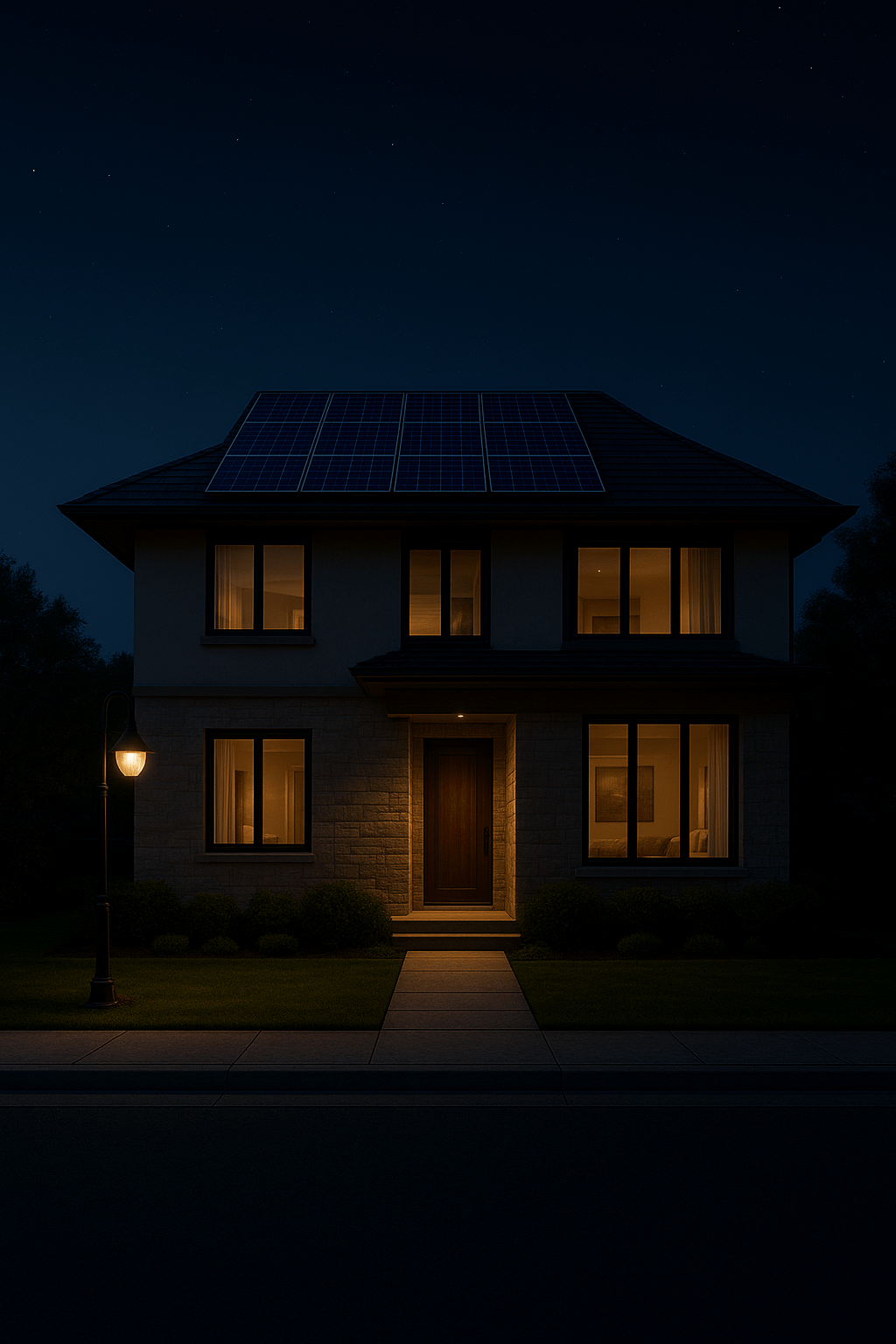
Your house looks great at noon. By 8 p.m. it’s a dark rectangle on the street. Solar facade lights fix that, and the 2026 lineup does it without a single wire running through your wall.
Why Modern Homes Need Solar Facade Lighting Right Now
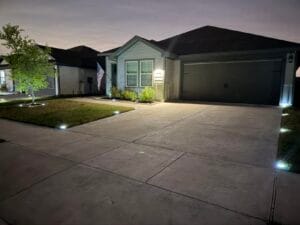
A dark exterior hides your front door from guests and your driveway from you. It also signals, fairly or not, that nobody’s watching the place. Illuminated homes read as occupied homes, and most break-in attempts target the house that’s dark over the one that isn’t.
Wired lighting solves the visibility problem but brings an electrician, a trench across the lawn, and a small bump in your electric bill. Solar fixtures skip that whole process. Mount one, let it charge through the day, and it switches on at dusk on its own.
That’s really the whole pitch: better curb appeal and better security, at no ongoing cost. It’s why solar wall lighting stopped being a garden-store afterthought and became a standard line item on modern exteriors.
Quick Buying Checklist: What Makes a Solar Facade Light Worth It
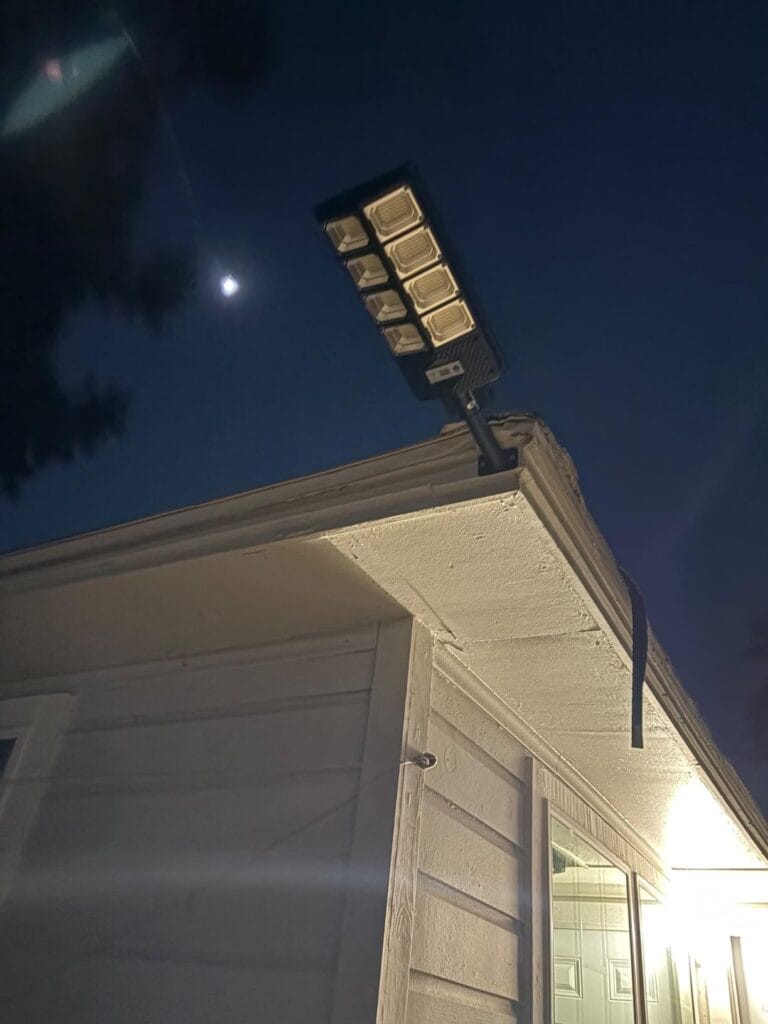
Run any fixture you’re considering against these five points first. Miss one, and it usually shows up as a complaint by the second autumn.
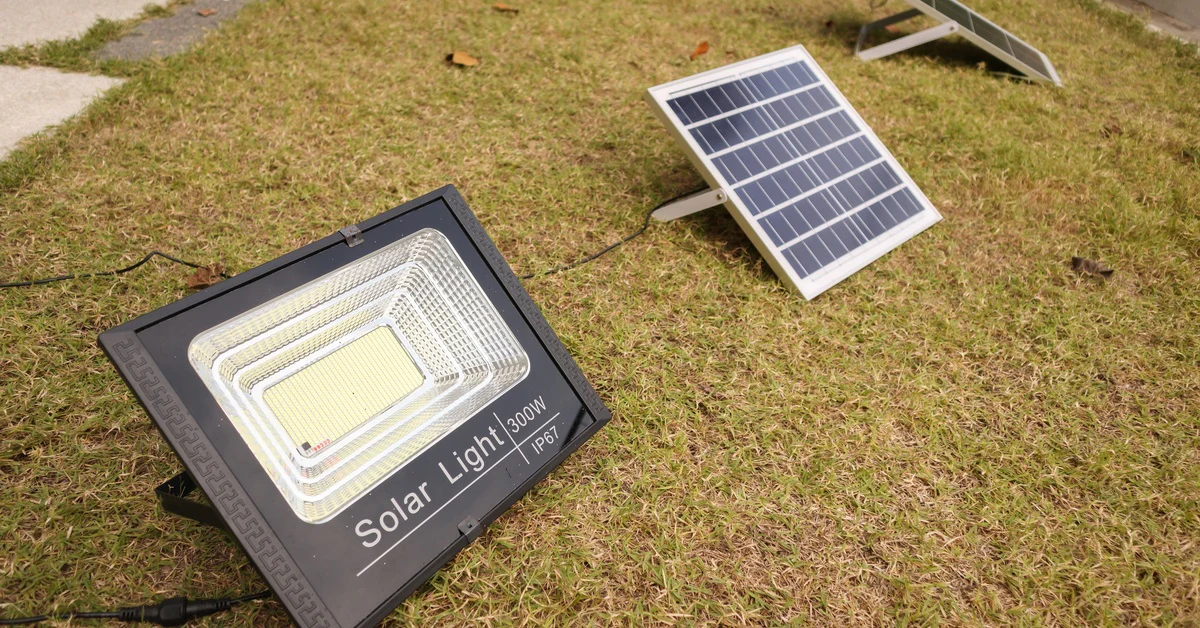
- Lumens: 50–200 lm suits accent and architectural lighting. Security fixtures need 300 lm or higher to actually do their job, per lumen guidance from outdoor lighting retailers.
- IP rating: IP65 is the floor for an exposed wall. Coastal air, sprinklers, or heavy rain push that up to IP66 or IP67.
- Battery type: Lithium iron phosphate (LiFePO4) tolerates cold and repeated charge cycles better than standard lithium-ion, and it simply lasts longer.
- Panel efficiency: Monocrystalline panels run 17–22% efficient. Polycrystalline sits at 13–16%, which is noticeable fast on a shaded or north-facing wall.
- Color temperature: 2700K–3000K reads as warm and residential. 5000K–6000K reads as security lighting. Pick based on the job, not just the look.
Everything past this list, finish, smart features, shape, is style. This list is the part that determines whether the light still works in eleven months.
Best Solar Facade Lights for Modern Homes in 2026 (Top Picks)
1. Access Fixtures WULI Solar LED Wall Pack
Best for actual architectural wall-washing
The WULI runs a monocrystalline panel and a LiFePO4 battery inside an IP66, aluminum-alloy housing, and Access Fixtures rates it for a full night of light off roughly four hours of daytime charge. The pivoting mount aims light downward, outward, or flat against the wall, which is the difference between “a light on the wall” and an actual wash of light across it.
Where it costs you: this is priced and built like a commercial fixture, not a $30 impulse buy. If your budget stops at “decorative,” look further down this list.
2. 17 Stories Salissa Solar Wall Light (AllModern)
The easiest install on this list
Cast aluminum, rust-resistant, mounted with basic hardware, no wiring at all. AllModern buyers consistently mention how little effort the install takes, and it runs up to 12 hours on warm white light per charge.
It’s not a security fixture, the output is decorative, not floodlight-bright. But if you want your exterior to look finished by Saturday afternoon, this is the one.
3. Linkind Outdoor Wall Light with Motion Sensor
Best for homes where security comes first
Linkind’s panel runs around 22% conversion efficiency, which means faster recharge on short winter days when you need it most. Pair that with the motion sensor and app scheduling, and this stops being a passive porch accessory and starts doing actual security work at your entry points and garage.
One caveat: dense shrubbery or a low fence in the sensor’s path can trigger false activations. Give it a clear line of sight before you commit to a spot.
4. Linkind SL5C Smart Outdoor Solar Spotlight
Best for accent and texture, not security
150 lumens, IP67-rated, with app and voice control and adjustable color output. Point it at brickwork, a column, or a textured feature wall, and it does what a good accent light is supposed to do, draw the eye to one spot instead of flooding the whole facade.
Don’t rely on it alone near an entrance. It’s an accent tool. Pair it with something brighter if security is part of the goal.
Comparison at a Glance: Which One Fits Your Home & Budget
| Fixture | Brightness | Price Tier | Style | Best Use Case |
|---|---|---|---|---|
| Access Fixtures WULI | Full-night wall wash | Premium | Minimalist, architectural | Whole-facade lighting |
| 17 Stories Salissa | Warm white, ~12-hr runtime | Mid-range | Classic-modern hybrid | Fast, wireless upgrade |
| Linkind Motion Sensor Wall Light | Motion-activated | Budget–mid | Sleek, functional | Entryways and security |
| Linkind SL5C Spotlight | 150 lumens | Mid-range | Contemporary, smart | Accent and texture highlights |
How to Install Them for Maximum Impact
Position beats fixture choice almost every time. South-, east-, or west-facing walls collect the most usable sun. Start your placement decision there, not with “where does it look best.”
Match the panel’s tilt and mounting height to what the manufacturer recommends. A slightly wrong angle undercharges the unit even in a sunny yard, and that’s the single biggest reason solar lights underperform — not the product, the placement.
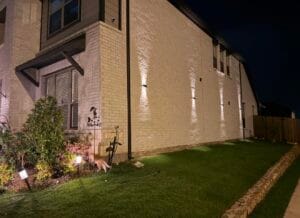
For a genuinely designed look, don’t rely on one fixture type across the whole facade. Mix uplights with downlights to bring out brick or stone texture. Add a grazing light along a rough wall to show depth after dark. And angle everything away from windows, your own and your neighbor’s. A glaring facade light helps nobody sleep.
Real Homeowner Tips & Mistakes to Avoid
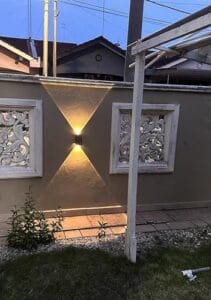
The most common regret: buying on looks alone. A sleek housing over a weak battery and a cheap polycrystalline panel tends to fall apart in performance right around late autumn, when daylight hours shrink and the fixture needs to work hardest.
A less obvious mistake, mounting the panel under an eave “for protection.” That overhang blocks the exact sunlight the panel needs. Give it an open view of the sky, even if that means running the panel a foot or two away from the light head itself.
Materials matter more than most people budget for. UV-stabilized aluminum or stainless steel holds up for years. Budget plastic fades and cracks in a single season outdoors. And one social note: talk to your neighbor before installing anything bright near a shared fence line. It costs five minutes and avoids a genuinely annoying dispute later.
FAQs
Are solar facade lights bright enough for security?
Yes, at 300 lumens or above with a motion sensor. Anything under 200 lumens is built for accent lighting, not deterrence — don’t expect a decorative fixture to do a security fixture’s job.
Do solar facade lights work in winter?
Yes, though runtime drops as daylight hours shrink. Fixtures with LiFePO4 batteries and monocrystalline panels hold up noticeably better through winter than budget lithium-ion alternatives.
Do I need an electrician to install them?
No. That’s the core appeal of the category. Nearly all solar facade lights mount with basic screws or brackets and need zero wiring.
How long do the batteries last?
LiFePO4 batteries handle thousands of charge cycles before performance drops meaningfully, typically several years of nightly use before a replacement makes sense.
Summary
For most homeowners, the 17 Stories Salissa Solar Wall Light is the safe call. It goes up in an afternoon, needs no wiring, and looks modern without asking you to think about panel tilt or pivoting mounts.
If the goal is a full architectural upgrade rather than a quick fix, the Access Fixtures WULI Solar LED Wall Pack is worth the higher price. It’s the only fixture on this list actually built to wash a wall in light rather than just mark it with one.
Pick based on what you’re solving for: a weekend project, or a facade that looks designed on purpose.
Related Articles
- Best Solar Ball Lights for Garden Patio 2026
- Best Solar pillar lights in 2026
- Best Solar hanging lights outdoor
- LANTERN STYLE SOLAR LIGHTS: ELEGANCE MEETS FUNCTION
- Tiki Torch Solar Lights: The Safe Beautiful Way to Light Your Backyard
- Solar Unicorn Garden Lights For Kids
- Star Solar Lights Outdoor
- Neon Style Solar Lights for Outdoor Decor 2026
- BLACK SOLAR LIGHTS FOR YOUR HOME
- Best Flat solar lights in 2026
- Best Square Solar Lights for Modern Outdoor Spaces in 2026
- Best Cube Solar Lights Outdoor Decor 2026
- Mosaic Solar Lights: Add Color and Character to Your Garden Tonight
- Solar Sunflower Light: The Best Way to Brighten Your Garden Naturally
- Best Solar Powered Lighthouse Rotating Beacon 2026