Table of Contents
SOLAR LIGHTS WORK WELL IN QATAR FOR CHARGING
I moved to Qatar three years ago and brought solar lights expecting them to fail immediately. The heat seemed like it would destroy everything. I was wrong about the destruction part but right about the intensity.
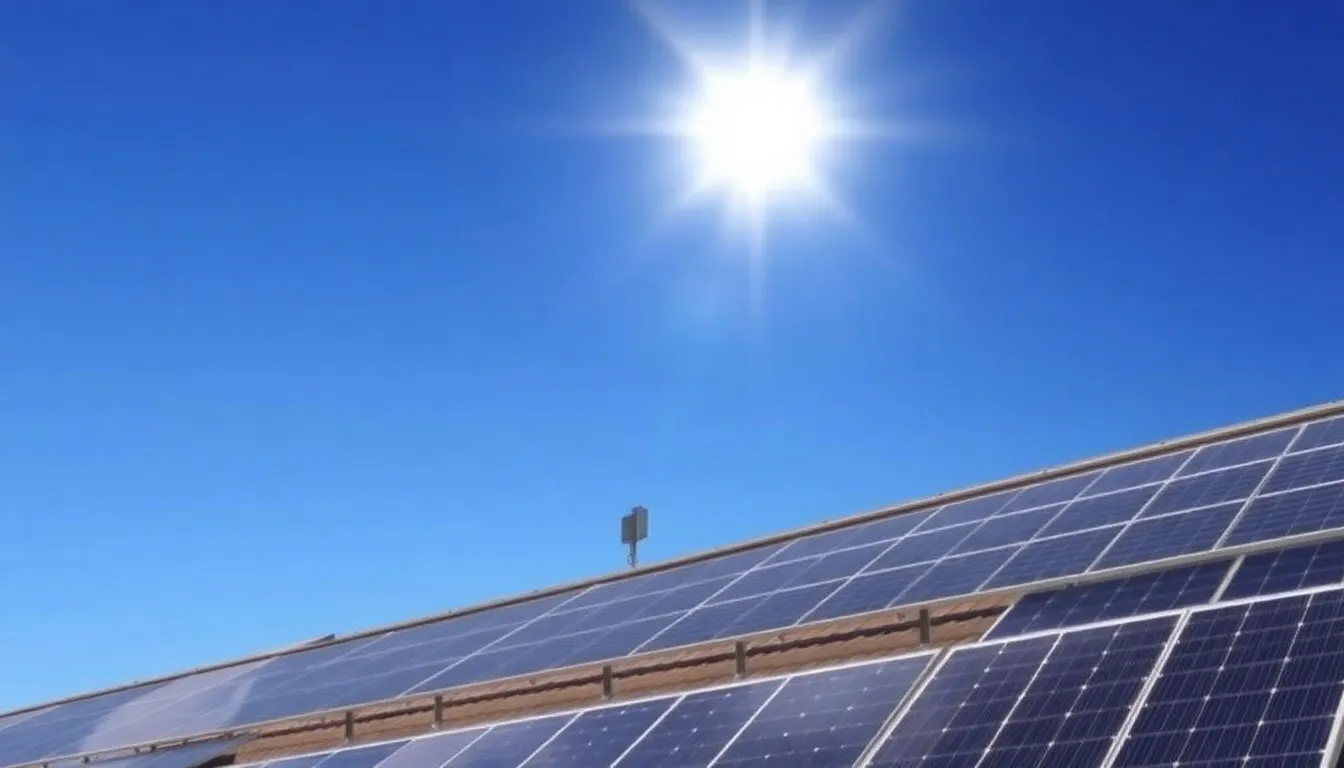
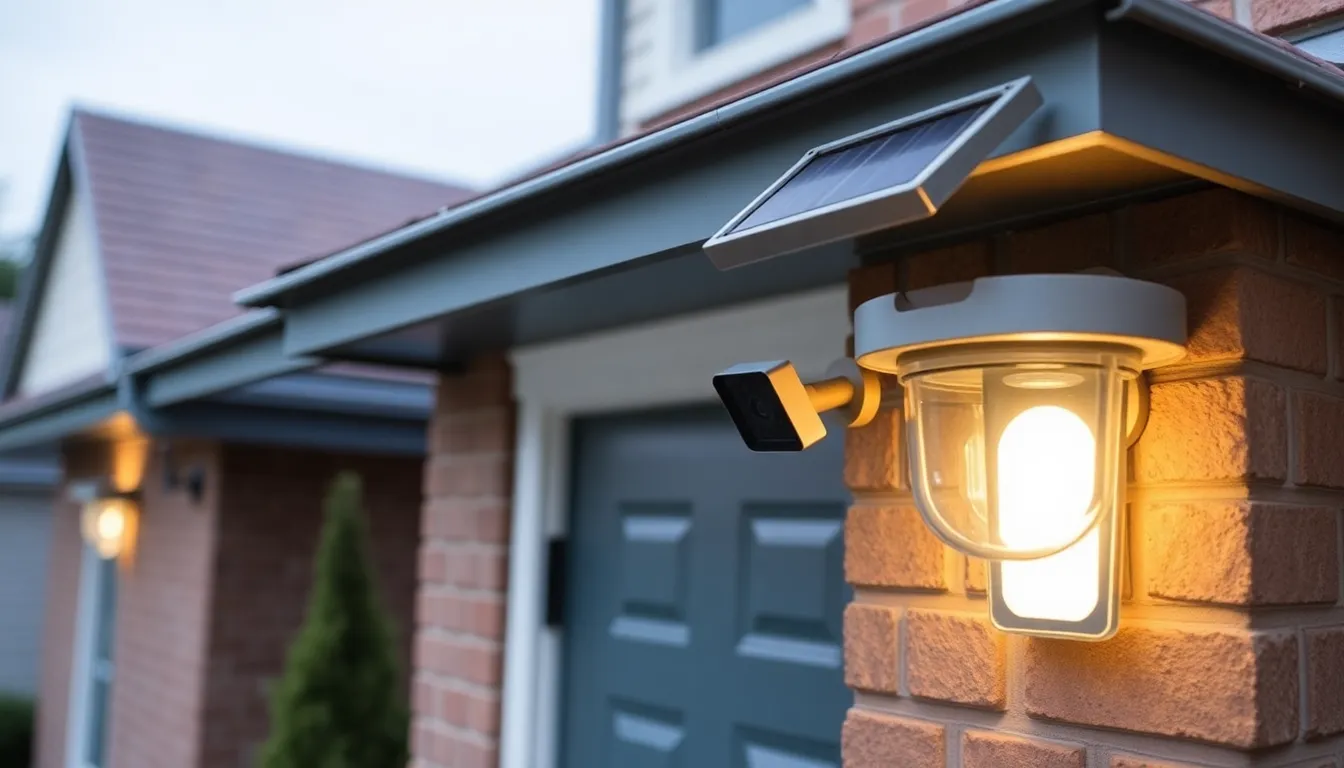
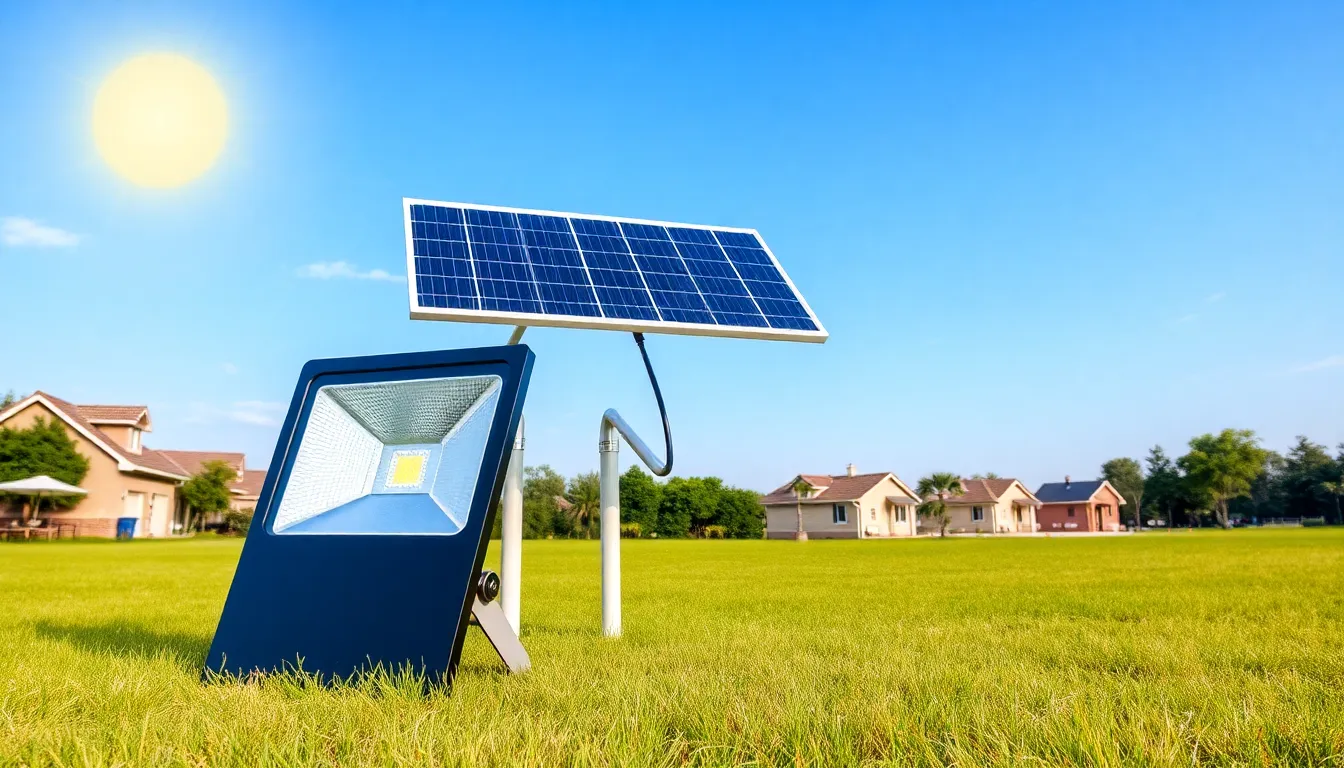
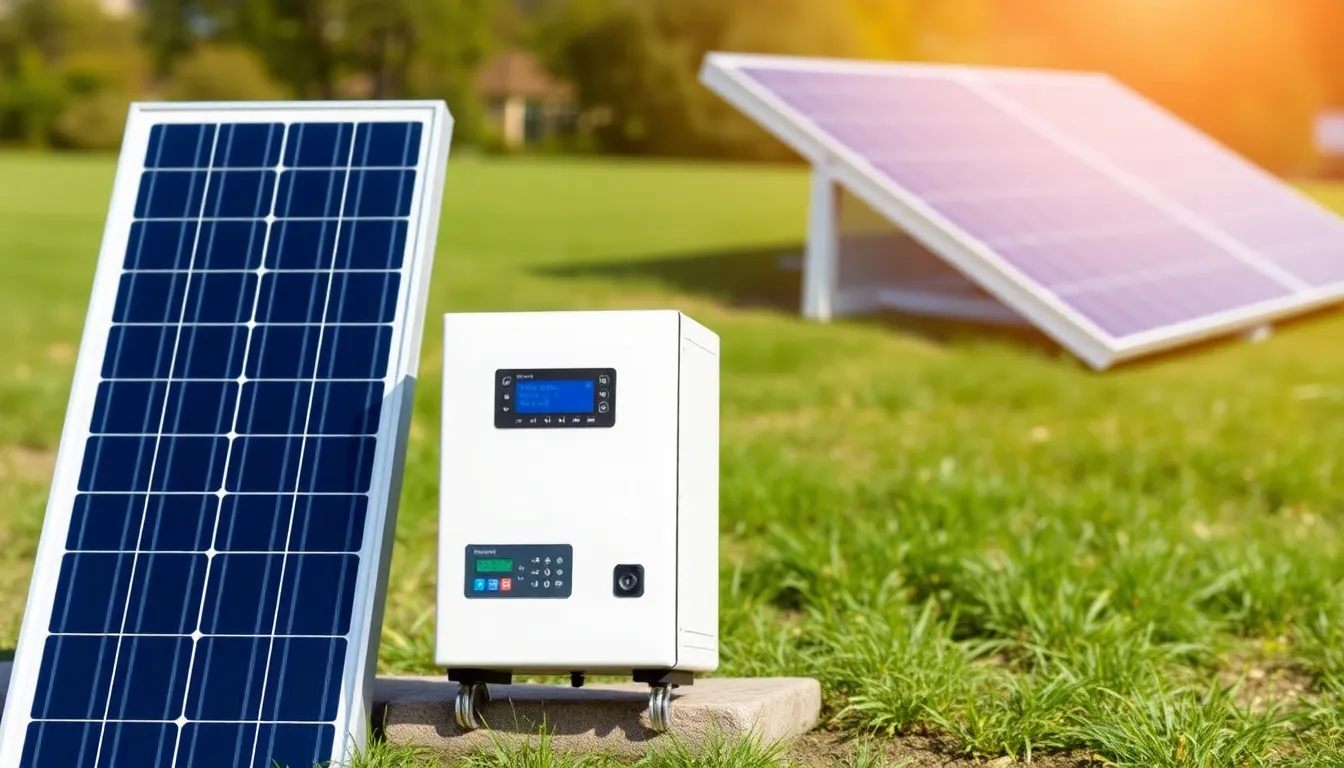
Solar lights charge incredibly fast here. The sun is relentless. A light that would take eight hours to charge fully in most places charges completely in four hours in Qatar. The intensity is unmatched.
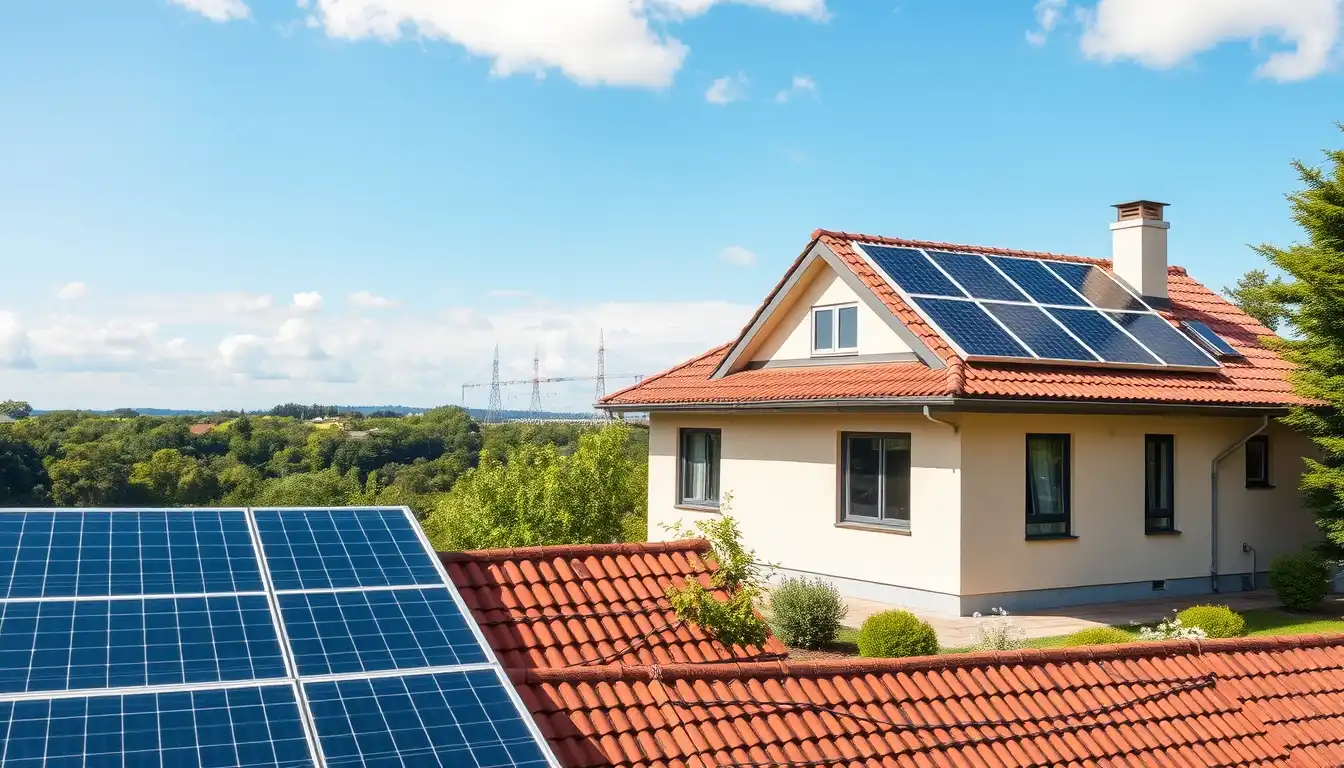
Year-round consistent sun means consistent charging. No winter slowdown like Colorado or Colorado experiences. December charging is almost as good as July. That’s the massive advantage of desert climate.
The brightness output in summer is almost too much. Even at lowest setting, the light is bright. This is because the battery charges so completely and stays charged. You get full power lights constantly.
My biggest surprise is how often I’m cleaning panels. Sand and dust accumulate rapidly. Every two weeks the panels are noticeably dusty. Clean them and charging jumps immediately.
The charging advantage is real and significant. Qatar’s location near the equator and clear sky conditions create perfect solar charging environment. If you can handle the heat problems, the charging is fantastic.
Neighbors thought I was crazy buying solar lights in Qatar. They said the heat would melt them in weeks. Three years later mine are still working perfectly. Heat is survivable if you choose quality.
QATAR SUMMER HEAT DESTROYS CHEAP LIGHTS
Qatar summer temperatures regularly hit 48 to 52 degrees Celsius. Sometimes higher. This is legitimately extreme heat. Nothing in temperate climates prepares you for this.
Cheap plastic solar lights degrade rapidly in this heat. The plastic softens. The finish peels. The seals fail. I watched my neighbor’s cheap lights literally melt and deform in July heat.
Quality solar lights with premium materials handle the heat. Metal components with excellent seals survive. Thick plastic or glass hold up. But cheap lights are genuinely toast within one season.
The battery inside is the real concern. Lithium batteries don’t like extreme heat. Performance drops in very high temperatures. Mine dims noticeably in peak July heat even though charged fully.
Battery life is shortened by heat. A battery lasting five years in moderate climate might last two years in Qatar. This is real cost impact.
Electronics inside suffer from heat stress. Sensors become less sensitive. LED efficiency drops slightly. Nothing fails catastrophically but performance degrades.
Expansion and contraction from temperature swings damages seals. Day temperature is scorching. Night temperature is reasonable. This constant cycle stresses materials.
I learned to expect degradation. Replace batteries annually instead of every three years. Replace lights every two to three years instead of five. That’s the cost of Qatar’s heat.
DUST AND SAND ARE THE REAL PROBLEM
Heat is challenging but manageable. Dust and sand are genuinely problematic.
Sand from the desert gets everywhere. Windows, cars, clothes, yard. Solar panels get covered in fine sand that blocks sunlight. This is worse than any cloudy weather. Dust storms happen regularly in spring and occasionally other times. Visibility drops to near zero. Your yard is covered in fine sand. Solar panels are coated with dust. Cleaning panels becomes mandatory maintenance, not optional. Once weekly minimum during dusty season. Twice weekly if you want optimal performance.
The dust isn’t just on the surface either. It works into cracks and seals. Over time this accumulation damages the light. Moisture gets trapped under dust layers. Some neighbors ignore the dust and accept reduced performance. Others like me clean constantly to maintain charging. Your preference determines maintenance burden. The sand is so fine that it works past basic seals. Quality waterproof seals resist it better but nothing is completely dust proof in Qatar. I use compressed air to blow dust off panels. Takes ten seconds per light. Monthly this adds up to real time but it’s necessary. Protective covers exist for solar panels during storm season. Some residents install these. They reduce damage but require removal before charging. The dust problem is worse than heat actually. Heat is predictable. Dust is constant and requires active management.
YEAR ROUND EXCELLENT CHARGING
The charging advantage is massive year round. Even December and January have powerful sun. Morning sun is available by 6:00 AM almost every day. Charging starts early. By afternoon panels are full. Cloudy days are extremely rare. Maybe three or four days per year have clouds. You plan for this.
Rain is almost nonexistent. Maybe once per year. This means panels are always available to charge. No rain reducing efficiency. Winter is as good as spring here. Temperature is pleasant but sun is still intense. Lights charge fully every single day. The consistency is the real advantage. You never have extended cloudy periods that plague other climates. Charging is reliable and predictable.
This means even smaller solar panels charge efficiently. Lights with minimal panels work fine here because the sun is so intense. Battery capacity doesn’t need to be oversized for winter. Summer charging is so good that standard batteries handle winter easily. I charge lights during the day and they run all night easily. Twelve to fourteen hours of light is normal. No complaints about battery capacity. The charging advantage almost justifies the heat and dust problems. Almost. The heat and dust still create issues but the charging benefit is real.
MAINTENANCE IS CONSTANT
- Cleaning panels is mandatory. I do it weekly minimum. Twice weekly during dusty season.
- Inspecting seals regularly prevents moisture damage. Openings where sand can get inside need attention.
- Battery replacement should be annual or every eighteen months. The heat shortens battery life. Budget for this replacement cost.
- Check for corrosion on metal parts. The heat and dust combination promotes rust. Quality coatings resist this but inspection catches early problems.
- Gel or silicone sealant around seals needs reapplication periodically. Sand works into original seals creating entry points for moisture. Resealing prevents this.
- LED bulbs last forever theoretically. But the heat means you might replace lights before LEDs fail. Not because LED dies but because whole light degrades.
- Wiring inside sometimes needs checking. Heat can degrade insulation. Cracks in plastic housing need attention before moisture gets inside.
- Proper ventilation in light housing is crucial. Trapped heat makes problems worse. Some residents drill small drainage holes in light bottoms to prevent moisture accumulation.
- The maintenance burden is real. This isn’t set and forget lighting. You’re actively managing lights to keep them working.
- I budget one hour monthly for light maintenance. Cleaning panels, checking seals, inspecting for damage. This isn’t excessive but it’s necessary.
MATERIAL QUALITY IS ABSOLUTELY CRITICAL
Buy the best quality lights you can afford. The heat and dust will destroy cheap lights quickly.
- Stainless steel components are worth the cost. Regular metal corrodes in Qatar. Stainless resists the corrosion.
- Premium seals with marine grade materials last longer. Cheap seals fail in heat. Good seals resist better.
- Tempered glass is better than regular plastic. Glass handles heat and doesn’t degrade like plastic does.
- Thick gauge metals in construction matter. Thin metal expands and contracts excessively. Thick material handles cycling better.
- Solar panel quality is crucial. Cheap panels lose efficiency faster in heat. Quality monocrystalline panels maintain efficiency.
- Battery quality determines lifespan. Good lithium batteries tolerate heat better. Cheap batteries fail prematurely.
- Paint and finishes matter. Premium powder coating resists sand and sun better. Cheap paint peels and chips rapidly.
- I spent extra money on quality lights and regret nothing. The cheap option would have required replacement already. Quality lights are still working fine.
- Don’t cheap out in Qatar. The climate is harsh. Quality materials are investment that pays back through longevity.
PLACEMENT STRATEGY IN QATAR
- Place lights where they get maximum sun exposure. This is nearly everywhere but north facing walls still don’t get as much sun as south facing.
- Shade is minimal issue in Qatar. Very few trees exist. Even on rare cloudy day, shadows are limited. Place lights anywhere and they charge.
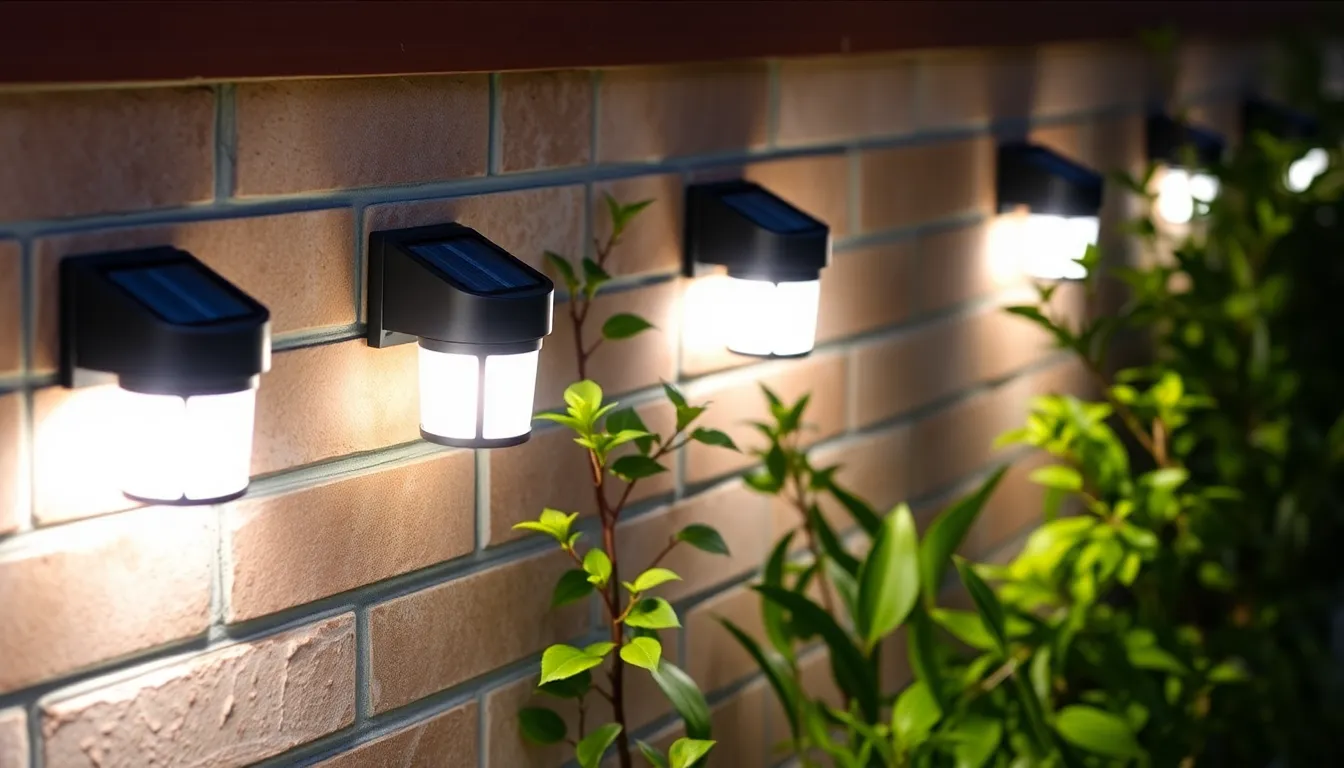
- Wind from sea breezes can be strong. Place stake lights where they’re secure. Wall mount lights on solid structures.
- Heat reflection from surfaces is real. White walls and light colored surfaces reflect heat. Place lights where heat reflection is minimal if possible.
- Sand drifts against south facing structures. Your light might get buried under sand during wind events. Monitor and clear if needed.
- Proximity to salt air if you’re near coast increases corrosion. Inland locations have less salt damage. Factor this into placement if coastal.
- Accessibility for cleaning should influence placement. Lights you can’t easily reach won’t get cleaned. Dirty lights underperform. Place where you can maintain them.
I placed lights on walls and fence where I can reach them easily. I avoided hard-to-reach spots even if placement was otherwise good. Maintainability matters.
COST CONSIDERATIONS IN QATAR
Solar lights cost more in Qatar than many places. Shipping to Gulf region adds cost. Limited selection means less price competition.
Quality lights worth buying are definitely expensive. Budget for premium options. Cheap lights are false economy.
Battery replacement is ongoing cost. Budget fifteen to twenty dollars annually per light for batteries.
Maintenance time has value. If you’re paying someone to clean lights, that’s additional cost. DIY saves money.
The heat shortens lifespan. Expect replacement of entire lights more frequently than other climates. Budget accordingly.
Electricity savings is not huge driver in Qatar. Power is subsidized and cheap. You’re not saving much money. You’re choosing solar for other reasons.
The financial case for solar in Qatar is weaker than temperate climates. You’re buying for reliability and independence more than cost savings.
Accept that solar in Qatar is cost investment in quality system not financial savings play.
REAL WORLD PERFORMANCE EXPECTATIONS
- My lights work reliably year round. No failures. No catastrophic problems. Just gradual degradation.
- Battery life shortened to two to three years instead of five. Acceptable if you budget for replacement.
- Light output is consistently bright. Never dim from undercharging. The sun keeps them powered fully.
- Cleaning every week is maintenance reality. This is cost in time but necessary.
- Dust storms temporarily disable lights until cleaning. Plan for this occasionally.
- Summer heat doesn’t prevent function. Lights work in 50 degree heat. Just slower battery drain and degradation.
- Winter is excellent. Cool temperatures and bright sun. Best season for solar lights in Qatar.
- Three year track record shows the system is sustainable if you maintain properly.
- I’m satisfied with choice. The constant sun compensates for the challenges. I’d make same choice again.
MY QATAR RECOMMENDATION
- Buy quality solar lights. Don’t compromise. Cheap lights won’t survive.
- Plan for annual battery replacement. Budget this cost from start.
- Clean panels weekly. Mark it on calendar as recurring task. Don’t let dust accumulation happen.
- Use stainless steel hardware. Replace cheap fasteners with quality. Small cost prevents rust problems.
- Monitor seals for degradation. Reseal if needed. Small maintenance prevents large problems.
- Place lights where you can access them easily. Maintenance accessibility matters.
- Accept that lifespan is shorter. Two to three years is realistic instead of five. This isn’t failure, it’s climate reality.
- The charging advantage is real. Your lights work reliably and brightly year round. The heat and dust are manageable with attention.
Qatar’s climate is harsh on equipment. Solar lights work here but require quality choice and active maintenance. Do both and you’ll be satisfied.
SUMMARY
Qatar’s intense heat, abundant sunshine, and desert conditions create unique challenges for solar lights. They charge exceptionally well because of year-round sun exposure but suffer from extreme temperatures exceeding 50 degrees Celsius in summer. Dust storms and sand accumulation damage panels and seals. This guide covers what Qatar residents need to know about choosing, maintaining, and expecting from solar lights in Gulf climate conditions.