Table of Contents
How Solar Roundabout Lights Transformed Our Dangerous Intersection Into A Safe Community Space
When Our Intersection Killed Somebody
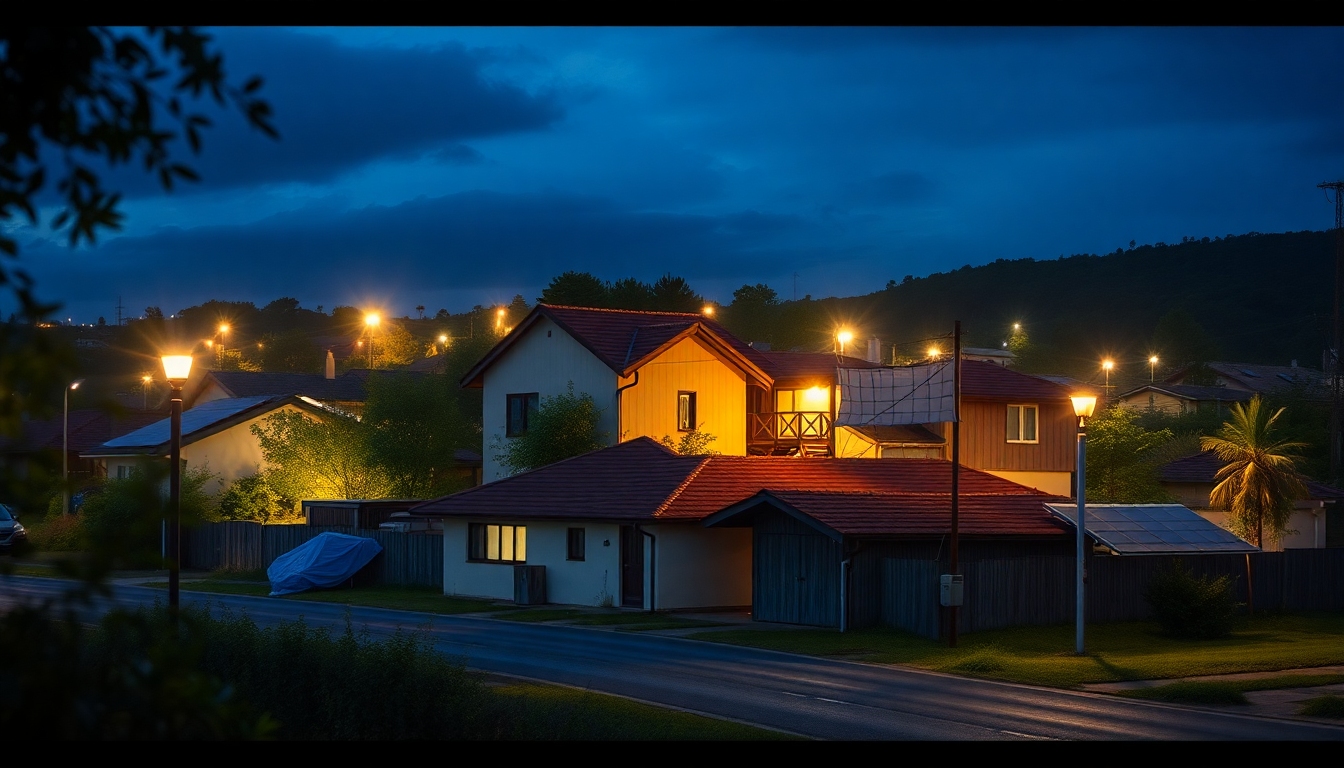
We had a dangerous intersection. Four-way stop. Multiple crashes every year. One fatal accident in 2024. The intersection was dark at night. Drivers couldn’t see pedestrians. Pedestrians couldn’t see approaching vehicles. It felt inevitable that someone would die. The city discussed traditional traffic lights. Expensive. Complicated wiring. Long installation. Nobody felt urgent about it because the project would take years to complete. Then a safety consultant suggested a roundabout with solar lighting. The idea seemed radical. But the data was compelling. I supported it. The city approved it. Construction began in late 2025. The project completion is scheduled for late 2026.
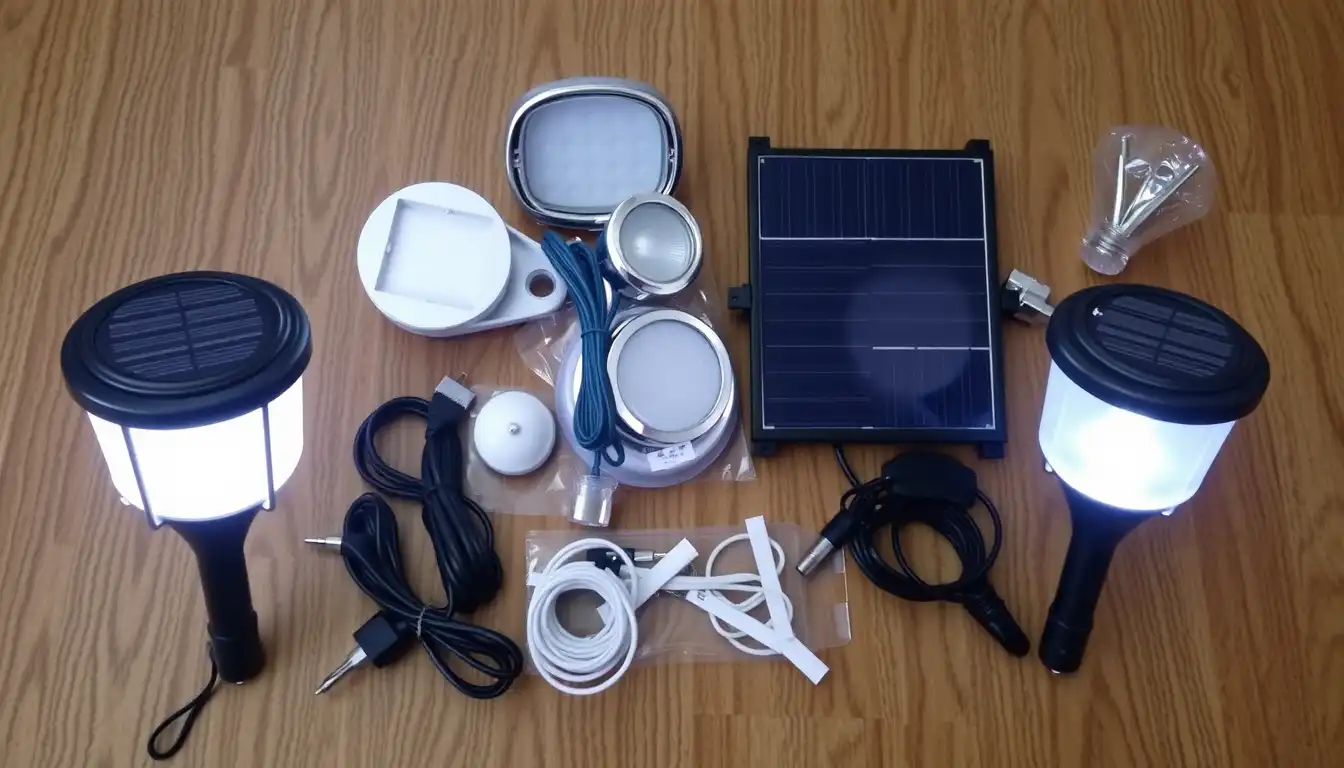
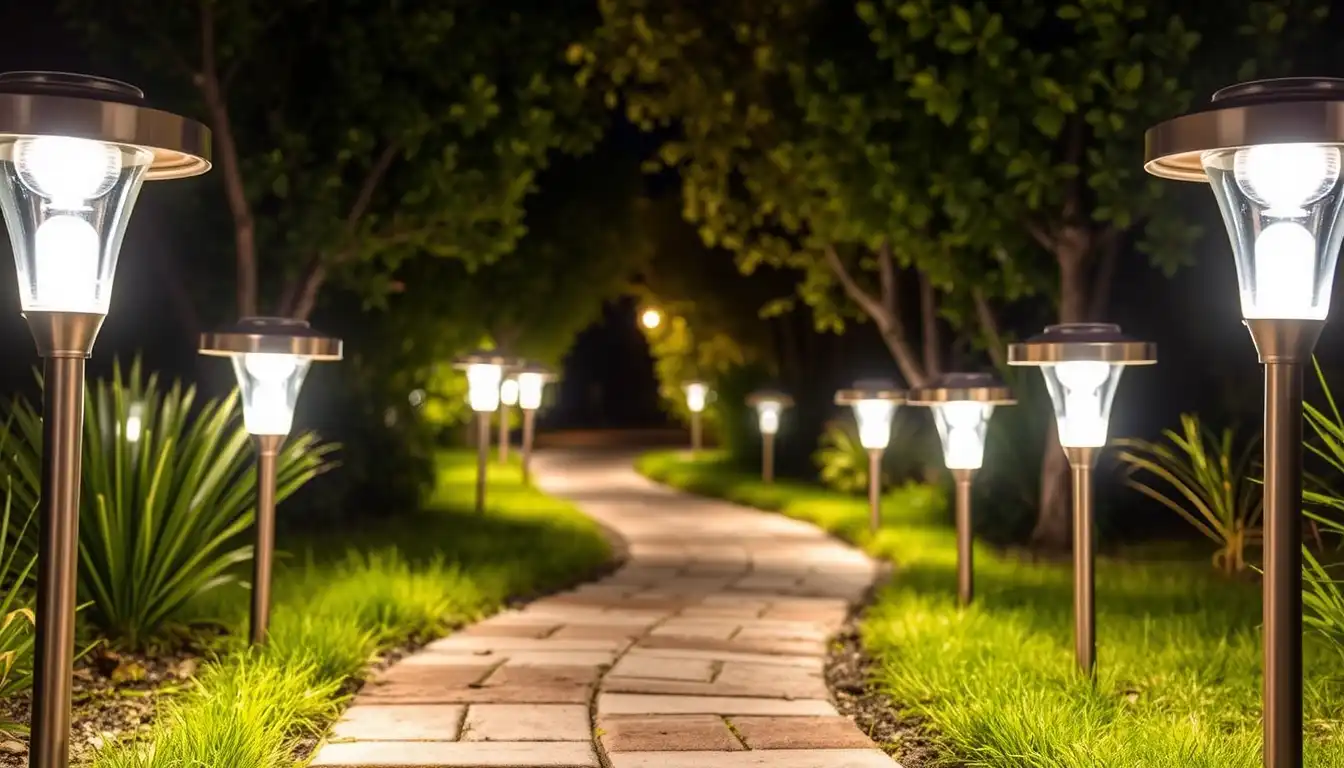
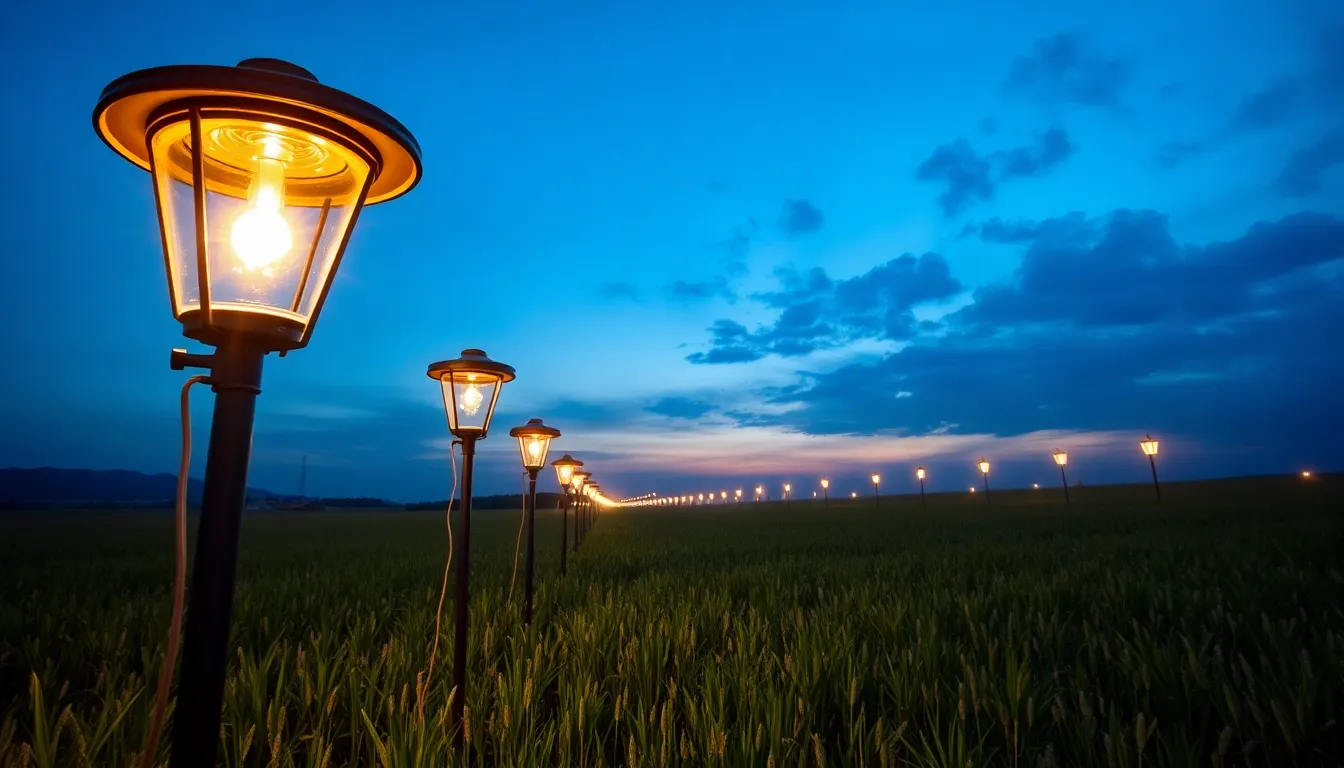
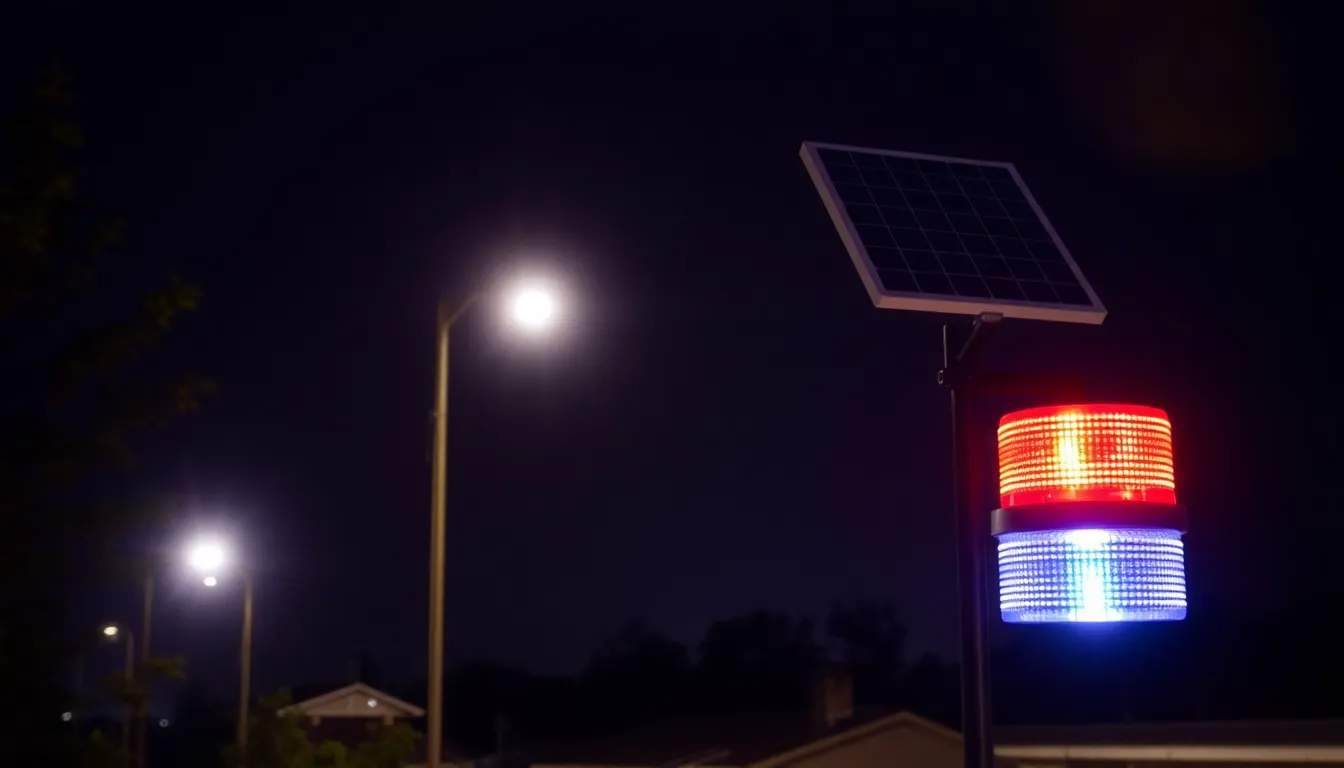
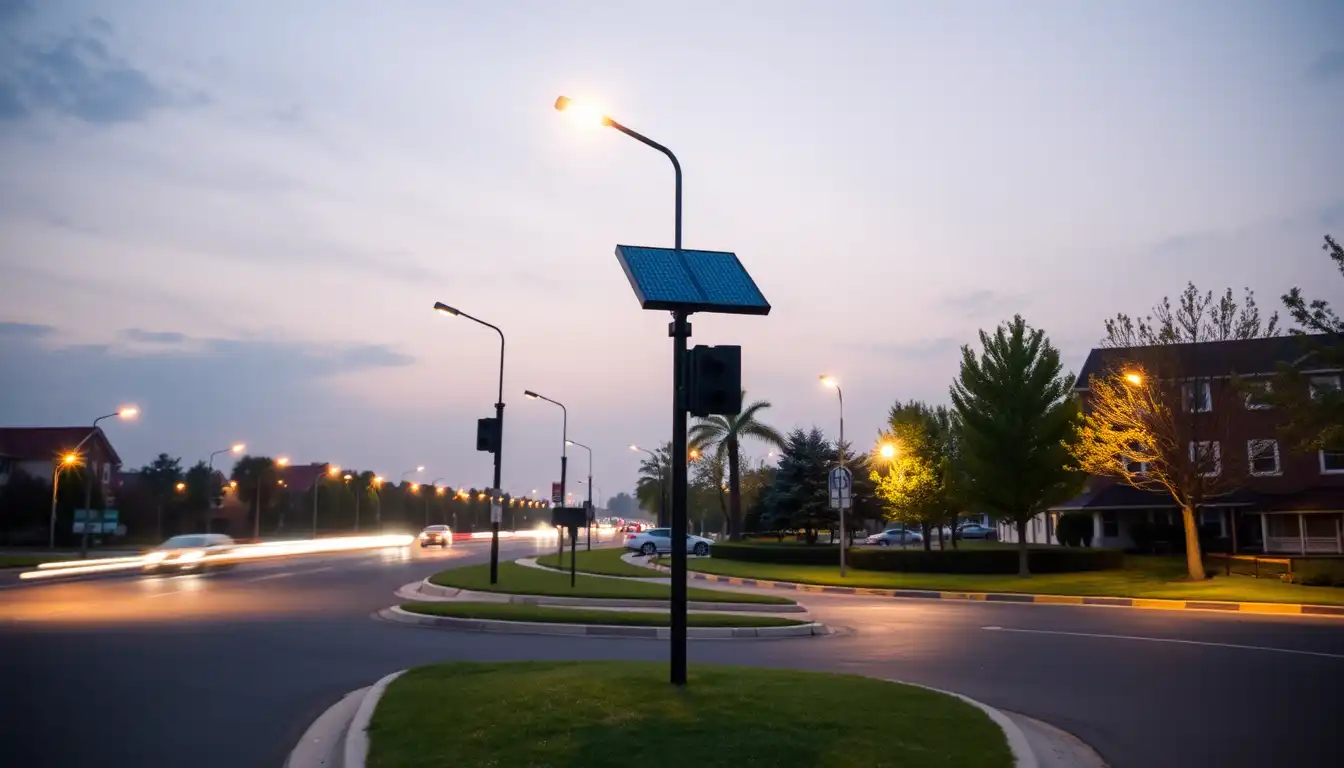
The design is beautiful and practical. Solar roundabout lights illuminate pedestrian crossing areas. Solar accent lights around the circular island highlight the geometry. Solar warning lights alert approaching drivers. The entire system runs on free solar energy. No grid connection required. Installation happened quickly. Maintenance is minimal. We’re installing a system that will operate safely for decades without electricity bills or complex wiring.
Why Roundabouts Need Dedicated Solar Lighting
Roundabout safety depends on visibility. Drivers entering must see circulating traffic clearly. Pedestrians must see vehicles approaching. The central island creates shadows. Poor lighting hides conflicts. Good lighting prevents crashes. This is measurable and proven.
The statistics are clear. Insurance Institute for Highway Safety studies show roundabouts reduce injury crashes by 75% and fatal crashes by 90% compared to traditional stop-controlled intersections. Modern roundabouts also reduce all crashes by 35-47%. These improvements happen because roundabouts eliminate high-speed T-bone and head-on collisions. Visibility is essential to achieve these safety benefits. Darkness reduces visibility. Solar lights restore it.
Pedestrian safety improves significantly. In roundabouts, pedestrians cross one direction of traffic at a time. Vehicle speeds are low (15-20 mph in urban areas). European studies show pedestrian crash reductions of 75% when traditional intersections convert to roundabouts. Solar lighting enhances these safety benefits by allowing pedestrians to see clearly and be seen clearly.
Traffic flow improvement matters too. Roundabouts increase traffic capacity compared to signalized intersections during peak hours. Vehicles don’t need complete stops if the roundabout is clear. Continuous flow reduces congestion and emissions. Solar lighting makes this continuous flow possible by helping all drivers see clearly at all hours.
2026 Solar Roundabout Lighting Technology
Modern systems combine proven technologies:
- Solar LED traffic signs with rectangular rapid flashing beacons. These show 52% accident reduction rates at intersections. Multiple application uses include roundabout crosswalks and uncontrolled approaches.
- Solar-powered flashing pedestrian signs alert drivers when pedestrians are crossing. High compliance rates documented. Can activate by button or flash continuously 24/7.
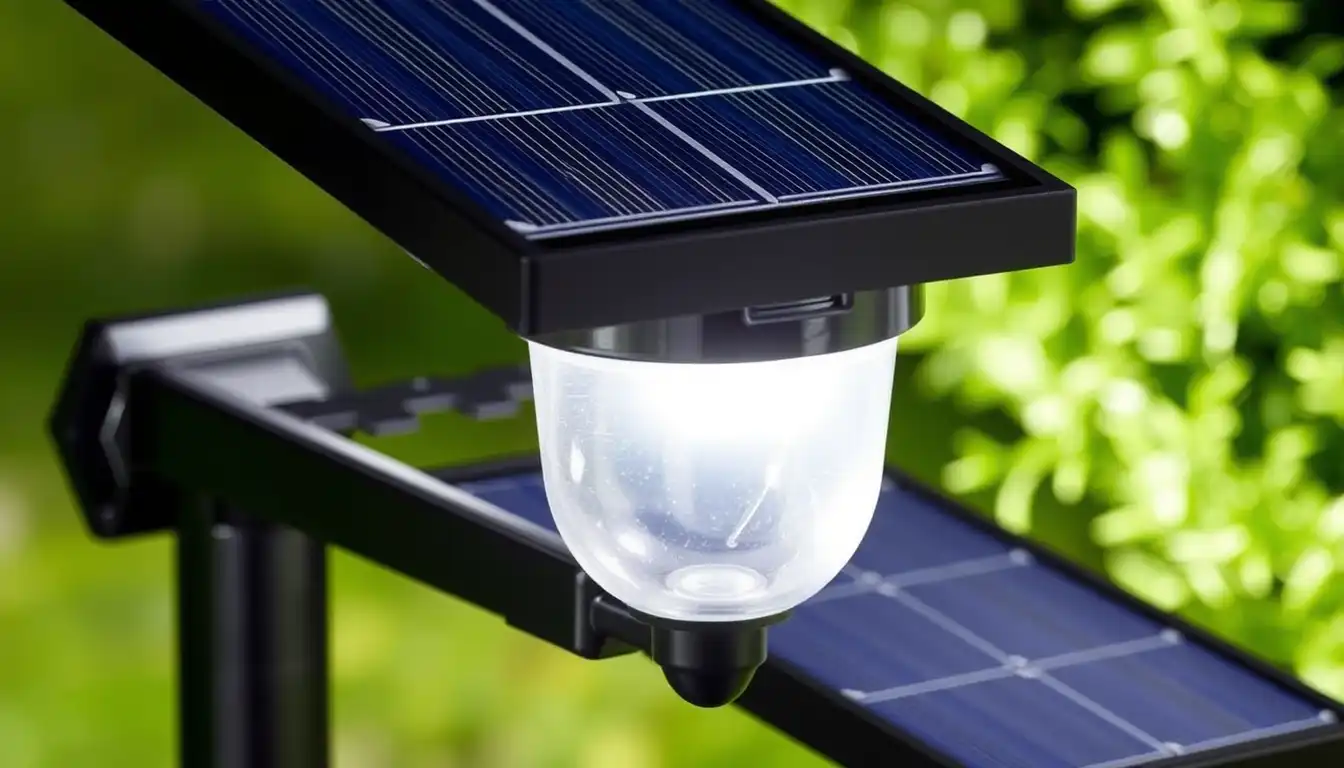
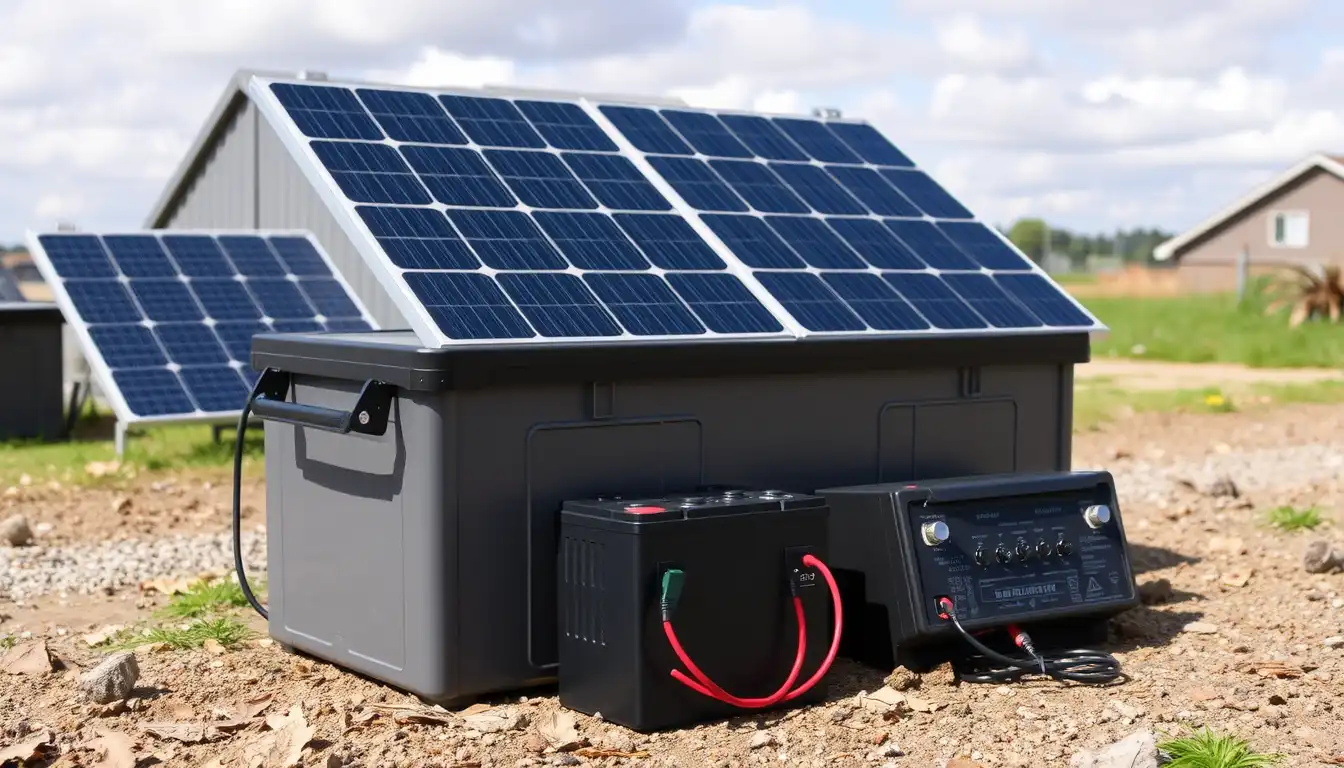
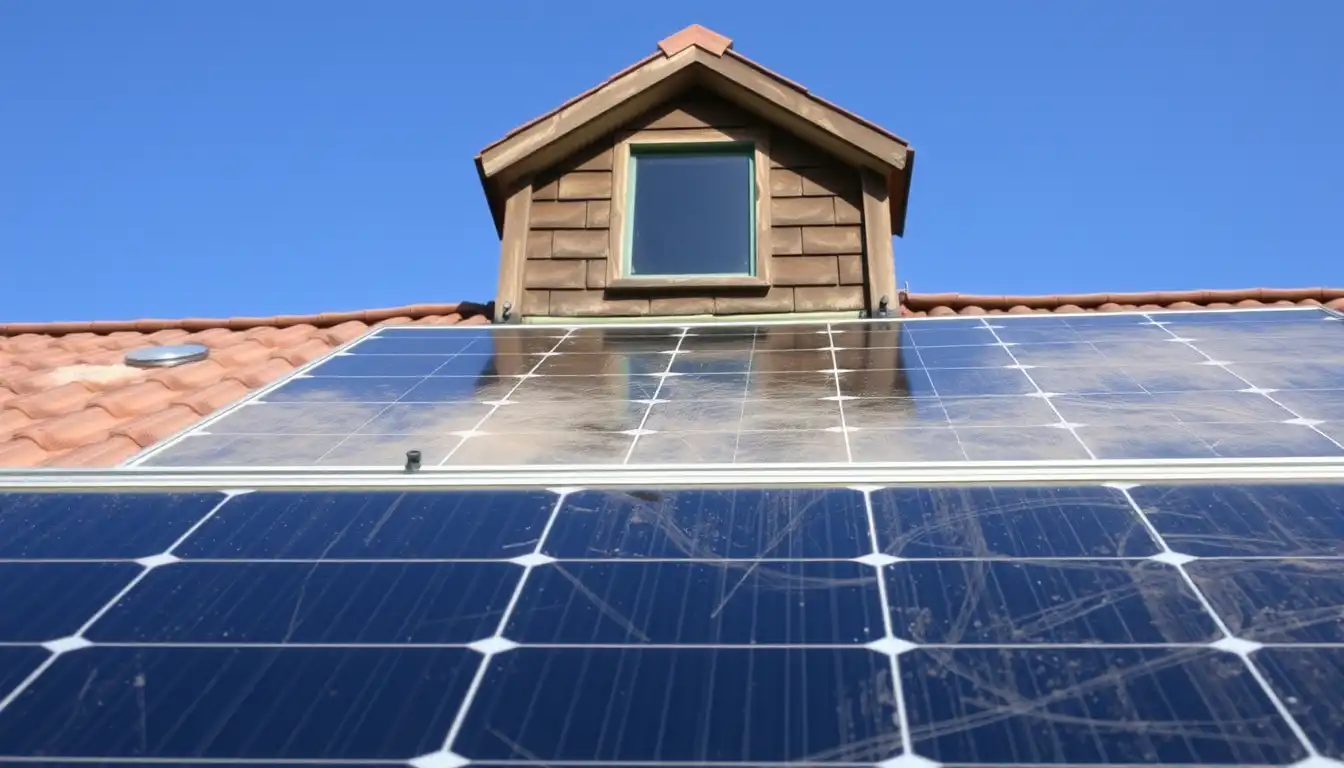
- Monocrystalline solar panels with 22-25% efficiency. Captures diffuse light in cloudy conditions. Night operation reliable in all seasons.
- LiFePO4 batteries providing reliable power storage. Performance documented down to minus 22°F. Suitable for all climates.
- Motion sensor integration on premium systems. Lights brighten when pedestrians approach. Dimming saves battery. Responsive safety.
- Smart traffic control systems on advanced models. Cameras and radar sensors detect vehicle volumes. Optimize lighting in real-time.
- IP67 waterproof ratings standard. Heavy rain, snow, ice melt handled reliably. Sealed electronic components protected.
Real Municipal Success Stories
Cities nationwide find success with solar roundabout lighting:
- Whiteville, North Carolina building a roundabout with solar lighting system scheduled for late 2026 completion. Project includes comprehensive public education about roundabout navigation and safety.
- Florida municipalities leading roundabout adoption with solar lighting enhancements. States like Maryland and Colorado following. FHWA maintains national roundabout resource center documenting successes.
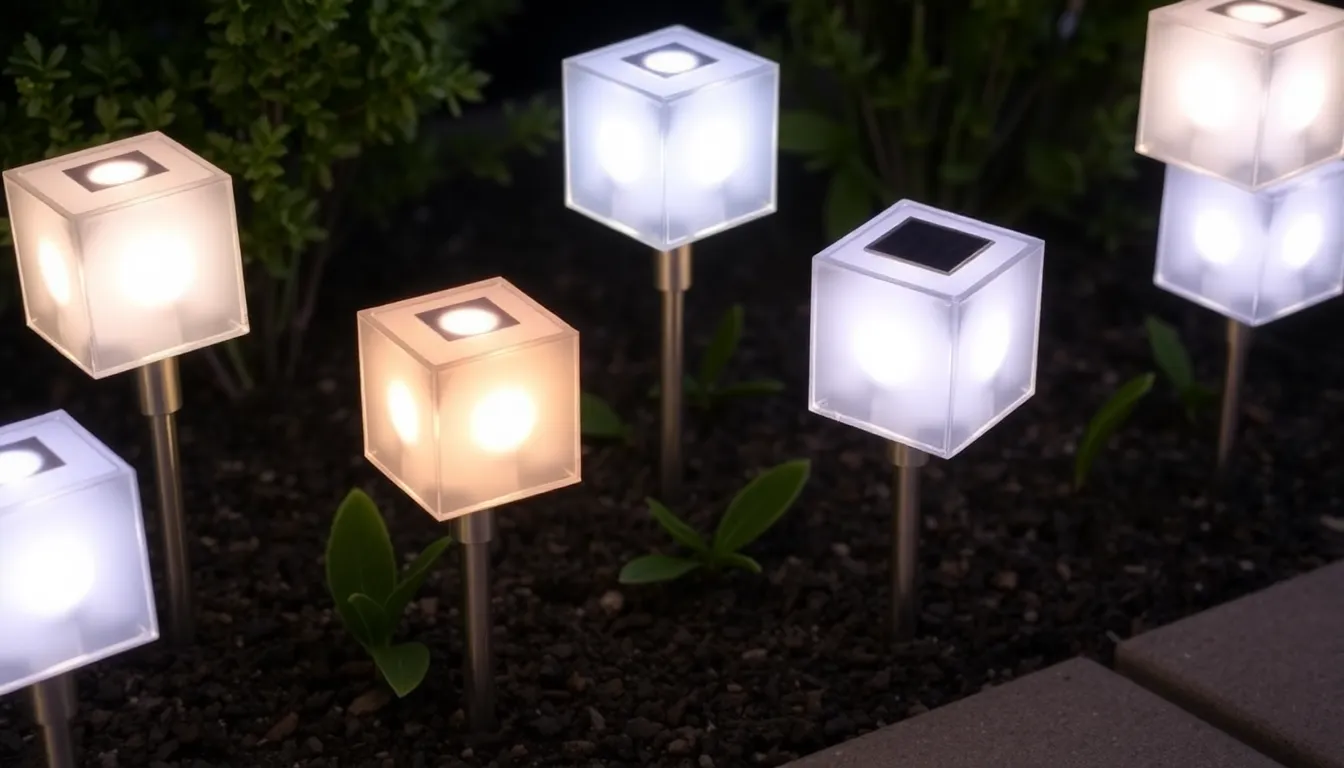
- Urban areas integrating pedestrian crossings and landscaping with solar accent lights. Public art integration improving aesthetic appeal while maintaining safety functionality.
- Neighborhood traffic circles using solar barrier lights marking central islands. Non-traversable centers illuminated. Traffic calming enhanced by visible boundaries.
- Mini-roundabouts on residential streets using small solar post lights marking approach areas. Cost-effective safety solutions. Community acceptance high.
Real Safety Data From Installations
Here’s what actual installations demonstrate:
- Roundabout injury crash reduction: 72-80% when converting from stop signs or traffic signals.
- All crashes reduction: 35-47% documented across multiple studies.
- Pedestrian crash reduction: 75% in European roundabouts. Single-lane roundabouts perform best for pedestrian safety.
- Fatal crash reduction: 90% compared to traditional intersections. This is the most important metric.
- Speed reduction through roundabouts: 15-20 mph urban, 30-35 mph rural. Low speeds enable safer outcomes.
- Traffic flow improvement: Roundabouts show 67.8% capacity increase and 72.8% average delay decrease versus signalized solutions.
- Emission reduction: Vehicles spend less time idling. Less stopping and starting means lower emissions.
Advantages Of Solar Roundabout Lighting Systems
- Zero electricity costs. Free light from the sun forever.
- Rapid installation. No electrical trenching. No grid connection complexity. Installation completes quickly.
- Proven safety record. Roundabouts with proper lighting reduce crashes dramatically.
- Low maintenance requirement. Solar panels cleaned periodically. Batteries replaced every five to ten years.
- Environmental responsibility. Zero carbon footprint operation.
- Scalable design. Lighting adapted to roundabout size and configuration.
- Aesthetic enhancement. Solar lights can incorporate public art and landscaping.
- Government incentives. Many jurisdictions subsidize roundabout and solar lighting projects.
- Long operational lifespan. Quality systems operate 20-25 years or longer.
Disadvantages Of Solar Roundabout Lighting Systems
- High upfront capital cost. Municipal budgets require careful planning.
- Weather dependent charging. Cloudy regions need larger battery systems.
- Requires sunny location planning. Shade from trees or structures reduces effectiveness.
- Initial community education needed. Public understanding of roundabout navigation essential.
- Site-specific engineering required. Each roundabout design varies requiring custom solutions.
- Battery replacement investment. Every five to ten years replacement needed.
- Space constraints possible. Some urban locations lack room for roundabout construction.
- Municipal coordination complexity. Multiple departments involved in planning and approval.
How Municipalities Install Solar Roundabout Lighting
Here’s the practical process:
- Step one: Commission a traffic engineer study. Analyze current intersection safety problems. Evaluate roundabout feasibility. Compare costs with traditional traffic signals.
- Step two: Engage community stakeholders. Host public meetings. Explain safety benefits. Address concerns. Build support.
- Step three: Develop detailed roundabout design. Size determination. Pedestrian crossing placement. Solar lighting placement optimization.
- Step four: Select solar lighting systems. Evaluate options from reputable manufacturers. Choose quality components. Plan for long-term maintenance.
- Step five: Develop implementation timeline. Budget allocation. Phasing strategy if needed. Construction scheduling.
- Step six: Execute construction. Roundabout installation. Solar lighting installation. Pedestrian infrastructure completion.
- Step seven: Launch public education campaign. Teach proper roundabout navigation. Explain safety benefits. Distribute educational materials.
- Step eight: Monitor performance. Collect crash data. Evaluate traffic patterns. Document safety improvements.
Summary
Solar roundabout lighting systems reduce injury crashes by 72-80% and fatal crashes by 90% compared to traditional intersections. Modern installations use monocrystalline solar panels, LiFePO4 batteries, and IP67 waterproof ratings. Pedestrian crash reduction reaches 75% in European studies. Real municipalities like Whiteville, North Carolina plan late 2026 completion with solar systems. Rectangular rapid flashing beacons show 52% accident reduction. Motion sensor integration optimizes battery use. Advantages include zero electricity costs, rapid installation, and proven safety benefits. Disadvantages include high upfront costs and site-specific engineering requirements. Municipal implementation requires engineer studies, community education, and phased installation planning.