Table of Contents
Elon Musk talks about a lot of things. Electric cars, rockets, artificial intelligence, government spending. But if you follow his statements closely over the past few years, one topic keeps coming back with the same intensity every single time. Solar power. He does not treat it like an interesting option or a good investment. He treats it like the only logical conclusion any thinking person should reach about the future of energy.
His statements on solar are spread across earnings calls, interviews, posts on X, and appearances at major global events. Some of them are blunt to the point of being almost aggressive. Some are quietly practical. But taken together, they paint a picture of someone who has thought seriously about energy physics and arrived at a position he genuinely believes in, not just one that sells Tesla products.
Elementary Math Is All It Takes
In June 2025, Musk posted on X that solar power is so obviously the future for anyone who can do elementary math. That sentence landed hard because of what it implies. He was not inviting debate. He was saying the case for solar is so clear that disagreeing with it reflects a failure of basic reasoning, not a difference of opinion.
This was not the first time he framed it this way. Musk has repeatedly argued that solar’s dominance is not a matter of ideology or environmentalism. It is a matter of arithmetic. The sun delivers an extraordinary amount of energy to Earth every single day. In one hour of sunlight, more energy reaches our planet than all of humanity uses in an entire year. The resource is not scarce. The technology to capture it keeps improving and getting cheaper. So for Musk, the future of solar is not a prediction. It is already decided by physics.
He also stated on X that solar power will be the vast majority of power generation in the future. Not a meaningful share. Not an important contributor to the energy mix. The vast majority. That word choice matters because it signals he sees solar eventually replacing most conventional power sources, not simply adding to them.
The 100 Miles by 100 Miles Claim
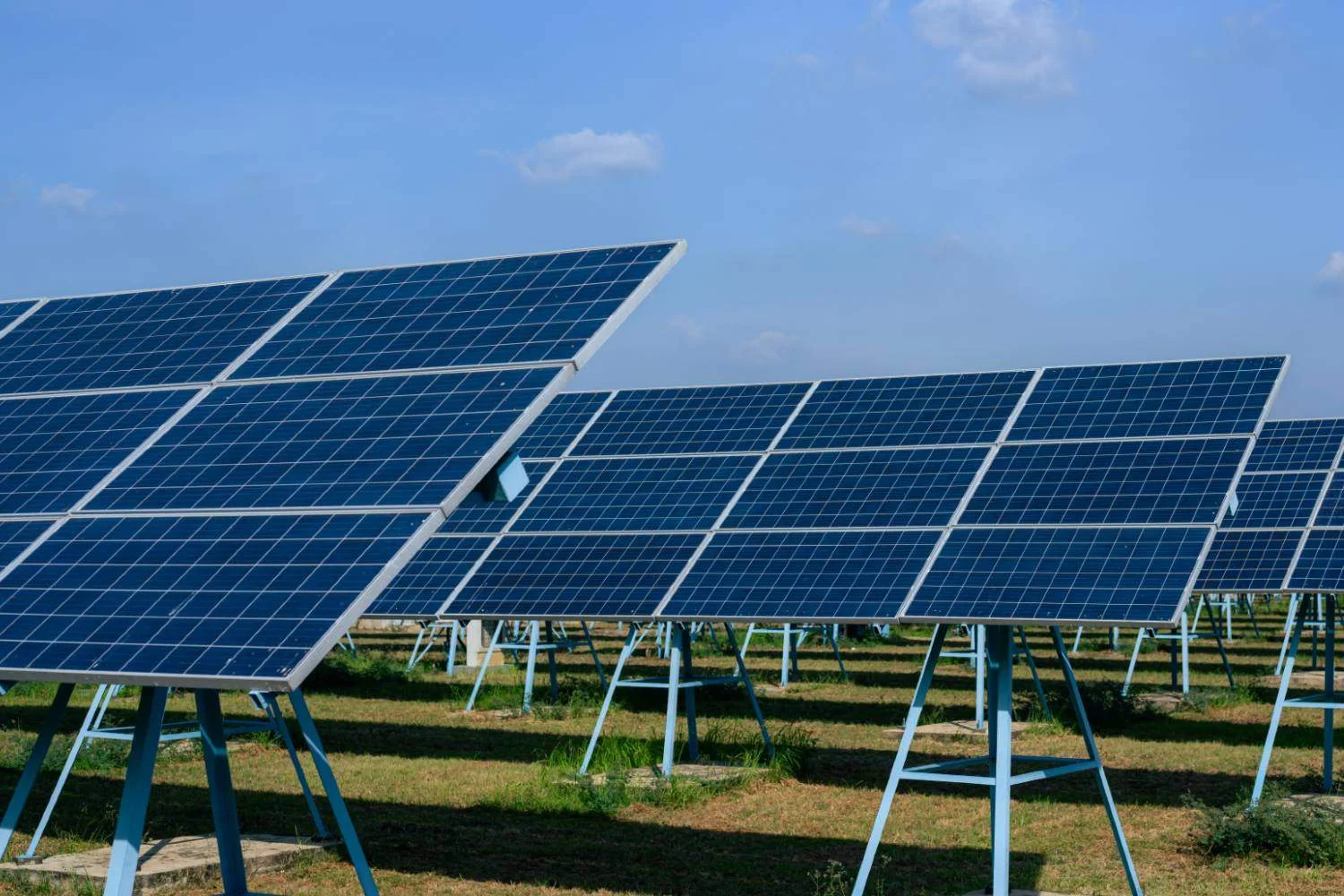
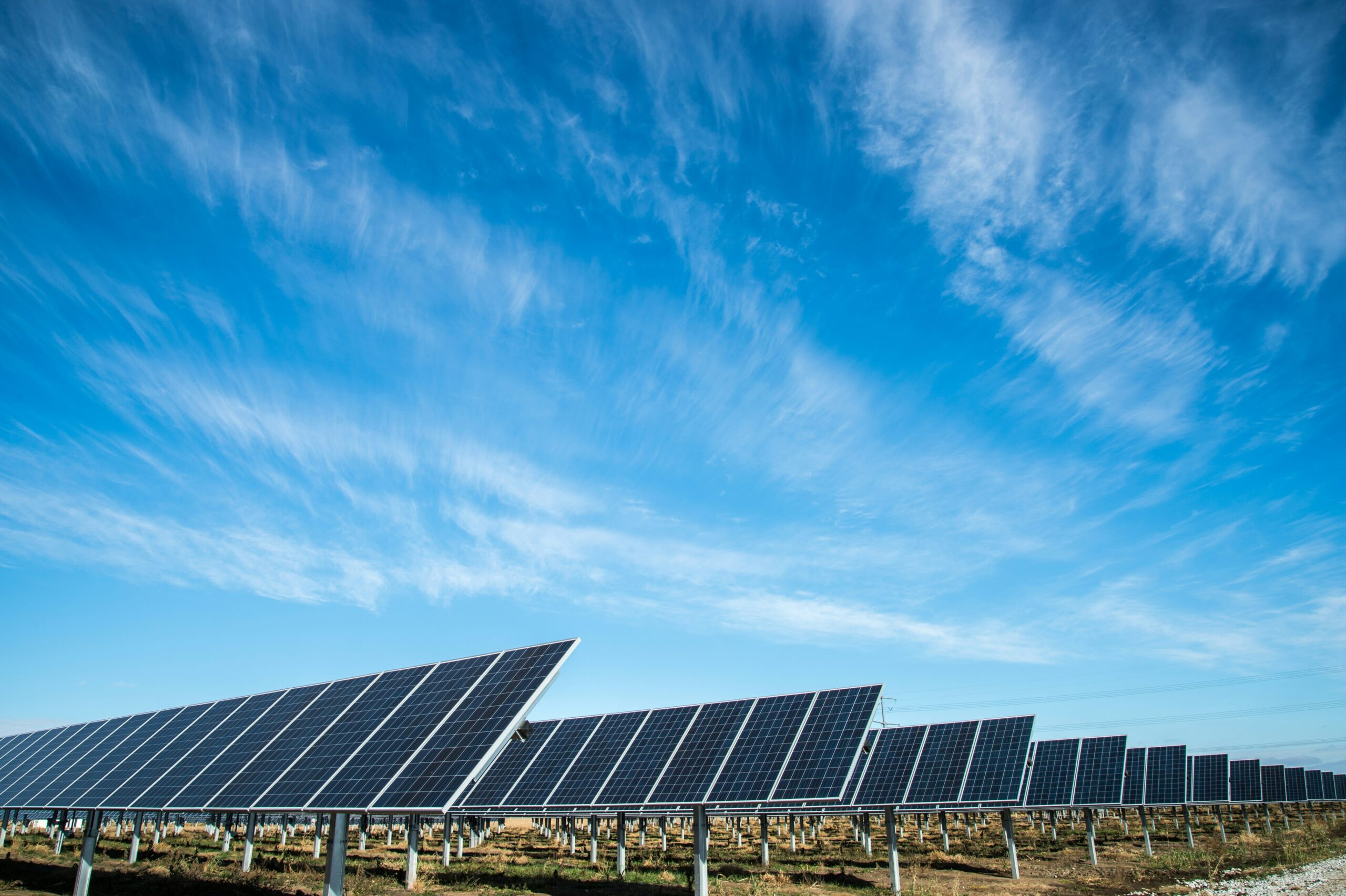
Musk has made one specific argument so many times it has become his signature solar statement. At the World Economic Forum in Davos in January 2026, BlackRock CEO Larry Fink asked him directly what land area would be needed to power the entire United States with solar. Musk answered without hesitation. A square of solar panels roughly 100 miles by 100 miles, placed in a corner of Utah, Nevada, or New Mexico, would generate enough electricity to meet total US energy demand.
He extended the same logic to Europe, pointing to sparsely populated areas in Spain and Sicily as capable of powering the entire continent under a similar setup.
Now, this claim gets criticized regularly, and some of that criticism is fair. A single concentrated installation at that scale would face massive grid, transmission, and storage challenges. Musk acknowledged it should not all be in one spot. But his underlying point about how much solar energy hits a given land area per day is grounded in real physics. Critics often attack the engineering simplification without addressing the core math, and Musk knows that distinction.
Your Family’s Life Might Depend on It
This one caught a lot of people off guard. During Tesla’s Q4 2024 earnings call, Musk told investors and the public that your family’s life might depend on adopting solar. It sounded dramatic, and plenty of headlines treated it that way. But his actual reasoning was more grounded than the quote alone suggests.
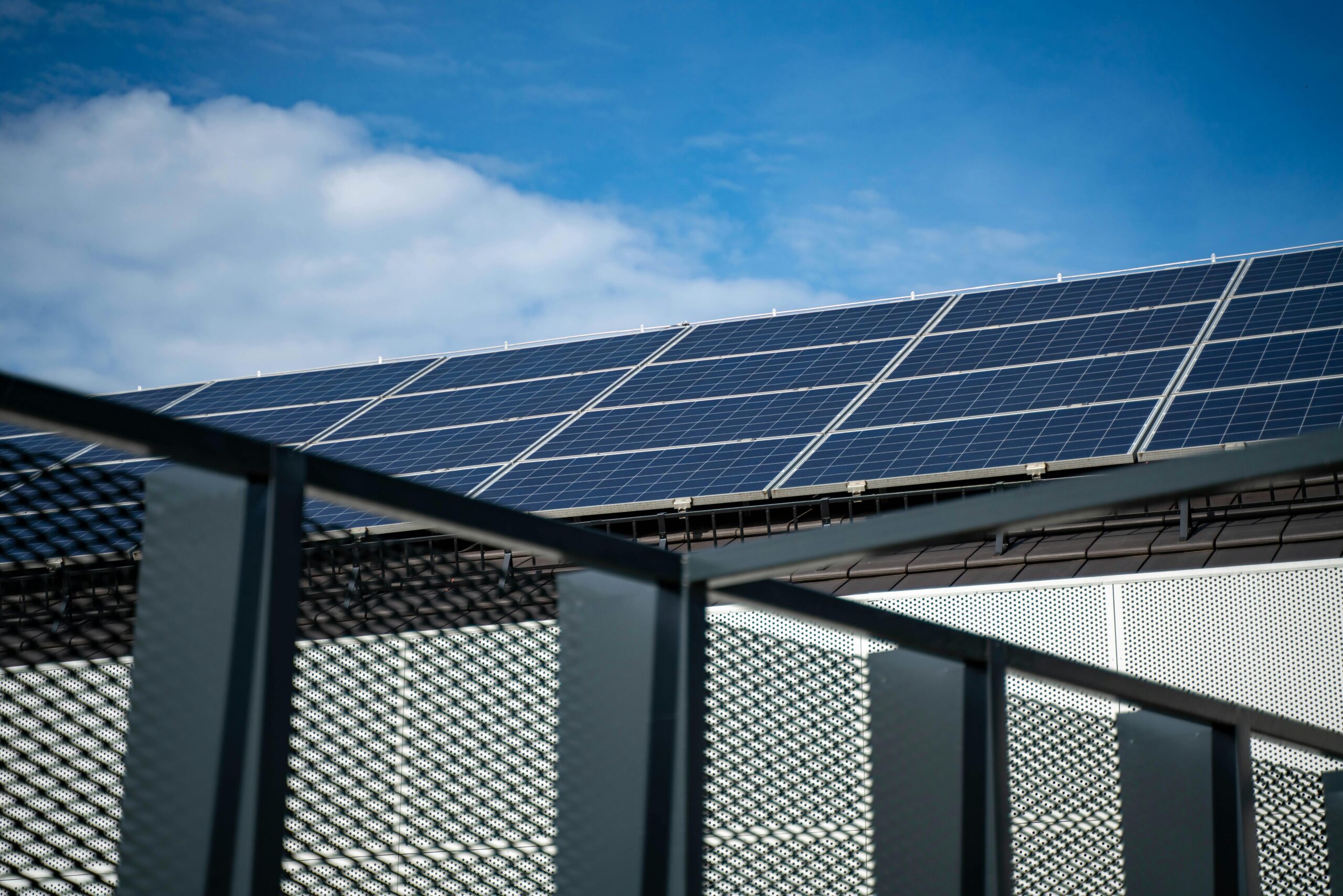
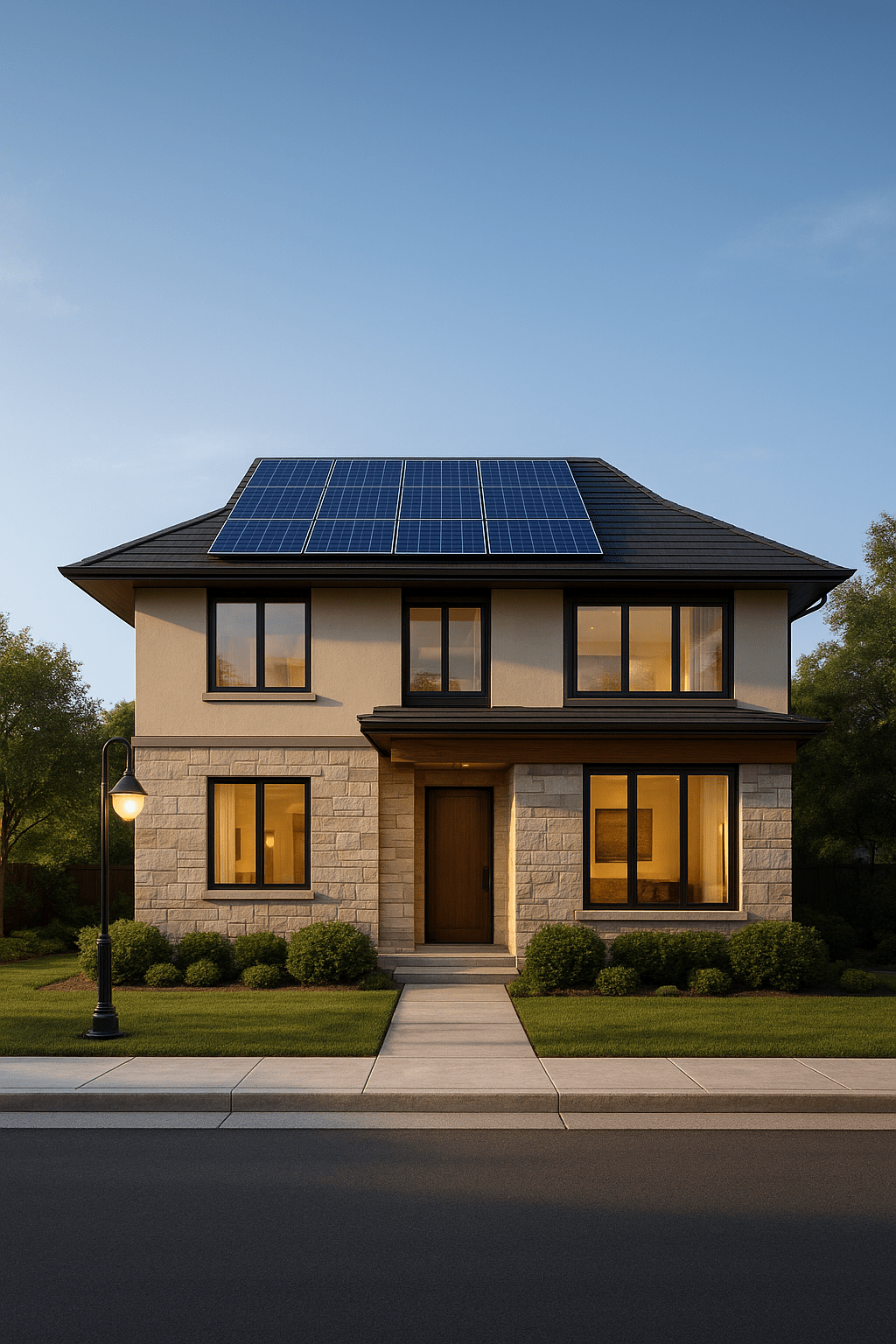
His argument was about what happens when the grid goes down. Storms get worse. Infrastructure ages without being replaced. Power outages that last days are not rare events anymore in parts of the US and elsewhere. A home with a solar roof and a battery like Tesla’s Powerwall does not need the grid to keep running. Lights stay on. Refrigerators keep working. Medical equipment stays powered. Musk was making a practical case for energy independence at the household level, and framing it in personal terms to make people actually feel the stakes.
Whether you find the dramatic language persuasive or annoying, the practical argument underneath it holds up. Energy independence at home is not a luxury product pitch. It is a real answer to a real and growing problem.
Solar Is Everything
In a 2026 interview with entrepreneur Peter Diamandis, Musk went further than his usual arguments. He called solar not just a dominant energy source but the foundation of all future energy systems. He dismissed other energy sources as marginal by comparison and connected his solar vision directly to space. He proposed a constellation of solar-powered satellites in orbit capable of generating power at industrial scale and beaming it back to Earth, an idea he has floated more than once and clearly takes seriously as a long term path.
His underlying point in that interview was almost philosophical. Nearly all usable energy on Earth already traces back to the sun in some form. Oil and coal are ancient stored solar energy. Wind is powered by temperature differences the sun creates. Even food is solar energy processed through plants and animals. Musk’s argument is that skipping the middle steps and capturing sunlight directly is simply the most logical and efficient path available to humanity. He framed other energy debates as distractions from that central truth.
Where Musk Gets Complicated
Here is the part most articles skip because it is uncomfortable. Musk’s solar views do not always line up cleanly with his political actions and alliances.
He publicly and repeatedly calls solar the obvious future. He also worked closely with the Trump administration throughout 2025, an administration that cut clean energy incentives and maintained high tariffs on solar panel imports. Musk addressed this directly at Davos in January 2026, saying that US tariff barriers for solar are extremely high and that this makes the economics of deploying solar artificially expensive, pointing out that China manufactures the overwhelming majority of the world’s solar panels.
This came just days after the Trump administration cut rooftop solar incentives for individual homeowners. So you have Musk on one hand calling solar elementary math and on the other operating inside a political structure actively making it harder and more costly for Americans to go solar. He criticized the tariffs publicly. He did not leave the administration over them. That tension is real, and anyone following both his energy statements and his political role in 2025 noticed it.
It does not invalidate his solar arguments. But it adds a layer of context that matters when you are trying to understand what Musk actually believes versus what serves his various interests at a given moment.
The Kardashev Scale and Long Term Thinking
Musk occasionally moves beyond practical energy policy into longer range civilizational thinking. In late 2024, he posted on X that once humanity properly understands the Kardashev scale, a theoretical framework that measures civilizational advancement by energy control, solar energy’s potential becomes obvious.
The Kardashev scale ranks civilizations by how much energy they harness. A Type 1 civilization controls all the energy available on its planet. Humanity is not there yet. Musk’s argument is that solar is the clearest path toward reaching that level of energy mastery. The sun gives us far more than we use. Getting better at capturing it directly is not just good energy policy. It is the next step in how advanced our civilization becomes.
This framing sounds abstract but it connects directly to his everyday arguments. If the resource is effectively unlimited and the technology is rapidly improving, the only question is how fast we scale. Musk thinks the answer should be much faster than current policy allows.
What This All Adds Up To
Musk is not a neutral voice on solar. Tesla sells solar panels, solar roofs, and Powerwall batteries. His financial interests align clearly with public adoption of solar technology at scale. That does not make his arguments wrong, but it is context you should carry when weighing his statements.
What makes his position worth paying attention to is that he argues from physics, not sentiment. He does not lean heavily on saving the planet as an emotional appeal. He talks about land area, sunlight hours, energy density, and storage capacity. That approach reaches people who tune out environmental messaging but respond to numbers and practical reasoning.
The numbers behind him are also moving in the direction he predicted. The US added around 43 gigawatts of new solar capacity in 2024, marking the fifth consecutive year solar led all new electricity generation. Solar paired with battery storage made up nearly 79 percent of all new electricity additions that year. His predictions are not waiting for some distant future. They are already becoming the present.
Summary
Elon Musk has consistently called solar power the logical and inevitable future of energy, arguing from physics rather than ideology. He says a 100 mile square of panels could power the entire US, that home solar systems could save lives during grid failures, and that solar will eventually dominate all global power generation. He also criticized US solar tariffs for making adoption artificially expensive. His position is bold, grounded in real energy data, and complicated slightly by his political alliances.