Table of Contents
Your solar lights only last an hour and you are done with it. You paid for these things, set them up properly, and they die before you even finish dinner. Here is the truth. This is a known problem with a known fix. Nine times out of ten it comes down to three things. Bad placement, a dead battery, or a dirty panel. None of these take more than ten minutes to sort out. Read this once and you will know exactly what to do.
How These Lights Work and Why It Matters
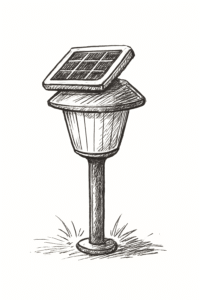
The solar panel on top charges a small battery inside the light throughout the day. At night that battery runs the LED. That is the entire system. Nothing fancy happening here.
When your solar lights only last an hour, either the battery did not get a full charge during the day or the battery itself is too old to store much anymore. Imagine trying to fill a bucket that has a hole in the bottom. You pour water in all day and by night there is almost nothing left. That hole is your old battery. Fix the hole and the whole thing works again.
Why Solar Lights Only Last an Hour
1. The Panel Is Sitting in the Wrong Spot
Go outside and watch where the shade falls across your yard from about 10 AM to 4 PM. That six hour window is peak charging time. If your solar light is sitting in shade for any part of that window, the battery is not filling up.
Under a tree, next to a tall fence, beside the house wall. All of these kill charging speed. A panel getting four hours of real sun instead of eight charges at maybe half capacity. Half capacity gives you roughly one hour of light at night. Sometimes not even that. Move the light to an open spot and give it two full sunny days. You will see the difference immediately.
2. The Battery Inside Is Worn Out
Nobody talks about this enough. The battery inside your solar light has a lifespan just like any other battery. Most of these lights ship with NiMH or NiCd rechargeable cells. After about a year of charging every single day, these batteries start holding less and less charge. After 18 months, a battery that once stored 8 hours of power might store 45 minutes.
The light did not break. The battery just quietly aged out. Buy a replacement NiMH AA or AAA rechargeable at the same voltage as the original. Swap it in. In most cases the light works perfectly again and you spent two dollars fixing it.
3. The Panel Is Covered in Grime
This one surprises people every time. Dust, pollen, dried rain spots, bird mess. All of it sits on the panel glass and blocks sunlight from getting through to the cells underneath. A panel that looks slightly foggy from grime charges at maybe 60 percent of what a clean panel does.
Nobody cleans their solar light panels. That is why so many people have solar lights that die too soon. Grab a damp cloth and wipe the panel face. Do it once a month. This alone adds an hour or two of runtime in many cases.
4. Full Brightness Is Draining the Battery Too Fast
Most solar lights have a brightness dial or a mode button. High brightness burns through battery reserves two to three times faster than a medium or low setting. If your light blasts full brightness from dusk until it dies, that is part of your problem.
Drop it to medium brightness or flip it to motion-activated mode. In motion mode the light stays dim all night and only brightens when it detects movement. The battery lasts the whole night. Same charge, much longer runtime.
This is something we cover in detail in our guide on Solar Light Brightness Factors
5. Winter Cold Is Shrinking Battery Output
Cold weather physically reduces how much energy a battery releases. This applies to NiMH batteries, NiCd batteries, and lithium-ion batteries too. A light running 7 hours in summer might give you 90 minutes on a cold January night.
If your lights started dying faster when temperatures dropped, that is your answer. Bring smaller decorative solar lights indoors on freezing nights. If you want lights that handle winter better, replace with units that use lithium-ion batteries. They tolerate cold far better than NiMH types.
6. New Lights Were Never Given a Proper First Charge
Brand new batteries from the factory sit in storage for months before they reach you. They are not at full capacity when they arrive. They need two or three full charge cycles to reach peak performance.
If you unboxed your lights on a cloudy week and they never saw real sun before their first night on, they have never actually run properly. Put them in direct sunlight for three solid days. Test them on night four. Most people are surprised how much better they perform after a proper activation.
How to Fix Solar Lights That Only Last an Hour
Work through this list in order:
- Move the light to a spot with full direct sun for at least 6 to 8 hours daily.
- Wipe the panel clean with a damp cloth.
- Replace the battery with a fresh NiMH rechargeable at the correct voltage.
- Switch brightness to medium or turn on motion-activated mode.
- Let the light charge in full sun for 2 to 3 full days before judging performance.
- On freezing nights, bring smaller lights indoors or switch to lithium-ion models.
Start with the battery swap. It fixes the problem for the majority of people and costs almost nothing.
How Long Should Solar Lights Actually Run
A fully charged healthy solar light runs 6 to 10 hours. Lights with larger monocrystalline solar panels and lithium-ion batteries hit the higher end. Smaller budget solar pathway lights run closer to 6 hours on an average charge day.
If you have done everything above and the light still dies under 2 hours, the panel is likely damaged or there is an internal wiring fault. At that stage, replacing the unit is smarter than spending more time troubleshooting.
When to Stop Fixing and Just Replace the Light
Replace the whole unit when:
- The solar panel has cracks or physical damage.
- Water got inside and the battery compartment shows rust or corrosion.
- A fresh battery and clean panel still give under 2 hours of light.
- The LED output has dropped to a faint flicker even after a full sunny day.
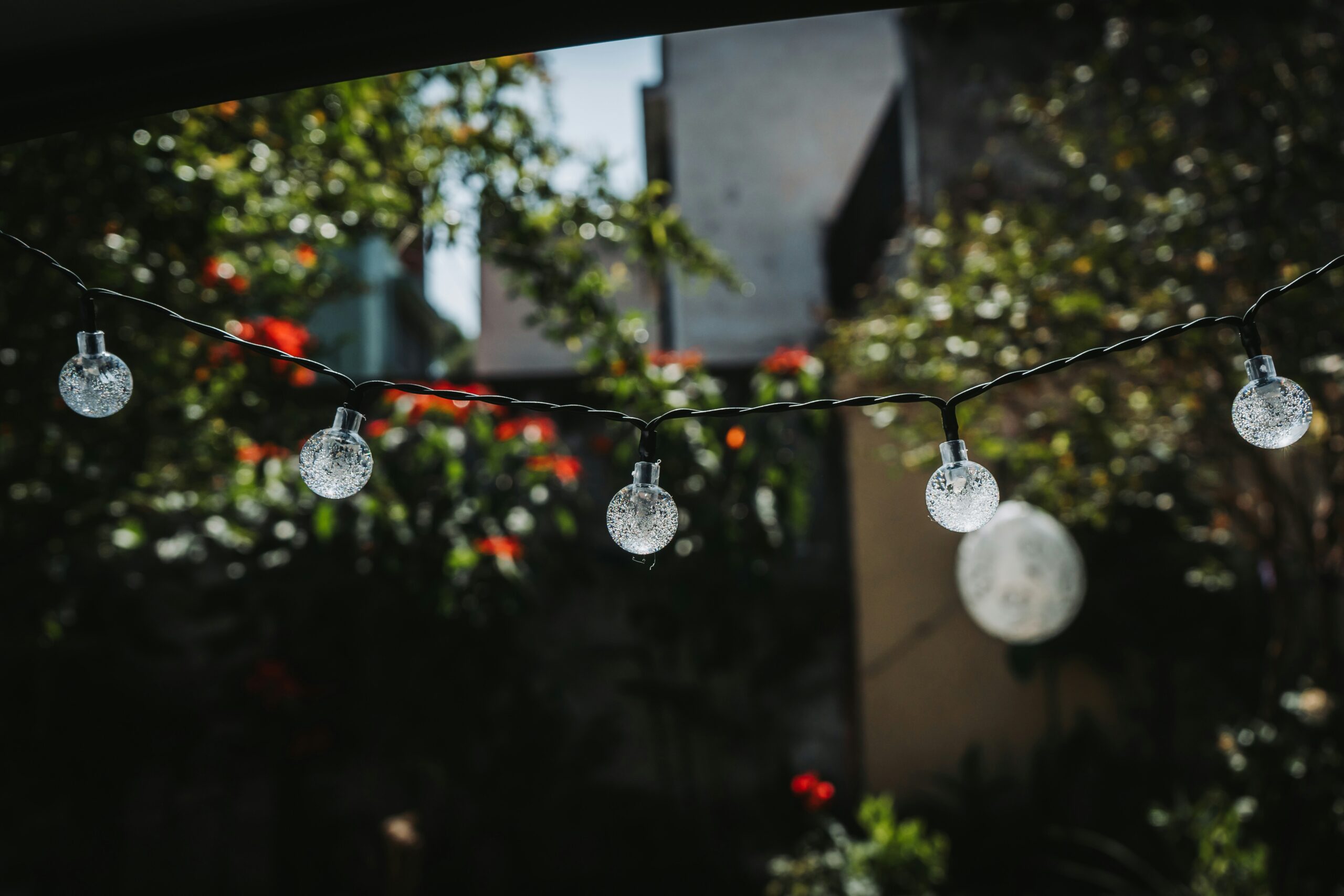
Solar garden lights, solar flood lights, and solar string lights last 2 to 5 years with basic care. Past that point, wear takes over and no amount of maintenance brings full performance back.
Monthly Habits That Keep Solar Lights Running for Years
None of this takes long:
- Wipe the solar panel every 3 to 4 weeks.
- Replace the battery once a year before it fully deteriorates.
- Reposition lights in spring and autumn as the sun angle changes.
- Check the battery compartment after heavy rain for moisture.
- Store decorative solar string lights indoors through heavy winter months.
Fifteen minutes a month adds years to your lights.
Summary
Solar lights only last an hour because of old batteries, poor placement, dirty panels, or high brightness settings. Move the light to a sunnier spot, clean the panel, swap the battery with a fresh NiMH rechargeable, and lower the brightness setting. Let it charge for 2 to 3 full sunny days. Do that and your lights will run 6 to 10 hours every night without cutting out early.