Table of Contents
STOP PAYING ELECTRICITY BILLS FOR YOUR FIELD
I remember when my electric company sent me a bill for my field lighting. Seventy dollars for one month. I looked at that bill and thought something had to change. That’s when I bought my first solar light.
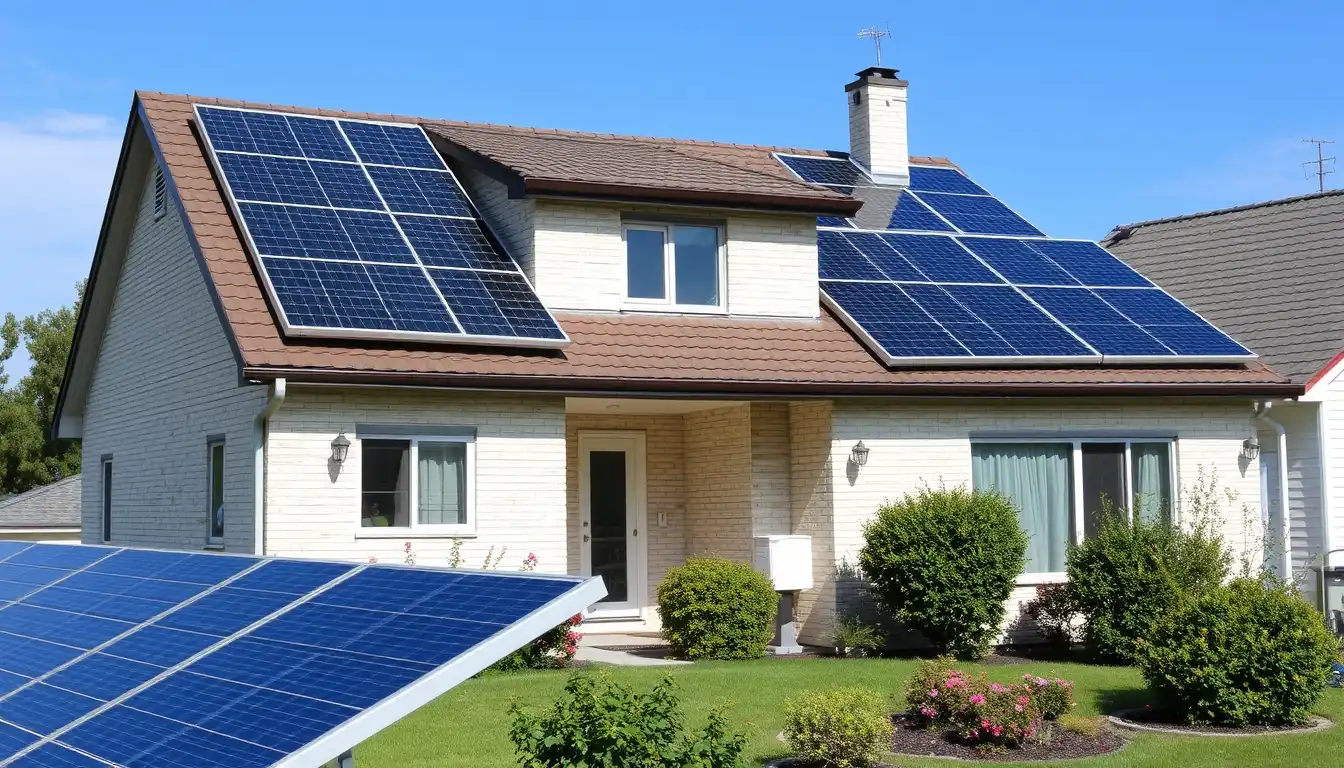
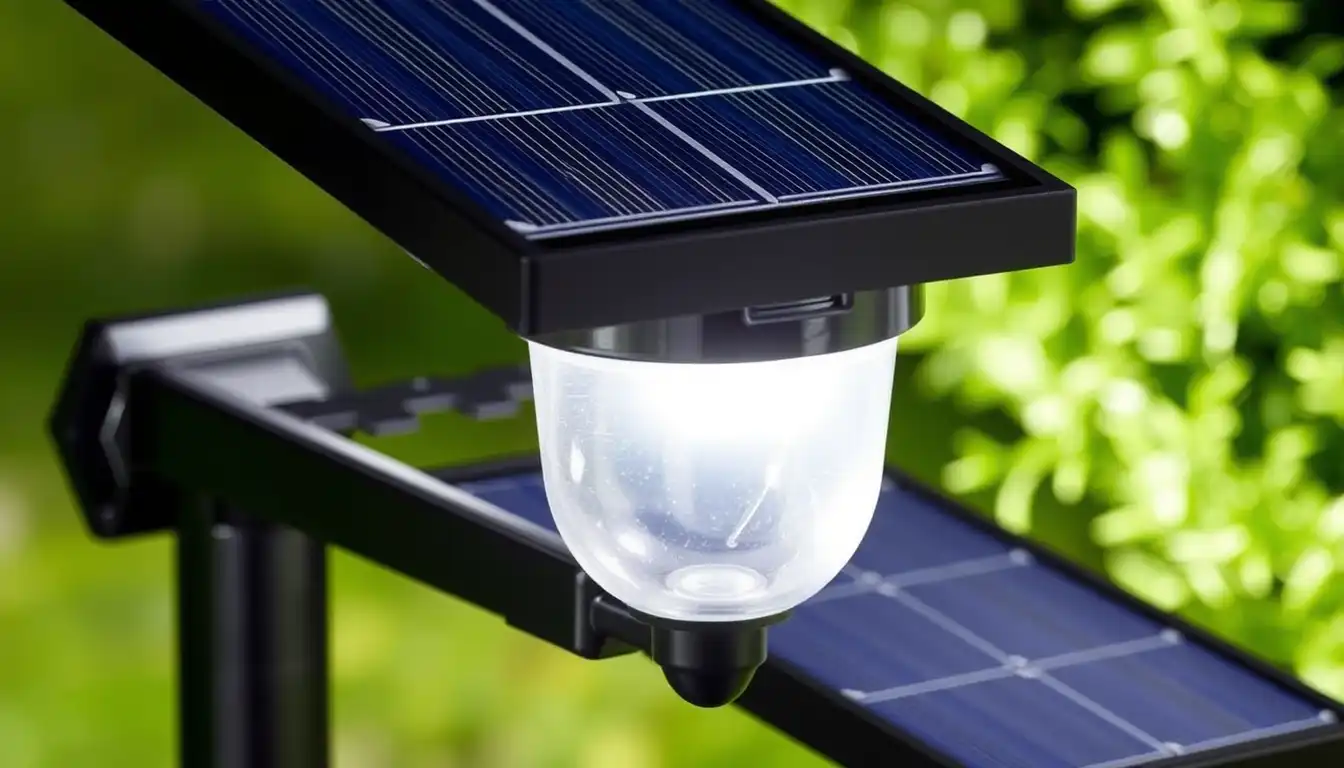
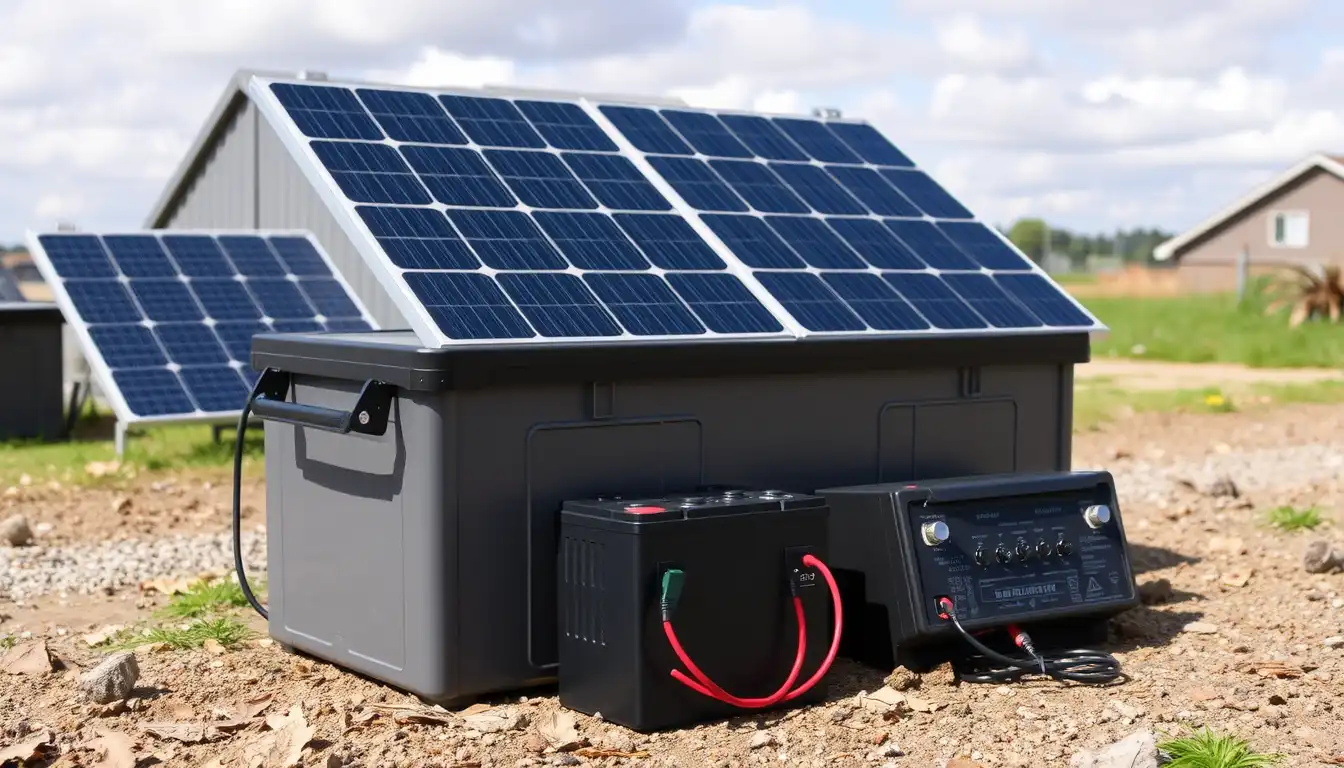
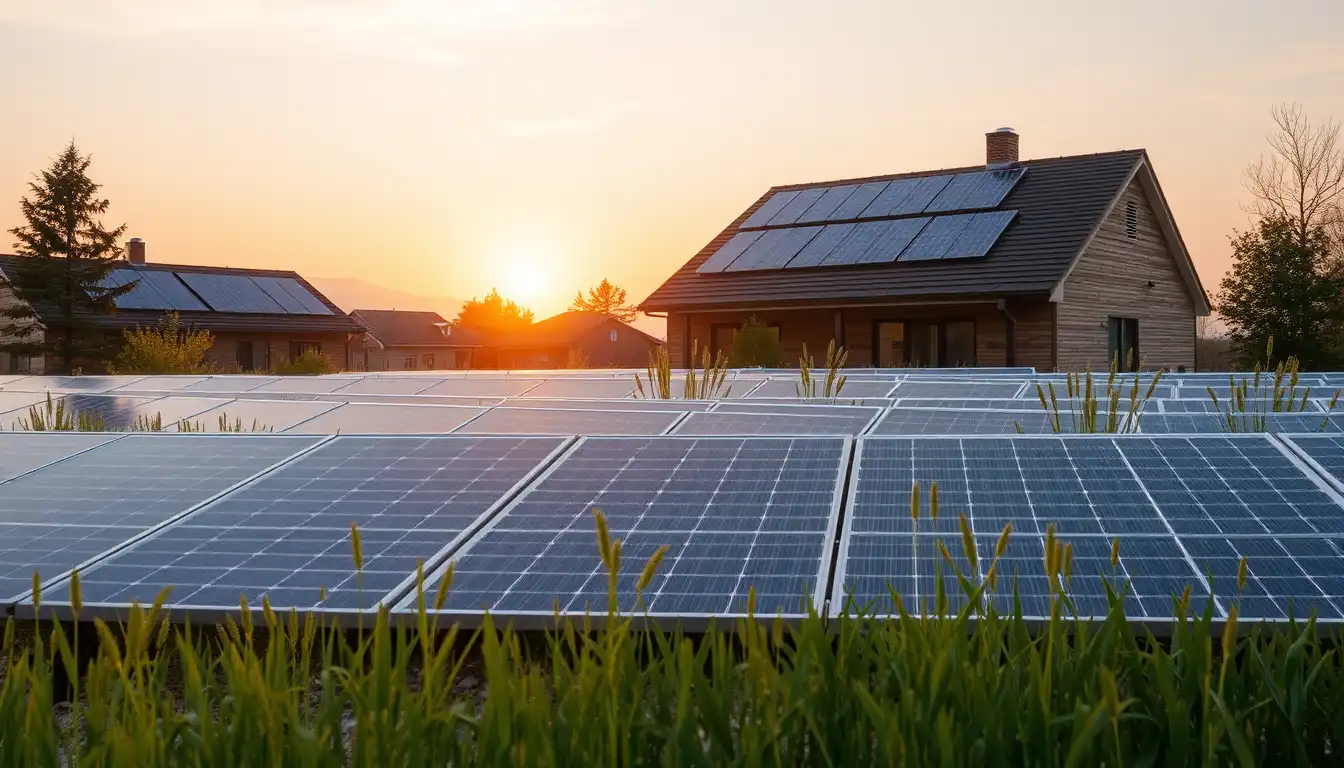
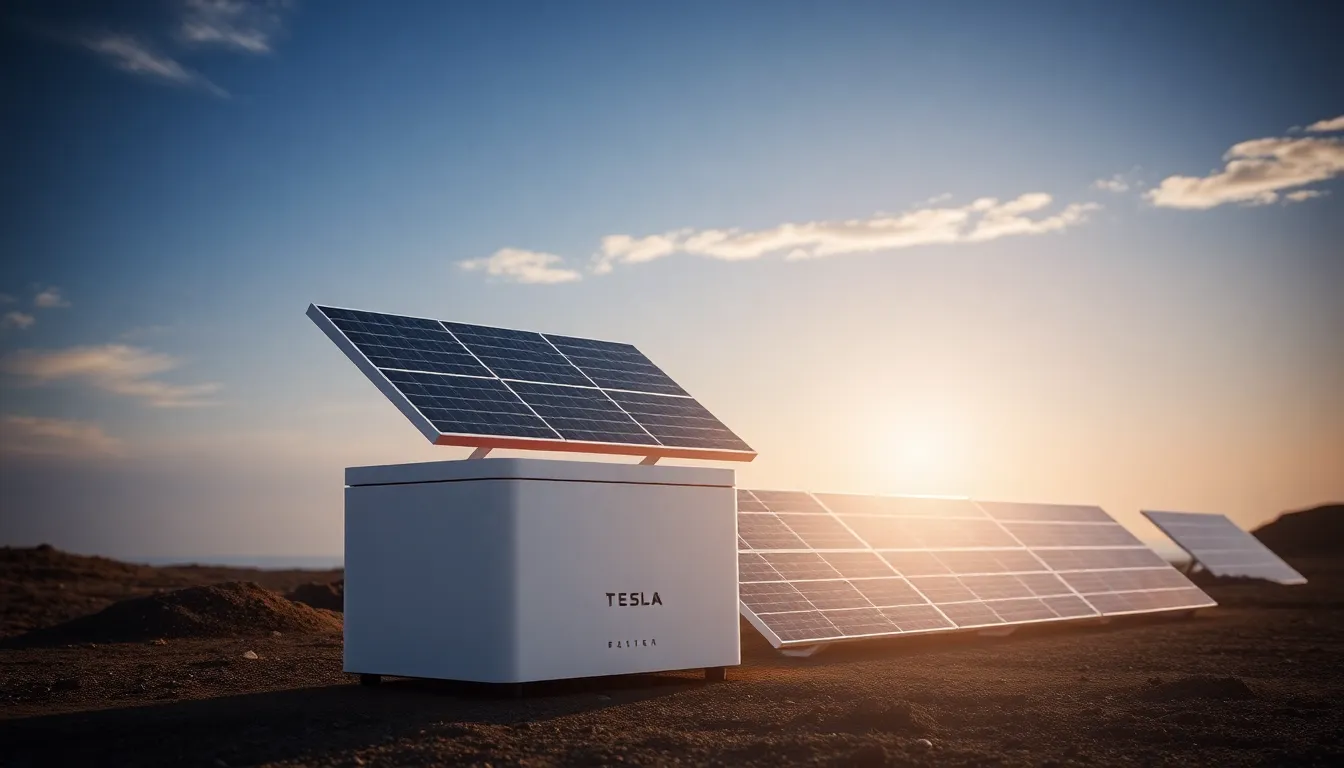
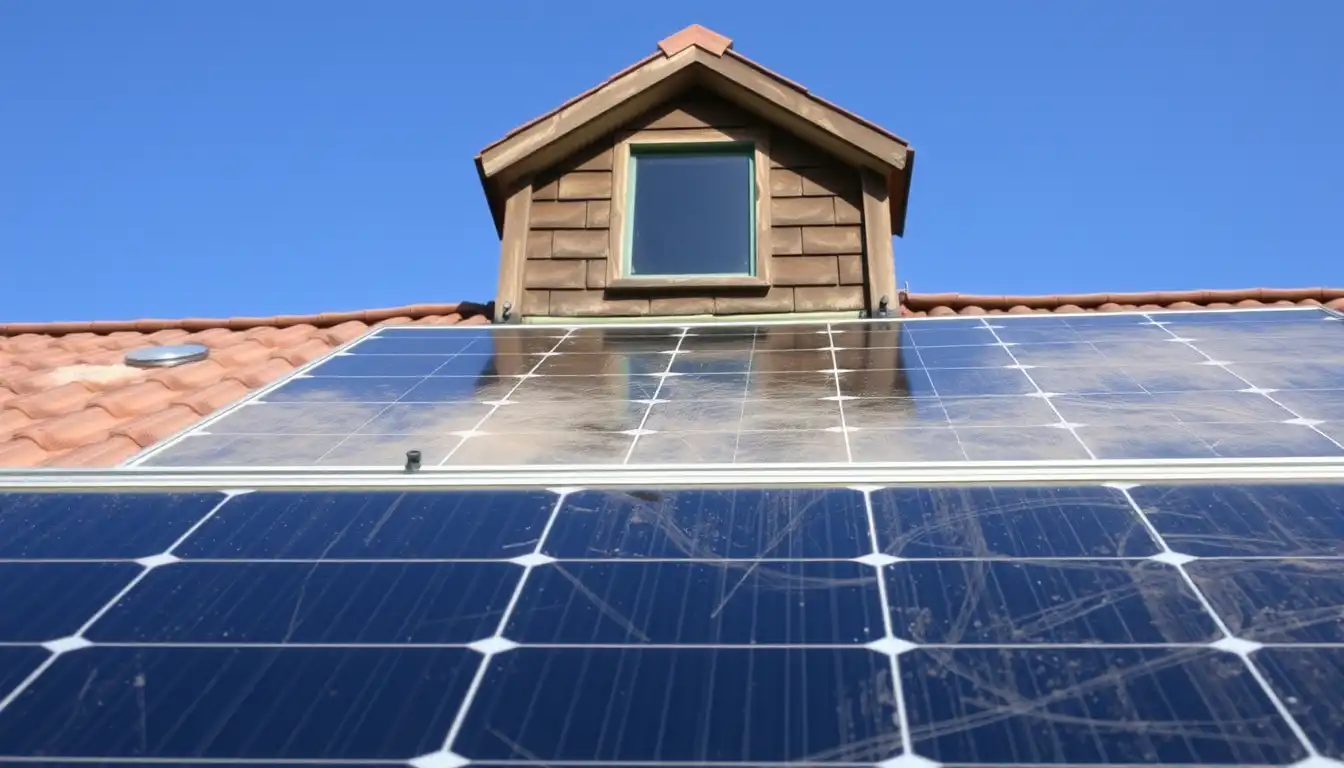
Solar lights are simple. A panel sits on top that soaks up sun all day. Inside is a battery that stores this energy. When darkness falls, a sensor flips on and the light glows bright all night. No wires running across your property. No visits from electricians. No monthly bills arriving at your door.
Here’s the reality. I had one electric light running eight hours a night. Multiply that by 30 days and the cost adds up. My electric light cost me almost 900 dollars a year. A solar light costs nothing to run. Year after year, that’s money staying in my pocket.
This is why farmers everywhere are switching. Off-grid solar field lighting became popular because it works where running power lines is expensive or impossible. My neighbor’s farm is five kilometers from the nearest power line. For him, solar lights were the only option that made sense financially.
HOW MY FIELD LIGHTS WORK EVERY SINGLE NIGHT
The process is straightforward. During the day, the solar panel collects sun energy and stores it in a battery. I don’t have to think about this part. The light handles everything automatically.
When the sun goes down, a sensor inside the light notices the darkness. This sensor tells the LED bulb to turn on. The stored energy powers that bulb for the whole night. In the morning, the sun rises and the light shuts off. The battery charges again. This cycle repeats every single day for years.
I have lights that run for 12 hours straight from one day of charging. That’s more than enough for my field work. I start work at 5 AM and finish around 9 PM during busy seasons. My lights give me what I need.
The beauty is the automation. I don’t touch these lights at all. No switches to flip. No schedules to manage. They work without any effort from me. This is different from electric lights where you have to remember to turn them on and off.
DIFFERENT LIGHTS FOR DIFFERENT JOBS
I learned that not all solar lights work the same way. Some are bright and powerful. Others are small and simple. Picking the right ones for your field makes a huge difference.
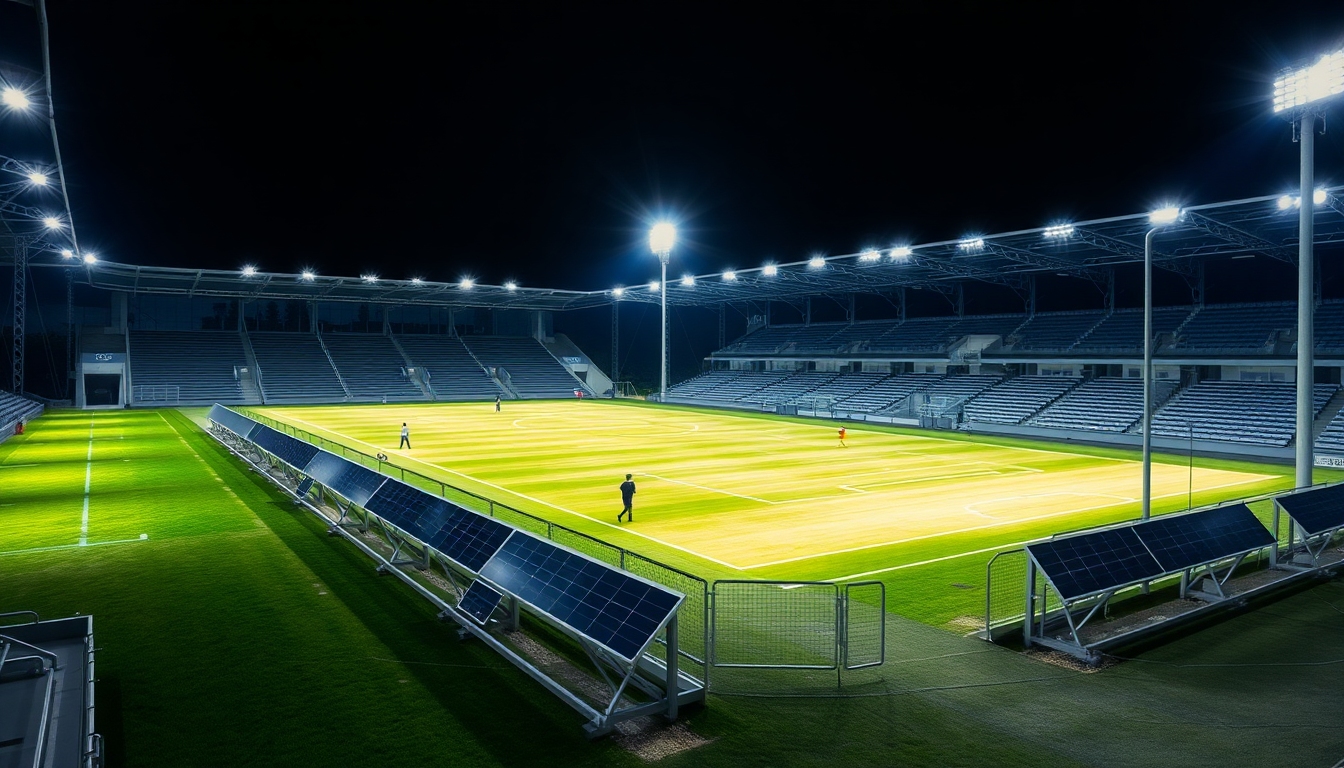
- Flood lights are the big ones. These throw light across a huge area like a sports stadium does. I use one near my barn where I need to see everything clearly. A single flood light covers my entire work zone. These cost more upfront, maybe 200 to 400 dollars, but they cover so much space that you need fewer of them.
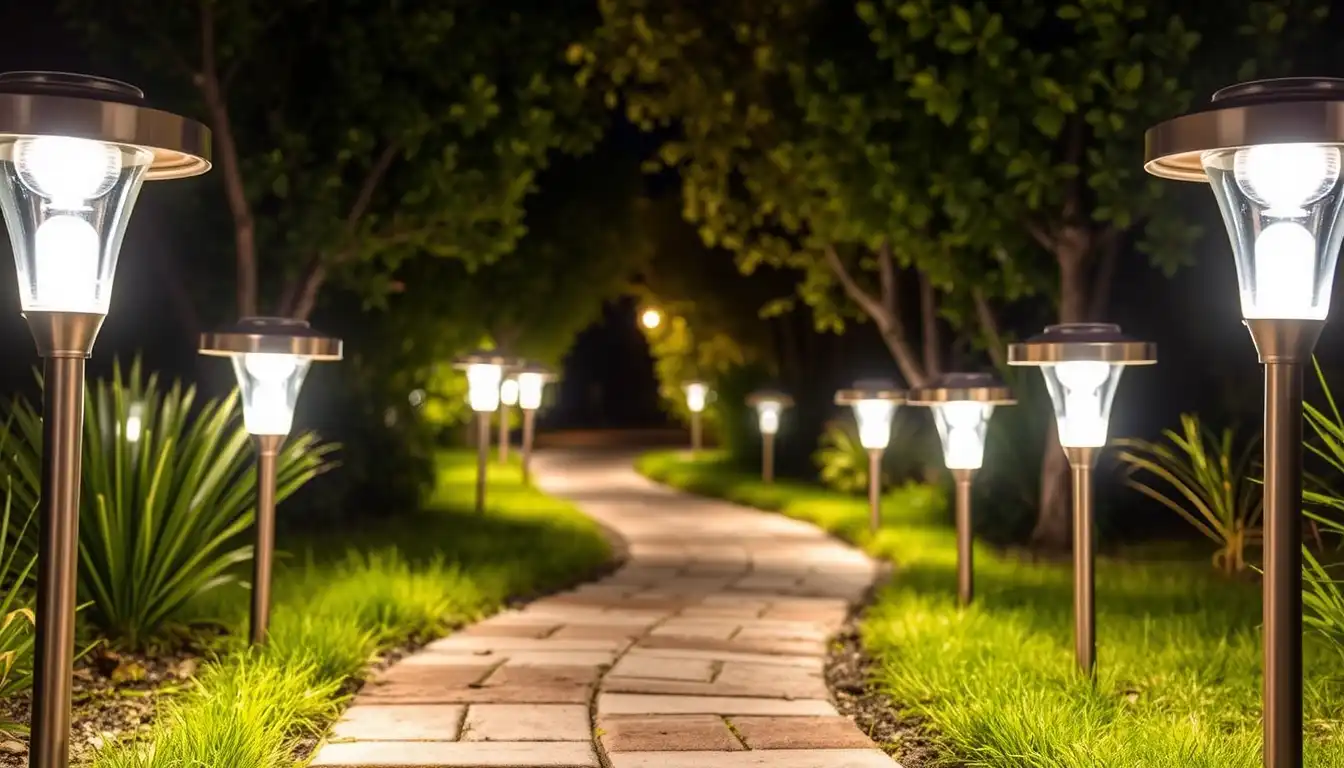
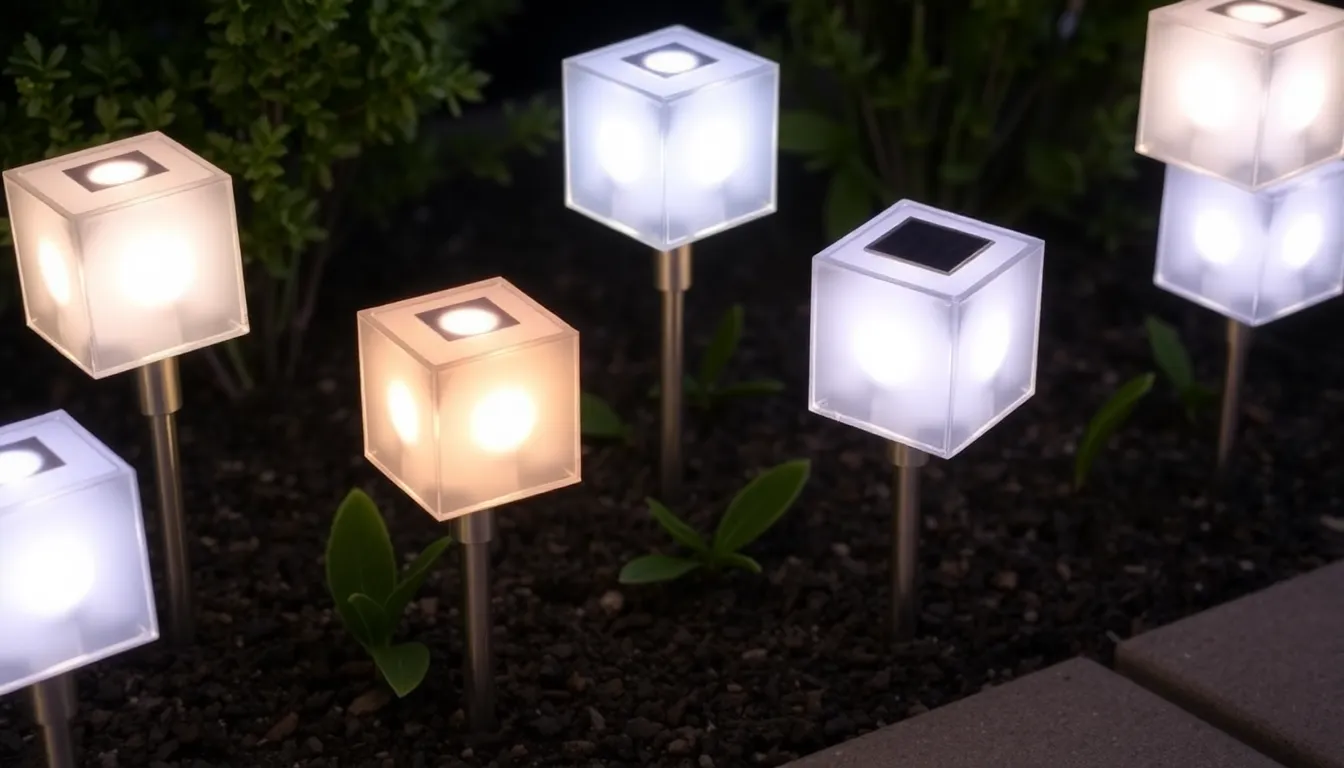
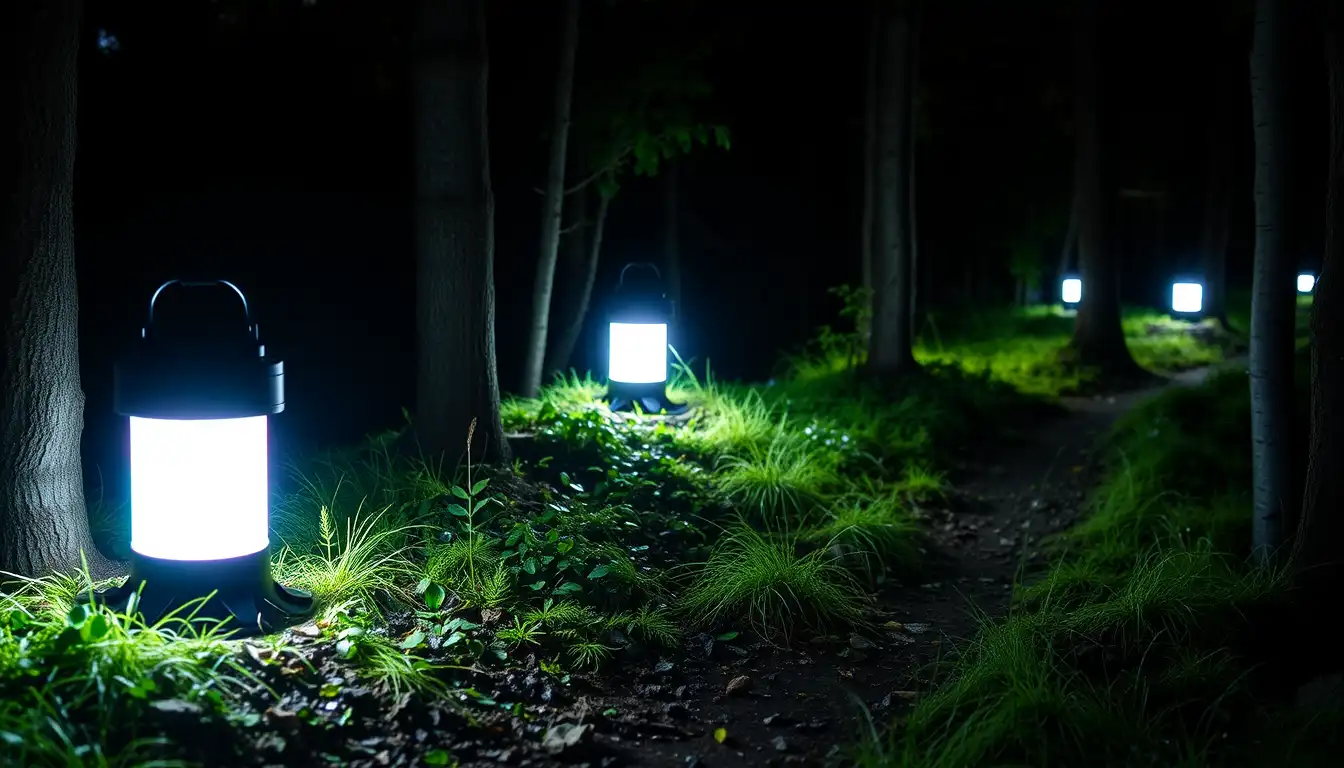
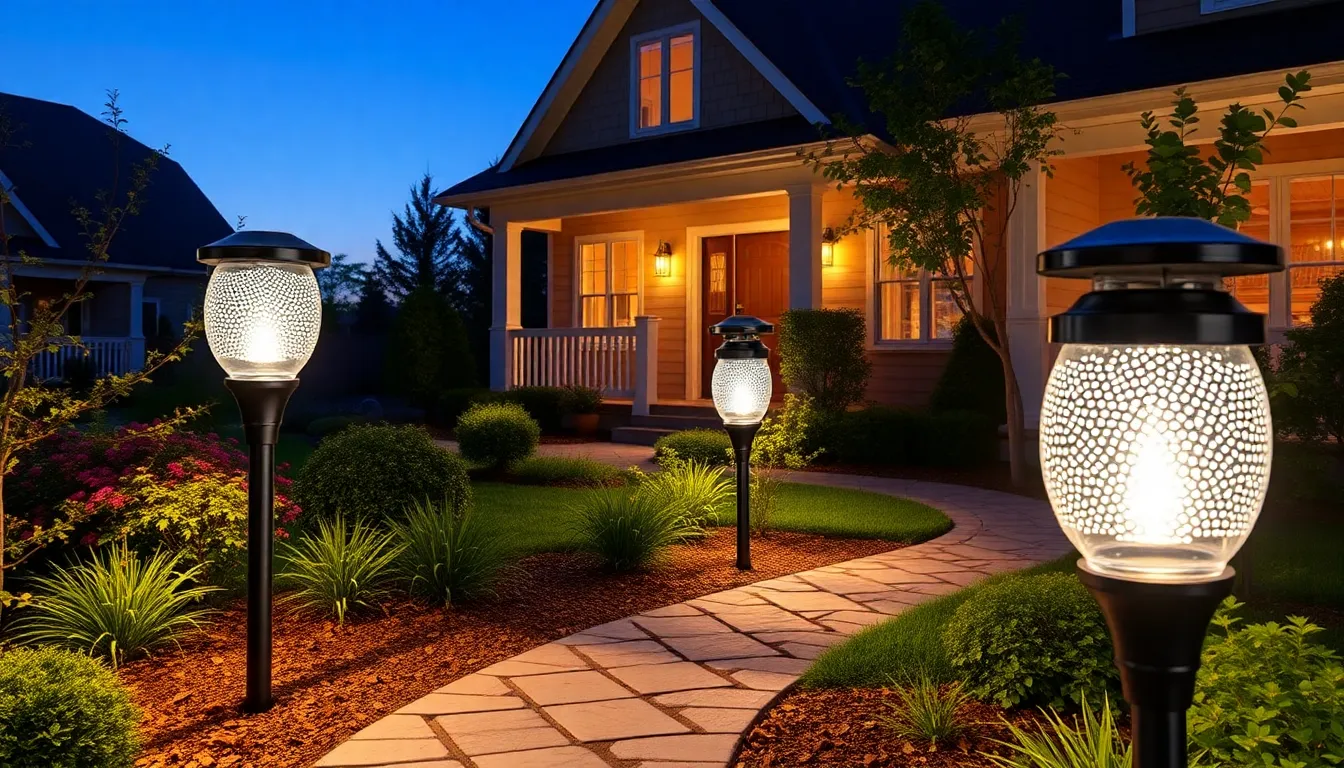
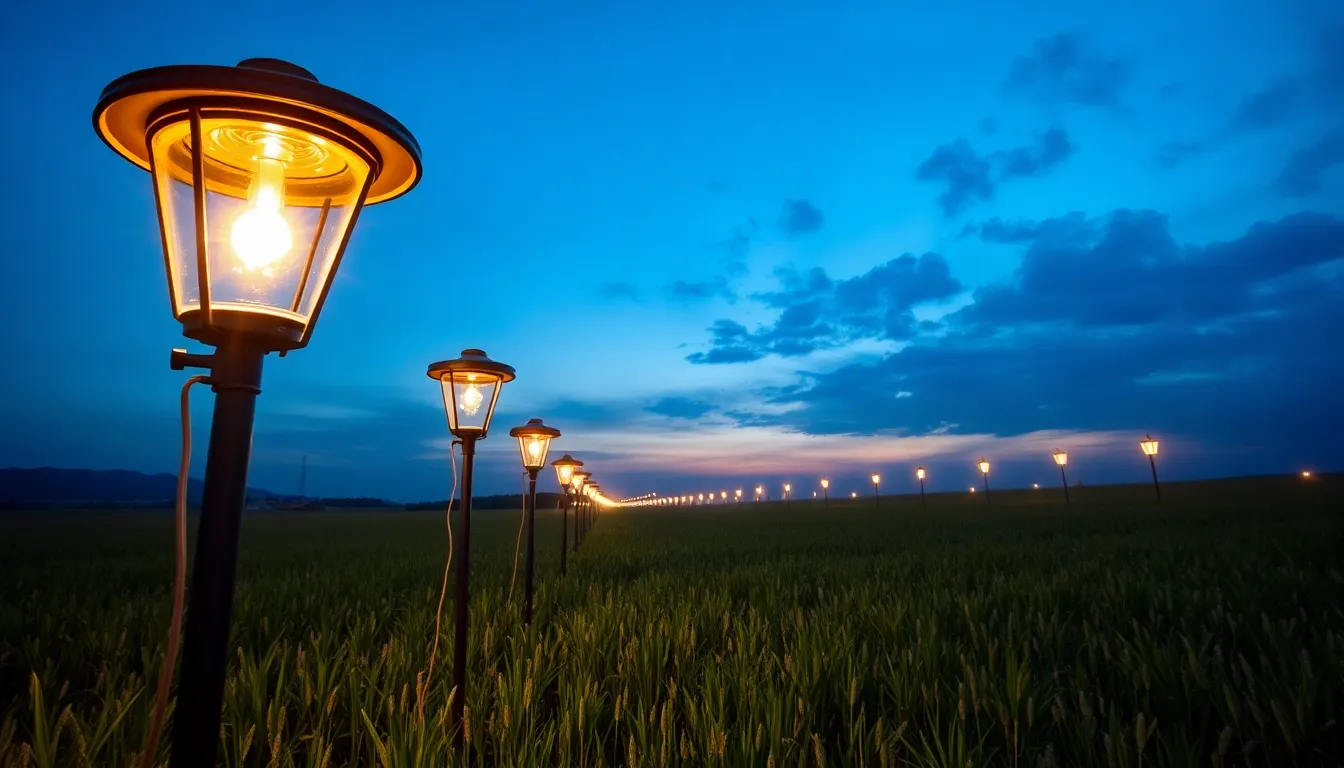
- Pathway lights are tiny by comparison. I stick these into the ground along the paths I walk regularly. They mark the way at night so I don’t trip over anything. I bought 10 of these for about 30 dollars each. They’re low maintenance and simple.
- Area lights sit between these two sizes. They’re brighter than pathway lights but not as intense as flood lights. I have several of these spread across my property. They provide good light without being overkill.
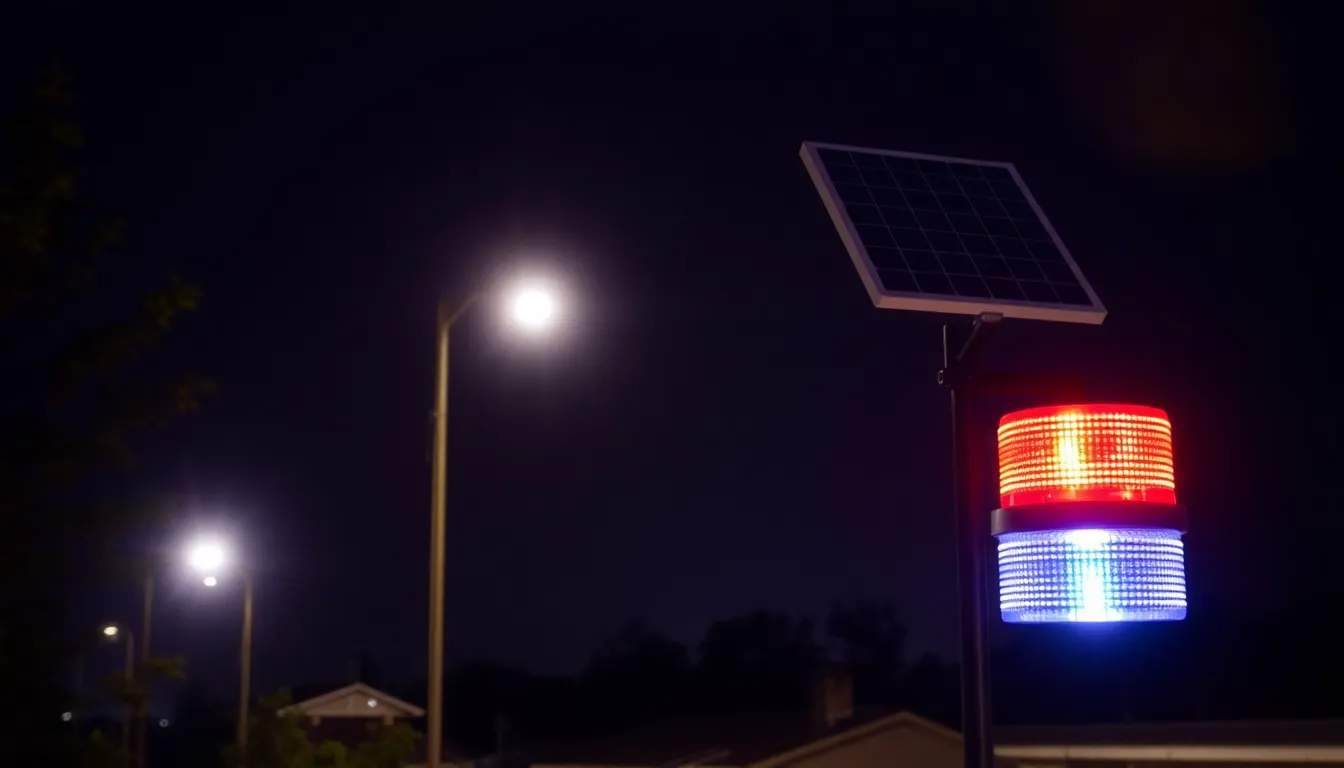
- Motion sensor lights are my favorite for security. When something moves in front of them, they brighten up suddenly. This catches the attention of anyone trying to steal from my farm. The sensor keeps the light dim most of the time, which saves battery power. I love this feature because it protects my property while lasting longer on a single charge.
THE MONEY MATH IS HARD TO IGNORE
I sat down with a calculator last year and did the numbers. Electric lighting for my field would cost me 900 dollars yearly in electricity alone. That’s before any repairs, electrician visits, or new wiring costs.
When I switched to solar, my costs went to zero. I spent about 1200 dollars upfront for good quality solar lights. But after just 18 months, I had saved money compared to electric lighting. Now I’m three years in and I’ve saved almost 2000 dollars. That’s real money.
Installation was free. I did it myself in one afternoon. No hiring contractors. No digging trenches. No buried cables creating hazards. I just walked around my property, picked spots that get good sun, and stuck the lights in the ground.
Maintenance costs me nothing. I rinse the solar panels with a hose when dust builds up. That’s it. Most people I know with electric lights have paid hundreds in repair costs. Broken fixtures, worn out wiring, failed connections. Solar lights don’t have these problems.
THEY WORK WHEN THE POWER GOES OUT
Last year a storm knocked out electricity to my area for three days. My neighbors sat in darkness. Their field lights were useless. My solar lights worked perfectly all three days. That’s when I really appreciated my decision.
Off-grid solar field lighting doesn’t depend on anyone else’s electrical system. When the grid fails, my lights keep working. This brings a sense of independence I enjoy. My farm can function normally even when the power company has problems.
I also feel good about the environmental side. Electric lights come from power plants burning coal and gas. Solar lights get their power from the sun, which is free and clean. I’m not adding to pollution. I’m not using up fossil fuels. My field lighting runs on renewable energy.
PICKING THE RIGHT LIGHTS FOR YOUR SPACE
The first thing to think about is your field size. A small residential lot might need only a few pathway lights. A large farm needs flood lights or multiple area lights. I measured my property and realized I needed six area lights and two flood lights. That guided my purchasing.
Brightness matters for what you’re doing. Security work needs bright light that deters thieves. Farm work needs enough light to see clearly. Casual outdoor areas need pleasant light that’s not harsh. I read the lumen ratings before buying anything. Higher lumens mean brighter output.
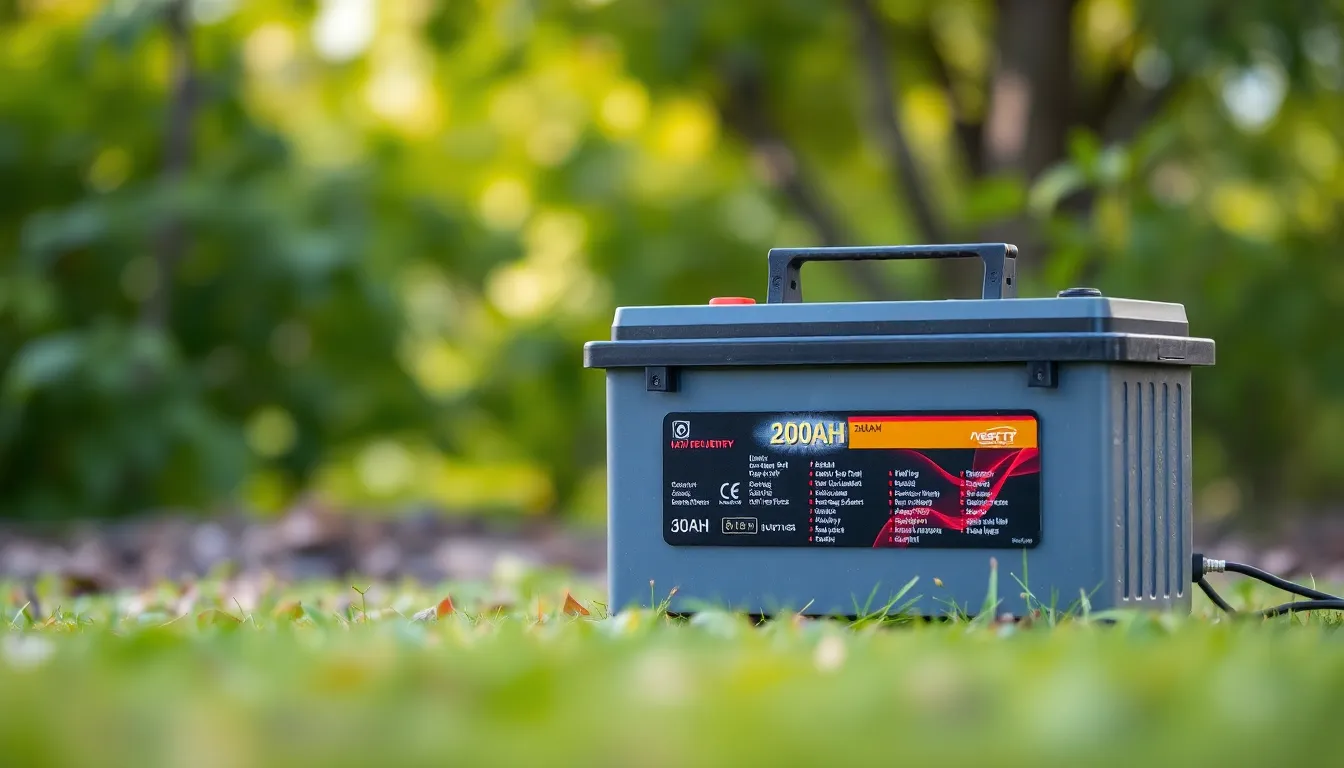
Your climate affects battery choice. In northern areas with short winter days, the sun provides less charging energy. I live in a region with decent sunlight, so standard batteries work fine. A friend in the north chose larger batteries to handle shorter sunny days.
Budget is reality. Good flood lights cost 200 to 400 dollars each. Pathway lights cost 25 to 40 dollars. For a large field, buying several smaller lights often costs less than buying a few powerful ones. I mixed different types based on what each area needed.
Sun exposure is critical. I placed my lights where they get full sun, not in shade from trees or buildings. I face them south for maximum charging. This simple choice improved performance by about 20 percent.
SETTING UP YOUR LIGHTS TAKES ONE AFTERNOON
Installation is embarrassingly simple. I walked my property and marked where I wanted light. I avoided shady spots completely. I spread lights evenly so no area was too dark.
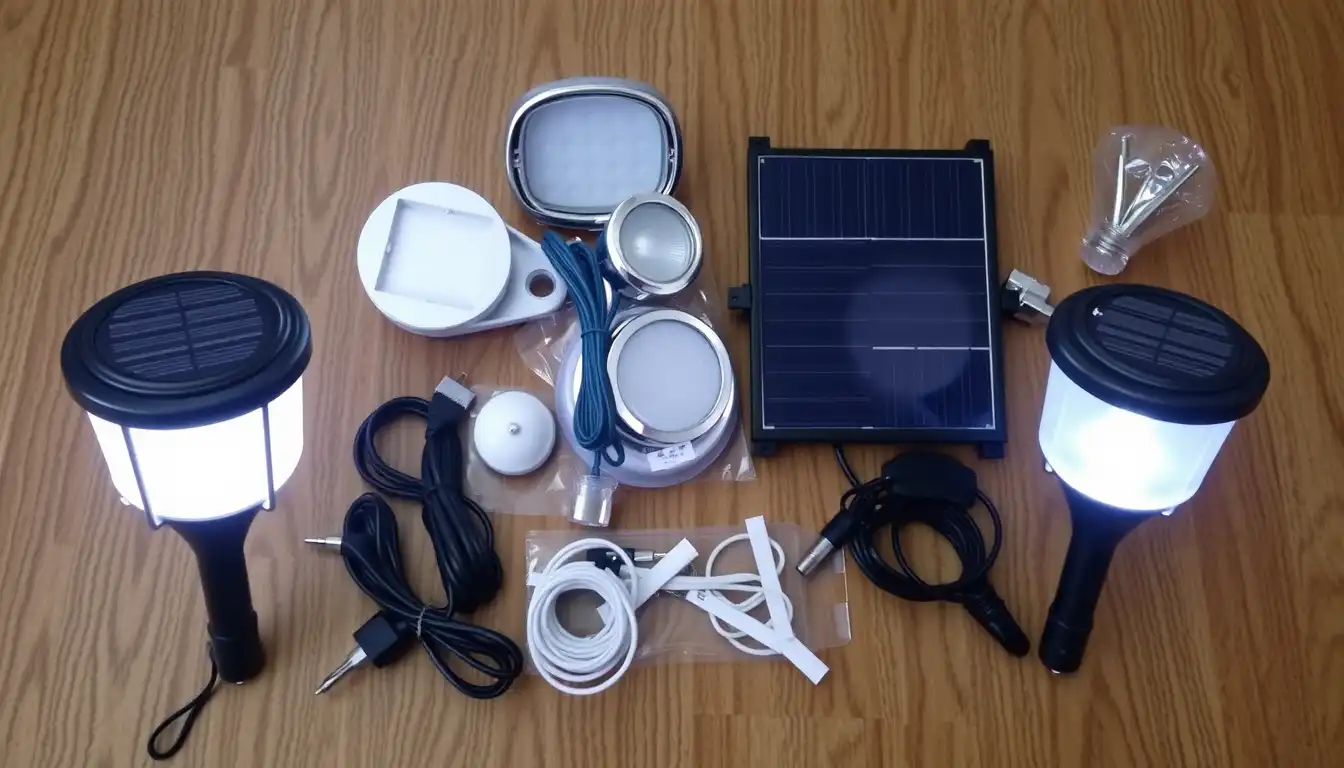
Next, I unpacked each light. Most come with at least a partial battery charge. Mine came charged and ready to use. I read the brief instructions to confirm everything was set.
I pushed the pathway lights firmly into the ground. The flood lights I positioned on open ground where they’d get maximum sun exposure. Some lights include stakes that anchor them. I used those to make sure nothing would knock them over.
I wiped the solar panels with a soft cloth to remove dust. This step takes two minutes per light but improves charging. Then I waited for dusk to see them turn on automatically. All of them worked perfectly.
That’s the whole process. No special tools. No special knowledge. One afternoon and my entire field was lit.
KEEPING YOUR LIGHTS WORKING FOR YEARS
My three year old lights still work like new. Simple care keeps them going. In winter, I clean the solar panels more often because snow and ice block charging. In summer, dust builds up, so I rinse them regularly.
Once a year I check that water hasn’t entered the light housing. If I see moisture inside, I dry it thoroughly and make sure the seal is tight. This prevents battery damage. So far I’ve never had this problem.
I avoid placing lights where salt spray reaches them. Salt corrodes metal. If you live near the ocean, choose lights with extra corrosion protection.
When a battery finally stops holding a full charge, I replace it instead of buying a new light. The replacement costs 40 to 60 dollars, much cheaper than buying a whole new fixture.
For motion sensor lights, I position them carefully. Constant triggering drains the battery faster. I put them where they’ll catch actual security threats, not where wind or animals trigger them constantly.
WHY SOLAR BEATS ELECTRIC EVERY TIME
- Electric lighting requires burying power cables across your property. That costs thousands of dollars. Solar lights cost nothing to install. You put them in the ground yourself.
- Electric lights drain your wallet monthly. I was paying 900 dollars yearly. Solar costs zero to run. That difference pays for the lights in about two years.
- Electric lights break down and need expensive repairs. Solar lights need almost no maintenance. I handle everything myself. No calling technicians. No waiting for appointments.
- Power outages kill electric lights. Solar keeps working. This reliability matters when you depend on field lighting.
- Digging around buried electric cables creates safety hazards. Solar lights have no cables, so no danger.
- Electric power comes from burning fuel. Solar power comes from the sun. The environmental difference is stark.
- Over ten years, solar costs a tiny fraction of electric. When I add up electricity, repairs, maintenance, and installation for electric lights, the comparison is laughable. Solar wins by thousands of dollars.
WHY I’M STAYING WITH SOLAR
Three years ago, I made a decision that changed my farm. I stopped throwing money at electric bills and switched to sustainable field lighting solutions. My solar field lights work every single night without fail. They charge themselves every day. They cost nothing to operate.
My neighbors ask why I made the switch. I tell them the same thing. The sun rises every morning. Why not use that free energy instead of paying a company for electricity. Solar lights make sense for farming. They make sense for any outdoor field lighting situation.
SUMMARY
I started using solar lights on my farm three years ago and never looked back. These lights charge from sunlight and work all night without any electricity bill. Whether you run a farm, manage sports fields, or just want to light up your property, solar field lighting works better than electric options. Here’s what I’ve learned about choosing and using them.