Table of Contents
Your Inverter Isn’t Going to Die Tomorrow
If you just bought a luminous inverter, you’re probably wondering how many years you’ll get out of it. Here’s the thing: a decent luminous inverter will stick around for 8 to 15 years. That’s if you treat it reasonably and don’t ignore it completely. Some people get even more years out of theirs, but it depends on how you use it and where you live.
What Actually Kills Your Inverter
Heat is the main enemy. Your inverter works best when it’s not too hot, not too cold. Between 20 to 45 degrees is the sweet spot. If you keep it in a room that gets blazing hot in summer, the circuits inside start breaking down faster. Cold temperatures make your battery perform like garbage too. Good airflow around your unit prevents the heat from building up and cooking your inverter from the inside out.
How often the power actually goes out matters a lot. If you live somewhere with constant blackouts, your inverter gets beaten up more than someone with occasional outages. Each time it switches from battery to power, that’s wear and tear. Heavy loads like running an air conditioner on battery backup stress the system way more than just keeping lights on.
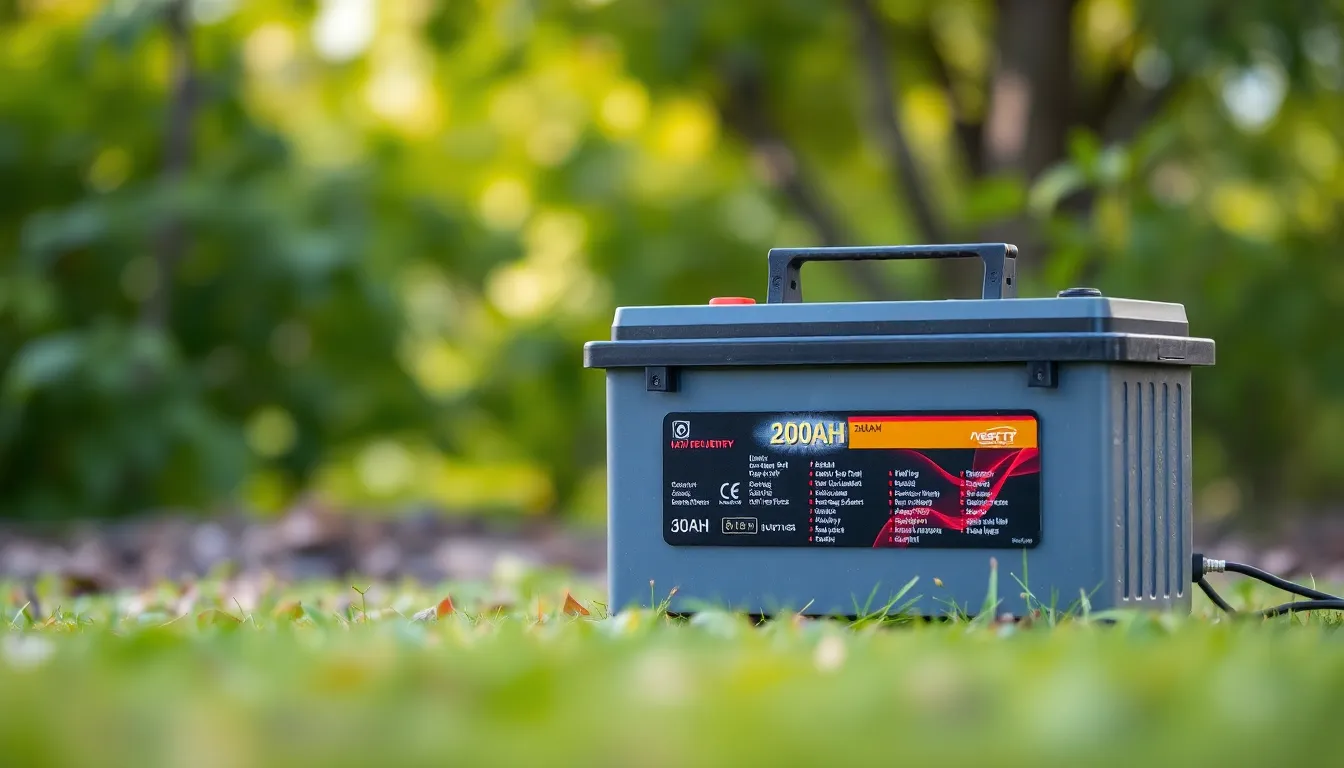
The battery inside your inverter is usually the first thing that gives up. Lead-acid batteries typically last 3 to 5 years. Lithium batteries go longer, around 10 to 15 years, but they cost more upfront. Either way, your battery degrades slowly. After a few years, you’ll notice it doesn’t back you up for as long as it used to.
Keeping Your Inverter Alive Longer
Don’t ignore your inverter. Check it every few months. Look at the battery terminals and clean off any buildup or corrosion. If wires come loose, the whole thing gets less efficient.
The battery water level matters if you have lead-acid batteries. Use distilled water only when topping it off, not tap water. Tap water has minerals that mess things up. Keep dust away from the battery cells.
Make sure air flows around your inverter. Don’t shove it in a corner against the wall or under a shelf. Hot air needs somewhere to go. Proper ventilation can add years to how long it lasts.
When manufacturers push out firmware updates, install them. These aren’t just random changes. They fix bugs and add protection against power surges that would otherwise damage your unit.
Don’t Run It Into the Ground
Avoid draining your battery all the way down every single time. Sure, it happens during long blackouts, but don’t make a habit of it. Deep discharging wears out the battery chemistry faster.
Get a voltage stabilizer. Power surges happen, and they’ll fry your inverter’s insides. A stabilizer costs way less than replacing the whole unit and protects everything connected to it.
Keep moisture away from your inverter. Damp spots cause corrosion inside. If water somehow gets in there, you need to get it fixed right away or you’ll have a dead inverter on your hands.
When Your Battery Needs Replacing
Most people end up replacing the battery before the inverter itself dies. You’ll start noticing backup time getting shorter during power cuts. That’s your first warning sign. Battery replacement usually costs somewhere between 30 to 50 percent of what you paid for the whole thing.
Test your battery once a year if your inverter has a self-test function. This tells you what’s happening before things get bad. Some authorized service centers do professional testing that gives you more details.
Watch for signs like the inverter taking longer to charge back up, shorter backup time, or the battery not holding charge overnight. When you see these, get it replaced. Ignoring it puts stress on the rest of the inverter and causes other problems.
Better Models Last Longer
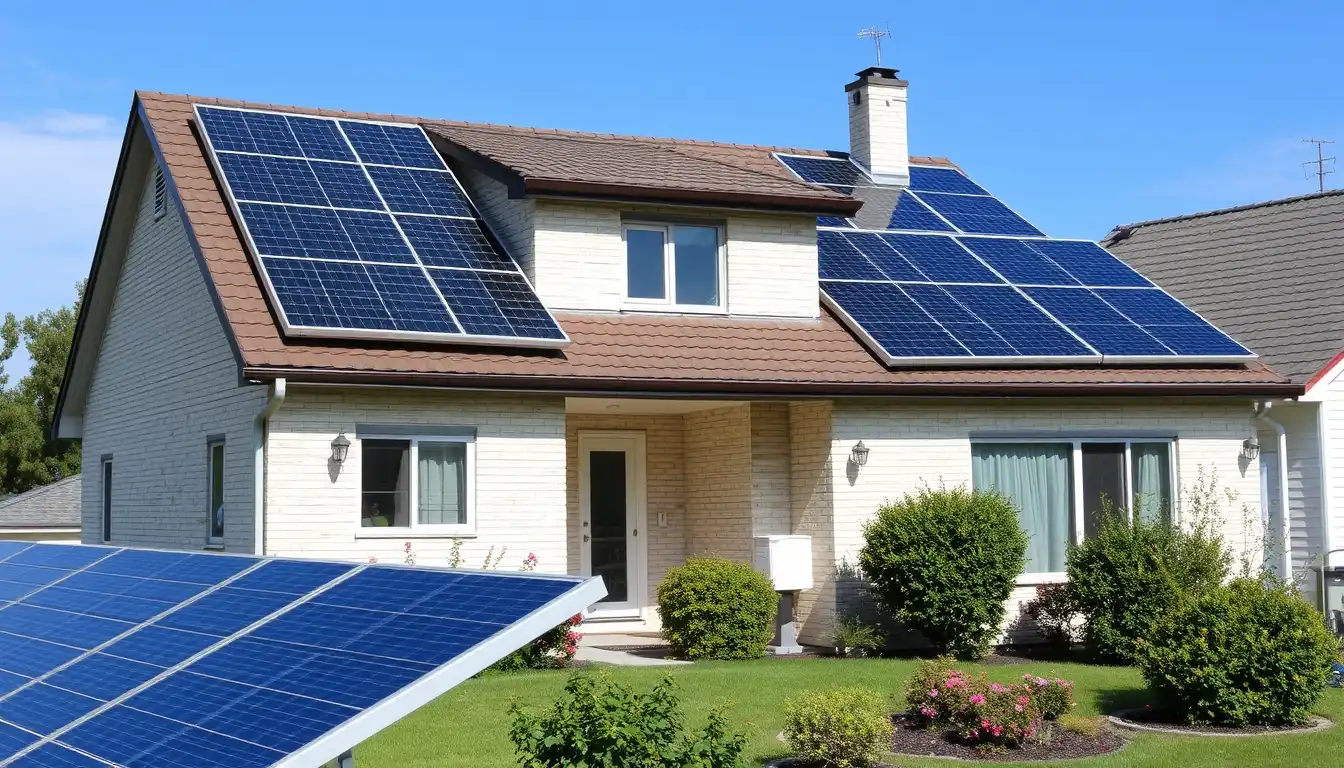
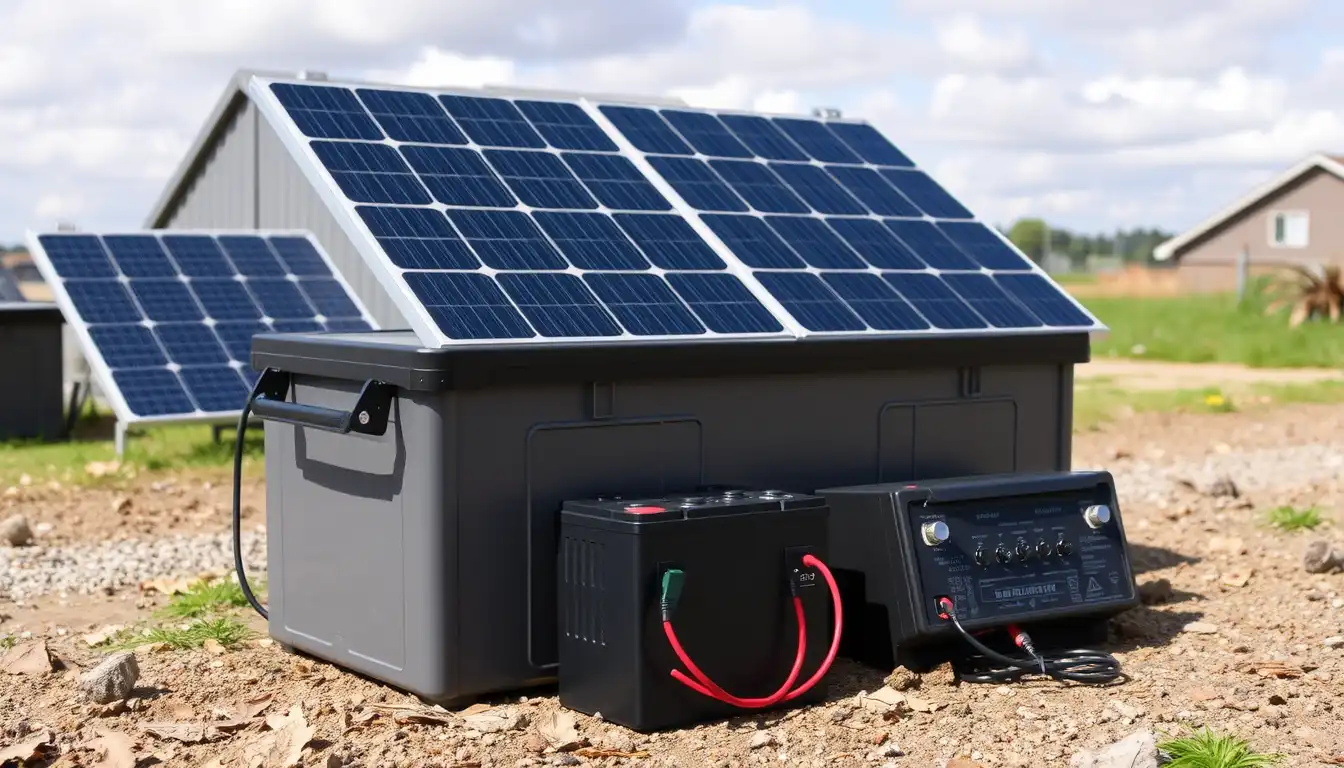
The cheaper models give you about 8 to 10 years. The more expensive ones with all the bells and whistles go 12 years or more if you maintain them. If you get a hybrid inverter that works with solar panels, it sometimes lasts even longer because the battery doesn’t get hammered as hard during the day.
Don’t buy something way bigger than you need. Oversized inverters handling tiny loads actually last longer because they’re not stressed. But undersized units break faster because they’re working too hard all the time. Get one that fits what you actually use.
Installation Matters More Than You Think
How you set it up in the first place affects how long it lasts. Get a professional to do it if you’re not sure about wiring. Bad installation causes voltage issues that damage components. Put it somewhere with shade. Direct sunlight heats it up and kills components faster. Keep it away from rain and moisture. Make sure it’s grounded properly for safety.
Don’t Put It on Shaky Ground
Mount your inverter on a stable surface. Vibration stresses the internal parts. If it’s shaking around, things loosen and break sooner.
Warranty and What It Covers
Luminous inverters come with warranties usually between 2 to 5 years depending on which model you get. Register it when you buy it. Keep records of any maintenance you do. If something goes wrong during warranty, they’ll help you out if you’ve been taking care of it properly.
You can extend the warranty beyond the basic period. These plans cover battery replacement and repairs at lower costs. Figure out if it makes sense for how long you plan to keep it.
Real People, Real Results
People who actually maintain their inverters report getting them to work past 15 years. Some hit year 18 without major problems. Performance does get noticeably worse after year 12, but they still work. The ones that fail early are usually the ones nobody bothers to look after.
Your area’s climate plays a role. People in cooler regions get longer life. People dealing with extreme heat have them die faster and batteries degrade quicker.
Summer Heat and Winter Cold
Summer cranks up the temperature inside your inverter. Winter slows down how fast the battery charges and hurts its efficiency. Your maintenance needs change with the seasons. In humid areas, moisture becomes your enemy. Keep desiccant packs near your inverter to absorb extra moisture. Check it regularly so problems don’t sneak up on you.
Don’t Get Caught Without a Plan
Budget for a replacement eventually, even if you maintain it well. Set aside a little money each year. When the time comes, you won’t be scrambling for cash. Think about upgrading before it dies completely. New inverters are more efficient and support solar panels and smart home stuff that older ones can’t handle.
The Bottom Line
Your luminous inverter isn’t a set-it-and-forget-it device. You get 8 to 15 years out of it if you check on it, keep it cool, avoid draining the battery completely, and fix problems quickly. The battery dies first, usually within 3 to 10 years. After that, the inverter itself can keep going. Simple maintenance and smart usage decisions add years to its life. Know what to look for and when to call someone for repairs. If you do this stuff, you’ll feel like you got your money’s worth.
Summary
A luminous inverter lasts about 8 to 15 years if you don’t completely ignore it. Heat and heavy use kill them faster than anything else. Check on your inverter every couple months, keep it cool and dry, and update the firmware when you get the chance. Your battery will probably need replacing before the inverter itself dies, usually somewhere between year 3 and year 10. Voltage stabilizers and proper installation add years to the life. Where you live matters too, cooler climates get longer life. Budget for an eventual replacement, keep maintenance records, and you’ll feel good about what you got out of your investment.