Table of Contents
Let’s Talk About Your Battery Setup
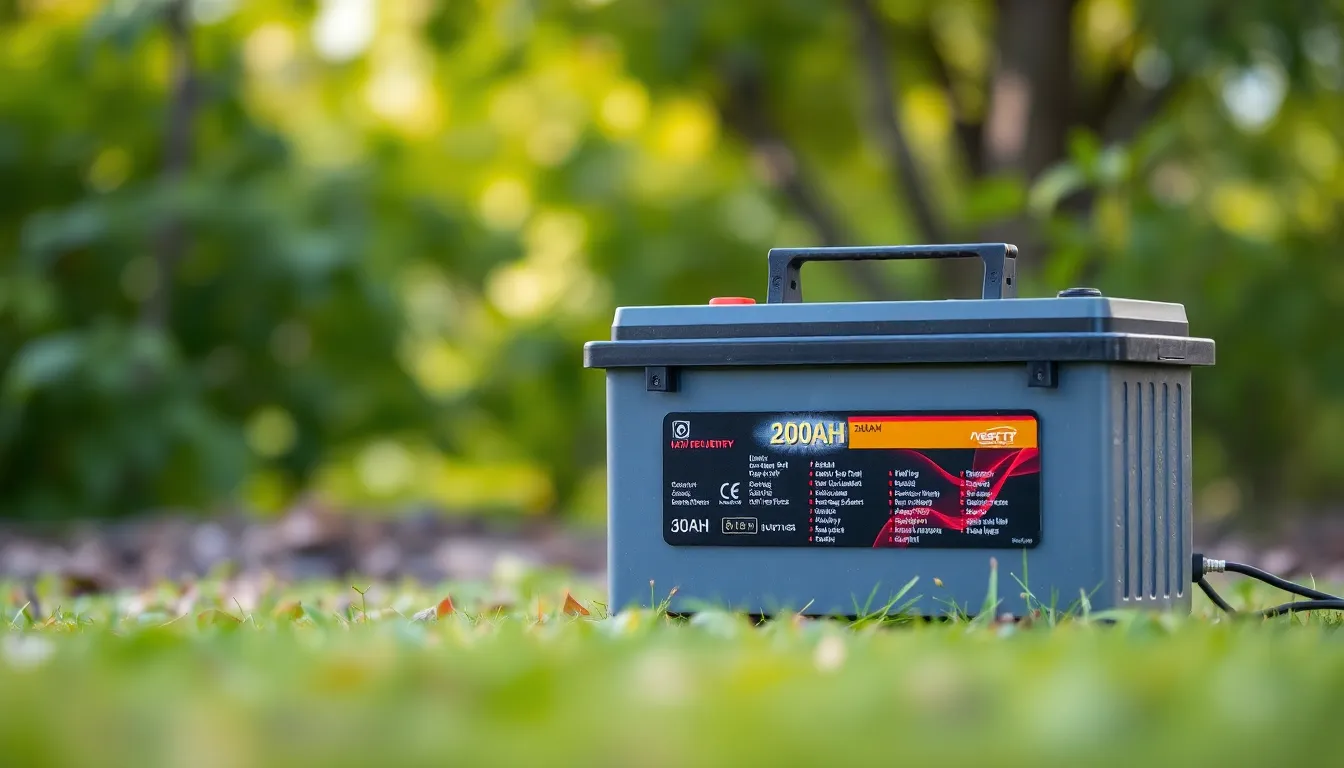
You’ve got a 12V 200 amp-hour battery and a 2000 watt inverter. The question everyone asks is how long will this thing actually run your stuff. The answer depends on what you plug in and how much power it draws.
Think of your battery like a gas tank. A 200Ah battery is like a 50-gallon tank. Your inverter is like the engine. A 2000 watt inverter pulls hard on that tank. How long it lasts depends on what engine you’re running and how hard you push it.
The math seems simple but surprises people. Your 12V 200Ah battery holds about 2400 watt-hours of energy. That’s the total amount of power stored inside. But you cannot use all of it. You need to keep some charge or you’ll damage the battery permanently.
Understanding Watt-Hours And Your Battery
A 12V 200Ah battery has 2400 watt-hours when fully charged. This comes from multiplying 12 volts times 200 amp-hours. That equals 2400 watt-hours or 2.4 kilowatt-hours.
In real life, you only use about 80 percent of the battery’s capacity safely. This means you’ve got roughly 1920 watt-hours to work with. The remaining 20 percent stays in the battery to prevent damage.
If you drain your battery completely every single time, it fails faster. Lead-acid batteries hate getting drained all the way. Lithium batteries tolerate deeper discharge but still lose lifespan if you do it repeatedly.
Running A 2000 Watt Load
If you run your inverter at full 2000 watt load, it pulls hard. At full power, your battery lasts less than an hour. Here’s the math. You have 1920 usable watt-hours. You’re pulling 2000 watts. Divide 1920 by 2000 and you get 0.96 hours. That’s roughly 57 minutes.
Most people don’t run at full power continuously. Actual inverters rarely demand maximum output all the time. But if you plug in a space heater or air conditioning unit, you hit that ceiling fast.
Running 1000 Watts Continuously
Now reduce the load to 1000 watts. Your battery has 1920 watt-hours. Divide 1920 by 1000 and you get 1.92 hours. You get just under 2 hours of runtime.
This happens when you run something like a microwave, coffee maker, or hair dryer. These devices pull serious power. They drain your battery quickly.
Running 500 Watts Continuously
Drop to 500 watts and things improve. You get 3.84 hours of runtime. That’s almost 4 hours. This covers running a laptop charger, television, and a few lights simultaneously.
500 watts is more realistic for actual use. Most households running on battery don’t push that hard constantly. You stretch your battery much further at this level.
Running 250 Watts Continuously
At 250 watts, your battery runs for 7.68 hours. That’s over 7 hours of continuous power. This is like running a refrigerator, lights, and a laptop together.
Most homes trying to live on battery power aim for this range. It’s sustainable for extended periods if you recharge during the day with solar or a generator.
The 100 Watt Example
Push it down to 100 watts and you get 19.2 hours of runtime. That’s almost a full day. You could run lights, a laptop, and minimal devices from morning through evening and into the next morning.
100 watts is what you actually use if you’re careful. LED lights use 10 watts each. A laptop uses 50 to 100 watts. A small fan uses 30 watts. Combine these and you hit 100 watts easily.
Real World Scenarios
Let’s say you run a camping trip setup. One LED light at 10 watts. A laptop at 75 watts. A small fan at 20 watts. A radio at 10 watts. That’s 115 watts total. Your battery runs for about 16.6 hours.
You leave the campsite early morning and return evening. The battery powers everything all day. You recharge it overnight with a generator. This works well for off-grid camping.
Another scenario. Home backup power during a blackout. Run essential loads only. Refrigerator at 150 watts. A few LED lights at 30 watts. A laptop at 75 watts. A modem and router at 30 watts. That’s 285 watts total. Your battery lasts 6.7 hours.
That gets you through the day. Evening hits and the fridge gets turned off to save power. Now you’re at 135 watts. The battery runs for 14.2 hours more. You stretch through the night and into the next morning.
Peak Power Versus Continuous Power
Your 2000 watt inverter has a peak rating. This is the maximum power it handles for a few seconds when you first turn something on. Most appliances surge when starting. An air conditioner might surge to 2500 watts for a second then drop to 2000 watts.
Your battery survives this brief surge. But sustained 2000 watt draw kills your runtime fast. Running at peak power continuously is not realistic for a 12V 200Ah battery.
Most people run at 500 to 1000 watts continuously. This is sustainable. The battery lasts long enough to get through your emergency or work day.
Inverter Efficiency Matters
Your 2000 watt inverter is not 100 percent efficient. Most inverters are 85 to 95 percent efficient. This means some power gets lost as heat.
If your inverter is 90 percent efficient, you lose 10 percent of your battery’s power. Your usable power drops from 1920 watt-hours to about 1730 watt-hours. This affects runtime slightly. Your numbers get shorter by roughly 10 percent.
Quality inverters are more efficient. Budget inverters waste more power. Over time, this efficiency difference adds up.
Temperature Effects On Battery
Cold temperatures reduce battery capacity. A 12V 200Ah battery in freezing weather performs like a 150Ah battery. You get less runtime in winter.
Heat does the opposite by affecting the inverter. Your inverter works harder in hot conditions. This reduces efficiency slightly. You lose a bit more power to heat waste.
Keep your battery in moderate temperature if possible. Extreme cold or heat hurts your system performance.
Battery Chemistry Matters
Lead-acid batteries lose capacity as they age. A 5-year-old lead-acid battery might be 80 percent of its original capacity. A 10-year-old battery might be 60 percent of original. Your actual usable power drops as the battery ages.
Lithium batteries hold capacity much better. A 5-year-old lithium battery is still 95 percent of original. This is why lithium costs more upfront. You get longer useful lifespan.
If your battery is used or old, expect shorter runtime than the numbers suggest.
Charging Your Battery
After you use your battery, you need to recharge it. Solar panels, a generator, or grid power all work. How you recharge affects how long you get to use the battery again.
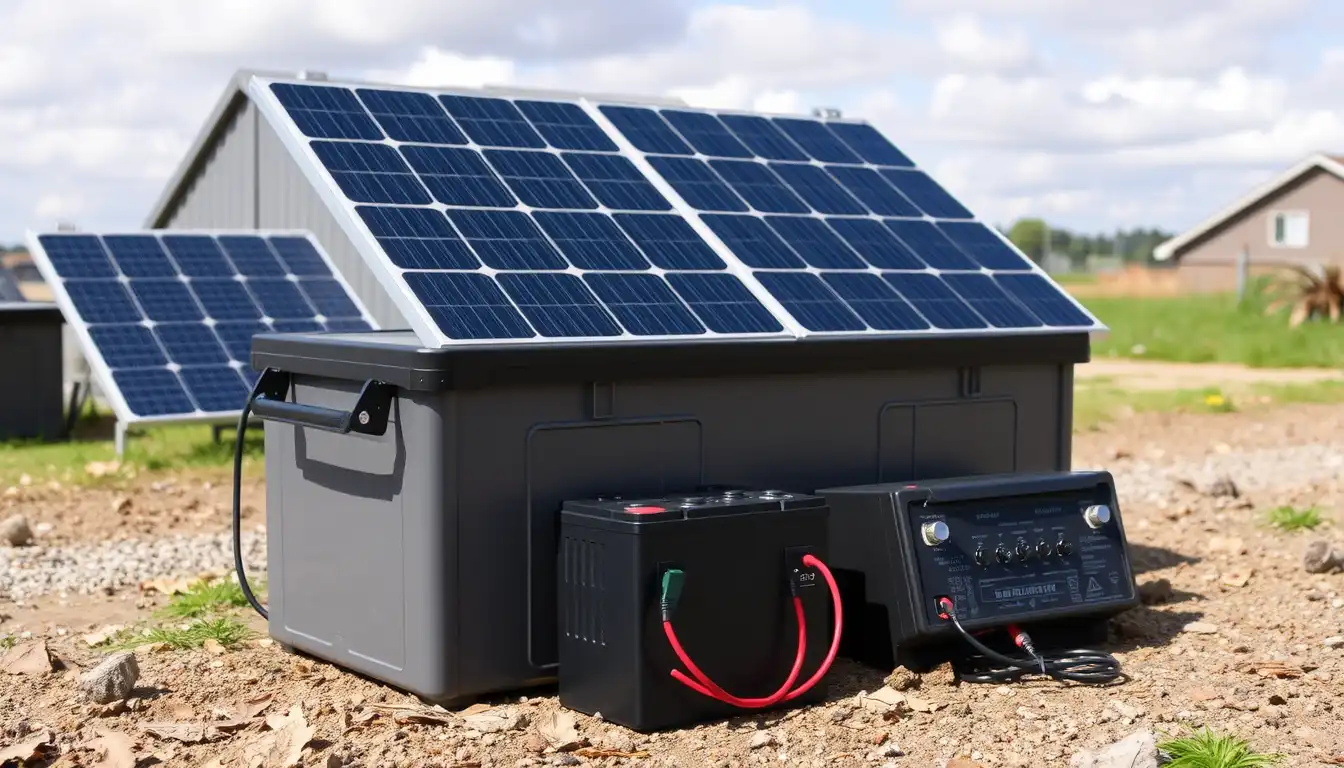
A solar panel recharges the battery during the day. A 400 watt solar panel recharges your 200Ah battery in about 6 to 8 hours of good sunlight. A 2000 watt generator recharges it in under an hour.
Your charging method affects your daily usage pattern. Solar users plan around daylight hours. Generator users face fuel costs and noise. Grid power means you’re not really off-grid.
Pros Of This Battery And Inverter Combo
You get 2400 watt-hours of stored power. It handles most household appliances during peak demand. The 2000 watt inverter runs air conditioning, microwaves, power tools, and welders. Great for emergency backup power. Works well with solar systems. Portable enough for RVs and camping. Reliable for off-grid cabins.
Cons Of This Battery And Inverter Combo
Runtime drops fast at high power draw. Not enough for full home independence long-term. Requires regular recharging. Battery weight is significant, about 60 kilograms. Lithium versions cost 3000 to 4000 dollars. Lead-acid versions need maintenance. Inverter efficiency losses reduce actual capacity. Cold weather reduces performance.
Extending Your Runtime
Run appliances during peak solar hours if using solar charging. Use LED lights instead of incandescent. They use 80 percent less power. Unplug devices when not using them. Turn off phantom loads like chargers sitting idle. Use efficient appliances like refrigerators with inverter compressors. Close unnecessary circuits. Run high-power loads briefly rather than continuously.
Practical Tips For Daily Use
Monitor your battery voltage. Stop discharging at 12 volts for lead-acid batteries. Stop at 20 percent state of charge for lithium batteries. Use a battery monitor to track real-time usage. Plan your power consumption around available battery capacity. Know what devices need the inverter versus what runs on DC directly from the battery.
Real Numbers From Users
RV owners report a 12V 200Ah lead-acid battery lasts 1 to 2 days with normal camping loads. Off-grid homeowners with solar report 3 to 5 days of autonomy. This means the battery carries them through cloudy weather when solar production drops.
Emergency backup users report the battery gets them through 6 to 12 hours of backup power during blackouts. This covers one full night and most of the following day.
Cabin owners recharge daily with solar or generators. The battery stores daytime production for nighttime use.
Summary
A 12V 200Ah battery holds 2400 watt-hours of energy but you safely use only 1920 watt-hours. Runtime depends entirely on power draw. At 2000 watts continuous you get under one hour. At 500 watts you get almost 4 hours. At 100 watts you get over 19 hours. Real world usage falls between 250 to 500 watts for most people. Inverter efficiency reduces actual capacity by 5 to 15 percent. Battery temperature and age affect performance. Lead-acid batteries lose capacity with age while lithium batteries hold capacity longer. Charging methods include solar panels, generators, or grid power. Extended runtime requires reducing power draw or adding more battery capacity. This battery and inverter combo works best for emergency backup, RVs, camping, and off-grid cabins with daily recharging. Calculate your actual power needs before buying to ensure adequate capacity.