Table of Contents
How Solar Lights In My Cow Shed Increased Milk Production By Eight Percent
When My Electricity Bill Killed My Farm Profit
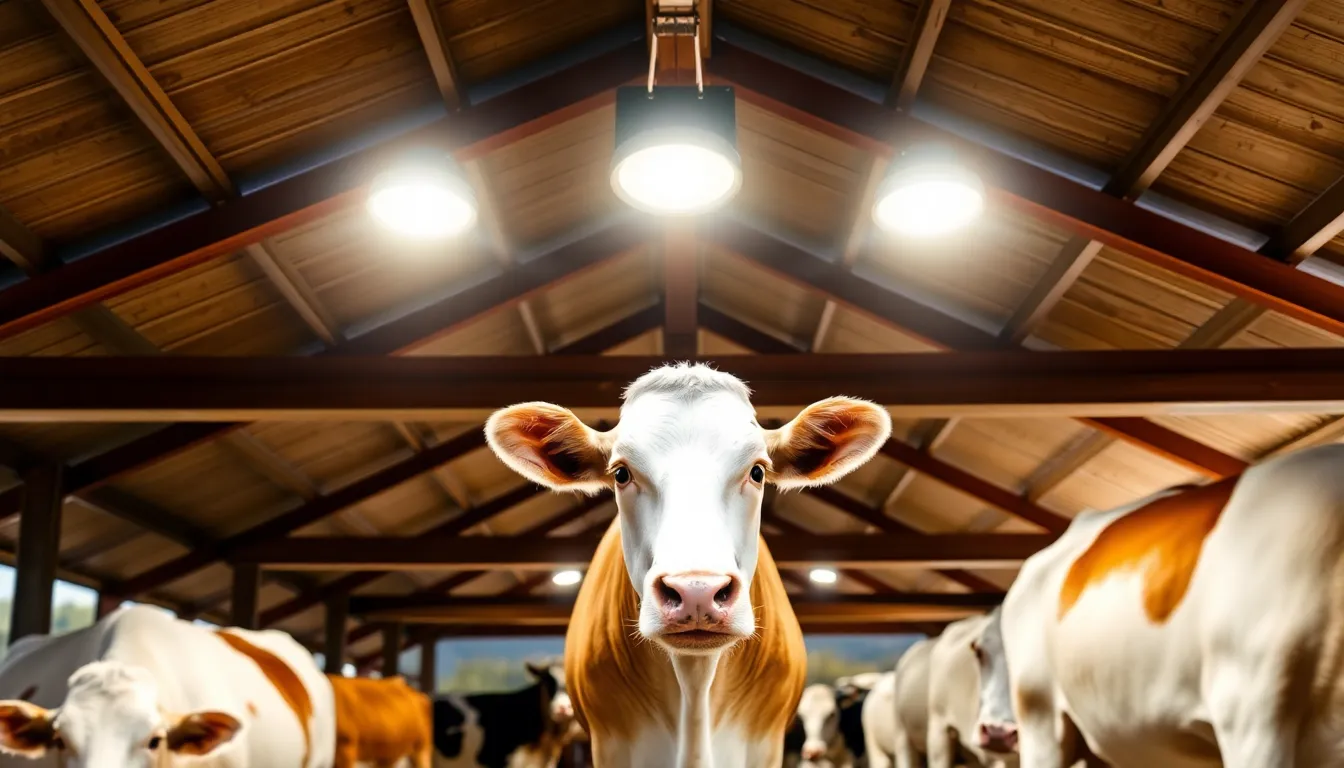
I ran a small dairy operation with sixty cows. The barn needed lighting for milking. Early morning. Late evening. The electricity cost was brutal. My electric bill ran three hundred fifty dollars monthly just for barn lighting. I paid that for years without thinking much about it. Then I did the math. Four thousand two hundred dollars annually on barn electricity. Enough money to buy quality feed for my cows. Enough to invest in equipment. Enough to make a real difference. But instead, it disappeared to the power company. I started researching alternatives and discovered solar barn lights. The concept seemed risky for livestock operations. But the data on milk production improvement was compelling. I installed a solar lighting system in my cow shed. The result shocked me.
My milk production increased by eight percent in the first six months. That translated to two hundred to three hundred additional liters per month. The economics worked out to four thousand dollars in additional milk revenue annually. Meanwhile, my electricity bill dropped to near zero for barn lighting. The payback period was under two years. Now I understand why agricultural solar lighting is trending nationally. This isn’t about environmental purity. This is about farm economics. Proper lighting in cow sheds drives milk production. Solar lights deliver that lighting without the monthly expense.
Why Cow Shed Lighting Affects Milk Production
Dairy cows respond to light differently than most animals. They need long-day photoperiods to trigger milk production. Research shows that providing sixteen to eighteen hours of light daily boosts milk output measurably. The boost isn’t small either. Properly lit dairy herds produce eight to ten percent more milk compared to poorly lit operations. That’s eight hundred to two thousand additional liters per cow per lactation cycle.
The mechanism is biological. Long light exposure stimulates hormone production in dairy cows. These hormones trigger udder development and milk letdown. Without adequate lighting, these biological processes slow down. Cows simply produce less milk. It’s not laziness or attitude. It’s pure biology. The light hours matter more than brightness levels.
Darkness matters too. Cows need at least eight hours of complete darkness daily to rest properly. This rest period is essential for milk production. When cows don’t get proper rest, milk production drops even with long light hours. The key is balance. Sixteen to eighteen hours of good light combined with eight hours of complete darkness yields maximum milk production.
Consistent lighting matters as well. Cows thrive on predictable routines. Flickering lights or inconsistent brightness stresses animals. Stressed cows produce less milk. Solar barn lights turn on automatically at dusk and off automatically at dawn. This consistency creates the predictable routine dairy cows need.
2026 Solar Cow Shed Lighting Technology
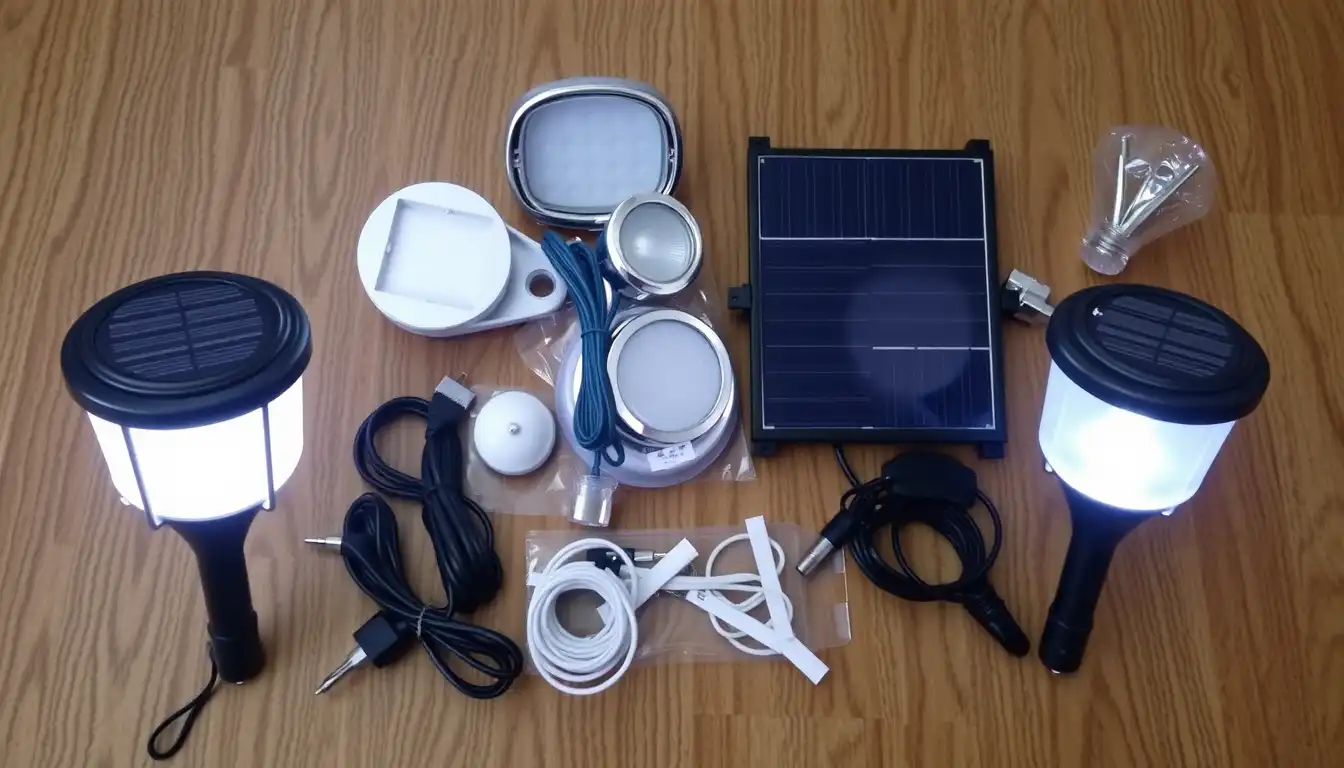
Modern systems designed for livestock operations are sophisticated. Here’s what works:
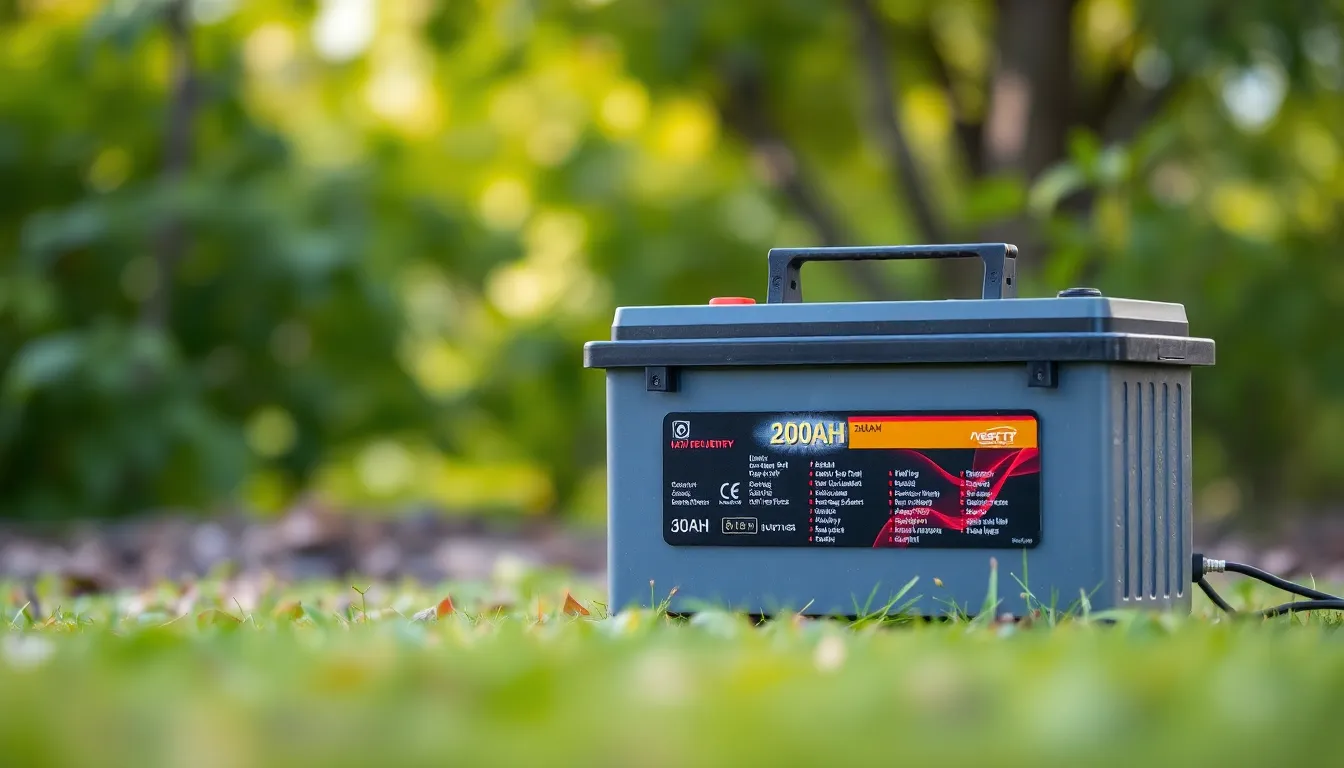
- LiFePO4 batteries store energy reliably. These batteries maintain performance even in freezing temperatures. Winter operation doesn’t degrade performance. Dairy operations in cold climates can rely on consistent output through long winter months.
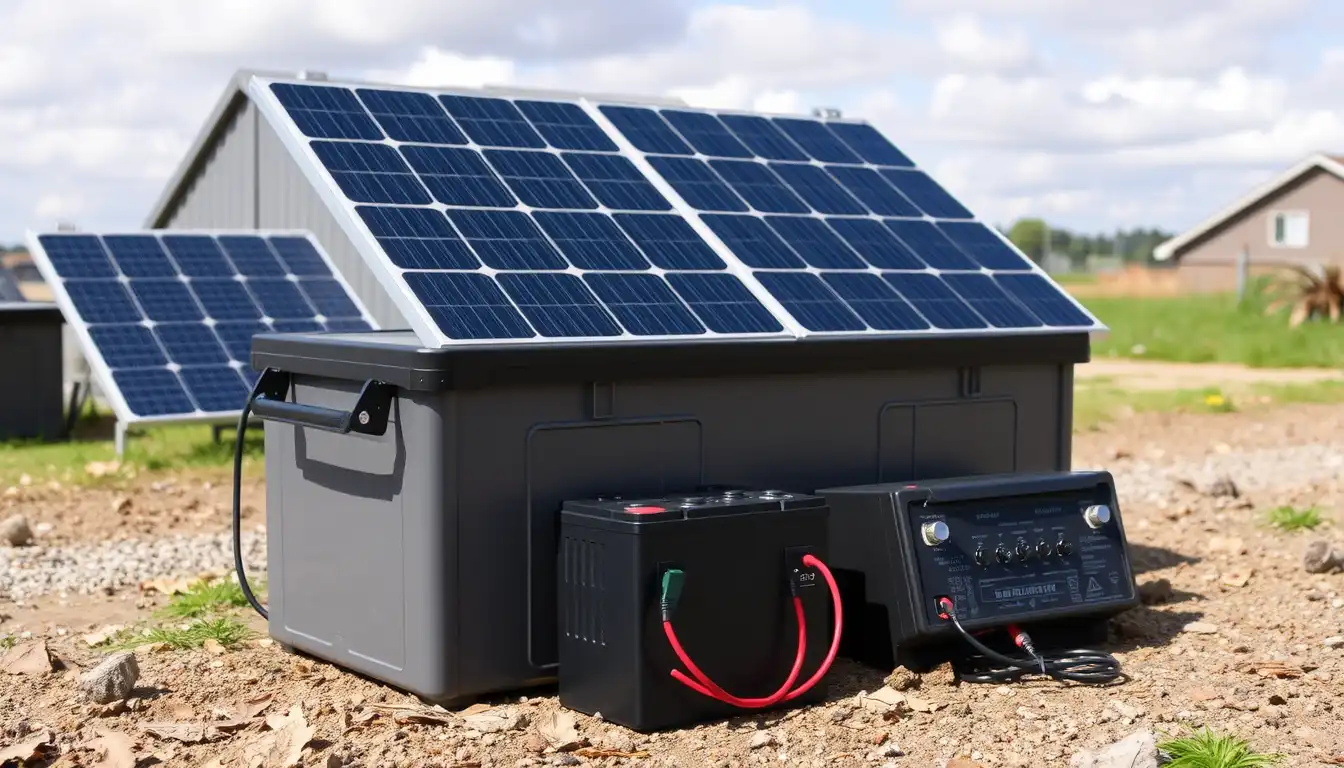
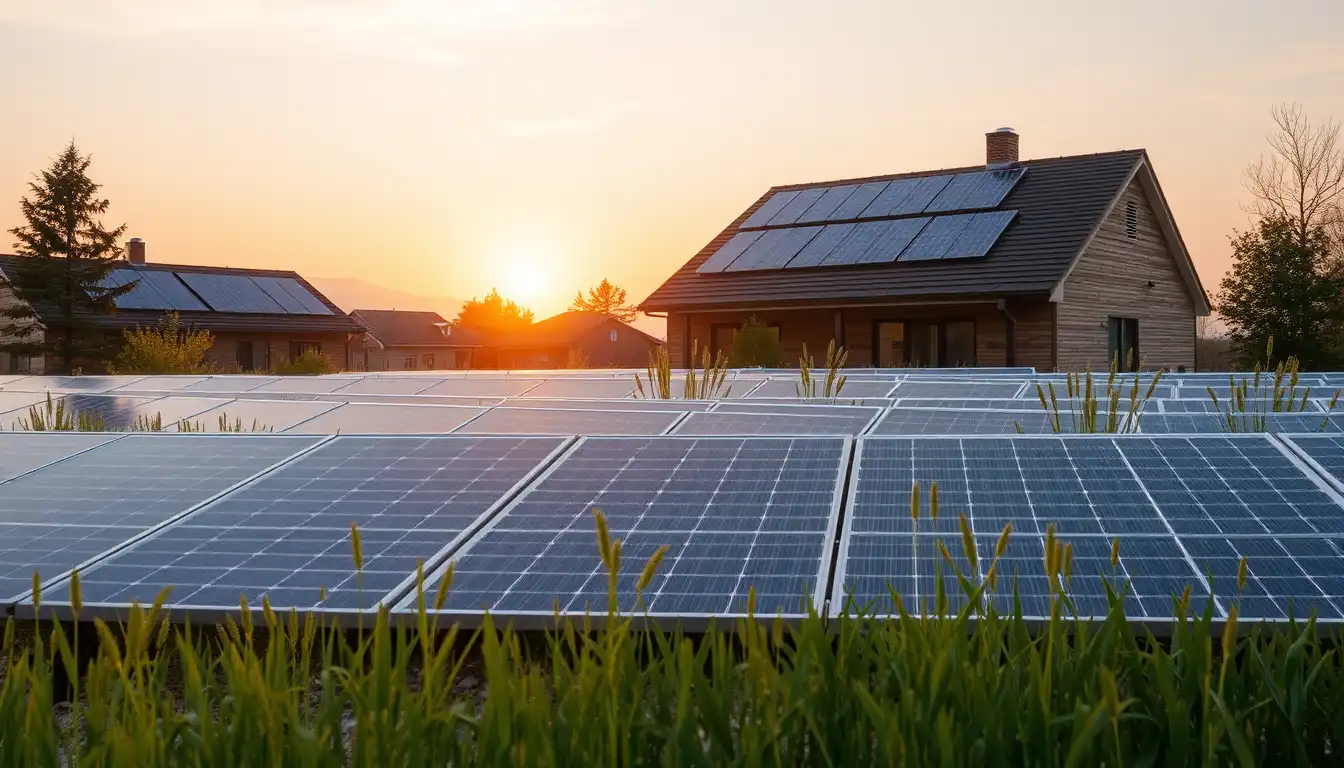
- Monocrystalline solar panels convert twenty-two to twenty-five percent of sunlight into electricity. This efficiency captures diffuse light on cloudy days. Winter charging in northern climates remains viable. The panels don’t need perfect sunshine to charge effectively.
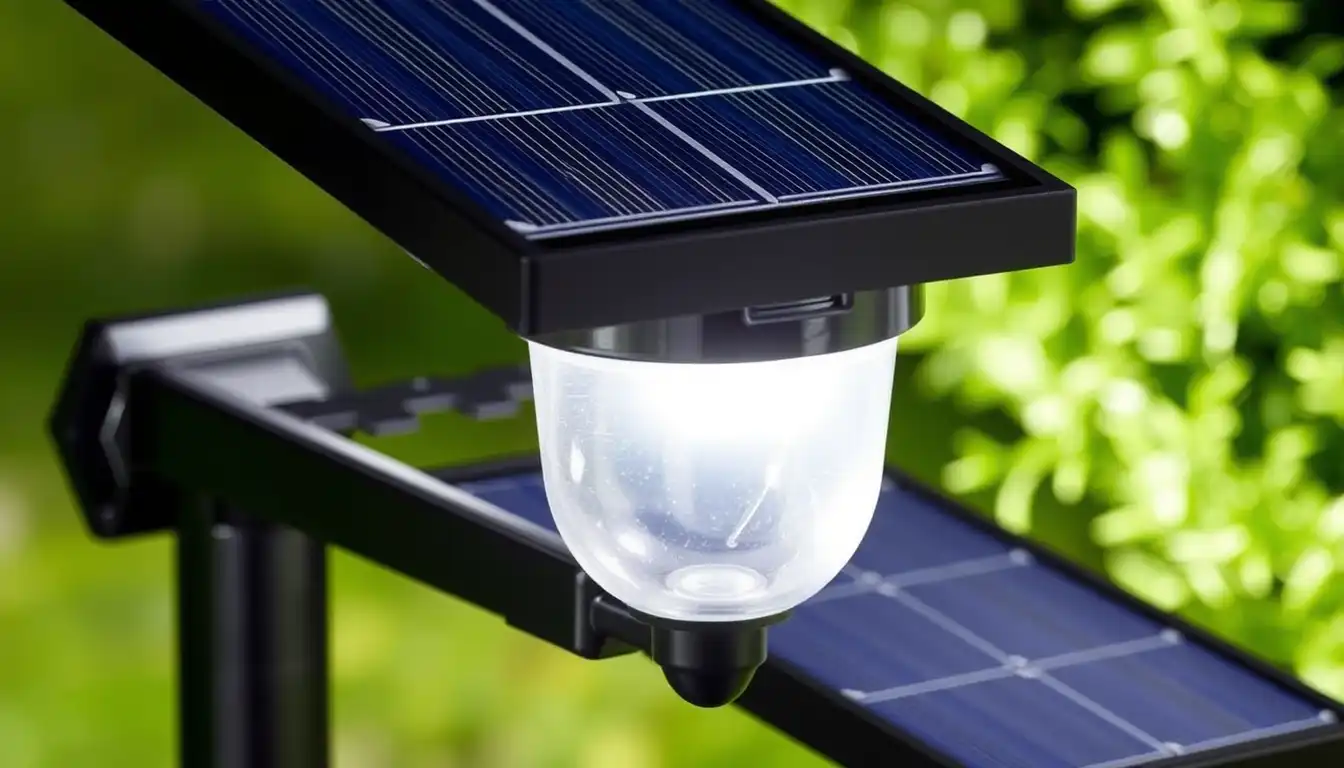
- LED fixtures designed for livestock barns provide proper wavelength and intensity. Warm white light at two thousand seven hundred kelvin creates calm environments. Cool white at four thousand to five thousand kelvin provides bright working light for milkers. Quality barn systems incorporate both options.
- Motion sensor integration on some systems brightens lights when movement detected and dims when the barn is empty. This battery conservation extends nighttime operation through extended darkness hours.
- Smart timing controls automate light schedules. Farmers set desired photoperiod and the system handles on/off cycles automatically. This eliminates manual switching and ensures consistency.
- IP65 and IP67 weatherproofing handle harsh barn conditions. Moisture, dust, ammonia vapors, and livestock contact won’t damage sealed fixtures. Corrosion-resistant materials withstand the agricultural environment.
Real Dairy Farm Results From 2026
Solar Arena2K systems installed in UK livestock operations show documented results. Farms report consistent sixteen-hour light cycles without grid power. Battery backup systems extend operation during cloudy periods. Multiple installations document the technology reliability.
American dairy operations increasingly adopt solar systems. The economic payback is straightforward. Electricity savings of three hundred to five hundred dollars monthly combined with milk production gains of eight to ten percent justify the investment immediately. Payback within two to three years is typical.
Smaller operations with twenty to thirty cows see the biggest percentage savings. Their absolute electricity costs are lower but the percentage impact is higher. A one-hundred-dollar monthly bill becomes nearly zero with solar. That creates immediate cash flow relief for family farms.
Larger operations with two hundred plus cows invest in bigger systems. The absolute savings reach one thousand dollars monthly or more. These operations often recoup investment within eighteen to twenty-four months through combined electricity savings and milk production increases.
Real Advantages For Dairy Operations
- Zero electricity costs for barn lighting represents genuine operational savings. Monthly bills drop from three hundred to five hundred dollars to near nothing. Over a year that’s three thousand to six thousand dollars staying in farm operations instead of going to utilities.
- Milk production gains of eight to ten percent through optimal lighting represent additional revenue. A fifty-cow operation gaining eight to ten percent additional milk production sees four hundred to five hundred additional liters monthly. At standard milk prices, that’s eight hundred to one thousand dollars monthly additional revenue. Annual gains reach ten thousand to twelve thousand dollars for modest-sized operations.
- Consistent lighting improves animal welfare and reduces stress-related illness. Healthier cows require fewer veterinary interventions. Stress-related mastitis decreases. Overall herd health improves naturally through proper light management.
- Emergency backup during grid outages ensures milking operations continue. If main power fails, solar-powered barn lights maintain operation. Cows must be milked on schedule regardless of weather or grid status. Backup lighting prevents operational disruption.
- Long lifespan of solar systems means decades of operation. Quality systems function twenty to twenty-five years or longer. This extended lifespan spreads investment cost over many years.
- Federal tax credits and state renewable energy incentives reduce upfront investment for agricultural operations. Many states offer fifty percent cost-sharing for renewable agriculture projects. These incentives make solar systems affordable for family operations.
Real Disadvantages For Solar Barn Lighting
- Upfront capital cost ranges from two thousand dollars for small systems to fifteen thousand plus for large operations. While payback occurs within two to three years, the initial investment challenges farm budgets.
- Weather dependency affects performance. Extended cloudy periods reduce charging capacity. Systems need adequate battery backup to maintain consistent lighting during weeks of low sunlight. Battery capacity costs money.
- Proper installation requires understanding of barn-specific electrical needs. Each operation has unique requirements based on building size, cow count, and milking schedule. Cookie-cutter solutions don’t work. Custom design adds cost and complexity.
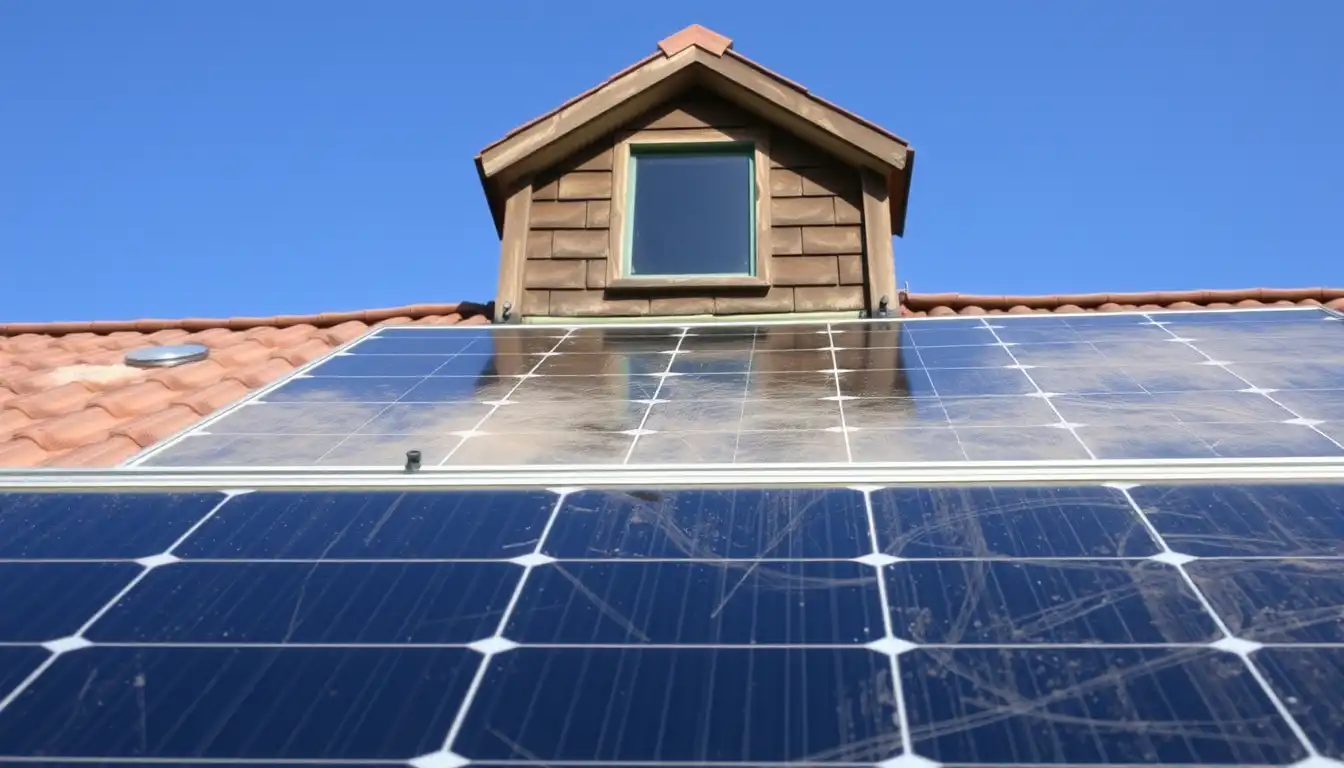
- Maintenance of solar panels is essential. Dust, hay particulates, and bird droppings reduce charging efficiency. Regular quarterly cleaning is necessary to maintain optimal performance. Neglected panels lose effectiveness rapidly.
- Battery replacement becomes necessary every five to ten years depending on usage and climate. Replacement battery costs range from five hundred to two thousand dollars. This ongoing maintenance cost must be budgeted.
- Integration with existing barn infrastructure sometimes requires structural modifications. Roof mounting, wiring pathways, and light fixture placement demand planning. Existing barns with electrical systems need careful retrofitting.
- Winter performance challenges exist in northern climates. Shorter daylight hours reduce charging capacity. Snow covering panels blocks energy generation. Extended backup battery capacity is necessary during winter months.
How Farmers Successfully Install Solar Barn Lighting
Start with a barn lighting audit. Measure current illumination levels. Identify areas that need upgrade. Determine desired photoperiod for your operation. Calculate total lumens required to achieve target light levels throughout the barn.
Calculate your current monthly electricity cost for barn lighting. Add known milk production gains from properly lit operations using your herd size and milk prices. This calculation shows financial justification for the investment.
Research available systems designed for livestock operations. Clippersharp Solar Arena systems, AGC agricultural LED solutions, and Auzev barn lights all serve livestock operations. Compare specifications and pricing.
Consult with agricultural solar installers familiar with livestock operations. They understand barn-specific challenges like ammonia corrosion, moisture exposure, and specialized electrical requirements. Local installers can often access state incentive programs that reduce costs.
Plan for integration with existing barn infrastructure. Determine optimal panel placement for maximum sun exposure. Route wiring safely away from livestock contact. Position light fixtures to achieve even illumination without shadows that confuse cattle.
Apply for available state and federal agricultural renewable energy incentives. Many states offer fifty percent cost-sharing for renewable agricultural projects. Federal tax credits further reduce effective investment.
Install the system during off-season or when it least disrupts milking operations. Time the work to minimize stress on animals and disruption to your routine.
Monitor lighting performance for the first month. Adjust automatic controls to achieve optimal photoperiod for your operation. Fine-tune the system based on actual milk production and cow behavior.
Summary
Solar barn lighting systems boost dairy cow milk production by 8-10% while eliminating monthly electricity bills of 300-500 dollars. Monocrystalline solar panels and LiFePO4 batteries deliver sixteen to eighteen-hour photoperiods proven to increase milk output. Real farms report payback within 2-3 years through combined electricity savings and milk production gains. Federal incentives and state cost-sharing programs reduce upfront investment by fifty percent. Advantages include zero operating costs, emergency backup during power outages, and improved herd health. Disadvantages include upfront capital costs and winter weather dependency in northern climates. Successful installation requires barn-specific electrical planning and quarterly solar panel maintenance.