Table of Contents
ECUADOR SOLAR ADVANTAGES AND COMPLICATIONS
I moved to Ecuador from the United States two years ago and brought solar lights expecting them to work perfectly near the equator. Half my assumption was right. The other half taught me hard lessons about tropical climate.
The equator gives Ecuador consistent daylight year-round. Sunrise and sunset happen at almost identical times every single day. June and December differ by maybe thirty minutes. This consistency is genuinely advantageous for solar charging.
My lights charge reliably every single day without exception. No seasonal variation like temperate climates experience. That’s the massive benefit of equatorial location.
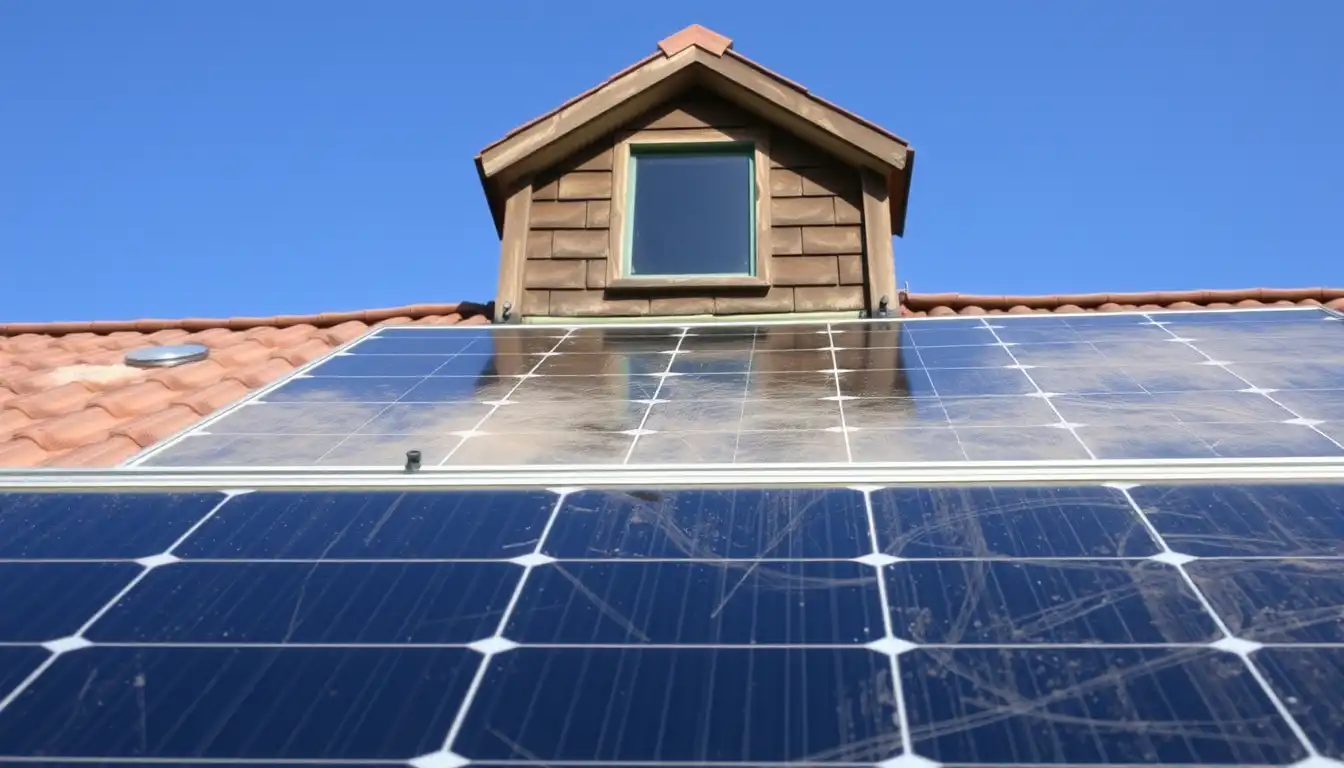
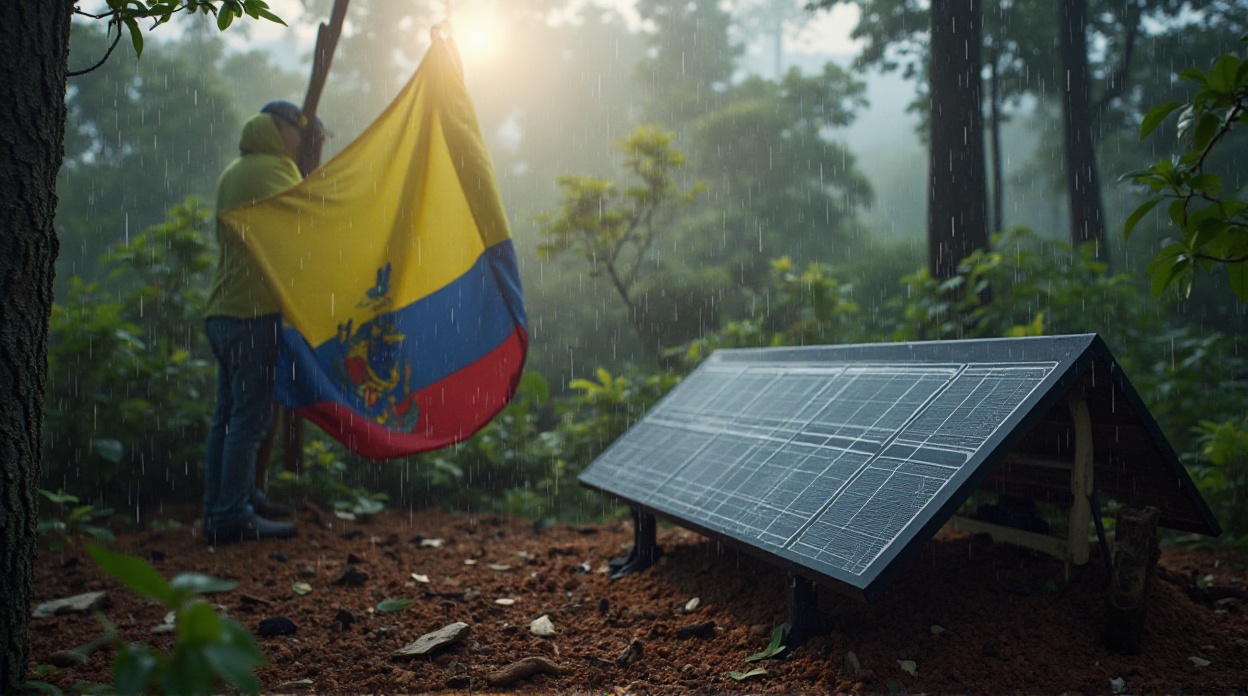
But humidity and rain are the real story in Ecuador. The moisture in the air is constant and intense. It condenses on everything. My solar panels get dewy every single morning. That moisture blocks sunlight and reduces charging efficiency.
Rain happens constantly depending on where in Ecuador you live. Coastal regions get different rainfall than highlands. Mountain towns experience afternoon rain nearly daily during rainy season. This clouds the sun when you need charging most.
The combination of consistent sun angle, humidity, and rain creates unique conditions. You need quality sealed lights because moisture is constant threat. You need oversized batteries because rainy days reduce charging. You need maintenance discipline because humidity corrodes metal.
I wish I’d understood these specifics before buying. I treated Ecuador like temperate climate with better sun. It’s completely different ecosystem with different problems.
ALTITUDE VARIATION ACROSS ECUADOR
Ecuador is tiny geographically but altitude varies dramatically. This changes solar performance region to region.
Quito sits at 2,850 meters elevation. High altitude means thinner atmosphere and more intense UV radiation. Solar panels charge very efficiently. My lights in Quito charge completely by mid morning.
Coastal cities like Guayaquil sit at sea level. Thicker atmosphere reduces direct solar intensity. Cloud cover from ocean weather systems adds complication. Charging takes longer and is less complete.
Mountain towns in the Andes at 3,000 to 3,500 meters get intense high altitude sun. Charging is excellent when sun is visible. But afternoon clouds are common.
Between coastal region and highlands exists the inter-Andean valley where most Ecuadorians live. This zone has moderate altitude with variable cloud cover.
Altitude makes huge difference in solar light performance. Quito residents get better solar charging than coastal residents. Mountain town residents get best charging but also most afternoon clouds.
Check your specific altitude and local weather patterns when choosing lights. One set of assumptions doesn’t work across Ecuador’s dramatic topography.
I’m in Quito at 2,850 meters which is helpful. Residents at lower altitudes experience more humidity and less intense sun. Their solar lights perform differently than mine.
HUMIDITY IS THE CONSTANT ENEMY
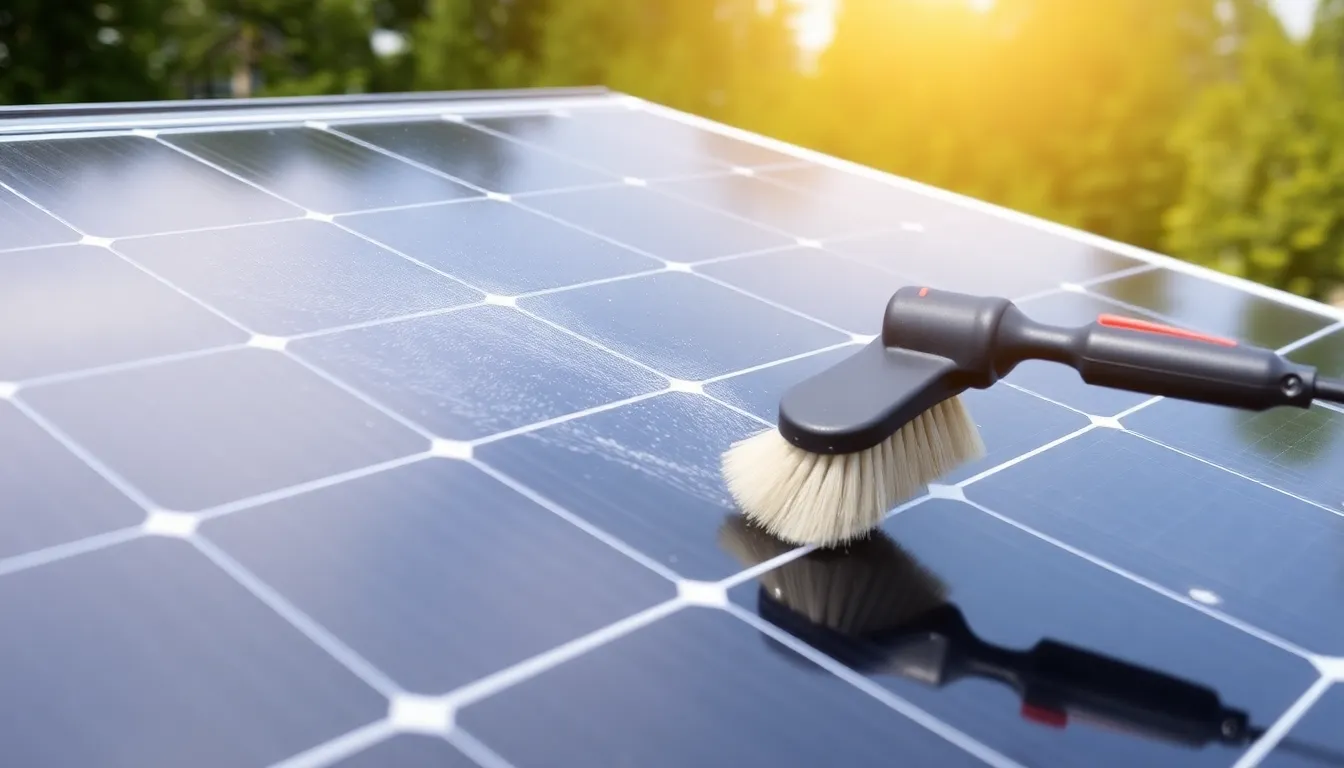
Humidity in Ecuador is relentless. Even “dry” season has moisture that would saturate air in temperate climates. Morning dew condenses on everything including solar panels. By 7 AM my panels are covered with moisture. This blocks sun and reduces charging. I wipe panels dry before sun hits them. Takes five minutes per light. This simple step improves charging dramatically. Dried panels charge fully by 10 AM. Wet panels struggle to charge completely even by afternoon. Inside the lights, humidity causes problems. Condensation forms inside the housing even with sealed units. Over time, moisture damages electronics.
Fungal growth occurs in humid environments. I’ve seen mold growing inside light housings. This indicates seal failure allowing moisture infiltration. The solution is quality seals and drainage holes. Some manufacturers include small drainage openings at light bottoms to prevent water accumulation. This is crucial feature in Ecuador. I added tiny drainage holes to lights that didn’t have them. This prevents water pooling inside. Seems simple but makes huge difference.
Metal components corrode in humid air. Even stainless steel shows discoloration over time. Regular inspection catches corrosion early. Humidity shortens battery life noticeably. Moisture inside housing corrodes battery terminals. Poor connections develop. I replace batteries annually instead of every three years. Accepting constant moisture battle is first step to success with solar lights in Ecuador. You can’t ignore it. You must actively manage humidity.
RAIN PATTERN CHALLENGES
Ecuador has rainy and dry seasons but “dry” season still gets significant rain. “Wet” season is almost constant rain.
Afternoon rains are common in mountains during wet season. Clouds roll in around 2 PM daily. Charging happens in morning but afternoon is lost.
Coastal regions get rain from ocean weather systems unpredictably. Sometimes it’s clear, sometimes it’s cloudy for days.
Multi-day rain events reduce charging significantly. Two or three days of clouds in a row means minimal battery charge. Lights run on reserve battery.
Battery capacity needs to be oversized for Ecuador. You need batteries that support three to five days of minimal charging. Standard batteries will be inadequate.
I learned this hard lesson during rainy season. My lights started dimming because rain had reduced charging for days. Upgraded to larger capacity batteries. Problem solved.
Some regions have predictable patterns. Quito has dry mornings, rainy afternoons in season. Coastal areas are less predictable. Research your specific location’s rainfall patterns.
Install rain gutters or covers over solar panels in extreme situations. Some residents cover panels during rainy season and remove covers during dry season.
Rain itself doesn’t damage quality sealed lights. But it blocks sun which reduces charging. Plan for this reality.
REGIONAL DIFFERENCES MATTER
- Quito region: High altitude, good morning sun, consistent afternoon clouds. Excellent solar performance morning. Afternoon rain expected in wet season.
- Cuenca area: Similar altitude to Quito, slightly different weather patterns. Similar performance to Quito but with regional rain variations.
- Coastal regions: Sea level, salt spray, humidity, ocean weather systems. Challenging solar light conditions. Need excellent corrosion resistance.
- Amazon region: Lower altitude than highlands, constant humidity, dense cloud cover frequently. Poorest conditions for solar lights in Ecuador.
- Inter-Andean valley: Moderate altitude, variable weather, decent sun exposure. Good compromise for solar performance.
- Rural mountain towns: High altitude, intense sun when visible, frequent afternoon clouds. Excellent charging when sun available. Cloudy periods challenging.
Your specific region determines solar light viability. Coastal and Amazon regions are challenging. Highland regions are good. Research your location specifically. I’m in Quito which is favorable region for solar lights. If I lived in Amazon region, I might not recommend solar at all.
MATERIAL QUALITY FOR HUMID CONDITIONS
- Stainless steel components are absolutely necessary in Ecuador. Regular metal corrodes rapidly in humidity.
- Powder coating quality matters significantly. Cheap coatings peel and fail exposing metal underneath. Quality coatings resist humidity better.
- Silicone seals outperform rubber seals in Ecuador. Silicone resists humidity degradation better than rubber.
- Plastic housings must be UV resistant and humidity resistant. Cheap plastic becomes brittle in sun and soft in humidity. Quality plastic holds up.
- Glass is better than plastic in humid conditions. Glass doesn’t degrade from humidity. It maintains integrity indefinitely.
- Sealed electronics with conformal coating resist moisture damage. This protective coating on circuit boards prevents corrosion.
- Stainless fasteners instead of regular bolts prevent rust. This detail matters long-term.
Buy the highest quality available. Cheap lights degrade rapidly in Ecuador’s humid environment. Good lights maintain performance.
MAINTENANCE DISCIPLINE IS REQUIRED
- Daily panel wiping in morning removes dew and restores charging capacity. Takes five minutes per light but dramatically improves performance.
- Monthly inspection of seals identifies degradation early. Reseal if needed before water gets inside.
- Quarterly corrosion inspection catches problems before they spread. Stainless components need less attention but monitor anyway.
- Annual battery replacement is standard in Ecuador. Humidity shortens battery life significantly.
LED bulbs rarely need replacement but check occasionally. They last incredibly long but moisture can kill them.
Fungal growth requires cleaning. If you see mold or growth inside, drain and dry the light. Reseal afterward. Regular maintenance is not optional in Ecuador. It’s requirement for solar lights to function properly. I budget one hour weekly for light maintenance. Wiping panels, checking seals, monitoring for problems. This discipline keeps lights working.
If you’re not willing to maintain lights actively, don’t buy solar in Ecuador. The climate requires attention.
CHARGING PERFORMANCE REALITY
- Morning charging is excellent. Clear skies in morning get full sun. Panels charge quickly.
- Afternoon clouds are common during rainy season. Charging stops mid-afternoon. Plan for this.
- Rainy days provide minimal charging. Light might run at fifty percent capacity or less.
- Multi-day rain provides almost no charging. Battery reserves become important.
- Seasonal variation is minimal. December charge is similar to June. Daily consistency is Ecuador advantage.
- Oversized batteries are requirement. You need capacity for cloudy periods.
- Smaller solar panels won’t be adequate. Larger panels help overcome humidity and cloud challenges.
My lights charge fully on sunny days and adequately on partially cloudy days. Multi-day rain causes problems but happen maybe one week per month total. Planning for sixty percent average charging capacity is realistic. Don’t expect one hundred percent every day.
COST AND QUALITY TRADE-OFFS
- Solar lights cost more in Ecuador than many places. Importation from outside adds cost.
- Quality lights worth buying are definitely expensive here. Budget for premium options. Cheap lights are poor investment in humid climate.
- Battery replacement annual cost adds up. Budget fifteen to twenty dollars per light per year.
- Maintenance time has value. If paying someone to wipe panels daily, that’s significant cost. DIY saves money.
- The financial case for solar in Ecuador is moderate. You’re not saving huge amounts compared to electricity costs. You’re choosing reliability and independence.
- Electricity is relatively affordable here. Cost savings argument is weaker than climates with expensive power.
- Accept that solar investment in Ecuador is for reliability and preparedness more than financial return.
I chose solar for independence and having backup light during power outages. Financial savings wasn’t primary motivation.
REGIONAL RECOMMENDATIONS
- Highland residents (Quito, Cuenca, etc.): Solar lights work very well. Invest in quality. Plan for afternoon clouds.
- Coastal residents (Guayaquil, etc.): Solar lights work but need excellent corrosion protection. Salt spray damages finishes. Higher maintenance.
- Amazon region residents: Solar lights are challenging. Cloud cover is constant. Consider alternatives or oversized batteries.
- Rural mountain residents: Solar lights work excellently. High altitude sun is advantage. Afternoon clouds are challenge.
- Inter-Andean residents: Solar works well. Moderate conditions are favorable.
Research your specific location’s weather patterns. General Ecuador conditions vary dramatically by region.
MY ECUADOR EXPERIENCE
Two years with solar lights in Quito has been positive overall. Daily maintenance is routine. Performance is adequate.
- I don’t regret buying solar lights. They work reliably with care and attention.
- I’ve learned humidity management is critical. Daily panel wiping made huge performance difference.
- I’ve learned battery replacement is annual expense here, not multi-year.
- I’ve learned quality matters more in Ecuador than temperate climates. Cheap lights fail quickly.
- If I moved to coastal region, I might reconsider. The salt spray would be constant battle.
For highland Ecuador, solar lights make sense with realistic expectations and quality selection.
SUMMARY
Ecuador’s proximity to the equator provides consistent day length year-round but introduces extreme humidity and frequent rain that challenge solar lights. High altitude regions get more intense sun while coastal areas deal with salt spray. Cloud cover varies dramatically by region. This guide covers what Ecuador residents need to know about solar light performance, regional differences, moisture management, and realistic expectations for equatorial climate conditions.