Table of Contents
What SMD Actually Means
SMD is short for Surface-Mounted Device. It sounds fancy but it’s basically a tiny LED chip. Instead of a regular LED bulb, SMD LEDs are flat little squares mounted directly on a circuit board.
Think of regular LEDs like old lightbulbs. SMD LEDs are more like computer chips. The light comes from a tiny piece inside. You see the whole thing is tiny, maybe one millimeter across. Hundreds of them fit in a small space.
This design matters a lot for solar lights. Regular solar lights have fewer LED bulbs because space is limited. SMD lights pack way more tiny LEDs into the same space. More LEDs means more light from the same size fixture.
People started using SMD LEDs in solar lights because they realized something important. More LEDs packed tightly together create brighter light. The technology costs about the same as regular LEDs. So why not use it. That’s why 2026 solar lights trending toward SMD technology.
How SMD LED Solar Lights Work
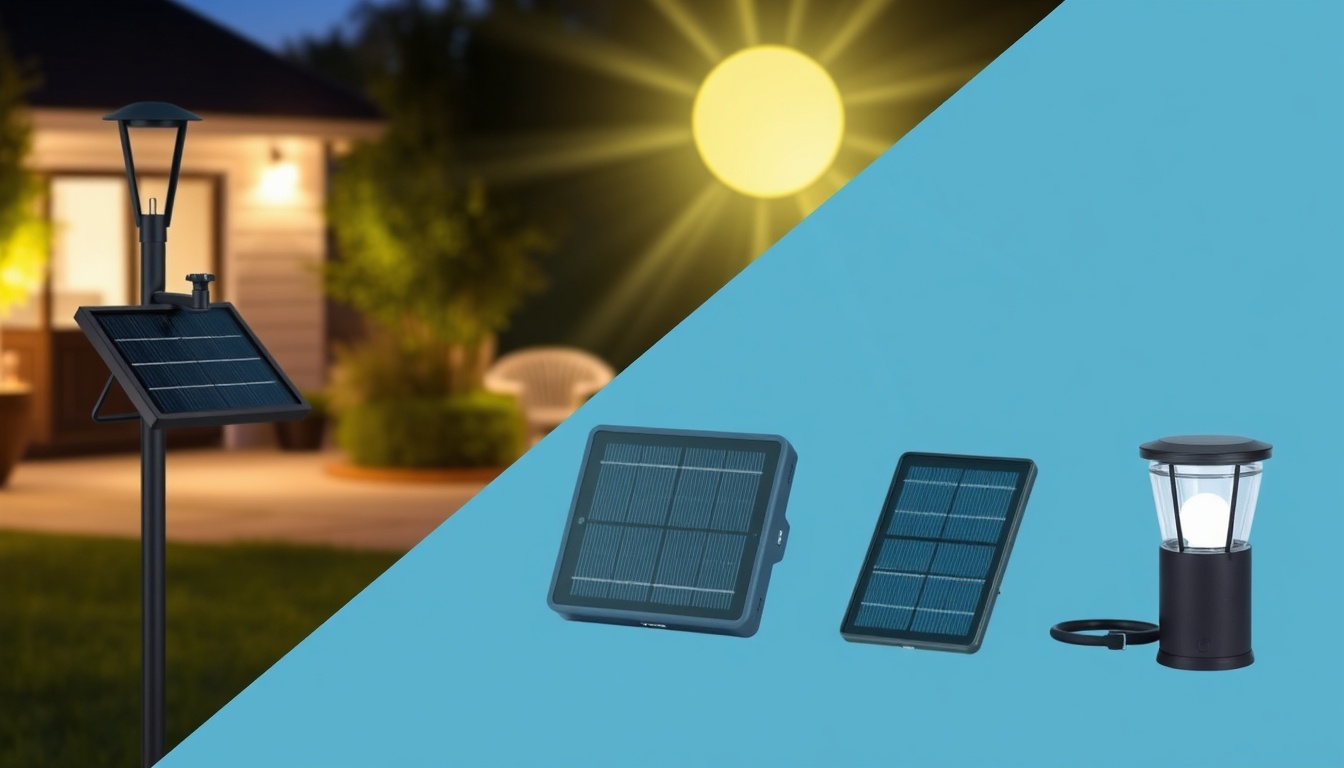
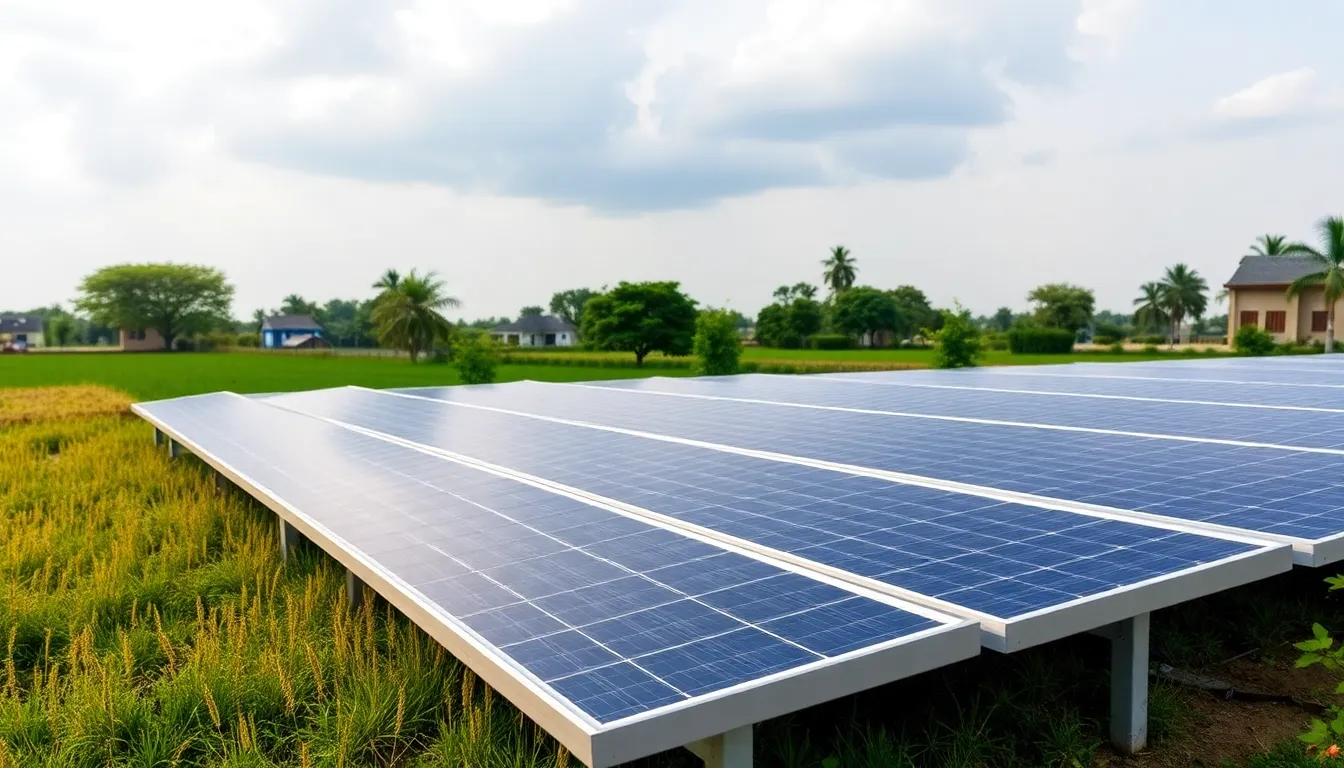
A solar panel charges a battery during the day. This part works the same as regular solar lights. Nothing different here.
At night, power flows to the SMD LED board. That board has dozens or hundreds of tiny SMD LED chips. The current spreads across all those chips. Each chip produces light. Together they create brightness much stronger than regular LEDs.
The circuit board is designed to handle SMD chips efficiently. The board spreads heat across a larger area so no single spot gets too hot. This keeps the battery working longer because heat damages batteries.
SMD LEDs use less power than regular LEDs for the same brightness. Your battery lasts longer on a charge. That means more runtime throughout the night. A solar light with SMD LEDs runs twelve hours while a regular LED light runs eight hours on the same battery size.
The light color is better too. SMD LED boards are manufactured to exact specifications. They produce consistent color temperature. Regular LEDs sometimes flicker or change color. SMD stays stable all night.
SMD LED vs Regular LED Comparison
Pros of SMD LEDs:
- Brighter light output from same battery size
- Use less power per unit of brightness
- Run longer on single charge
- Consistent light color all night
- Better heat management on circuit board
- More uniform light distribution
- Longer battery lifespan from less strain
- Faster charging performance
Cons of SMD LEDs:
- Cost slightly more upfront than regular LEDs
- Requires more sophisticated circuit board design
- Not all manufacturers have the technology
- More complex to repair if board fails
- Some cheap SMD designs are poorly made
- Replacement parts harder to find
Pros of Regular LEDs:
- Lower cost for budget lights
- Simple design easy to understand
- Easier to replace if one burns out
- Common in all solar light models
Cons of Regular LEDs:
- Less bright for same battery size
- Use more power for same brightness
- Shorter runtime per charge
- Color inconsistency possible
- Heat concentrates in small areas
- Battery wears out faster
- Older technology becoming obsolete
Why SMD LEDs Became Trending In 2026
Brightness matters more now. People used cheap solar lights and got disappointed by dim lighting. They wanted brighter lights. SMD technology delivers brightness without needing huge batteries.
Energy efficiency is important. People care about sustainability. SMD LEDs use less electricity from the battery. That means longer runtime. Longer runtime means fewer lights needed to light a space. Fewer lights means less manufacturing and less waste.
Cost of SMD technology dropped in 2026. Manufacturing improved. Economies of scale made SMD chips cheaper. Now SMD solar lights cost only a little more than regular LED lights. The price difference is worth it for the performance gain.
Manufacturers realized customers were switching to better brands. Cheap lights stopped selling because word spread that they were dim and short-lived. Companies needed to upgrade. SMD LED technology was the upgrade.
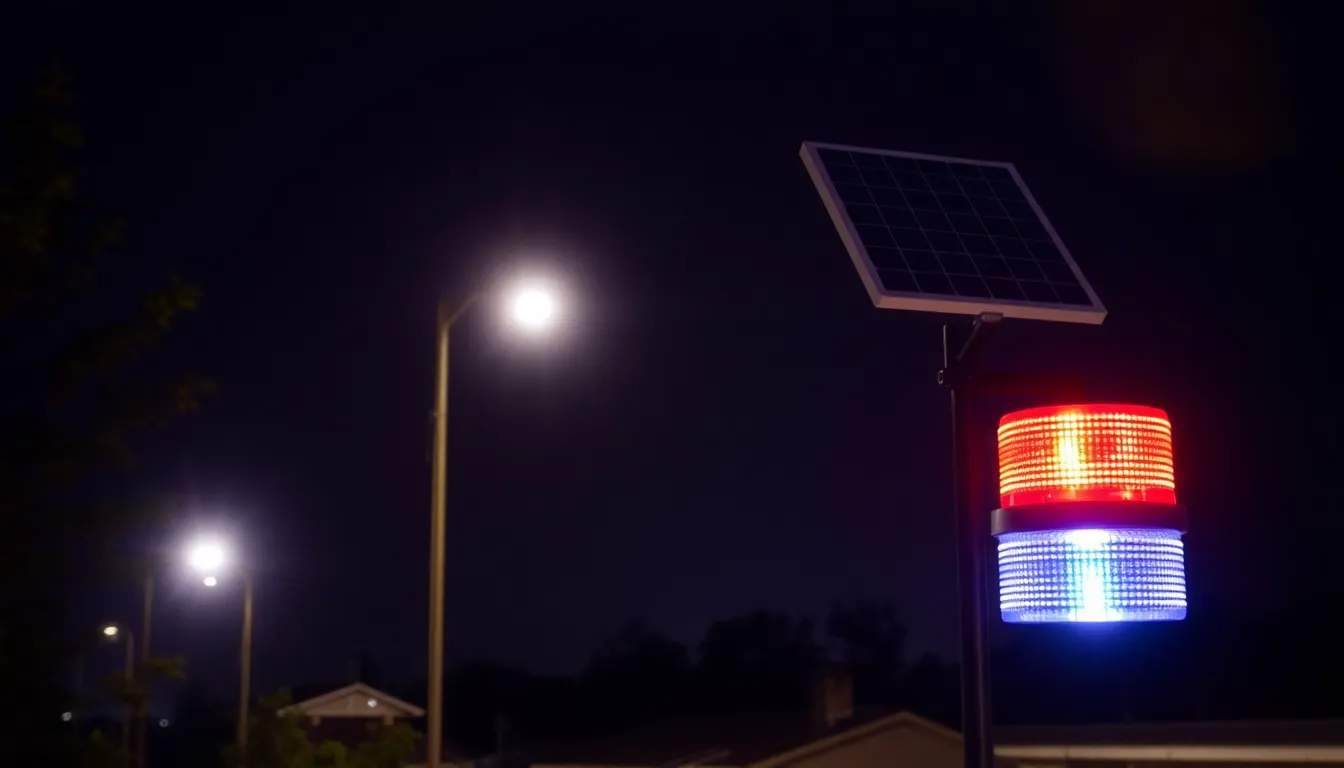
Street lighting projects started using SMD LEDs for municipal applications. Professional lighting designers chose SMD. Residential customers saw these professional lights and wanted the same technology. Demand pushed residential manufacturers to adopt SMD.
Common SMD LED Types Used In Solar Lights
3030 SMD LEDs:
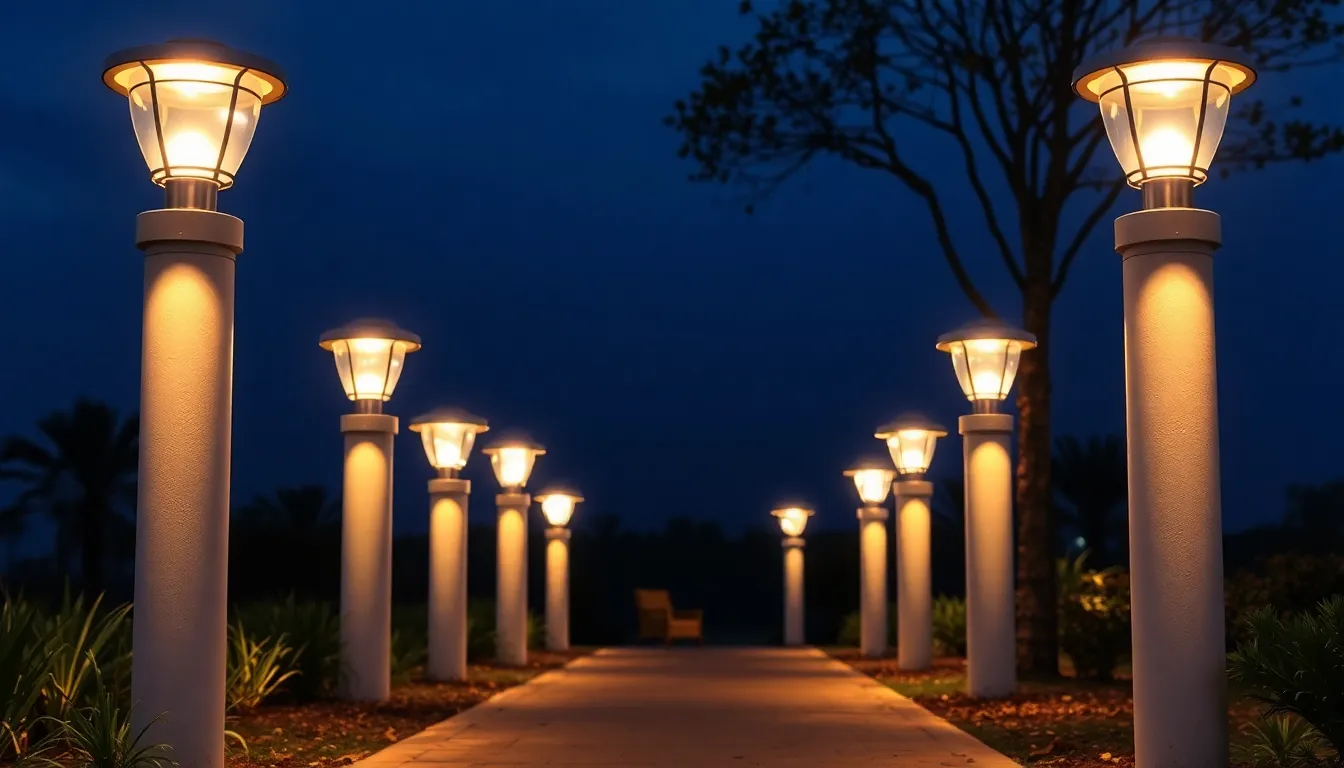
These are thirty millimeters by thirty millimeters. They’re a midsize SMD chip. Solar lights use these when they want good brightness without excessive power draw. Most garden and pathway lights use 3030 SMD LEDs. They balance brightness and efficiency well. Runtime is eight to twelve hours on typical batteries.
5050 SMD LEDs:
These are larger at fifty by fifty millimeters. They produce more light than 3030 chips. Solar street lights and bright pathway lights use 5050 SMD LEDs. These lights run brighter but drain batteries faster. Runtime is six to ten hours depending on battery size.
2835 SMD LEDs:
These are smaller chips. Solar lights use them when space is limited. They produce less light but use minimal power. Lights with 2835 chips run longer on smaller batteries. These work for accent lighting or decorative lights.
1206 SMD LEDs:
These are tiny, barely visible. Decorative lights and string lights sometimes use these. They’re super low power but also very dim. You wouldn’t use these for functional lighting. These work for ambiance and decoration.
Light Output Comparison
A regular solar pathway light with ten traditional LEDs produces around twenty to thirty lumens. That’s pretty dim. You see the light but it doesn’t illuminate much area.
An SMD solar pathway light with forty 3030 chips produces sixty to one hundred lumens. That’s two to three times brighter. You actually see the ground around the light.
A street light with traditional LEDs uses fifty watts to produce three hundred lumens. An SMD street light using fifty watts produces nine hundred lumens. Same power input, three times the output.
This efficiency difference matters. Your solar light does more with less battery. You get better performance from cheaper batteries. The light stays bright throughout the night instead of dimming.
Real World Performance Differences
Summer Performance:
A regular LED solar light charges in six hours and runs ten hours. An SMD LED light charges in five hours and runs twelve hours. The SMD wins. You get more light and longer runtime.
Winter Performance:
Regular LED light gets maybe five hours of runtime on winter days. SMD light gets seven to eight hours. The gap widens in winter because SMD uses power more efficiently. You get significantly better performance when it matters.
Durability:
Regular LED solar lights typically last two to three years. SMD lights last four to five years. SMD spreads load across more chips. No single chip gets overworked. Battery lasts longer from less strain. The whole system ages slower.
Color Consistency:
Regular lights sometimes flicker or change color as battery depletes. SMD lights maintain color temperature. Light stays warm white all night. This matters for ambiance and safety. You want consistent light, not wavering light.
Which Brands Use SMD LED Technology
Top tier brands like Philips and Signify use advanced SMD LEDs in their solar lights. These lights are premium priced but perform exceptionally. Typically one hundred fifty dollars or more per light.
Mid-range brands like Clodesun integrate SMD technology into their solar lights. They use quality 3030 SMD chips. These lights cost fifty to one hundred dollars. Performance is excellent. Value for money is great.
Budget brands are starting to adopt SMD technology now in 2026. They use cheaper SMD implementations. Lights cost twenty to forty dollars. Performance is better than old regular LED lights but not as good as premium SMD lights.
Read specifications carefully. Some brands claim SMD but use cheap implementations. Check the number of SMD chips. More chips mean brighter light. Check the watts used. Lower watts for same brightness means better efficiency.
Installation And Maintenance Of SMD Solar Lights
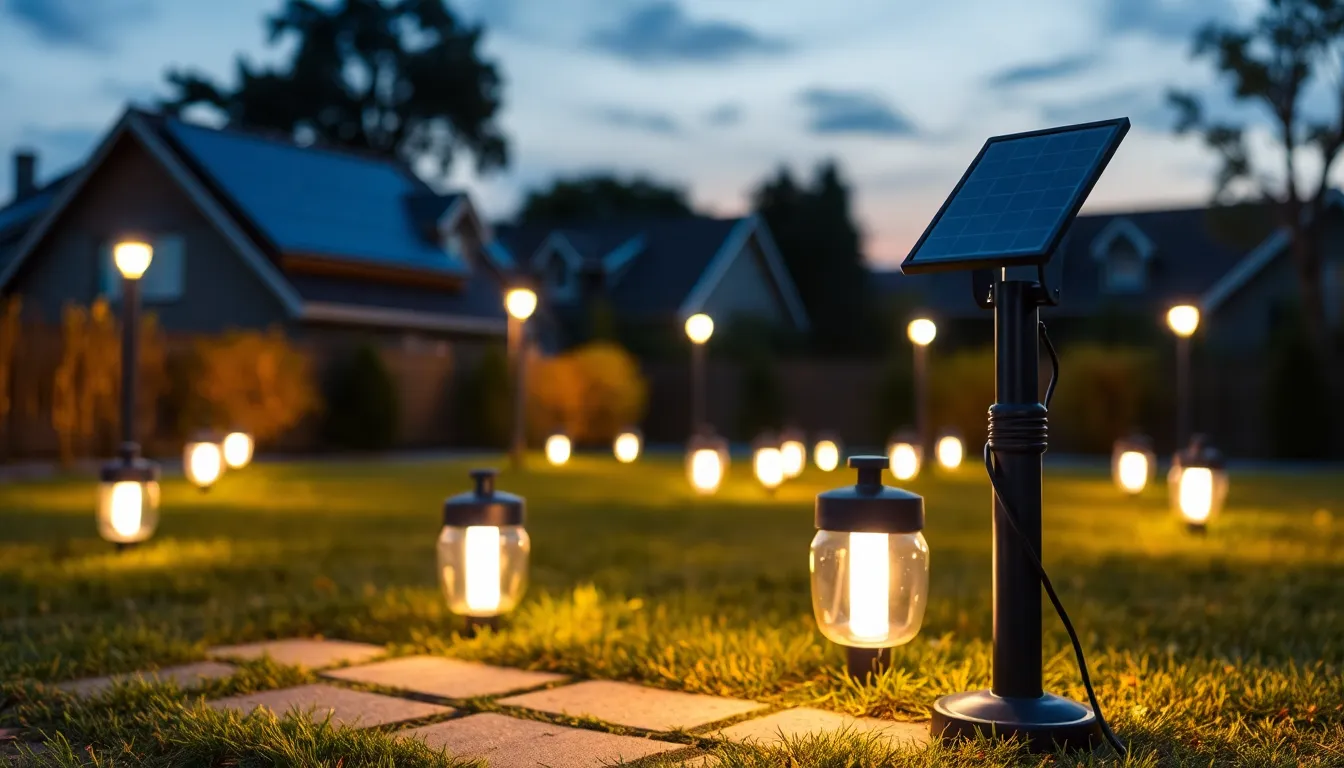
Installation is identical to regular solar lights. You stake them in ground or mount them on surfaces. Nothing changes from installation perspective.
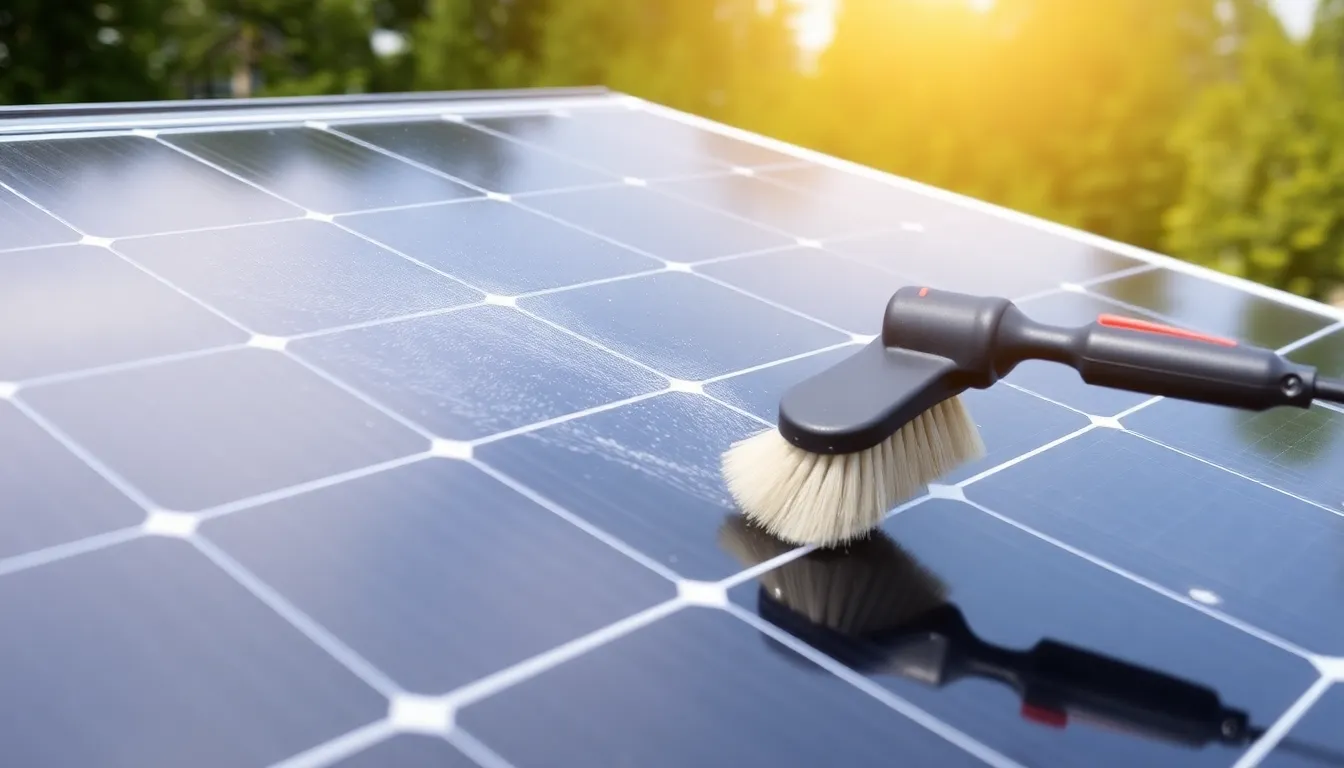
Cleaning matters more with SMD lights because they’re brighter. Dust on the panel reduces brightness more noticeably. Clean monthly during seasons with dust.
Battery replacement is the same. Most SMD lights have replaceable batteries. After two to three years, swap the battery. The light works like new.
SMD boards don’t require special maintenance. They just work. No moving parts. No adjustment needed.
Heat management is built in. The board design handles heat properly. You don’t need to do anything special. Just install and forget.
Cost Analysis Over Time
A budget regular LED light costs twenty dollars. It lasts one year. Cost per year is twenty dollars.
A mid-range SMD light costs sixty dollars. It lasts four years. Cost per year is fifteen dollars.
A premium SMD light costs one hundred fifty dollars. It lasts five years. Cost per year is thirty dollars. That seems expensive until you consider one light does the work of two or three regular lights.
For a typical yard needing three lights, budget option costs sixty dollars upfront plus sixty dollars replacement after one year. Total is one hundred twenty dollars for two years of lighting.
SMD option costs one hundred eighty dollars upfront and lasts four years. Total is one hundred eighty dollars for four years of lighting. You light your yard four times longer for only sixty dollars more.
Future Of SMD Solar Lights
SMD technology will dominate solar lights by 2027. Regular LED solar lights will become obsolete. Manufacturers will shift entirely to SMD.
Efficiency will improve further. New SMD chip designs will use even less power. You’ll get more runtime from smaller batteries.
Price will drop more. As production increases, SMD lights will cost the same as regular lights do now. Quality becomes standard, not premium.
Smart controls will integrate with SMD lights. Dimming features, motion sensors, and scheduling will become standard. You’ll control brightness remotely.
Colors will expand. RGB SMD lights will become common in residential solar lighting. You’ll choose white, warm, cool, or colored light.
The Bottom Line
SMD LED solar lights are worth buying in 2026. The technology matured. Performance is proven. Price is reasonable. Brightness is significantly better than regular LED lights.
If you’re buying solar lights now, choose SMD whenever you can. The small extra cost pays back in performance and longevity. Your lights work better, last longer, and actually illuminate your space properly.
Regular LED solar lights are becoming history. SMD is the future. Get SMD lights and enjoy superior outdoor lighting for years.
Summary
SMD LEDs are tiny light chips mounted directly on circuit boards. They’re much brighter and more efficient than regular solar light LEDs. SMD stands for Surface-Mounted Device. These lights charge faster, run longer, and produce more light from the same battery size. Solar lights with SMD technology are becoming standard in 2026 because they actually work better. This guide explains how SMD LEDs work, why they beat regular LEDs, their pros and cons, and which solar lights use the best SMD technology.