Table of Contents
My Electric Bill Shocked Me Into Action
Last summer my electricity bill hit 580 dollars. One month. I remember staring at it thinking something was wrong. Called the utility company. Nope. That was real. Air conditioning running constantly because it was ninety eight degrees outside. Heat was brutal.
My neighbor Dave mentioned his solar system. His monthly bill dropped to eighty dollars. I asked how much he paid upfront. Twenty four thousand dollars cash, he said. Saved for five years to pay for it. Now it’s basically free electricity.
That got me thinking. I started asking around. Everyone had different opinions. Nobody had real numbers. So I decided to figure out the actual cost myself.
What My House Actually Uses
I pulled my electricity bills for the past year. Added them all up. About 4,330 dollars yearly. Winter months were cheap. Summer months were expensive. July bill was 580 dollars. August was 560 dollars. January was only 210 dollars.
Average kilowatt hours monthly was about 4,800 to 6,800 in summer. About 2,500 to 4,200 in winter. That’s roughly 58,000 kilowatt hours yearly. A bit high for my size home but I had an old inefficient air conditioning unit.
An installer told me I’d need about 8 kilowatts of solar panels. That would generate roughly 70 percent of my electricity needs. Still buying 30 percent from the grid. My summer bill would drop from 580 to maybe 150 dollars. Winter bills would stay higher because solar generates less in winter.
Getting My First Quote
Mike from the first solar company came out. Spent forty five minutes examining my roof. Checked angles. Looked for shade. Measured everything. Said my roof was perfect. South facing. No major shade issues. Good electrical panel. No expensive repairs needed.
He designed an 8 kilowatt system. Forty eight panels. Showed me on his laptop where they’d go. Then he gave me the price. Twenty four thousand five hundred dollars.
He broke it down. Panels cost eight thousand. Inverter cost three thousand two hundred. Labor was four thousand eight hundred. Permits and inspections cost eleven hundred. Electrical work was two thousand. Miscellaneous stuff like wiring and surge protection was five thousand four hundred.
He mentioned a 30 percent federal tax credit. That would reduce my actual cost to about seventeen thousand one hundred dollars after taxes. He also offered financing. Zero percent for three years. Monthly payment would be about 680 dollars.
The Second Quote Was Suspiciously Cheap
My brother in law recommended a cheaper option. Guy named Carlos. He spent maybe ten minutes on my roof. Took three photos. Said he could do the same system for nineteen thousand eight hundred dollars.
No detailed breakdown. No warranty information. He said everything was fine and just didn’t have much overhead. When I asked about warranty, he said five years on everything. The first guy offered ten years on panels and inverter.
Carlos wanted me to sign something that day. Said the price was only good if I decided immediately. That felt pushy. I didn’t like his pressure. I thanked him and said I’d think about it.
The Quote That Made Sense
I called a third company. Sarah came out. She was different. She spent actual time with me. Climbed on the roof for an hour. Took lots of photos from different angles. Checked electrical panel thoroughly. Asked detailed questions about my lifestyle.
When do I run air conditioning. Do I use electric water heater. Do I use electric heat in winter. She actually calculated what size system I needed based on how I lived, not just generic formulas.
She said 7.5 kilowatts was perfect for me. Not oversized. Not undersized. Just right. Her price was twenty three thousand two hundred dollars.
She broke everything down clearly. Panels 8,500. Inverter 3,200. Labor 4,800. Permits 1,100. Electrical 2,000. Miscellaneous 3,600. Total 23,200.
She had a transparent warranty. Fifteen years on panels. Twelve years on inverter. Ten years on workmanship. That’s real protection. She also offered financing. Zero percent for three years. After three years, 4.99 percent for five more years.
I liked her approach. No pressure. Just honest answers.
What I Actually Decided
I went with Sarah’s company. Twenty three thousand two hundred dollars. I financed it. Zero percent for three years meant 645 dollars monthly for thirty six months. After three years, remaining balance at 4.99 percent.
Installation took four days. Crew showed up early. Worked through lunch. By Friday everything was connected. Sarah walked me through the monitoring app on my phone. I could see my system generating power in real time.
My First Bill With Solar
First month bill came. One hundred forty two dollars. Down from 520 dollars previous July. That’s a 70 percent reduction. I showed everyone that bill. Nobody believed it at first.
Year one I saved roughly 4,300 dollars on electricity. But I was making 645 dollar monthly payments. So financially it was breaking even that first year. Not saving money monthly because of the loan.
Year two and three were the same. Monthly payment 645 dollars plus low electricity bill. No monthly savings but investing in something.
Year four the loan was paid off. Suddenly my monthly electric bill was eighty to one hundred dollars. No loan payment. I had about 600 dollars extra monthly. That’s when I actually started saving money.
Real Talk About What Costs What
Solar panels themselves are only 35 to 40 percent of your total cost. Everyone thinks panels are the main expense. They’re not.
The inverter costs about 15 percent. This box converts electricity from panels into something your house can use. It’s not optional. It’s expensive. But necessary.
Labor costs 20 to 25 percent. Installation takes time. Electricians cost money.
Permits and inspections cost 5 to 8 percent. Your local government requires this. You can’t skip it.
Electrical components cost 8 to 10 percent. Wiring, breakers, disconnects, surge protection. All necessary for safety.
The rest is miscellaneous. Testing equipment. Monitoring systems. Installation materials.
Why Prices Vary So Much
First quote was 24,500. Second was 19,800. Third was 23,200. Same house. Same basic system. Different prices.
Carlos was cheap because he rushed it. Ten minutes on the roof. No warranty. Minimal service. You get what you pay for usually.
Mike’s price was higher but solid warranty. Professional service.
Sarah’s price was in the middle with best warranty and service. That’s why I picked her.
What I Actually Save Annually
Year one through three. Making 645 dollar payments. Saving 4,300 dollars on electricity. Basically breaking even with the loan payment.
Year four onward. No payment. Electricity bill eighty to one hundred dollars monthly. Saving roughly 500 dollars monthly compared to before solar. That’s 6,000 dollars yearly.
Over twenty five years, the system generates roughly 280,000 dollars in electricity value. My investment of 23,200 dollars returns way more than that. Even accounting for inflation, the math is overwhelmingly good.
What Surprised Me After Installation
Insurance went up. My homeowner’s insurance increased 25 dollars monthly. Solar adds value to the home. Insurance covers that. That’s 300 dollars yearly extra cost.
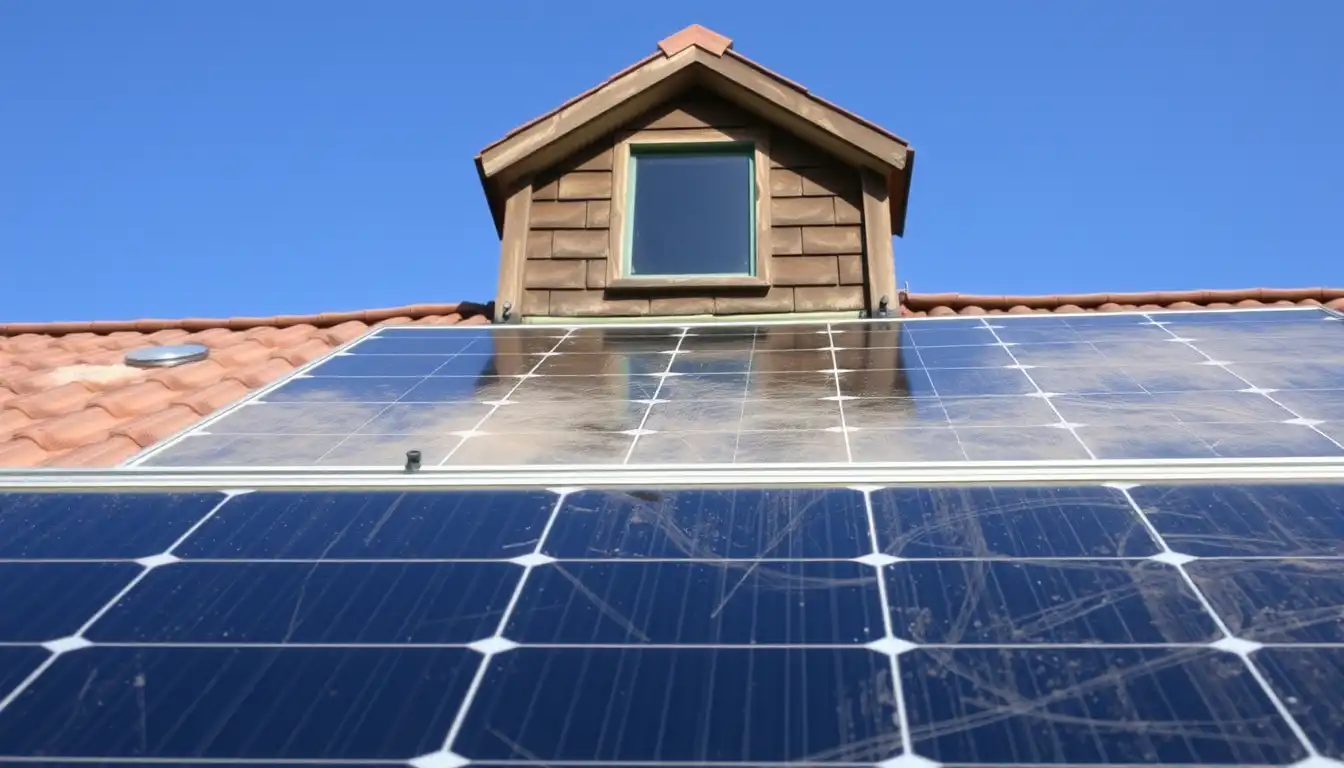
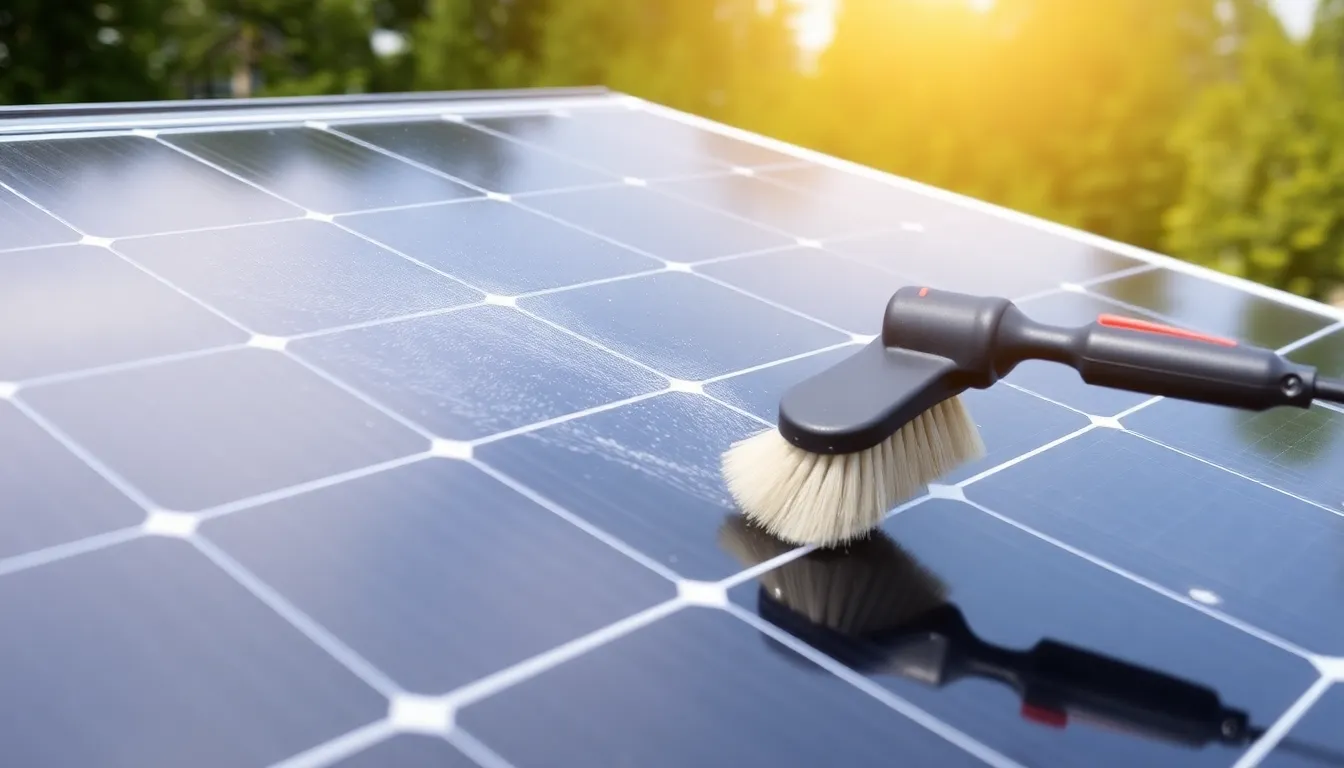
Panels get dirty. I had them cleaned once. Cost 200 dollars. Dirt reduces generation. Cleaning helped.
The inverter will eventually fail. Mine has ten year warranty. After ten years, replacement costs 3,500 to 4,500 dollars. I’m saving now for that eventual replacement.
Root rot appeared near one panel. Tree branch fell on my roof. Repair cost 400 dollars. Not covered by solar company. That’s on me.
Real Numbers For Your 2000 Sq Ft Home
- Expect to spend 18,000 to 30,000 dollars. Most realistic prices fall between 22,000 and 27,000 dollars for quality installation.
- System size needed is typically 7 to 8 kilowatts. That’s about forty five to fifty panels.
- Financing at zero percent for three years costs 600 to 750 dollars monthly depending on total cost.
- After three years, monthly payments continue at 4.99 percent interest for five more years.
- You’ll save 400 to 600 dollars monthly on electricity once payments are complete.
- Payback period is typically seven to ten years.
- After payback, you have fifteen to twenty years of cheap electricity.
Should You Get Solar For A 2000 Sq Ft Home
- Yes if you’re staying long term. Your investment pays for itself through electricity savings.
- No if you’re moving in three to five years. You won’t recover the investment.
- Yes if your roof is in good condition. Roof repairs before solar add thousands of dollars.
- No if you live in a constantly cloudy area. Generation will be disappointing.
- Yes if summer bills are over 400 dollars. More to save means faster payback.
- No if you’re cash poor. Monthly payments strain your budget initially.
My honest take. Solar made sense for my situation. My roof was good. I was staying long term. My bills were high. I could handle monthly payments for seven years. After that, lower bills for twenty years. The math worked.
It wasn’t instant gratification. Year one was rough financially because of loan payments. But I knew the payoff was coming. By year five, the investment clearly made sense. By year ten, I’d have saved enough to buy a car with solar savings.
Every situation is different. Do the math for your specific circumstance. Get multiple quotes. Compare warranty terms. Don’t pick the cheapest option. Don’t pick the most expensive. Pick the middle option with good warranty and service.
Summary
A 2000 square foot home typically needs a 7 to 8 kilowatt solar system costing between 22,000 and 27,000 dollars for quality installation. Financing through zero percent promotions for three years costs about 600 to 750 dollars monthly. After payback in seven to ten years, homeowners save 400 to 600 dollars monthly on electricity for remaining system life. Costs vary based on roof condition, equipment quality, and company overhead. Get three to five quotes and compare carefully. Solar makes sense for long-term homeowners with high electricity bills and good roof condition. It doesn’t make sense for renters or people moving soon. After initial years of loan payments, the investment returns substantial savings over the twenty five year system lifespan.