Table of Contents
My Dad’s Neighbor Had The Answer
My dad’s friend installed solar panels in 1998. That’s twenty six years ago. I asked him last month, hey, what’s happening with those old panels now. He laughed. Said they work great. Still generating electricity. Still powering his home.
I was surprised. I thought panels just stopped working after some time. Become useless. End up in landfills. But he said nope. They’re still fine. Maybe not brand new but still producing power.
That got me curious. I called installers. Talked to engineers. Read some technical stuff. Asked people with older systems. Got a clear picture of what actually happens to panels over time.
The Truth About Solar Panel Lifespan
Solar panels don’t have an expiration date. They don’t suddenly stop working on day one after twenty five years. That’s not how they work.
Panels gradually lose efficiency over time. Every year they produce slightly less power than the previous year. This degradation is slow. Very slow. Most panels lose about 0.5 to 0.8 percent efficiency yearly. That means after twenty five years, your panels generate about 80 to 88 percent of their original power.
Think of it like a phone battery. New phone charges fully and lasts all day. After two years the battery doesn’t last quite as long. After five years it’s noticeably worse. But the phone still works. You use it. It’s just weaker.
Solar panels work the same way. After twenty five years they’re weaker. But they still work.
What The Warranty Actually Means
Most solar panels come with a twenty five year warranty. This warranty guarantees the panels will produce at least 80 percent of their original power after twenty five years. Some warranties guarantee 85 percent. Premium panels guarantee 90 percent.
This doesn’t mean your panels stop working at twenty five years. The warranty just expires. The manufacturer no longer covers defects. But the panels themselves keep working.
Your dad’s neighbor’s panels are now outside the warranty period. If something breaks, the manufacturer won’t fix it for free. But the panels aren’t broken. They’re just getting old.
Real World Examples From Older Systems
I found data on panels installed in the 1980s and 1990s. Most are still working. Not at original capacity but still functional.
One installer told me about panels from 1985 still operating. They’re degraded significantly. Probably at 60 to 65 percent capacity. But the system still powers part of the house. The owner can’t use it as their sole power source anymore. But it helps.
Another person had panels from 1993. They’re operating at about 75 percent capacity. Still covering 50 percent of their electricity needs. After thirty years, that’s solid performance.
A university research project tracked panels from 1980. They tested them recently. Still generating 70 percent of original output. Thirty year old panels producing 70 percent power is remarkable.
Your dad’s neighbor with 1998 panels is right in line with this data. Twenty six years old. Probably around 80 percent capacity. Still meaningful electricity generation.
Why Panels Degrade So Slowly
The science is actually straightforward. Solar panels have no moving parts. No fluids. No wear and tear like engines or motors. They just sit there in the sun.
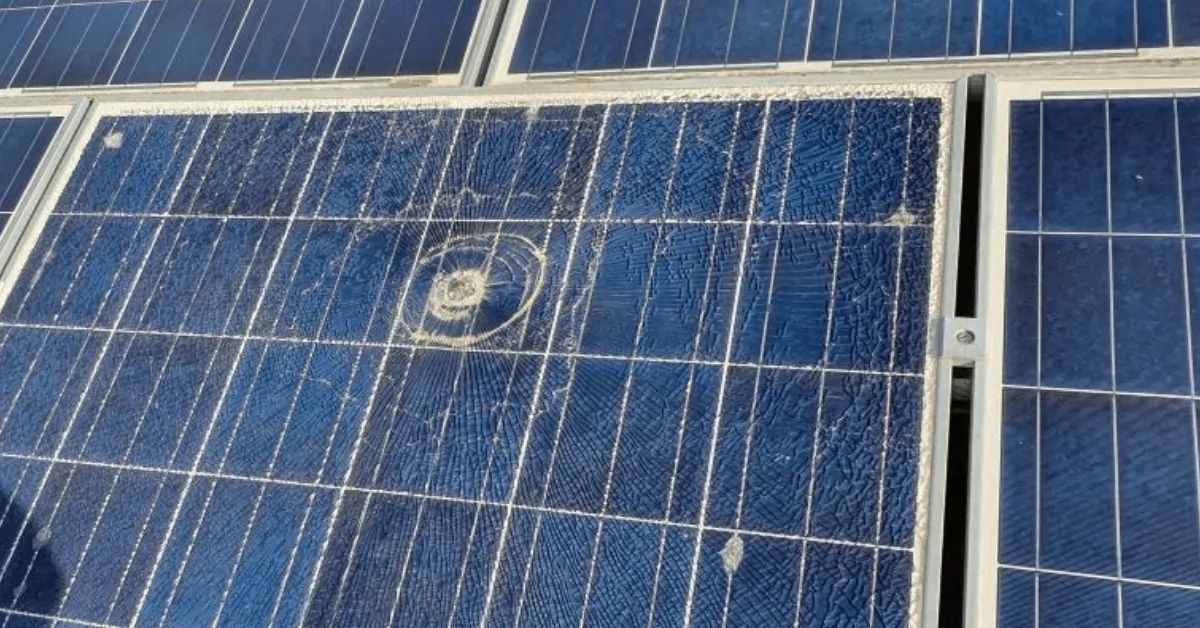
The degradation comes from material breakdown. Sunlight, heat, and weather slowly degrade the materials inside the panel. Tiny cracks form in the silicon. Connections get slightly weaker. Encapsulation materials break down microscopically. None of it happens fast.
That’s why degradation is about 0.5 to 0.8 percent yearly. It’s incredibly slow. Panels are built to be durable. Manufacturers know they need to last decades.
Environmental factors affect degradation speed. Hot climates degrade panels faster. Cold climates slower. Salty air near oceans accelerates degradation. Dust and pollution speed it up slightly. But even in harsh environments, degradation is slow.
What You Should Do After 25 Years
Your warranty is expired. The manufacturer won’t cover defects anymore. That’s the main change. Everything else stays the same.
Your panels still work. Still produce power. Maybe 80 to 85 percent of original output. That’s still useful. Still saving you money on electricity.
You can keep the system running as long as the panels work. There’s no requirement to replace them at twenty five years. That’s marketing. Companies want you to replace things. But your panels will keep working.
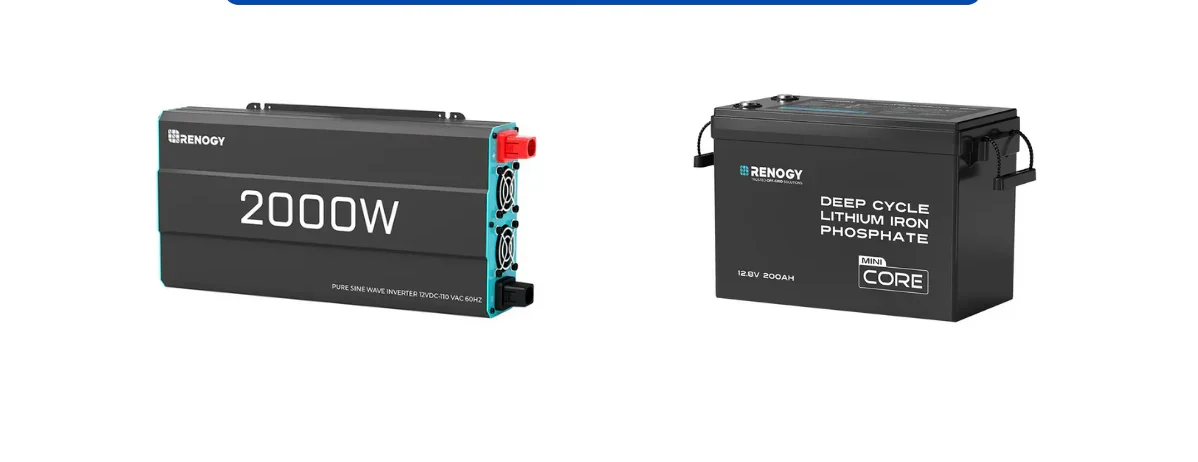
The inverter is the real concern. Inverters typically last ten to fifteen years. By the time your panels are twenty five years old, your inverter is probably dead or dying. You might have replaced it already once. You might need to replace it again.
An inverter replacement costs 3,500 to 4,500 dollars. That’s real money. But panels are still working. Panels cost more to replace than inverters. Since panels degrade slowly, your existing panels are still valuable.
Some people in this situation replace only the inverter. Keep the old panels. The system works fine with a new inverter and old panels.
When You Actually Need To Replace Panels
Panels need replacement when they’re producing so little power that replacement makes financial sense.
- After thirty years, panels might be at 65 to 70 percent capacity. Is the remaining power worth keeping the system. Yes. 65 to 70 percent of your original power generation still saves money.
- After forty years, panels might be at 50 to 60 percent capacity. Still generating electricity. Still lowering your bill. Less economic benefit but still some benefit.
- After fifty years, panels probably aren’t worth keeping. Most people replace them before fifty years though. By then newer technology is much better.
Newer panels are 20 to 22 percent efficient. Technology improved since your old panels. Replacement panels are smaller and more efficient. You generate more power in less space.
But old panels still work. The decision to replace is economic not operational. When you can get a 30 to 40 percent return on replacement investment, you do it. Otherwise you keep the old system.
Your dad’s neighbor doesn’t need to replace his panels yet. They’re producing 80 percent power. That saves him hundreds of dollars yearly. Replacement won’t make financial sense for several more years.
Real Downsides After 25 Years
- Warranty is expired. If a panel breaks, you replace it yourself. Cost is 200 to 500 dollars per panel depending on type. That’s the main downside.
- Production is lower. Your electricity bill isn’t as low as in year one. That’s expected and accepted.
- Mounting hardware degrades. Bolts rust. Seals wear out. Flashing around the panels might leak water. These maintenance issues pop up. Cost varies but usually 500 to 2,000 dollars to address.
- Wiring gets old. Connections weaken. Electrical shorts become possible. Professional inspection catches these issues. Professional repair costs money.
- Inverter replacement is the biggest expense. If your inverter dies at year twenty five, replacement is necessary. System stops working without an inverter. That costs 3,500 to 4,500 dollars plus labor.
The Advantage Of Paid Off Panels
Here’s the best part. After twenty five years, your panels are paid off. No loan payment. No financing cost.
Even if production drops to 70 percent, you’re saving money monthly. Electricity bill reduction minus maintenance costs equals net savings. That’s profit. Free electricity generation with minimal expense.
Compare this to a car payment or mortgage. After twenty five years the car is ancient. The mortgage is finally close to being paid. But the solar system is generating free electricity.
Your dad’s neighbor is in this position. Panels paid off long ago. Production is lower but still meaningful. Electricity savings with no monthly payment. That’s the dream scenario for solar.
What About Recycling
This is a real issue people ask about. What happens to old panels. Do they end up in landfills. Can they be recycled.
Most solar panels are recyclable. They contain valuable materials like silicon, glass, aluminum, and copper. Recycling facilities extract these materials. Panels are reused or remanufactured.
Right now recycling infrastructure is developing. Most areas don’t have facilities yet. But that’s changing. As more panels age out, recycling becomes standard.
Your dad’s neighbor doesn’t need to worry about this yet. His panels still work. Recycling is years away.
When panels eventually stop working, recycling will be available. Most recycled materials get reused in new panels or other products. It’s not wasteful like throwing them in a landfill.
The Real Answer
Solar panels after twenty five years still work. They generate 80 to 85 percent of original power. They still save you money. They still power your home partially or fully depending on your situation.
You don’t need to replace them at twenty five years. That’s a myth. You replace them when production becomes too low to be worthwhile. That’s usually after thirty five to forty years.
Your warranty expires. You no longer have manufacturer protection. But that doesn’t mean the panels break. They keep working.
Maintenance becomes more necessary. You might replace the inverter. You might repair mounting hardware. You might address electrical issues. But these are manageable costs.
The best scenario is paying off your system before twenty five years. Then after twenty five years you have panels still generating power with no loan payment. That’s the goal.
Your dad’s neighbor achieved this. Twenty six year old panels. Working great. No payment. Free electricity. That’s the real story of solar panels after twenty five years.
Summary
Solar panels do not stop working after twenty five years. Instead they gradually lose efficiency at about 0.5 to 0.8 percent yearly. After twenty five years, most panels operate at 80 to 85 percent of original capacity. The twenty five year warranty guarantees this minimum performance then expires. Expired warranty means no manufacturer protection for defects but panels continue producing electricity. Real world examples show panels from the 1980s and 1990s still operating at 65 to 75 percent capacity. Panel replacement becomes economically sensible around thirty five to forty years when production drops to 50 to 60 percent capacity. Inverters typically fail before panels requiring replacement during the system lifespan. After payoff, aged panels still generate electricity savings with minimal costs. Environmental factors affect degradation speed with hot climates degrading faster than cold climates. Recycling infrastructure for old panels is developing to recover valuable materials. The real advantage comes from owning paid off panels generating free electricity even at reduced capacity.