Table of Contents
Last year, someone kept opening our gate at night. We’d wake up to find it standing open with tire tracks leading into our property. We couldn’t see a thing from the house. Our driveway entrance was completely dark. The local sheriff said proper lighting would help. So we called an electrician to install permanent security lights at our gate checkpoint. His quote was $3,200. That included trenching, running conduit, installing the fixtures, and connecting to our house power. We couldn’t justify that cost for our situation.
That’s when I started researching solar checkpoint lighting. The idea appealed to us. No wires. No trenching. No monthly electricity costs. Just stick a light at the gate and done. I ordered a motion-detecting solar light from a big online retailer for $45. It arrived in three days. I mounted it on a post by the gate. Turned it on. Seemed perfect.
Two weeks later it stopped working. The motion sensor didn’t trigger anymore. A month later it wouldn’t turn on at all. We pulled it down and opened it up. Water had gotten inside the battery compartment. The battery had corroded completely. The circuit board showed green corrosion patterns everywhere. That $45 light was junk.
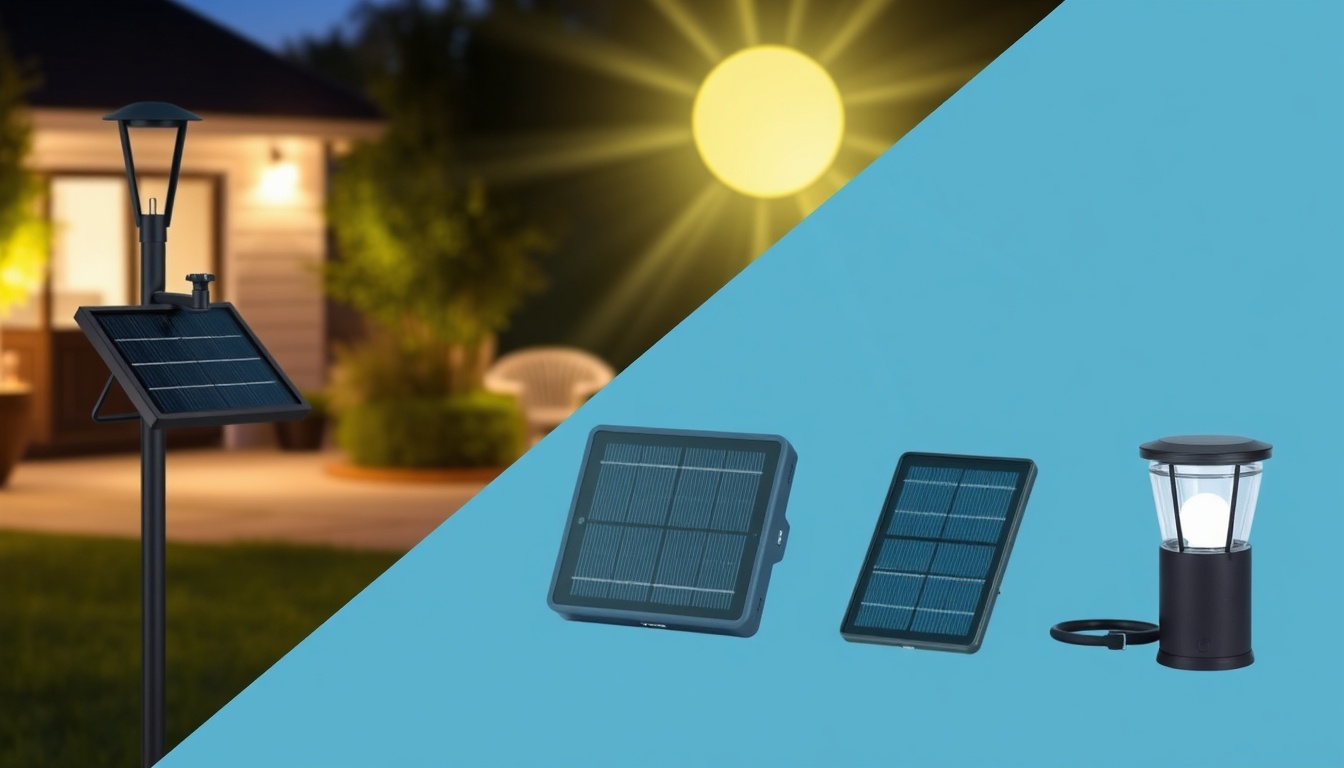
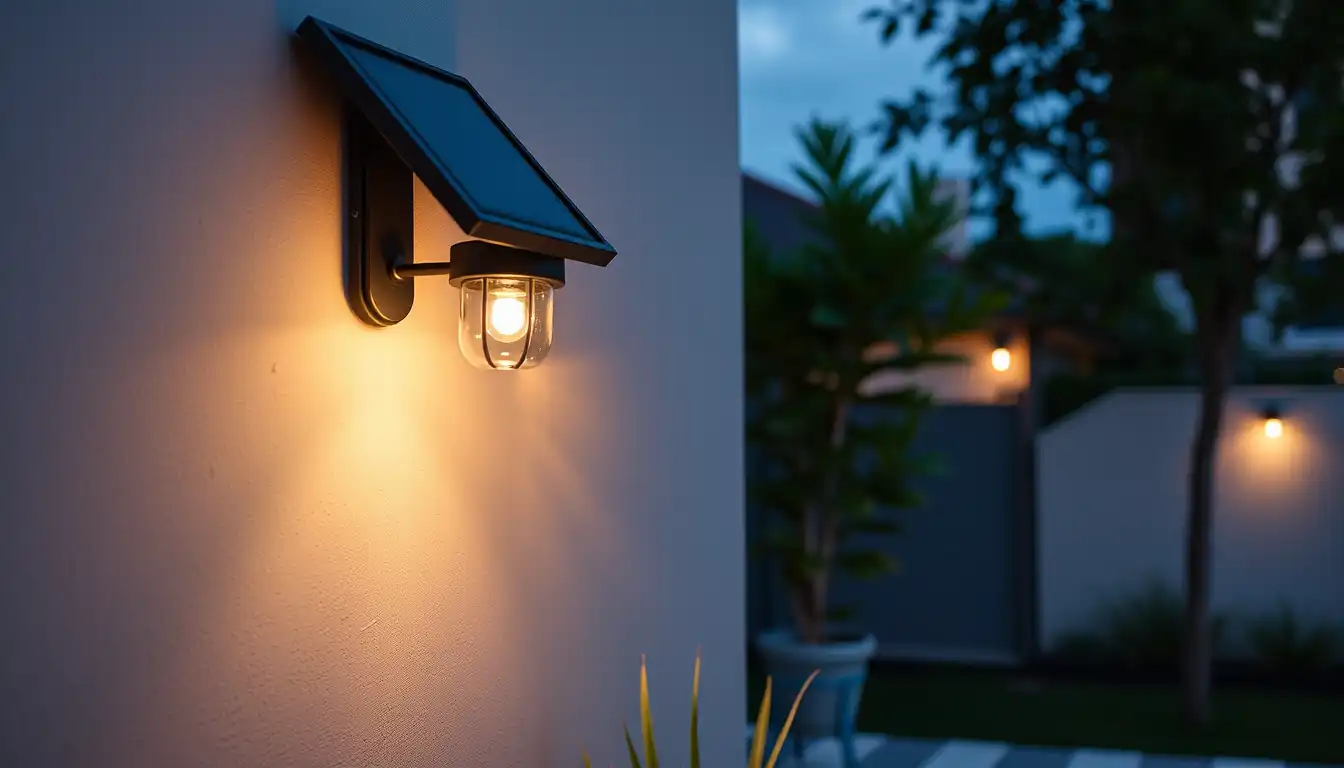
I wasn’t ready to give up. My wife pointed out that we spent $45 and learned something. So I started over with a better quality option. Spent $150 on a dual-head motion-detecting solar light with an adjustable solar panel. This time I installed it higher on the gate post. Better sun exposure. Better weather protection.
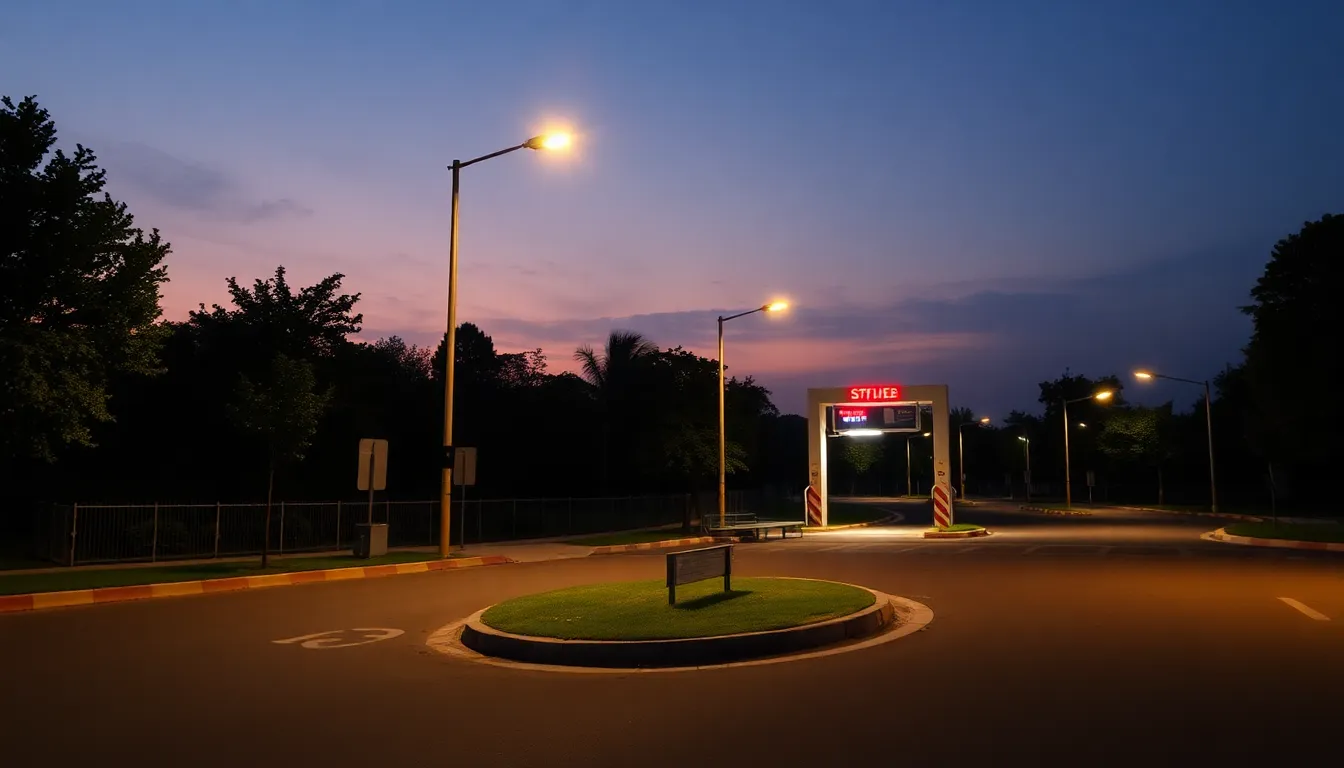
That was twenty months ago. It still works perfectly. Our checkpoint is lit up bright when anyone approaches at night. The motion sensor triggers instantly when vehicles pull up. Anyone with bad intentions sees they’re completely exposed. They move on. The gate stays closed.
Here’s what I’ve learned about making solar checkpoint lighting actually work.
Why Solar Works Better Than We Expected
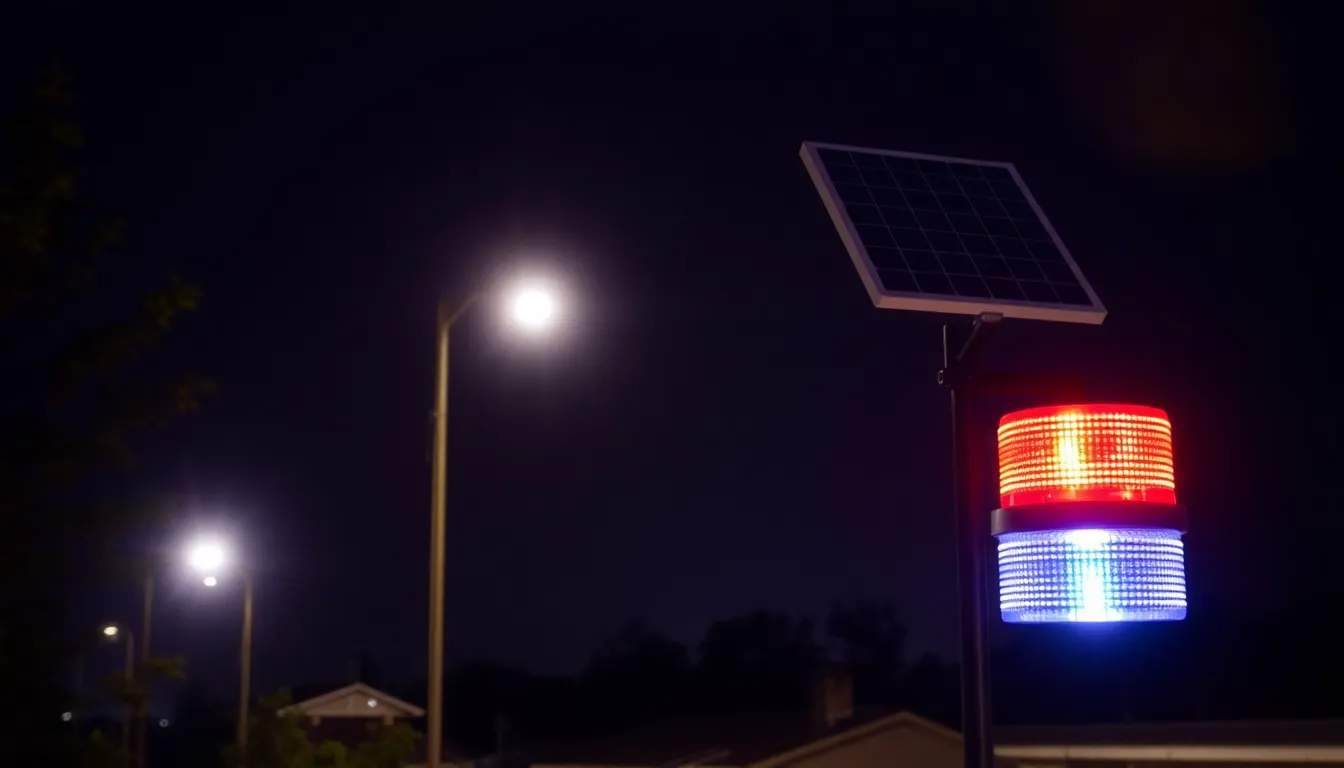
I assumed solar security lights wouldn’t be bright enough for real security. I was wrong. Modern solar checkpoint lights produce surprising brightness. The one we installed produces 240 lumens on full setting. That’s brighter than I expected. It lights up our entire gate area and about 50 feet of driveway beyond it.
The motion detection range is impressive too. Our light detects movement up to 16 feet away at a 120-degree angle. That’s plenty for a checkpoint entrance. Vehicle traffic or people walking up to the gate triggers it instantly. The light comes on at full brightness. Once movement stops, it dims down to a lower setting after about 30 seconds. Smart design reduces battery drain.
The solar panel charges fully during decent sunshine. Even on cloudy days, our light runs all night. We’ve gone through two winters now. Winter performance is noticeably weaker than summer. On dark winter days with few hours of sunlight, the light might only run 5 to 6 hours instead of 8 to 10. But it still covers the prime nighttime hours when people are actually trying to mess with gates. During summer and spring, it runs all night without any dimming.
Most importantly, the light is weatherproof. Our gate sits on a hillside. Wind howls around it constantly. Rain hits it hard. Snow accumulates against it in winter. The light has survived everything. No corrosion. No water damage. The sealing is genuine. That’s the main difference between the $45 junk light and the $150 quality light.
Checkpoint Lighting Needs Different Specs
Motion detection is essential. A gate should light up when vehicles or people approach. Constant lighting doesn’t have the same impact. Motion-triggered lights are dramatic and act as a deterrent. Someone pulling up sees lights blaze on. That’s powerful.
Detection range matters. For a gate checkpoint, you need 15 to 25 feet of detection range. That gives warning before someone reaches your gate. A light detecting only at 5 feet is useless for security.
Brightness should be real. We mean 200 to 500 lumens minimum. Our light produces 240 lumens on full setting. Under 100 lumens is decoration, not security.
Solar panel adjustability helps. If your checkpoint has partial shade, an adjustable panel lets you angle it toward the best sun. Fixed panels fail in suboptimal locations.
Battery capacity determines runtime. Our light runs all night in summer, 5 to 6 hours in winter. That covers the hours when problems actually happen.
Waterproofing should be certified IP65 or better. That means water jets can’t penetrate. Our light survived hard rain, snow, and ice without water damage inside.
Installation at a Checkpoint Is Simple
- Mount the light high on the gate post. High mounting makes it hard to disable. Low-mounted lights can be covered with a jacket or hit with something.
- Point the motion sensor toward the driveway approach. You want motion to activate when vehicles come up, not passing clouds.
- Position the solar panel facing south. East or west is acceptable but less ideal. Never point north. Our light faces southwest and charges fully by evening.
- Keep the area clear of shade. Trim branches hanging over the checkpoint. This immediately improves charging. We saw better performance after trimming.
- Mount it high enough to be hard to reach but low enough you can access it for cleaning. We used 8 feet on the gate post.
The Difference Between $45 and $150 Lights
The cheap light failed after four weeks. That’s my only experience with it, so my analysis is limited. But the visible differences are obvious.
The $45 light had a plastic housing. The $150 light has aluminum with a stainless steel trim. Aluminum resists corrosion. Plastic doesn’t.
The cheap light had a non-adjustable solar panel. The quality light has a 15-foot cable with an adjustable solar panel. If your checkpoint position doesn’t get ideal sun directly, the adjustable panel on a cable solves that problem. You can position the panel separately in better sun.
The cheap light had tiny internal components. When I opened it up, everything was miniature. Tiny battery. Tiny circuit board. Tiny motion sensor. The quality light has substantial components built for durability.
Sealing is the biggest difference. The cheap light failed from water damage. The quality light has rubber gaskets, sealed connectors, and waterproof casing. Two winters of exposure and zero corrosion or water inside.
Real Cost Analysis for Checkpoint Lighting
The electrician wanted $3,200. We spent $150 on a solar light. That’s $3,050 saved immediately.
No monthly electricity costs. The light runs purely on solar power. That’s real savings over time. Even if it lasted five years, at zero electricity cost, we’re still way ahead.
The light will probably need replacement around year 5 to 7. Batteries degrade. LEDs slowly lose brightness. Plan to replace it eventually. Another $150 spent. Still vastly cheaper than hardwired installation.
If our light had failed after one year, we spent $150 for that year of use. That’s extremely cheap checkpoint security. We’re now at nearly two years with no issues. Cost per year is getting better.
If the light stops working tomorrow, we simply pull it down and install another. No complicated repairs. No trenching to fix wiring. Just swap the light.
That’s why solar makes sense for checkpoint lighting at remote properties.
Why Quality Matters for Security Checkpoints
A cheap light that fails after a month is a waste of money. But worse, it leaves your checkpoint unlit. A gate without lights is an invitation to problems. My situation proved that.
A quality light that runs for five to seven years costs roughly $30 per year. That’s negligible compared to the security value. Our gate stays closed now. We sleep better knowing the checkpoint is lit and anyone approaching will be visible.
Quality matters because your light needs to be reliable. Security lighting should never fail. It should work every single night. You don’t want to worry about it. Set it and forget it should be the reality.
Battery quality affects reliability. Lithium batteries hold charges longer and handle temperature swings better than cheap batteries. The light we installed uses lithium. It performs in winter. In summer. Through rain. Through frost. No complaints.
Sensor reliability matters too. Our motion sensor works consistently. Some cheap sensors malfunction. They trigger randomly or fail to trigger when needed. A broken sensor defeats the purpose.
What We Tell People About Checkpoint Solar Lighting Now
It works. Our experience proves it. We were skeptical. We’ve been converted.
- Buy quality, not cheap. Spend $150 not $45. The difference is night and day in terms of durability and performance.
- Get motion detection, not constant light. The activation moment is what deters problems. Constant lighting becomes background noise.
- Ensure good sun exposure for the solar panel. That’s probably the most important installation factor. A light in shade won’t charge properly. Move it to direct sun if possible.
- Mount it high where it’s hard to disable. Low-mounted lights can be covered or knocked over. High mounting provides better security.
- Install one at your checkpoint entrance if you own a gated property. Don’t waste thousands on hardwired options. Solar works fine for this specific application.
- Our gate hasn’t been opened without permission since we installed the light. That might be coincidence. Or people see the bright security lighting and move on. Either way, the problem stopped. The investment paid off.
Summary
We own a small rural property with a gated entrance. Installing traditional checkpoint lighting meant paying $3,000 for trenching and wiring. We tried solar motion-detecting lights instead. They failed. We tried again with better quality. Now our checkpoint is well-lit, secure, and we never worry about power. Here’s what actually works for solar security checkpoint lighting based on our two-year experience.