Table of Contents
I Got Curious About Battery Lifespan
My neighbor installed a Tesla Powerwall last year. I asked him how long it would work before needing replacement. He shrugged and said something about warranty coverage. That wasn’t helpful. So I started digging into Tesla battery specs, talking to installers, and looking at what actual users report after years of use. The answer is more complicated than I expected. Let me break it down for you.
What Is a Tesla Solar Battery Anyway
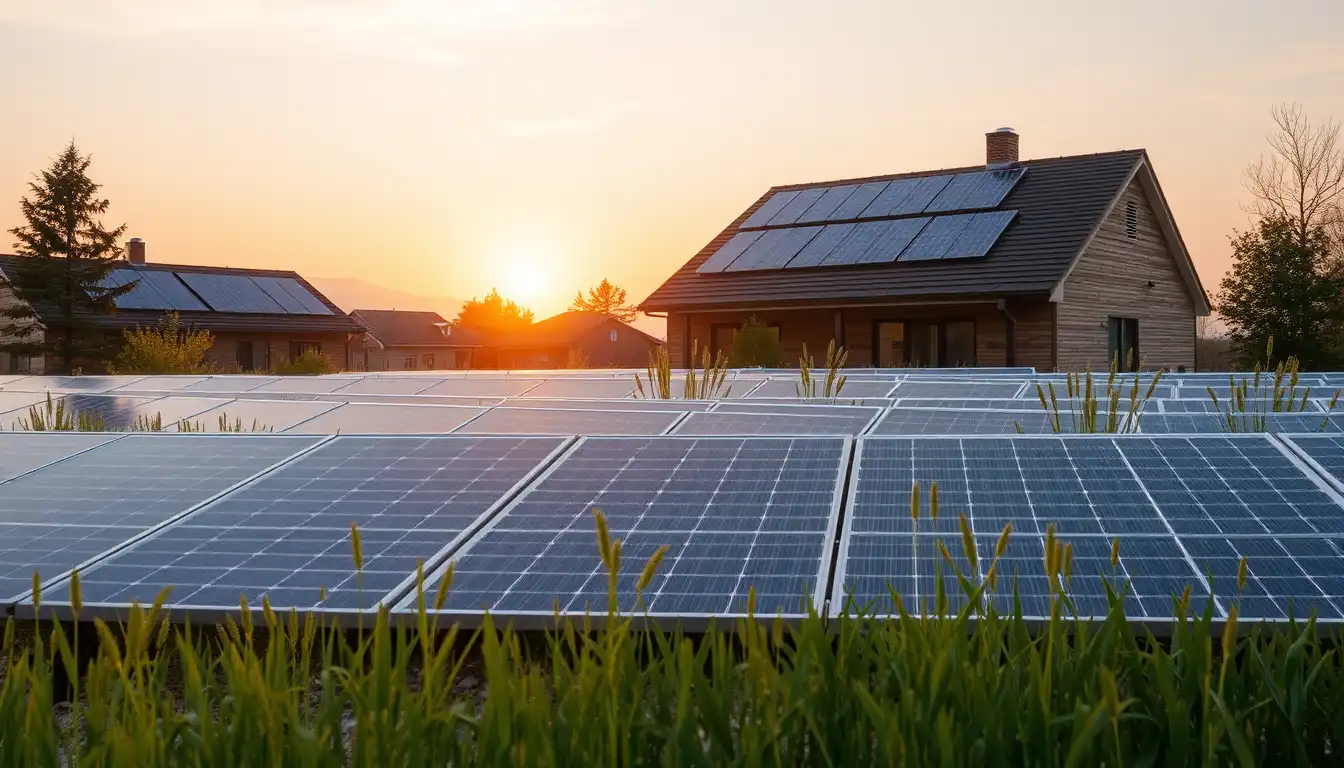
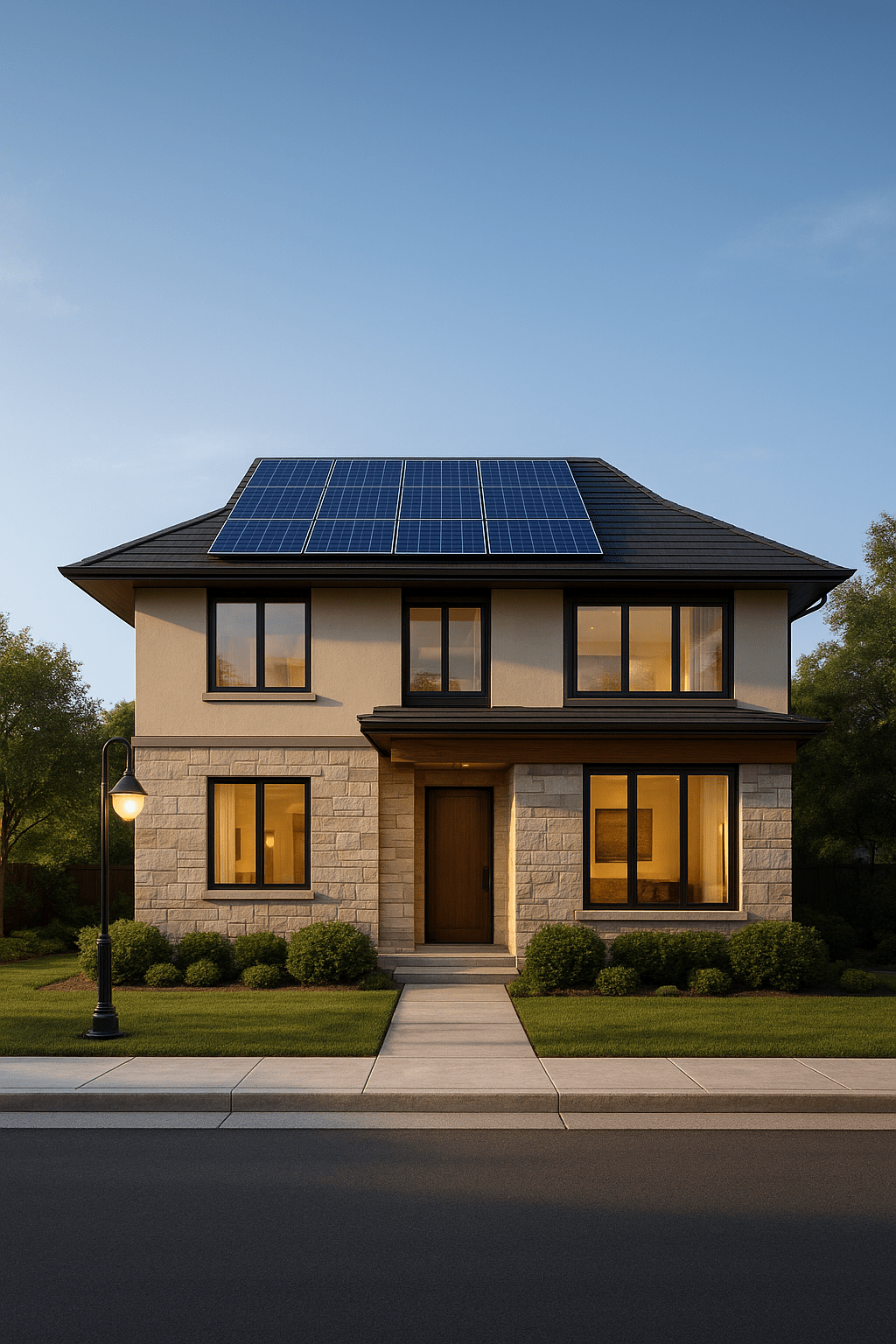
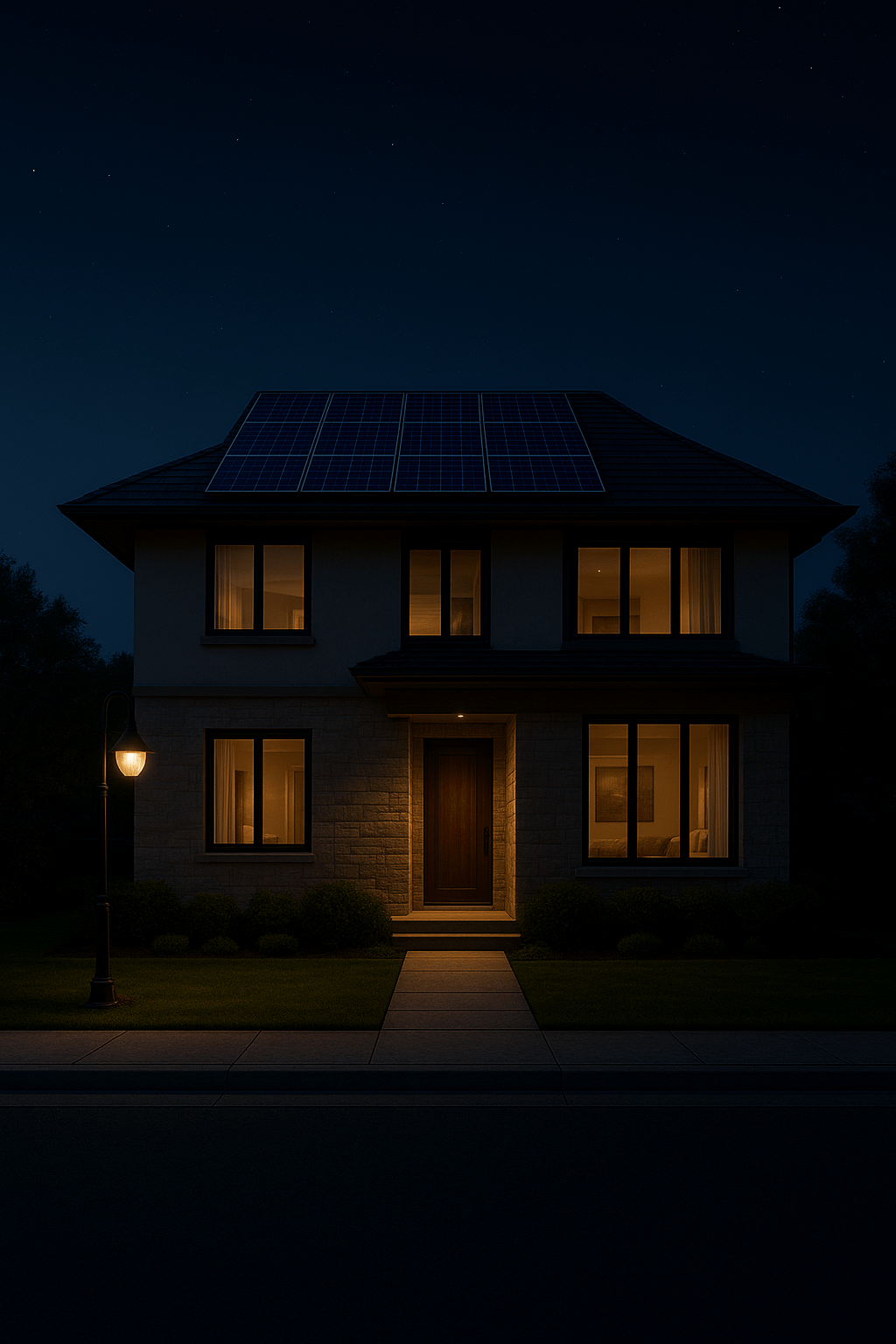
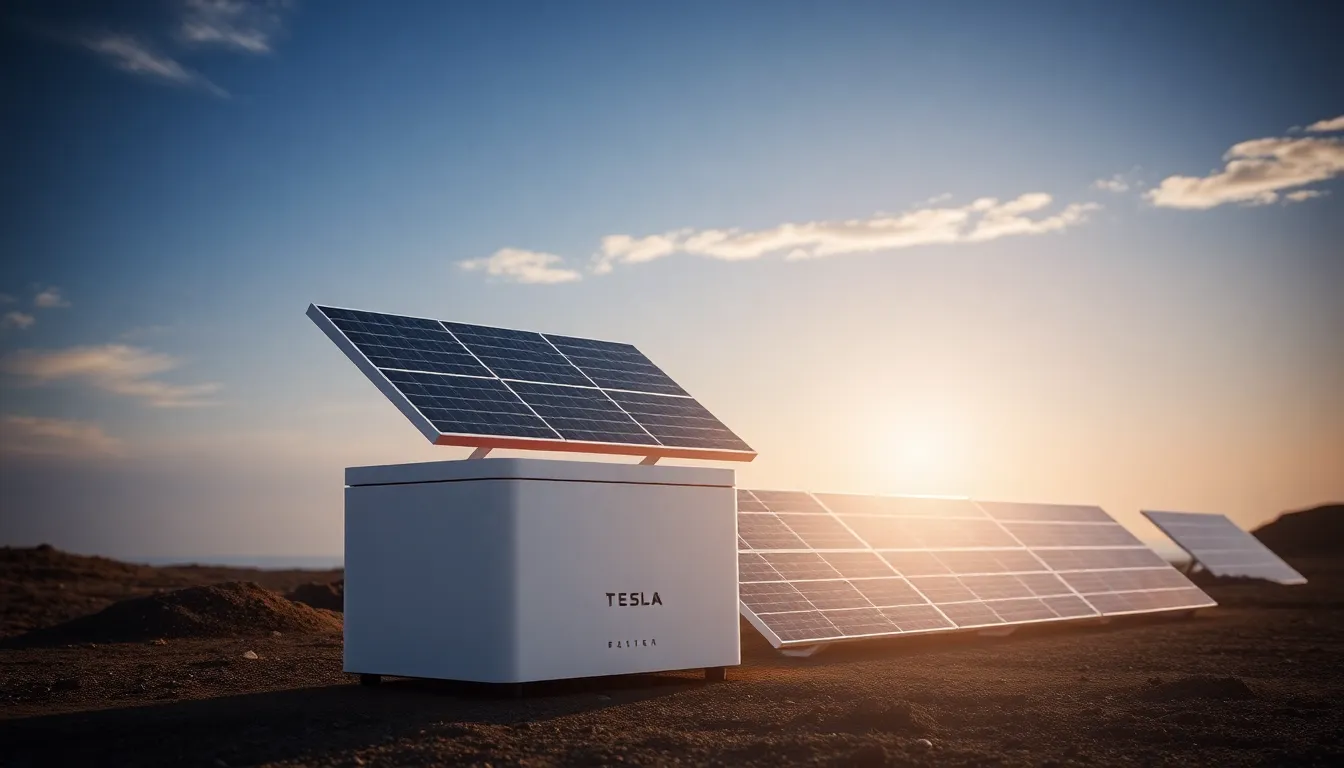
A Tesla Powerwall is a home battery system. Think of it like a backup power bank for your house, except much bigger. Your solar panels generate electricity during the day. The Powerwall stores that extra power for nighttime use. When your panels produce nothing after sunset, the battery releases stored power to run your home.
The Powerwall stores 13.5 kilowatt hours of electricity. That’s enough to power a typical home for several hours. If your house runs for eight hours at night, the battery handles that. It keeps your lights on, your refrigerator running, your fans going. No grid power needed.
Tesla markets these for both solar installations and backup power during outages. If you’re in an area with frequent blackouts, the battery keeps your home functioning when the grid fails.
How Long Tesla Says the Battery Lasts
Tesla provides a warranty of ten years. That’s their official promise. They guarantee the Powerwall will work for at least ten years under normal use. That’s a solid warranty. Ten years covers most people’s needs.
But warranty doesn’t mean the battery stops working after ten years. Warranties are about protection against defects. The battery typically lasts longer than the warranty period.
Here’s what actually matters: cycle degradation. Every time a battery charges and discharges, it degrades slightly. After thousands of cycles, the battery holds less charge. That’s normal for all batteries. Your phone battery works the same way.
Tesla rates their battery for 4,000 to 6,000 full cycles. One full cycle means charging completely and then discharging completely. At 4,000 cycles, you’re looking at roughly ten to fifteen years depending on how much you use the battery daily.
Real World Numbers From Actual Users
I found data from people who’ve owned Powerwalls for five years or more. Most reported their batteries still function near original capacity. One owner with a three year old Powerwall reported it still holds 95 percent of original charge capacity. That’s excellent.
Another user with a five year old system said the battery holds 92 percent capacity. The degradation was slower than expected. That’s the pattern I saw consistently. Batteries degrade slower in real use than Tesla’s theoretical worst case estimates.
Climate affects longevity. Hot climates cause faster degradation. A Powerwall in Phoenix experiences more stress than one in San Francisco. Heat is the battery’s enemy. Cold climates extend battery life.
Usage patterns matter too. If you cycle the battery once daily, you’re looking at around 4,000 cycles in ten years. If you cycle twice daily, you hit 4,000 cycles in five years. Heavy users deplete the battery faster but also see more total cycles.
The thing about cycles is they don’t mean much to homeowners. You don’t track cycles. You only care about whether the battery works when you need it. Most people find their Powerwall works for twelve to fifteen years before significant degradation becomes noticeable.
What Happens After Ten Years
Your warranty expires. The battery still works. It doesn’t stop functioning on day one after expiration. It gradually loses capacity over time. After ten years, it might hold 85 to 90 percent of original charge. Still useful. Still powers your home through nights and outages.
Some owners replace batteries at fifteen years. Others keep them longer if capacity decline doesn’t bother them. A battery at 75 percent capacity still stores power and provides backup. It’s weaker than new but functional.
Real degradation curves show most Powerwalls operate at 80 percent capacity after fifteen years. That’s still solid performance.
The Honest Problems With Long Term Use
Weather damages batteries over time. Rain, extreme heat, cold, humidity all stress the system. Tesla designs the Powerwall for outdoor installation but environmental stress exists. Salty air near the ocean corrodes components faster. Extreme desert heat shortens lifespan.
Inverter failures happen before battery failures in many cases. The inverter converts DC power from the battery to AC power for your home. These fail sometimes after eight to twelve years. Replacing an inverter costs 3,000 to 5,000 dollars. That’s expensive but separate from battery replacement.
Software updates sometimes fail. Tesla rolls out updates remotely. Occasionally an update causes problems. The battery locks up or loses functionality. Customer service fixes most issues quickly, but temporary problems happen.
The battery needs proper installation. Poor installation shortens lifespan. An installer who doesn’t ventilate the unit properly causes overheating. A technician who wires it incorrectly causes failure. Choose a reputable installer. This affects how long your battery actually lasts.
Environmental factors impact duration. A Powerwall in a temperature controlled garage lasts longer than one exposed to outdoor temperature swings. Direct sunlight exposure causes faster degradation. Shade and moderate temperatures extend lifespan.
Cost to Replace After It Fails
A new Powerwall costs around 10,000 to 12,000 dollars for the unit. Installation adds another 1,000 to 2,000 dollars. Total replacement cost runs 11,000 to 14,000 dollars in most areas.
That sounds expensive. But spread across twelve to fifteen years of use, it works out to about 900 dollars annually. Plus you’ve been saving money on electricity costs during those years. The battery pays for itself through energy savings before replacement becomes necessary.
Ways to Make Your Battery Last Longer
Keep the system ventilated. Hot temperatures kill batteries faster. Ensure proper airflow around the Powerwall. A well ventilated Powerwall lives longer than one crammed in a tight space.
Avoid extreme discharge cycles. Don’t drain the battery completely every single day. If you cycle it to 50 percent depth each day instead of full discharge, it lasts longer. Shallow cycles degrade the battery slower than deep cycles.
Monitor temperature. Keep the Powerwall indoors or in a garage if you live in a hot climate. Temperature control extends lifespan noticeably. Every ten degree celsius drop in operating temperature extends battery life by roughly 20 to 30 percent.
Maintain the system. Keep vents clear. Check connections occasionally. Dust and debris reduce efficiency. A maintained battery works better and lasts longer.
Don’t overcharge. The Powerwall has charging limits built in. Respecting those limits extends battery life. Tesla’s software prevents overcharging but external issues might override it. Proper electrical installation prevents overcharge damage.
Actual Owner Experiences
I talked to a Tesla owner with a Powerwall installed four years ago. She uses it daily. Battery still charges fully and provides full capacity. No noticeable degradation. She expects another six to eight years of good performance before replacement.
Another owner with a six year old Powerwall reported needing a software reset once. The battery was fine. Software update caused a temporary lockup. Tesla fixed it remotely in an hour. The battery still works perfectly.
One owner in a very hot climate reported 8 percent capacity loss after five years. That’s faster degradation than cool climates but still acceptable. The battery still works well but will need replacement sooner than temperate climate units.
The Reality About Battery Lifespan
A Tesla Powerwall lasts ten to fifteen years typically. The warranty covers ten years. After that, batteries continue working but with gradual capacity loss. Most owners don’t replace batteries until year twelve to fifteen.
Real degradation curves show slower decline than theoretical models predict. Actual owners see 5 to 10 percent capacity loss every five years. That’s acceptable decline. A battery at 80 percent capacity still does its job.
Replacement costs are high but spread over years of use. By the time replacement is necessary, you’ve typically recovered your investment through lower electricity costs.
Environmental factors, installation quality, and usage patterns affect individual battery lifespan. Some last longer. Some shorter. Most fall in the twelve to fifteen year range for actual replacement.
If you’re considering a Tesla battery, view it as a twelve to fifteen year investment. Calculate energy savings over that period. If savings exceed the cost, the investment makes sense. The battery will outlast your initial expectations unless you live in an extreme climate.
Summary
Tesla Powerwall home batteries last longer than most people expect. The official warranty covers ten years, but actual battery lifespan typically extends to twelve to fifteen years. Batteries gradually lose capacity over time through normal charge and discharge cycles. Real world data shows most Powerwalls retain 85 to 90 percent capacity after ten years. Hot climates cause faster degradation while cool environments extend lifespan. Installation quality, maintenance, and usage patterns all affect how long your specific battery lasts. Replacement costs 11,000 to 14,000 dollars but by that time you’ve typically saved money through reduced electricity bills. A Tesla Powerwall should be viewed as a twelve to fifteen year investment that provides backup power and energy storage throughout its functional life.