Table of Contents
WHY GLASS LOOKS BETTER THAN PLASTIC
I bought cheap plastic solar lights initially. They looked fine for about two months. After that they started to degrade and looked like junk. The plastic yellowed. The paint cracked. The finish was obviously cheap. I replaced them after one season because they looked terrible.
Then I got glass solar lights. Different world. They still look the same as day one after three years. The glass doesn’t discolor. The finish doesn’t crack. They look intentional and sophisticated, not like something you grabbed at a discount store.
Glass has this quality that plastic can never match. It ages gracefully. When glass gets weathered it still looks acceptable. It looks vintage or rustic depending on finish. Weathered plastic just looks broken.
My wife immediately noticed the difference. She said the glass lights made the whole yard look more finished. That’s exactly right. Plastic lights make yards look like they were furnished from a big box store clearance bin. Glass lights look like someone made design choices about their outdoor space.
The light quality through glass is better too. Plastic filters light oddly. Glass is clean and clear. The light is warmer and more natural. When you’re sitting under glass solar lights the ambiance is completely different than under plastic versions.
Guests comment on the glass lights. Nobody ever commented on the plastic ones except to think they looked cheap. Good design disappears and gets noticed only when it’s missing.
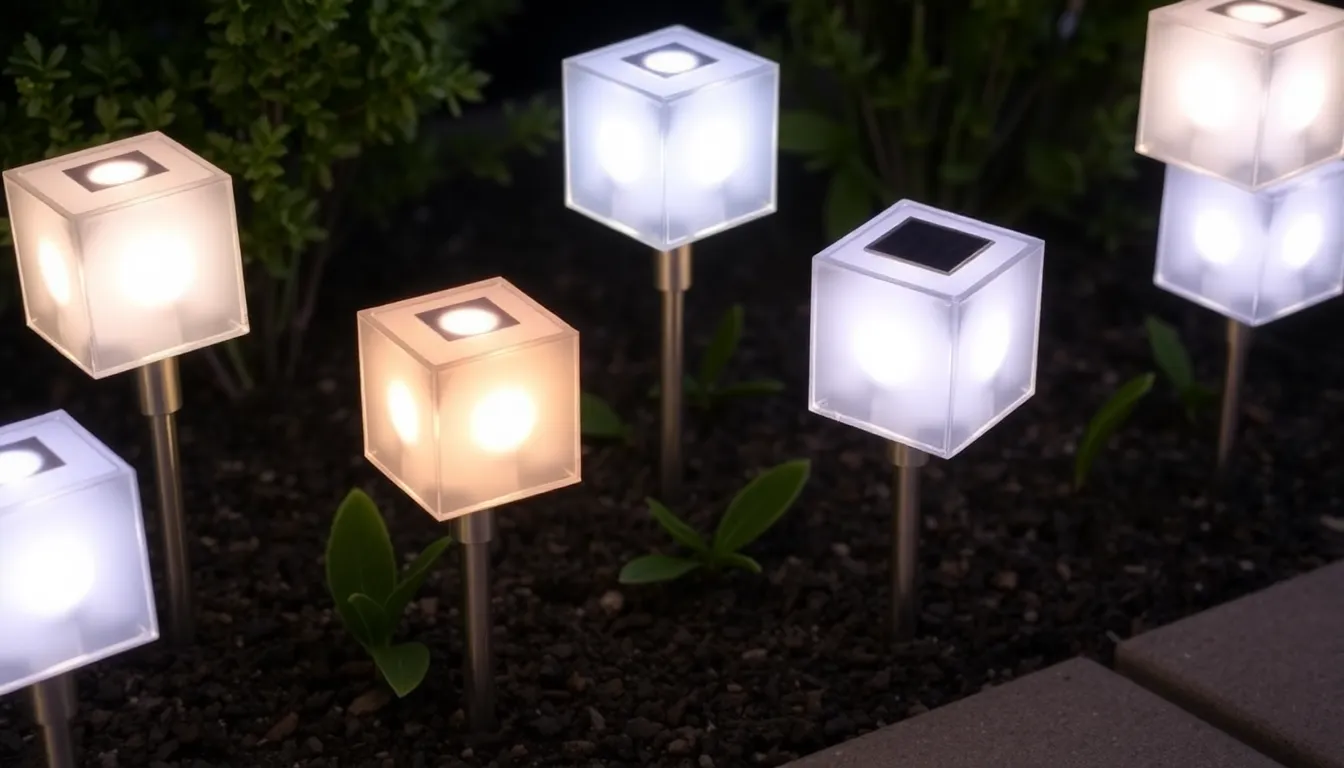
Color options in glass are better. You can get clear glass, frosted glass, amber glass, blue glass, colored glass. Each creates different mood and light quality. Plastic doesn’t offer these options with the same quality.
I’m willing to pay more for glass because it actually looks good. Plastic feels like a compromise that costs less but looks worse. Glass feels like the right choice.
DIFFERENT STYLES OF GLASS SOLAR LIGHTS
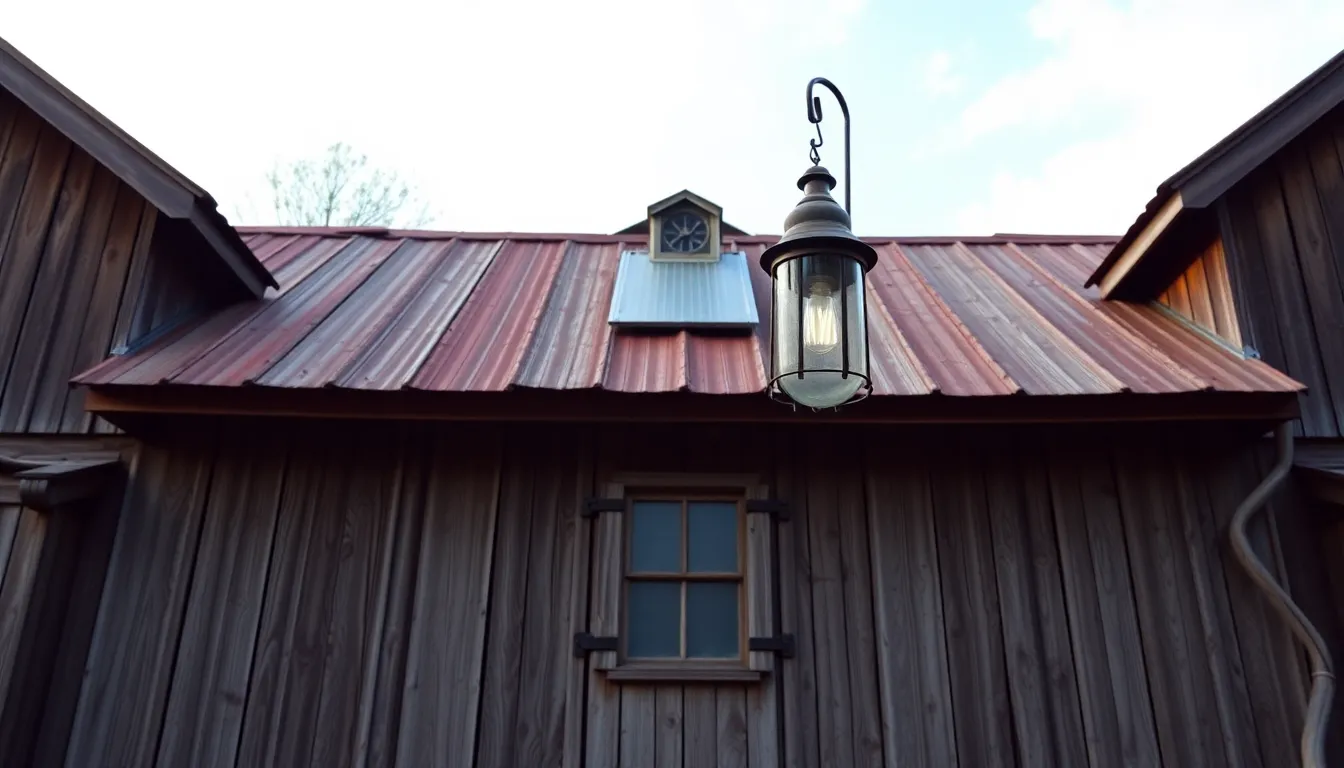
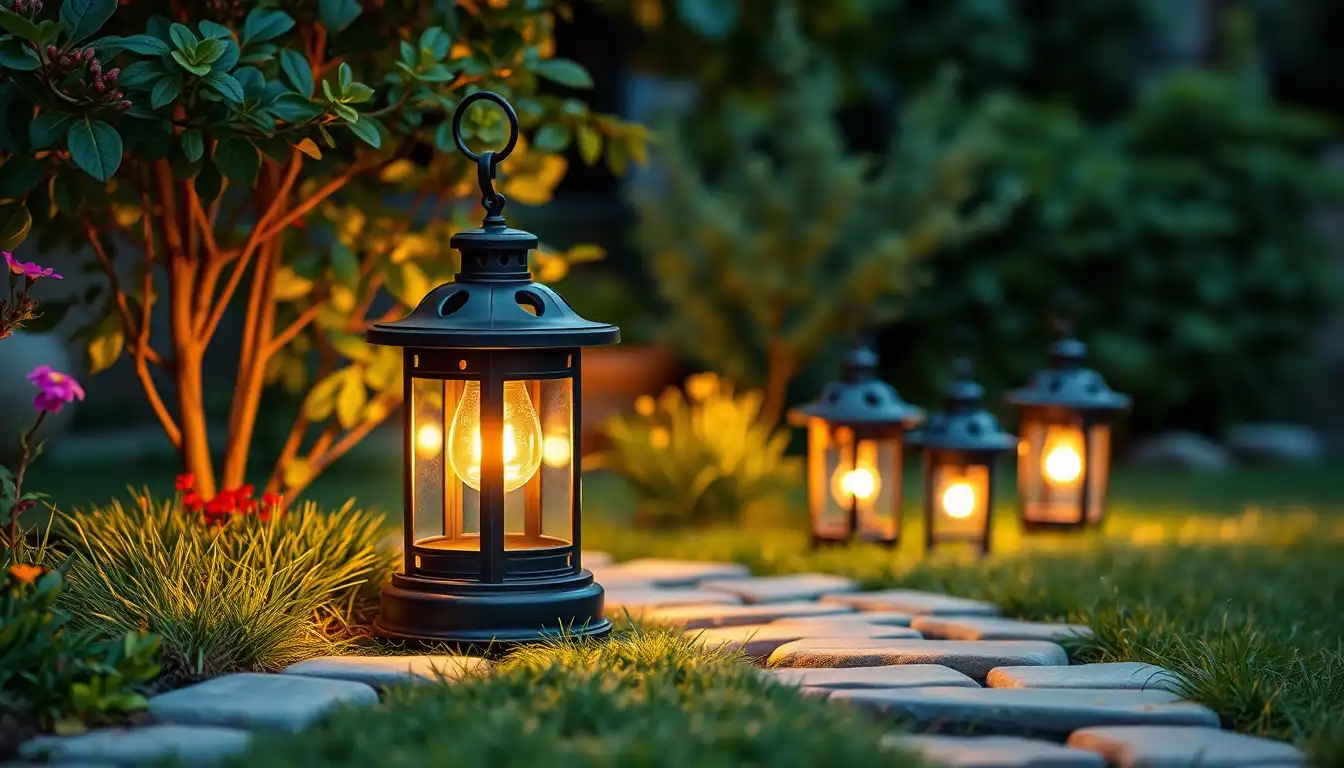
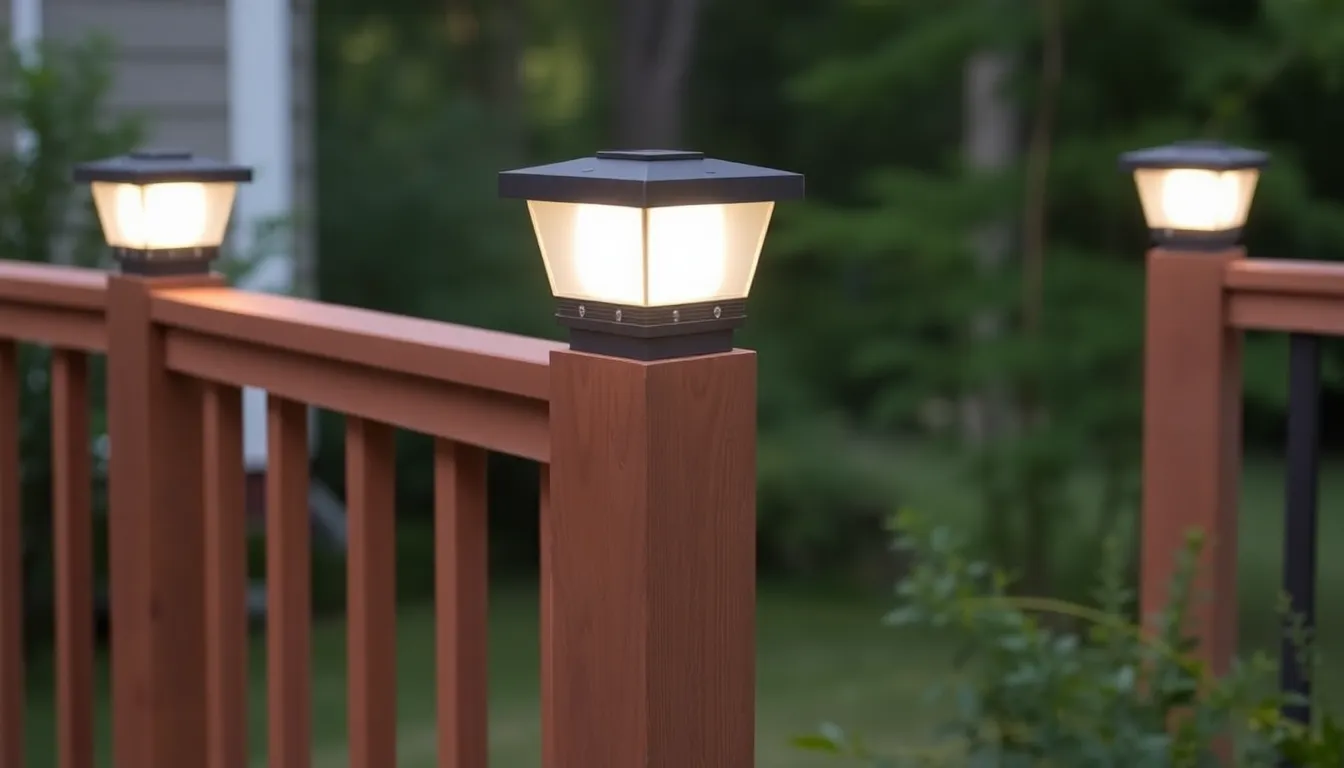
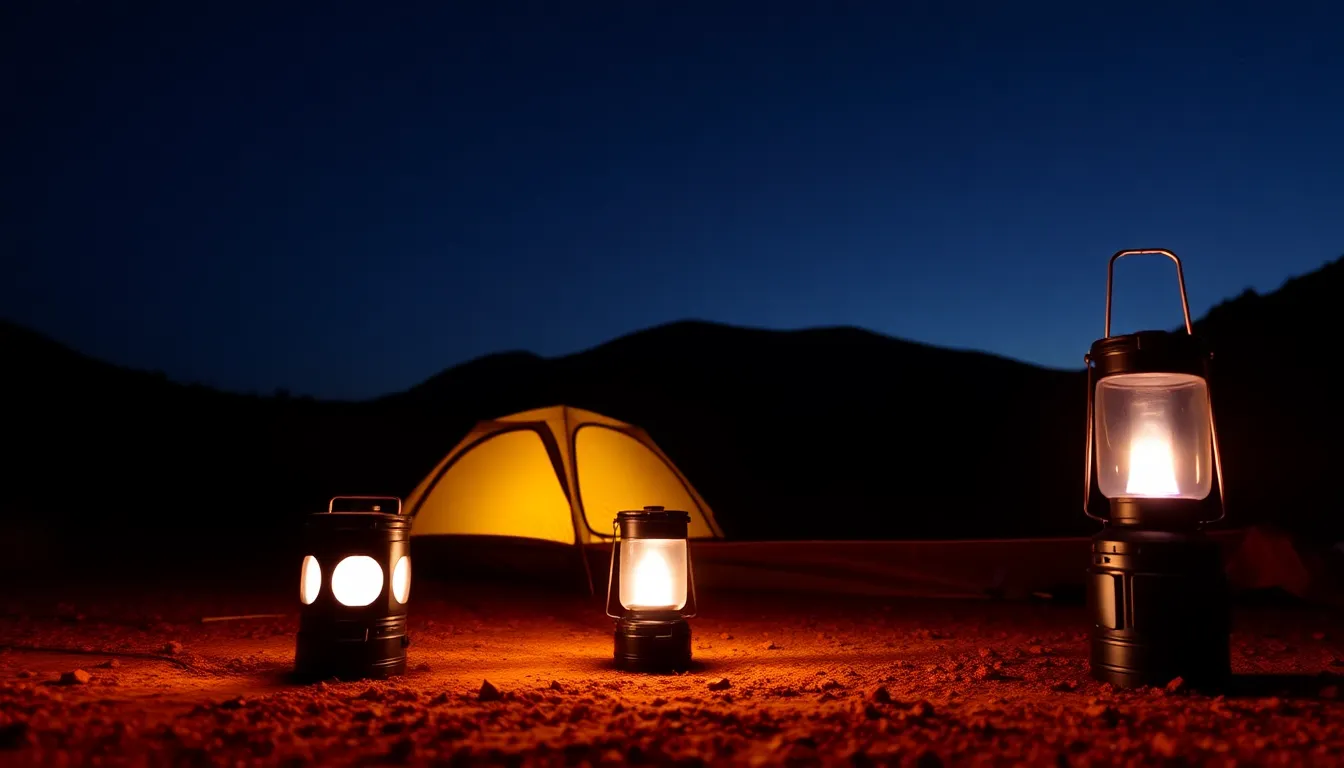
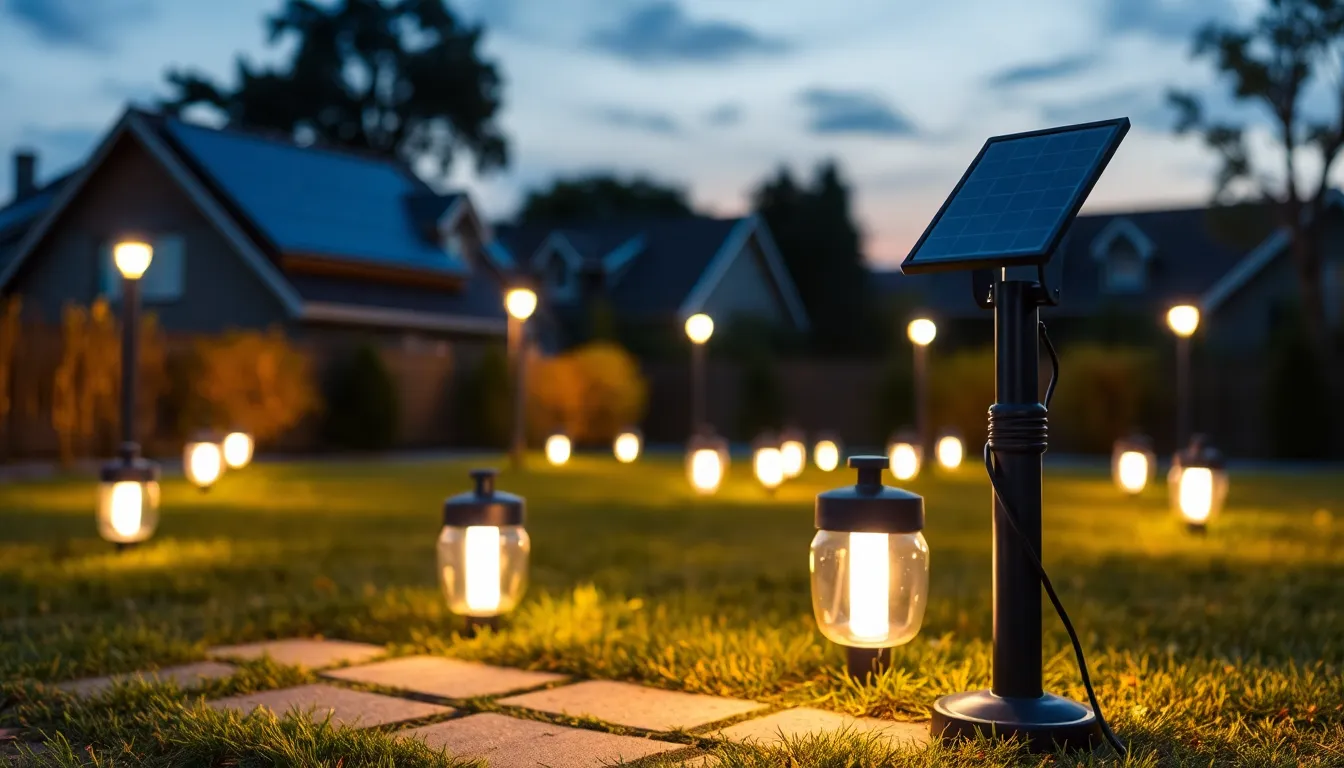
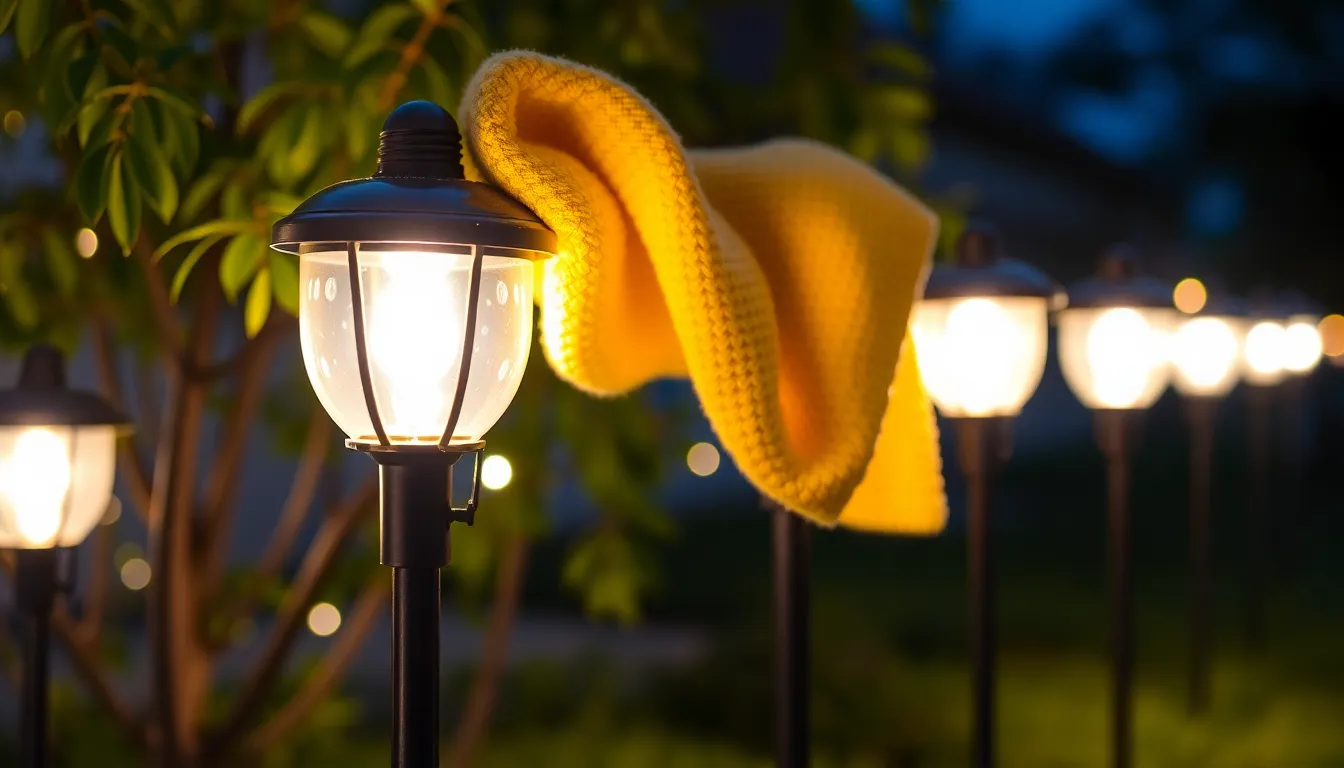
- Traditional lantern style glass lights are what people picture. They look like old fashioned gas lanterns but run on solar power. Metal frame with glass panels on sides. They come in brass, black, or bronze finishes. These work on any home style from rural to urban.
- Pendant style glass lights hang from overhead structures. Patios, pergolas, trees. The glass hangs down and creates ambient light below. Beautiful for entertaining spaces. People love these but they’re more expensive than stake lights.
- Glass jar solar lights use actual mason jars or decorative bottles as the glass element. This is the most affordable glass option because jars are cheap. They look charming and rustic. Many people make these themselves by fitting solar components into jars.
- Accent lights with glass shades direct light at a specific spot. Glass shade focuses the light beam. These work for highlighting plants, architectural features, or specific yard areas. More dramatic than ambient lighting.
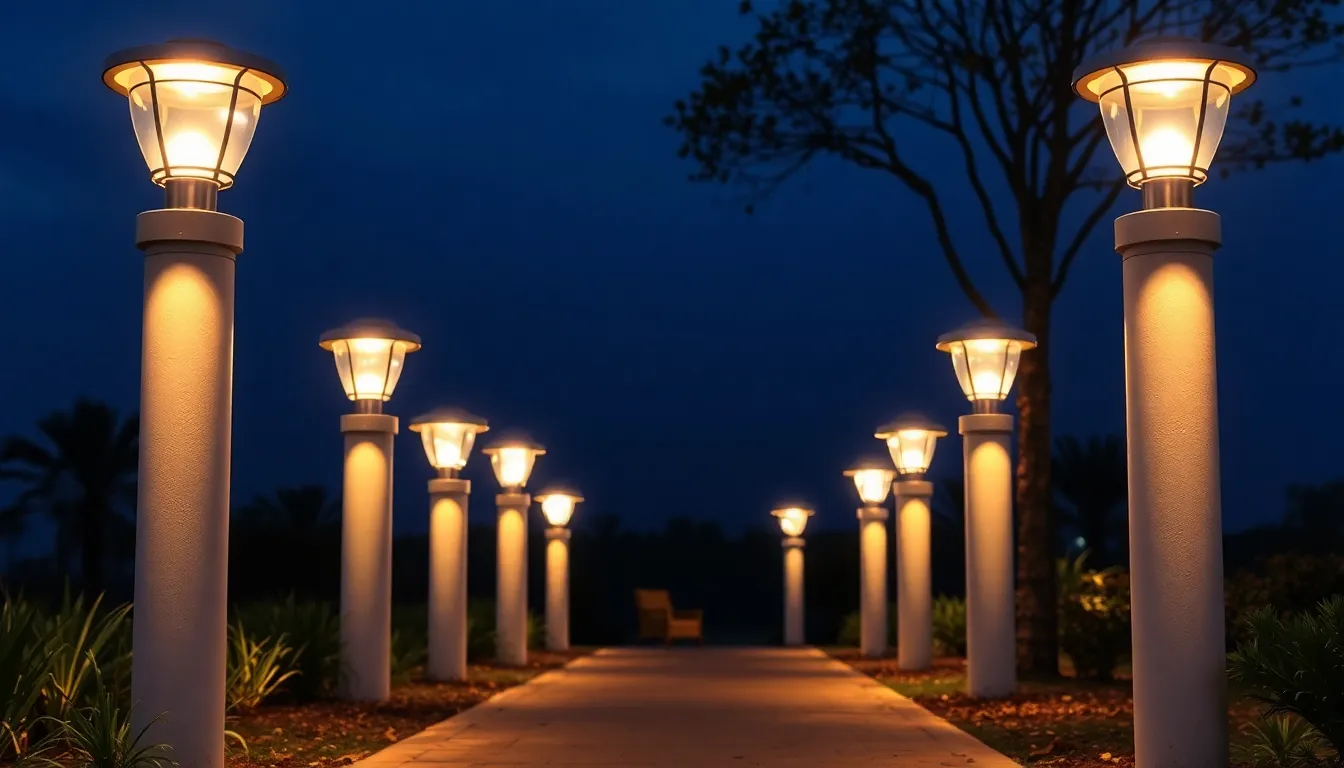
- Bollard style glass lights stand taller with glass cylinder or panel design. These mark property boundaries while looking elegant instead of utilitarian. Premium option but looks professional.
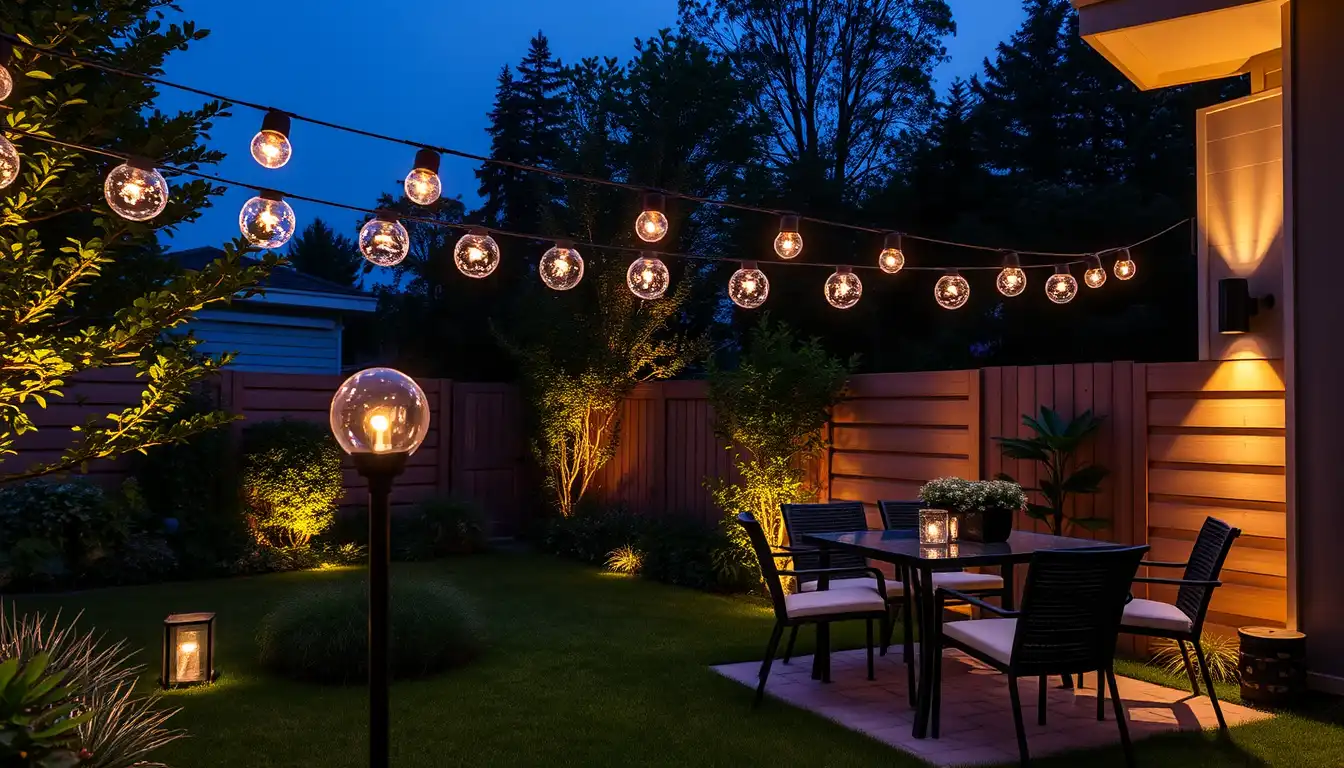
- String lights with glass elements hang between posts. Small glass enclosures hold tiny LED bulbs. Create twinkly ambient lighting for patios and entertaining areas. These are popular for weddings and special events.
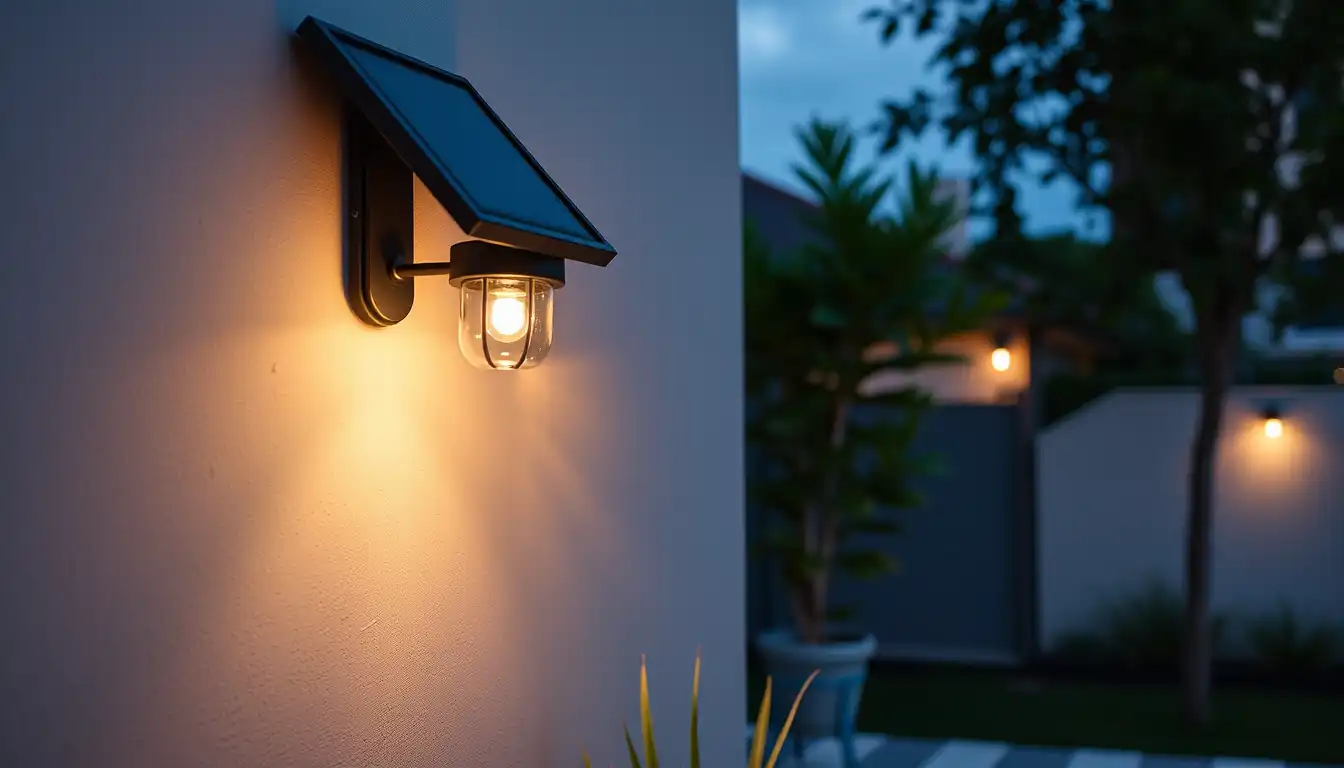
- Wall mounted glass lights for entryways use glass panels to diffuse light. These look like real architectural light fixtures, not cheap solar toys. They work on any home style and look intentional.
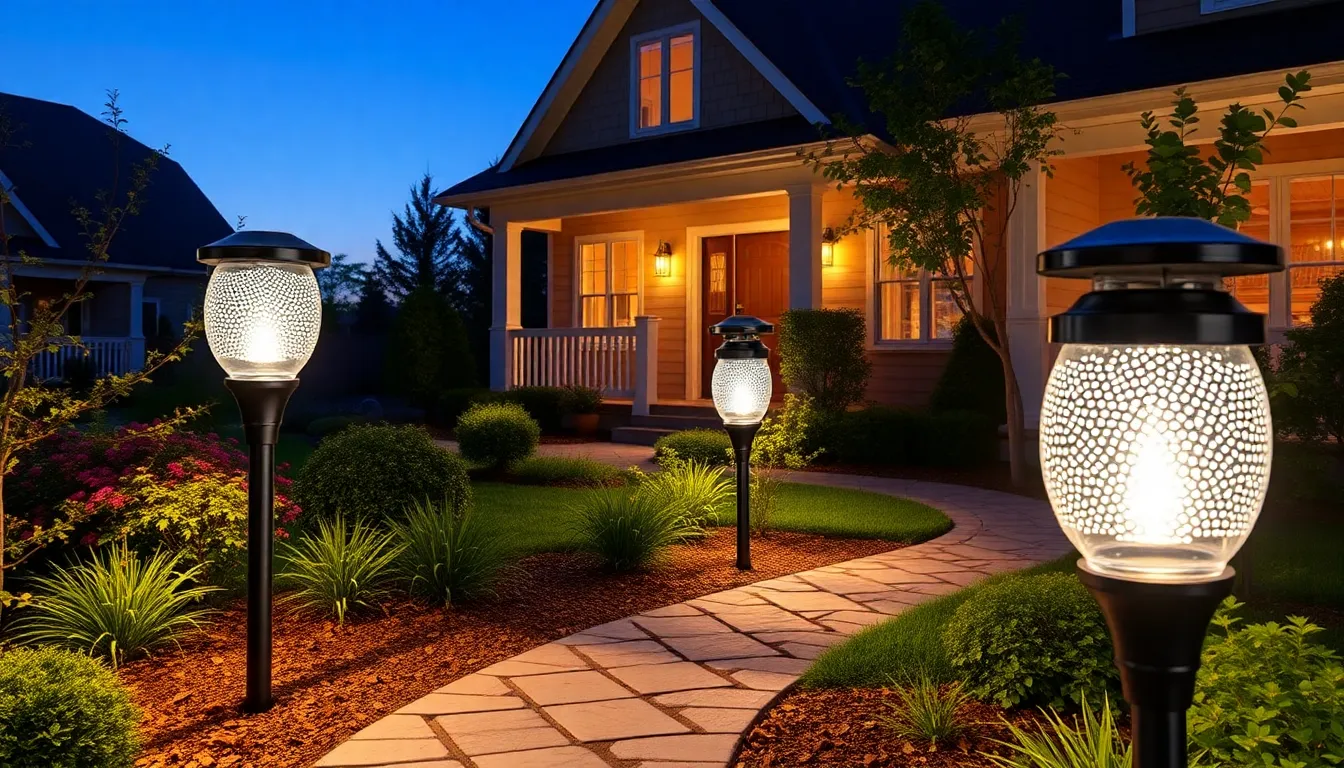
- Decorative glass globes that sit on posts are purely aesthetic. They glow at night from internal LED. Not bright but beautiful. People use these for visual interest more than illumination.
GLASS DURABILITY AND FRAGILITY
Glass breaks if hit hard enough. Everyone knows this. Hail can break glass lights. A stick swinging in wind might break one. Getting hit with a baseball breaks it. This is real and worth considering.
I’ve had glass lights for three years. Never broken one yet. I live in an area without hail. I maintain my yard. I don’t have kids throwing things. For most people, breakage isn’t a regular concern.
Quality glass is surprisingly strong. It’s not thin ornament glass. It’s thick enough to handle wind and weather. A light breeze won’t hurt it. Normal weather won’t hurt it. Deliberate impact will hurt it.
Tempered glass is stronger than regular glass. Look for this specification when buying. Tempered glass is heat treated to be more break resistant. It costs more but justifies the expense for outdoor use.
If a glass light does break, replacement is simple. Most have modular design where you replace the glass shell while keeping the solar component. Replacement glass is usually affordable.
Some people worry about birds flying into glass. It happens sometimes but not constantly. Most birds see glass eventually and avoid it. This is a real but minor concern.
Frost buildup on glass in winter doesn’t damage it. Ice is fine on glass. It might look cloudy but doesn’t hurt the light function or material.
Temperature extremes don’t break quality glass. Cold doesn’t make it shatter. Heat doesn’t damage it. Glass is stable across temperature ranges.
My honest assessment is that glass is more durable than plastic overall. Plastic degrades constantly from sun exposure. Glass gets stronger from sun exposure. One breaks from regular aging. One breaks from impact only.
MAINTENANCE AND CLEANING
Glass solar lights need regular cleaning to maintain appearance. Dust and dirt on glass is visible. You want to clean them periodically to keep them looking nice.
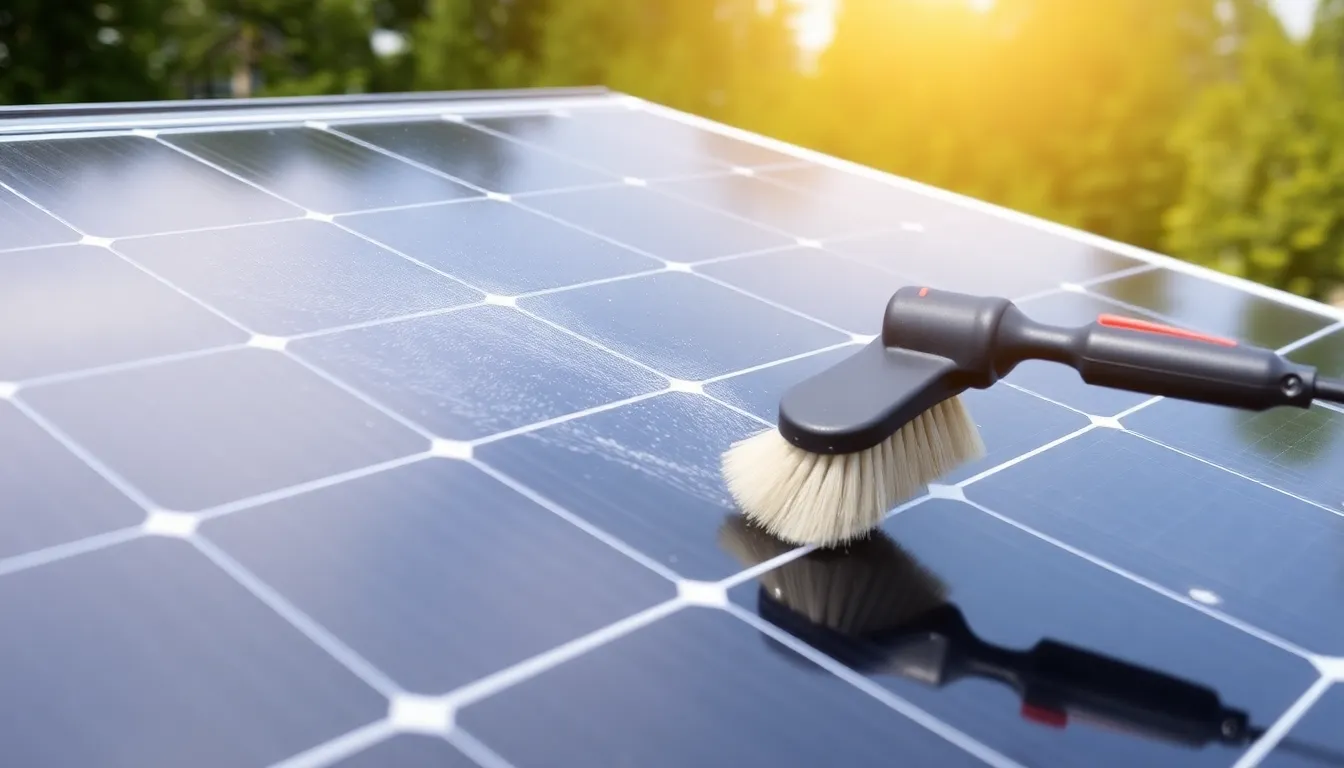
Cleaning is simple. Soft cloth with water. No special products needed. Takes about two minutes per light to wipe them clean. Monthly cleaning keeps them looking perfect.
Inside the glass can accumulate condensation sometimes. This usually clears on its own as temperature changes. If moisture stays, it might indicate a seal problem. Replaceable gaskets solve this if needed.
Algae or mold can grow on glass if humidity stays high. This is rare unless you’re in tropical climate or extremely damp area. Cleaning with mild cleaner removes it easily.
Solar panel cleaning is same as any color or material. Dust blocks charging. Monthly wipe keeps panels charged fully.
Glass won’t degrade from UV exposure. The solar panel inside will eventually need battery replacement but the glass stays perfect indefinitely. This is the major advantage over plastic.
Mineral buildup from water can occur on glass in hard water areas. Vinegar solution removes mineral deposits easily. Very minor maintenance concern.
COST OF GLASS SOLAR LIGHTS
Glass costs significantly more than plastic. Quality glass lights might be two to three times the price of plastic equivalents. This is real cost difference.
However, glass lasts longer so per year cost might be similar. If plastic lasts two years and glass lasts six years, the annual cost becomes comparable.
Replacement glass components are affordable. If you break the glass shell, you replace just the glass. The solar mechanism stays. This keeps replacement costs down.
Some glass lights are surprisingly affordable. Mason jar style lights cost barely more than plastic versions. These are good entry point if you want glass without premium prices.
Higher end glass lights with decorative detailing cost more but look like investment pieces. They’re worth it if you care about yard aesthetics significantly.
Bulk discounts exist for glass lights. If you’re buying many lights, per unit cost drops substantially. This matters if you’re lighting entire patio or property.
Sale seasons sometimes discount glass lights. End of summer sales often have good deals. February might have clearance on last season’s inventory.
The price premium for glass is worth it in my opinion because they last so much longer and look better throughout their lifespan. You’re not just paying more upfront, you’re getting value over time.
INSTALLATION AND PLACEMENT
Installation is identical to plastic lights. Stake style pushes into ground. Wall mounted bolts to structures. Pendant style hangs from existing hardware.
- Ground conditions matter. Glass lights are heavier than plastic. Soft soil might let stakes sink too deep. Rocky soil might prevent proper installation. Test your yard before buying.
- Wind considerations are slightly different. Glass lights catch wind differently than plastic. Heavier weight means better stability actually. Wind won’t topple them as easily as lighter plastic versions.
- Placement choices are same as other lights. Sun exposure for charging. Strategic locations for illumination. Aesthetic arrangement for visual appeal.
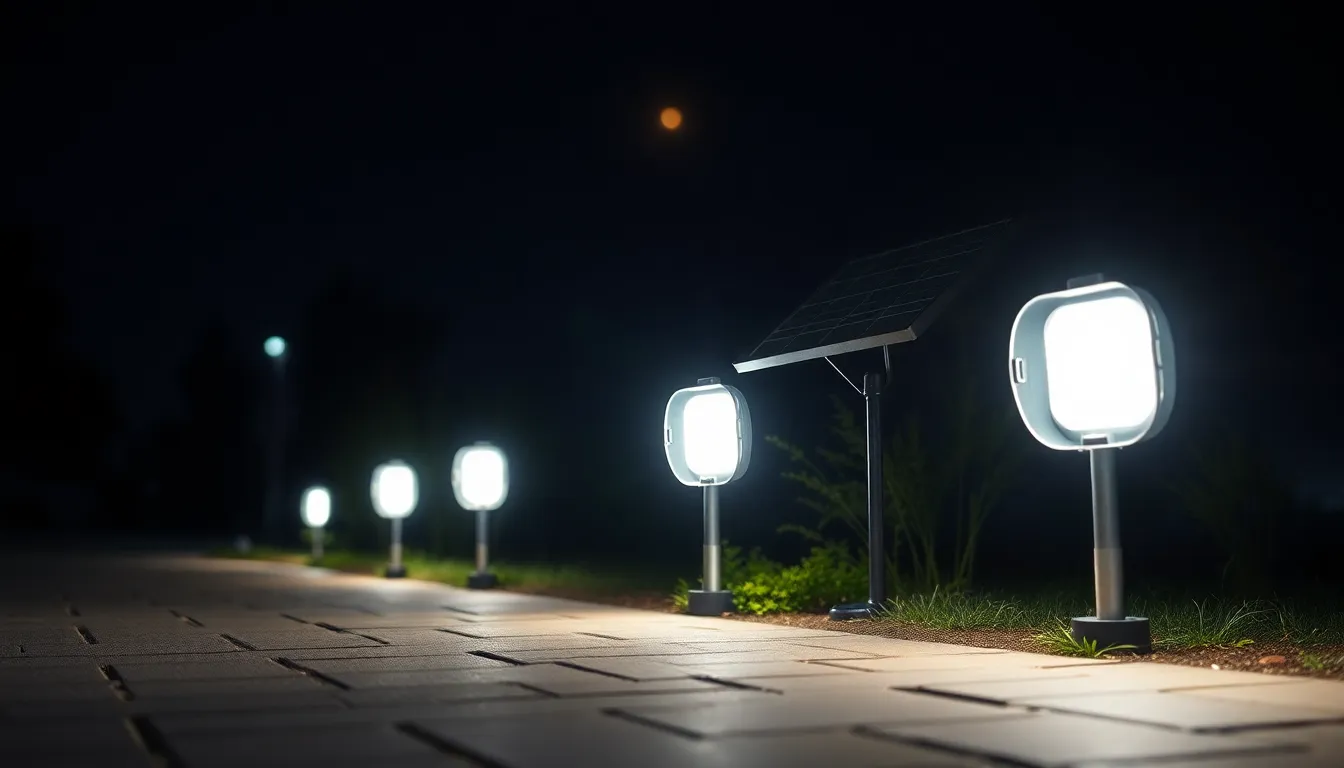
- Heights and spacing follow standard patterns. Two to three feet apart for pathways. Clustered at entries. Staggered on both sides of walkways. These patterns work regardless of glass or plastic.
- Charging before first use is important. Glass lights often come with depleted batteries. Full charge in sun for one day ensures good performance.
Installation takes slightly longer with glass because they’re heavier. Two people is easier than one. Safety glasses aren’t required but not bad idea.
AMBIANCE AND AESTHETIC VALUE
Glass lights create real ambiance that plastic can’t match. The quality of light through glass is warm and inviting. You want to sit under them and relax.
- Entertaining becomes better with glass lights. Guests notice and appreciate nice lighting. It makes gatherings feel more special and intentional.
- Your yard looks more sophisticated with glass. That’s not subjective. Good design reads as intentional. People notice.
- Photography looks better with glass lights in background. The light quality shows up better in photos. Instagram worthy is actually relevant for outdoor lighting.
- Seasonal decorating is easier with glass lights. They look elegant in any season. You don’t need to swap them out for holidays. They work year round.
- Ambiance value isn’t nothing. Creating nice outdoor space that people want to use has real benefit. You’ll use your yard more. You’ll entertain more. That quality of life improvement matters.
- Resale value might be slightly better with nice glass lighting. Buyers notice these details. It contributes to overall finished appearance.
But don’t buy glass just for resale value. Buy them because you’ll enjoy them. That’s the real benefit.
GLASS IN DIFFERENT CLIMATES
- Extreme heat doesn’t damage quality glass. Hot climates where other materials degrade won’t affect glass.
- Cold climates are fine for glass. Freeze thaw cycles don’t crack it. Ice buildup is harmless.
- Humid tropical areas might accumulate condensation inside glass but it clears naturally. Not a real problem.
- Coastal areas with salt spray are hard on metal frames but glass itself is unaffected. The frames might need better corrosion protection.
- Hail prone areas are the real concern. Hail breaks glass. Not much you can do about this. You either accept the risk or avoid glass in hail country.
Most climates work fine for glass lights. Specific hail risk is the main factor.
WHY I RECOMMEND GLASS LIGHTS
- They look better. This matters. Your yard should look intentional and finished.
- They last longer. Glass doesn’t degrade. You’re not replacing them every season.
- They provide ambiance that plastic can’t match. The light quality is genuinely different.
- They’re not dramatically more expensive when calculated over lifespan.
- They make you want to use your outdoor space more. That’s real value.
- The initial cost premium pays back through longevity and satisfaction.
Start with a few glass lights and see if you like them. Most people do. Expand from there if you want.
SUMMARY
Glass solar lights add elegance to outdoor spaces while providing practical nighttime illumination. They look like traditional lanterns or decorative garden lights but charge using solar power. Glass is heavier than plastic and more fragile but looks significantly better long term. This guide explains why homeowners choose glass solar lights, what types work best, durability concerns, and whether the higher price is justified.