Table of Contents
My Dirty Solar Panels Nearly Cost Me Thousands
When I Realized The Problem
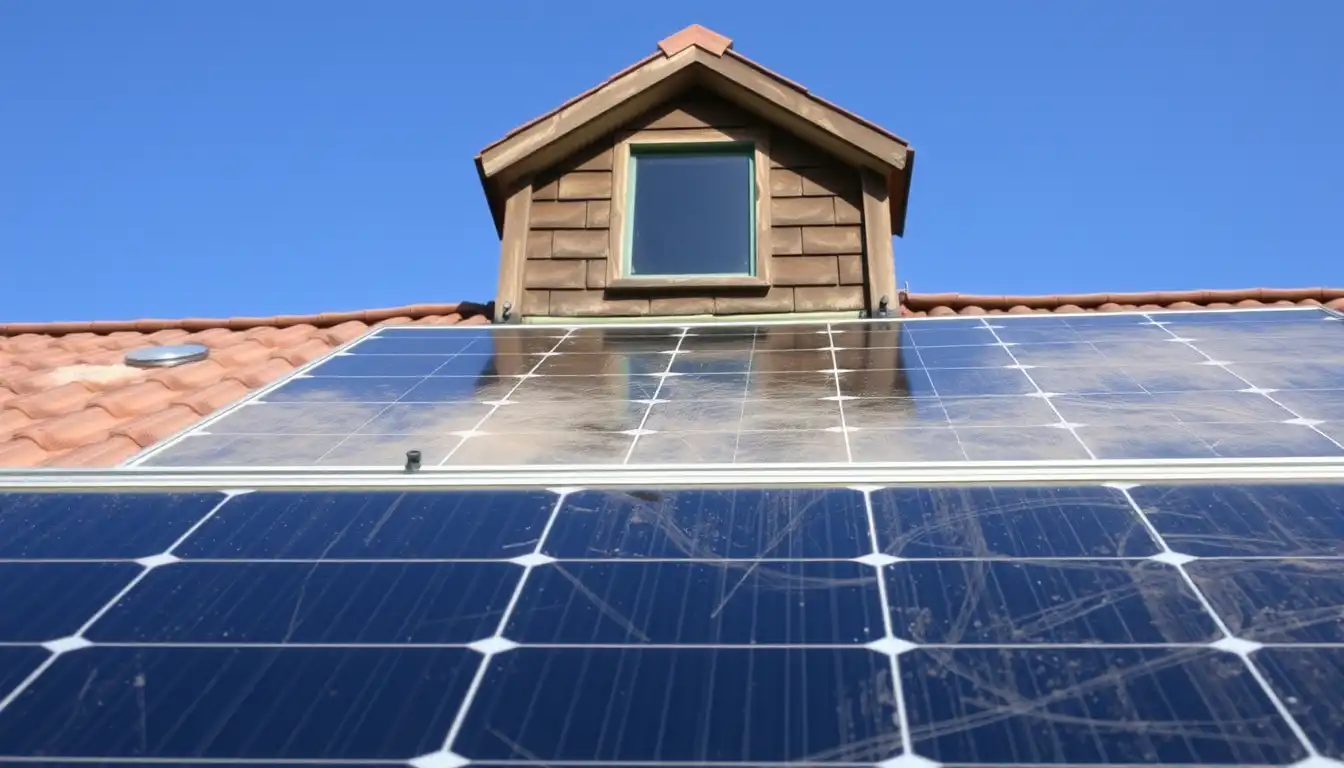
I installed solar panels two years ago and honestly thought I was done. They just sit there and generate power, right? Wrong. Last month I checked my system output and something felt off. My energy production dropped by twenty percent compared to previous months. I called my solar company thinking something broke. They came out, looked at my panels, and said the same thing: they were filthy. Like absolutely caked with dust, pollen, and bird droppings. The technician told me that dirty panels can lose anywhere from ten to thirty percent efficiency depending on soiling. That hit me hard. I was losing thousands of dollars in potential energy savings because I wasn’t maintaining my system.
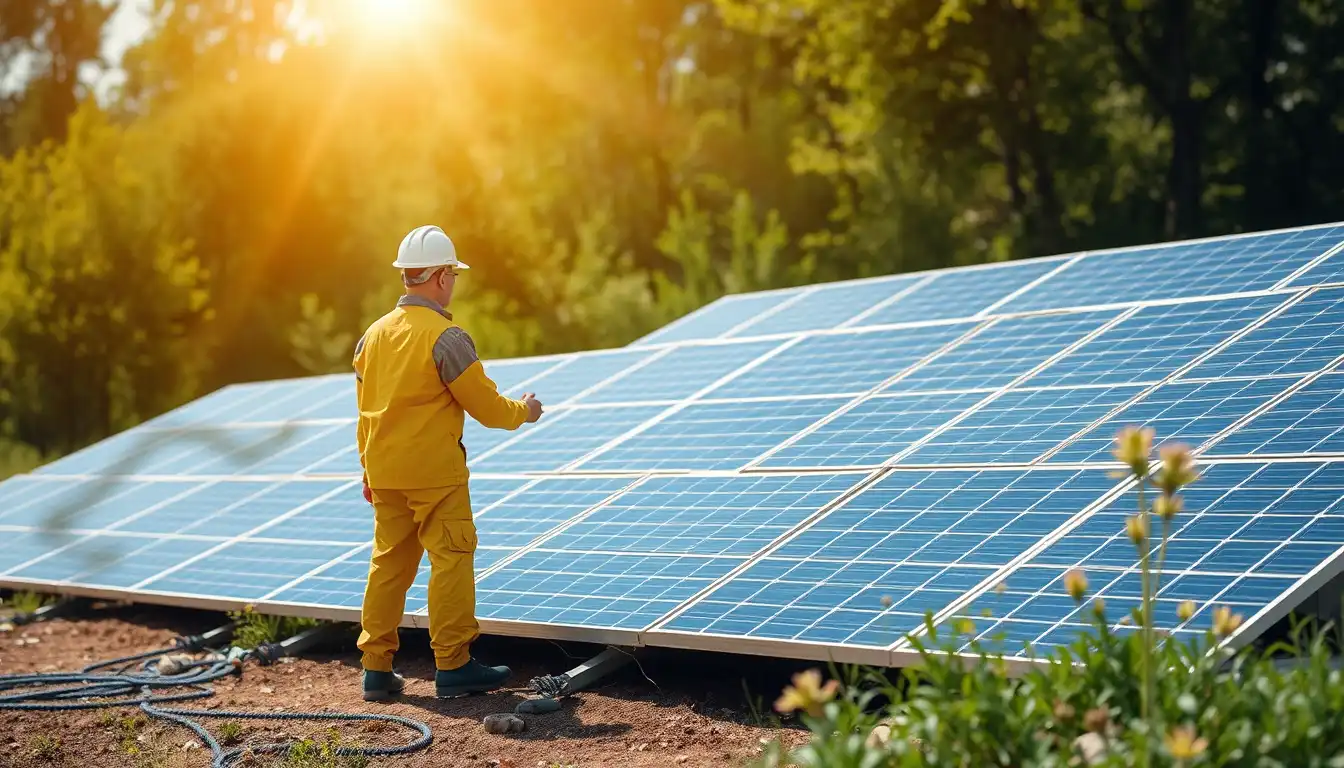
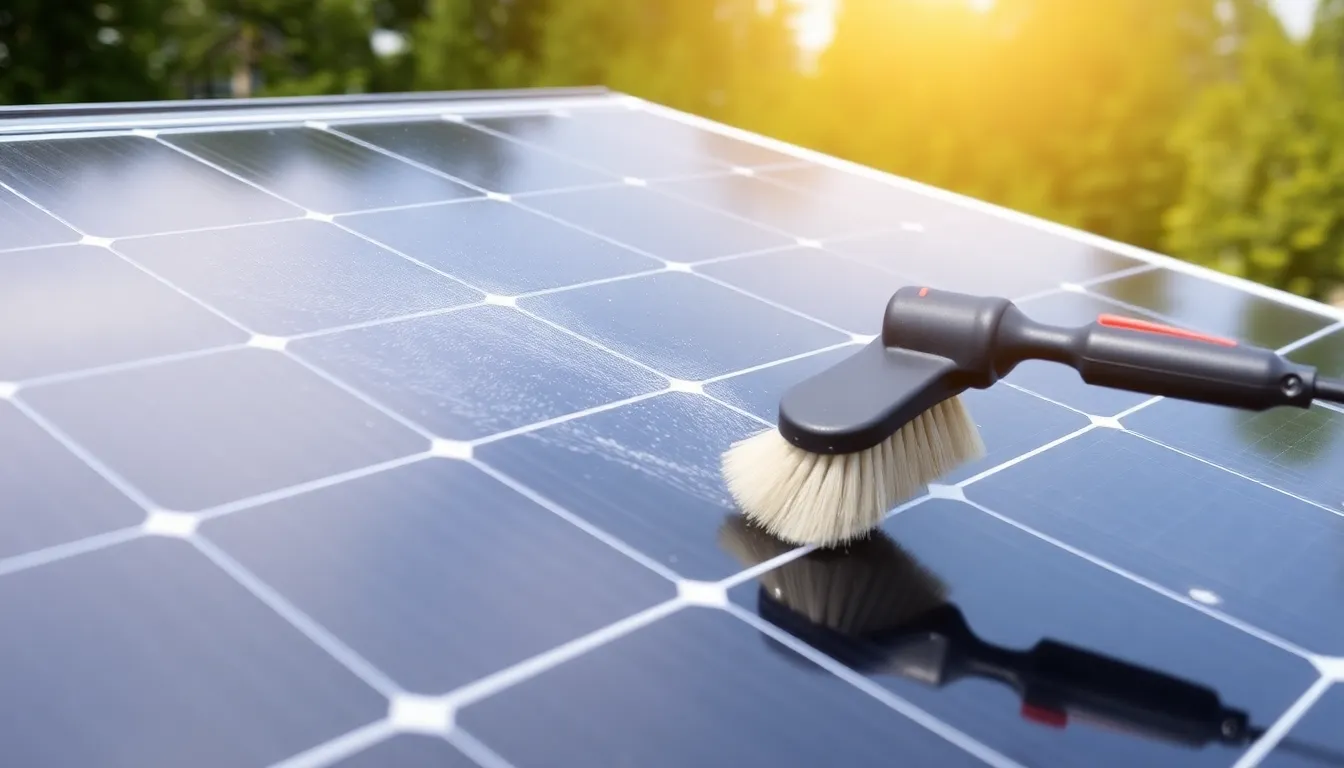
The technician showed me what clean panels produce versus dirty ones. It was a huge difference. He recommended I get a solar panel cleaning brush and do this regularly. I had no idea this was even necessary. The solar company never mentioned it during installation. They talked about the savings and ROI but forgot to mention that maintenance mattered. That’s when I started researching cleaning brushes and realized how many options exist. Some are cheap garbage. Others cost way too much. Finding the right brush for your situation matters enormously.
I spent weeks testing different brushes and systems. I learned about soft bristles versus motorized options. Water-fed systems versus waterless brushes. Telescopic poles versus fixed handles. The market is actually sophisticated for something most people never think about. I eventually picked an electric water-fed brush with a motorized head and haven’t looked back. My panels now stay clean. My efficiency stays high. My energy bills stay low. It was an investment I should’ve made from the start.
Why Your Panels Get Dirty
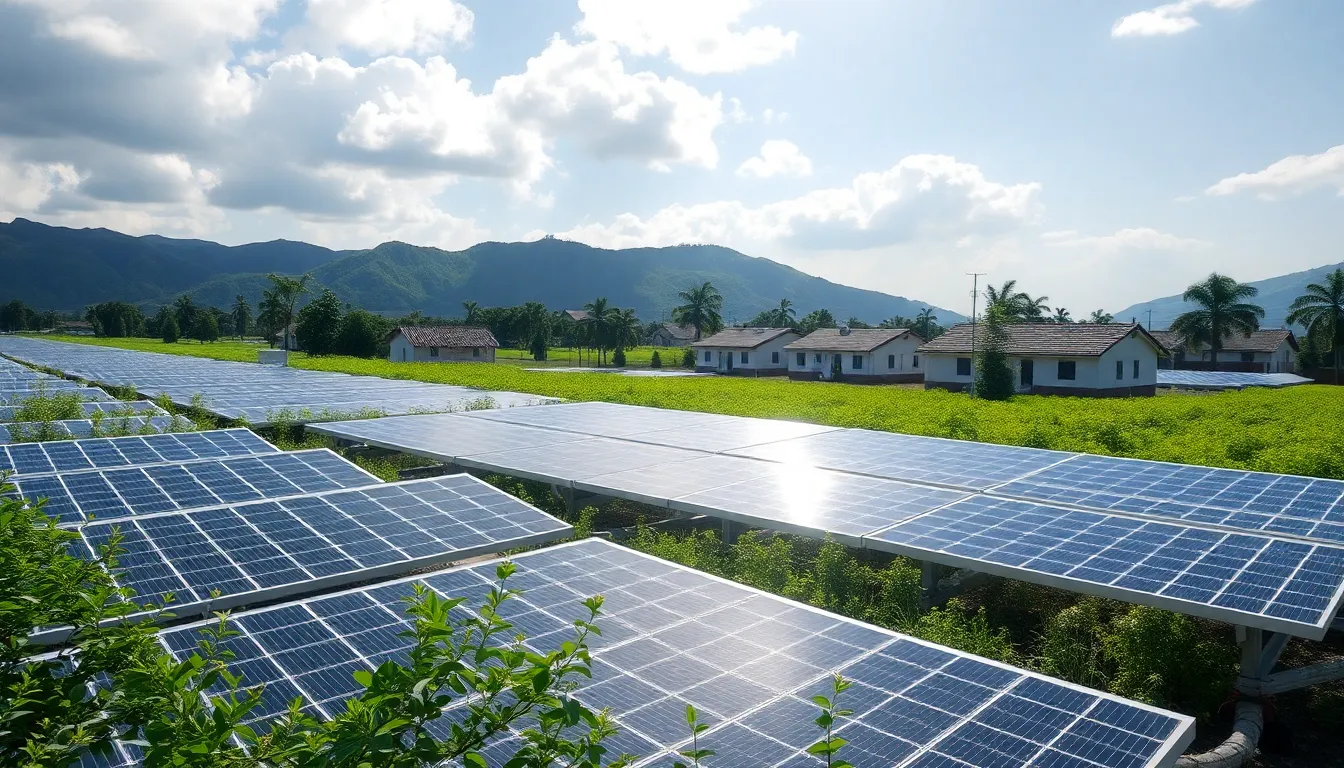
Solar panels sit outside exposed to everything. Dust blows onto them. Pollen falls during spring and summer. Bird droppings accumulate from passing birds. Industrial pollution deposits particles. In desert environments, sand sticks. In coastal areas, salt spray coats panels. In agricultural regions, pesticide drift settles. Every location has its own soiling challenge. You can’t stop this naturally. What you do is clean them regularly to maintain efficiency.
Studies show that uncleaned panels lose serious production. The U.S. Department of Energy confirms that regular cleaning improves performance by up to twenty percent. That’s enormous. In my case, twenty percent lost production meant I wasn’t getting the payback I thought I’d negotiated. I was losing money because I didn’t understand panel maintenance. Most homeowners share this ignorance. Solar companies benefit from this because they sell the system but don’t necessarily help maintain it.
Rain alone doesn’t cut it. People think rainwater will wash panels clean. It doesn’t. Rain leaves water spots. Dust settles between showers. Organic material sticks. You need active cleaning to restore full efficiency. Without maintenance, those panels might as well be producing at fifty to seventy percent capacity when they could be at one hundred percent. Over twenty years, that compounds into serious lost energy generation.
Types Of Cleaning Brushes That Actually Work
Soft-bristle brushes are basic and cheap. They’re fine for light dust and pollen but won’t handle bird droppings or stubborn grime. The bristles are delicate enough not to scratch glass but too soft for serious cleaning. I tried one initially and was disappointed. It worked maybe okay for maintenance between real cleanings but not for actual dirt removal.
Microfiber brushes are specially designed for anti-reflective coatings on modern panels. They’re gentler than soft bristles and more effective. The microfiber design lifts dirt differently than traditional bristles. These are better than basic brushes but still manual effort. Good for smaller installations but not practical for larger arrays.
Water-fed pole brushes connect to your hose. You pump water through the brush head while scrubbing. This combination of water and brushing works way better than just water alone. The pole extends so you reach high panels safely from the ground. No ladders needed. No climbing required. These cost more than basic brushes but the safety and effectiveness justify it. I use one of these myself now.
Motorized brushes spin the brush head at high speeds. This rotating action handles stubborn debris way better than manual scrubbing. Battery-powered or corded electric models exist. The motorized head does the work. You just guide the pole. This is genuinely effective and faster. I get my whole system clean in less time than manual methods would take. Worth the extra cost completely.
Telescopic brushes extend from five feet to twenty feet or longer. They let you reach high roofs without ladders or climbing. Lightweight aluminum or carbon fiber poles keep them manageable. You can safely clean second-story panels from ground level. This was huge for my house because my panels sit high. Manual short brushes were impossible. The telescopic option solved this problem completely.
Waterless brushes don’t require hoses or water. They work with just dry brushing. Effective for dust and light debris but won’t handle sticky stuff like bird droppings. They save on water consumption which matters in drought regions. I have friends in Arizona who prefer these because water restrictions exist there.
What I Actually Learned From Mistakes
Cheap brushes scratch your panels. This is the biggest lesson. Standard industrial brushes with thick nylon bristles create microscopic scratches on tempered glass. You can’t see them immediately. After fifty to one hundred cleaning cycles, the scratches accumulate into visible surface haze. This reduces light transmittance by two to four percent. Over twenty years, that’s forty to eighty megawatt-hours of lost generation per megawatt installed. That’s real money.
Proper brushes cost more upfront but protect your investment. Solar panel-specific brushes use specialized bristle materials. Flagged polyester bristles with mechanical tips spread the contact pressure. This prevents scratching while cleaning more effectively. I spent more on a good brush than I would’ve on a cheap generic one. But my panels stay perfect. No scratches. No degradation. Exactly what I want.
Bristle material matters enormously. Professional brushes use materials with hardness ratings below three point five on the Mohs scale. Tempered glass rates five point five to six. This huge difference prevents any possibility of scratches. Generic brushes don’t follow this specification. They’re made from whatever’s cheapest. This is how damage happens.
Water choice affects results. Tap water leaves mineral deposits and spotting. Deionized water cleans without residue. Some systems include water filtration or deionization tanks. If you’re cleaning repeatedly, getting the water right prevents secondary damage from minerals left behind. I finally got a deionized water system and my panels look absolutely spotless now.
Pressure matters too. Too much pressure damages coatings. Too little pressure doesn’t clean effectively. Professional motorized systems regulate pressure automatically. They limit contact force to under fifty grams per square centimeter. This removes dirt without risk. Manual systems require judgment from the operator. Getting pressure wrong is easy.
Real Benefits Of Proper Maintenance
Efficiency restoration is immediate. I cleaned my panels and watched my production jump. The monitoring app showed the difference. Clean panels instantly produce more power. That translates directly to dollars. In my case, the productivity increase justified the brush investment within months.
Warranty protection matters too. Using improper cleaning methods voids solar warranties from many manufacturers. Pressure washing voids warranties. Chemical cleaners void warranties. Proper soft-bristle systems keep warranties valid. I realized I was risking warranty coverage by trying cheap solutions. Proper equipment protects that investment.
Lifespan extension happens naturally. Debris buildup creates hotspots. These hotspots damage panel internals over time. Corrosive materials corrode glass edges. Regular cleaning prevents these issues. My panels will last longer simply because I maintain them properly. That’s another financial benefit I didn’t anticipate.
Peace of mind comes from knowing your system works optimally. I stopped wondering if something was wrong. I know my panels are clean. I know they’re producing maximally. That confidence is worth something too.
What 2026 Shows Us
The automated cleaning market reached thirty-seven percent of all systems by 2026. Robotic cleaners handle large installations automatically. Track-mounted systems operate at night. They’re expensive upfront but handle consistency perfectly. For utility-scale solar farms, this makes economic sense. For residential, manual brushes remain the most practical option.
Robotics-as-a-Service models emerged in 2026. You don’t buy robots. You rent them. This lowers upfront costs for larger installations. Companies manage the equipment. You pay per cleaning cycle. This model is gaining traction in commercial segments.
Hybrid systems combining waterless and water cleaning gained popularity. You can brush dry to remove light debris, then water clean for thorough results. This combines efficiency of both methods. Some installers now recommend this approach. It does work better than either method alone.
Summary
This article explains why solar panel cleaning brushes are essential maintenance tools that most homeowners ignore until efficiency drops. Dirty panels lose ten to thirty percent efficiency according to 2026 data, costing thousands in lost energy generation. The U.S. Department of Energy confirms regular cleaning improves performance by up to twenty percent. Real problems include basic soft-bristle brushes scratching tempered glass through microscopic damage accumulation over fifty to one hundred cleaning cycles, reducing light transmittance by two to four percent. Proper solar-specific brushes use flagged polyester bristles with Mohs hardness below three point five, protecting panels while cleaning effectively. Water choice matters critically, with deionized water preventing mineral spotting while tap water leaves residue. Different brush types serve different needs including soft-bristle for light maintenance, water-fed pole systems for safe high-panel cleaning, motorized brushes for stubborn grime, telescopic designs for roof access, and waterless options for drought regions. Professional equipment costs two thousand five hundred to four thousand dollars while replacement brushes cost forty-five to eighty-five dollars with eight hundred to twelve hundred panel lifespans. Improper cleaning voids manufacturer warranties covering pressure washing or chemical cleaners. Regular maintenance prevents hotspot damage, extends panel lifespan, and maintains warranty coverage. The 2026 market shows automated cleaning systems at thirty-seven percent adoption for utility-scale plants while residential installations increasingly adopt hybrid water and waterless cleaning methods. Robotics-as-a-Service models emerged for commercial installations lowering upfront capital costs. Whether you clean manually or adopt automation, using proper brushes and water specifications prevents costly efficiency losses and protects your solar investment through 2050.