Table of Contents
How Solar Lights Are Brightening Singapore’s Future
The Day I Realized Singapore Was Going Solar
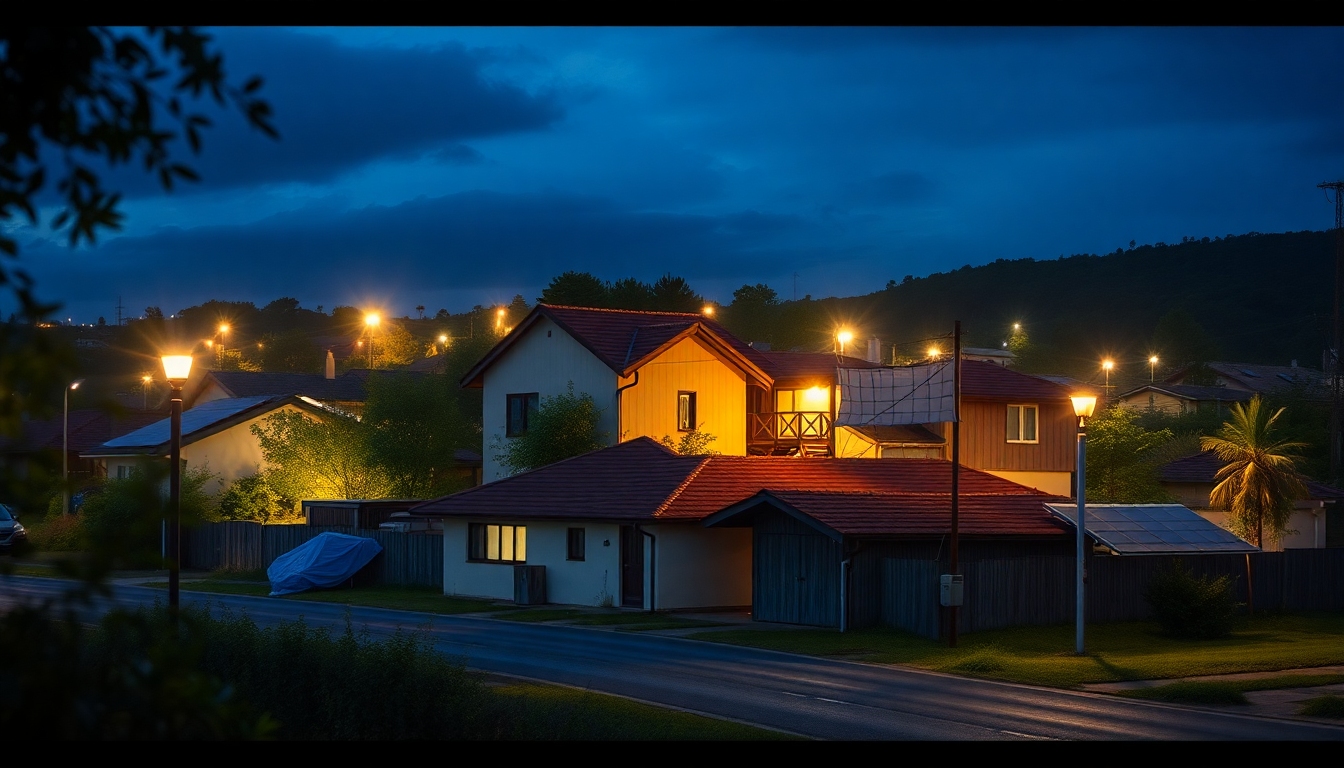
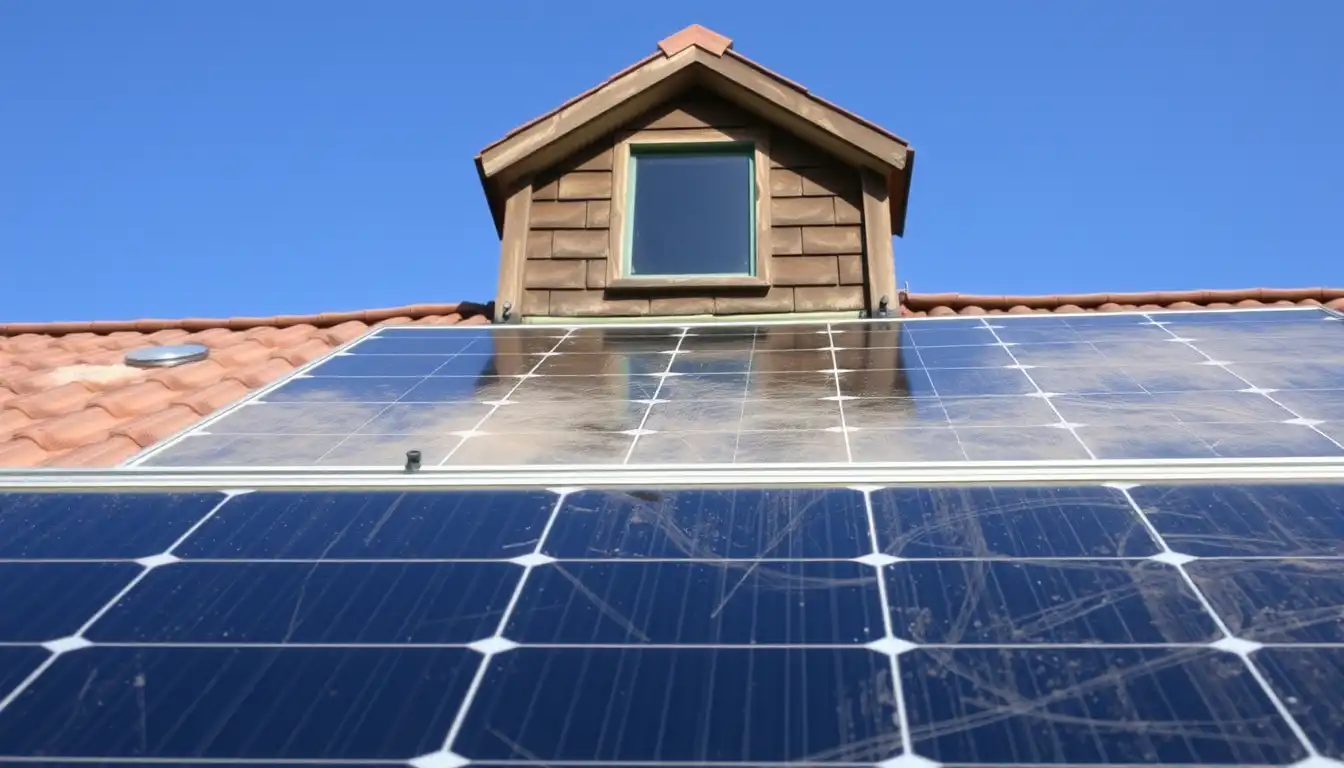
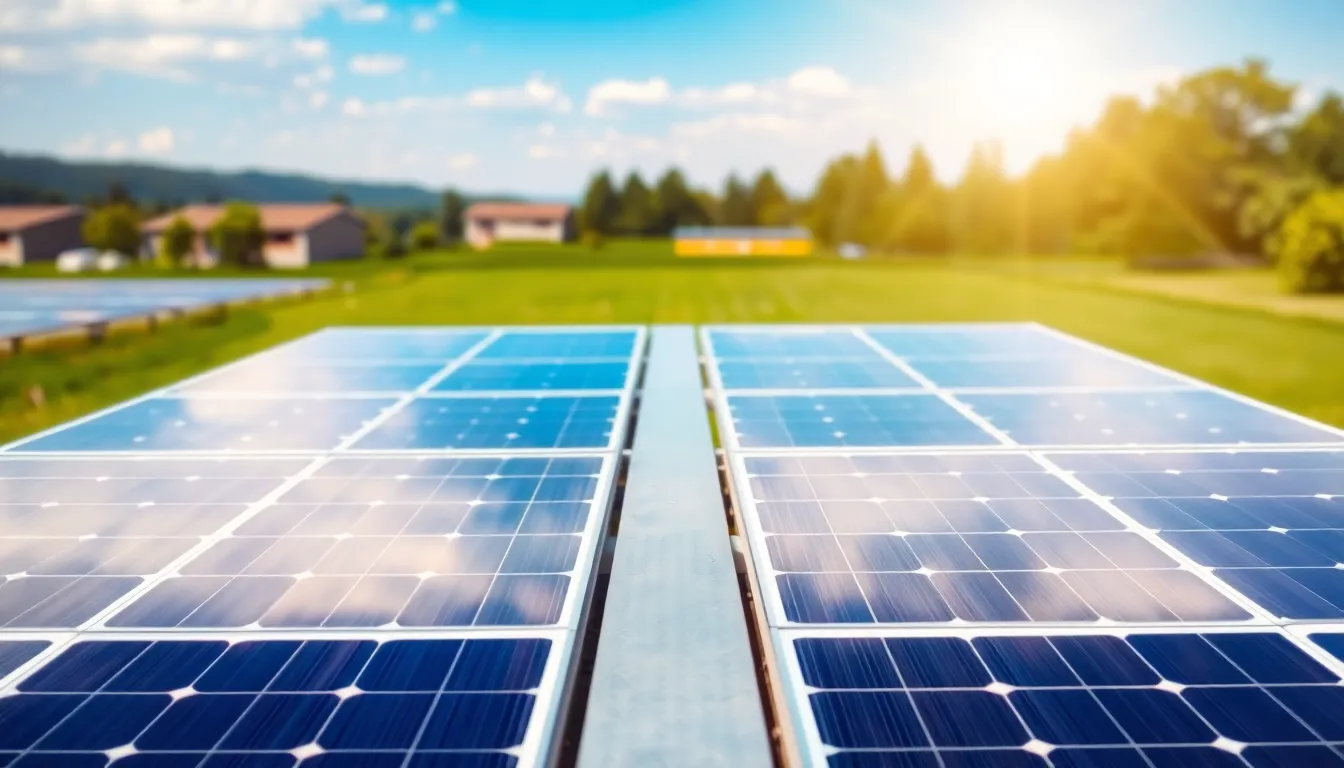
I was walking through my HDB neighborhood last year when I noticed something different. Solar panels covered the rooftops of almost every block. Lights on pathways and gardens glowed with solar technology instead of traditional electricity. At first I thought, this can’t be the whole story. Singapore is such a developed city. Surely they’re not switching to solar lights for outdoor spaces. Then I started researching and got completely blown away. The government of Singapore set a target to reach three gigawatt-peak solar capacity by 2030. That’s enormous. The city-state I live in is going all-in on solar energy. Solar lights are everywhere now and honestly, it’s changing how we see outdoor spaces.
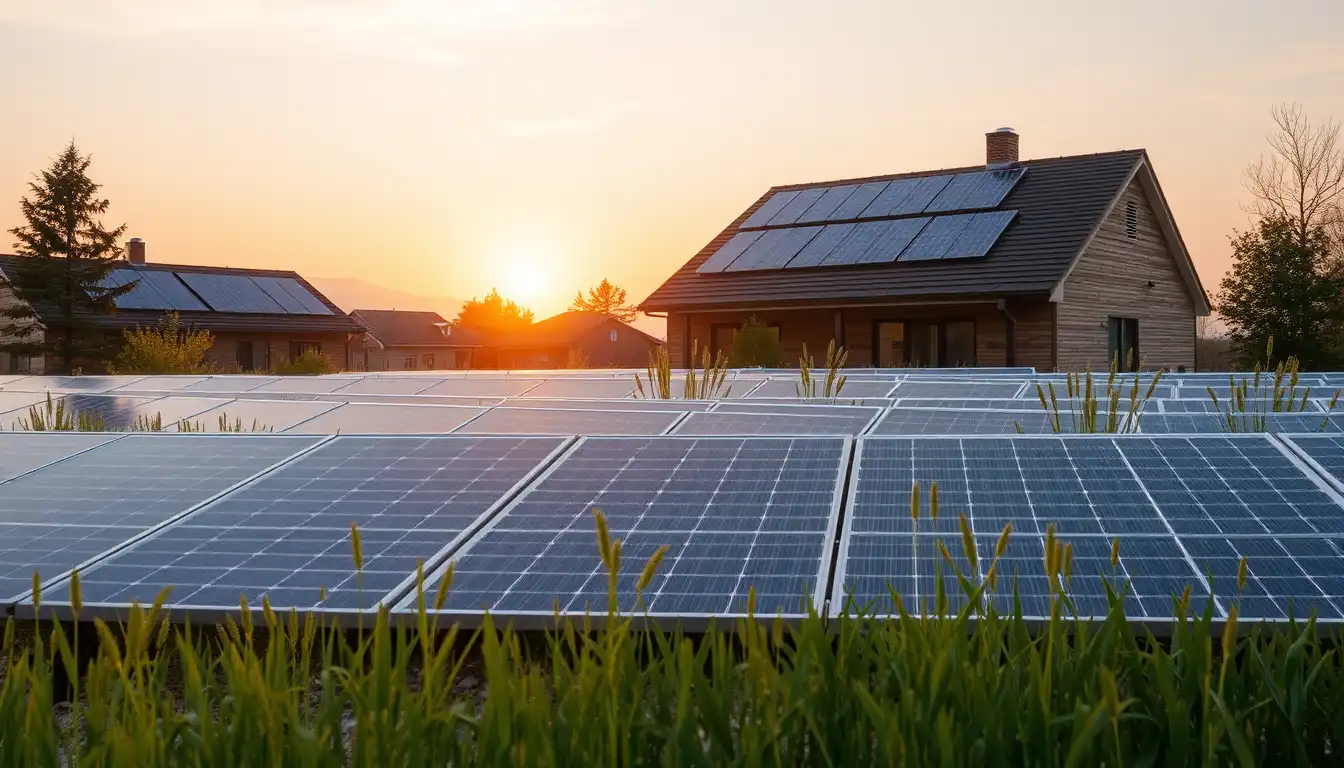
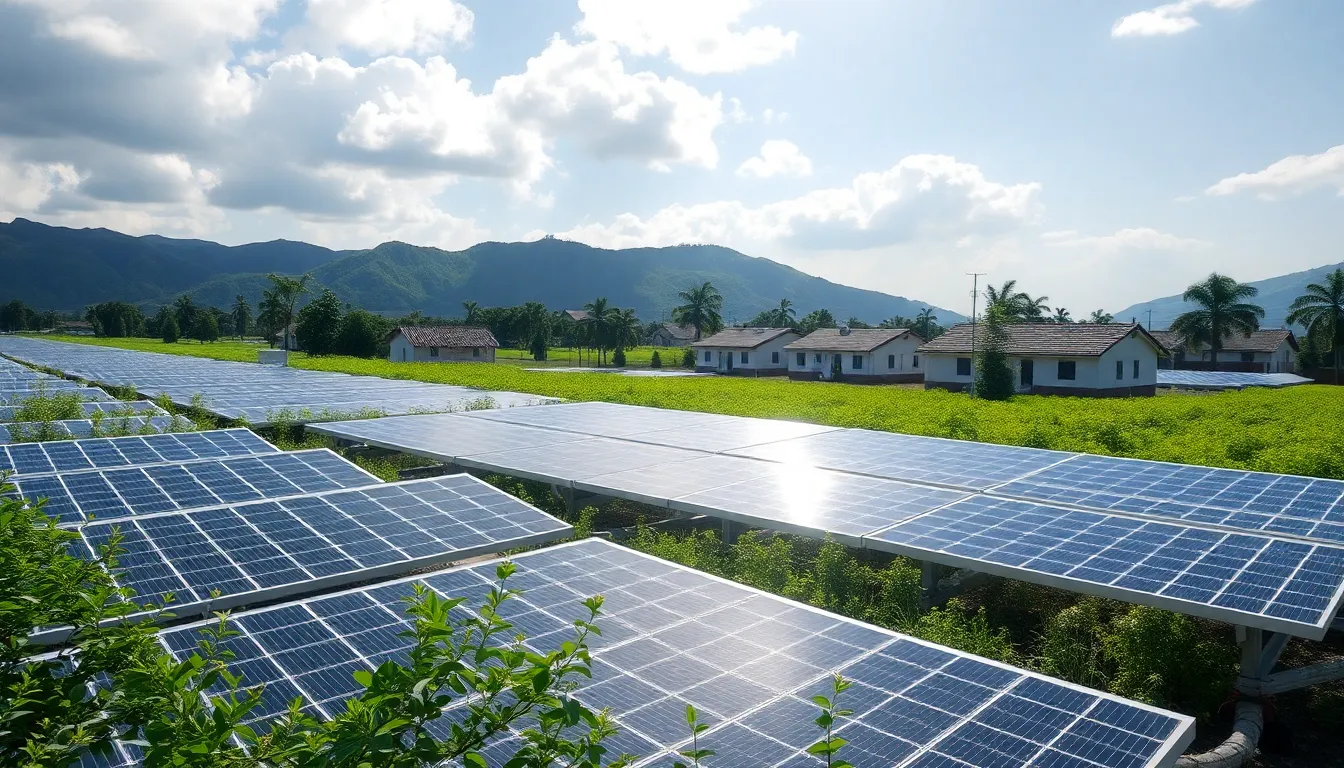
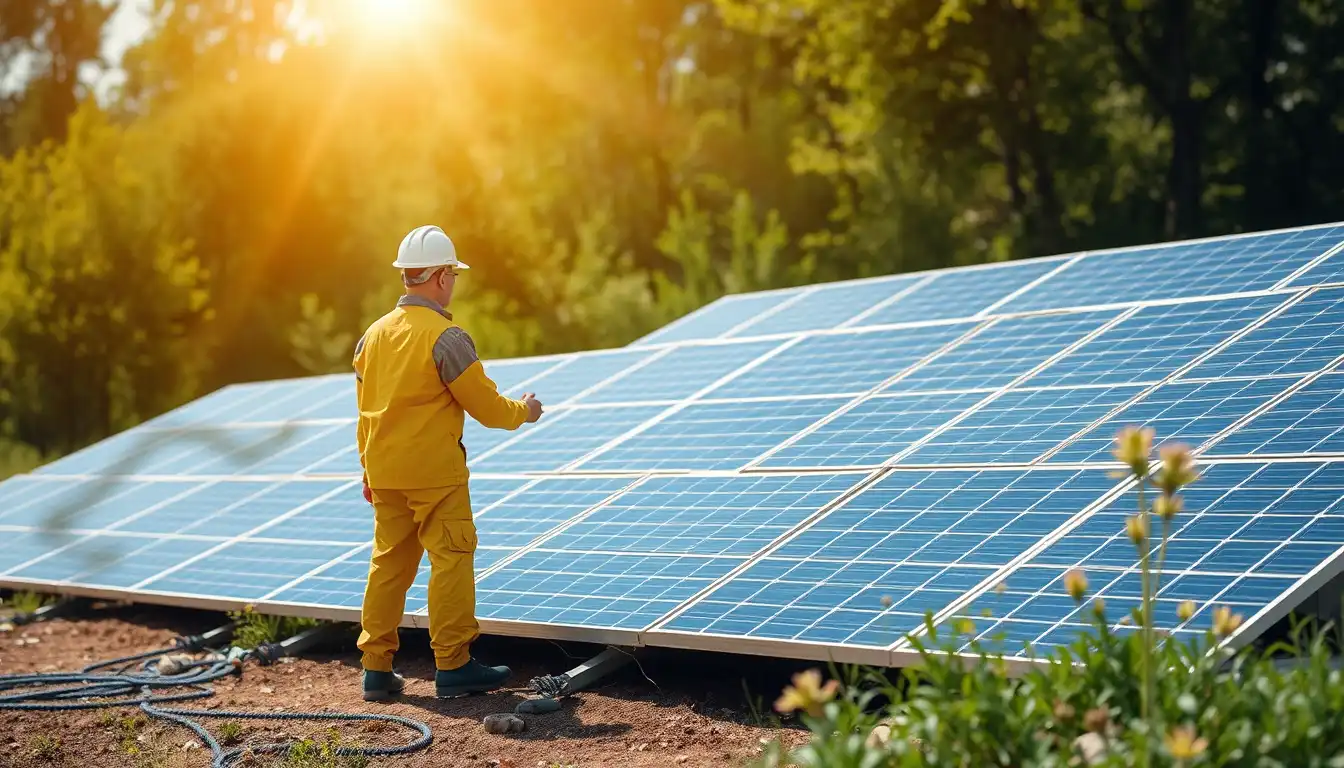
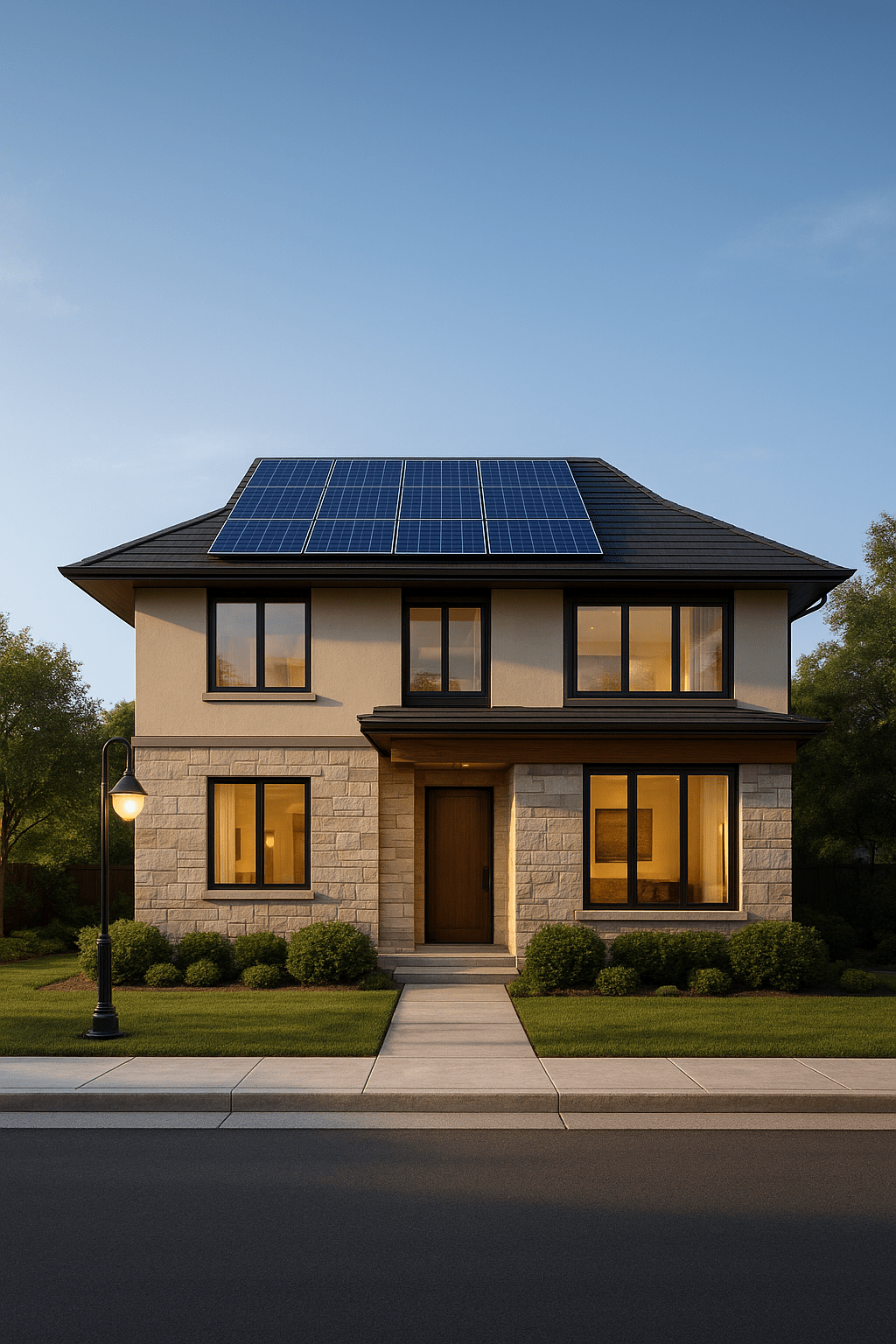
I live in a HDB flat and our block got solar panels installed two years ago. The lights around our common areas use solar technology. No electricity bills for that lighting. The government is putting solar on fourteen thousand HDB blocks by 2030. That means nearly every public housing resident will benefit from solar. It’s not some small experiment. It’s a complete transformation of Singapore’s energy future. When I understood the scale of this, I wanted to know everything about solar lights and how they work in Singapore’s tropical climate.
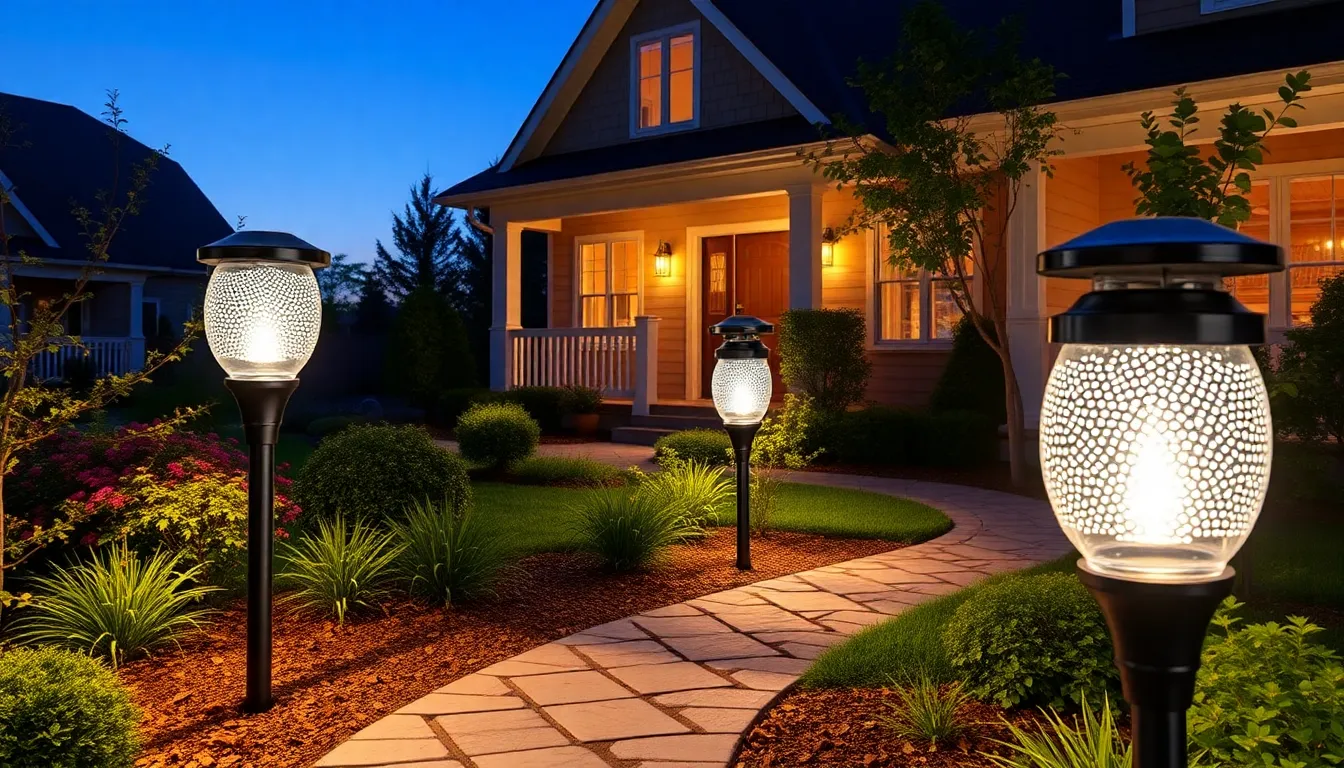
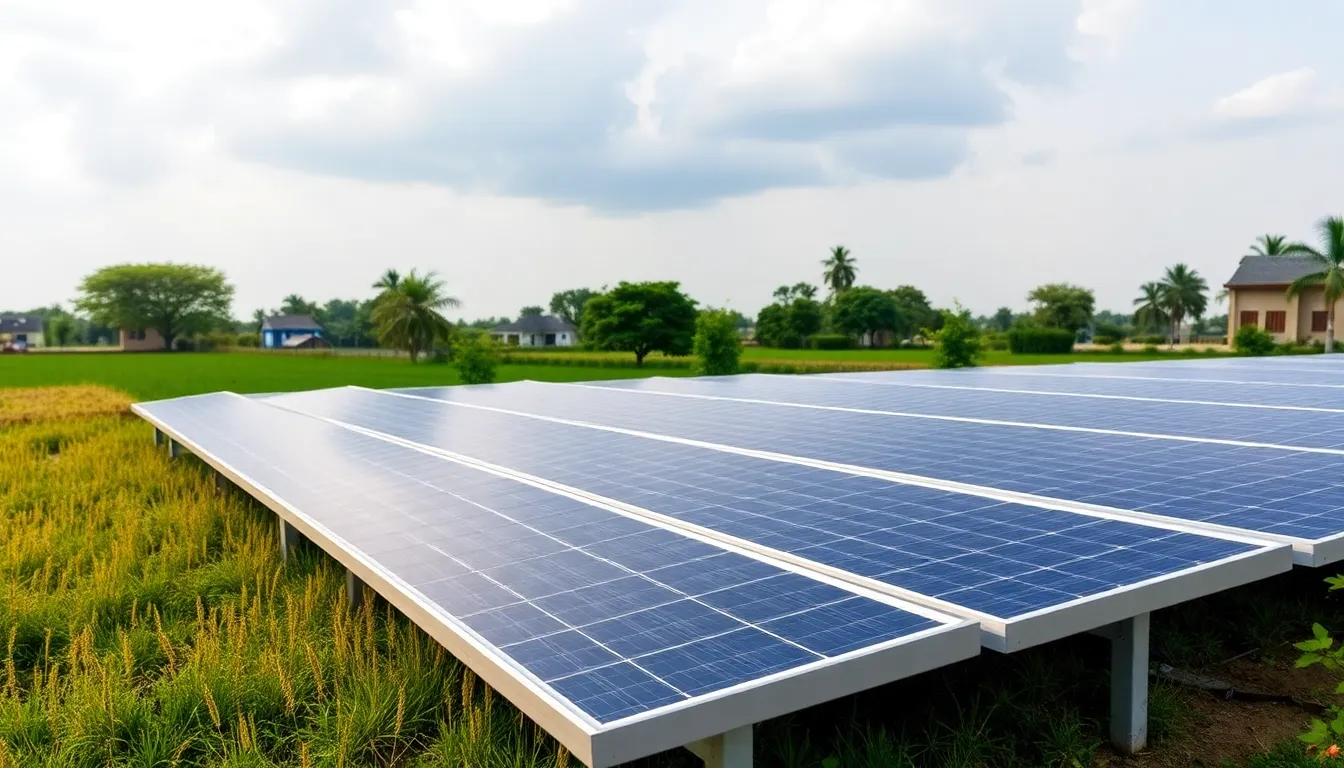
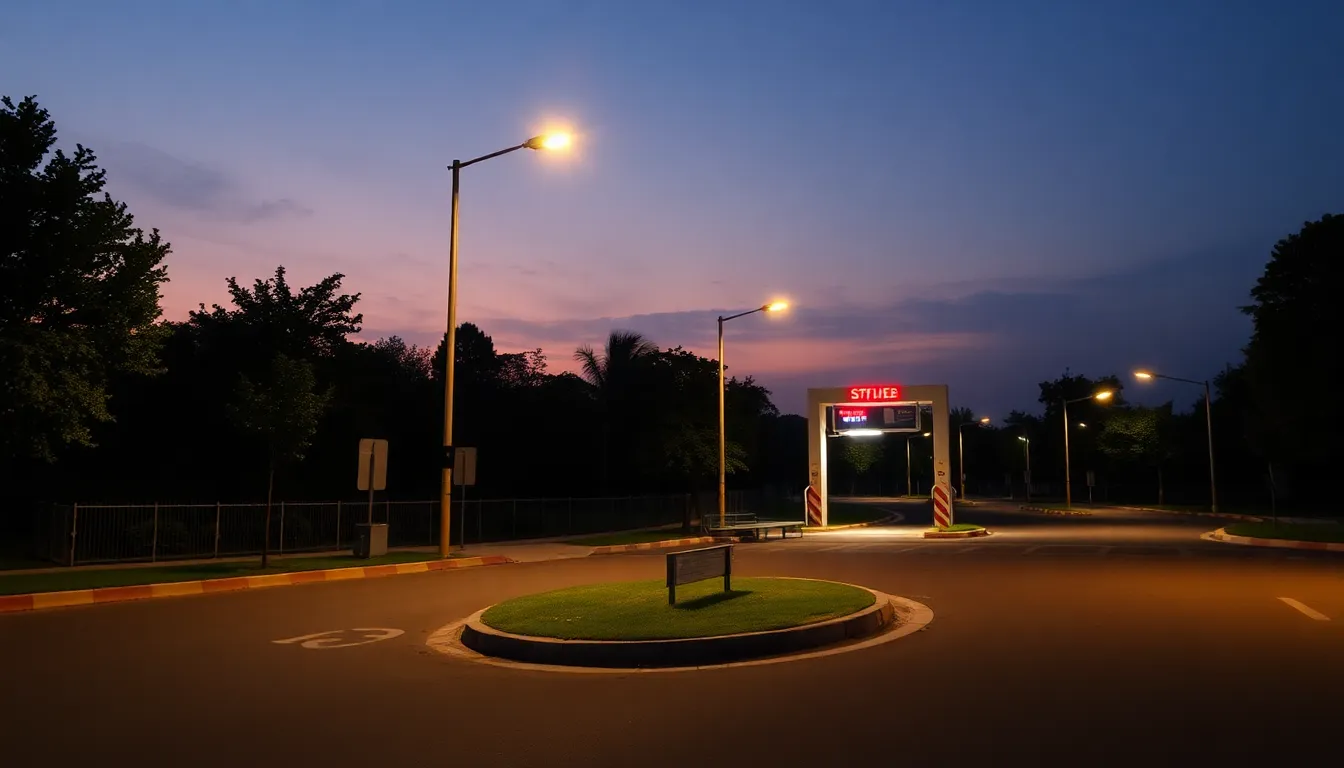
Singapore is tropical. We get sunlight almost every single day. The climate is perfect for solar technology. Other countries in Europe or Asia struggle with cloud cover and seasonal darkness. Singapore doesn’t. We get consistent year-round sunshine. That makes solar lights incredibly efficient here. The government recognized this advantage and started investing massively in solar infrastructure. By 2026, we’re already seeing the results everywhere. Solar street lights illuminate neighborhoods. Solar garden lights brighten pathways. Solar outdoor fixtures light up parks and recreational areas. It’s become the new normal.
Why Singapore Is Perfect For Solar Lights
The tropical location gives Singapore an enormous advantage. We’re near the equator where sunlight reaches the ground almost perpendicularly. That means solar panels capture maximum energy. Unlike temperate regions that lose efficiency in winter, Singapore gets consistent solar performance year-round. Studies show our solar panels produce energy at seventy to eighty percent efficiency even during monsoon season when clouds increase. That consistency makes solar lighting economically sensible.
Energy costs in Singapore are among Asia’s highest. Electricity rates keep climbing. The government wants to reduce operational costs. Solar lights eliminate electricity bills for outdoor lighting. When you multiply that across thousands of HDB blocks, parks, streets, and common areas, the savings become massive. The government calculated that installing solar on fourteen thousand HDB blocks will generate two thousand gigawatt hours of renewable energy annually. That eliminates enormous electricity consumption from the national grid.
Land constraints in Singapore create pressure to find efficient energy solutions. We’re a small island city-state with limited space. We can’t build massive power plants like larger countries. Solar energy spreads across rooftops, pathways, and outdoor surfaces without consuming precious land. This makes solar perfect for our geography. The government launched the SolarNova programme to accelerate this adoption. Companies, organizations, and residents get subsidies to install solar systems. The programme is working. Solar capacity grew rapidly throughout 2025 and 2026.
Climate goals drive urgency. Singapore committed to achieving net-zero emissions by 2050. That’s decades away but actions need to start now. Solar lights contribute to that goal by eliminating grid electricity from outdoor lighting. The government’s Green Plan 2030 specifically targets renewable energy expansion. Solar lighting is a visible demonstration of this commitment. It shows citizens and visitors that Singapore is serious about climate responsibility.
How Solar Lights Work In Singapore
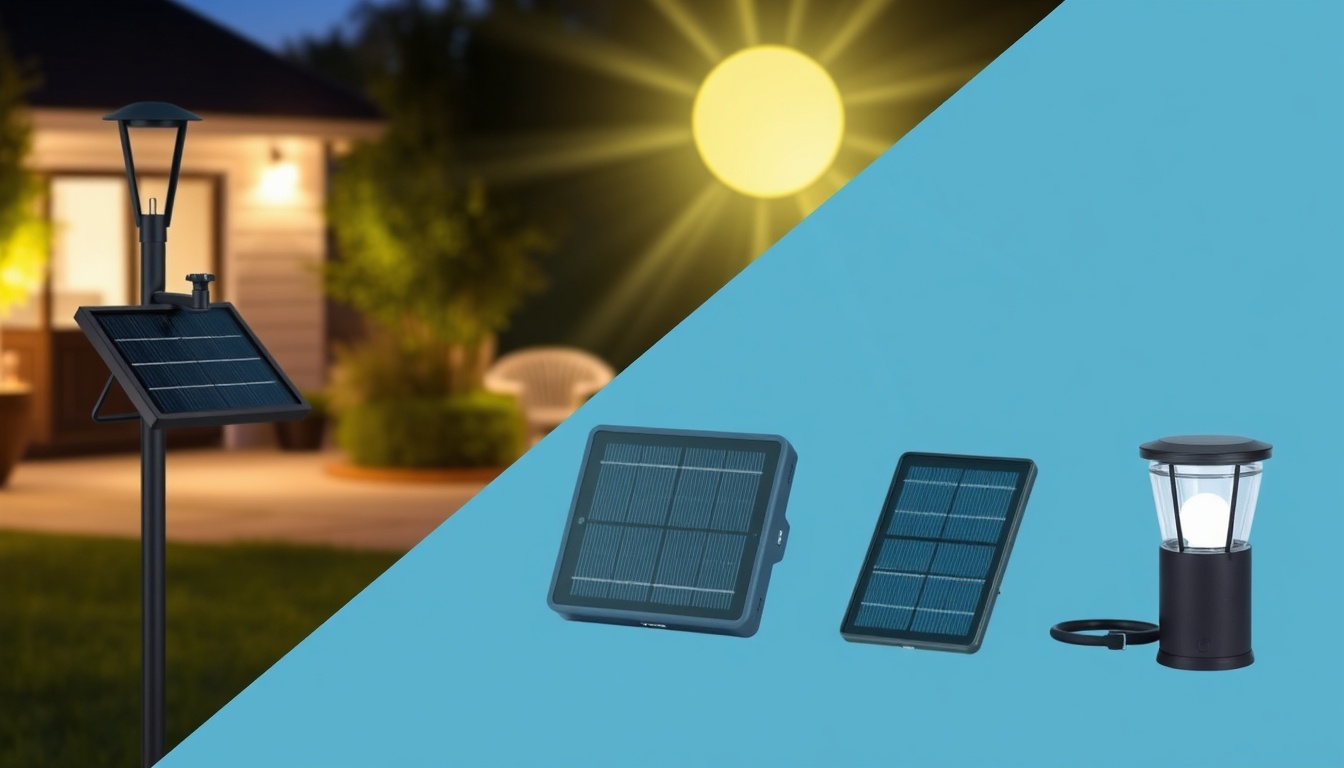
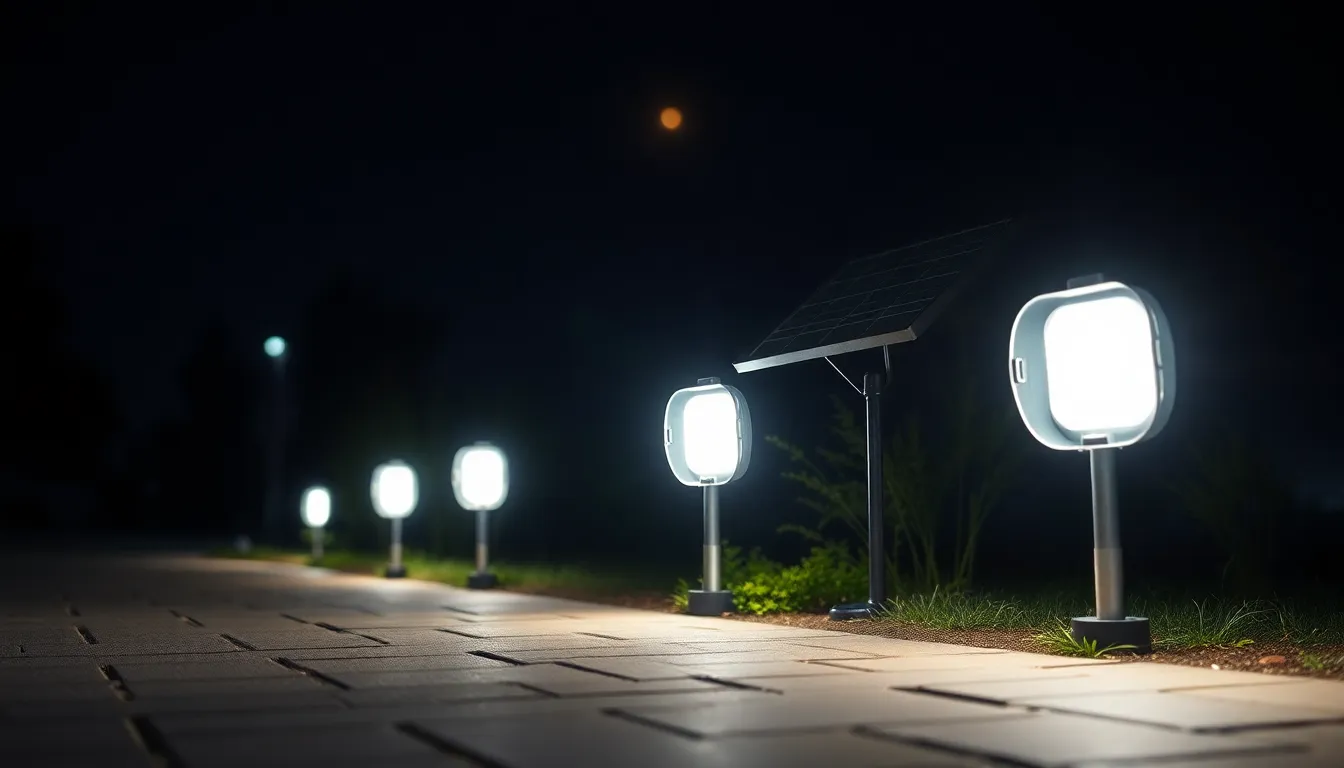
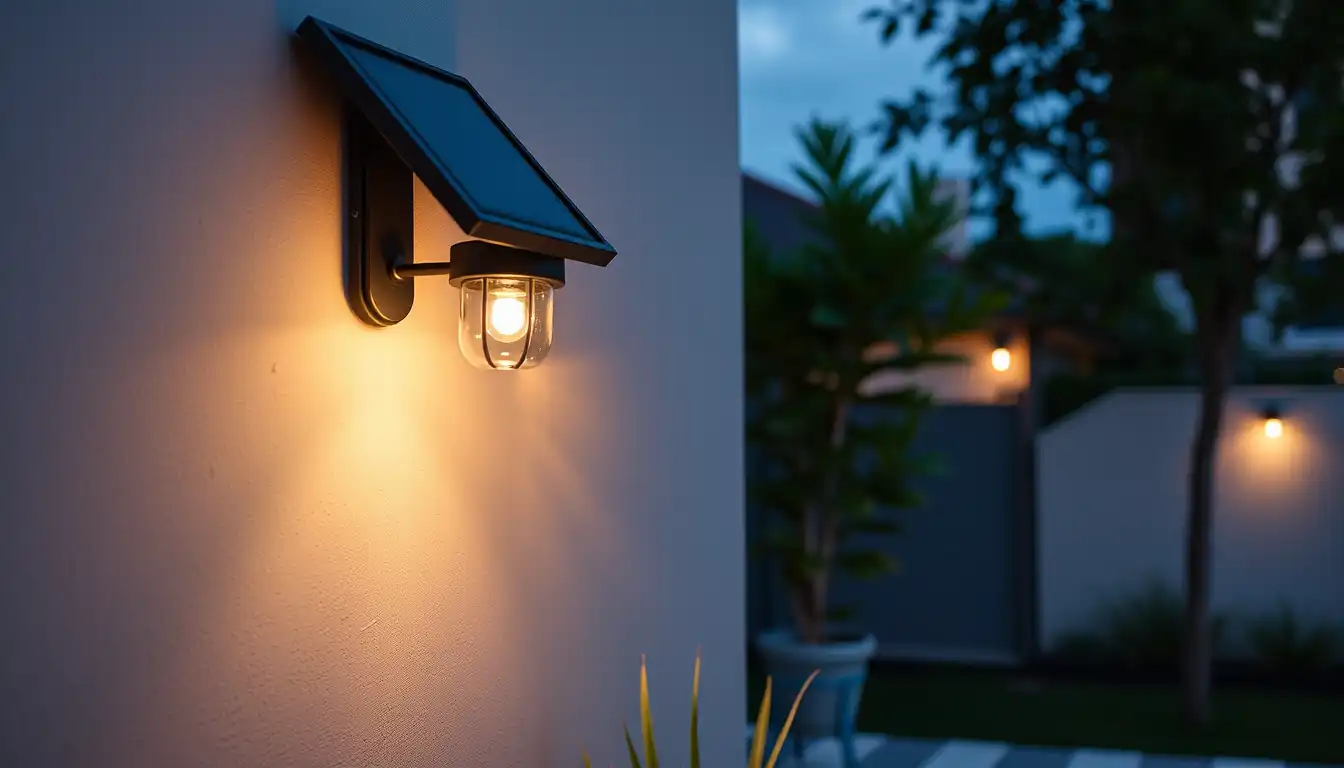
Solar panels charge throughout the day. Singapore’s sun shines for an average of five and a half hours at full intensity daily. That’s enough to fully charge quality solar batteries. LED lights then run all night using that stored energy. The systems are fully automated. You don’t flip switches or program timers. Motion sensors detect activity and adjust brightness accordingly. When nobody’s around, lights dim to save battery. When someone walks by, lights brighten for safety. It’s intelligent automation working behind the scenes.
Battery technology matters enormously. Lithium iron phosphate batteries perform best in Singapore’s heat. Traditional lithium batteries degrade faster in tropical temperatures. LiFePO4 batteries handle our climate better. They last longer and maintain efficiency even in forty degree heat. Singapore’s manufacturers and solar companies specifically design systems for our climate conditions. They understand that tropical heat requires different engineering than temperate climate solutions.
Waterproofing is critical here. We get torrential tropical rains during monsoon season. Solar lights need IP65 or IP67 waterproof ratings. That means heavy downpour won’t damage internal components. Our HDB blocks use lights with these ratings. They survive monsoons without failing. The government tests all installed systems thoroughly before acceptance. Quality assurance prevents failures that waste money and infrastructure investment.
Smart features enhance solar lights. Many Singapore installations include app monitoring. You check your light’s battery status, brightness levels, and operational hours from your phone. Some systems connect to building management systems. They provide data on energy generation and consumption patterns. This data helps optimize future installations. It’s not just about having lights. It’s about understanding performance and continuously improving efficiency.
Benefits Of Solar Lights In Singapore
Cost elimination from outdoor lighting electricity feels immediate. Government housing authority pays zero dollars for electricity to power common area lights now. That savings multiply across thousands of buildings and lighting fixtures. Multiply again across the decade. The operational cost reduction becomes tremendous. That money goes to other community improvements instead of power companies.
Environmental responsibility becomes tangible. Citizens see solar panels on their rooftops. They see lights powered by sun energy. They understand Singapore’s climate commitment viscerally. It’s not abstract policy. It’s happening in their neighborhoods. This visibility increases climate consciousness. People feel proud living in a city leading solar adoption. It changes how residents think about energy.
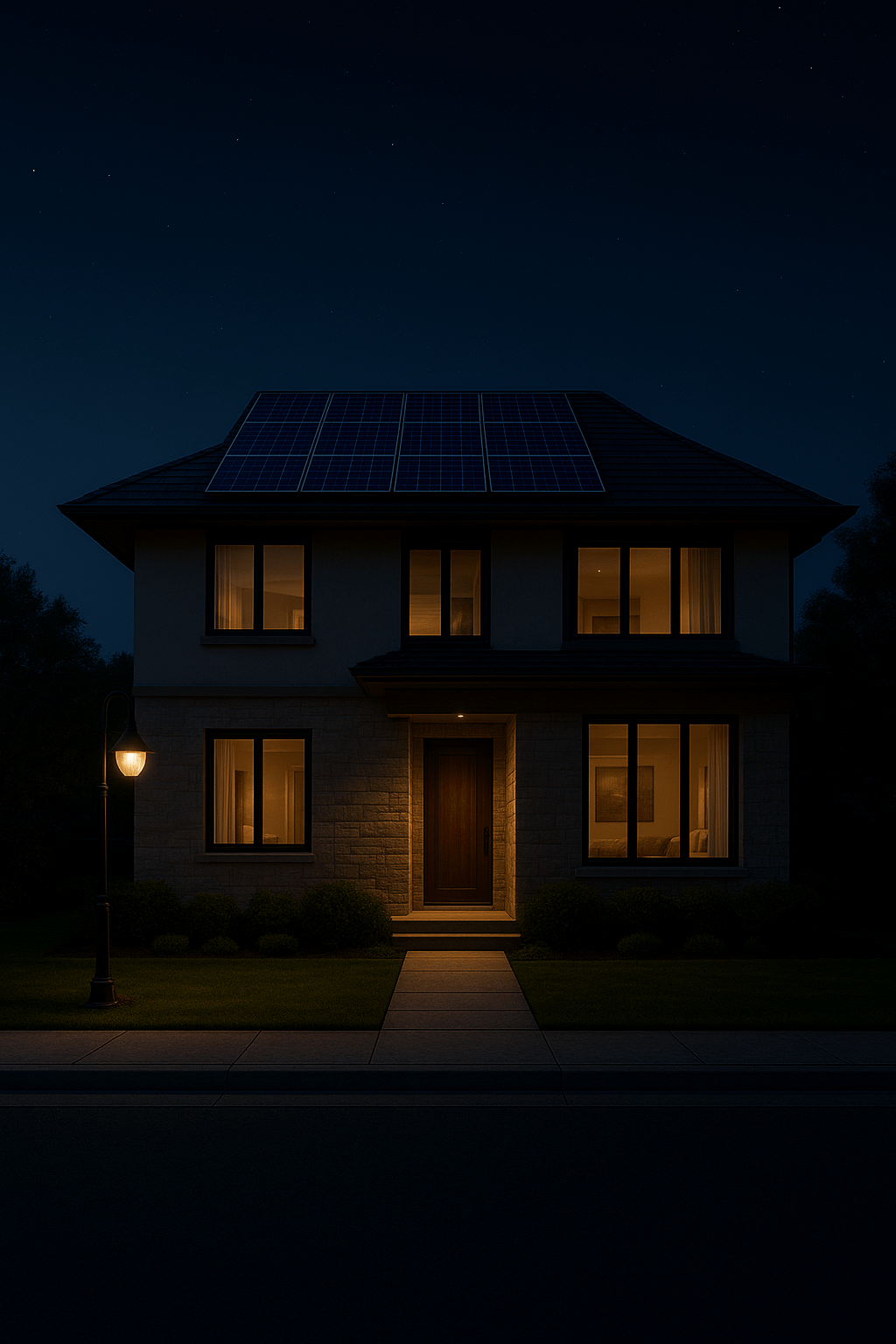
Reliability improves during grid issues. When Singapore’s power grid experiences problems, solar lights continue functioning independently. They don’t depend on centralized electricity distribution. During outages, public spaces stay illuminated. That resilience matters for safety and continuity. It reduces vulnerability to grid disruptions.
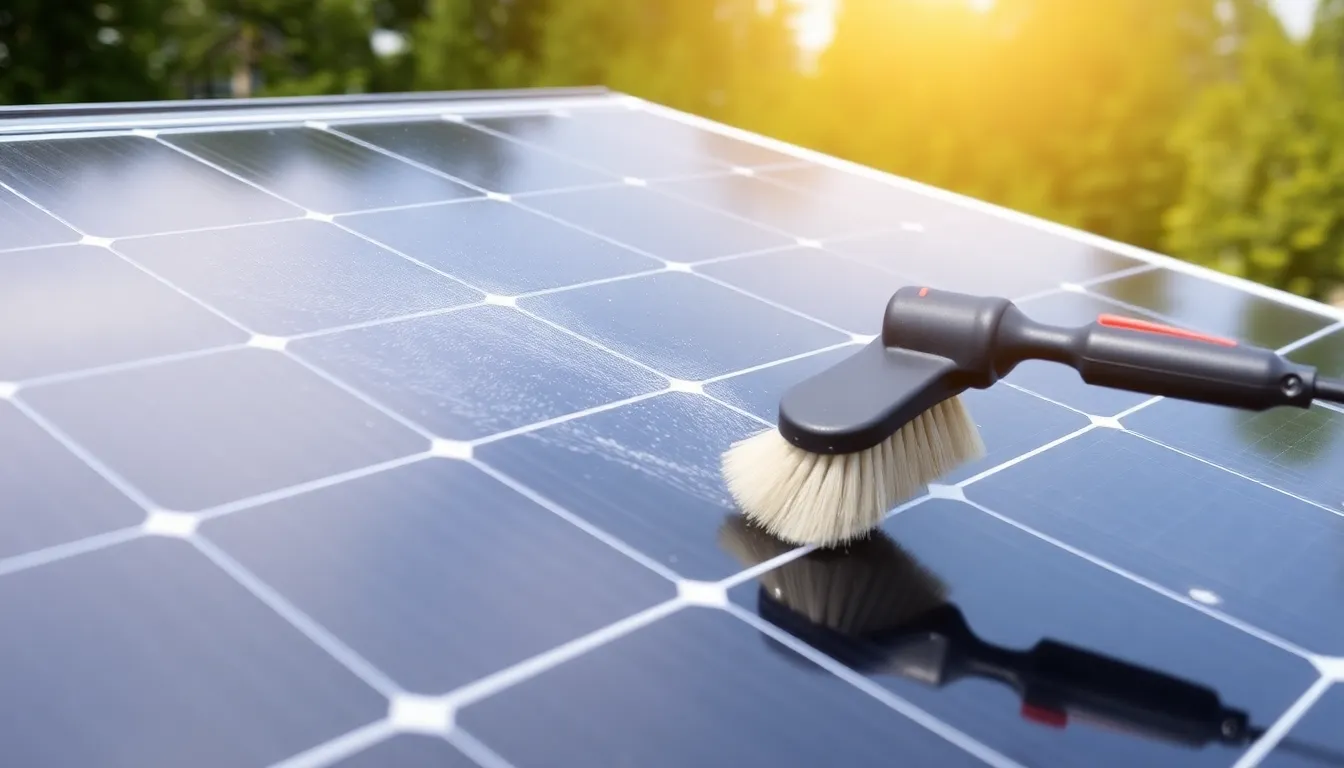
Maintenance drops significantly. Solar lights have no wiring underground. No connection points to centralize power systems. No ongoing repair calls from failures in distribution networks. They’re self-contained units requiring minimal upkeep. Annual cleaning of panels maintains efficiency. That’s the main maintenance task. Compare that to traditional lighting with complex wiring and frequent repairs. The difference is enormous.
Design flexibility increases. Solar lights can install anywhere. You don’t need proximity to power sources. Pathways in parks can light up without running cables. Remote garden areas get illumination easily. Interior courtyards previously impossible to light now shine. This flexibility transforms how Singapore’s architects and urban planners design spaces. They consider lighting possibilities that weren’t viable before.
Real Examples From Singapore 2026
HDB blocks in Aljunied-Hougang received one thousand seventy-five blocks of solar panels by the third quarter of 2026. The installation added seventy-six megawatt-peak of capacity. These panels power common lights, lifts, and pumps during daytime. Excess energy sells back to the grid. Residents benefit from lower electricity costs. Visiting these neighborhoods, you see modern solar infrastructure on every building.
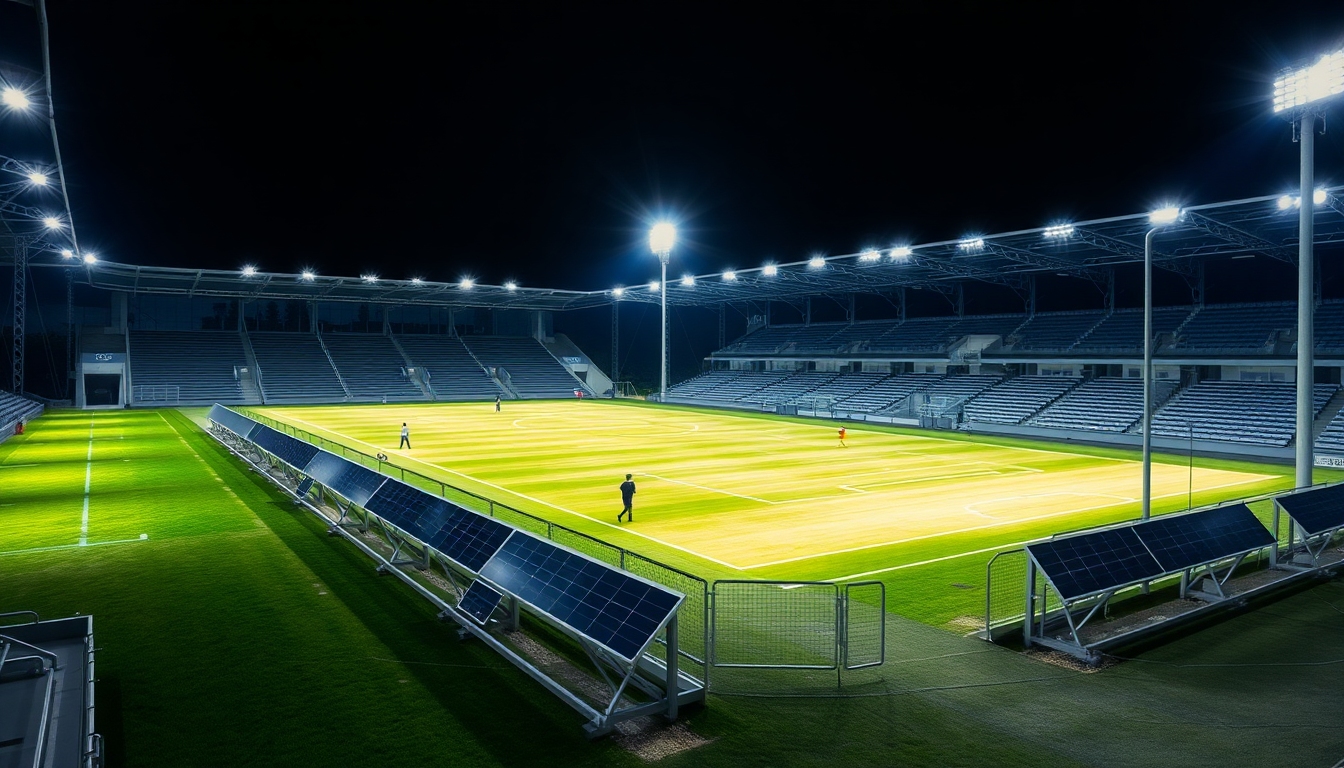
Floating solar farms on Singapore’s reservoirs generate power while preserving water resources. These installations avoid consuming land. They demonstrate innovative solar deployment in an island city. The technology works perfectly in Singapore’s geography. More floating installations are planned through 2030.
Keppel Corporation, a major Singapore company, installed solar systems across multiple town councils. They’re integrating clean energy into real estate development. This shows private sector commitment to Singapore’s solar future. Commercial companies see renewable energy as competitive advantage. They’re investing actively in solar infrastructure.
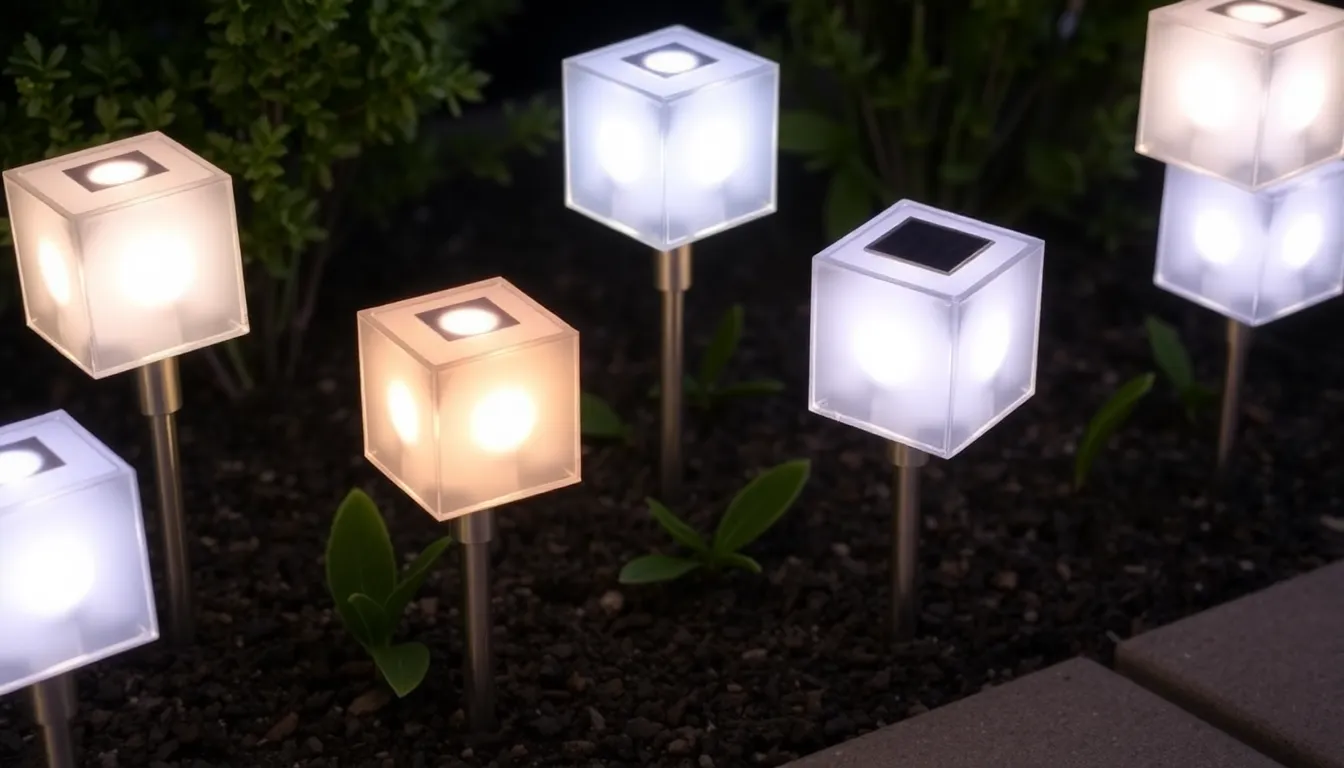
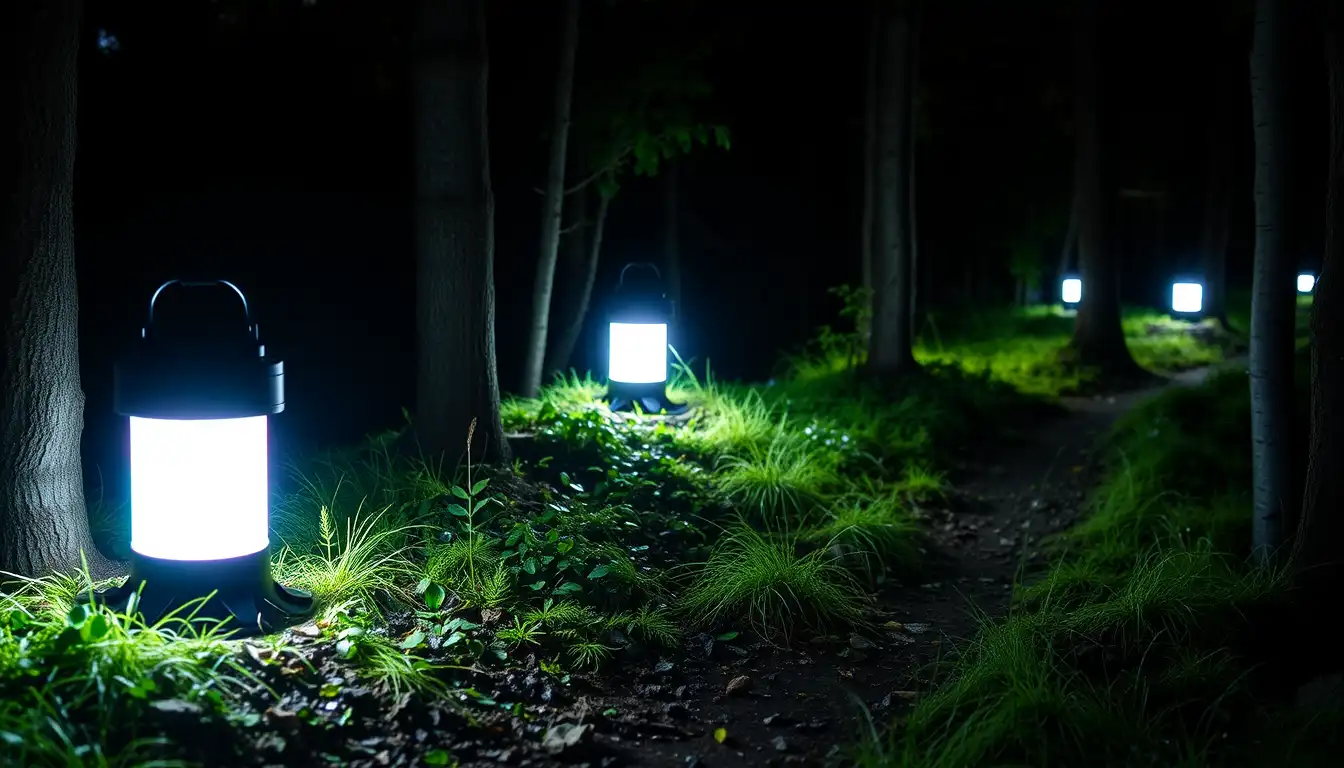
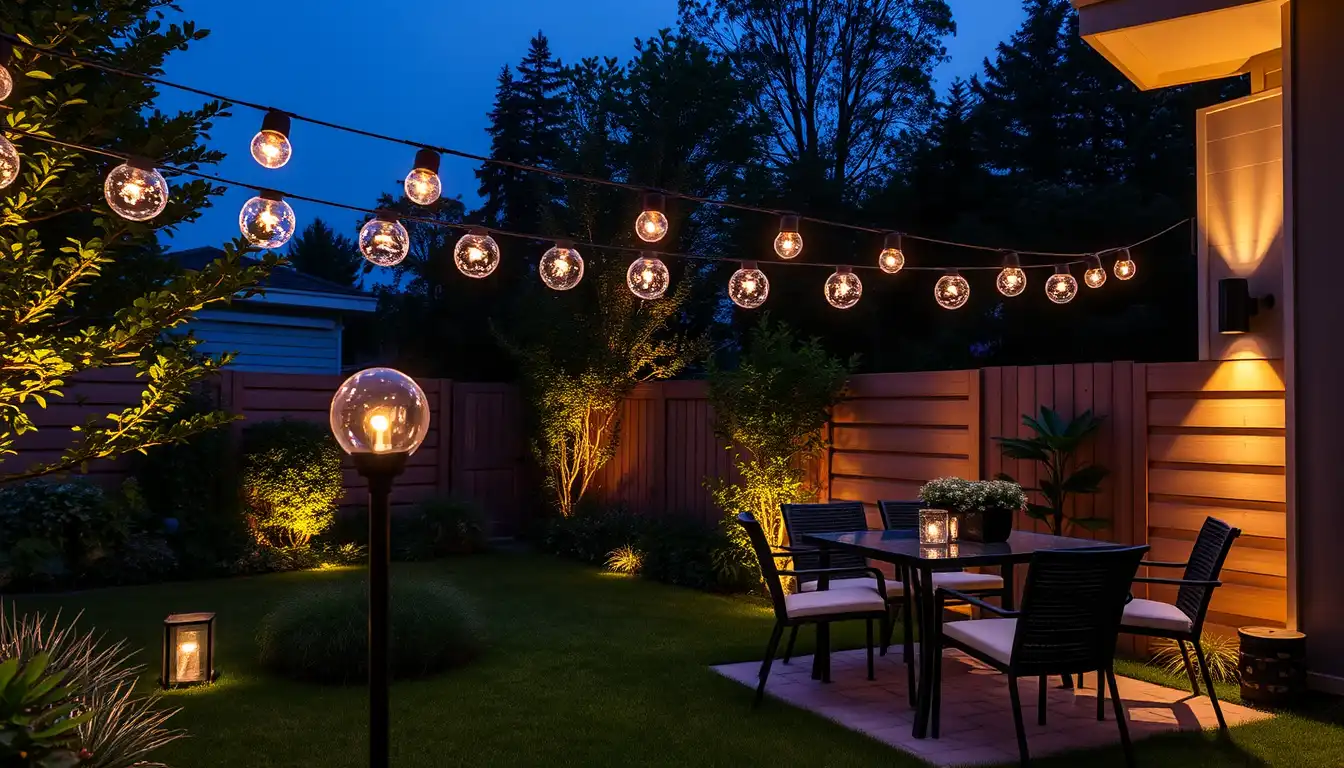
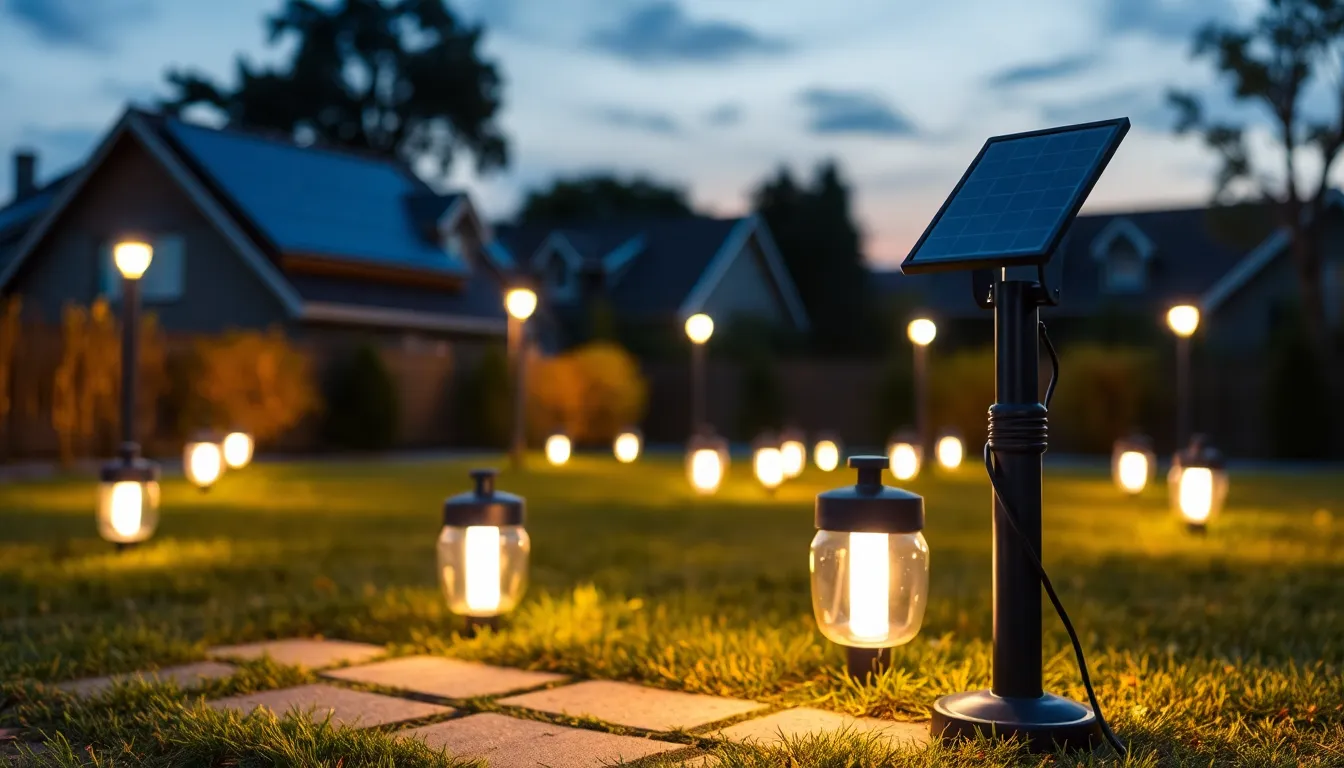
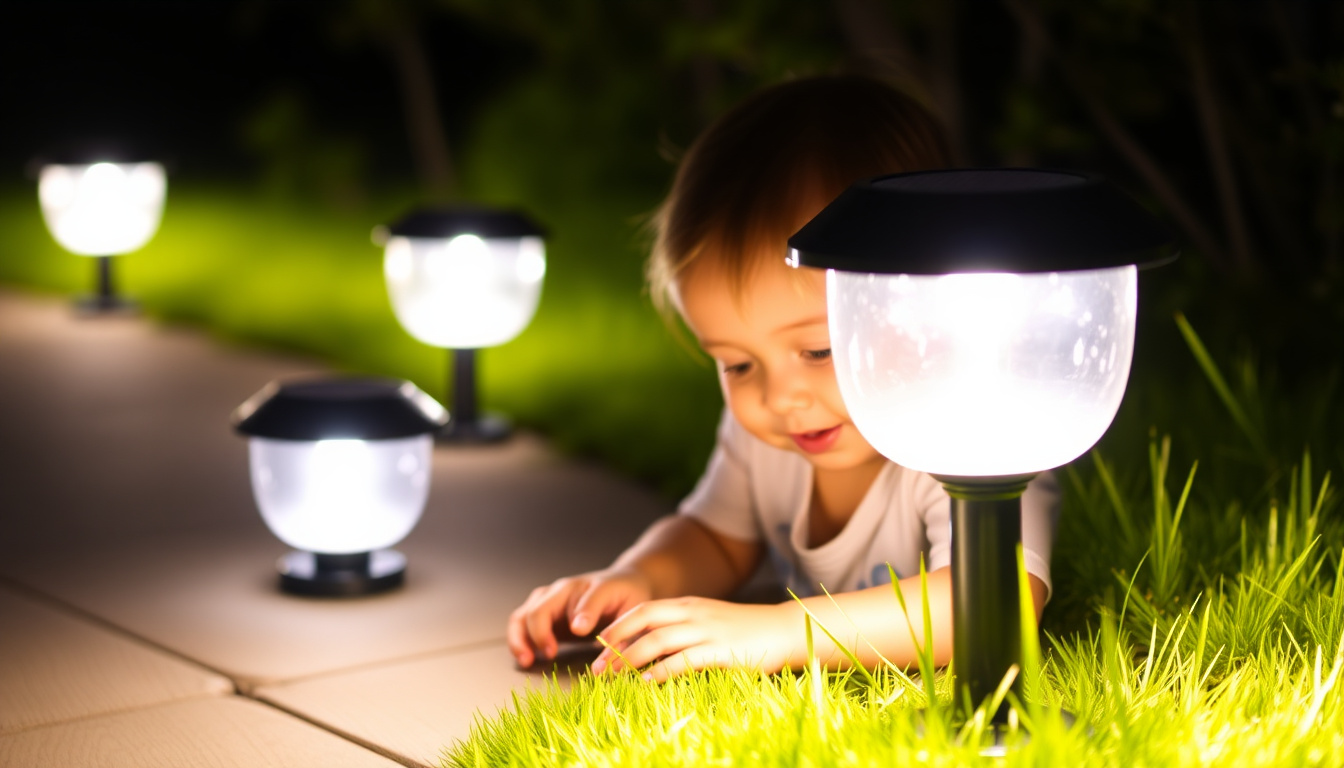
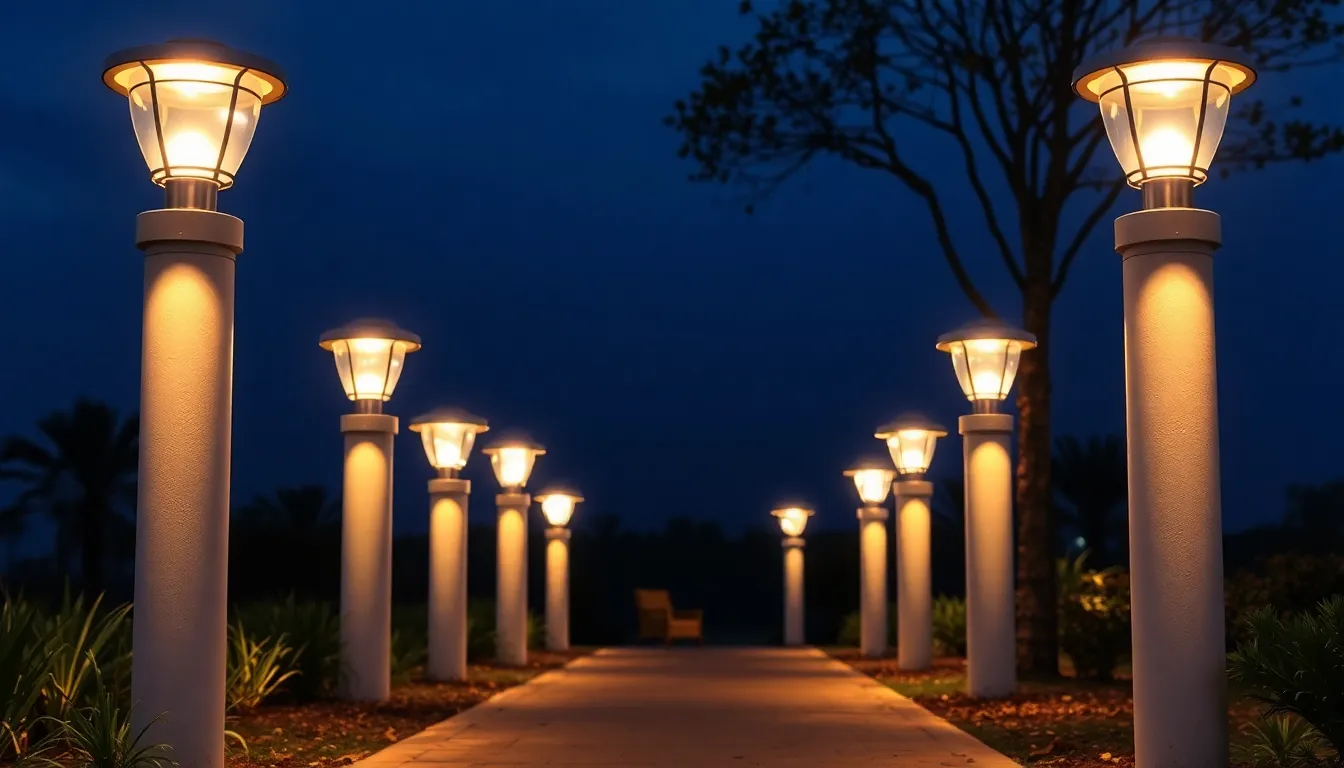
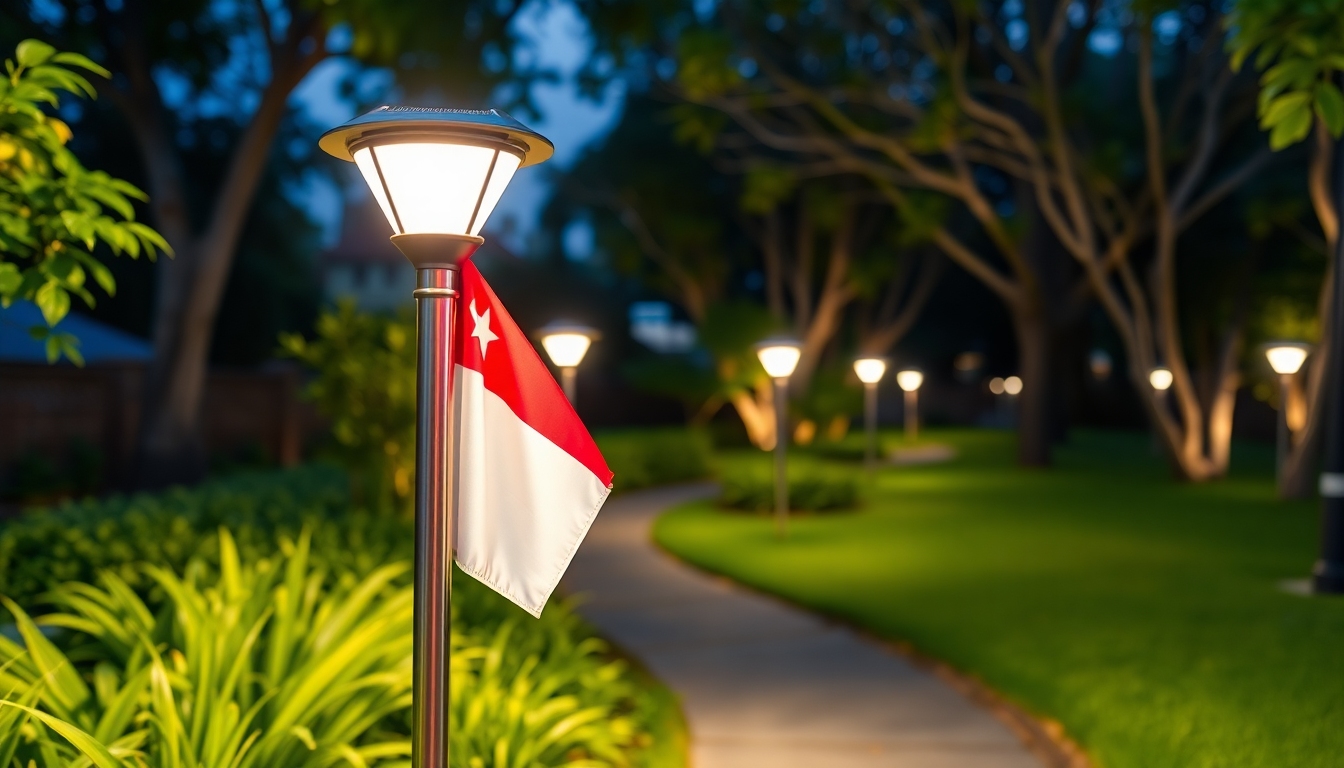
Parks Board Singapore installed solar lights throughout our public parks. Pathways illuminate with solar energy. Gardens display solar lighting fixtures. It’s transformed park usage in evenings. Families feel safer. Evening activities increased. Solar lighting made parks more welcoming and vibrant.
What Comes Next For Singapore Solar Lights
Battery storage technology continues advancing. Solid-state batteries will offer higher density and better heat management. Next generation batteries will extend runtime even during cloudy periods. They’ll improve already excellent performance. Singapore’s solar systems will become even more reliable.
Smart grid integration accelerates. Singapore is developing advanced networks that balance solar generation with demand. AI systems will predict weather patterns and optimize energy distribution. This intelligence makes solar grids more efficient. Load balancing improves. Energy waste decreases. These systems cost money but save far more through optimization.
Building-integrated solar technology expands. Instead of just rooftop panels, solar becomes part of building structures. Windows with solar cells. Facades generating power. Building materials themselves produce energy. This development transforms how we design buildings. Every surface becomes potential energy generation.
Government targets continue rising. The current three gigawatt-peak goal for 2030 will likely increase when that’s achieved. Singapore’s leadership has shown commitment to solar expansion. Technology improvements and cost reductions make higher targets achievable. By 2030, we could see announcements of even more ambitious goals for 2035 or 2040.
Summary
This article explains how solar lights illuminate Singapore’s streets, parks, and common areas as part of the government’s ambitious Green Plan 2030. Singapore raised its solar target to three gigawatt-peak by 2030 in Budget 2026, with Housing Development Board planning solar panels on fourteen thousand blocks generating two thousand gigawatt-hours annually. The tropical location provides seventy to eighty percent efficiency year-round, making Singapore ideal for solar technology unlike temperate regions. Real examples include one thousand seventy-five HDB blocks receiving solar installation by third quarter 2026, adding seventy-six megawatt-peak capacity, and Keppel Corporation integrating solar across town councils. Benefits include complete elimination of outdoor lighting electricity costs, improved environmental responsibility through visible climate action, continued operation during grid outages, minimal maintenance requirements with only annual panel cleaning, and flexible installation enabling previously impossible lighting designs. Practical challenges discussed include high upfront installation costs despite government subsidies, battery heat degradation in tropical climate requiring lithium iron phosphate technology, occasional monsoon cloud cover reducing generation temporarily, and need for professional maintenance expertise. Smart features include app monitoring systems, motion sensors adjusting brightness automatically, and integration with building management systems for optimization. Lithium iron phosphate batteries specifically engineered for Singapore’s heat maintain efficiency better than standard lithium. IP65 and IP67 waterproof ratings ensure monsoon durability. Future developments include solid-state battery advancement, smart grid AI optimization, building-integrated solar technology, and progressively higher government targets beyond 2030. Singapore’s solar transformation demonstrates how island city-states with space constraints lead renewable energy adoption through concentrated investment and policy support.