Table of Contents
Our Soccer Field Got Night Games When We Switched To Solar Arena Lights
When We Thought Evening Games Were Impossible
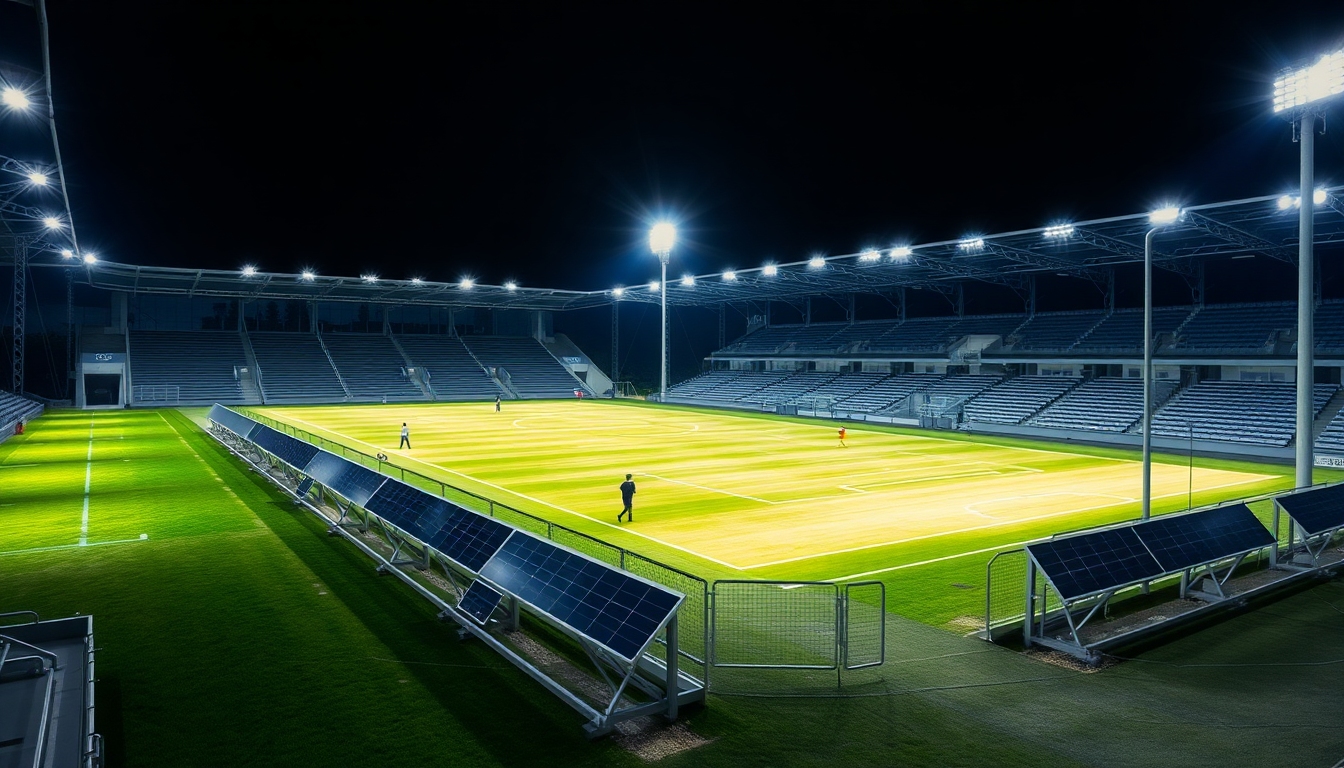
We managed a community soccer field. During daylight it was perfect. Perfectly maintained. Perfect for matches. But evening games were impossible. The traditional electrical wiring to install stadium lights would cost thousands. Months of trenching work. Municipal permissions. It felt out of reach for our small community budget. Then a board member suggested solar arena lights and I almost laughed. Solar lights powerful enough for sports fields sounded ridiculous. How wrong I was.
We installed solar arena lights last year and something incredible happened. Our field now hosts evening tournaments. Youth teams practice after dark. Community members gather for night games. The financial barrier disappeared when we realized modern solar lights deliver serious brightness. Fifty thousand lumens or more from quality systems. That’s genuine stadium-level illumination.
Why Sports Venues Need Proper Lighting
Sports happen in the evening. That’s when people actually play. After work. After school. When temperatures cool down. Traditional grid-powered lights require expensive infrastructure. Solar changes the equation completely.
Player safety is critical. Low light creates injuries. Players can’t see the ball. Can’t judge distances. They collide. Bad lighting leads to accidents. Proper arena lighting prevents these problems.
Spectator experience improves dramatically. Families attend evening games. Friends gather to watch. The whole community participates in evening sports. Dark fields eliminate that possibility.
Equipment visibility matters. Referees call the game accurately with proper lighting. They see fouls. They see boundaries. They make fair decisions.
Revenue opportunities appear. Night games attract more crowds than daytime events. Tournaments generate income. Concessions sell more. Evening events bring economic benefit to communities.
What Solar Arena Lights Actually Deliver
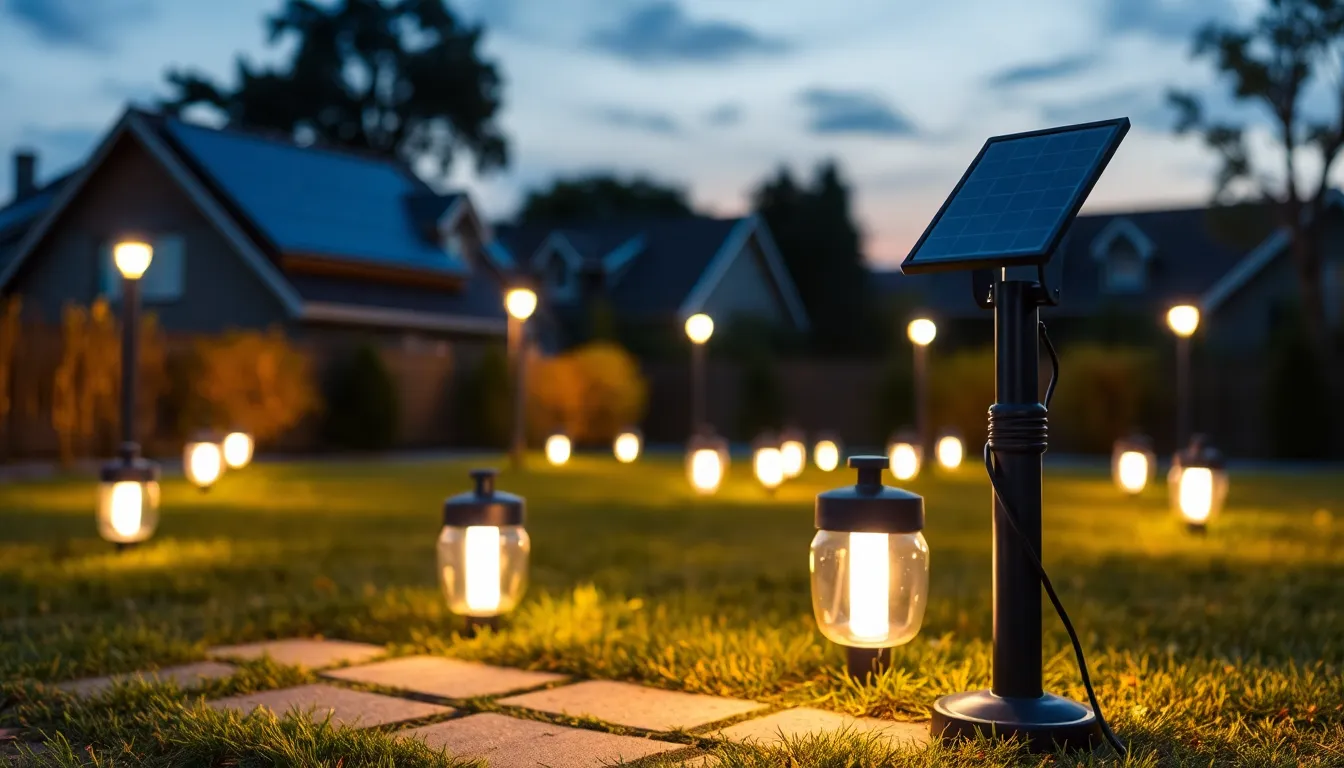
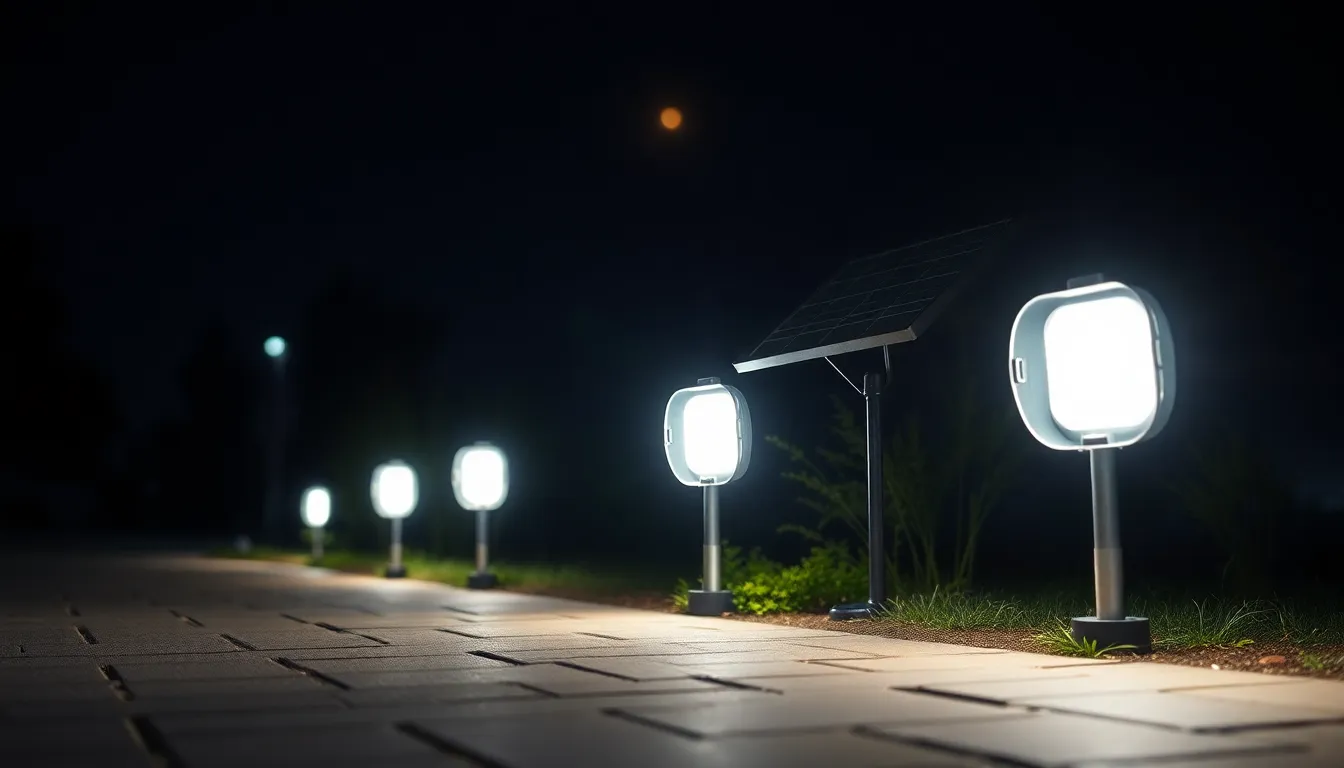
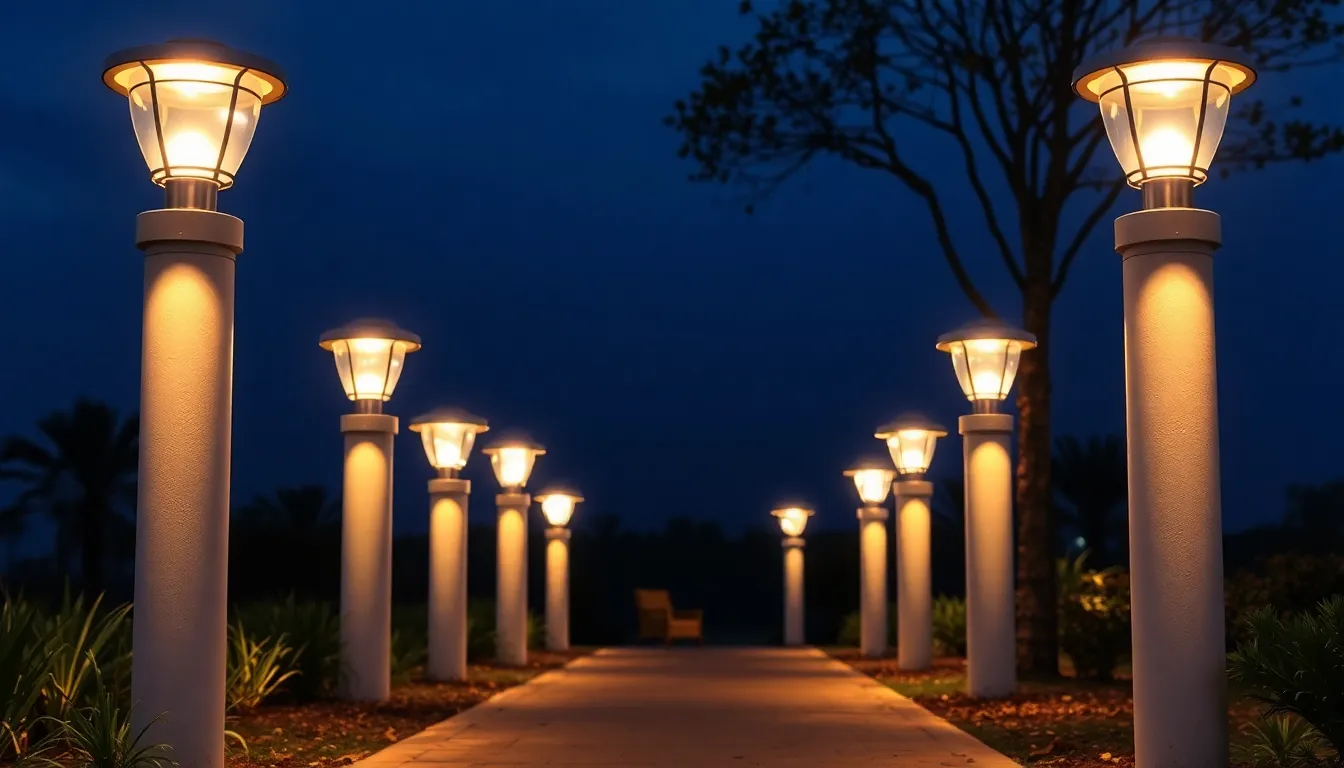
Modern solar arena lights are nothing like weak pathway lights. These systems mount on tall poles. They feature powerful LED arrays. Fifty to one hundred thousand lumens common on quality models. That’s serious brightness. TENKOO systems deliver fifty thousand lumens with nine hundred sixty-eight LEDs. Aootek offers twenty-five hundred lumens for smaller fields. Both cover different use cases effectively.
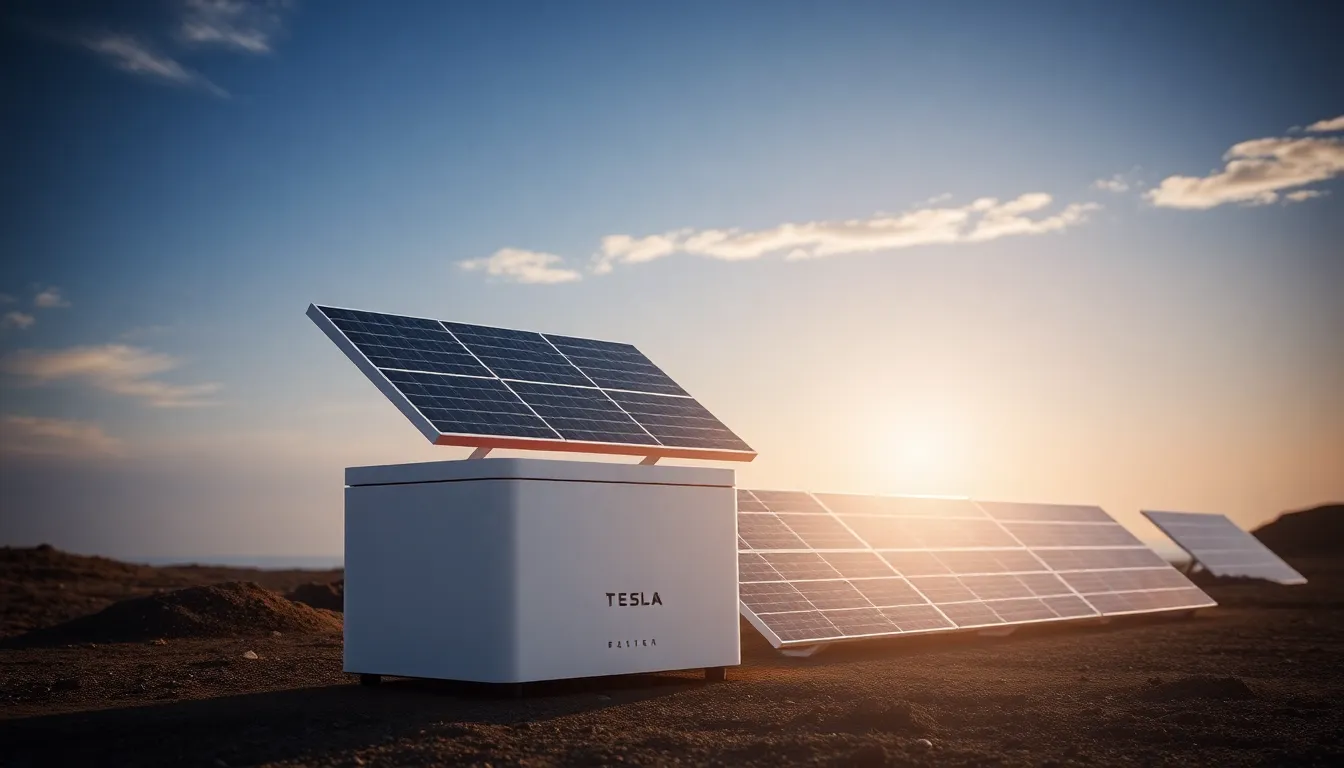
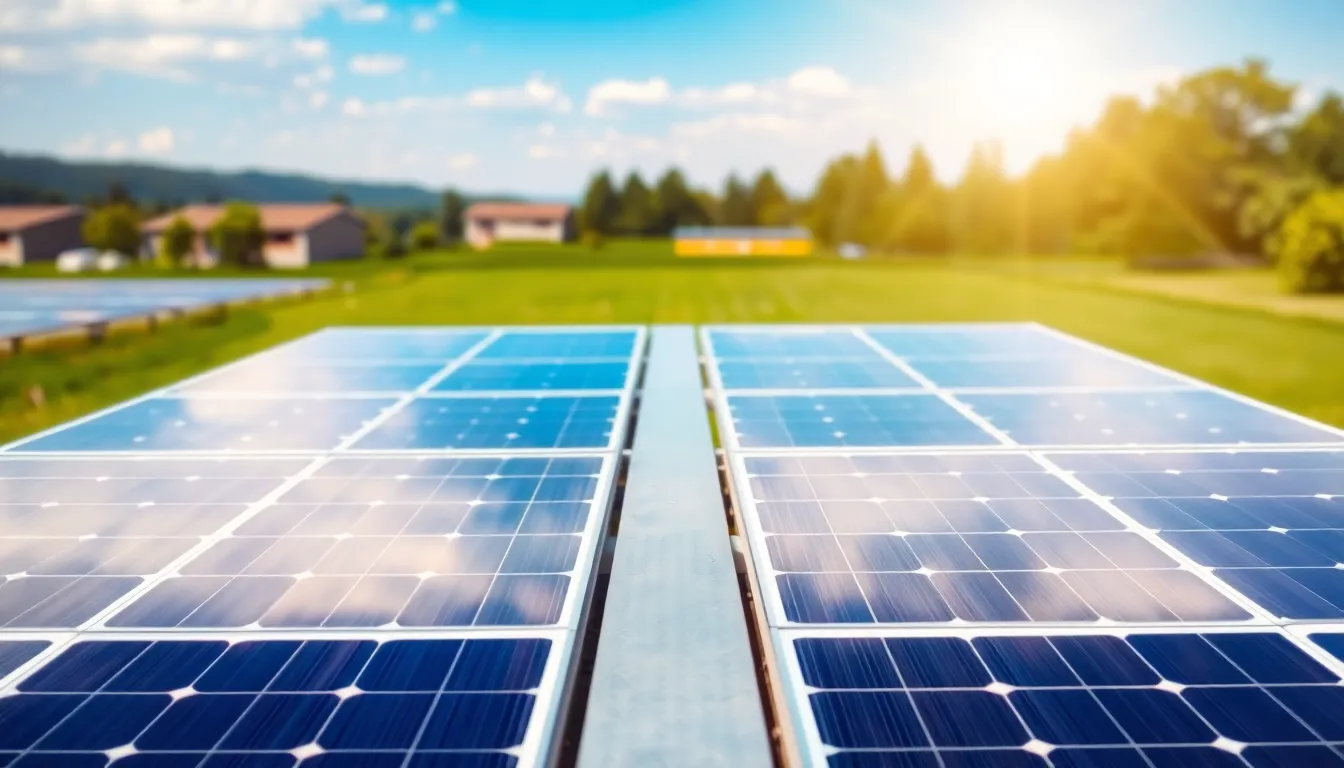
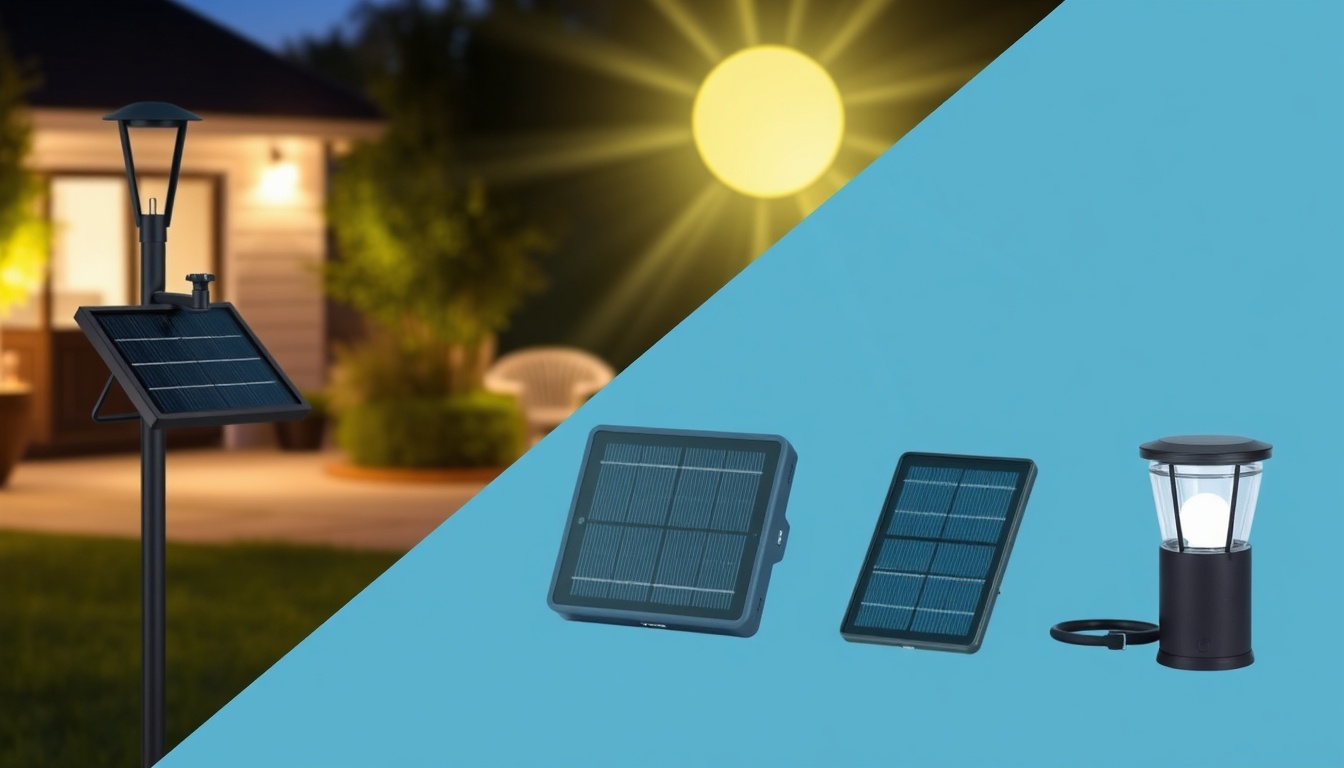
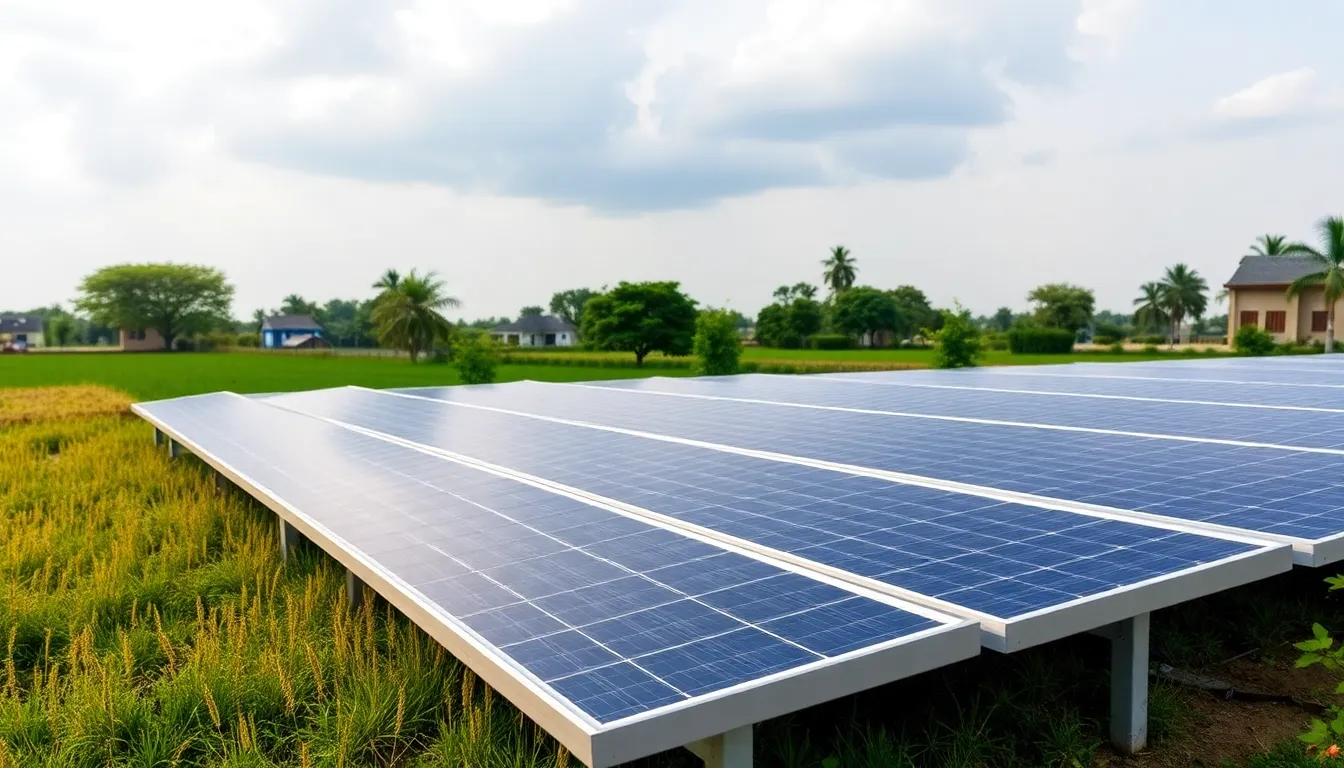
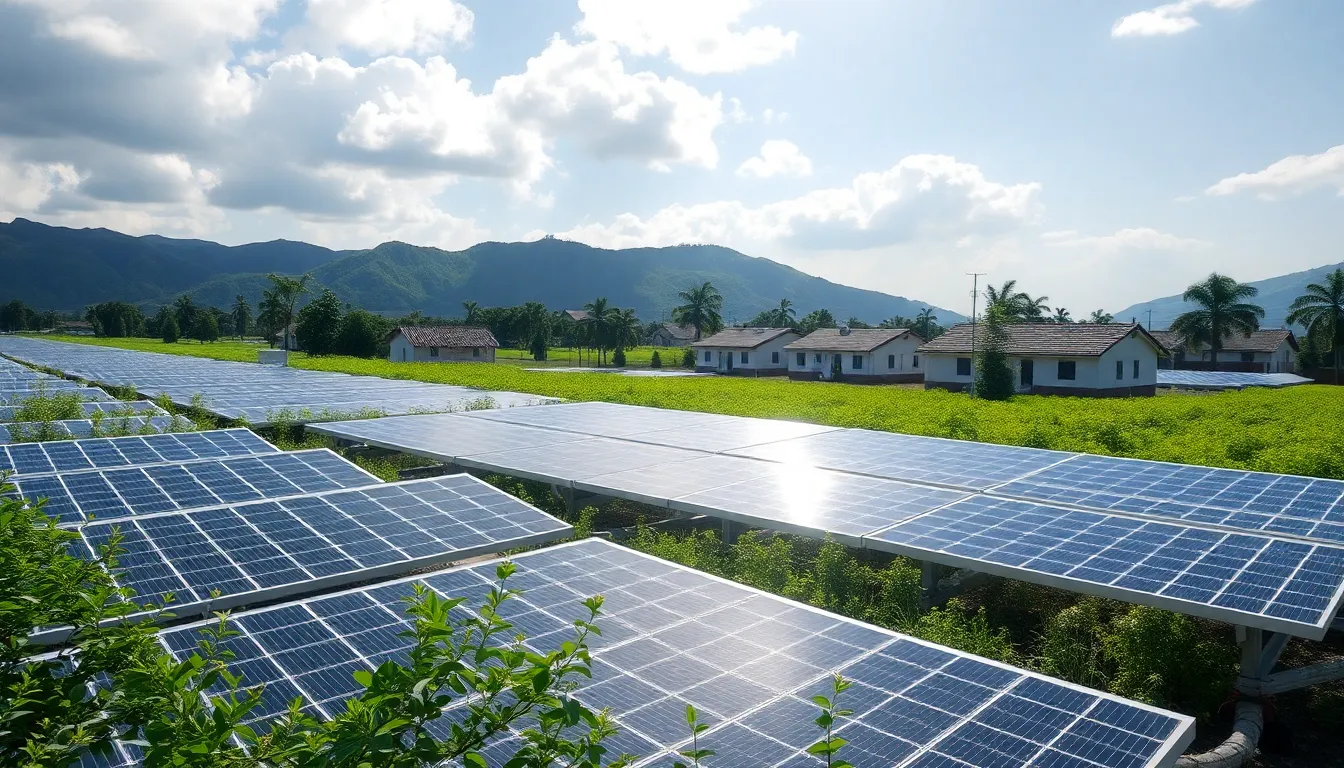
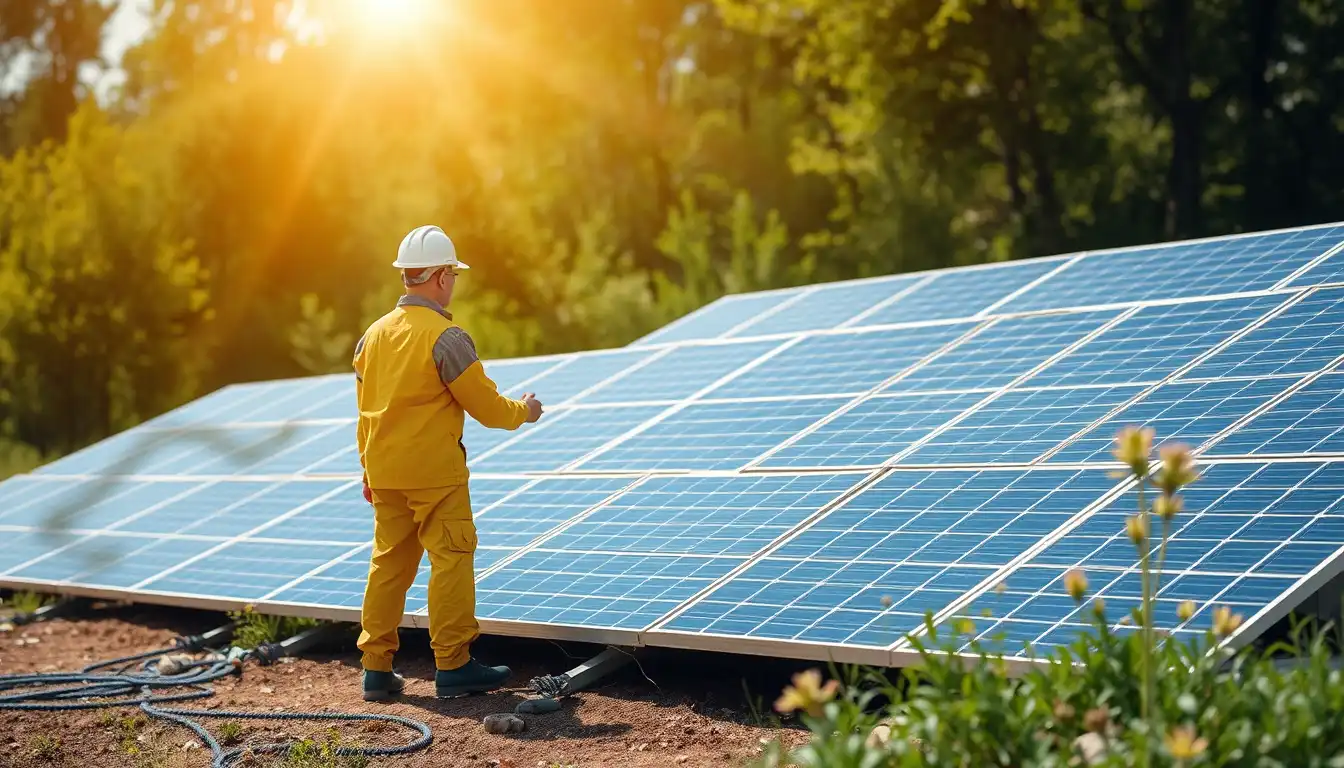
Systems include large solar panels that charge throughout daylight. Powerful batteries store that energy. LED fixtures turn on automatically at dusk. They run all evening on stored power. No wired connections to local power grids. No installation trenching. No utility bills.
Smart controls are becoming standard. Motion sensors activate lights when movement detected. Brightness adjusts automatically. Battery conservation happens naturally. Some premium systems include app control for remote brightness management.
The poles mount easily. No special equipment required. Installation takes hours not months. Community members often install these lights themselves with basic tools.
Real Sports Venues Using Solar Now
The San Francisco 49ers installed solar panels producing enough energy for ten full home games annually. Their system covers stadium lights completely during those events. Levi’s Stadium demonstrates large-scale solar sports lighting works.
Golden 1 Arena in Sacramento operates one hundred percent on solar power. The world’s first major sports arena fully powered by solar energy. Basketball games happen under completely renewable power.
MetLife Stadium has a solar ring of thirteen hundred fifty panels around its roof. Helps power LED lighting and stadium operations. The New York Giants and Jets both play there.
Gillette Stadium features a one megawatt rooftop array. The New England Patriots play there. Clean energy powers all football operations.
American Airlines Arena in Miami installed a solar canopy saving one point six million dollars annually. The Miami Heat play under solar-powered lights.
2026 Solar Arena Light Technology
Bifacial solar panels capture sunlight from both sides. Ground reflection boosts energy generation up to thirty percent in snow-prone regions. Advanced technology improves overall output.
Microinverter systems optimize power conversion at each panel. They handle shading variations throughout the day. Traditional string inverters don’t manage shading as effectively.
Perovskite solar cells are emerging. Higher efficiency. Lower production costs. Lightweight and flexible. Perfect for temporary stadium installations.
Transparent solar technology is developing. Stadium windows and screens could generate power without affecting visibility. This innovation will transform how stadiums function.
Solar fabric integration is coming. Tensile structures and canopies provide both shade and power generation. Durability meets functionality.
Advanced battery storage improves. Solid-state batteries promise longer lifespan. Flow battery systems offer superior performance. Next-generation technology makes solar reliable for major events.
Advantages Of Solar Arena Lights
- Zero electricity costs. No power bills. Free light from the sun every evening.
- Rapid installation. No months of trenching work. No municipal red tape. Install in days not months.
- Environmental leadership. Venues demonstrate sustainability. Communities embrace renewable energy. It becomes a conversation starter.
- Revenue generation possible. Excess solar energy sells back to utilities. Some venues create income streams from solar production.
- Maintenance reduced dramatically. No utility connections to maintain. Solar panels cleaned annually. Batteries replaced every five to ten years.
- Independence from power outages. When the grid fails, solar venues still operate. Emergency games possible without grid power.
- Community benefit. Evening sports attract families. Youth programs expand. Neighborhood gathers under lights. Social fabric strengthens.
Disadvantages Of Solar Arena Lights
- Upfront cost is significant. Quality systems cost tens of thousands of dollars. Initial investment substantial for community facilities.
- Weather dependent performance. Cloudy regions generate less power. Winter sunlight reduced. Battery backup systems important in challenging climates.
- Installation planning needed. Proper pole placement optimizes charging. Shading analysis determines best location. Planning prevents performance problems.
- Space requirements substantial. Tall poles needed for proper coverage. Ground area required for pole mounting. Urban venues face space constraints.
- Battery replacement necessary. Every five to ten years. Replacement costs thousands of dollars. Budget planning essential.
- Brightness limited in some scenarios. For world-class professional stadiums, supplemental grid power sometimes needed. Solar excels for community and amateur sports.
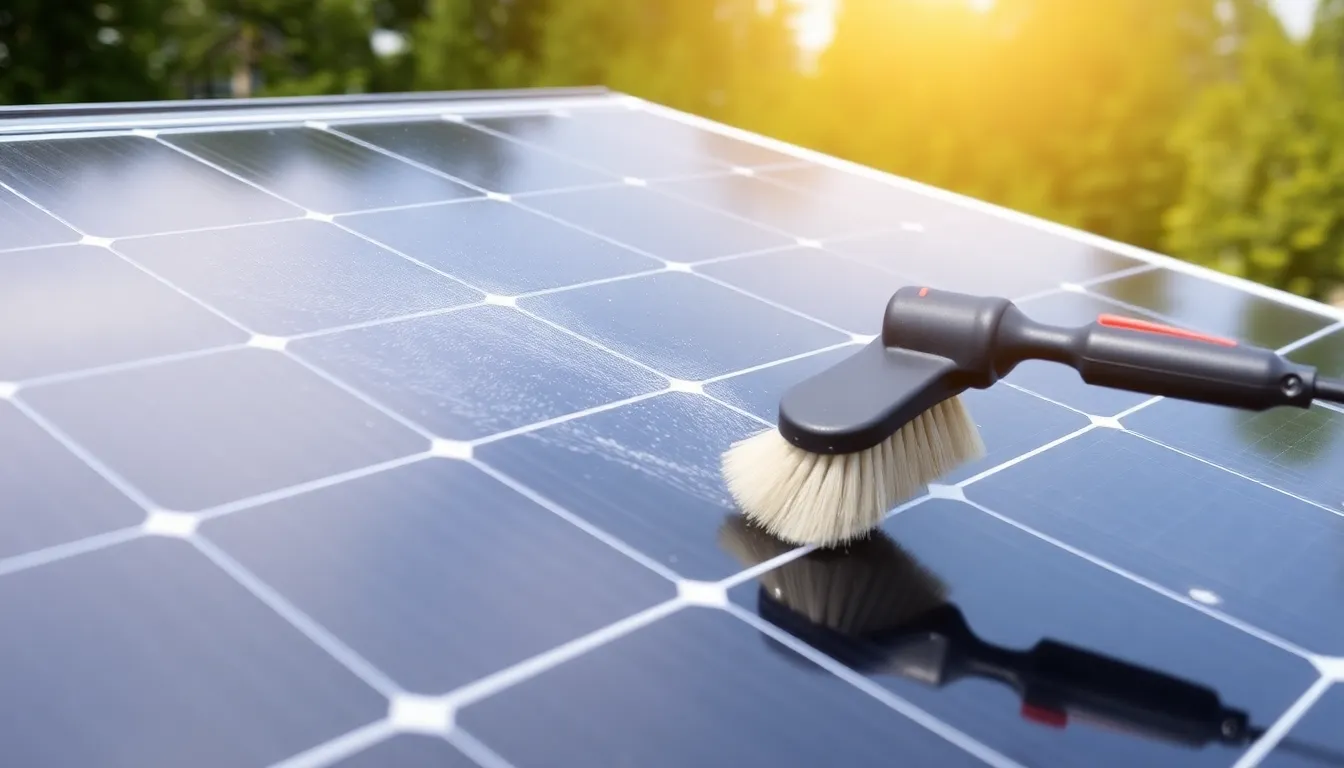
- Maintenance required. Solar panels need occasional cleaning. Battery connections checked regularly. Simple maintenance prevents problems.
How Communities Choose Solar Arena Lights
- Assess your actual field size. Smaller fields need fewer lumens. Soccer fields differ from baseball diamonds. Football fields have different requirements. Match system size to actual needs.
- Calculate your budget. Smaller systems cost five thousand to fifteen thousand dollars. Large installations run fifty thousand plus. Know your financial limits upfront.
- Research your climate. Sunny regions optimize solar charging. Cloudy areas need larger systems. Winter matters in northern climates. Local weather determines system sizing.
- Check pole placement options. South-facing placement optimizes charging. Avoid trees casting shade. Ground conditions matter for pole installation.
- Review real installations. Contact other communities using solar arena lights. Learn from their experiences. Ask about reliability and satisfaction.
- Plan for growth. Design systems allowing expansion. Future additions possible with proper infrastructure planning.
- Understand maintenance needs. Annual panel cleaning required. Battery monitoring essential. Simple regular care prevents problems.
Real Brands Making Solar Arena Lights
- TENKOO manufactures high-output solar arena lights. Nine hundred sixty-eight LEDs. Fifty thousand lumens. Powers large fields effectively. Professional quality proven in stadiums.
- Aootek produces affordable solar lighting. Two thousand five hundred lumens. One hundred eighty-two LEDs. Great for smaller community fields. Multiple lighting modes available.
- Maximum Bright delivers professional sports lighting. One hundred three thousand six hundred lumens. Advanced optics focus light on field. Ten year warranties standard.
- Brightech offers quality solar arena fixtures. Adjustable power settings. Dimming capabilities. Professional appearance and reliability.
- LED Stadium Lights manufactures high-performance systems. One hundred twenty-five thousand lumens available. Extended lifespan. Cold weather rated.
Summary
Solar arena lights deliver powerful sports field illumination using fifty thousand to one hundred thousand lumens through free solar energy. Modern systems mount on tall poles with large solar panels, powerful batteries, and LED arrays operating automatically from dusk to dawn. Real sports venues from community fields to professional stadiums use solar lighting successfully. 2026 technology includes bifacial panels, microinverter systems, and perovskite solar cells. Advantages include zero electricity bills, rapid installation, and environmental leadership. Disadvantages include upfront costs and weather dependency.