Table of Contents
A dark yard doesn’t announce itself as a problem until the sun goes down and you realize you can’t see your own patio furniture. That’s usually the moment people start Googling solar lights, and that’s usually the moment they get overwhelmed. Square, cube, ball, lantern, neon, mason jar, unicorn shaped — the options multiply fast, and most buying guides just dump forty product links on you and call it a day.
This guide works differently. It groups decorative solar lights into two families: shapes that lean modern or classic (square, cube, ball, flat, lantern, and more), and themed pieces built for personality (animals, sunflowers, mason jars, hot air balloons). Inside each style, you’ll find what the fixture actually does well, what it’s made of, and roughly what it costs — pulled from the specific style guides on this site rather than guessed at.
We’ll also get into the unglamorous mechanics: lumens, IP ratings, battery chemistry. Skip this part and you risk buying something gorgeous that goes dark by 9 p.m. A solar light that can’t hold a charge isn’t decorative. It’s expensive garden litter.
How to Choose the Right Decorative Solar Light
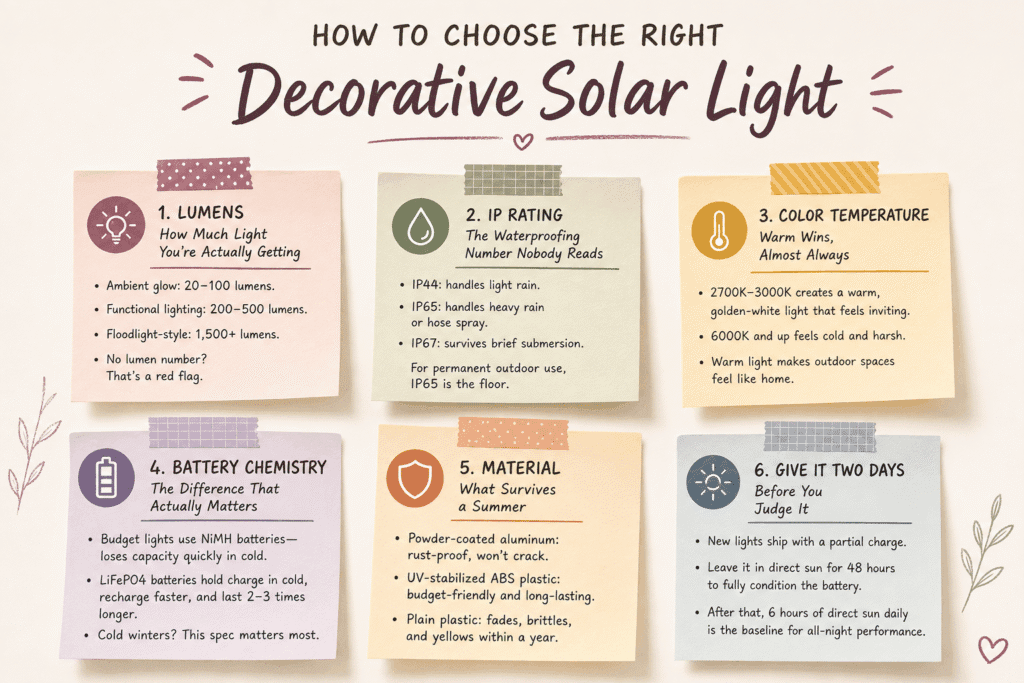
Every fixture on this list gets judged on the same handful of specs, whether it costs $12 or $90. Here’s what actually separates a light that lasts from one you’ll be replacing next spring.
Lumens: How Much Light You’re Actually Getting
Ambient, decorative lighting, a soft glow along a flower bed, typically sits at 20 to 100 lumens. Fixtures meant to genuinely light a space, like a wall light beside a door, generally start around 200 lumens and climb toward 500 for wider entries. Premium floodlight-style fixtures can push past 1,500 lumens, though that’s overkill for anything purely decorative. A listing that skips the lumen number entirely and just says “super bright” is telling you something by omission.
IP Rating: The Waterproofing Number Nobody Reads
The “IP” stands for Ingress Protection, and the digits after it aren’t marketing fluff. IP44 handles light rain. IP65 shrugs off a direct hose spray or heavy storm. IP67 survives brief submersion, which matters if a fixture sits somewhere that floods after a downpour. For anything mounted outdoors permanently, IP65 is the realistic floor, not a nice-to-have.
Color Temperature: Warm Wins, Almost Always
Measured in Kelvin, 2700K to 3000K produces the warm, golden-white glow that makes a porch look like somewhere you’d want to sit. 6000K and up swings cold and blue, technically brighter on paper, but it reads more like a parking structure than a garden. The lighting industry spent years defaulting to cool white because the lumen figures looked better on the box. Homeowners have mostly been correcting that mistake since.
Battery Chemistry: The Difference That Actually Matters
This is where cheap and premium solar lights genuinely diverge. Budget fixtures use NiMH batteries, which perform fine in summer and lose capacity fast once temperatures drop. Better fixtures use LiFePO4 batteries, which hold a charge through cold nights, recharge faster, and survive far more charge cycles before degrading — often outlasting NiMH by two to three times over. If your winters get properly cold, this single spec matters more than the shape of the fixture sitting on top of it.
Material: What Survives a Summer
Powder-coated aluminum holds up the longest, it won’t rust, and it doesn’t crack when temperatures drop. UV-stabilized ABS plastic is a legitimate budget option that keeps its color for a few seasons. Plain, non-stabilized plastic is the one to watch for: it turns brittle and yellowed within a year, sometimes faster in direct summer sun.
Give It Two Days Before You Judge It
New solar lights ship with a partial charge. Leave a fixture in direct sun for a full 48 hours before deciding whether the runtime disappoints you, that first long charge conditions the battery properly, and judging performance before that point gives you a skewed picture. After that, six hours of direct daily sun is the general baseline most decorative fixtures need to run comfortably through a full night.
Solar Lights by Shape and Style
Shape does more work than most people give it credit for. It’s the first thing anyone notices about a fixture, day or night, and it sets the tone for the rest of your exterior before a single LED turns on.
Best Square Solar Lights
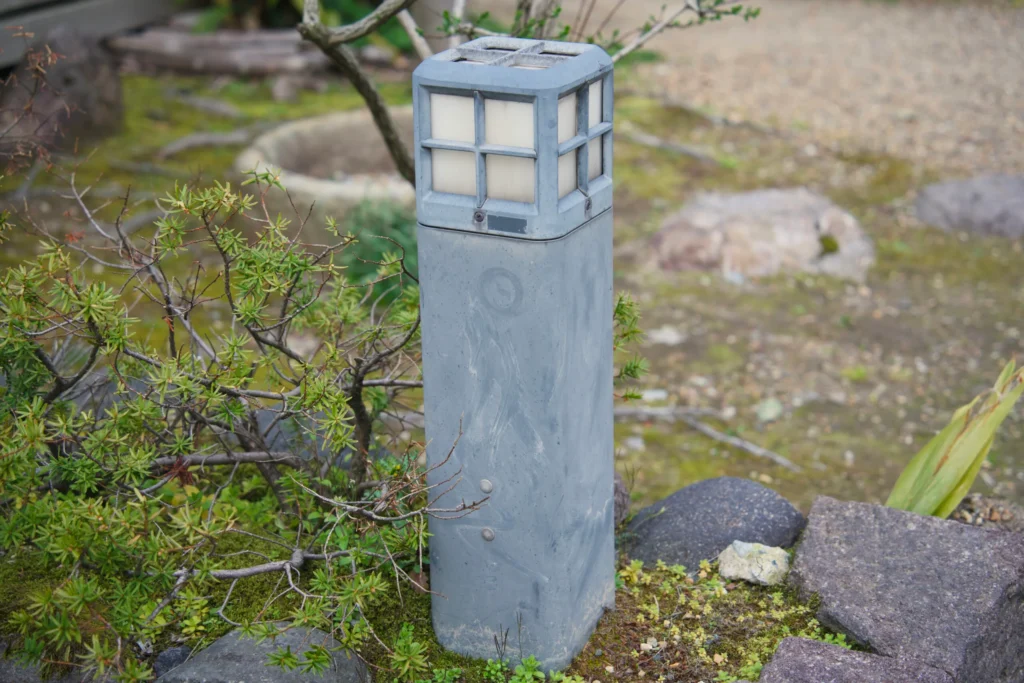
Square reads as deliberate. Flanking a front door, capping a fence post, or lining deck stairs, square fixtures pair naturally with matte black or dark bronze finishes and suit homes with flat rooflines or clean architectural lines. Post-cap versions typically run 40 to 150 lumens, enough to mark a boundary without overdoing it, while entryway-focused models climb to 200–500 lumens. Full breakdown: Best Square Solar Lights.
Best Cube Solar Lights
Cubes push the same geometry into a compact, boxy body that fits ledges, low walls, and small planters where a taller fixture would crowd the space. They come in metal (sleek, contemporary), rattan (softer, boho-modern), and plastic (budget-friendly), with sizes ranging from small 12 cm accents to 30 cm+ statement pieces. Quality models now carry IP65–IP67 ratings and run on LiFePO4 cells rated for five to ten years. Details: Best Cube Solar Lights.
Elite Solar Lights for Outdoor Use
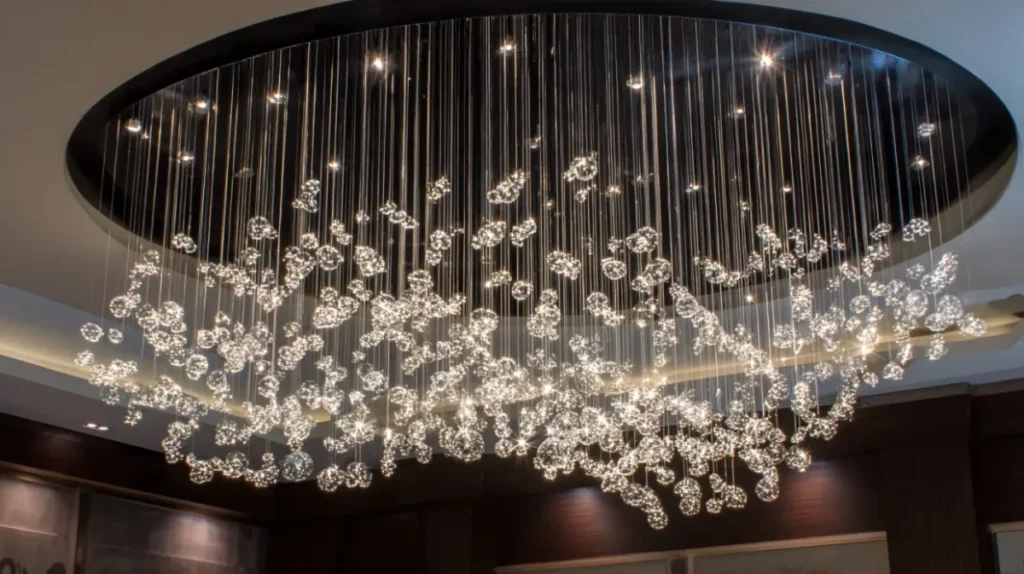
Not everyone wants a specific shape, some buyers just want the most reliable fixture available, full stop. That comes down to battery chemistry more than anything else: lithium-based batteries handle cold and hold capacity through more charge cycles than the NiMH cells found in cheaper lights. Premium pathway fixtures typically deliver 100 to 300 lumens; floodlight-style elite fixtures reach 1,500 to 2,500. Read the full guide: Elite Solar Lights for Outdoor Use.
Best Solar Ball Lights
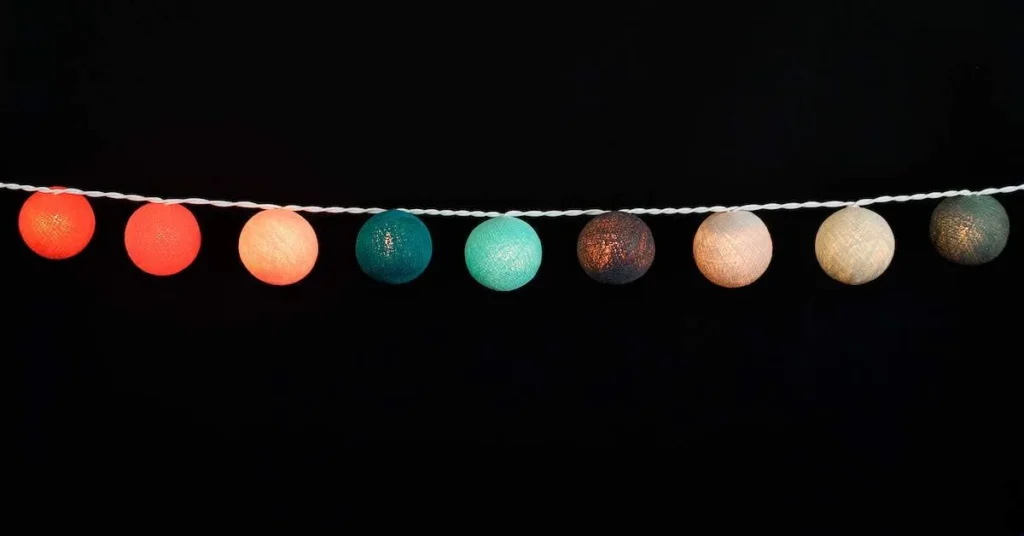
Globe-shaped ball lights soften a space instead of defining it, no sharp edges, just a warm rounded glow that suits tabletops, low walls, and scattered flower beds. Quality models charge 6 to 8 hours and run 8 to 18 hours depending on battery size, carry IP65 ratings as standard, and range from roughly $50 to $200 depending on brand and glass quality. See the picks: Best Solar Ball Lights.
Best Flat Solar Lights
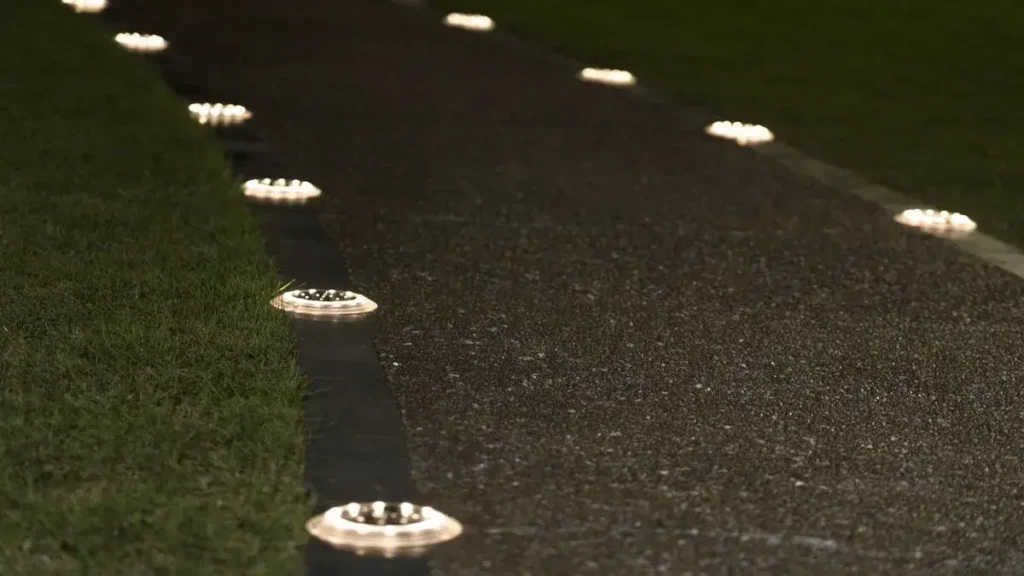
Flat, disk-shaped lights press into deck edges and stair risers, lighting the step below without becoming a tripping hazard themselves. LED count drives both brightness and price: twenty-LED models are dim and cheap, roughly forty-eight LEDs hits a comfortable middle ground, and hundred-LED versions get genuinely bright, and pricier. A typical eight-to-twelve-light driveway installation runs $200 to $700 total, against thousands for buried wiring and an electrician. Full guide: Best Flat Solar Lights.
Neon-Style Solar Lights
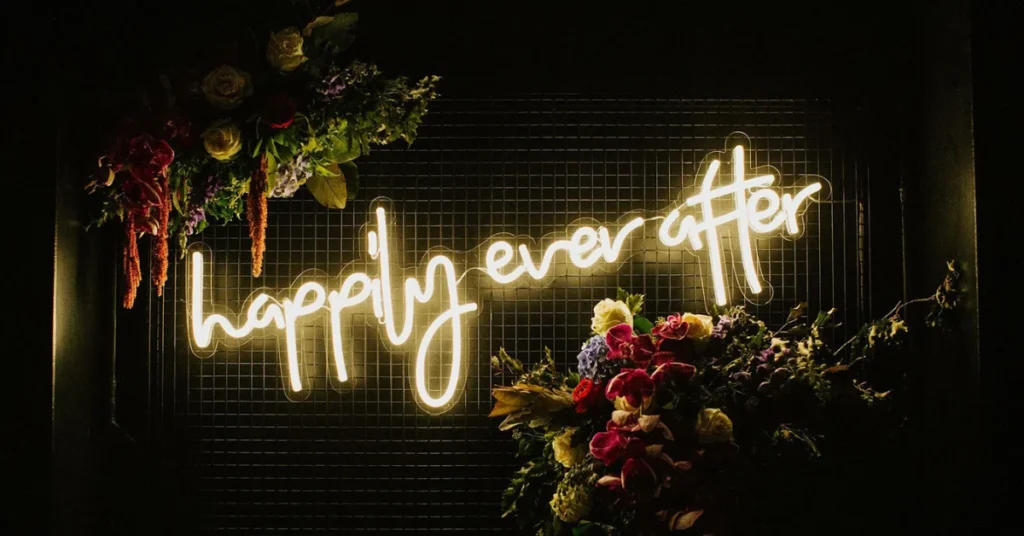
These are flexible LED strips shaped to mimic actual neon tubing, minus the heat, the fragility, and the four-figure price tag of the real thing. A complete setup, flexible tubing, string-style, or a pre-shaped wall sign, typically costs $200 to $800 depending on complexity, and works best as a deliberate statement rather than general-purpose lighting. Details here: Neon-Style Solar Lights.
Star Solar Lights Outdoor
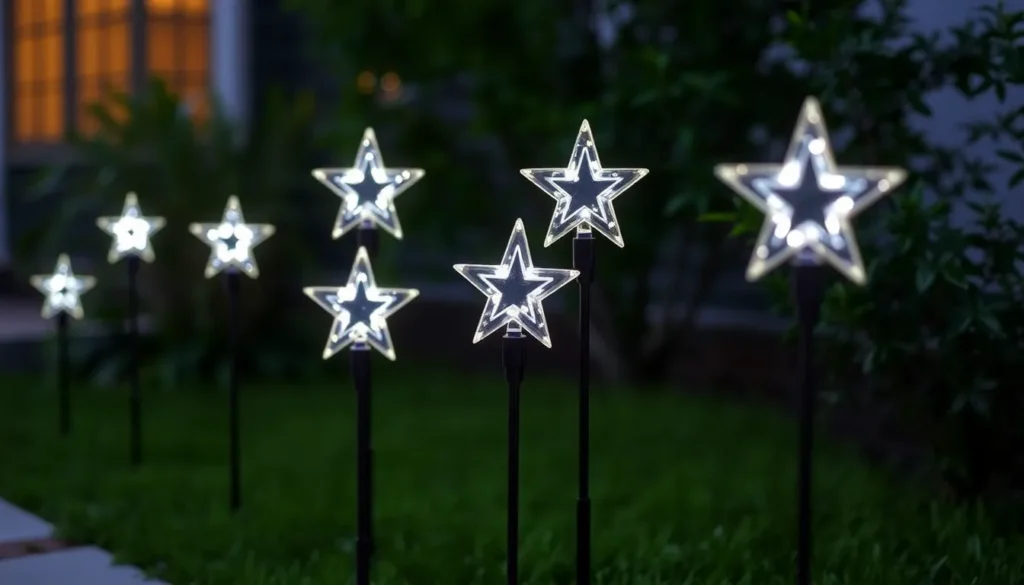
Small, whimsical, and genuinely simple: a stake with a built-in panel and an LED shaped like a star. Budget models run 200–600 mAh batteries good for five to six hours; mid-range versions with 900–1,500 mAh stretch to eight or ten hours; the best hit 2,000+ mAh for a full twelve. Expect 50 to 200 lumens, plenty for accent lighting, not enough for safety walking. Browse the options: Star Solar Lights Outdoor.
Black Solar Lights
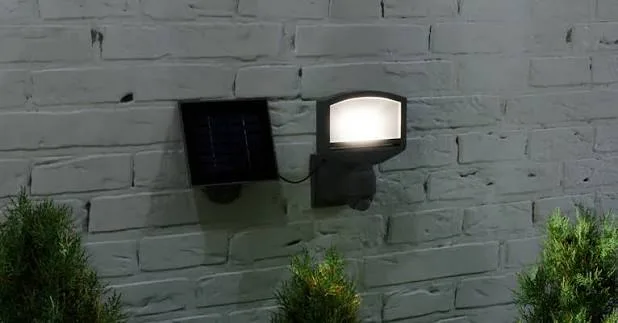
Black isn’t really a shape decision, it’s a finish decision, and it changes more than people expect. Matte black hides dust and water spots that show up fast on white or brass fixtures, and it fades gracefully to dark gray over years rather than visibly tarnishing. Quality powder-coated black lights typically cost 10 to 20% more than the same fixture in another finish, but they also tend to outlast cheaper coatings that chip within a season. Full guide: Black Solar Lights.
Plastic Solar Lights Guide
Plastic gets an unfair reputation, mostly earned by the cheap, non-stabilized kind that turns brittle within a summer. UV-stabilized ABS plastic is a genuinely reasonable budget material, it holds color and shape for a few seasons and won’t crack the first time temperatures swing. This guide separates the two so you know which one you’re actually buying. Read the guide: Plastic Solar Lights Guide.
Luxury Solar Lights (Premium)
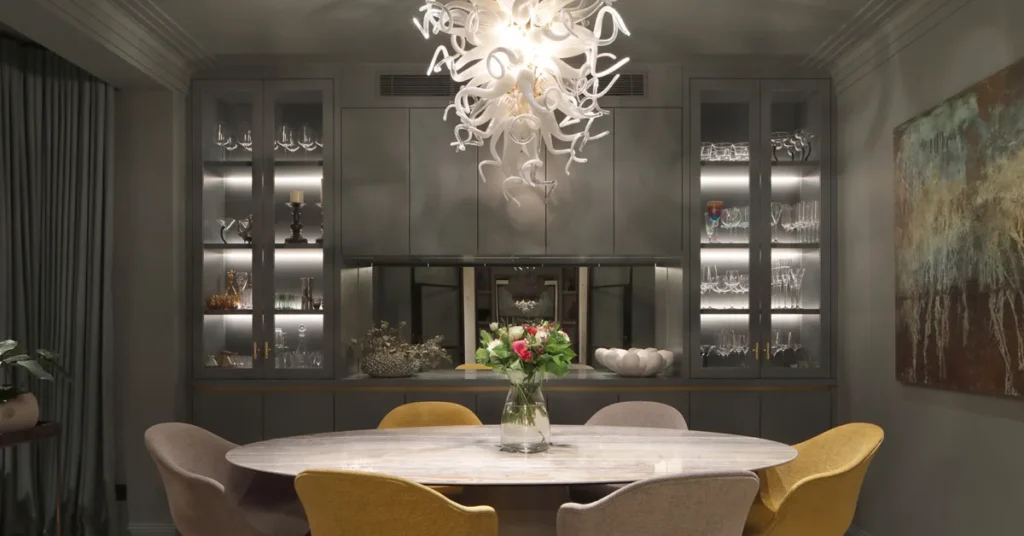
For buyers who want their exterior lighting to look considered rather than functional-only, premium fixtures bring better base materials, cleaner finishes, and stronger, more consistent light output than entry-level models. This guide covers what genuinely justifies the higher price versus what’s just brand markup. See the picks: Luxury Solar Lights (Premium).
Lantern-Style Solar Lights
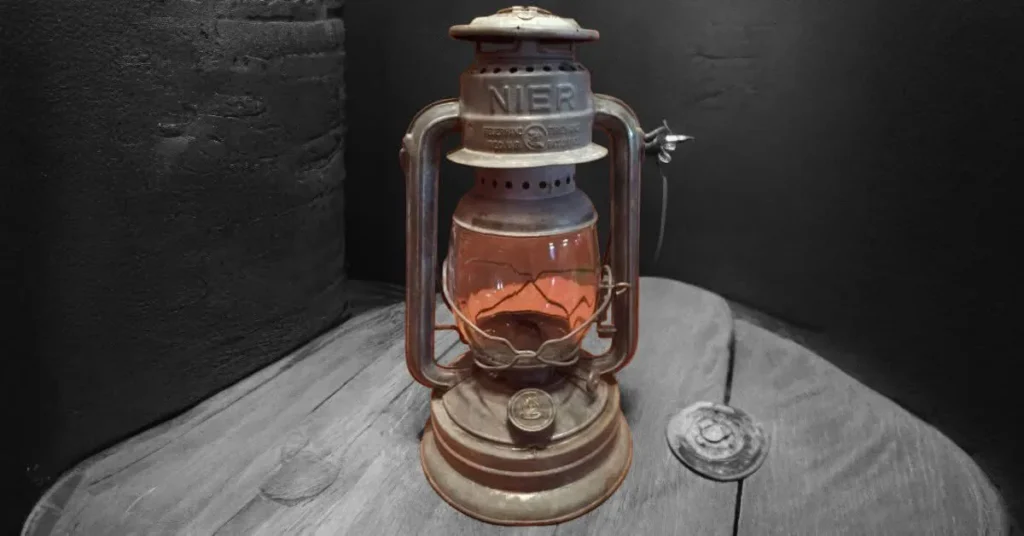
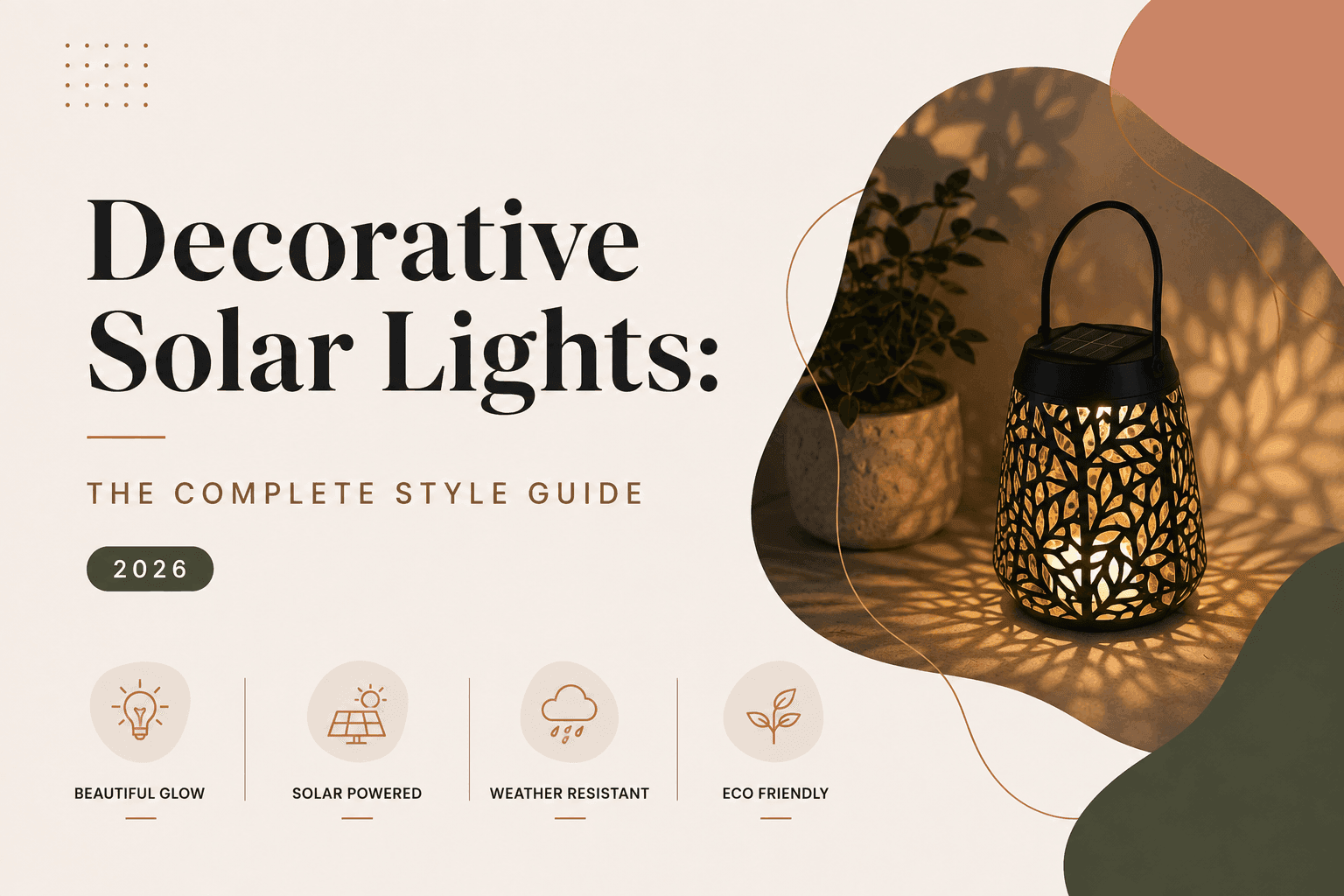
Lantern fixtures trade raw brightness for atmosphere, the metal-and-glass housing diffuses light into a softer glow rather than directing it, which suits entertaining spaces better than security corners. Tempered glass models resist hail and impact better than standard glass, and quality lanterns typically run $40 to $80, roughly double a comparable modern fixture, but last five to seven years with basic care. Full breakdown: Lantern-Style Solar Lights.
Coming Soon: Best Color-Changing (RGB) Solar Lights
This guide is still in testing. Check back soon for the full rundown on RGB fixtures for anyone who wants their fence line to match the mood of the evening.
Themed and Novelty Solar Lights
Shape-driven lights blend into a home’s existing architecture. Themed lights do the opposite, they’re chosen specifically to stand out and say something about the person who bought them.
Mosaic Solar Lights
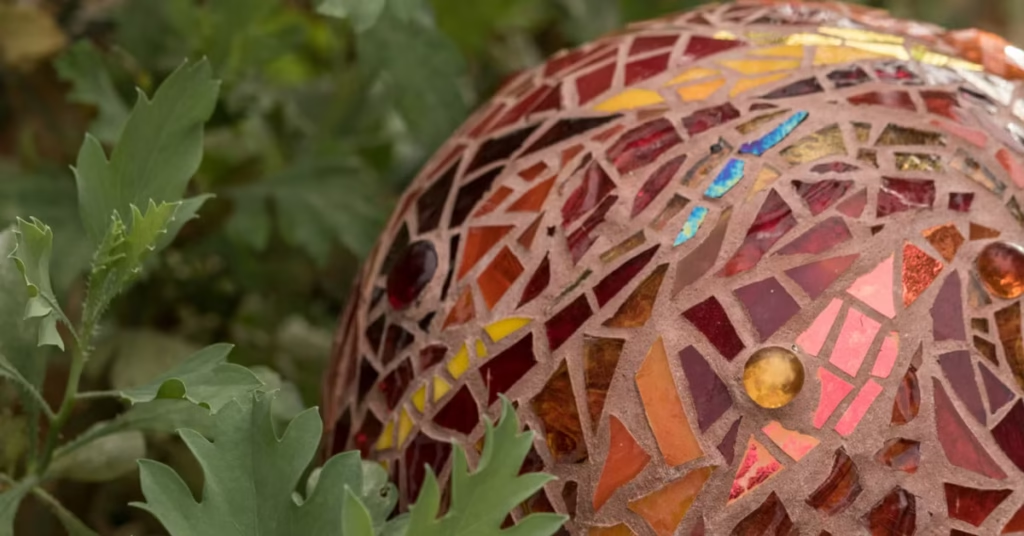
Stained-glass-style casing throws colored light patterns across the ground and nearby walls rather than a flat beam. Mosaic lights come as ground stakes for pathway edging, hanging versions for pergolas and hooks that sway gently and cast moving light, and ball styles for tabletops. A quality fixture with a full day of sun typically runs 5 to 8 hours after dark. Full guide: Mosaic Solar Lights.
Solar Hot Air Balloon Light
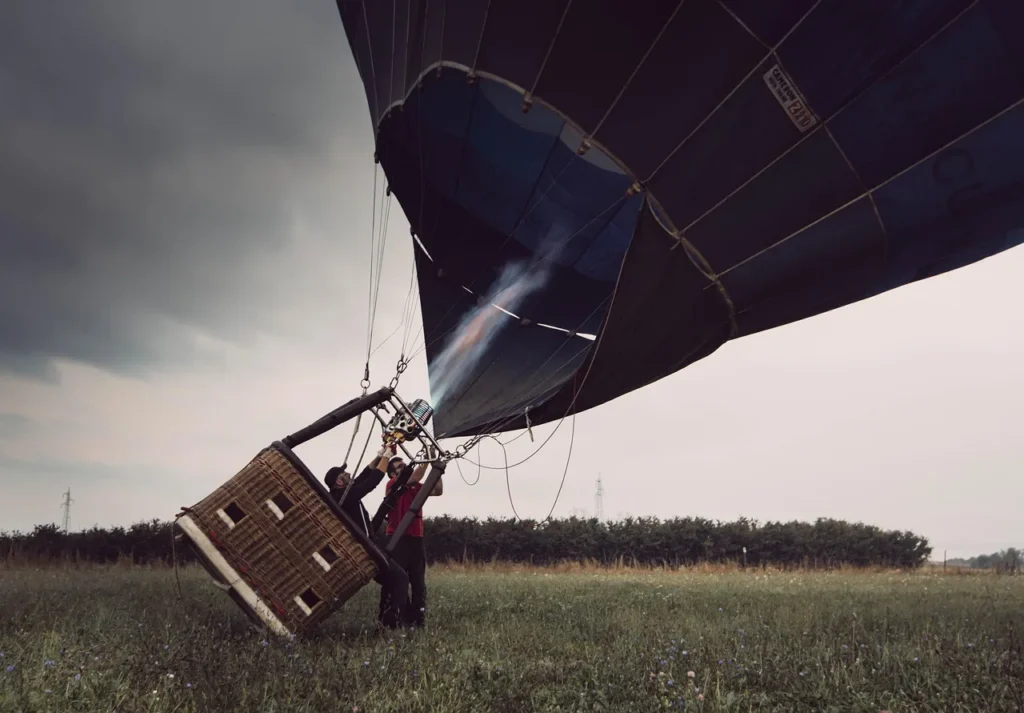
This one’s a centerpiece, not a crowd. A single oversized balloon-shaped fixture reads as a genuine focal point in a way that scattering several would undercut, it’s built to be the thing your eye lands on, not one of many. Worth reading before buying, since sizing and placement make or break the effect: Solar Hot Air Balloon Light.
Tiki Torch Solar Lights
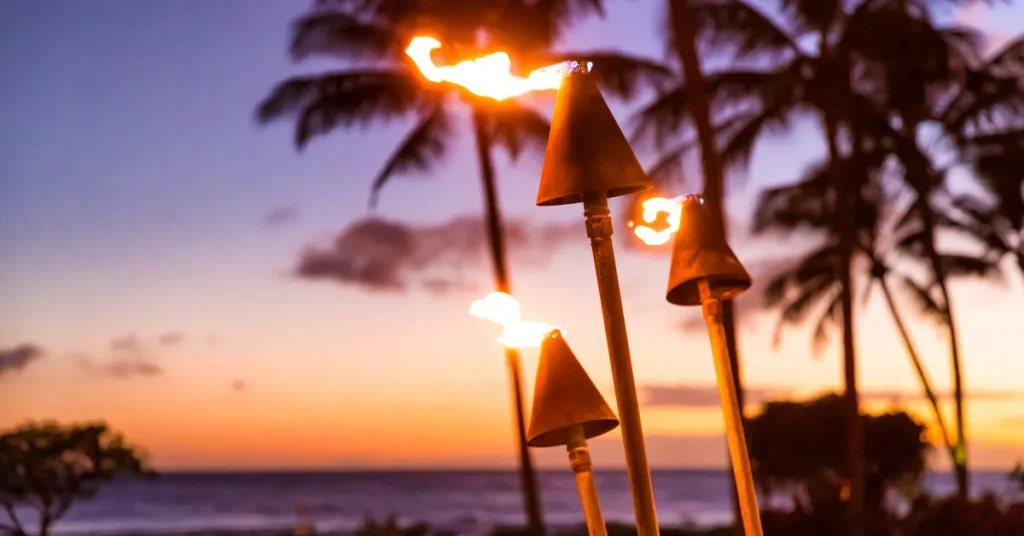
Real tiki torches mean fuel canisters, open flame, and a genuine fire risk near dry grass or wooden decking. Solar versions replicate the flickering warm glow through LEDs instead, which means pool decks and patios get the tropical-party look without anyone needing to remember to extinguish anything. Details: Tiki Torch Solar Lights.
Solar Animal Lights
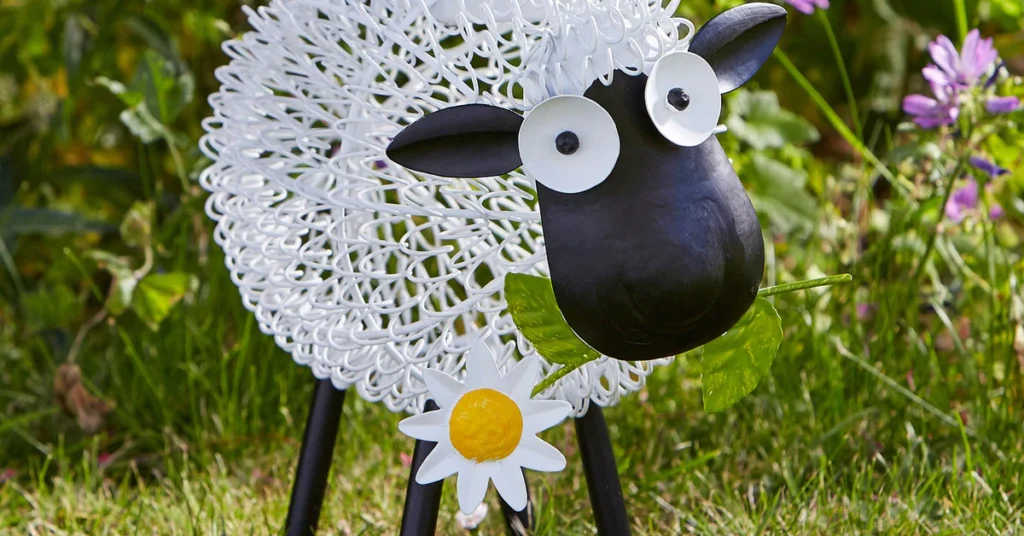
Owls, rabbits, hedgehogs, animal-shaped fixtures double as garden sculpture during the day and light source at night, which is honestly the better deal of any style on this list. They work well scattered through flower beds and borders where a single geometric fixture would look out of place. Browse the options: Solar Animal Lights.
Solar Unicorn Garden Lights

Built specifically for kids’ outdoor spaces, unicorn-shaped lights are less about matching your home’s design language and more about giving a backyard corner some actual personality a child will notice. Bright colors, whimsical shape, genuinely fun rather than just cute. See the picks: Solar Unicorn Garden Lights.
Mason Jar Solar Lights
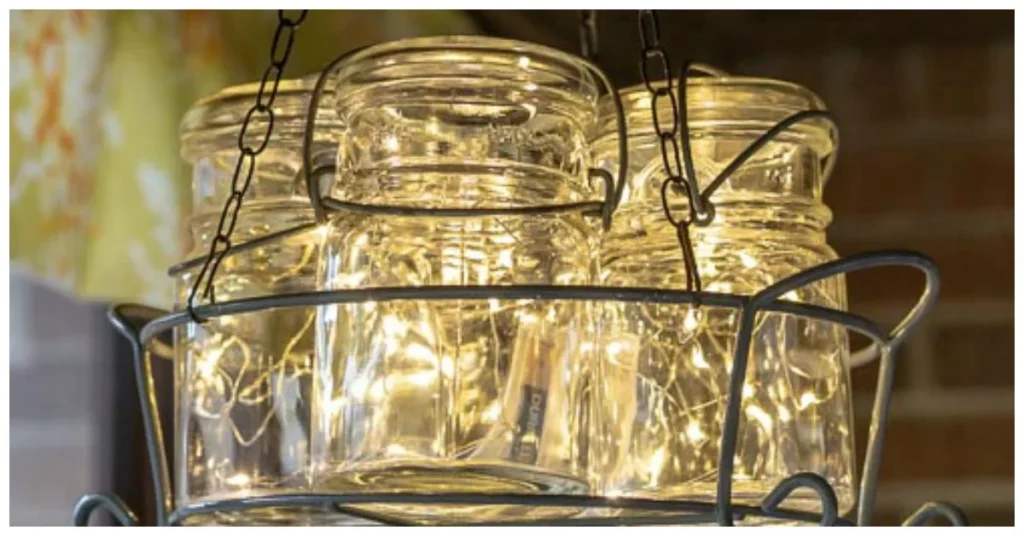
This is the DIY favorite for a reason. A solar lid from a brand like LITOM or Brightech runs $10 to $15, screws onto a mason jar you probably already own, and delivers a soft 20 to 50 lumens of warm glow — enough to see faces across a table, not enough to read by. LiFePO4-equipped lids last three to five years versus roughly two for cheaper NiMH versions, and a full four-jar setup runs about $60 total against $800 to $1,300 for the hardwired equivalent with an electrician. Full guide: Mason Jar Solar Lights.
Solar Watering Can Light
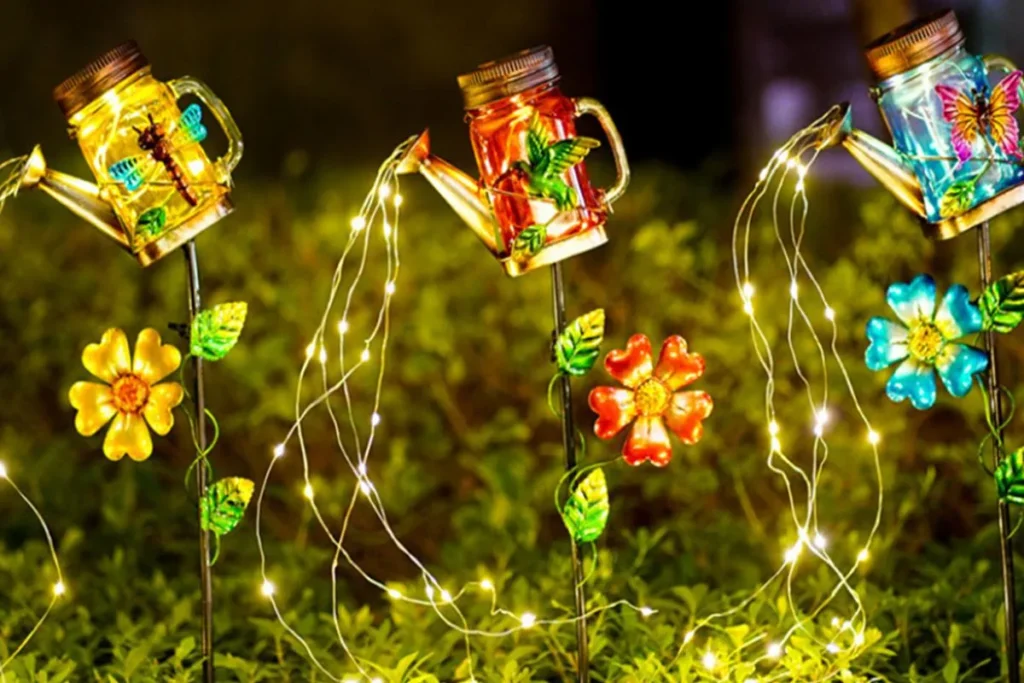
Half garden decor, half light source — a watering can fixture sits on a shelf or in a flower bed looking exactly like garden decor should, then glows softly once the sun goes down. It doesn’t announce itself as “outdoor lighting equipment” the way a standard fixture does. Read the guide: Solar Watering Can Light.
Solar Sunflower Light
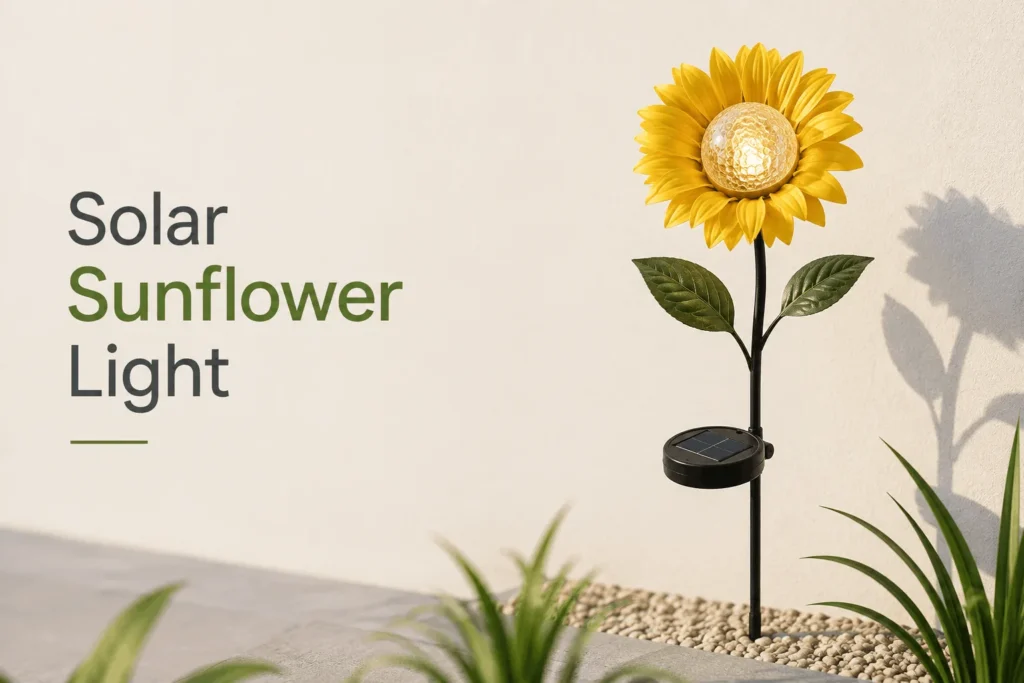
Real sunflowers wilt by fall. Solar sunflower lights don’t, which is more or less the entire pitc, a bit of summer color planted in a garden bed or along a fence line that stays put through every season. Details: Solar Sunflower Light.
How to Make Solar Light Jars at Home
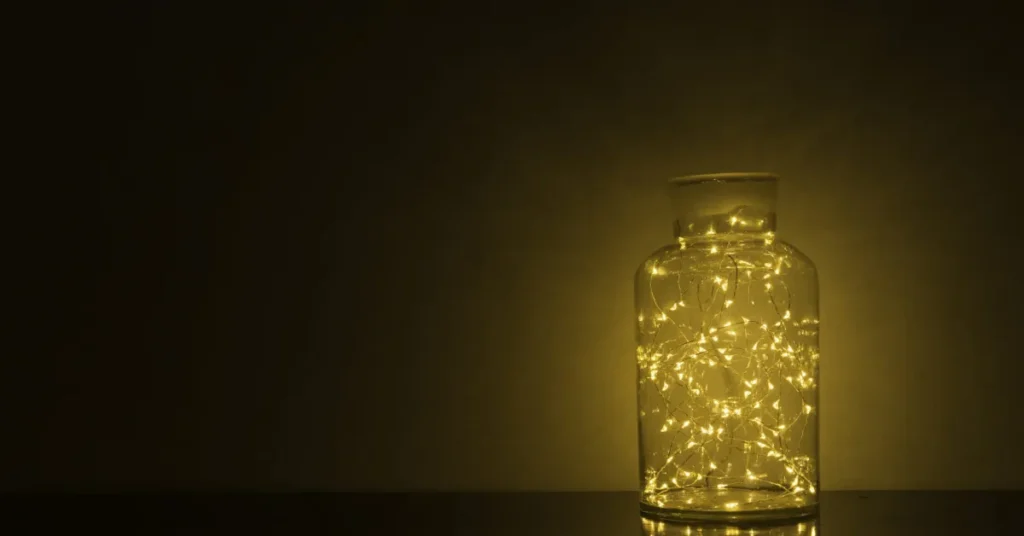
For anyone who’d rather build than buy, this tutorial walks through assembling solar light jars from parts you can source without much hunting, a genuinely doable weekend project instead of a purchase decision. Full tutorial: How to Make Solar Light Jars at Home.
Coming Soon: Best Solar Wind Spinners & Chimes
On the way, for yards that want motion and sound alongside the light. We’ll publish this one shortly.
Matching Solar Light Style to Your Home
The best decorative solar light isn’t the one with the most five-star reviews. It’s the one that fits how your home looks and how your family actually uses the space.
Modern and contemporary homes do best with square, cube, flat, and black-finish fixtures, clean lines matched to clean architecture, with matte black working against almost any exterior color. Neon-style and luxury fixtures lean this direction too, for anyone who wants a bit more visual presence.
Traditional and cottage homes suit lantern-style, mason jar, and watering can lights better than anything with sharp geometric edges. These shapes read as familiar rather than trendy, and they tend to age gracefully instead of looking dated after a season. Mosaic lights fit here as well , colored glass echoes older, handcrafted lighting traditions.
Fun, family-focused yards call for animal, unicorn, and hot air balloon lights, chosen more for how the space gets used than for matching the house. Sunflower and star-shaped fixtures work as a middle ground: whimsical enough for kids to notice, subtle enough not to clash with everything else.
Installation and Placement Basics
Most decorative solar lights install in minutes with zero tools and zero electrician. A few habits separate a fixture that performs well from one that quietly underdelivers.
Wall-mounted styles generally work best between 7 and 8 feet off the ground, lower narrows the beam too much at ground level, higher loses coverage where it matters. Wipe the solar panel with a damp cloth roughly once a month; dust and pollen cut charging efficiency more than most people expect, and it takes under two minutes. A single fixture placed alone in the middle of a fence or wall tends to look like an afterthought — two or three of the same style, evenly spaced, reads as an actual design choice instead. And check the mounting method before buying: post caps sit by weight, wall lights need screws or adhesive, stakes just push into soil. Match the method to the surface you actually have.
Is the Higher Price Worth It?
Decorative solar lights span from a few dollars for a basic plastic stake to well over $80 for premium aluminum or branded lantern fixtures. The gap usually comes down to three things: battery chemistry, housing material, and whether the solar panel is monocrystalline (efficient) or a cheaper amorphous type (slower to charge, especially on cloudy days).
Paying more for a replaceable LiFePO4 battery and UV-stable housing tends to pay for itself within two or three years, since you’re not replacing an entire fixture when a sealed battery dies. Where budget models genuinely make sense: low-lumen, purely decorative pieces that spend their whole life doing ambiance work rather than functional lighting, a basic star light or mason jar lid doesn’t need luxury-grade components to do its one job well.
The exception is anything mounted somewhere annoying to reach, a high fence line, a pergola beam, the top of a post cap you’d need a ladder for. Spend a bit more there. Climbing up twice a year to fix a five-dollar light costs more effort than buying the better one once.
Common Mistakes When Buying Decorative Solar Lights
- Buying purely on looks and skipping the lumen count. A gorgeous fixture that goes dark by 10 p.m. stops being decorative fast.
- Choosing cool white because the box claims “brighter.” Warm white almost always looks better against a home exterior — cool white reads clinical outdoors.
- Ignoring the IP rating entirely. Anything under IP65 struggles the first time it rains hard, regardless of how nice the housing looks.
- Buying a sealed-battery light without realizing it. It looks identical to a replaceable-battery model on the shelf. You find out the difference around year two.
- Mismatching the fixture to the spot. Sun-hungry fixtures need real direct light to charge properly; shade-tolerant designs exist for a reason. Check before you place, not after.
- Skipping the material check on novelty pieces. A cute animal or sunflower shape made from unstabilized plastic can fade or crack within a single summer, the shape isn’t the weak point, the plastic underneath usually is.
- Expecting one style to do everything. A single fixture rarely covers both function and personality well. Mixing a shape-driven light for practical spots with a themed piece for character elsewhere in the same yard usually works better than forcing one style to carry the whole space.
FAQs
Which decorative solar light style lasts the longest?
Powder-coated aluminum or metal fixtures paired with a replaceable LiFePO4 battery last the longest, regardless of shape or theme. The finish and the battery chemistry matter more than which shape you pick.
Are novelty solar lights bright enough to actually see by?
Most novelty lights animals, sunflowers, mason jars, sit under 100 lumens and are built for ambiance, not visibility. For actual functional light, pair one with a brighter fixture nearby, or choose a shape-driven light rated 200+ lumens instead.
Can decorative solar lights replace my regular outdoor lighting?
For security or task lighting, not really, most decorative fixtures simply aren’t bright enough for that job. For porch ambiance, garden accents, and general evening charm, they work easily and cost nothing to run.
Are these lights safe for a yard where kids play?
Yes. Solar lights run on low-voltage rechargeable batteries with no exposed wiring, which makes them meaningfully safer around kids and pets than any hardwired alternative.
Do decorative solar lights work in winter?
They keep working, just with shorter runtimes, cold weather reduces battery efficiency and shorter days mean less charging time. Brushing snow off the panel after each storm helps noticeably.
How many decorative solar lights does an average yard actually need?
There’s no fixed number; it depends on the space and what you’re highlighting. As a rule of thumb, group fixtures in twos or threes around one feature, a doorway, a fence line, a flower bed, instead of scattering single lights randomly.
Do I need to switch decorative solar lights off during the day?
No. Quality fixtures use a built-in light sensor that switches off automatically at sunrise and back on at dusk. Nothing to remember, nothing to flip manually.
Summary
Decorative solar lights aren’t just a shape you happen to like. The right pick depends on your home’s architecture, how the space actually gets used, and whether you check the specs, lumens, IP rating, color temperature, battery chemistry before adding anything to a cart.
Start with the shape or theme that fits your home, read the full guide for that specific style, and build from there. A single fixture rarely transforms a yard on its own. Two or three of the same style, placed with some intention, usually does the job a dozen mismatched lights can’t.
No wiring. No electrician. Just sunlight, doing the work it was always going to do anyway.