Table of Contents
How Solar Trail Lights Transformed Our Dark Forest Path Into A Safe Evening Hiking Destination
When Our Favorite Trail Became Too Dangerous After Sunset
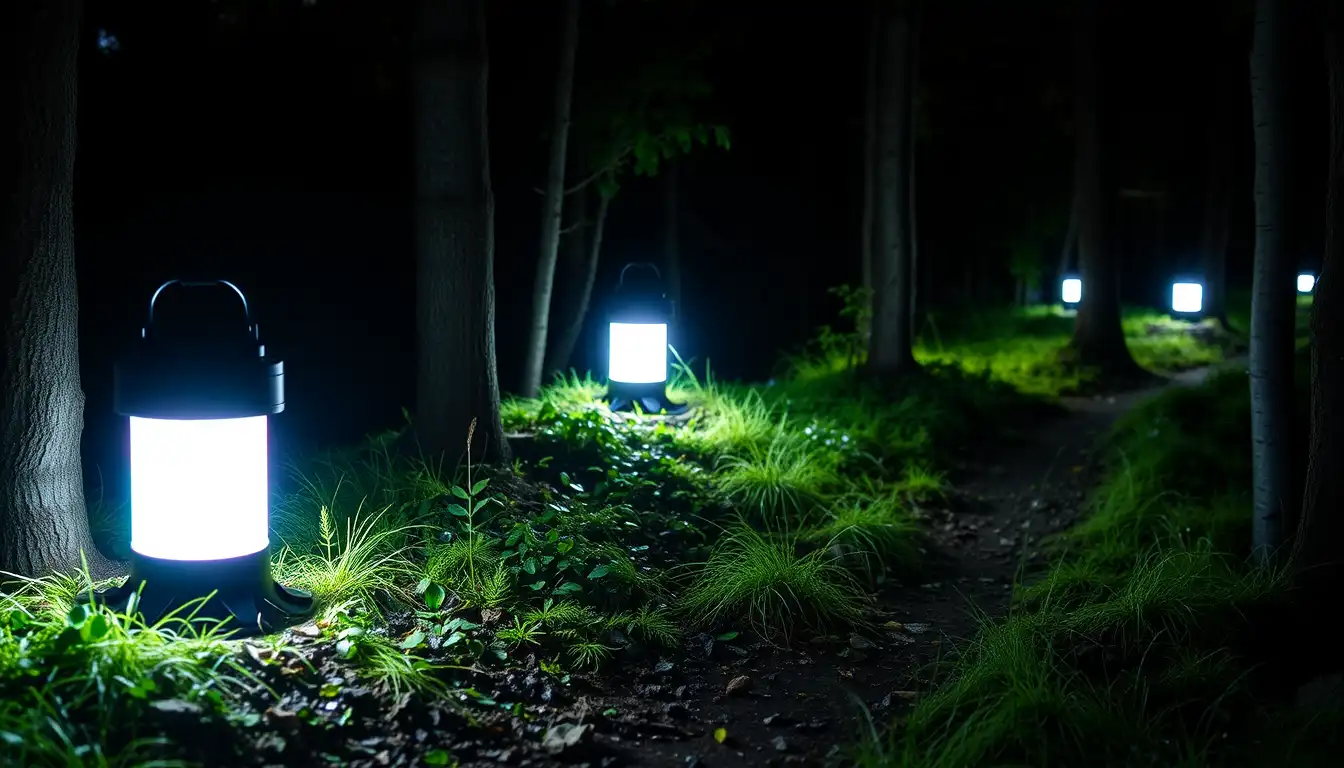
I discovered a beautiful forest trail near my home. Three miles of winding path through old oak trees. Perfect for morning walks. But as daylight shortened in autumn, evening walkers faced darkness. The trail became dangerous. People twisted ankles on hidden roots. Fallen branches blocked the path. Hikers felt afraid of encountering wildlife they couldn’t see. The trail went unused after sunset. That bothered me. A gorgeous natural space abandoned for half the day felt like waste. Then I learned about solar trail lights and felt hopeful. The solution seemed perfect for remote forest paths. No electricity grid needed. No expensive trenching. Just solar panels charging during the day and lights providing safety at night.
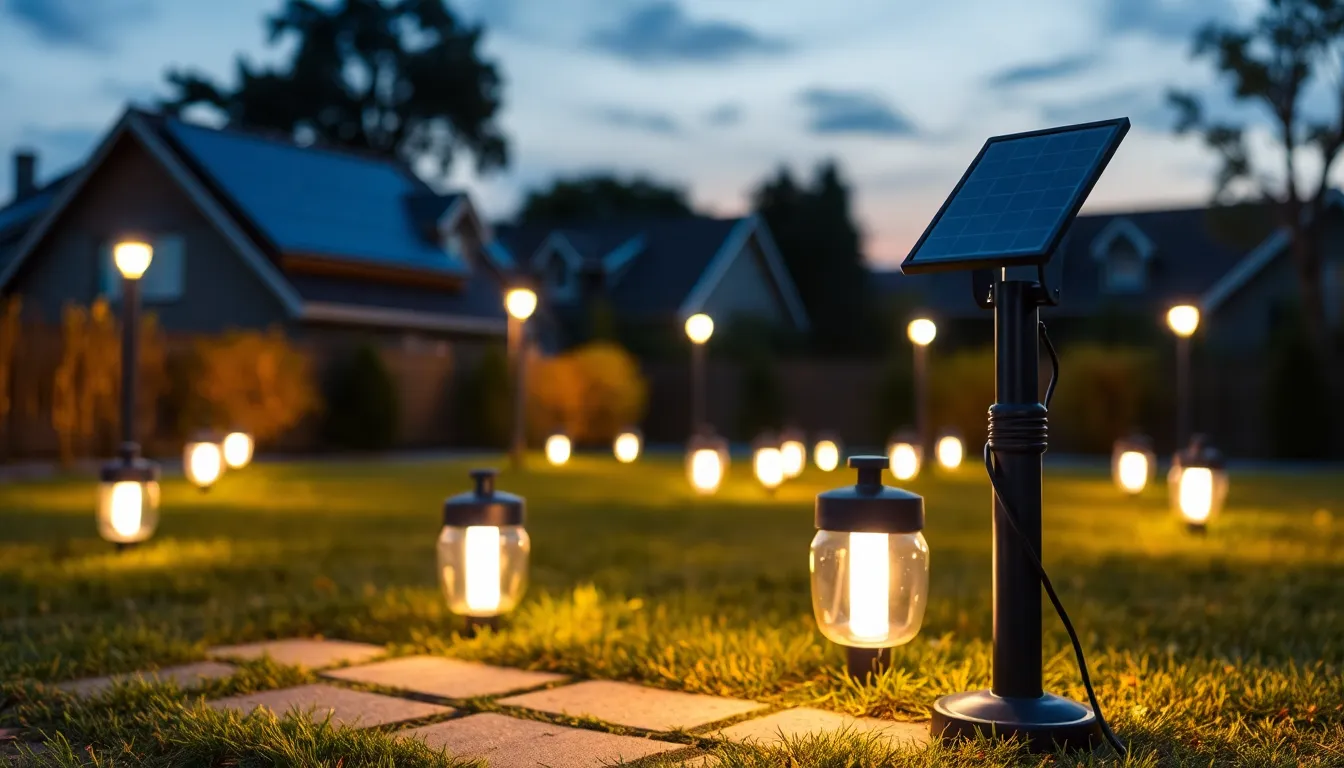
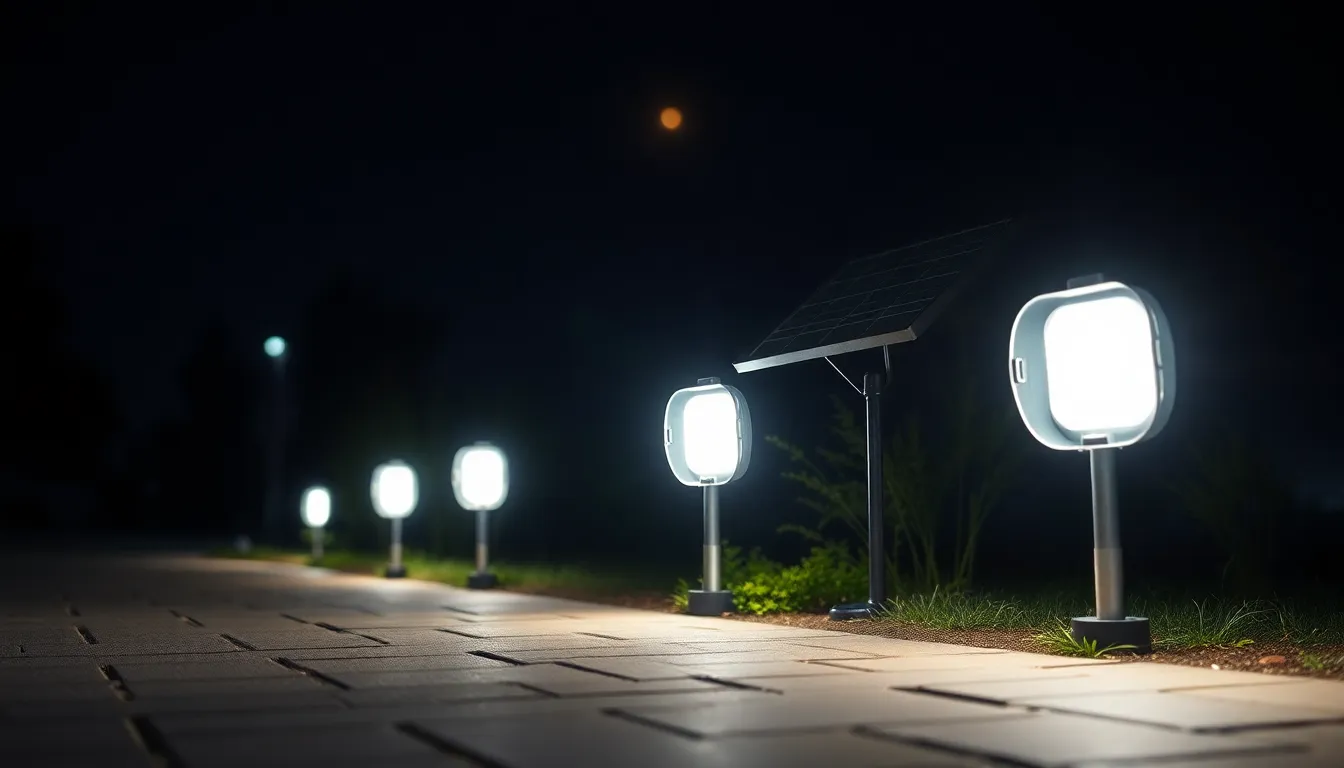
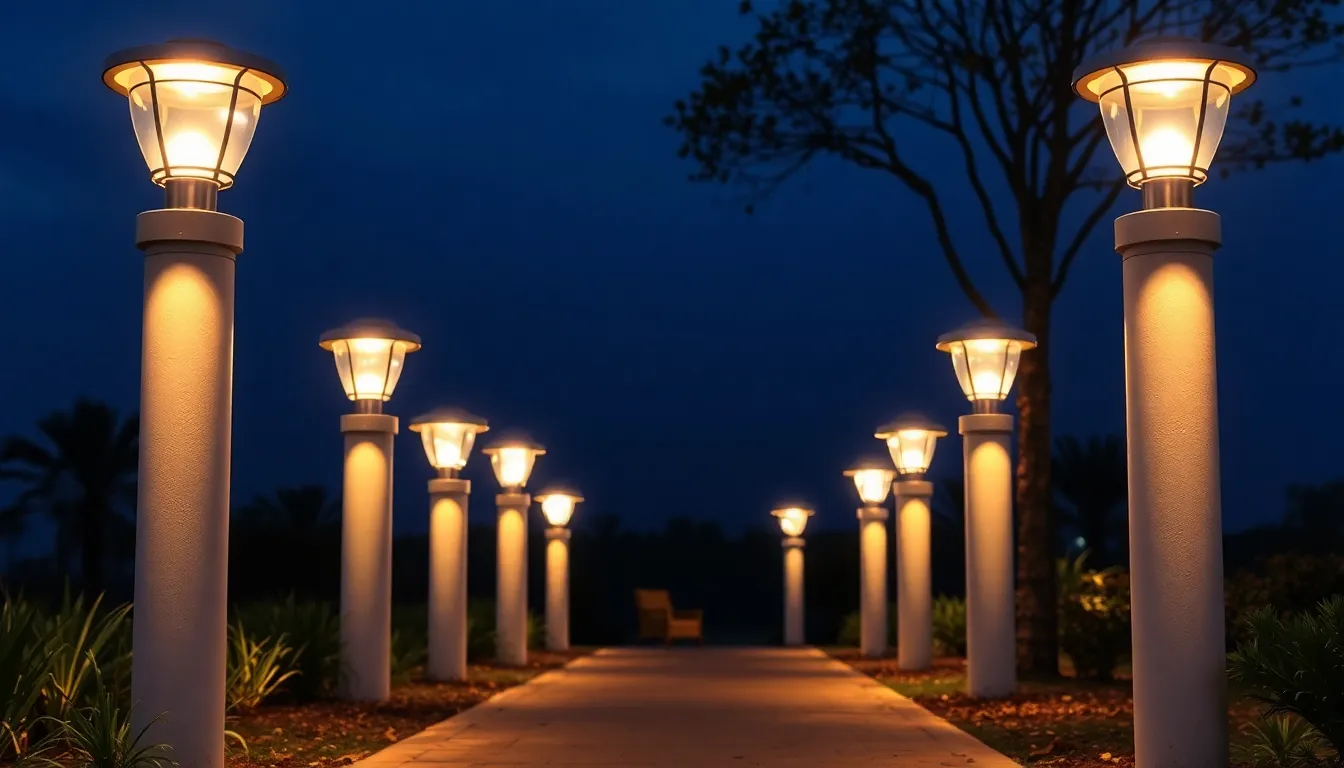
I partnered with the parks department and installed solar pathway lights along the trail. Lights mark dangerous areas. They illuminate the path surface. They highlight sharp turns. The result was remarkable. Evening hikers returned. The trail became busy again. Dogs and owners used it after work. People felt safe navigating the darkness. The economic calculation was simple. Zero electricity costs for the parks department. Improved community access to nature. Enhanced public safety on city property. Within six months, evening trail use tripled. The forest path transformed from abandoned to thriving.
Why Forest Trails Need Dedicated Solar Lighting
Trail safety depends on visibility. Hikers need to see the path surface. They need to spot hazards. Rocks, roots, water crossings, sharp turns all become dangerous in darkness. Good lighting prevents accidents. This is measurable and preventable. Poor visibility causes twisted ankles, falls, and worse injuries.
Navigation becomes difficult without lighting. People get lost on unmarked sections. Even marked trails confuse hikers in darkness. Solar lights mark the pathway clearly. Reflectors on light stakes guide walkers. This guidance prevents getting lost or wandering onto dangerous side paths.
Wildlife safety matters too. Unexpected animal encounters frighten hikers. Bears, mountain lions, and other wildlife avoid lit areas. Animals sense human presence through light and sound. Well-lit trails discourage wildlife from approaching. This protection works both directions. Humans stay safer from wildlife while wildlife avoids conflict with humans.
Weather challenges increase trail hazards at night. Rain makes surfaces slippery. Snow hides obstacles. Ice forms on untreated pathways. Darkness amplifies these hazards dramatically. Lighting lets walkers see these conditions and navigate carefully. Without light, hiking becomes nearly impossible during inclement weather.
Community access expands with evening lighting. After-work hikers enjoy trails. Summer evening walks become possible. Parents walk children before bedtime. Elderly people get exercise on convenient evening schedules. Lighting enables broader community use of public green spaces.
2026 Solar Trail Lighting Technology
Modern systems designed for outdoor trails are sophisticated and reliable:
- SEPCO solar pathway lights provide grid-free illumination for remote trails with 25-plus-year panel lifespan and GEL battery backup for minimum five nights cloudy operation.
- Fonroche NOWATT systems use innovative designs for parks, trails, and pathways with strategic placement at trailheads, crosswalks, and critical visibility points following Rails to Trails Conservancy and AASHTO standards.
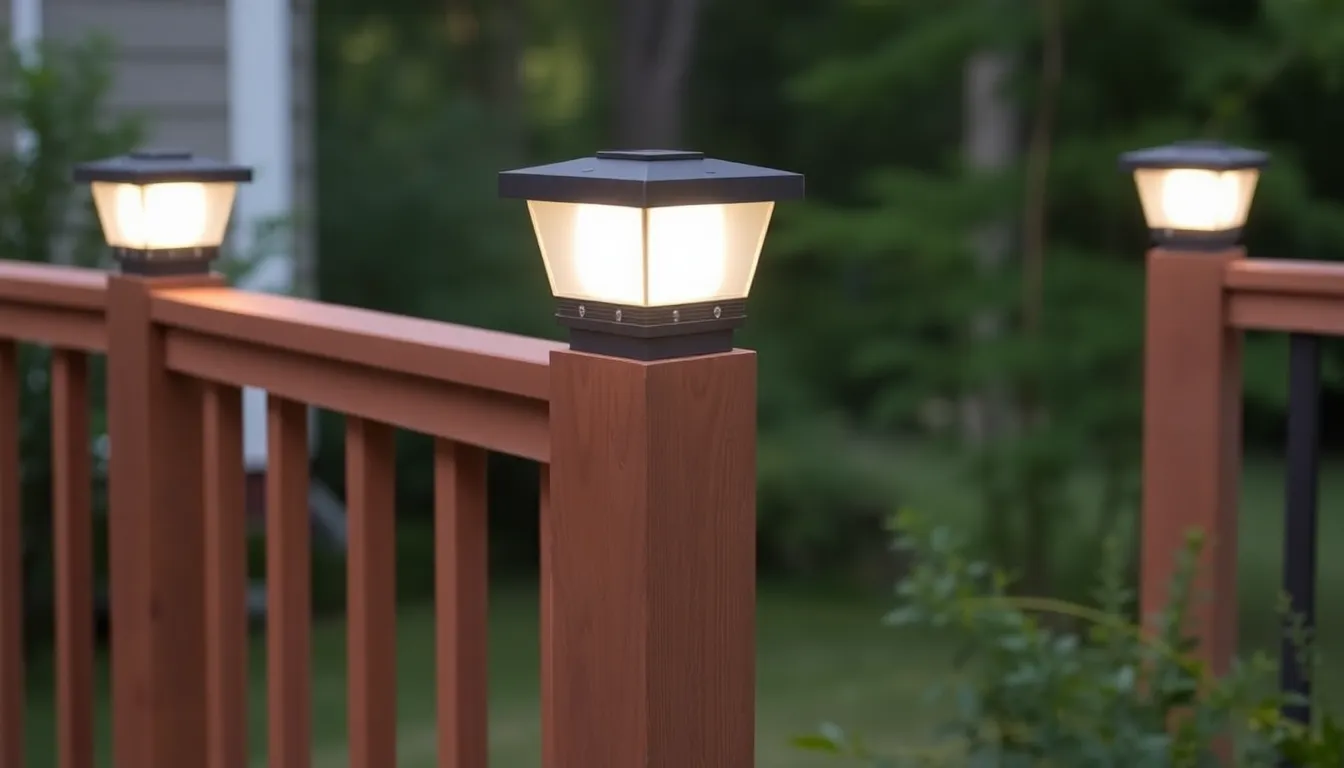
- Beau Jardin color-changing solar pathway lights earned top testing ratings from Consumer Reports with real glass shades, long-lasting dusk-to-dawn illumination in multiple selectable colors, and classic aesthetics.
- Gama Sonic matte black pathway lights provide dependable performance with stainless steel construction and weatherproof glass shades creating attractive light patterns on ground surfaces.
- GIGALUMI solar lights feature deep bronze metal color complementing natural settings with multifaceted glass designs creating starburst illumination patterns that last through dawn.
Trail-specific installations require careful planning. High-traffic areas like entrances, parking areas, and trailheads get priority lighting. Sight lines at sharp turns need illumination. Water crossings require extra attention. Steep sections demand visibility for safe footing.
Real Trail Projects Successfully Using Solar Lights
Parks across America adopt solar trail lighting. City parks install bollard lights along riverwalks for safe evening pedestrian access. Nature preserves use systems at trailheads while protecting ecosystems from excessive lighting. Small towns implement solar pathways as affordable alternatives to expensive grid-connected infrastructure.
The Rails to Trails Conservancy documents hundreds of trail projects incorporating solar lighting. These converted rail corridors serve commuters and recreation users. Lighting extends usage hours. Safety improves. Communities embrace these sustainable infrastructure solutions.
Remote forest trails benefit most from solar technology. Trails without grid access couldn’t previously add lighting. Solar solves this completely. Battery backup systems maintain operation during extended cloudy periods. Winter performance in northern climates remains reliable.
Community trail organizations report increased evening usage immediately after solar installation. Volunteers document more walkers, runners, cyclists, and families using trails after sunset. Safety concerns decrease. Crime in lit areas drops measurably.
Real Advantages For Forest Trail Lighting
- Zero electricity costs represent genuine operational savings. Trails operate independently from the electric grid. No monthly bills. No trenching costs. Annual savings reach hundreds of dollars for parks departments managing multiple trail sections.
- Grid-free installation enables remote trail lighting impossible with traditional systems. Trails far from electrical infrastructure now have lighting options. This capacity expansion reaches underserved communities.
- Environmental sustainability appeals to park users and managers. Solar-powered trails reduce carbon footprints. Renewable energy powers outdoor recreation. This aligns with conservation values held by trail users.
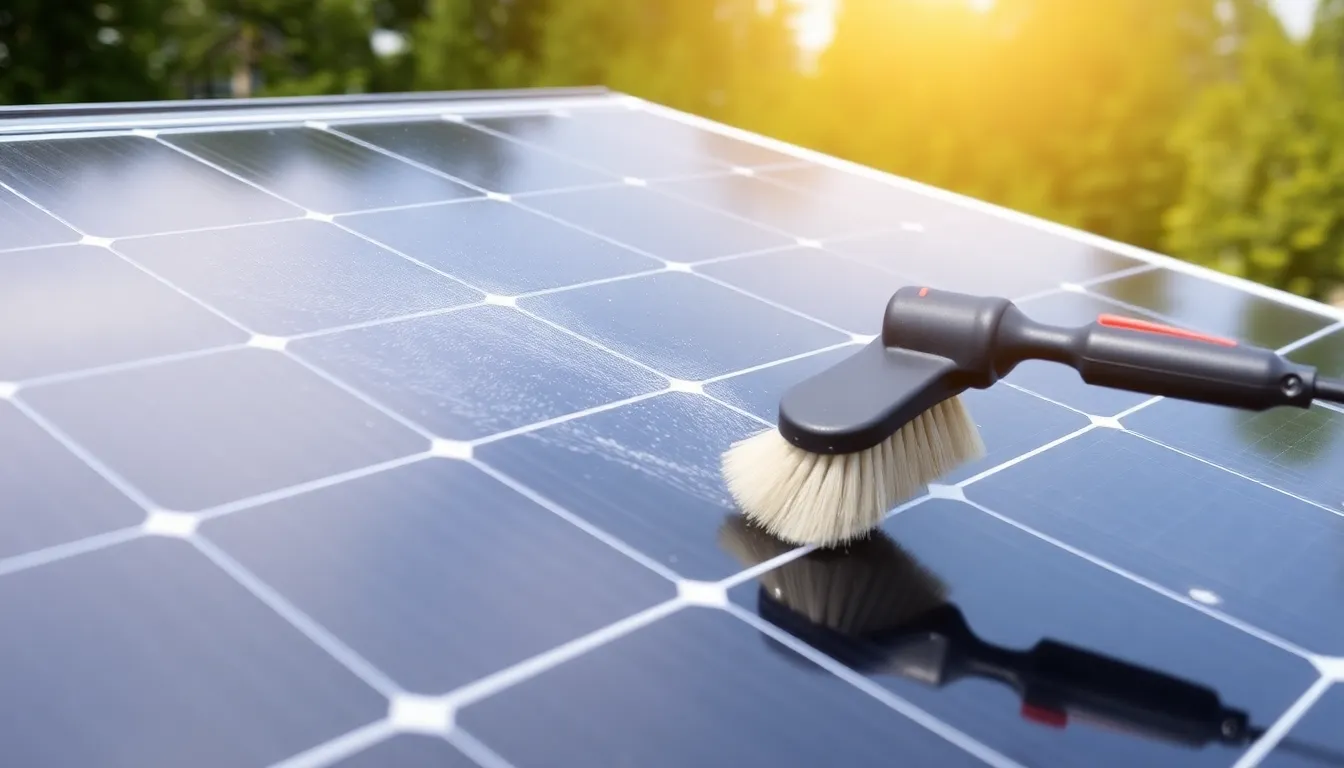
- Minimal maintenance requirements keep costs low. Solar panels require quarterly cleaning. Batteries last five to ten years. LED fixtures outlast traditional lighting. Maintenance staff handle operations easily without specialized electrical skills.
- Safety improvements measurable and documented. Trail injuries decrease. Evening usage increases. Police report fewer incidents in lit areas. Property crime drops. Documentation builds public support for continued investment.
- Quick installation minimizes trail disruption. No extended construction periods. Trail remains open during installation in many cases. Community accepts faster project timelines.
- Wildlife protection maintained. Strategic lighting focuses on pathways without excessive ambient illumination. Light pollution minimizes. Wildlife corridors remain dark. Ecological impact stays minimal.
Real Disadvantages For Trail Solar Lighting
- Upfront capital costs require municipal budgeting. Quality systems cost two thousand to five thousand dollars per installed unit. Parks departments must prioritize installations across multiple trail sections. Budget constraints limit deployment speed.
- Weather dependency affects winter performance in northern climates. Cloudy periods reduce charging capacity. Snow covering panels blocks energy generation. Systems require adequate battery backup for extended poor weather.
- Maintenance planning essential. Panels need quarterly cleaning for optimal performance. Battery connections require inspection. LED fixtures occasionally need replacement. Parks departments must allocate staff time for these tasks.
- Vandalism risk exists in urban trails. Vandal-resistant designs available but cost more. Light fixtures can be damaged by people or weather events. Insurance considerations necessary.
- Shade from trees reduces solar charging effectiveness. Trail sections beneath dense canopy charge slowly. System sizing must account for expected shade patterns. This complicates design planning.
- Initial installation requires site assessment. Each trail has unique characteristics. Custom designs necessary. Standard solutions don’t work universally. Engineering cost adds to project expenses.
How Parks Successfully Install Trail Solar Lighting
Start with trail assessment. Identify problem areas. High-traffic intersections. Sharp turns. Water crossings. Steep sections. Parking areas. These priority spots get lights first.
Calculate total lighting requirements. Determine desired illumination levels. Account for trail width and walking patterns. Design lighting layout to achieve safety goals without excessive brightness.
Research available products. Compare options from SEPCO, Fonroche, Beau Jardin, GIGALUMI, and others. Evaluate durability ratings. Check warranties. Review performance in similar climates.
Engage community stakeholders. Hold public meetings. Gather input on lighting preferences. Explain safety benefits. Address concerns about light pollution or ecosystem impact. Build support before installation.
Apply for grants and incentives. Many states fund trail safety improvements. Federal grants support transportation projects. Non-profit trail organizations often have funding available. These reduce municipal cost burden.
Develop phased installation plan. Start with highest-need sections. Install additional lights as budget allows. Multi-year projects spread costs. Document safety improvements. Share results publicly to build continued support.
Train maintenance staff. Explain cleaning procedures. Teach battery replacement. Develop inspection protocols. Create maintenance schedules. Proper care extends system life significantly.
Monitor performance. Track evening trail usage. Document safety incidents before and after installation. Measure community response. Document environmental impact. Use data to justify future expansion.
Summary
Solar trail lighting systems enable safe evening forest path use with zero electricity costs and grid-independent installation. Real systems from SEPCO, Fonroche, and Beau Jardin serve parks, trails, and community pathways using LiFePO4 and GEL batteries for reliable backup. Lighting reduces hiking injuries, enables broader community access, and protects wildlife ecosystems. 2026 installations prioritize trailheads, sharp turns, and water crossings following Rails to Trails Conservancy standards. Advantages include minimal maintenance, environmental sustainability, and measured safety improvements. Disadvantages include upfront capital costs and weather-dependent performance. Successful installation requires site assessment, product evaluation, community engagement, and phased implementation planning.