Table of Contents
WHY I FINALLY INSTALLED SOLAR LIGHTS ON MY SPANISH TERRACE
I moved to a villa outside Málaga three years ago and the terrace was my favorite space. During the day, it’s perfect for morning coffee and afternoon reading. But once the sun set around 7pm in winter, the terrace became completely unusable. My wife wanted evening entertaining but we couldn’t see anything after dark. We’d stumble around like idiots trying to set up chairs for dinner.
I called an electrician for a quote on traditional lighting. The guy looked at the terrace and said four thousand euros minimum. Trenching cables through the property, installing conduit, new electrical panel upgrades. I nearly fell over. That’s insane money for some lights.
My neighbor Carlos mentioned he’d installed solar lights on his property. I was skeptical honestly. I thought solar lights were those cheap plastic things that barely work. But he showed me his setup and they were actually decent. Good brightness, looked attractive, no wiring mess.
I bought six solar wall sconces and four pathway lights from a supplier in Málaga. Total cost was about six hundred euros. Installation took me three hours with basic tools. My wife set them up to highlight our garden features while I mounted the wall sconces around the terrace.
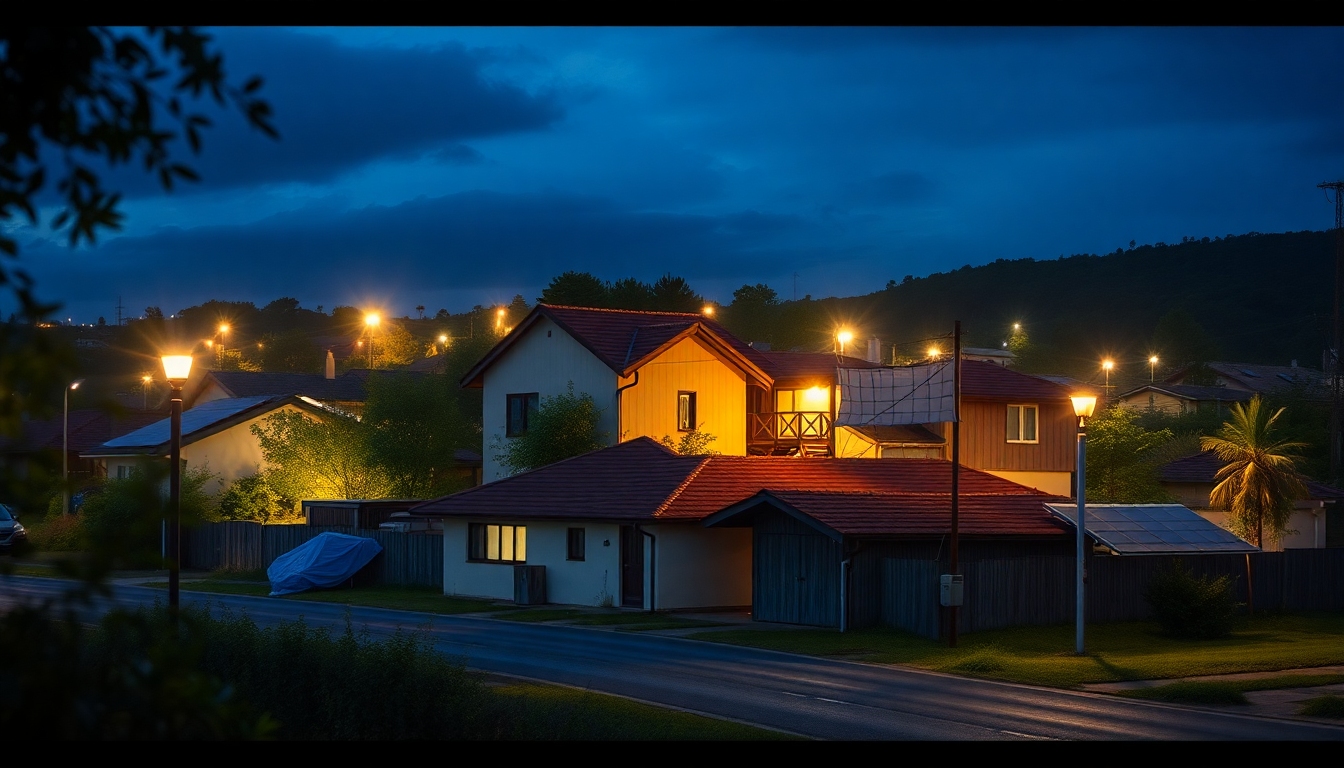
That first evening was honestly amazing. The terrace suddenly became a proper evening space. We had dinner outside at 9pm without any issues. The light was warm and inviting, not harsh like I expected. Our friends started asking about the lights because they looked so good.
Now eighteen months later, the lights still work perfectly. No maintenance beyond occasionally wiping dust and salt spray off the panels. The electricity bill hasn’t changed at all. Zero operating costs. I can’t believe I almost spent four thousand euros when this solution cost me six hundred.
UNDERSTANDING YOUR SPANISH CLIMATE AND SOLAR POTENTIAL
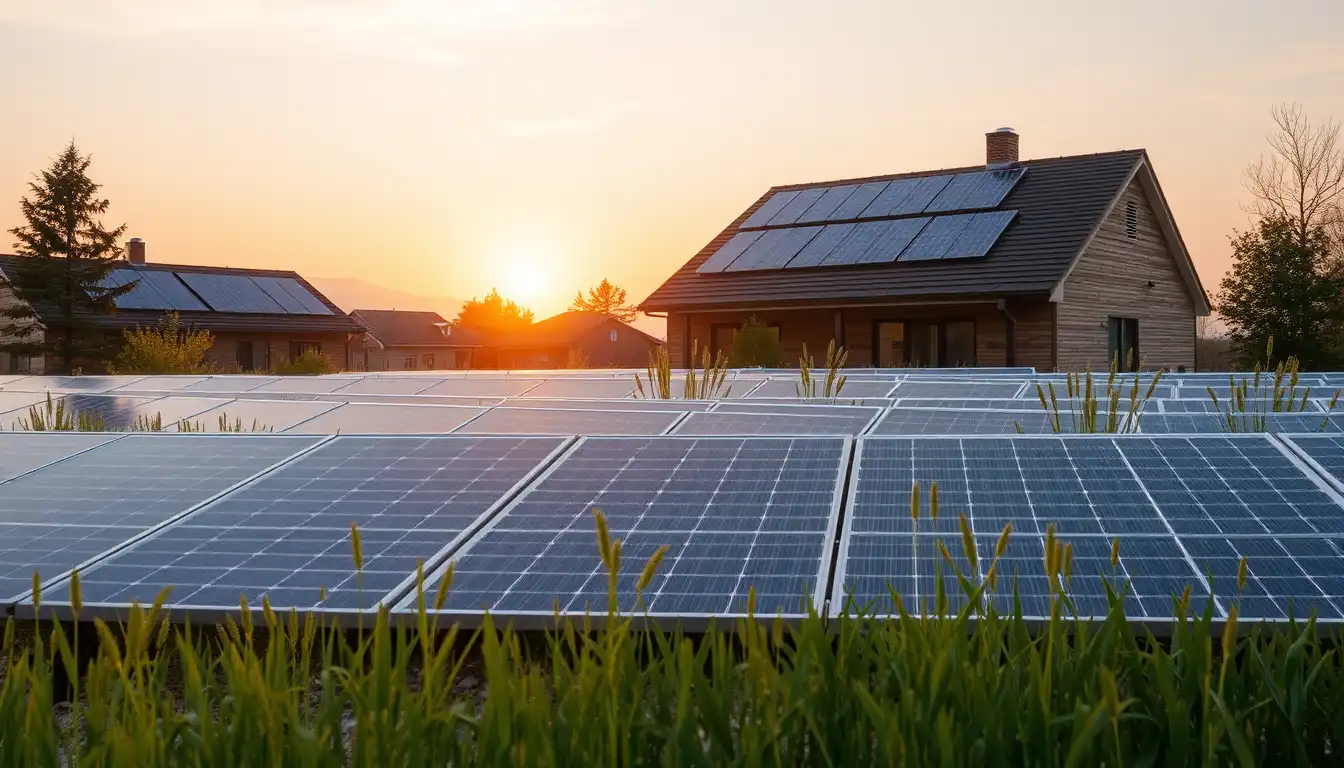
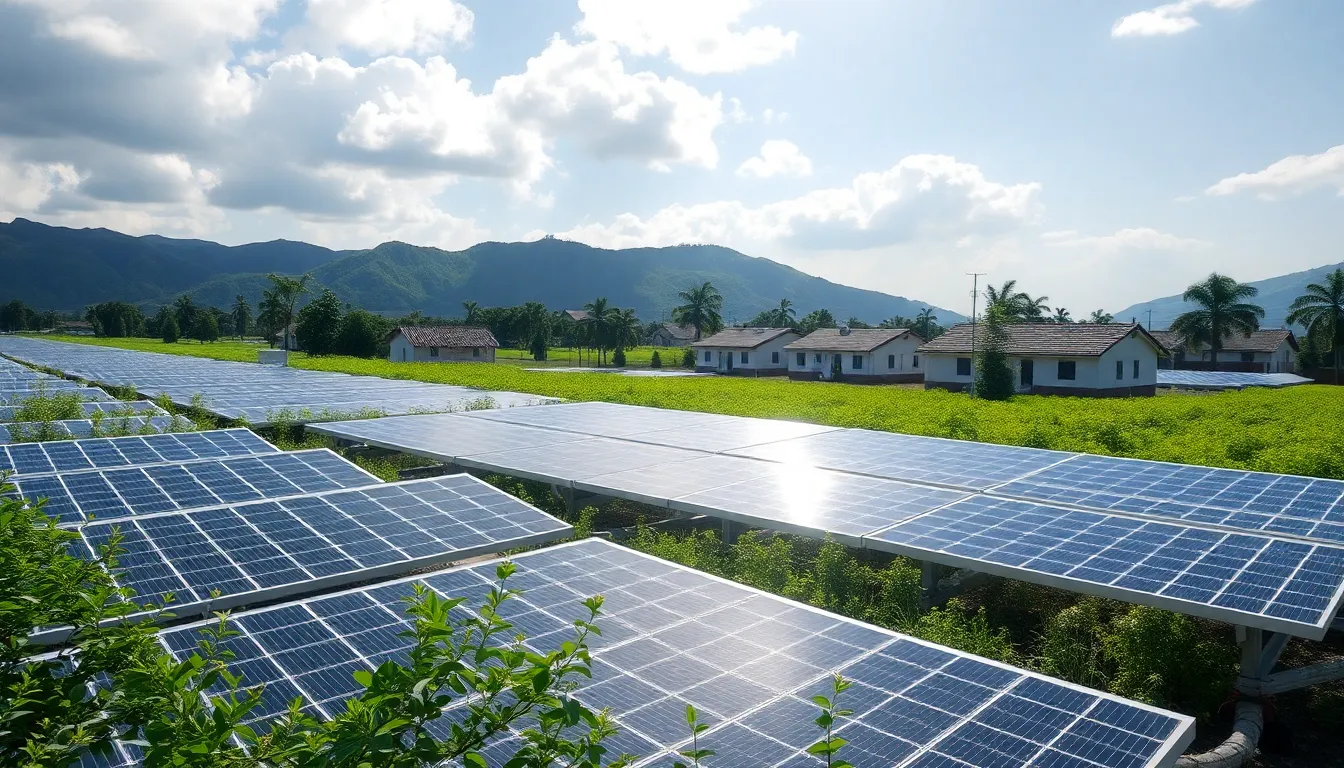
Spain gets serious sunshine. I’m in Málaga and we get about 320 days of sun annually. Even in winter when it rains occasionally, we still get decent charging days. The northern coast gets less sun obviously, but nothing like Germany or England. Even Asturias in the rainy north still has plenty of solar potential.
The Mediterranean coast is basically ideal for solar. I know friends in Barcelona and Valencia and they say their systems work just as well as mine. The summer is intense obviously. July and August are scorching but that also means maximum solar charging. Your batteries fill up completely by early evening.
Winter is the only real challenge. December through February the days are shorter. Charging happens but at reduced capacity. This is why battery size matters. If you install lights with small batteries, winter performance drops noticeably. But quality systems with decent battery capacity handle Spanish winters without problems.
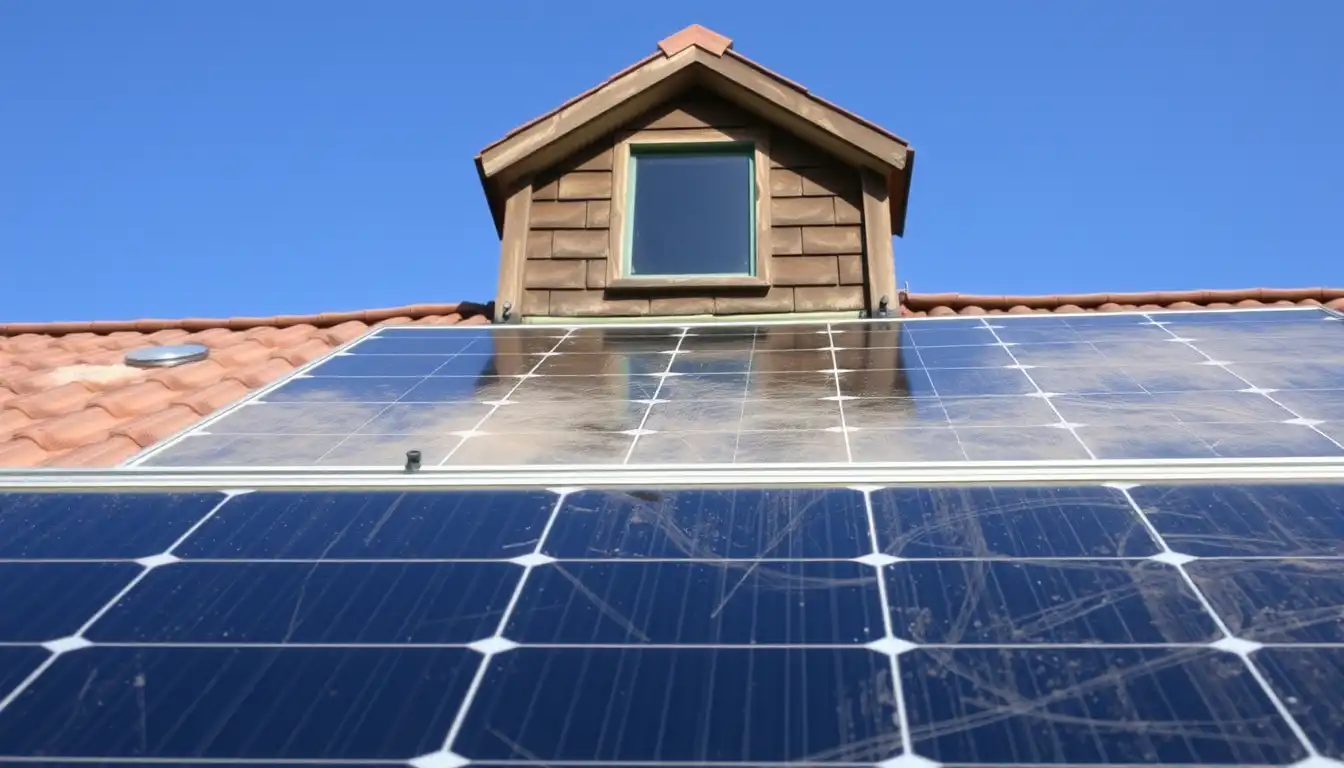
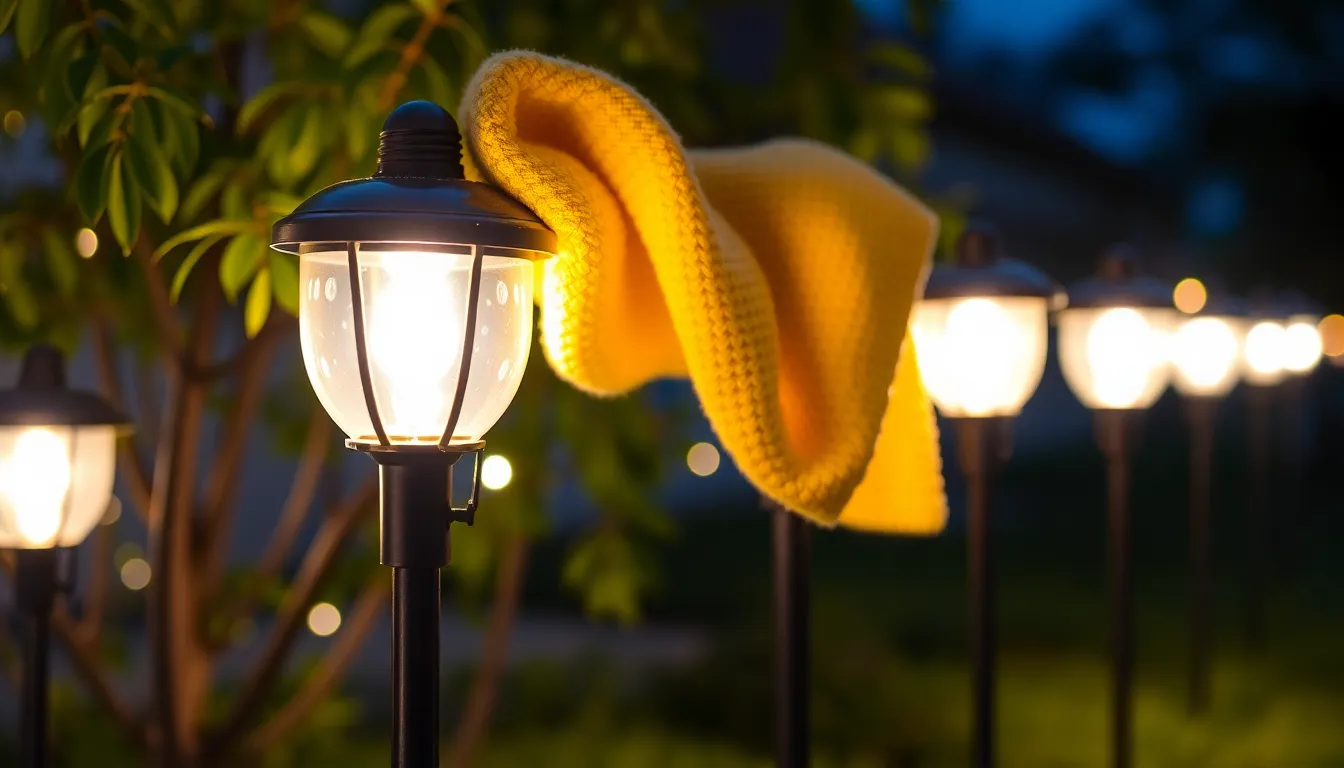
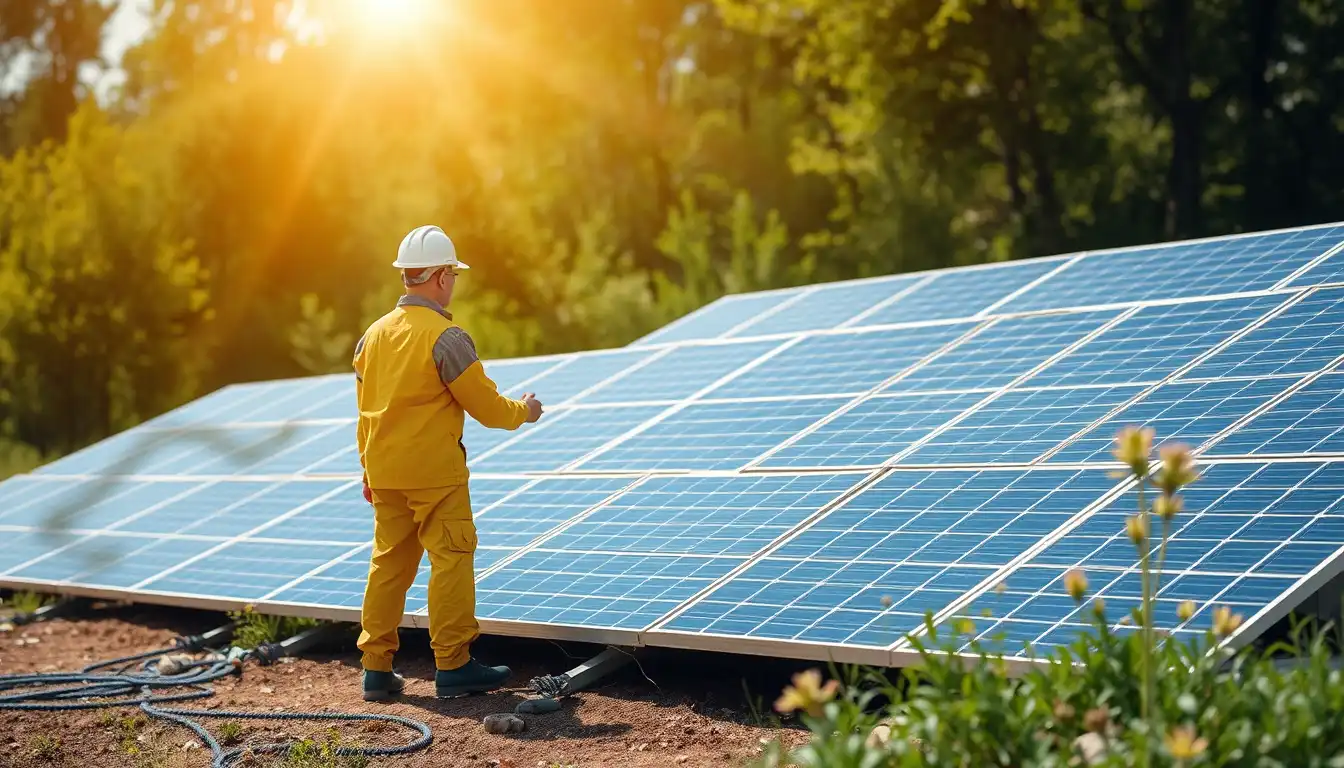
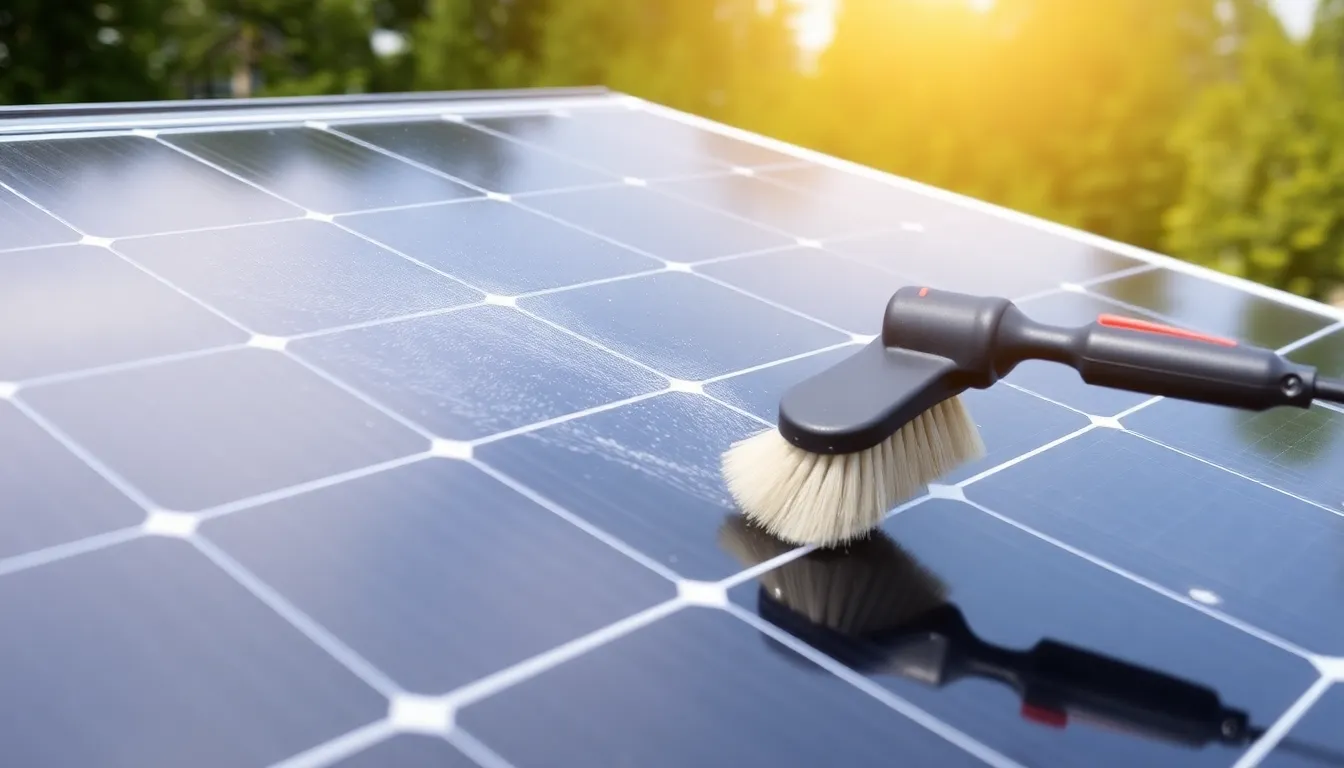
Coastal salt air is actually the bigger challenge than weather. I’m only fifteen kilometers from the sea and salt spray gets on everything. My panels get a white crusty coating that reduces charging efficiency. I learned to clean them every month during summer. A soft cloth and mild soap takes ten minutes.
Inland regions like Castilla-La Mancha don’t have the salt issue. My cousin has a property near Toledo and his solar lights need almost no maintenance beyond occasional dust removal. The air is dry and clean, so nothing corrodes or builds up.
MAKING SOLAR LIGHTS WORK WITH TRADITIONAL SPANISH ARCHITECTURE
This is where most people mess up. They slap cheap plastic solar lights on beautiful terraces and the whole thing looks wrong. Traditional Spanish homes have character. Wrought iron railings, terra cotta tiles, hand-painted azulejos. Modern plastic lights destroy that aesthetic completely.
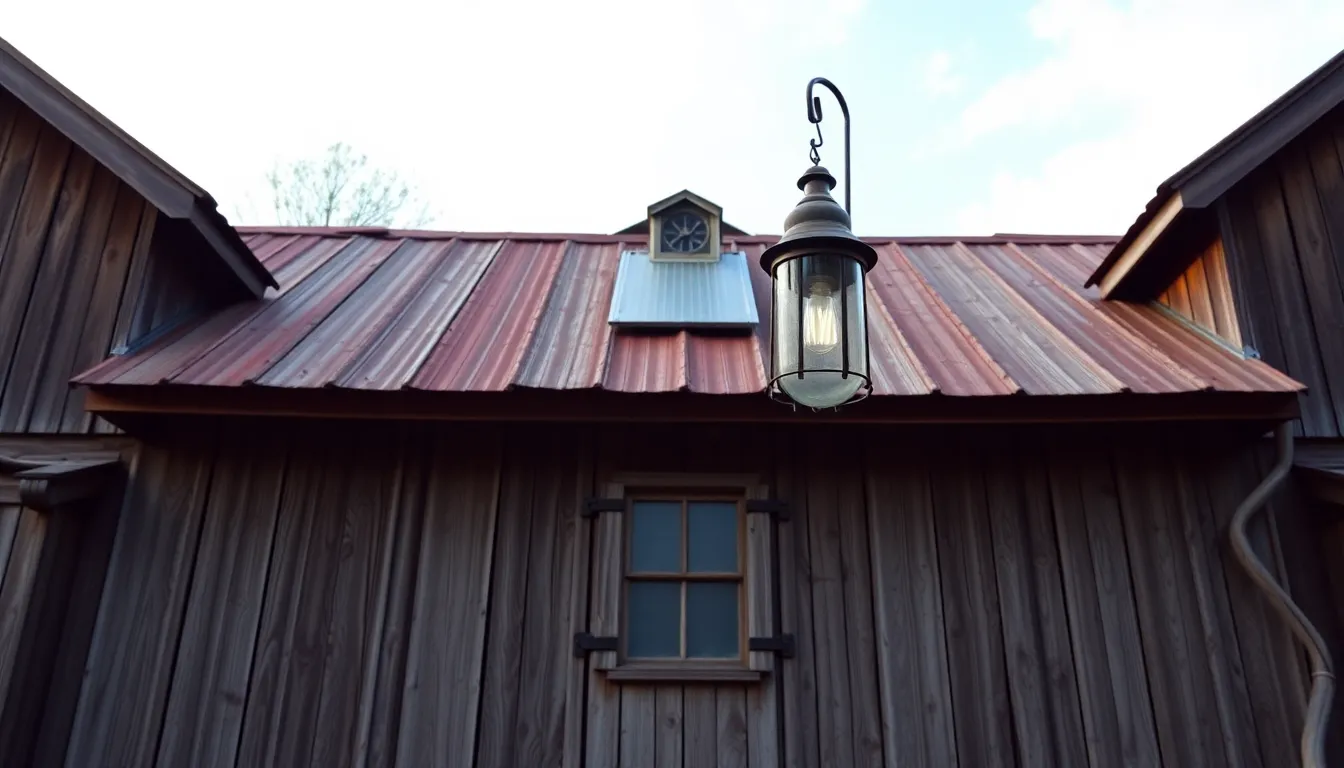
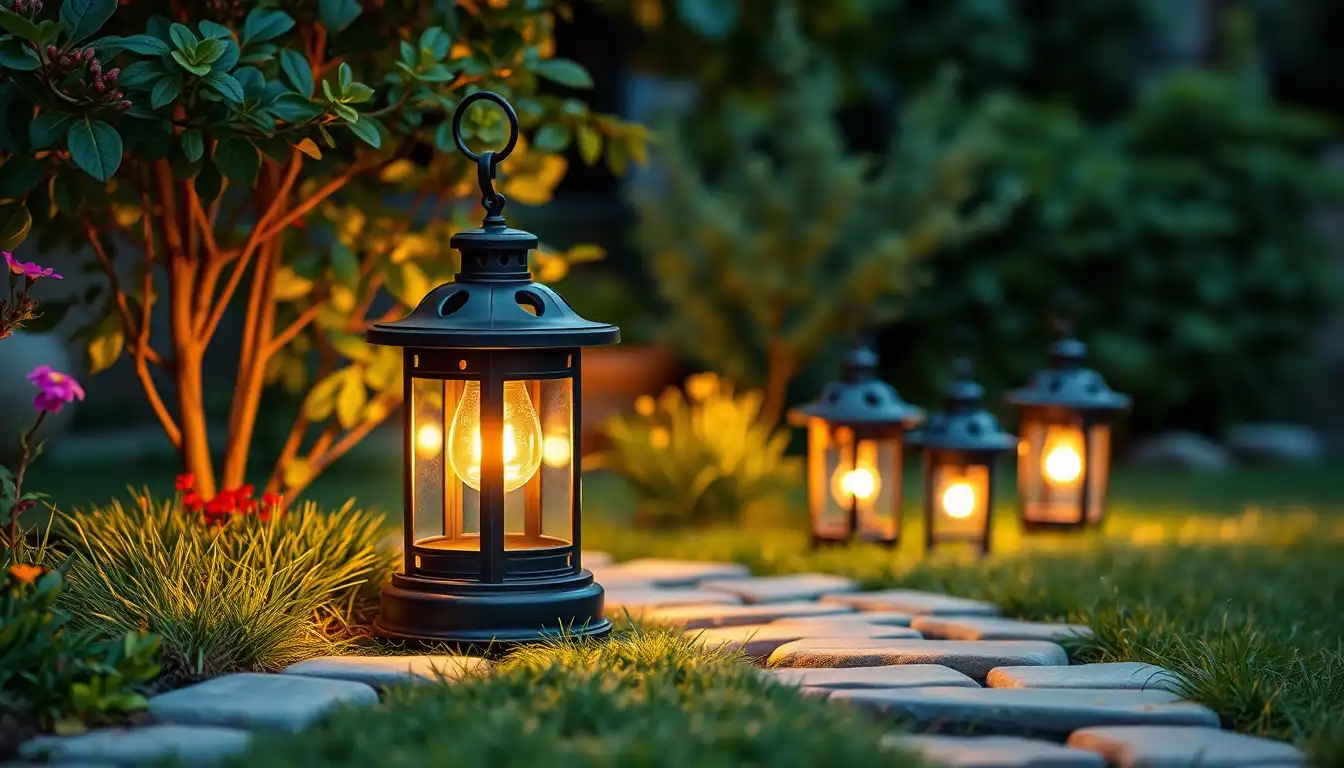
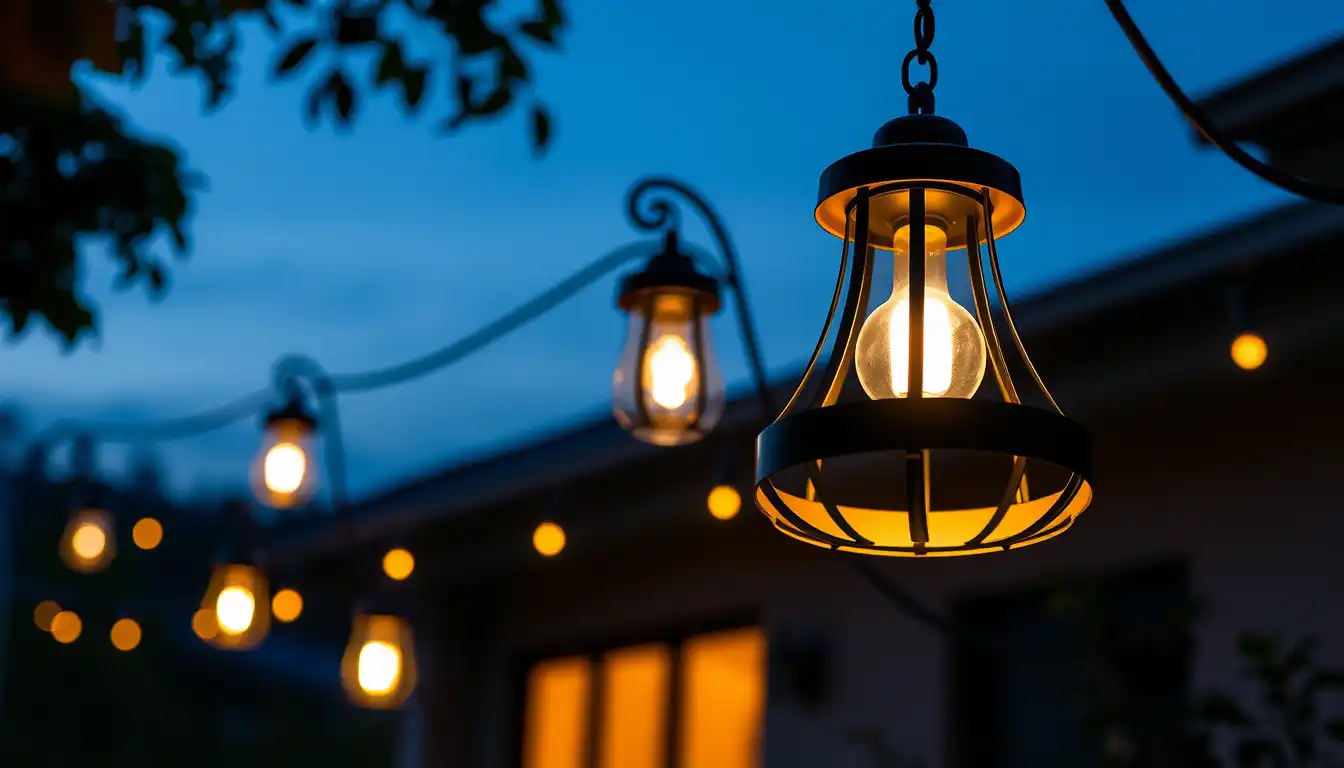
I spent time actually thinking about what would work visually. The sconces I chose have a simple metal frame with frosted glass. Nothing fancy but they don’t look out of place on the stone walls. They complement the architecture rather than fighting it. The pathway lights are low profile and barely visible during the day.
Plenty of Spanish suppliers now make solar lights designed to integrate with traditional homes. I found some gorgeous fixtures with ceramic elements at a supplier in Seville. They looked like they belonged there rather than like technology bolted on.
My friend María has a beautiful cortijo near Ronda. She got solar lights that incorporate traditional wrought iron designs. They look absolutely stunning. Cost more than basic plastic fixtures obviously, but her terrace looks intentional and designed rather than thrown together.
The aesthetic choice matters especially in older Spanish properties. New villas are fine with modern minimalist lighting. But cortijos and traditional homes need thoughtful integration. Take time selecting fixtures that respect your home’s character. The investment in appearance pays off.
WHAT ACTUALLY WORKS FOR SPANISH OUTDOOR SPACES
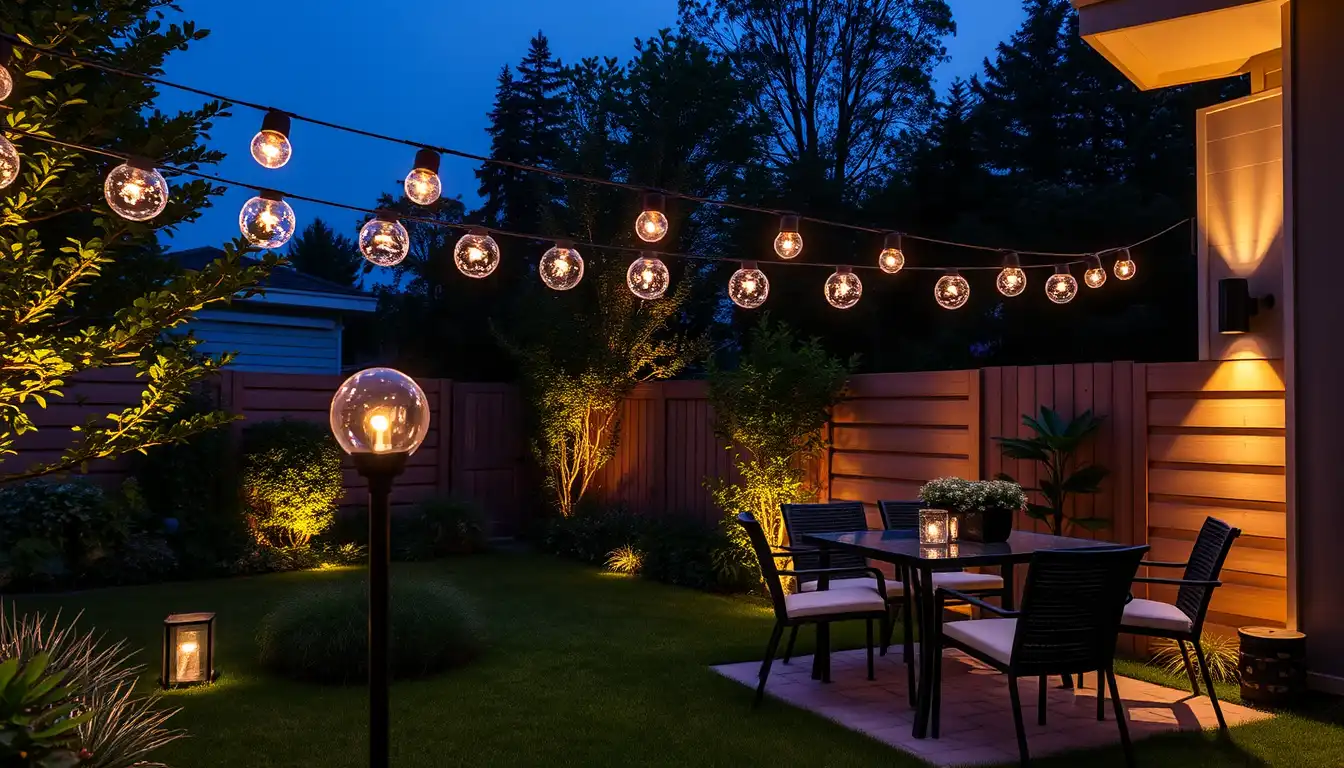
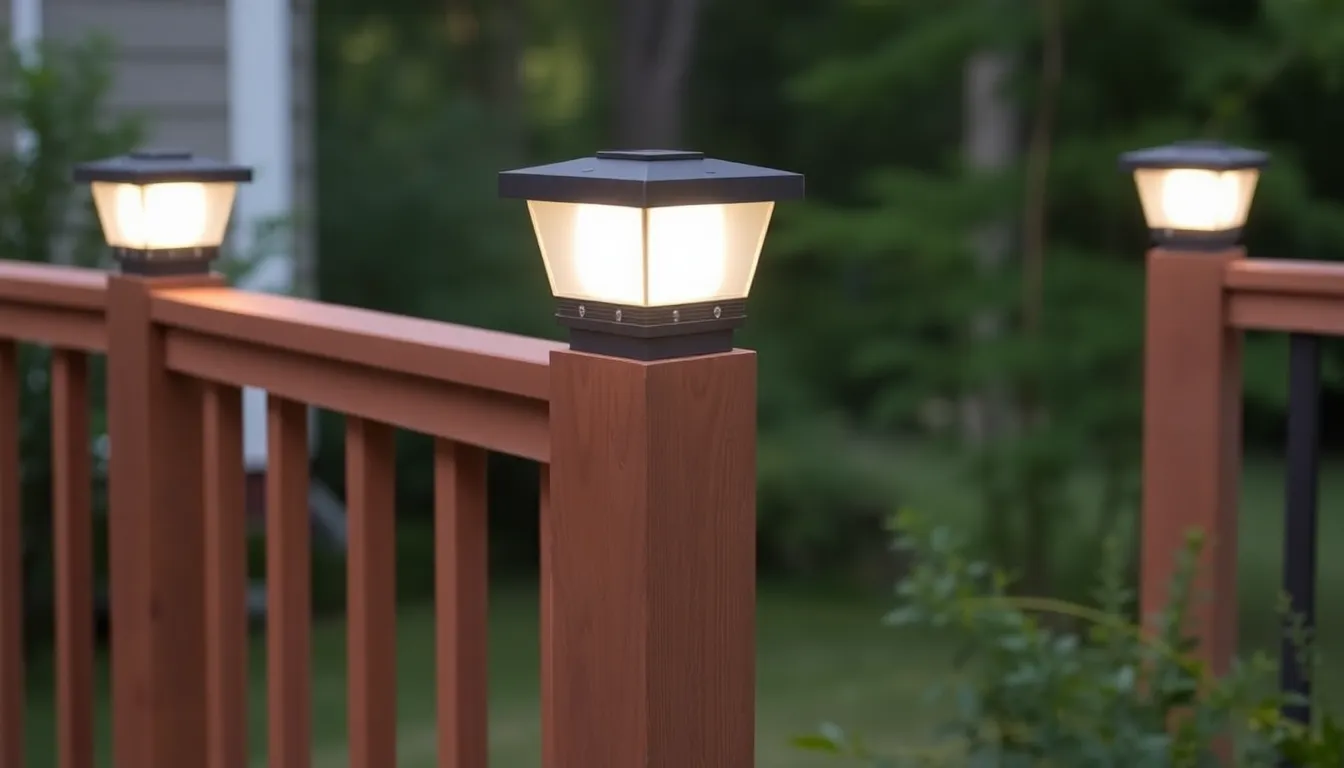
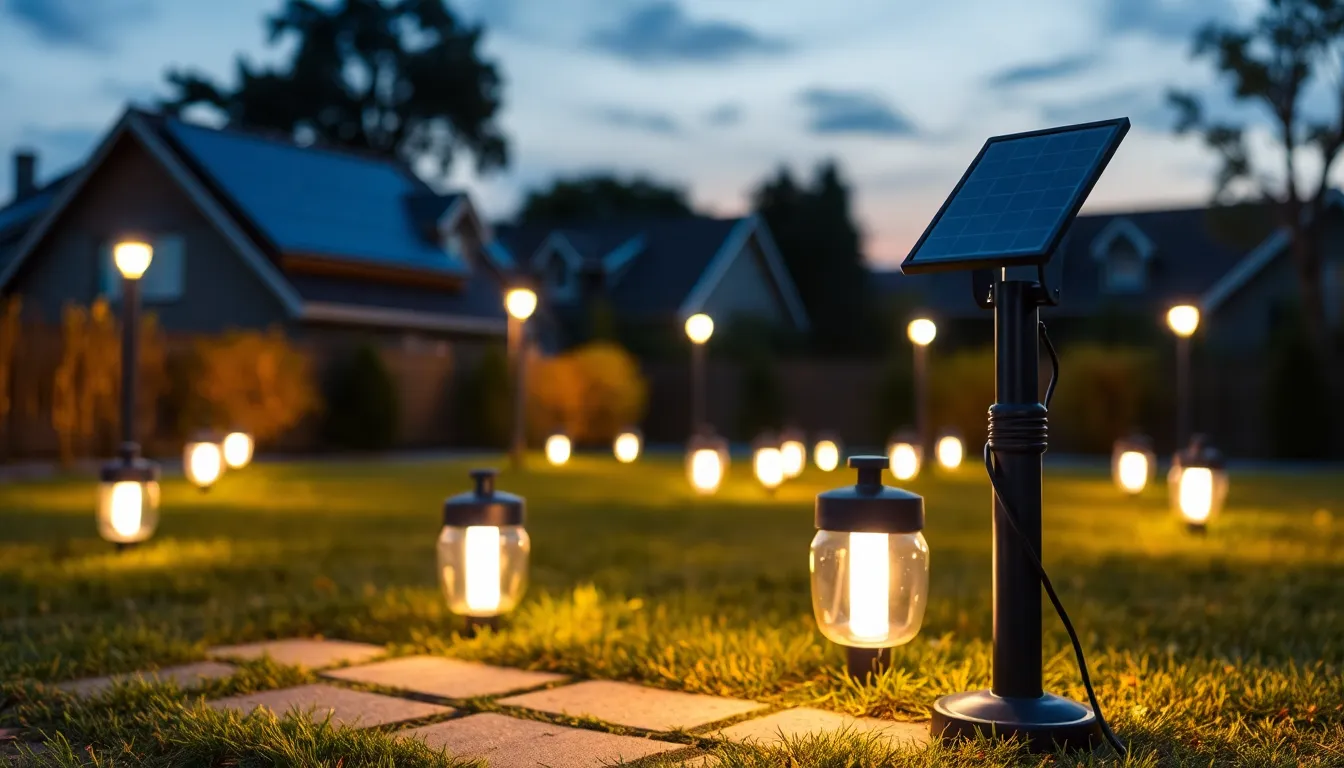
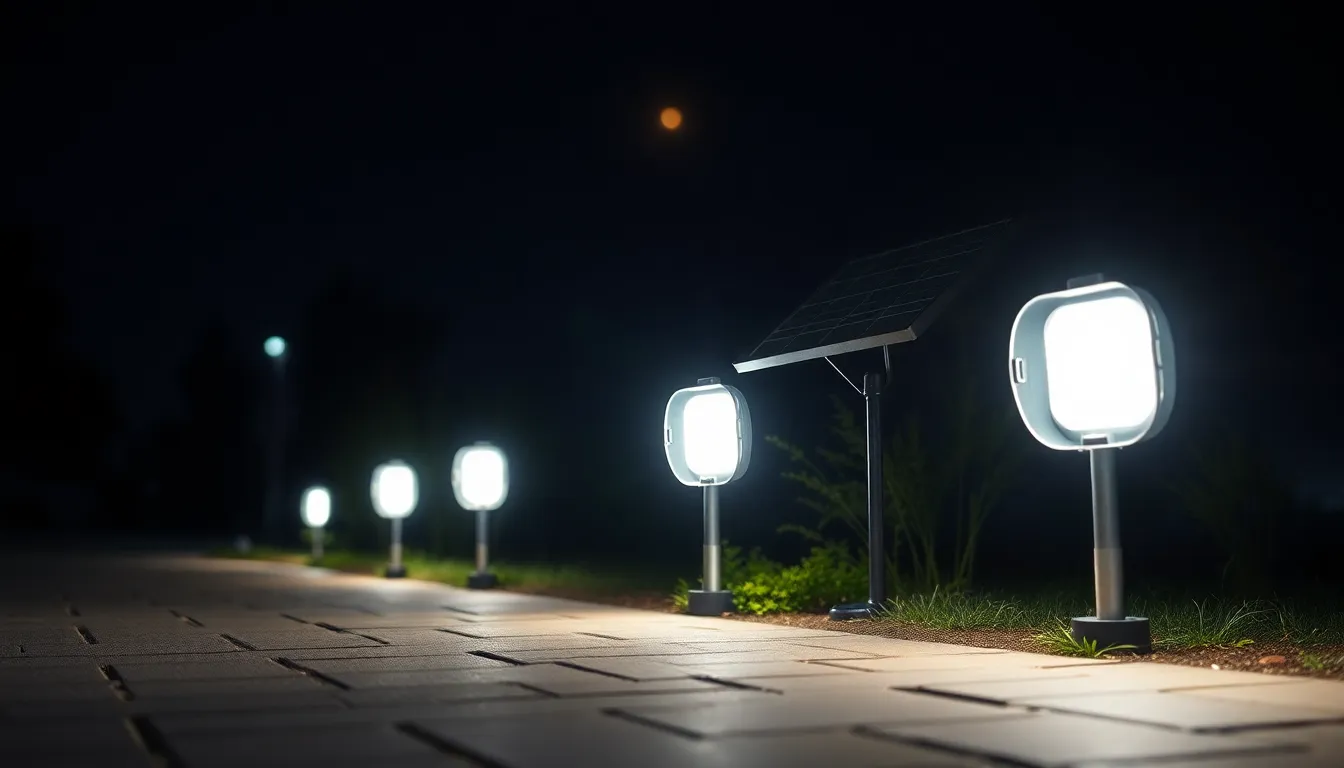
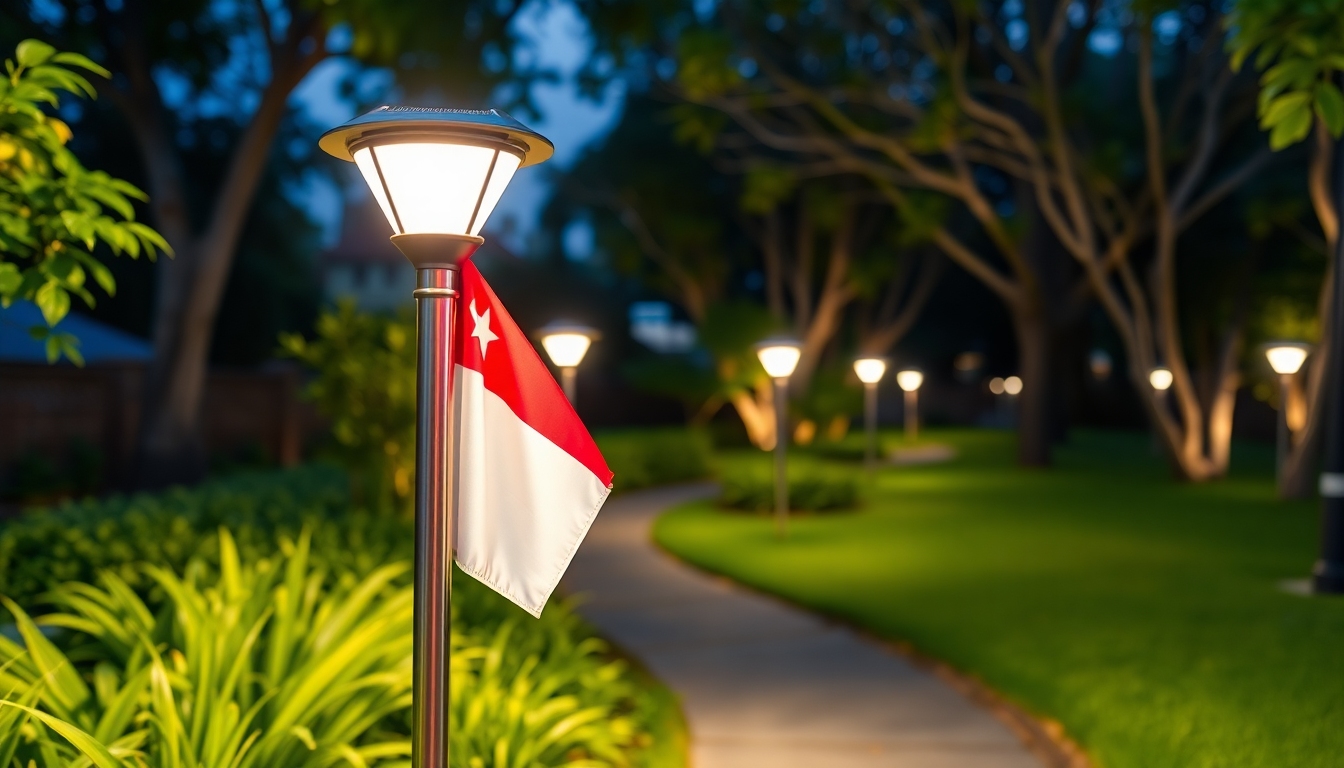
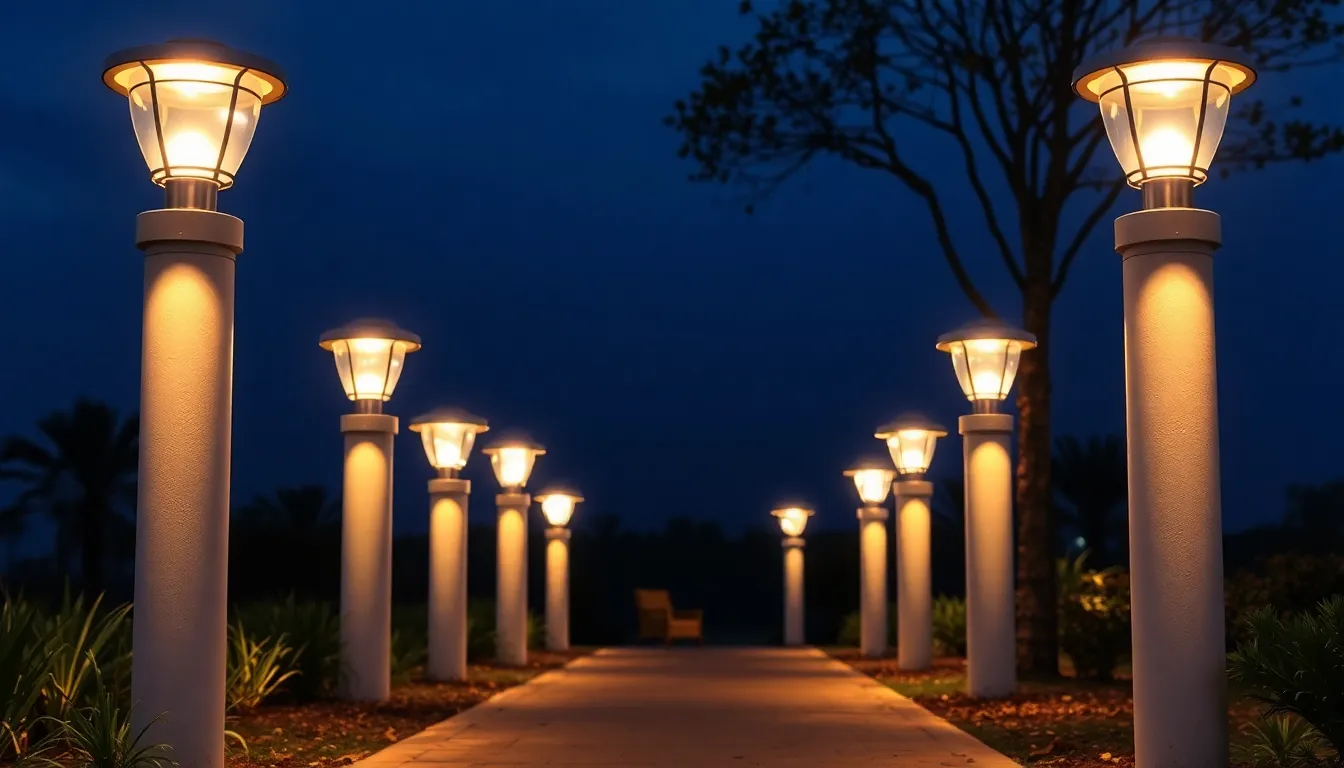
- Post-mounted lights work well for open areas like patios and terraces. I used these to illuminate the main gathering space. They provide good overall lighting without creating hot spots. Four of them cover my entire terrace effectively.
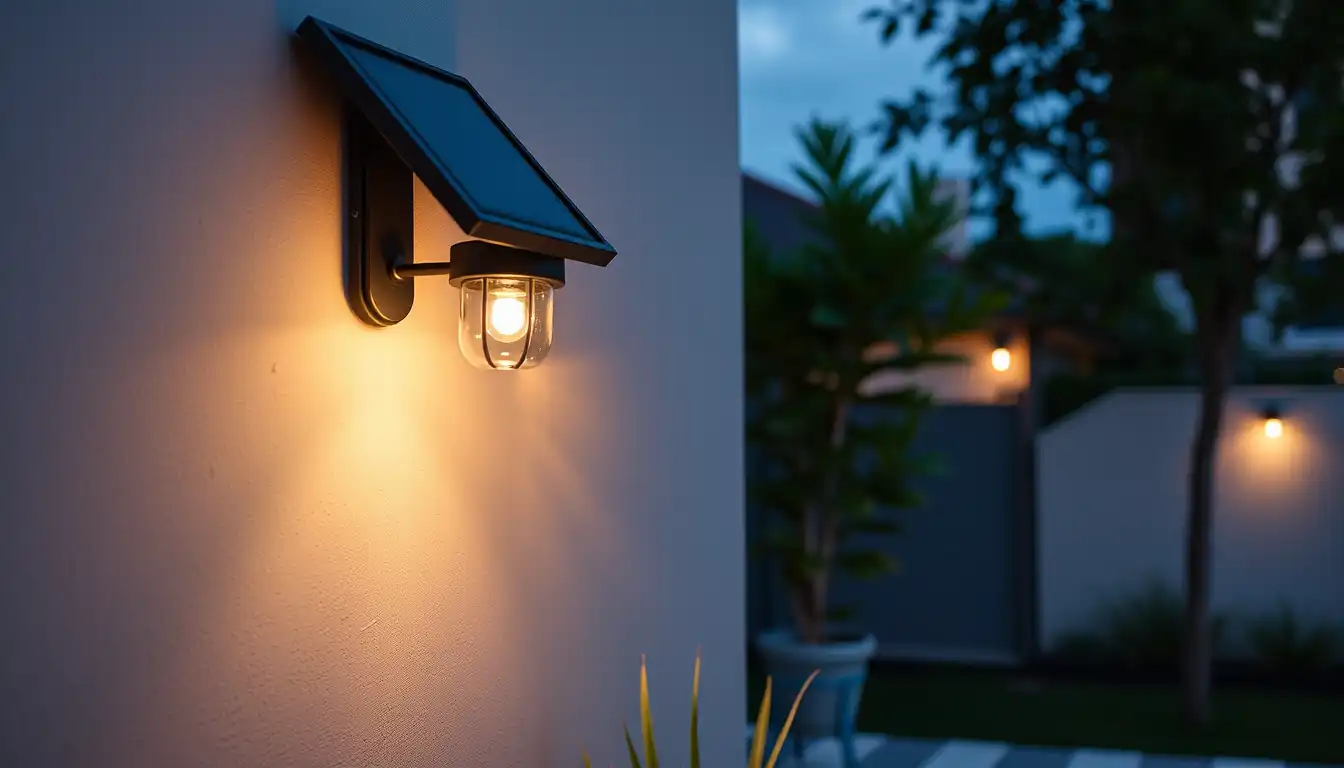
- Wall-mounted sconces give task lighting around the property. I have them by the kitchen door for safety, around the seating areas for ambiance, and by the garden entrance for orientation. They’re not bright enough for detailed work but perfect for evening entertaining.
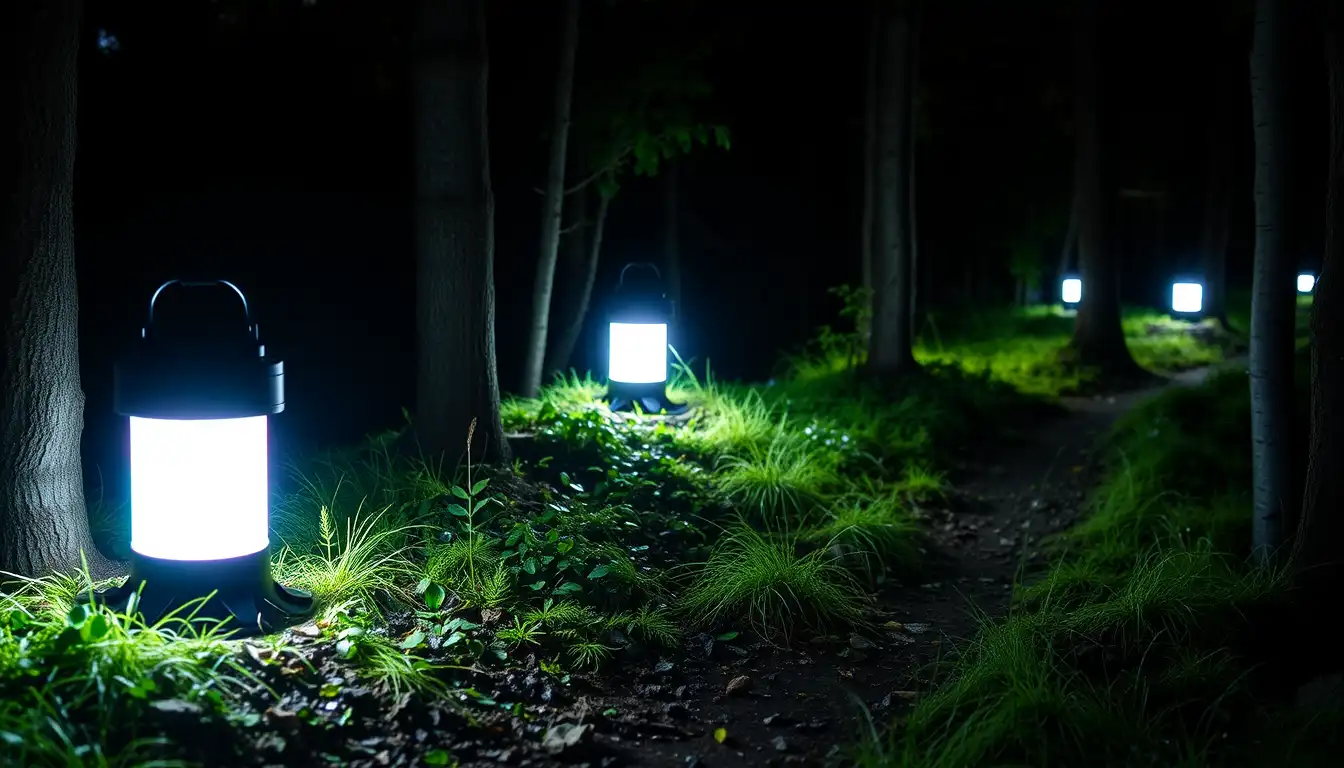
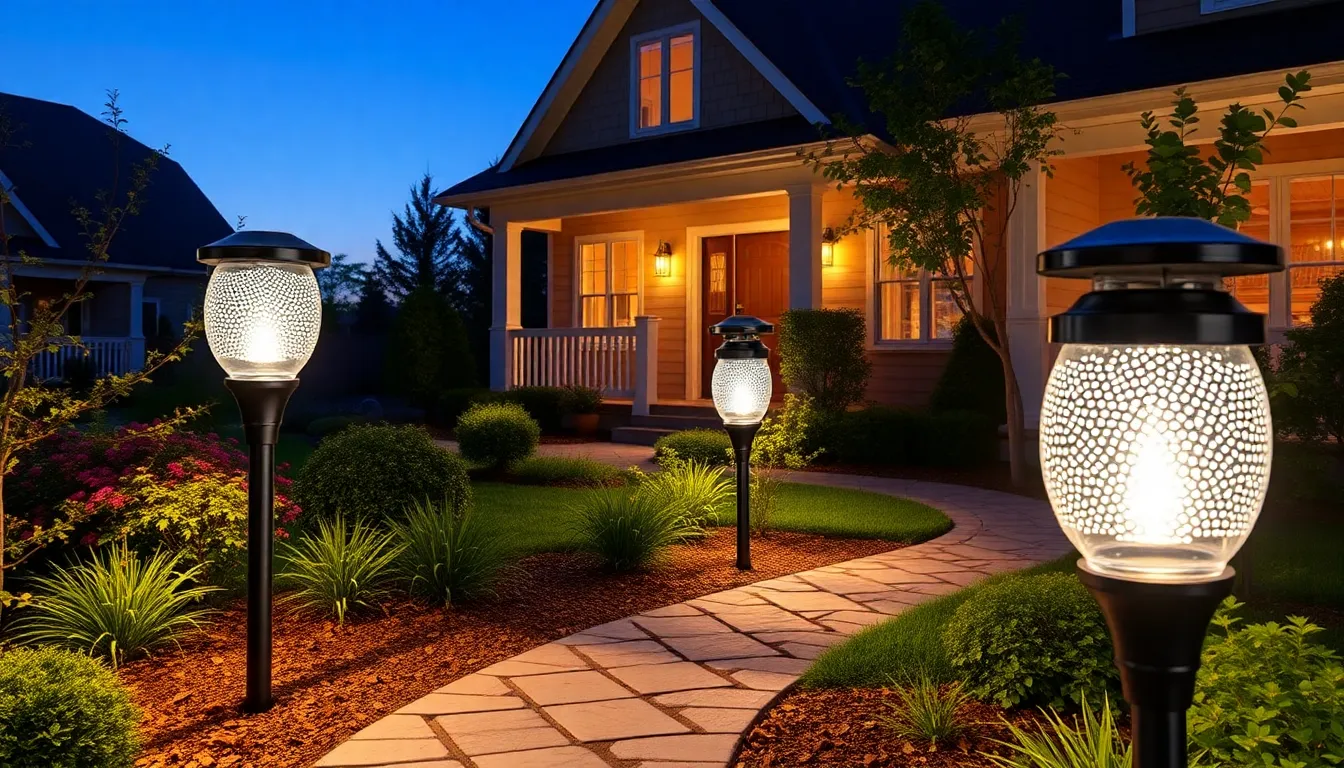
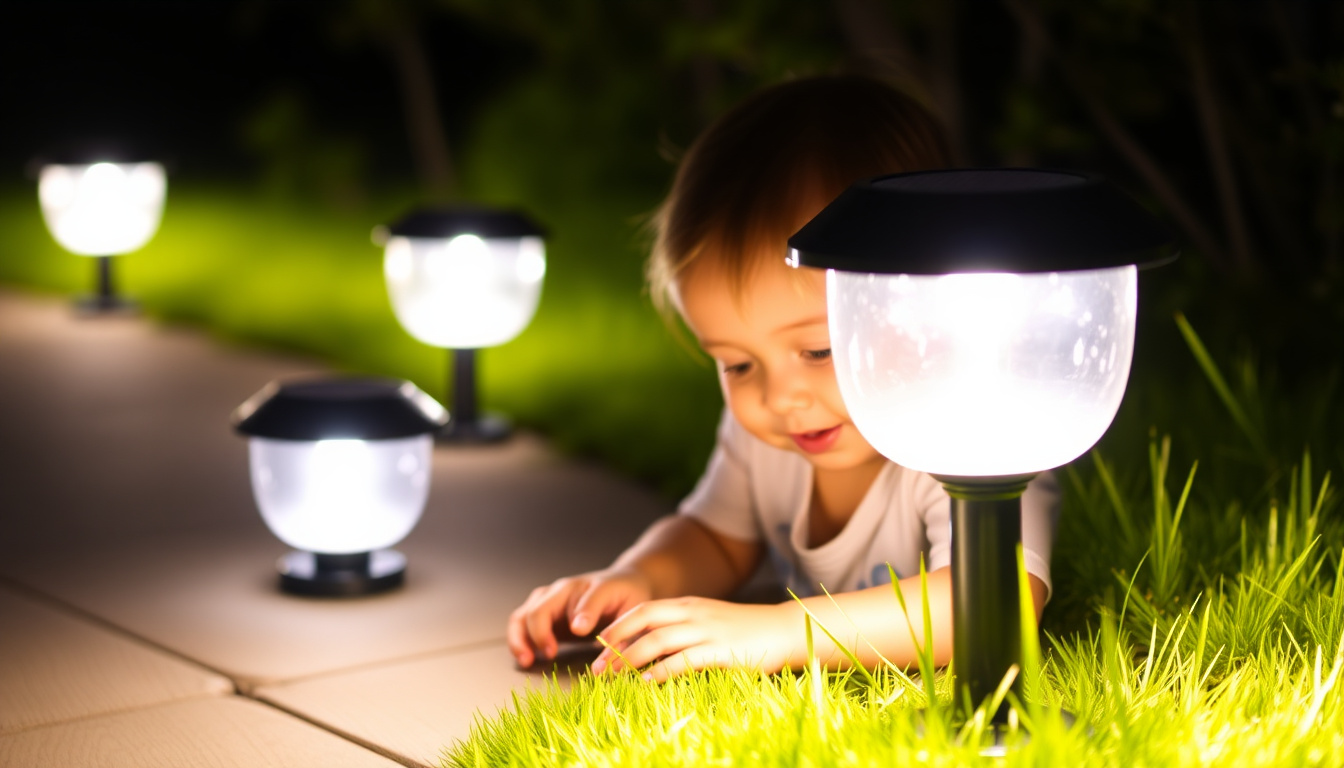
- Pathway lights are essential honestly. I initially thought they were unnecessary but they’re actually brilliant for safety. Guests don’t trip on steps they can’t see. My terrace steps down to the garden and I have lights marking the route. Nobody’s fallen since I installed them.
- String lights for festive occasions are nice but optional. I don’t have permanent ones but I set up temporary solar string lights for parties. They create atmosphere without being permanent fixtures that might not match your design aesthetic.
- Accent lighting is fun for highlighting features. I aimed a couple directional solar lights at the big fountain in the garden. It looks amazing at night with that blue illumination. Completely transforms how the garden appears after dark.
THE REAL ADVANTAGES I’VE EXPERIENCED
- No electricity costs at all. This matters more than people realize. Spain’s summer heat means air conditioning bills are substantial. Adding outdoor lighting to the electricity bill seemed stupid after spending so much on cooling. Solar eliminates that.
- Installation simplicity changed my perspective on home projects. I did this myself in an afternoon. No electrician required. No permits. No inspections. Just mounting brackets and basic tools. My wife helped and we didn’t need any special expertise.
- Maintenance is genuinely minimal. I clean the panels occasionally. That’s it. No bulb replacements. No wiring issues. No annual service calls. Compare that to traditional systems requiring professional maintenance. The difference is substantial.
- Freedom to place lights anywhere without wiring constraints. I could experiment with different configurations and move things if they weren’t working. Try that with permanent electrical wiring.
- The aesthetic flexibility impressed me. I wasn’t locked into whatever an electrician recommended. I could choose designs that actually matched my home’s style. This control over appearance made a huge difference.
HONEST CHALLENGES AND LIMITATIONS
- Weather does affect performance. During the rainy month of November my system wasn’t charging optimally. The lights still worked but for fewer hours. This is reality. If you’re expecting Vegas-level reliability in Galicia, you’ll be disappointed.
- Salt spray maintenance is real work for coastal properties. My friend in Tarragona spends two hours monthly cleaning panels. I do it more frequently because I’m right near the sea. This isn’t huge work but it’s necessary.
- Winter charging is genuinely reduced. I notice in December my lights operate maybe five or six hours instead of the full eight to ten hours I get in summer. This is fine for entertaining purposes but limits outdoor evening activities.
- Battery replacement happens eventually. My original batteries are still working but I’m expecting to replace them in another three to four years. That’ll cost me about two hundred euros. I’m accepting this as normal maintenance cost.
- Coastal corrosion happens. Even quality stainless steel eventually shows salt damage after years. I’ll probably need to replace housing and internal components in seven or eight years. The long-term maintenance costs accumulate.
PRACTICAL INSTALLATION CONSIDERATIONS FOR SPANISH PROPERTIES
- South-facing areas charge fastest obviously. My terrace faces south and the panels charge completely most days. North-facing areas work but charge slower. Position equipment accordingly.
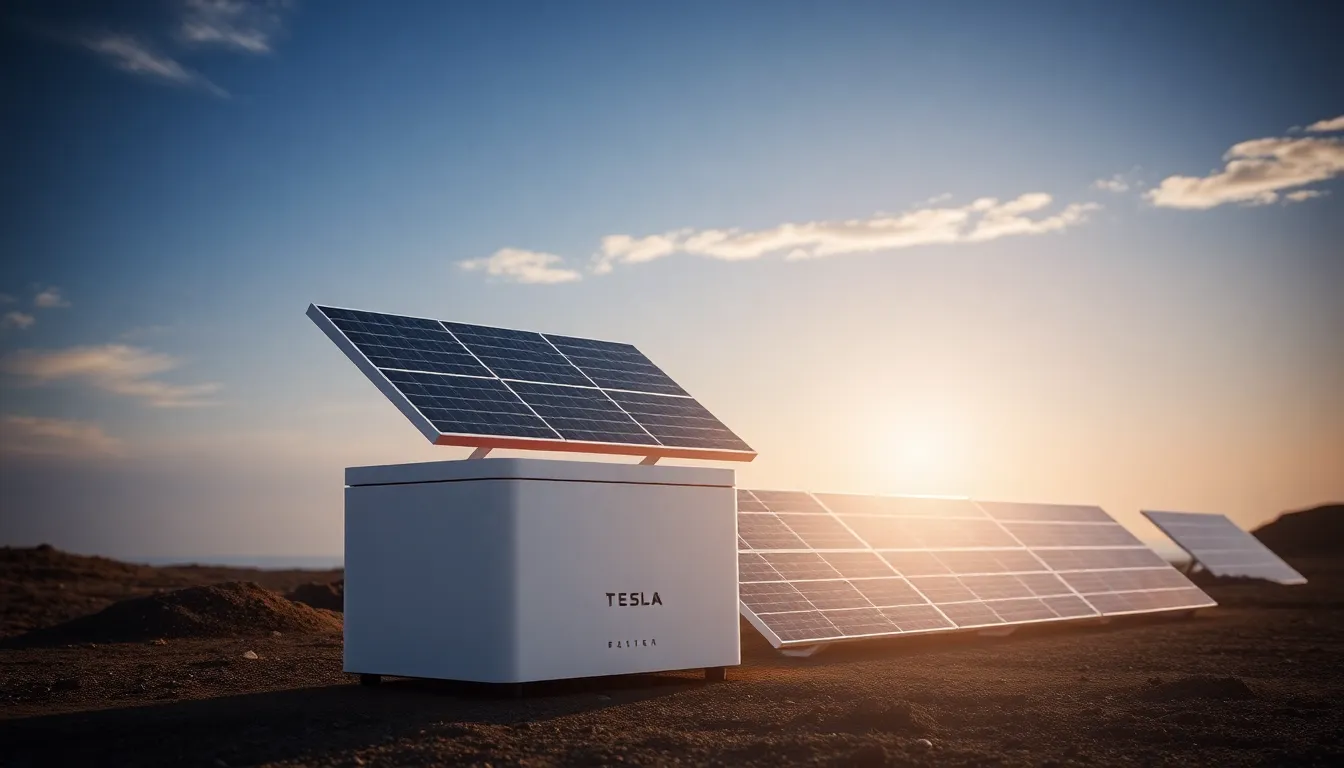
- Battery capacity matters more than initial cost. Cheap systems have tiny batteries. They’re cheap because they cut corners there. Paying more for decent battery capacity is worthwhile. You actually get usable light through the evening.
- Wall-mounted solutions work better than freestanding for Spanish homes usually. Walls provide stable mounting and look intentional. Freestanding lights often look temporary or decorative rather than purposeful.
- Climate zone selection matters. My coastal system needs different specs than my cousin’s inland property. Salt-resistant materials are essential here. He doesn’t need that investment. Choose equipment appropriate for your location.
- Professional installation if you’re unsure. I did mine myself but honestly, having someone experienced install it properly might be worth the cost. Poor installation causes problems later. Don’t cheap out on installation if you’re uncertain.
SUMMARY
Solar lights in Spain leverage Mediterranean sunshine for outdoor illumination supporting Spanish outdoor living culture. Coastal properties need salt-resistant materials while inland areas require less maintenance. Integration with traditional architecture matters for aesthetic appeal. Benefits include zero electricity costs, simple installation, minimal maintenance, and aesthetic flexibility. Challenges include weather dependency in winter, salt spray maintenance on coasts, and eventual battery replacement. Practical implementation requires assessing climate zone, choosing quality battery capacity, considering wall-mounted solutions, and accepting seasonal variations. Spanish homeowners adopting solar lighting report transformed outdoor spaces, reduced expenses, and improved evening entertaining.