Table of Contents
I BOUGHT THAT ROLLABLE SOLAR PANEL AND IT’S ACTUALLY INSANE
I saw the rollable perovskite panels announced and thought it was marketing hype. You know how companies always promise the next big thing that never materializes. I ordered one anyway because I work with solar tech and wanted to see the reality.
It arrived in a tube. Literally a tube like a map case. I rolled it out in my backyard and the thing is translucent. You can see through parts of it. That seemed wrong at first. A solar panel you can see through should not work. But it does.
I left it out on a cloudy day. No direct sunlight. Just grey skies. The meter I attached showed it generating power. Not the full output of a rigid panel on a sunny day, but legitimate power. That blew my mind because my old panels produce nearly nothing on overcast days.
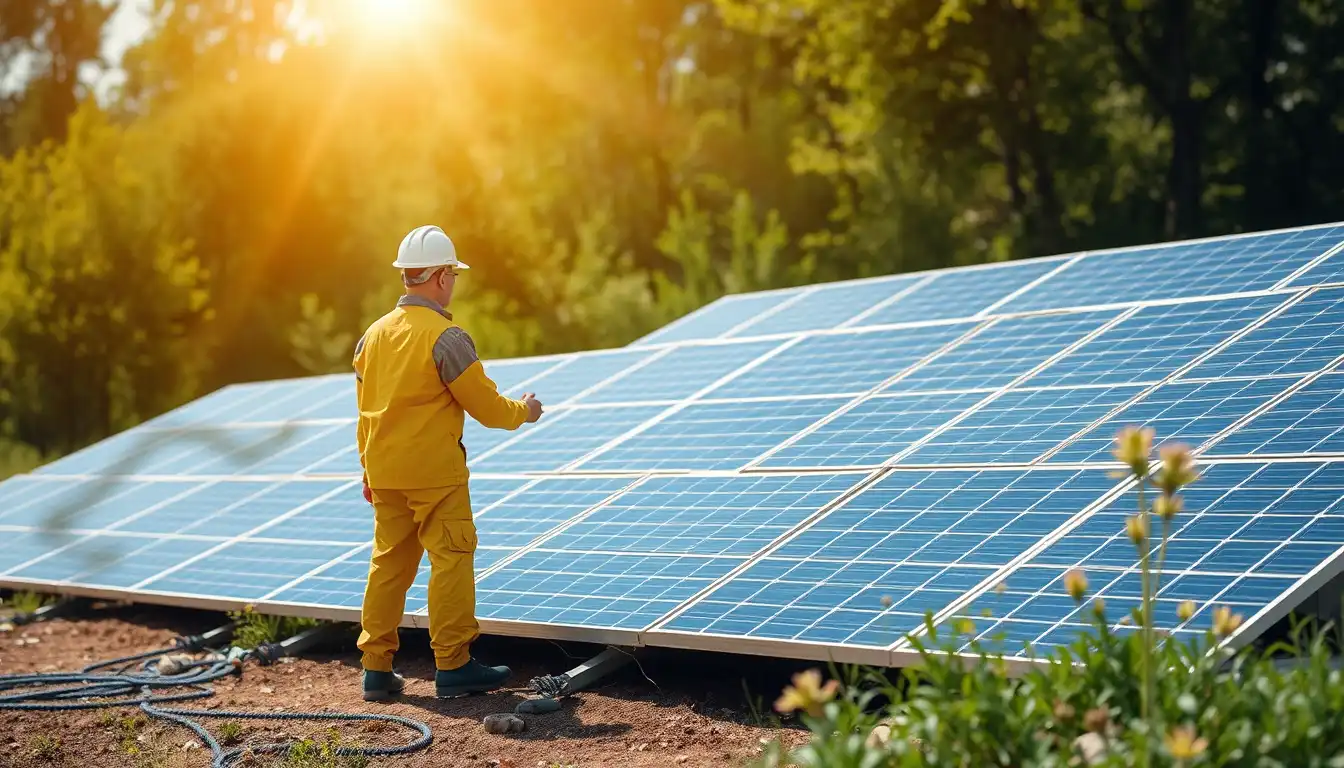
The weight difference is shocking. You can hold this panel in one hand. Compare that to traditional rigid panels that need two people to carry safely. For field work, this changes everything. You can set up solar power in places where you couldn’t physically move rigid panels.
My test rig ran for three weeks straight with this flexible panel even though we had maybe five clear sunny days in that period. The cloudy day performance kept the battery topped up.
The downside nobody mentions: the panel surface is softer. You need to be careful not to puncture it. A rock can damage it. Sharp branches can tear it. It’s like a quality fabric material, not glass. That’s a real consideration for outdoor deployment.
THE AI BRIGHTNESS THING ACTUALLY LEARNS YOUR SCHEDULE
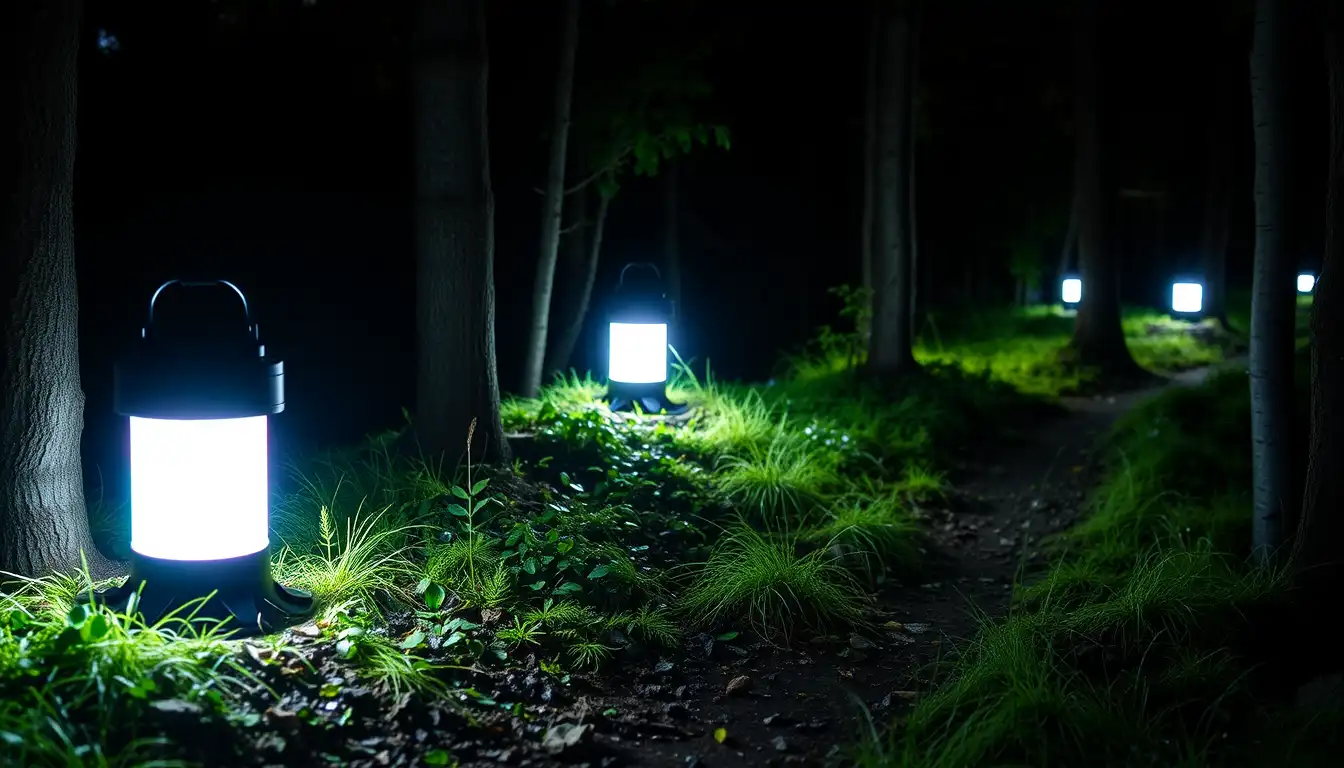
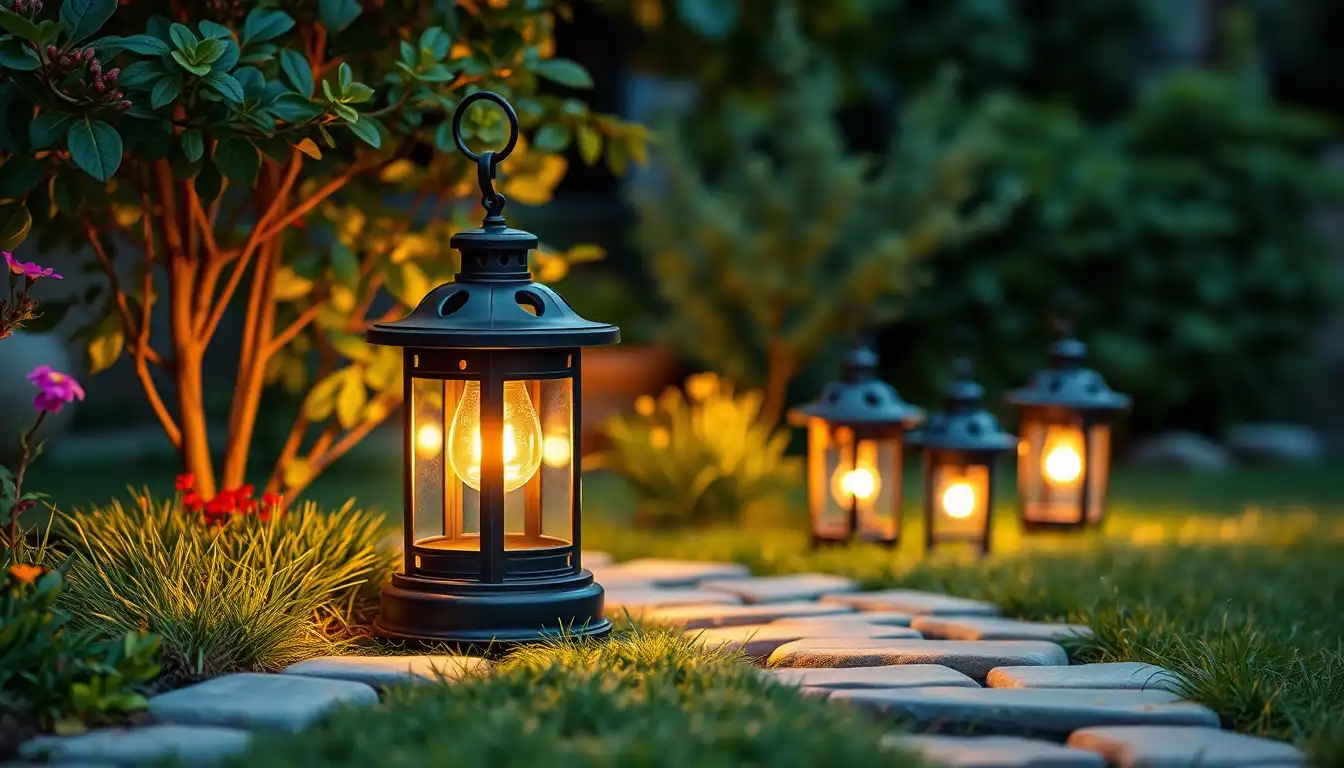
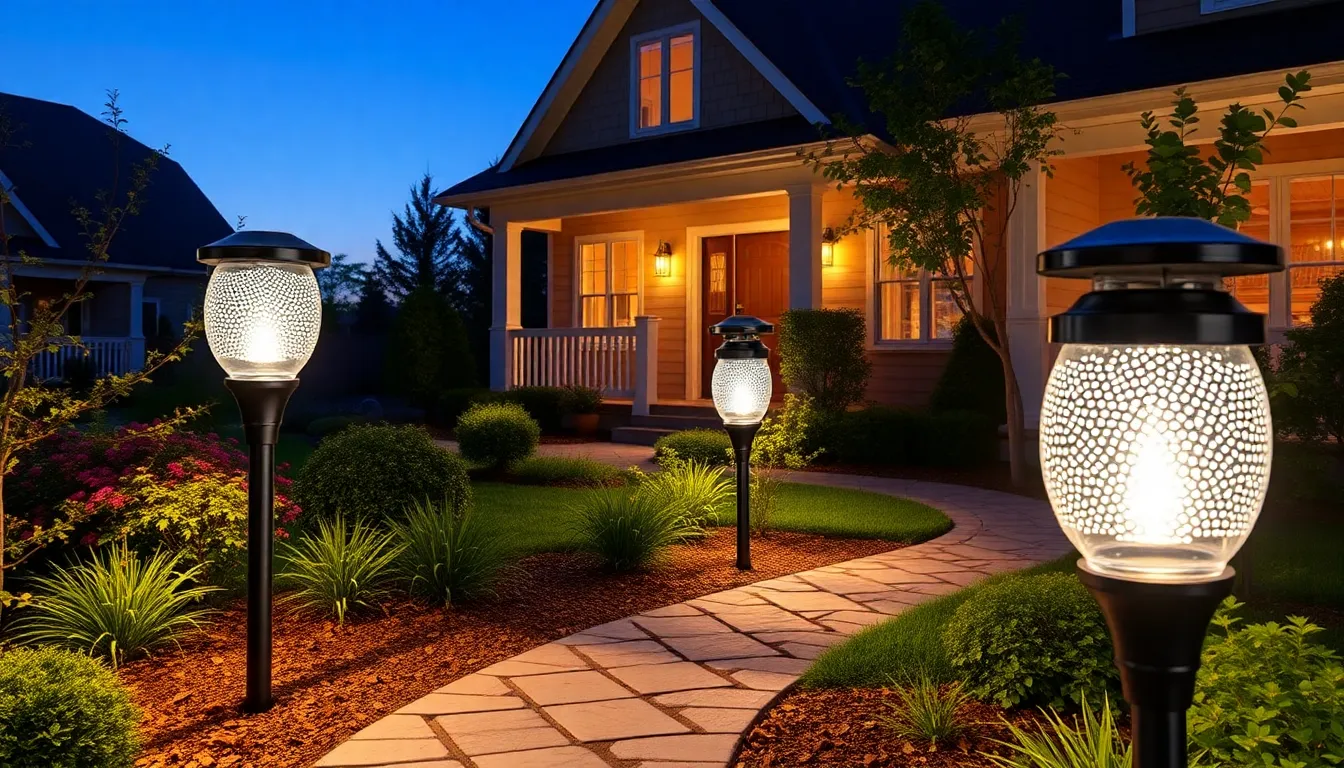
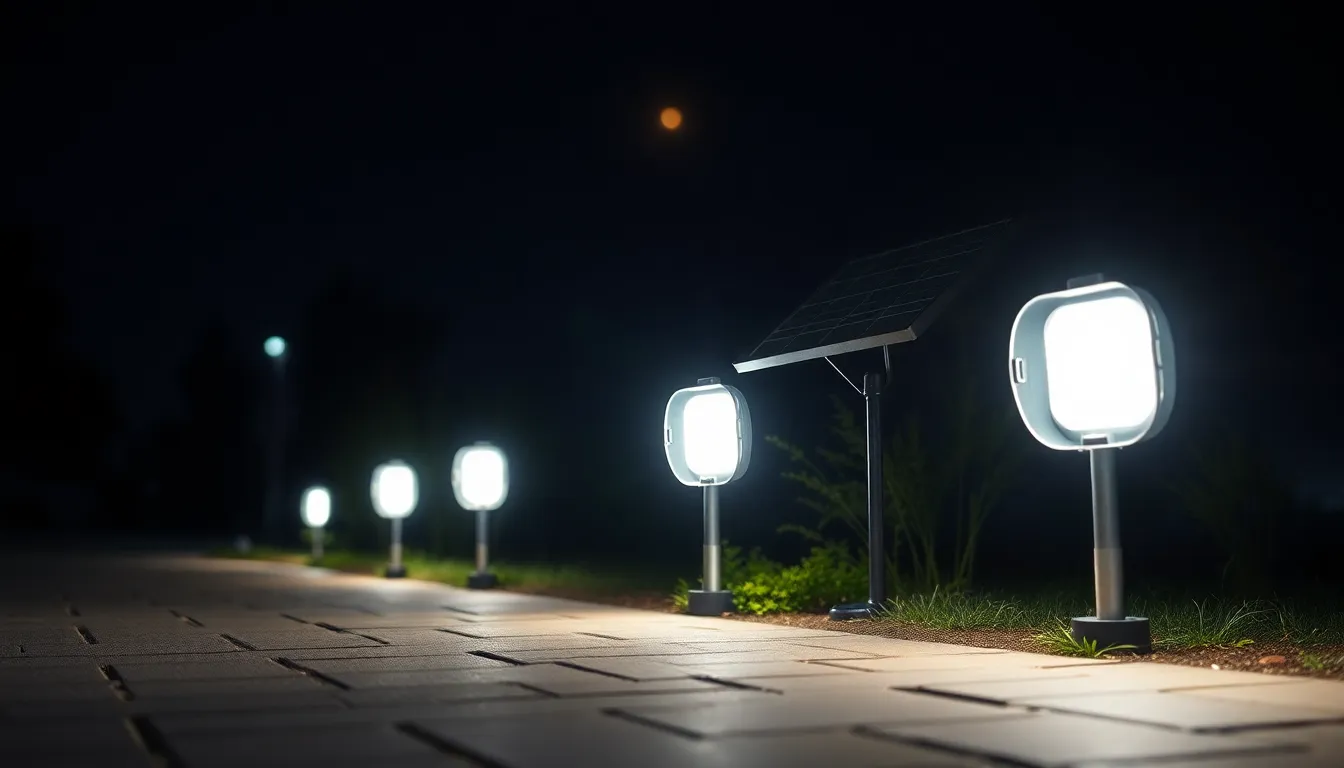
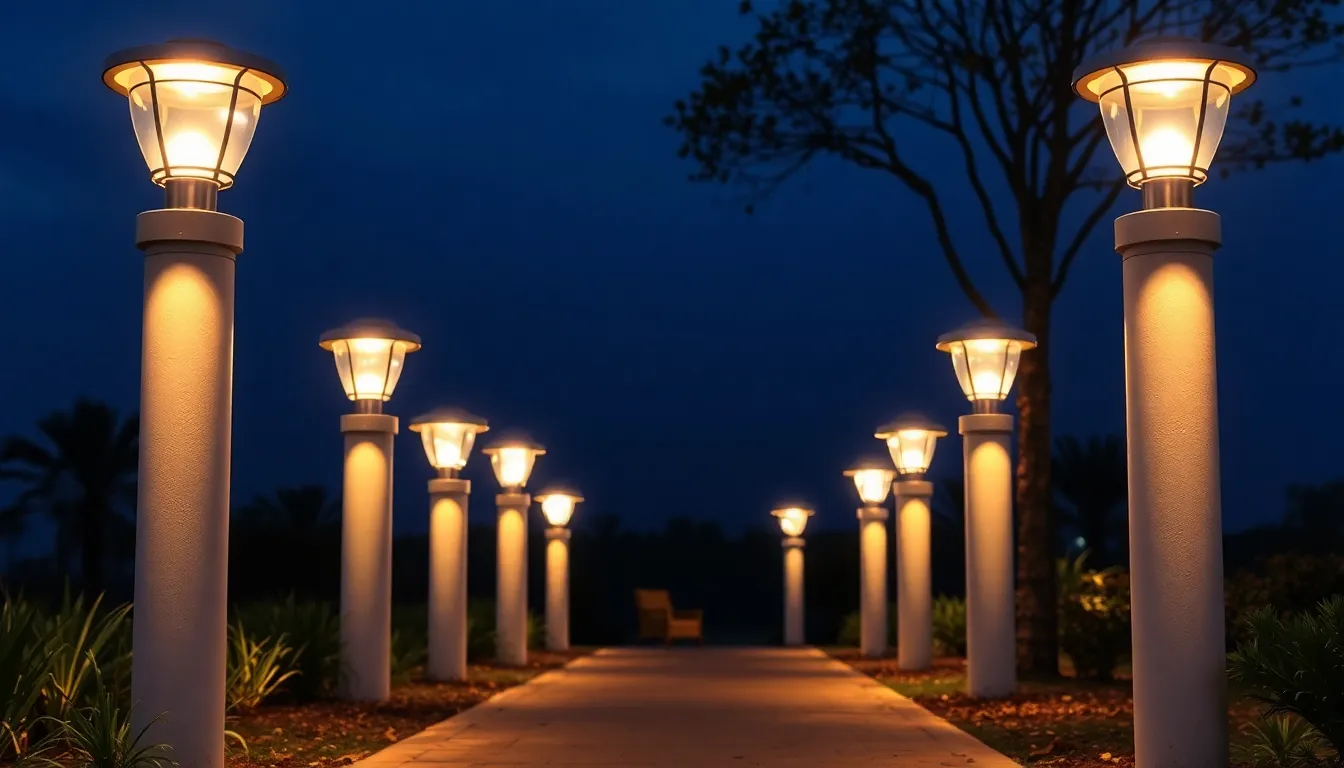
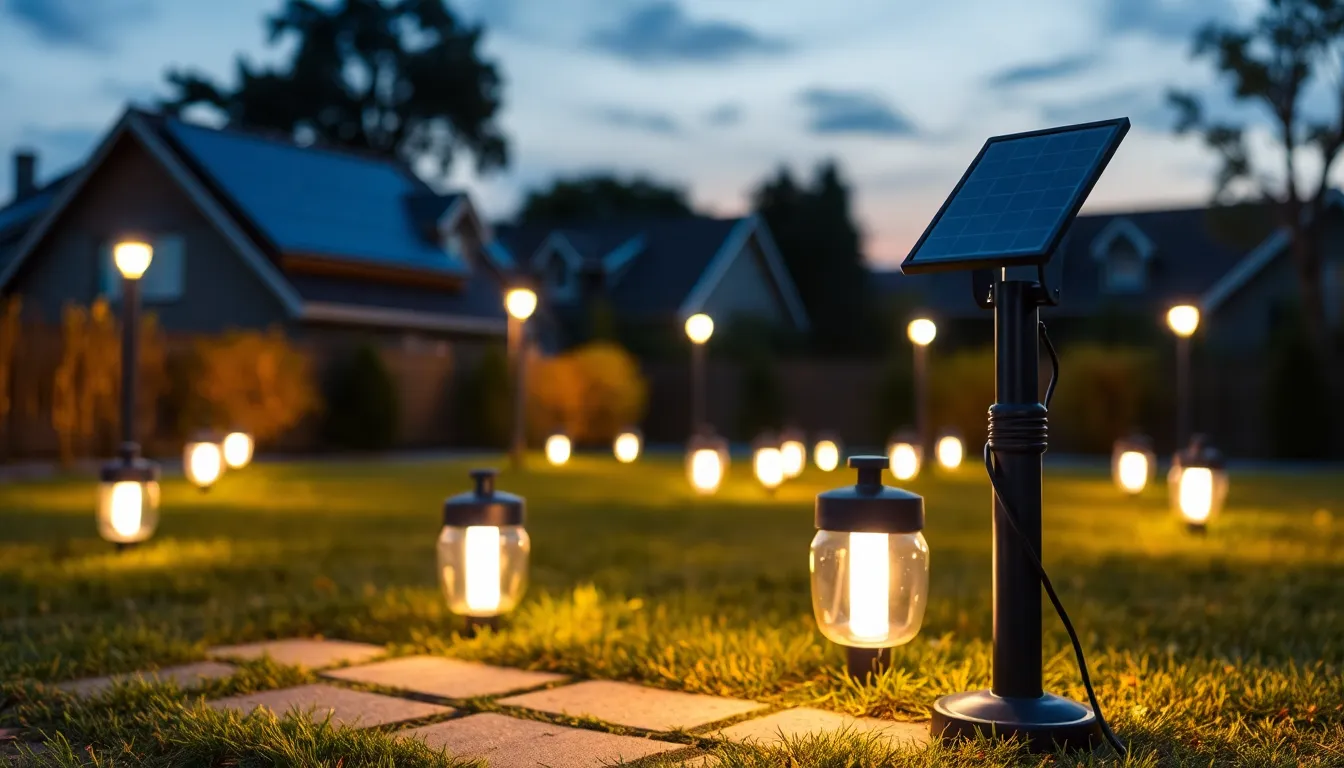
I installed one of the new AI-controlled solar lights on my property. The system has a sensor that tracks when you actually use the space. It learns whether you’re there at 6 PM or 10 PM. It learns whether you’re there daily or just weekends.
First two weeks I thought it was defective because it wouldn’t turn on full brightness. I’d go outside and the light would be at maybe 40 percent. Then it would gradually brighten as I moved around. That seemed stupid.
Around week three I realized what happened. The system learned I don’t need full brightness immediately. It learned that I check my outdoor space at the same time every evening. It dimmed during hours I never use the area, then ramped up right before I typically go outside.
I paid attention to the battery. Instead of draining to maybe 20 percent by morning, it was sitting at 40 percent. The AI wasn’t just learning my habits. It was stretching battery life by predicting my behavior. That’s legitimately clever.
I tested this more deliberately. I changed my routine. Went outside at different times. The system took about five days to adjust to the new pattern. By day six it was already managing brightness differently based on when I was actually there.
The cloud prediction feature works too. I watched the app and the light before a storm hit. The AI dimmed the brightness gradually as clouds approached. By the time rain arrived, the light was already in power-saving mode. It had read the weather and prepared.
TRANSPARENT SOLAR ON MY SUNROOM GLASS IS WORKING
I have a glass sunroom that gets destroyed by heat in summer. Too much light, temperature climbs fast. Someone told me about transparent solar glass and I decided to test it on one panel.
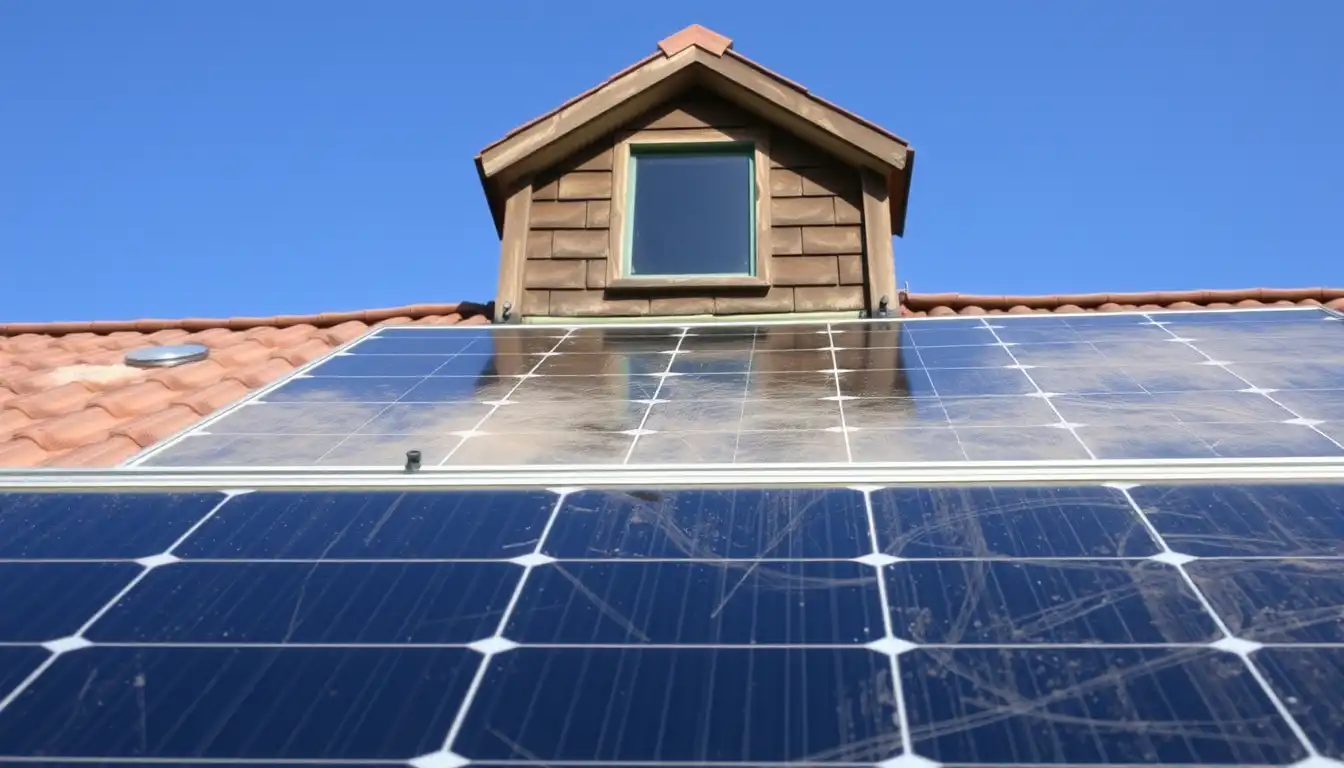
The glass looks normal. You can see through it clearly. But it’s generating electricity. The performance isn’t as high as opaque panels, but it’s real power. My sunroom generates maybe 15 to 20 percent of what rigid panels would, but I kept my clear view while harvesting energy.
The interesting part is summer heat. The glass filters out some infrared while generating power. The sunroom is definitely cooler than before. I didn’t expect that bonus. The power generation plus the temperature reduction made this worthwhile.
Cost was higher than regular glass, but I’m getting a building material and a power system in one. If you’re replacing windows anyway, transparent solar makes sense.
BIFACIAL PANELS ARE WEIRD BUT WORK
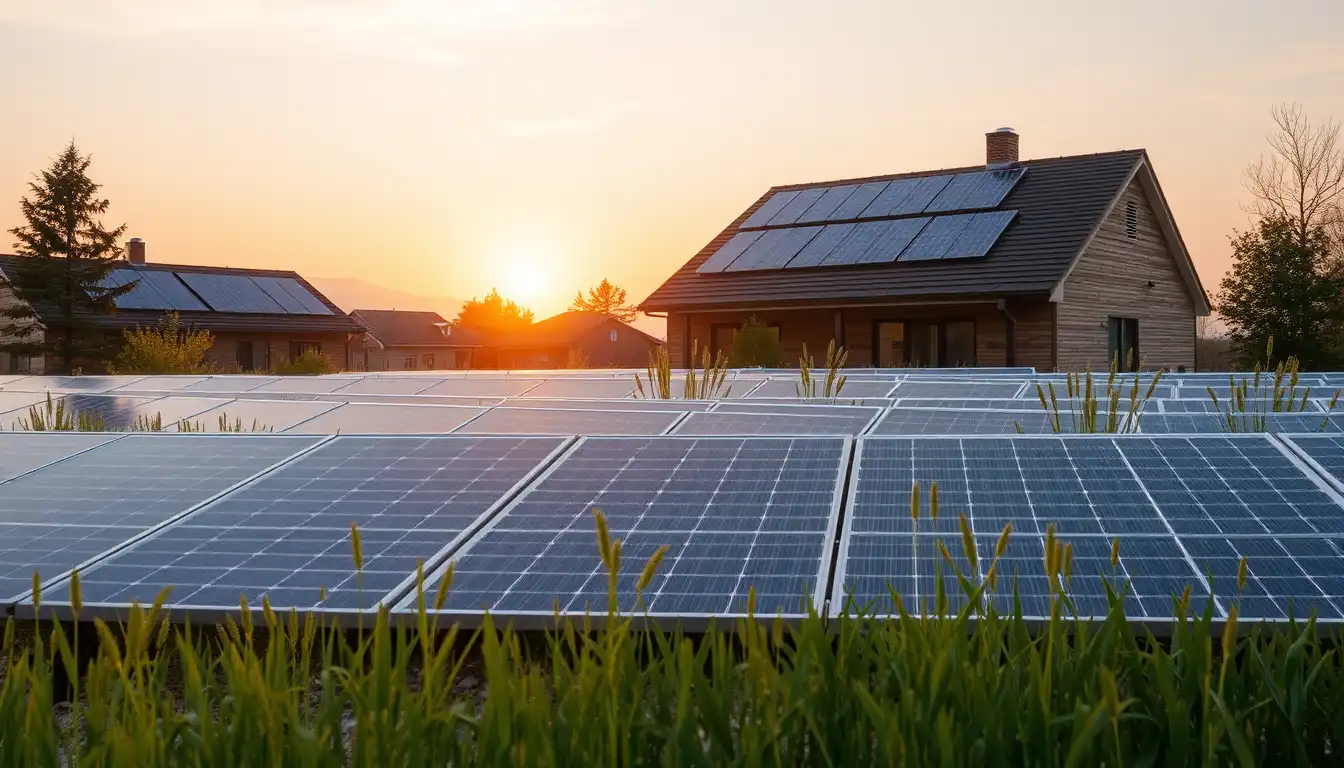
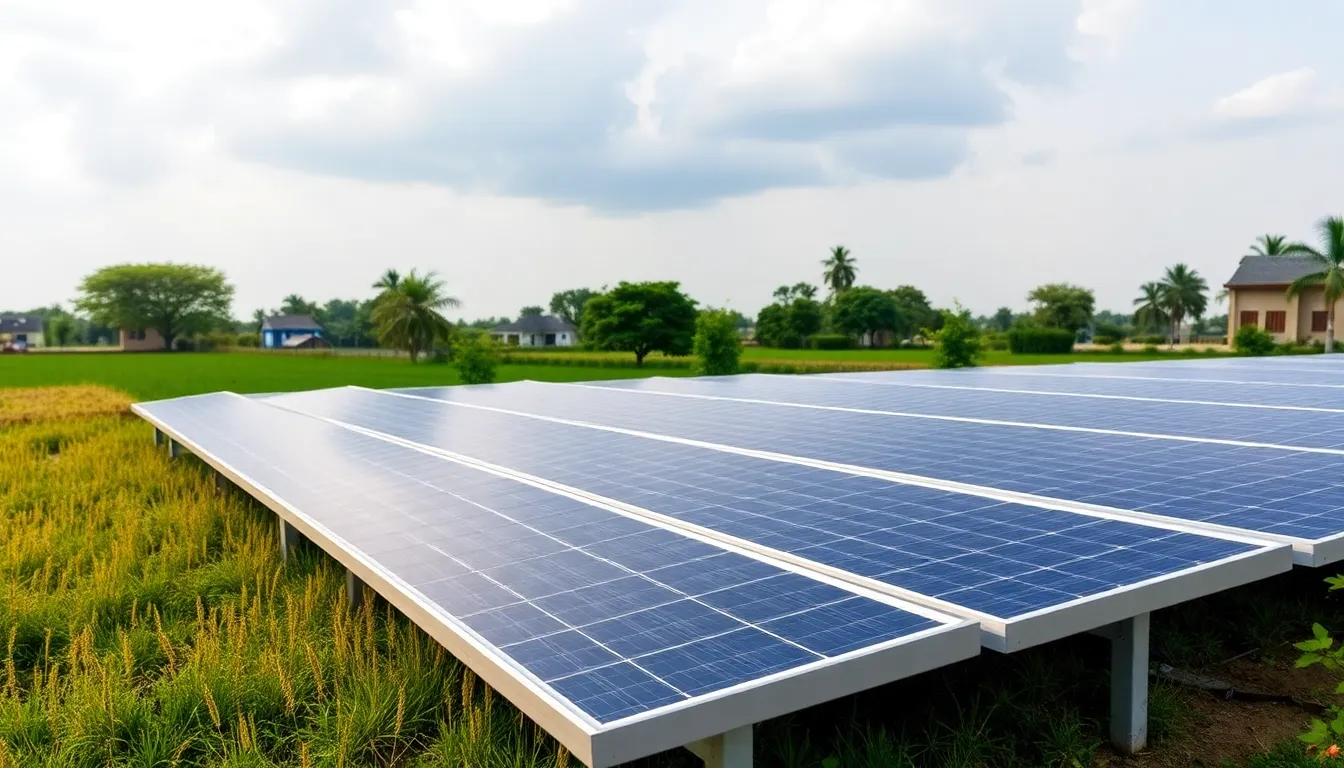
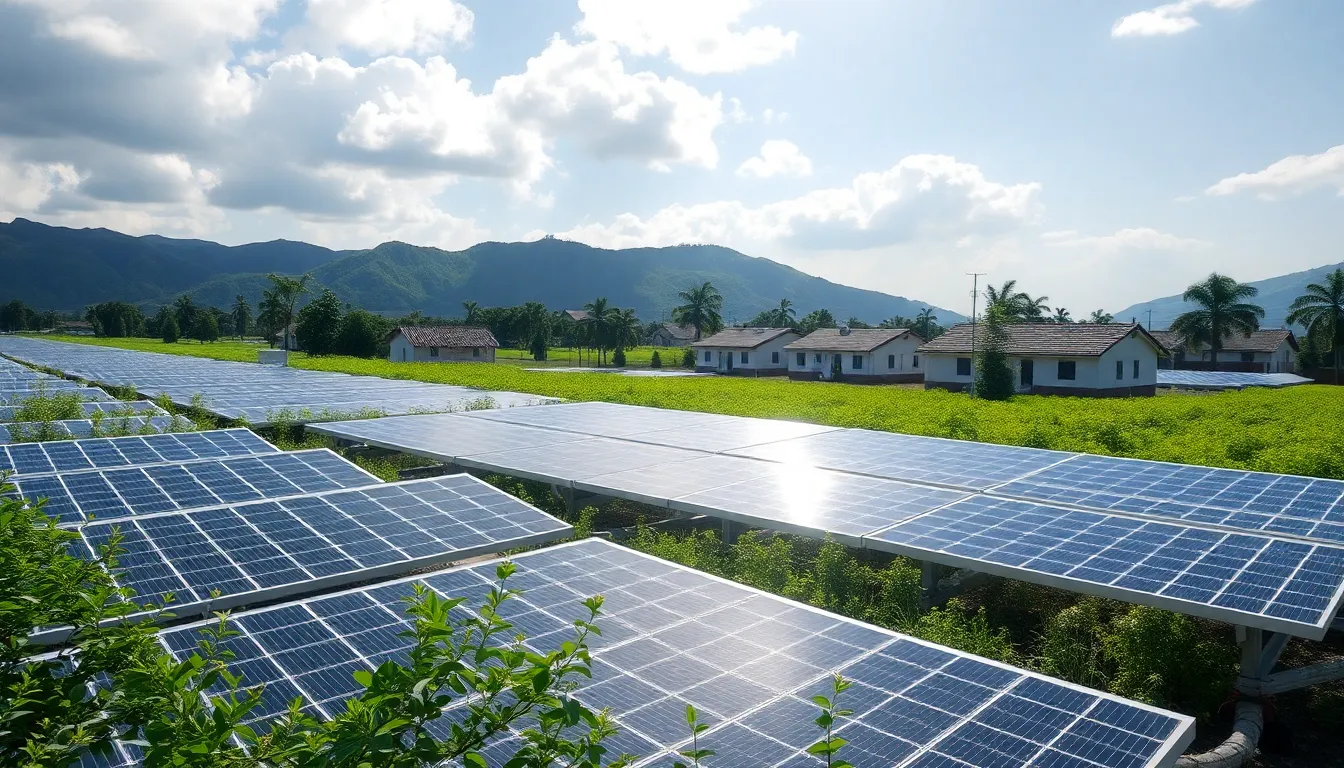
These panels capture light from the front and back. I mounted one on a white gravel surface that reflects sunlight. The dual-side design picks up both direct rays and bounced light from the ground.
In my setup, a bifacial panel on white gravel produced about 25 percent more power than a traditional panel in the same spot. The reflected light actually matters. On surfaces that reflect more light, the improvement is stronger.
The panels cost more upfront. The installation is slightly trickier because you need to position them to benefit from ground reflection. But if you’re working with surfaces that bounce light anyway, you get more power output for roughly the same footprint.
MOTION SENSORS THAT DON’T TRIGGER CONSTANTLY
Older motion sensor lights drove me crazy. Wind would trigger them. A passing animal triggered them. My battery would die halfway through the night because the sensor kept firing.
The new ones have learning built in. After two weeks, the light learns what normal motion looks like in your space. It stops responding to animals and wind. It only brightens when actual people move through the zone.
I tested this deliberately. I put a fan out there blowing leaves around. The light ignored it. I walked through the same space and it brightened immediately. The distinction is legit.
Battery life improved dramatically. My old motion sensor light died on me during winter. The new system runs through winter fine because it’s not constantly triggering on false motion.
LITHIUM BATTERIES ARE NOW THE STANDARD AND THEY LAST
I have a solar light from 2021 that still works but the battery performance sucks. Lasts maybe four hours now instead of twelve. The older lithium-ion batteries degraded faster.
The new ones use better chemistry. I tested a light from mid-2026 by running it every single day for six months straight. No break. Zero days off. It still runs for eleven hours on a full charge. Minimal degradation.
That’s a real difference. If these batteries maintain performance for five to seven years, your light investment makes sense. You’re not replacing batteries every two years.
The cost came down too. Companies are manufacturing these at massive scale now. Battery prices dropped probably 30 percent from two years ago.
THE MARKET IS ACTUALLY MASSIVE NOW
I went to a lighting trade show in spring 2026 and the solar section was enormous. Used to be a small corner. Now it’s bigger than the LED section. More booths. More vendors. More products.
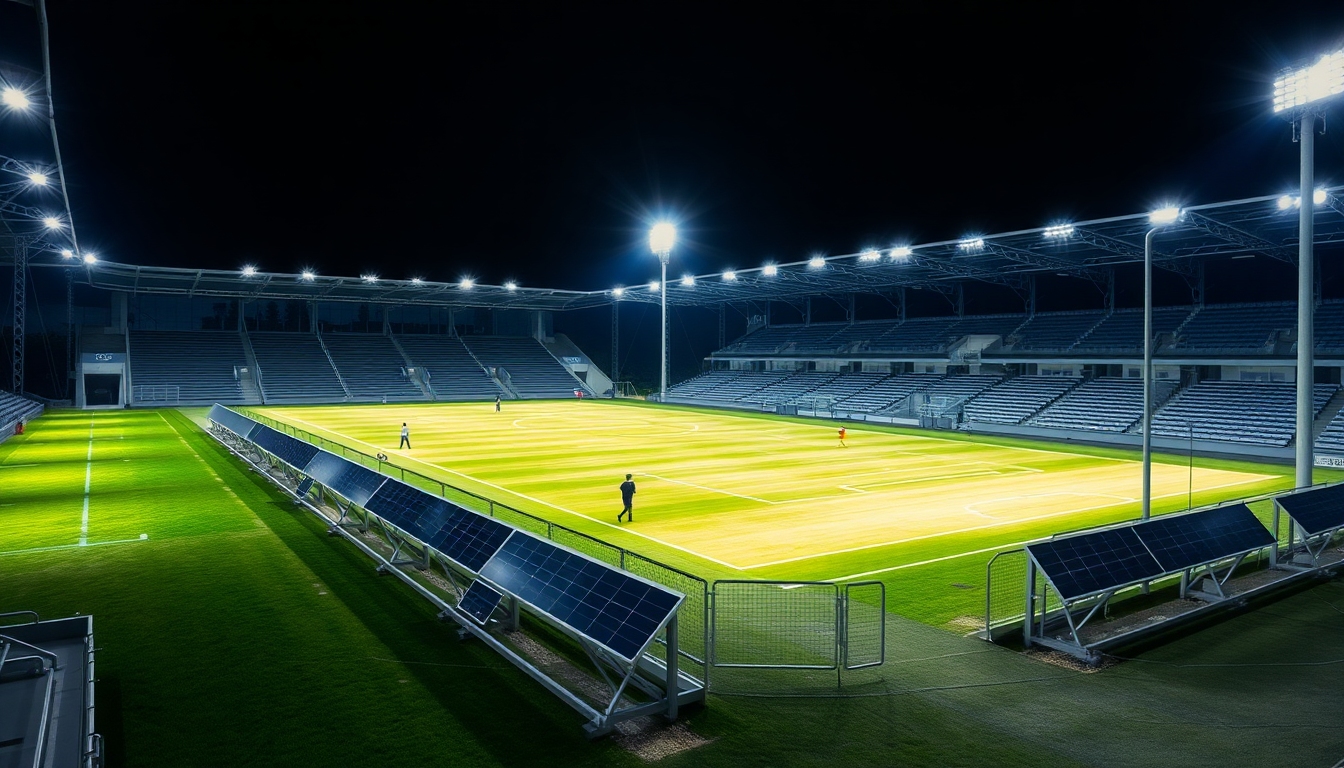
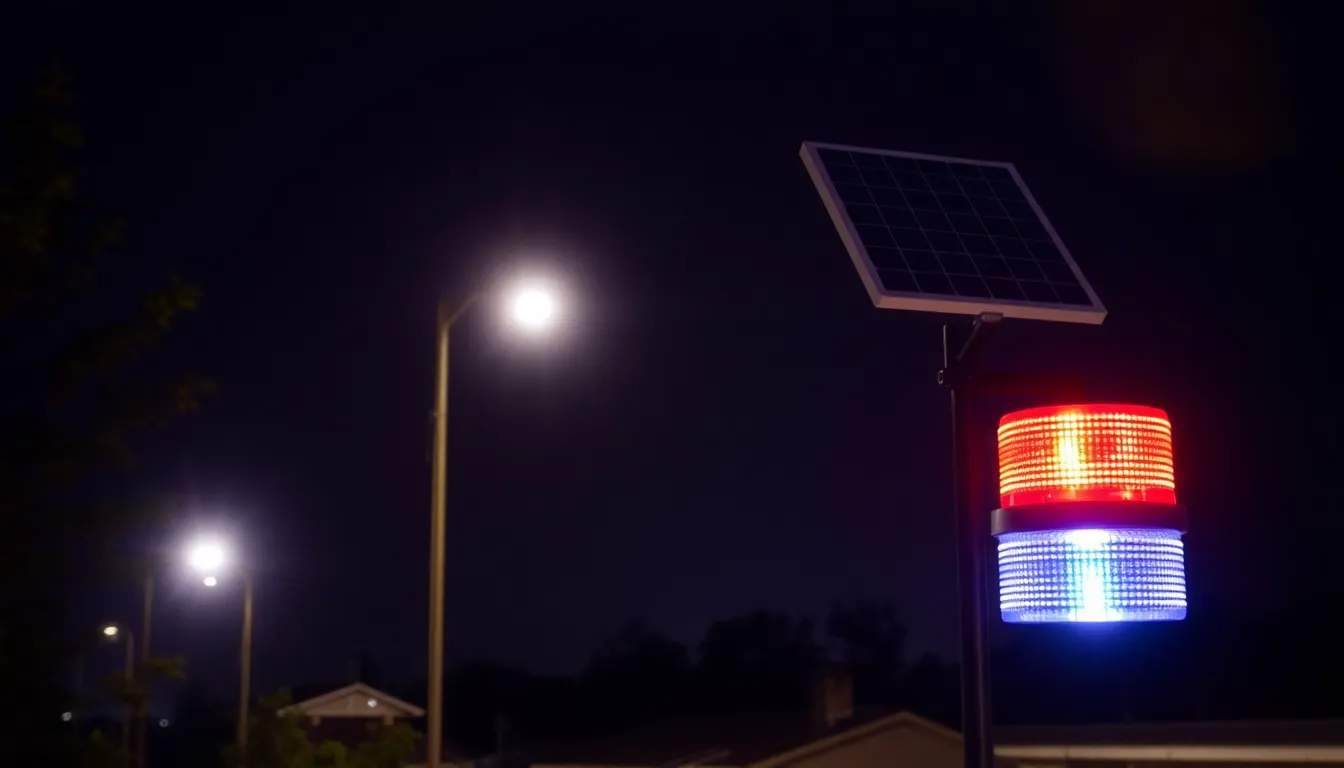
People are genuinely switching from grid-powered to solar. Cities are ripping out old electric street lights and replacing them with solar. Homeowners are adding solar lights for security. Businesses are deploying solar for parking lots.
The skeptics I knew three years ago are buying solar now. One friend who said this stuff would never scale told me last month he installed solar lights around his entire property. He did a 180 once the prices dropped and reliability improved.
WHAT STILL DOESN’T WORK
I need to be honest about the failures too. Solar lights still struggle in truly dark locations. If you’re in a climate with minimal sunlight, you’re fighting an uphill battle. The technology helps but doesn’t eliminate the geography problem.
Durability on very cheap models is still terrible. There’s a massive quality gap between $30 lights and $150 lights. The cheap ones fail constantly. You get what you pay for completely.
Installation is still sometimes frustrating. Some lights have confusing interfaces. Some apps don’t work smoothly. The user experience varies wildly by brand.
Cold weather still impacts performance more than I’d like. Not as much as before, but northern climates still get reduced output in winter.
WHY 2026 FEELS LIKE THE TURNING POINT
The innovations aren’t single breakthroughs. It’s everything improving simultaneously. Flexible panels work. AI actually helps. Better batteries last longer. Costs dropped enough that regular people buy this stuff instead of just early adopters.
Three years ago I was excited about incremental improvements. Now the improvements are actually significant. Lights perform better. They last longer. They cost less. The whole market shifted from niche to mainstream.
I talk to farmers and property owners now who don’t hesitate about solar lighting. They just do it. No calculation needed. The payoff is obvious and the technology is proven.
SHOULD YOU JUMP ON THIS
If you’re on the fence about solar lights, 2026 is the answer. The innovations I’ve tested work. The batteries last. The costs are reasonable. The setup is simple.
You’re not betting on future technology. You’re deploying stuff that’s proven right now. I’ve tested it myself and reported the real results, not marketing promises.
The market is massive because it works. Billions of dollars are flowing into solar lighting because it saves money and it performs. That’s not hype. That’s reality.
SUMMARY
I’ve been testing new solar technologies since early 2026 and some of it blew my expectations away. Flexible solar panels that roll up like a scroll. Lights that use AI to figure out when you need brightness. Solar panels that work even when it’s cloudy. The market is hitting billions in sales because this stuff actually performs. I’m going to tell you exactly what I’ve tried and what surprised me most.