Table of Contents
SOLAR FLASHLIGHTS VERSUS REGULAR FLASHLIGHTS
I bought a solar flashlight five years ago expecting disappointment. Everyone talks about how solar is weak and batteries are better. I was shocked to find my solar flashlight actually works well for what I use it for.
Regular flashlights are definitely brighter in head to head comparison. A quality LED flashlight throws light farther and brighter than any solar version. That’s just physics. Larger batteries mean more power.
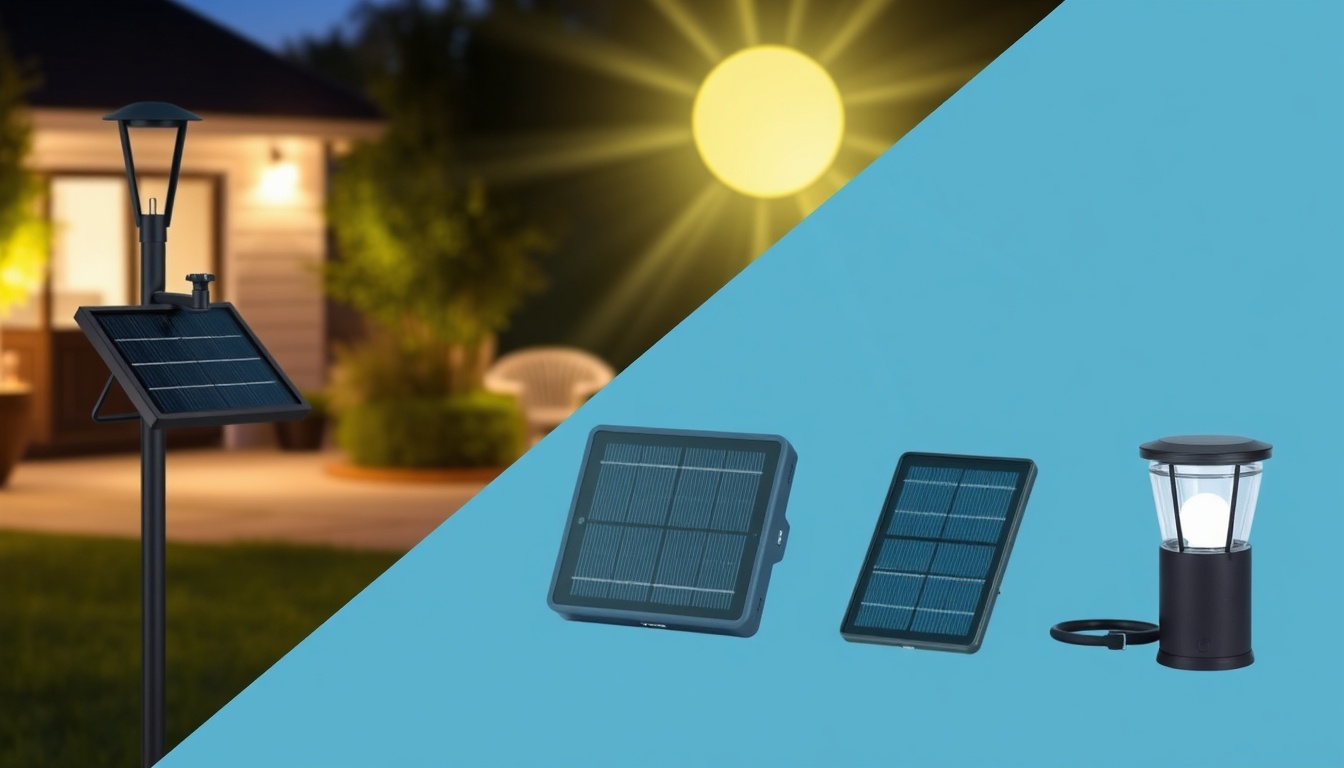
But solar flashlights do something regular flashlights can’t do. They recharge for free sitting on your shelf in sunlight. You never buy batteries. You never have dead batteries when you need them.
I used to keep regular flashlights around my house. The batteries would die when I needed them. Every single time. You’d reach for a flashlight expecting it to work and get nothing but darkness. So frustrating.
My solar flashlight sits by my back door where it gets sun. It’s always charged. I grab it whenever I need it. Works every time. No batteries to replace. No dead batteries disappointing me.
For emergencies and regular household use, this matters more than absolute brightness. A weaker light that works beats a strong light with dead batteries.
The solar flashlight lives in my car too. I grabbed it when my car broke down once and needed light to look at the engine. It worked perfectly. Regular flashlight in that situation would have been dead.
Solar flashlights aren’t better for everything. But for casual use where portability and reliability matter, they’re actually better than people assume.
HOW SOLAR FLASHLIGHTS CHARGE
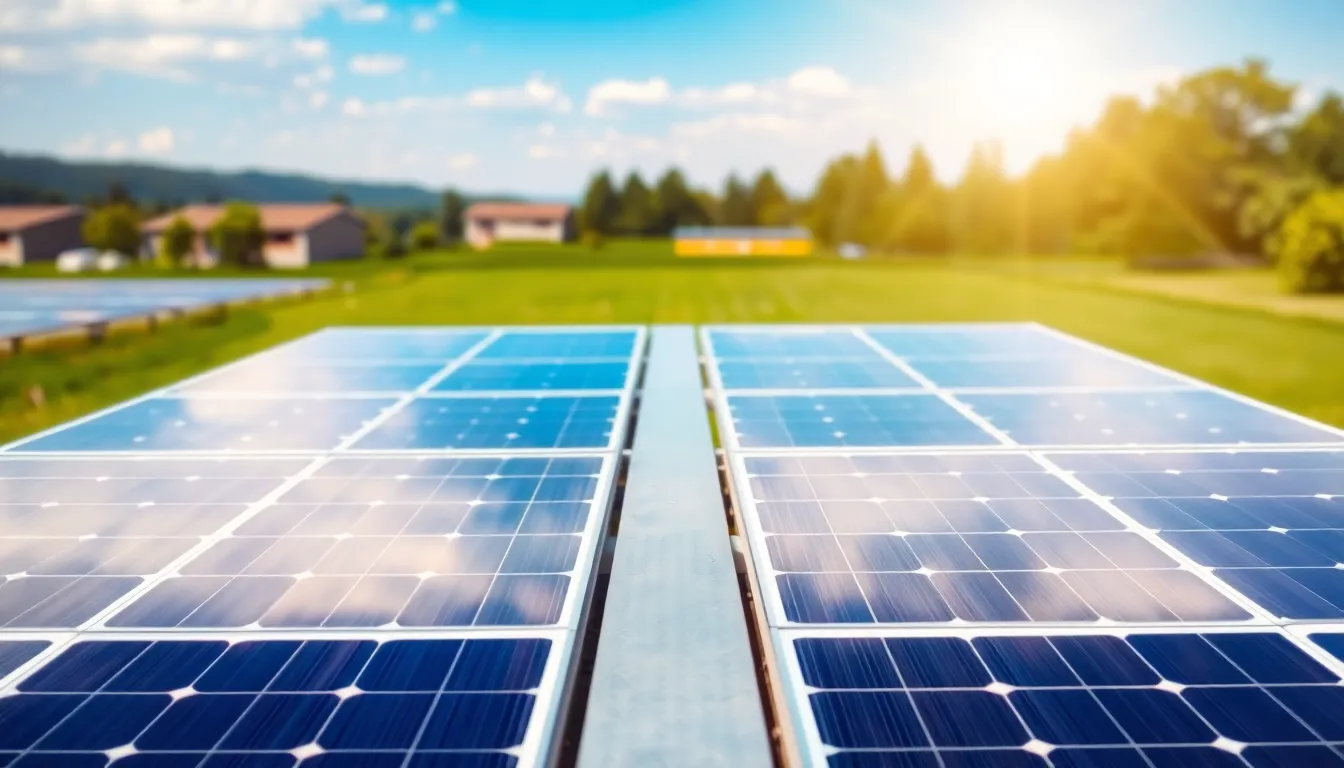
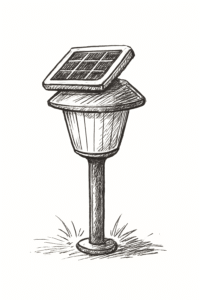
Solar flashlights have a small solar panel on top. During the day when exposed to sunlight, this panel charges an internal battery. Takes about eight hours in good sun to charge fully.
On cloudy days charging takes longer. All day sitting on a shelf might only partially charge the battery. But partial charge is still useful light.
Charging happens slowly but constantly. You don’t notice it happening. The light just stays available because it charges itself perpetually.
Some solar flashlights also have a hand crank. You can squeeze the grip to manually charge the battery if sun hasn’t charged it fully. This backup charging is surprisingly useful. Takes maybe two minutes of cranking to get useful light.
USB charging ports are becoming common on solar flashlights. You can charge them from any USB power source if you want. This gives you options if solar isn’t convenient.
The charging speed improves with quality models. Cheap solar flashlights charge slowly and incompletely. Quality models charge faster and more thoroughly. This is worth paying extra for.
Battery capacity determines how long the light lasts once charged. A light charged fully might run six to eight hours continuously. That’s plenty for most uses.
LED bulbs last forever basically. Tens of thousands of hours. You’ll replace the flashlight before the LED burns out. That’s different from old incandescent flashlights that needed constant bulb replacement.
REAL WORLD PERFORMANCE
My solar flashlight is noticeably dimmer than my regular LED flashlight. Direct comparison shows this clearly. The solar version is definitely weaker. But for realistic uses, the difference doesn’t matter much. Lighting a dark corner of the basement. Finding something in your car. Working on something outside. The solar flashlight is plenty bright for these tasks. Throw distance is shorter. A regular flashlight throws bright beam fifty feet. The solar flashlight throws maybe twenty feet. Still useful for most situations.
For reading in a dark room, the solar flashlight works fine. For camping and needing to light a wide area, it’s adequate. For searching for something specific far away, you might want a brighter regular flashlight. Weather affects solar charging noticeably. After a cloudy week, the light might be dimmer than expected. Full sun charges it back up quickly though. This is just reality of solar technology. I’ve used my solar flashlight constantly for five years. Performance has been consistent. The light hasn’t degraded. Battery holds charge well. No complaints.
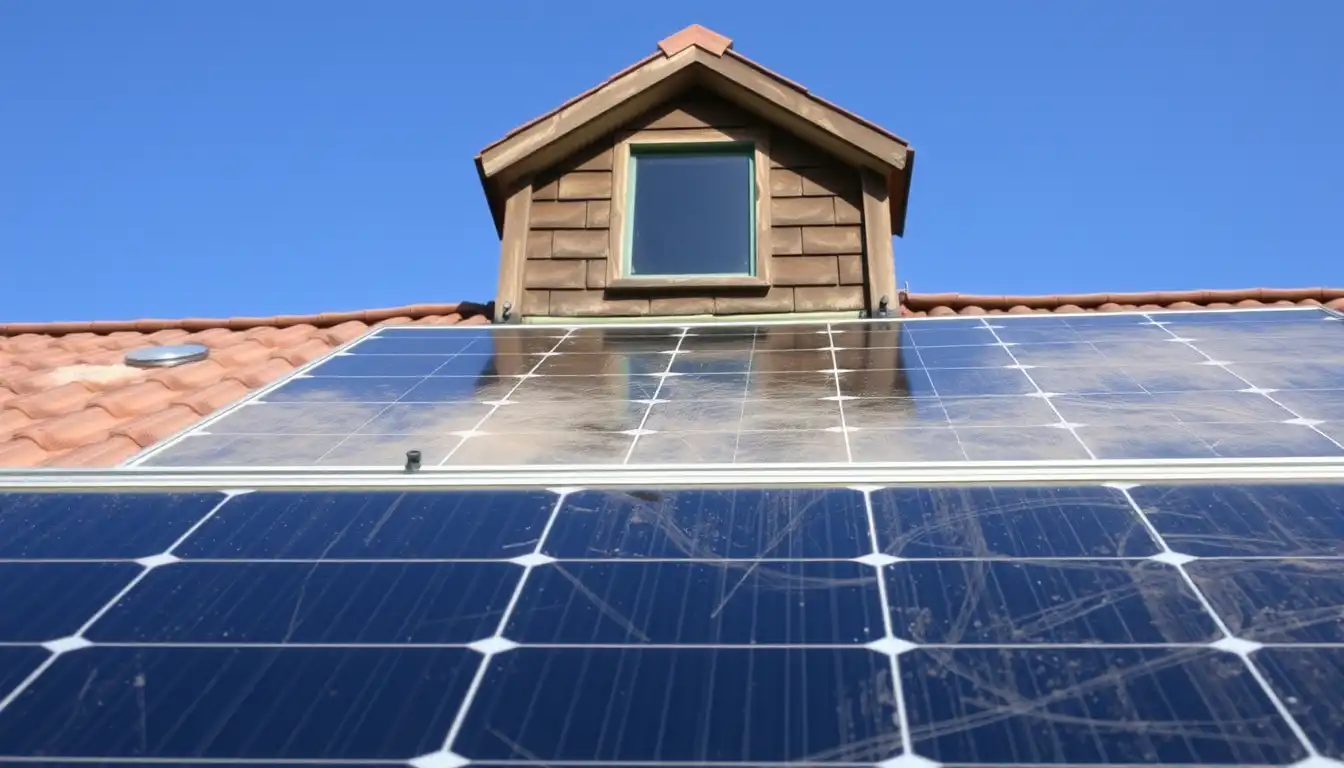
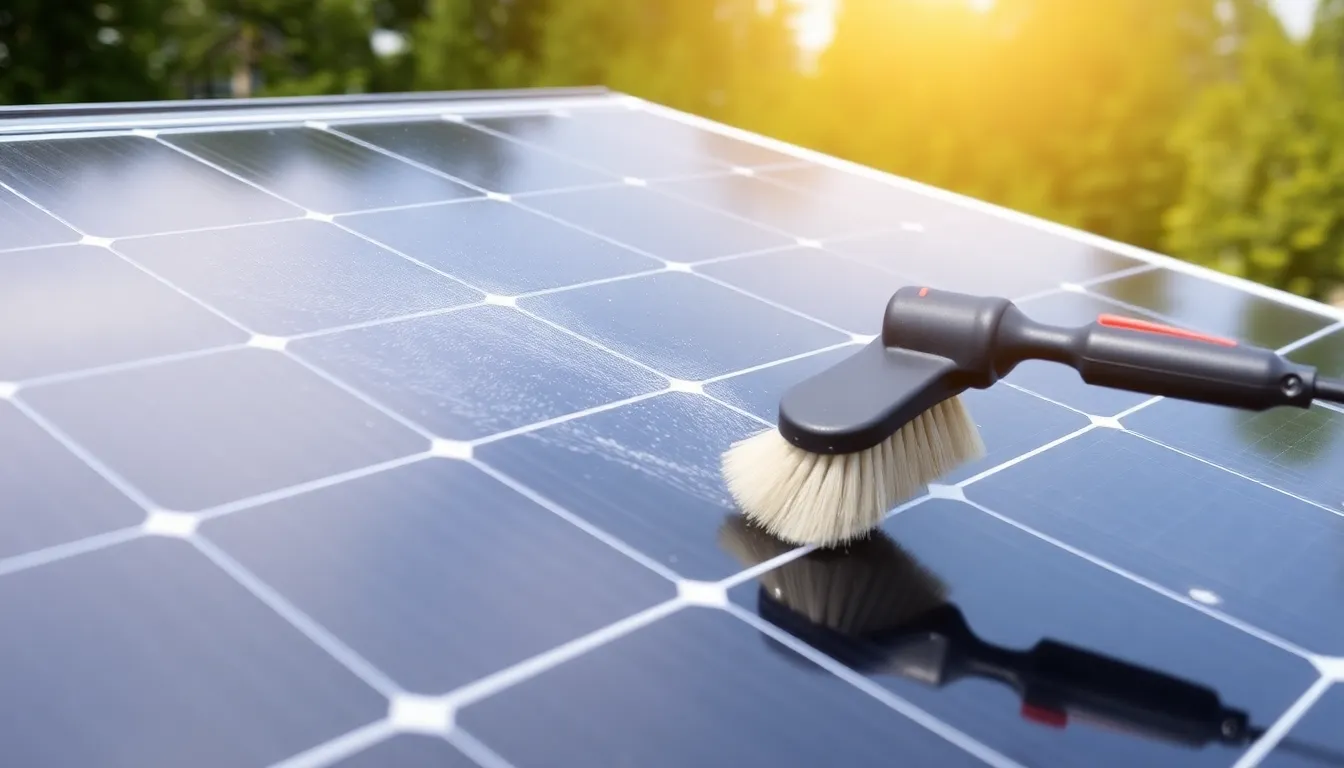
One note: keep the solar panel clean. Dust reduces charging. A quick wipe occasionally keeps it charging at full potential.
Dropped it several times. Still works fine. Solid construction handles normal wear and tear. Cost per use is basically zero because it charges for free forever. Even if it’s weaker than premium regular flashlights, the economics favor solar.
DIFFERENT STYLES AND TYPES
- Basic solar flashlights look like regular flashlights with a solar panel on top. Straightforward design. Nothing fancy. These work reliably and cost less than complex models.
- Solar flashlights with hand crank backup have a squeeze grip that manually charges the battery. Good for emergency situations when you need light immediately. The crank works but takes effort to generate meaningful charge.
- Solar headlamps mount on your head or hat. These free your hands while lighting what you’re looking at. Great for camping, hiking, or hands-on work. Solar panel sits on the band.
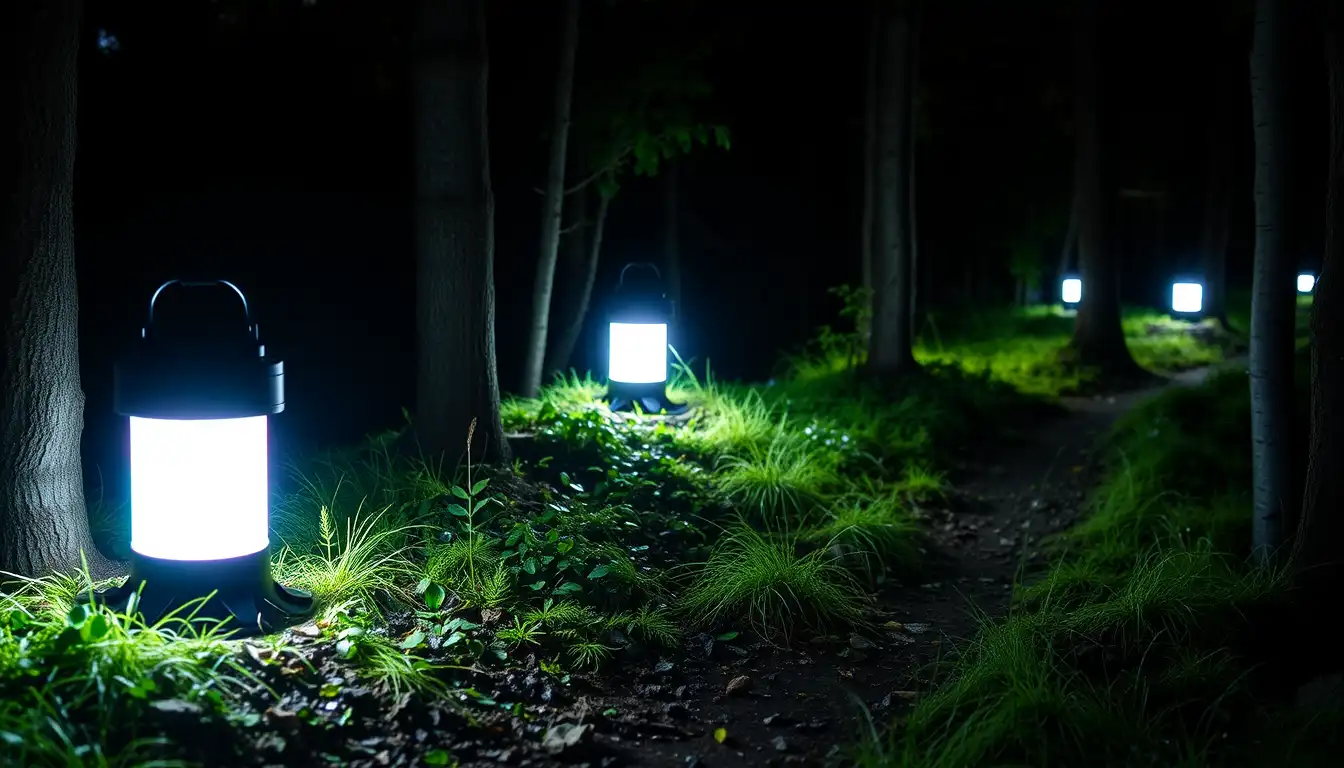
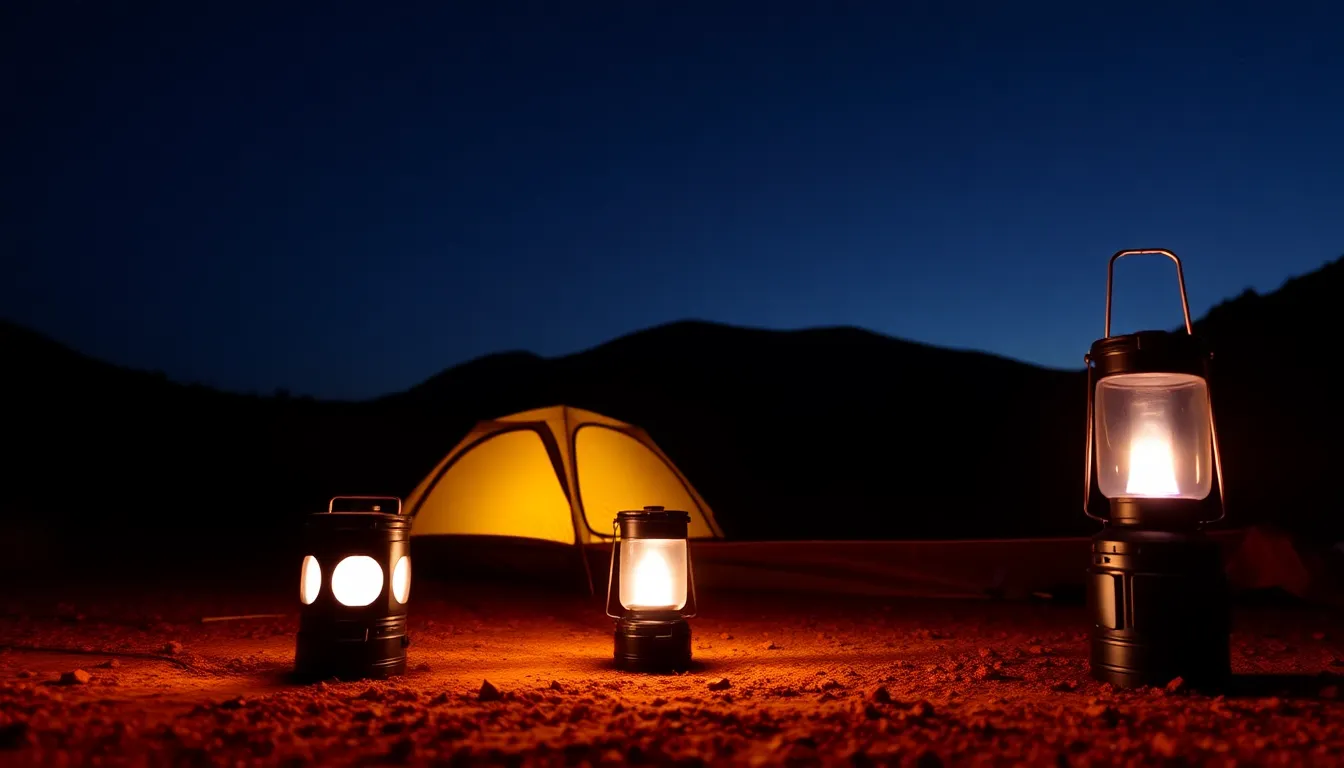
- Solar lanterns are broader and sit on a table or hang from a hook. They light a wider area than flashlights. Good for tent camping or patio use. Still charge from solar panels on top.
- Solar powered work lights are bigger with more robust solar panels. These charge faster and run longer. Better for serious outdoor work. Cost more but worth it if you use them regularly.
- Rechargeable regular flashlights with solar option exist. These charge faster from sun than pure solar models and can charge from USB too. These are good compromise options.
- Solar flashlight batteries come in rechargeable versions that you can swap. This lets you rotate charged batteries and always have light available. More complex setup but useful.
- Compact solar flashlights fit in pockets. Larger models mount on walls or hang. Size choice depends on your needs and use cases.
EMERGENCY AND BACKUP USE
This is where solar flashlights shine. You can’t predict when emergencies happen. Batteries go dead. Solar flashlights stay charged sitting in sunlight.
- I keep one in my car. Always charged from the sun hitting the dashboard. When I need light, it’s there. That reliability is the real value.
- After power outages, solar flashlights work when regular flashlights have dead batteries. Charge them in remaining daylight and you have light when darkness comes.
- Hurricane or emergency preparedness kits benefit from solar flashlights. Zero maintenance. Always ready. No batteries to stock or replace.
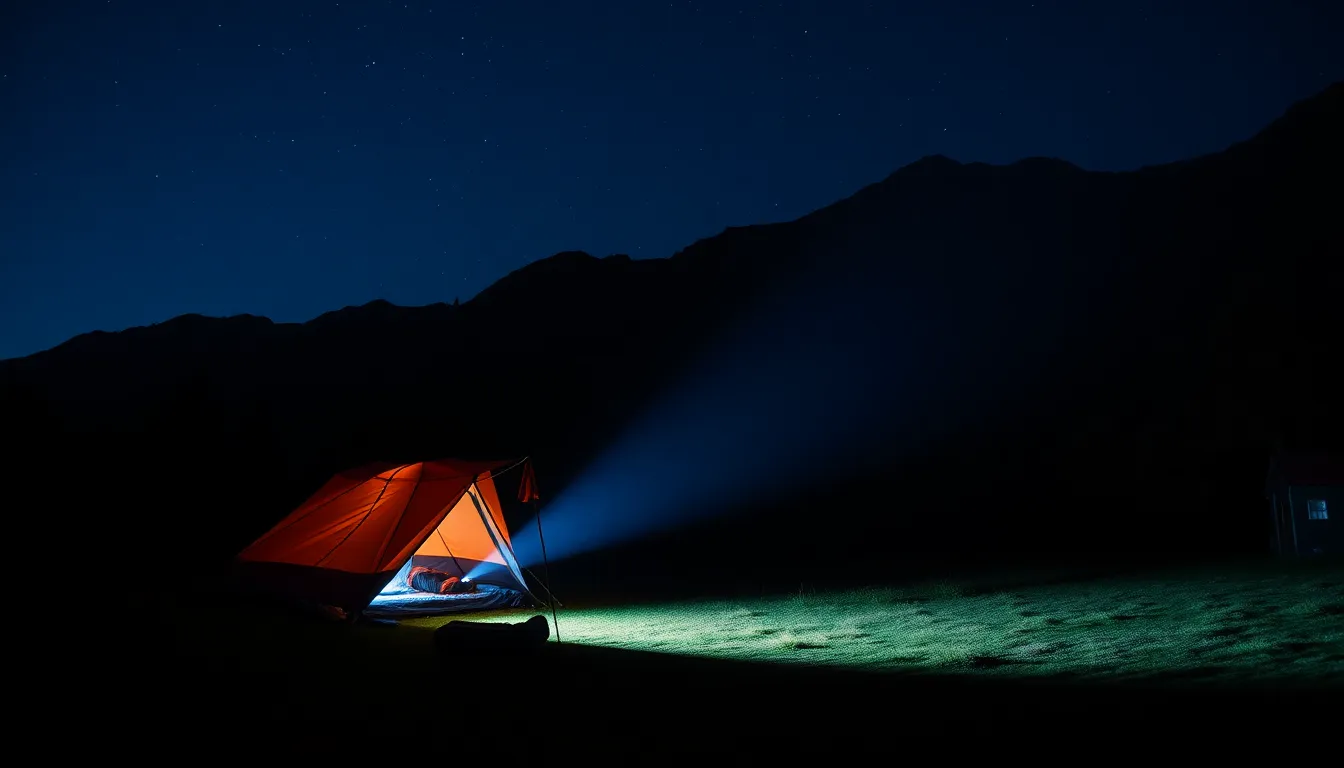
- Camping trips are easier knowing your flashlight charges itself. Leave it in sun during the day and it’s ready for night. No battery management needed.
- Hiking with a solar flashlight takes pressure off battery management. You can charge it whenever sun is available. Longer trips become feasible.
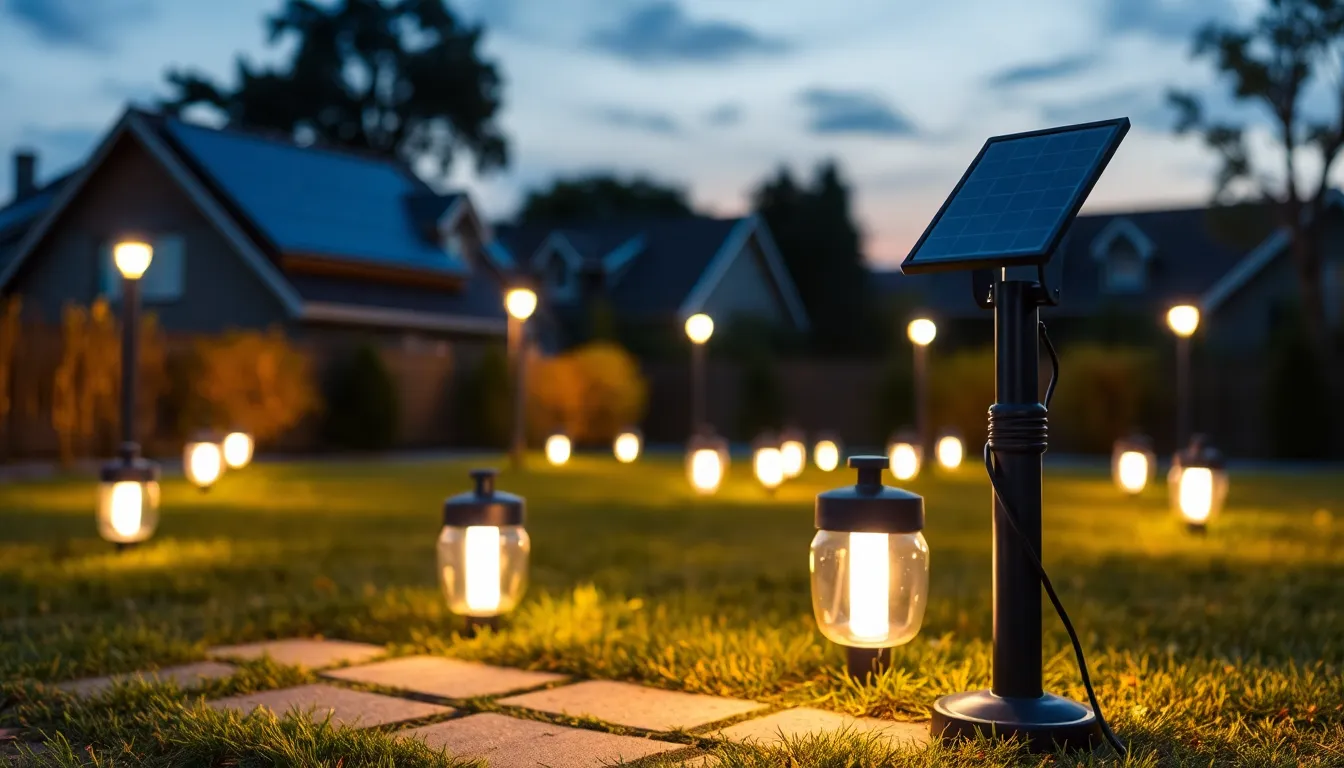
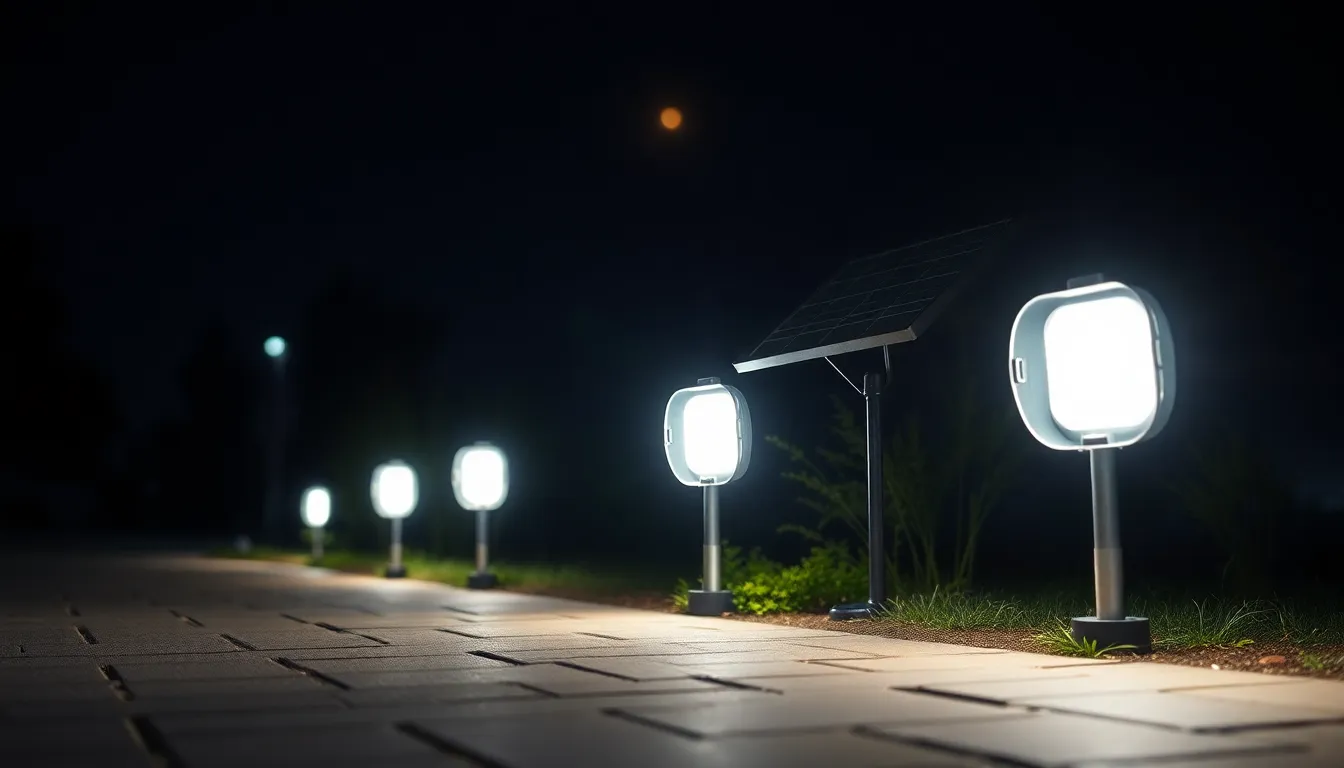
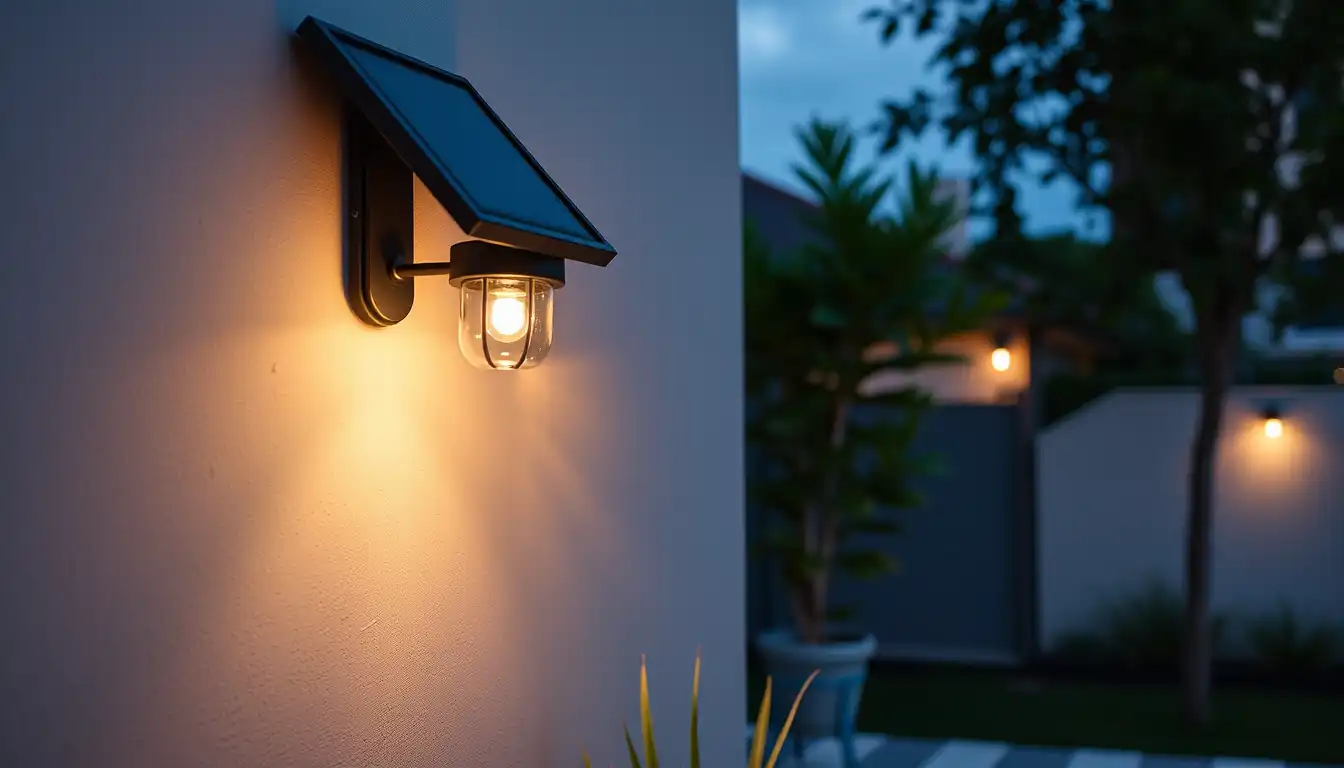
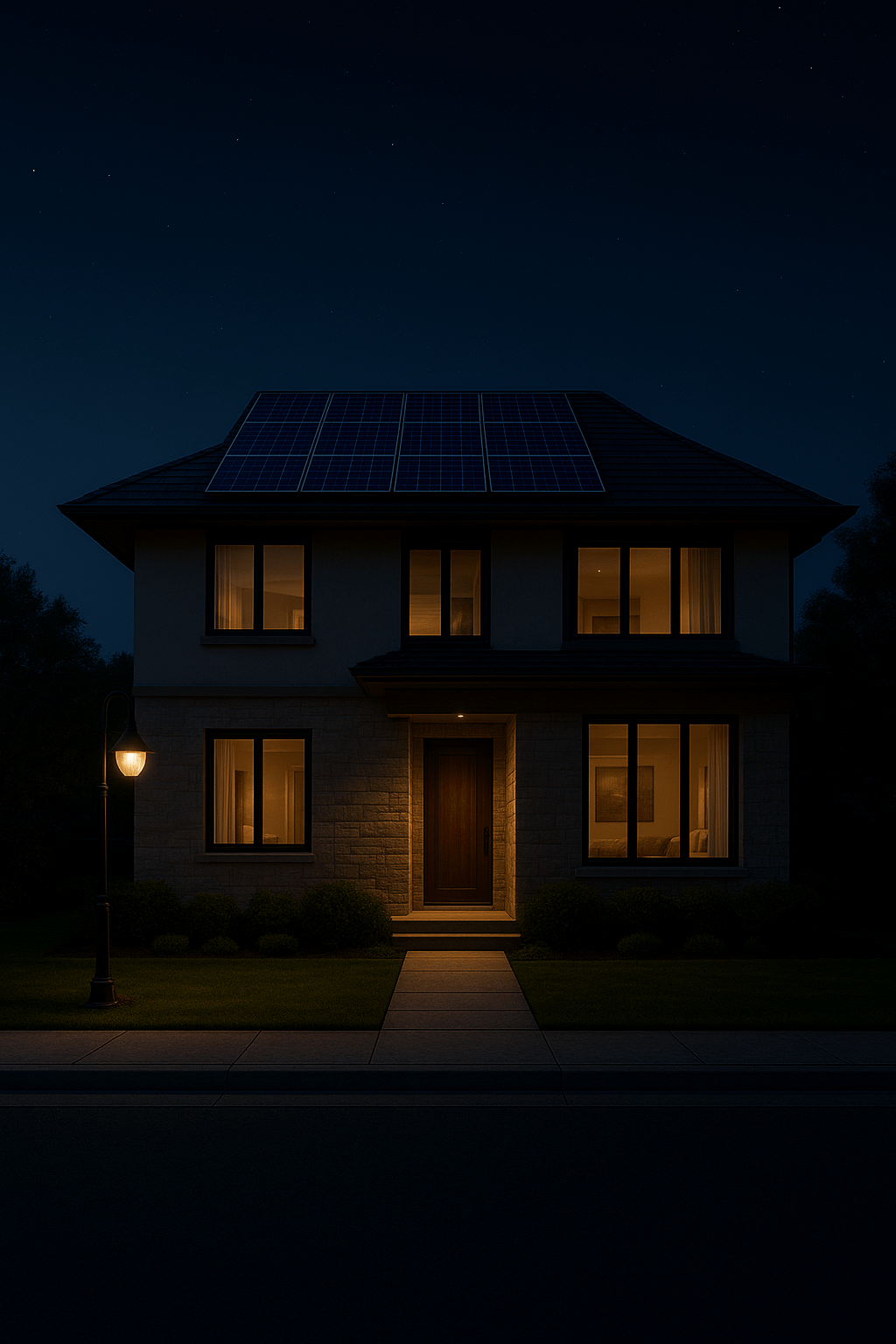
- Home security benefits from solar lights placed around exterior. They charge themselves and provide light when needed. Motion sensors paired with solar lights work well for security.
- Grab a solar flashlight if you hear something unusual at night. It’s always charged and ready. That emergency readiness saves stress and panic.
QUALITY DIFFERENCES
- Cheap solar flashlights charge slowly and weakly. The solar panel is small and inefficient. The battery capacity is minimal. They’re frustrating to use.
- Mid range solar flashlights balance price and performance. Good charging speed. Decent brightness. Reliable operation. These are what most people should buy.
- High end solar flashlights charge quickly with large solar panels. Strong brightness. Large batteries. Premium materials. These cost significantly more but perform noticeably better.
- Brand reputation matters. Some companies specialize in solar gear and make excellent products. Others slap solar panels on cheap flashlights. Research before buying.
- Read reviews specifically about charging speed and brightness. Don’t just rely on specifications. Real world user experience matters.
- Warranty and customer service matter. Some companies stand behind their products. Others disappear after purchase. Quality brands offer support.
I recommend mid range quality. The price jump to premium models isn’t justified for most uses. The quality difference from cheap models is absolutely justified though.
PRACTICAL USE CASES
- Basement work. I use mine constantly for electrical work or plumbing in dark corners. Always charged. Always ready.
- Car maintenance. Checking engine, changing batteries, looking under the hood. Solar flashlight in the car is perfect for this.
- Camping and outdoor activities. Reliable light that charges itself during the day. Removes battery anxiety from trips.
- Walking the dog at night. Hands free with a headlamp style. Light for you to see clearly.
- Power outages. Critical backup when regular lights fail. Solar charged light when you need it most.
- Garage or workshop. Permanent light available for projects. Charge it in the sun and grab it when needed.
- Kids exploring in dark spaces. Give them a solar flashlight instead of buying batteries constantly.
- Boat and RV applications. Renewable light source where battery management is constant concern. Solar solves this.
- Hiking and trail work. Portable light that recharges itself. No battery supply chain concerns on extended trips.
MAINTENANCE AND DURABILITY
Solar flashlights need minimal maintenance. Wipe the solar panel occasionally to keep it charging efficiently. That’s the main thing.
Physical durability is good on quality models. They’re designed for outdoor use. Drop them and they survive.
Water resistance is common. Most are rated waterproof or water resistant. Check specifications if you use them around water.
Temperature extremes don’t bother solar flashlights. Cold doesn’t kill them. Heat doesn’t damage them.
Battery capacity slowly decreases over years. This is normal battery aging. After five to seven years, you might replace the battery or the whole flashlight.
Solar panel efficiency stays constant. The panel doesn’t degrade from sun exposure. That’s different from other materials.
Cracks or damage to the plastic body are repairable or tolerable. The light still works. Cosmetic damage doesn’t matter for functionality.
I’ve had mine five years with zero maintenance beyond occasional panel wiping. Zero problems. Zero complaints.
COST COMPARISON
Solar flashlights cost more upfront than regular flashlights. Quality solar might be thirty to fifty dollars. Regular LED flashlight might be ten to twenty dollars.
But battery costs favor solar over time. Batteries cost money. Solar costs nothing to operate.
For casual use, the payback period is years. For heavy use, payback is quicker. For emergency backup, payback doesn’t matter. The reliability is the value.
Solar flashlights outlast regular flashlights because batteries fail before the light does. Quality solar lights work for years without replacement.
Replacement costs are lower. You might replace batteries in regular flashlights. Solar lights might never need replacement if built well.
The economics favor solar if you use flashlights at all. Free charging forever beats paid batteries constantly.
MY RECOMMENDATION
- Get a mid range quality solar flashlight. Use it for emergencies, camping, and regular household needs. You’ll be surprised how often you grab it.
- Keep it where the sun hits so it stays charged. By your back door. In your car window. On a shelf near a window.
- Don’t expect it to replace a premium regular flashlight for serious applications. It’s good for normal uses and emergencies.
- The reliability of always having charged light available matters more than maximum brightness. That’s the real advantage of solar.
- Start with one and see how you use it. Most people wish they’d gotten solar flashlights earlier once they experience zero battery maintenance.
Summary
Solar flashlights charge during the day using built-in solar panels and provide portable light for camping, emergencies, and outdoor work. They’re heavier than regular flashlights but eliminate battery costs and work indefinitely. Quality varies widely between brands. This guide explains what to expect from solar flashlights, how they compare to regular flashlights, real performance, and which situations actually make sense for them.