Table of Contents
The Honest Truth About Solar Lights and Kids
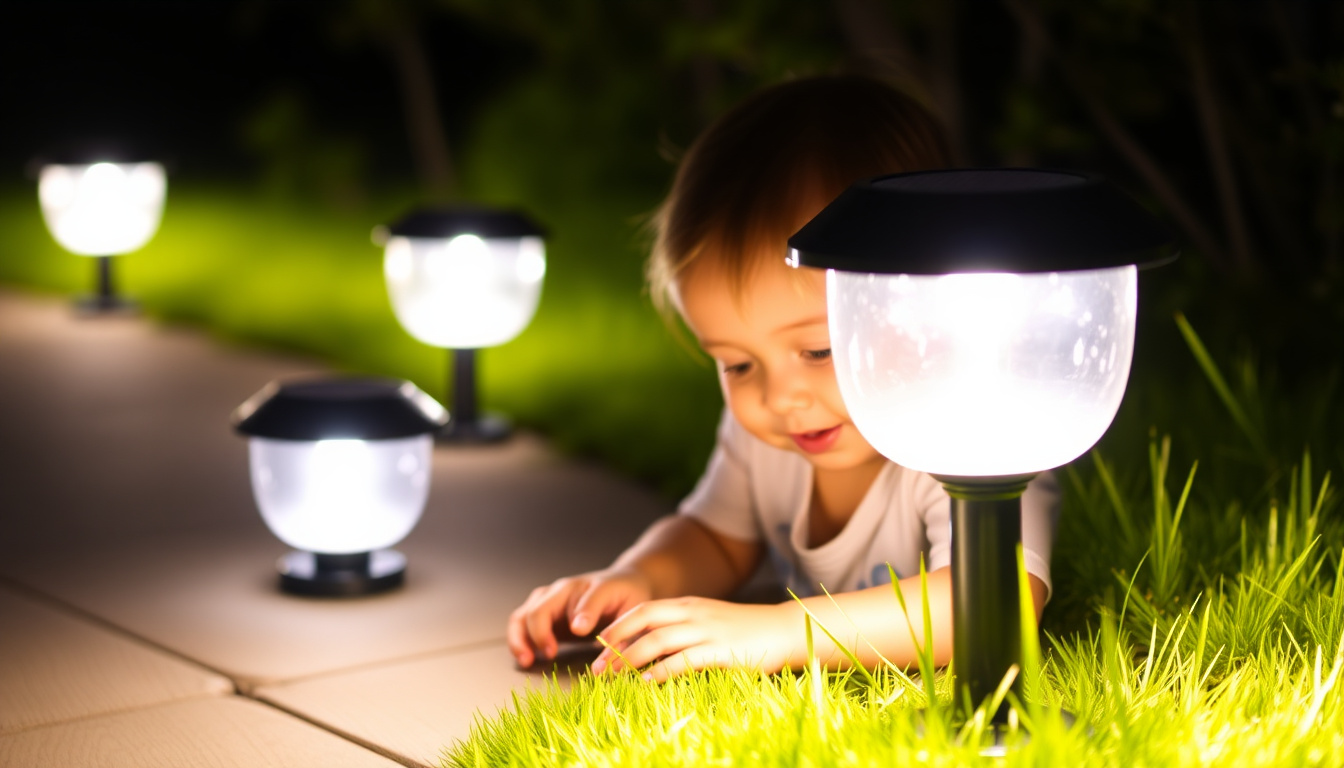
Solar lights are safe for kids in most situations. But they’re not completely risk-free either. You need to know what can actually hurt your child before you slap lights all over your yard.
Most solar lights work fine around children. They don’t produce radiation or anything scary like that. The light they make is just normal light. Your kid isn’t going to get poisoned by looking at a solar light. But there are some real problems you should watch for.
Small parts inside solar lights are a choking hazard for toddlers. The screw caps on the bottom are tiny. Batteries rattle loose inside cheaper lights. Some lights have small plastic pieces that break off. Kids under three years old put everything in their mouths, so these lights become dangerous when they’re playing near them.
Heat is another issue. Solar lights sit in the sun all day absorbing heat. The plastic casing gets hot. Not hot enough to cause serious burns, but hot enough to hurt if your kid touches it. Some lights get surprisingly warm.
Battery chemicals inside the light are toxic if your child gets into them. This happens when lights break or leak. Old alkaline batteries corrode and leak alkaline solutions. That stuff makes your kid sick if they swallow it or get it in their eyes.
Which Solar Lights Actually Pose Risks
Cheap solar lights from discount stores create the most problems. These lights use low-quality materials that fall apart. Plastic cracks easily. Batteries leak. Screws rust and get loose. Your kid finds a broken piece and sticks it in their mouth.
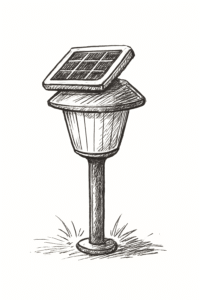
Lights with small solar panels on top are problematic. Kids grab the panel part. It comes loose because the connection is cheap. Now your kid has a small object and a light with exposed wiring.
Lights with large battery compartments that kids can open are dangerous. Some lights use screws that loosen over time. Your kid notices the light opens and takes it apart. They find the battery and play with it.
Painted solar lights worry me too. Cheap paint sometimes contains lead or other nasty stuff. When the paint chips, kids eat the chips. This is especially bad with kids under five who eat dirt and paint chips naturally.
Lights designed to stake into ground work better around kids. They stay put. Lights that sit loose on a table get kicked around and broken. Broken lights leak chemicals everywhere.
Real Hazards Parents Actually Deal With
Choking Hazards
The biggest risk with solar lights and kids is choking. Everything comes apart. Screws fall out. Batteries rattle free. Plastic pieces break off.
Toddlers between one and three years old stuff small objects in their mouths all day. A solar light part is exactly the size and shape they love to choke on. I’ve heard stories from parents whose kids found loose battery compartments and pulled out AAA batteries to play with.
Burns and Hot Surfaces
Solar lights sit in the sun for hours. They get hot. Not boiling hot, but hot enough to hurt. Your kid runs through the yard barefoot and steps on a solar light. Their foot burns. Or they touch a light that’s been baking in the sun and get a mild burn on their hand.
Chemical Exposure
Battery chemicals matter here. Alkaline batteries corrode. When they corrode, they leak a white or blue powder. This is potassium hydroxide. If your kid touches it or gets it in their eyes, it burns. If they swallow it, they get sick.
Lithium batteries leak different stuff. Also bad for kids. Both types of batteries should never touch your kid’s skin or go in their mouth.
Electrical Issues
Solar lights don’t use regular electricity, so you don’t have shocking risks. But water inside a broken light mixed with exposed wiring creates weird problems. A soaking wet light in your kid’s hands could cause issues. Not common, but possible.
How to Choose Safe Solar Lights for Your Yard
- Buy name brands that test for child safety. Cheap no-name lights don’t meet safety standards. Brands that sell lights at regular stores usually test them better than Amazon knockoffs.
- Look for lights without loose parts. Open the package and try to wiggle things. If anything moves around, put it back. If the battery compartment feels loose, don’t buy it.
- Get lights with childproof battery compartments. Some lights use screws that require a tool to open. Kids can’t get into these. This is way better than lights where you just pop open a plastic cover.
- Avoid lights with paint. Unpainted plastic is safer. If the light is painted, look up the manufacturer’s safety info first. Make sure the paint doesn’t contain lead or toxic stuff.
- Pick lights with larger solar panels that are hard to pull off. Small panels break away easily. Lights where the panel is welded or glued on work better.
- Stake lights into the ground instead of placing them loose on grass or decks. Staked lights don’t get kicked around and broken. Kids can’t pick them up and carry them inside.
- LED bulbs inside solar lights are fine. LEDs don’t get as hot as old-style light bulbs. Less burn risk. They also last longer so your light works better.
Setting Up Your Solar Lights Safely
- Put solar lights away from where kids play most. If your kids run around the patio, don’t line the patio with lights. Put them on the fence line or in a garden bed away from where kids go.
- Keep lights out of toddler reach. Anything a two-year-old can grab becomes a toy. Solar lights staked in a back garden work fine. Solar lights on a front porch where kids play become problems.
- Check your lights weekly for damage. Broken lights get taken out immediately. No exceptions. A cracked light is dangerous. Throw it away rather than trying to fix it.
- Keep kids away from lights when they’re hot. After a sunny day, wait until evening before letting kids play near the lights. The plastic cools down and becomes safer to touch.
- Teach older kids not to take lights apart. Kids seven and up can understand that lights are not toys. Tell them batteries are dangerous. Explain that opening a light is not allowed.
- Store extra solar lights and batteries somewhere kids can’t access. Your garage shelf or a locked cabinet works. Don’t leave batteries sitting around. Kids find them and play with them.
What To Do If Your Kid Gets Into a Solar Light
- If your kid swallows a small plastic part, call poison control. They’ll tell you if it’s actually dangerous or if your kid will be fine. Most small plastic pieces pass through with no problems, but get advice anyway.
- If your kid gets battery chemicals on their skin, wash the area immediately with lots of water. Use a soft cloth and plain water. Don’t use soap or lotion. Just water. If they got it in their eyes, rinse eyes with water for fifteen minutes and call a doctor.
- If your kid ate a battery, call poison control right away. Don’t wait. Don’t assume it’s fine. Batteries can be serious if they’re in the wrong place inside your kid’s body.
- If your kid has a burn from touching a hot light, run cool water on it for ten to fifteen minutes. Don’t use ice. Ice makes burns worse sometimes. Just cool water. If the burn looks bad or covers a big area, see a doctor.
Solar Lights That Work Best For Families
Look for well-made lights from established companies. You pay a little more but get lights that last and don’t fall apart. These lights have better battery compartments and sturdier construction.
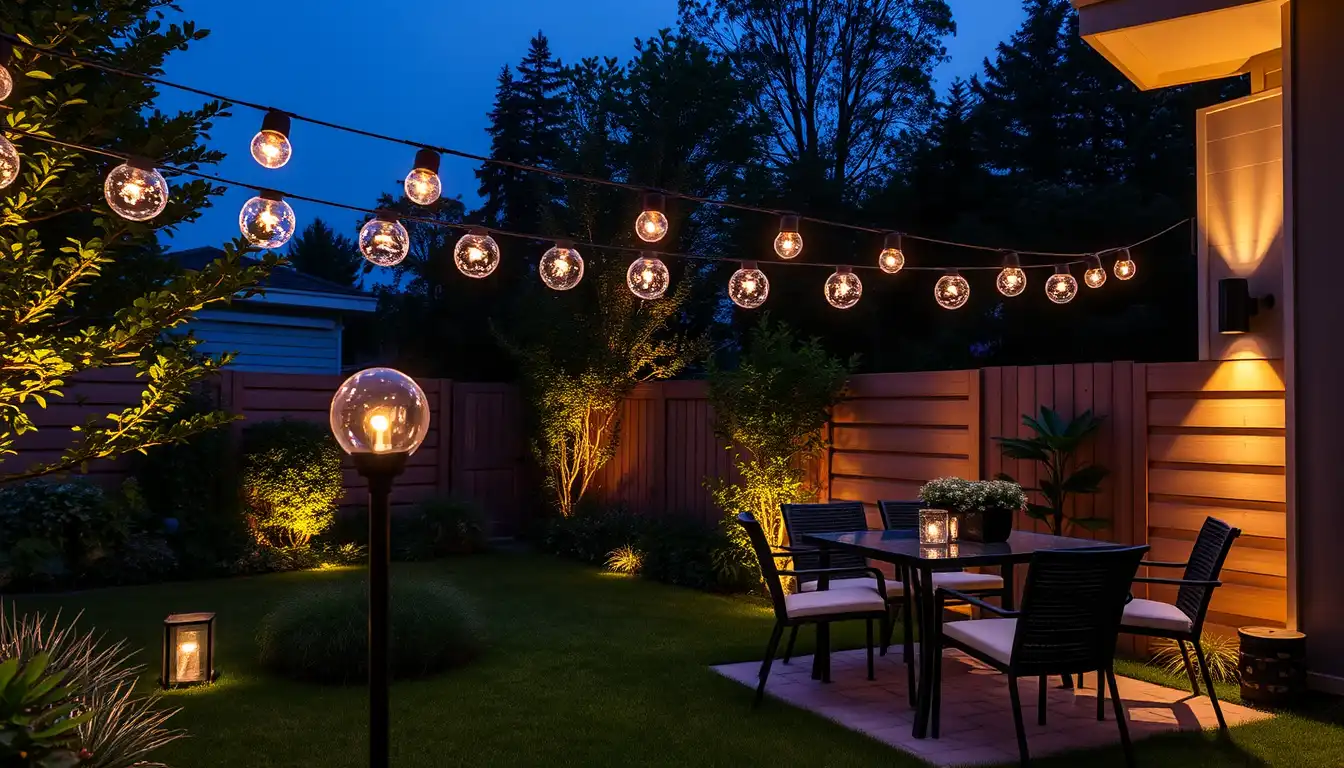
- String lights that hang high up work great. Kids can’t reach them. They make your yard look nice and they stay clean and safe. No loose parts on the ground.
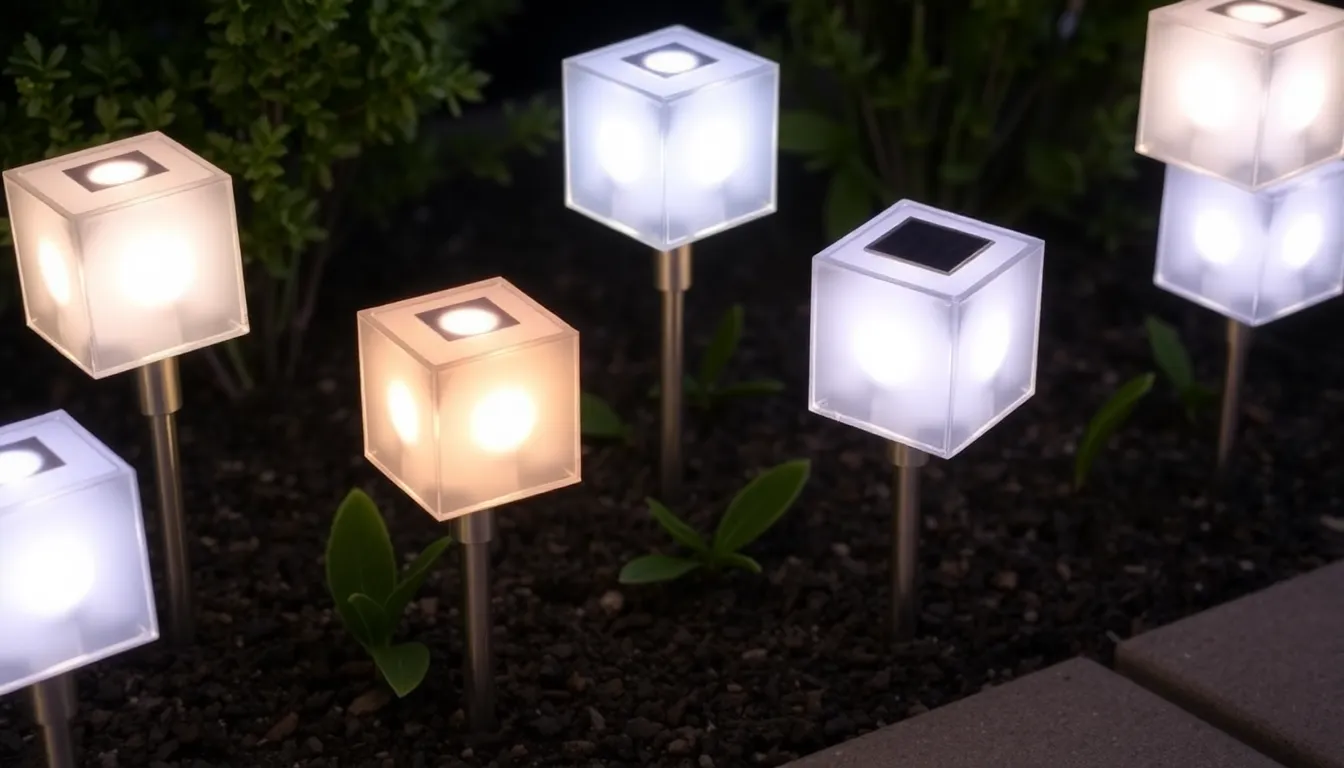
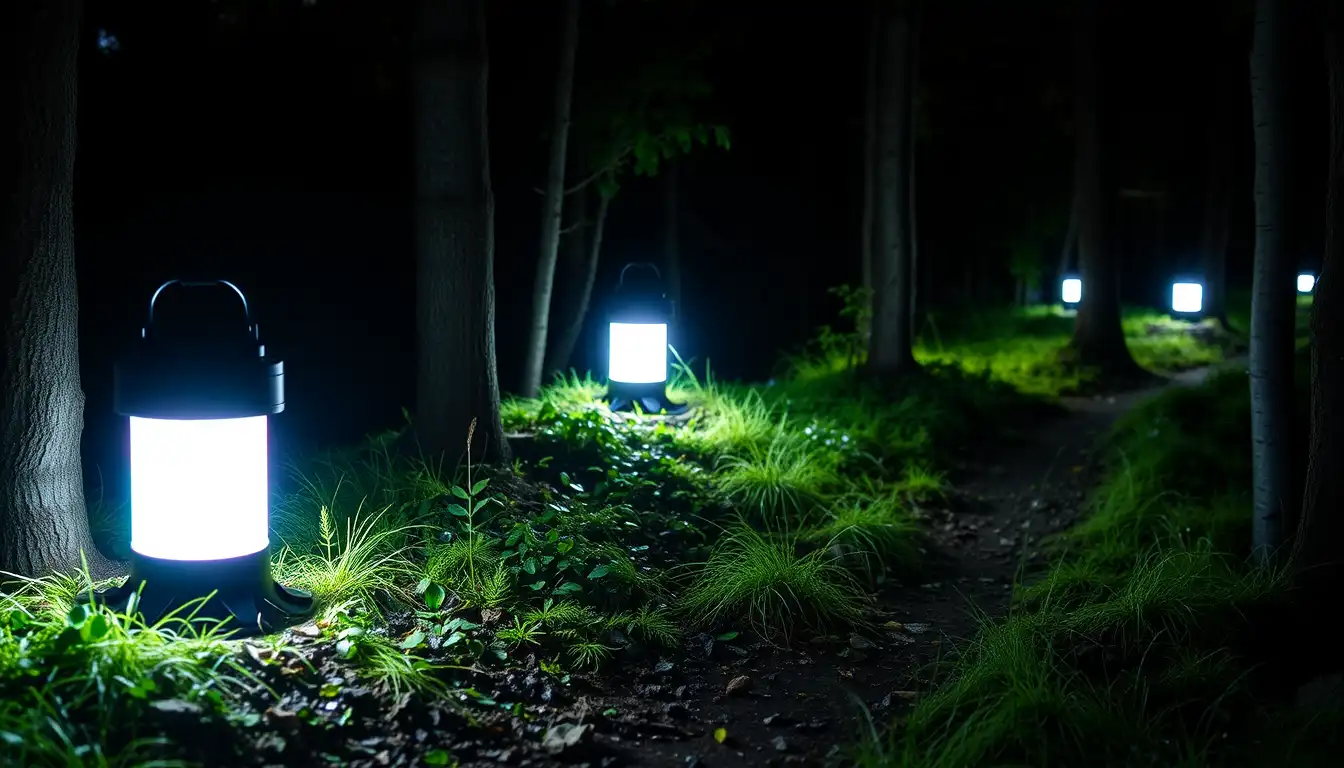
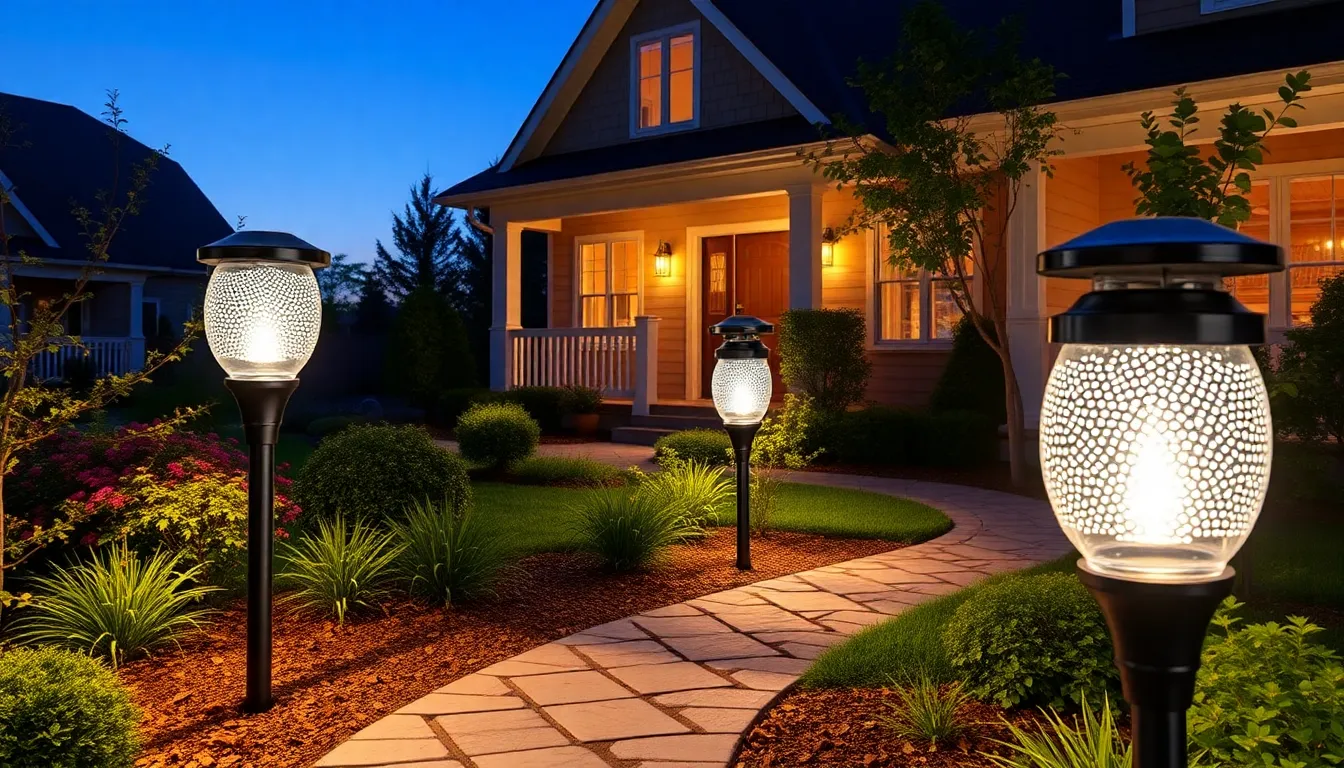
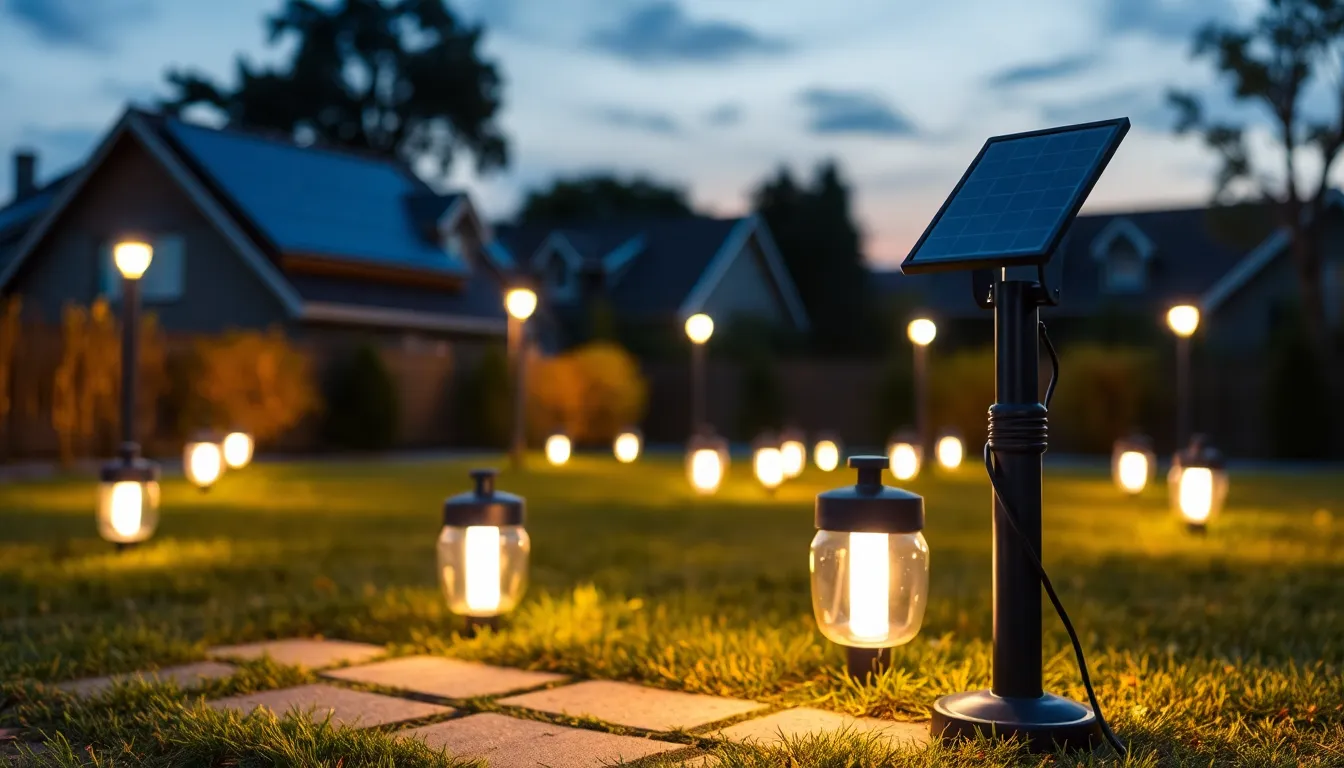
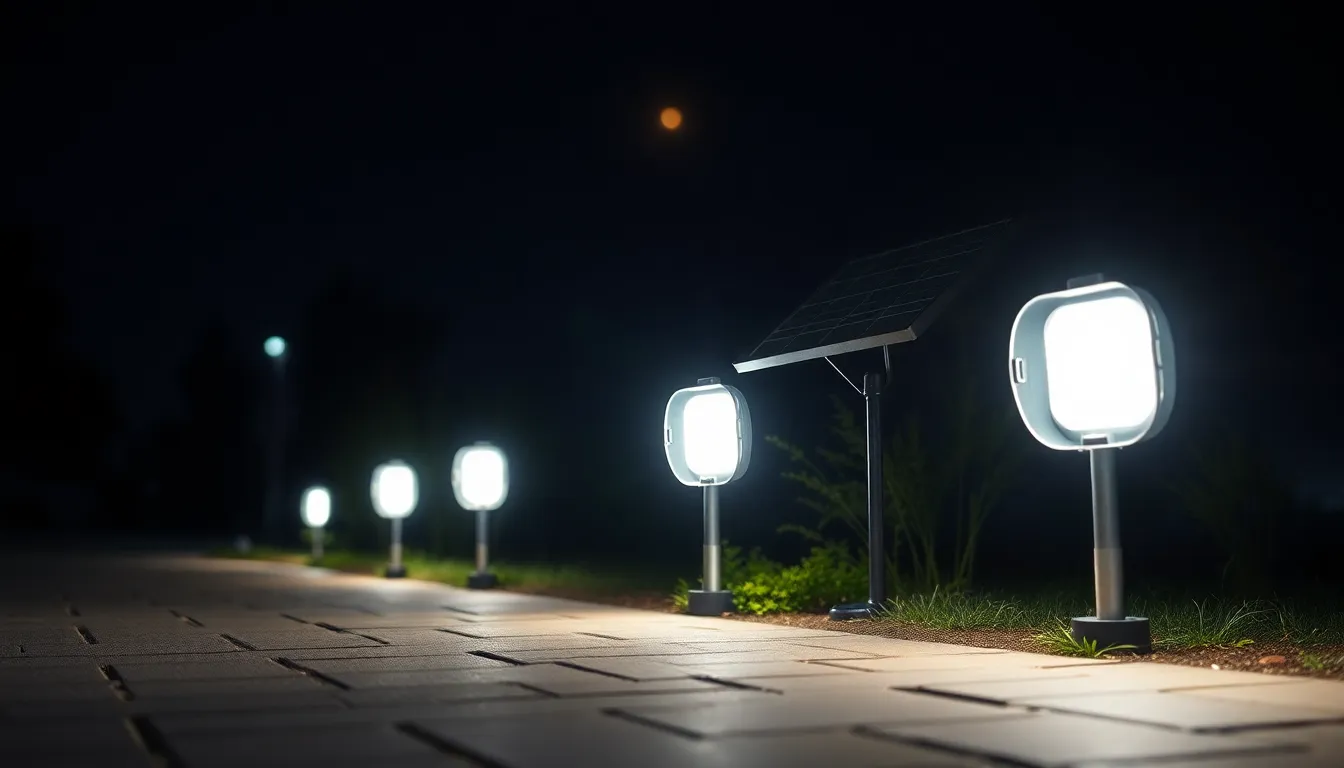
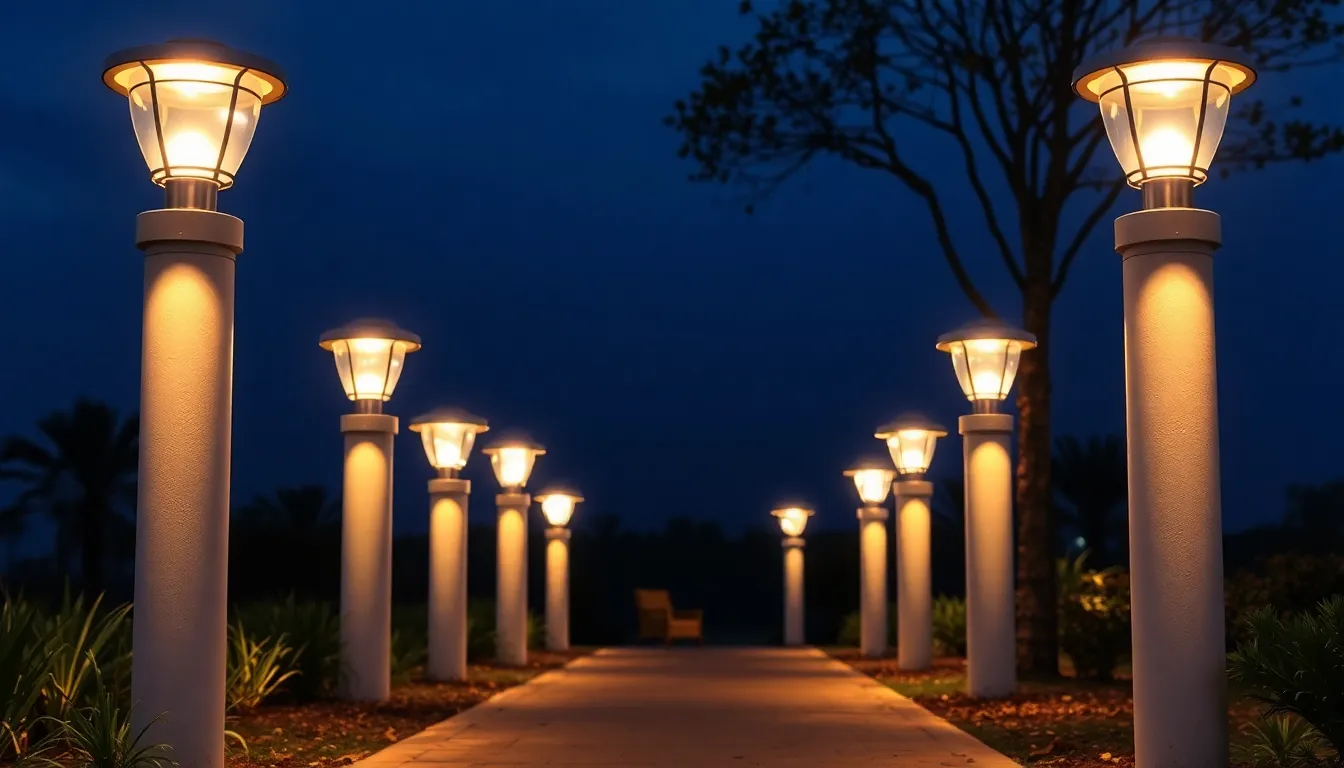
- Solar path lights that stake deep into the ground are excellent. They’re sturdy, hard to break, and kids don’t carry them around the house.
- Avoid lights shaped like animals or toys. Kids think they’re actual toys and carry them everywhere. Pick boring-looking lights that don’t catch kids’ attention.
- Motion-sensor solar lights actually work well too. Kids lose interest in lights that just sit there. These lights turn on when something moves, so kids find them less interesting to play with.
The Bottom Line
Solar lights are safe for kids if you choose the right ones and set them up properly. Don’t buy the cheapest lights you find. Don’t put them where toddlers play. Keep broken lights out of the house. Teach older kids that lights are not toys.
Most families use solar lights around kids without problems. You just need to be smart about it. Check your lights regularly, keep them away from small children, and throw away anything that breaks. That’s it.
Your yard gets nice outdoor lighting and your kids stay safe. Both things happen when you pick good lights and pay attention.
Summary
Solar lights are generally safe around kids, but you need to know the real risks. Small parts create choking hazards for toddlers. Some lights get hot enough to burn little fingers. Cheap lights sometimes leak chemicals from old batteries. This guide walks through actual dangers, how to spot risky lights, and what you do to keep your kids safe while still having nice outdoor lighting.