Table of Contents
I used to replace my solar lights every year. Sometimes twice a year. The batteries would die. The lights would get dim. I would throw them away and buy another cheap set.
Then a friend who works in solar installation told me about LiFePO4 batteries. He said they last for years. I did not believe him. Nothing in my garden lasts for years.
But I was tired of throwing money away. So I bought a set of LiFePO4 solar path lights. Cost about twice what I usually paid. My old cheap lights cost $20 for a pack of four. The LiFePO4 set cost me $60 for a pack of four.
That was three years ago. They still work like the day I bought them. My cheap lights never made it past one winter.
Here is what I learned about LiFePO4 solar lights and why I will never go back.
What is LiFePO4
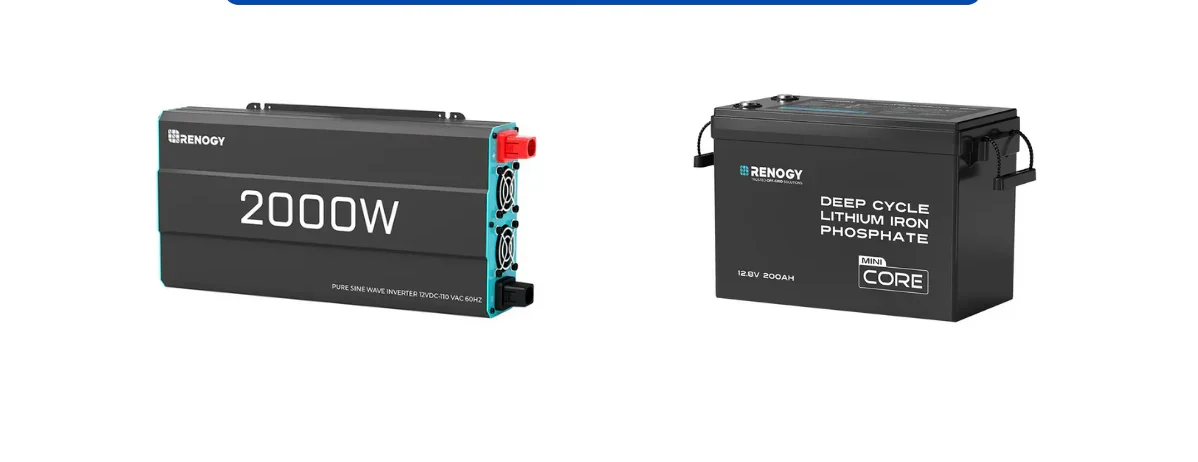
LiFePO4 stands for Lithium Iron Phosphate. It is a type of rechargeable battery. The name sounds complicated but the benefits are simple.
Most cheap solar lights use NiMH batteries. Nickel Metal Hydride. Those work fine for a year or two. Then they lose the ability to hold a full charge. Your light turns off earlier each night until it stops working entirely.
LiFePO4 is different. It lasts much longer. The battery can be charged and drained thousands of times before it wears out.
The chemistry is also safer. LiFePO4 batteries do not overheat easily. They do not catch fire like some other lithium batteries. You can leave them outside in summer heat without worrying.
This is something we cover in detail in our guide on How Do I Know My Solar Battery Is Fully Charged?
Why most solar lights die fast
The problem is not the solar panel. The problem is not the LED bulb. The problem is the battery.
Cheap solar lights use cheap batteries. Those batteries might last a year or so of nightly use. Your light goes through one charge cycle every single night.
After a year, the battery holds less power. Your light runs for a few hours instead of all night. After a couple of years, it might not turn on at all.
NiMH batteries also hate heat and cold. Summer sun bakes them. Winter freezes them. Both extremes shorten their life even more.
LiFePO4 batteries handle years of nightly use. They also handle temperature swings better. Not perfectly. But better.
This is something we cover in detail in our guide on Why Do My Solar Lights Only Last an Hour?
How I discovered LiFePO4 solar lights
The first set I bought was a four pack of path lights from an online store. Cost me $60. That is $15 per light. My old cheap lights cost $5 each.
I almost did not buy them. $60 felt like a lot for path lights. But my friend convinced me. He said “You have spent $60 on cheap lights in the last couple of years anyway. Buy once. Cry once.”
He was right. I had bought three sets of cheap lights in two years. Each set cost about $25. That is $75 total. Plus all the frustration of dead lights.
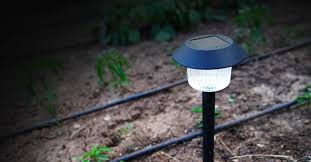
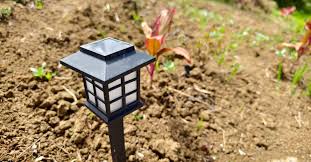
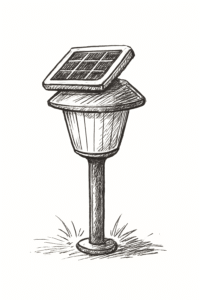
The LiFePO4 lights arrived in a nice box. They felt heavier than my old lights. The plastic was thicker. The stake was metal instead of plastic. The solar panel was larger.
I put them in the ground. They charged up. They worked.
That was three years ago. They have been through three winters. Three summers. Countless rainstorms. They still work exactly like day one.
What to look for when buying
Not every light that says “lithium” has LiFePO4. Some use other lithium chemistries. Those are better than NiMH but not as good as LiFePO4.
Here is what to check on the box.
Look for “LiFePO4” specifically. Not “lithium.” Not “Li-ion.” LiFePO4 spelled out. That is what you want.
Look at the warranty. LiFePO4 lights often come with long warranties. Two years. Three years. Sometimes five years. Cheap lights have no warranty or one year. The warranty tells you how long the company expects the light to last.
Feel the weight. LiFePO4 batteries are heavier than NiMH. A light with a LiFePO4 battery will feel more substantial. Not always true. But often.
Read the fine print. Some manufacturers hide the battery type in the fine print. Look for “battery type” or “cell chemistry.” If it says LiFePO4, good. If it says nothing, assume it is NiMH.
This is something we cover in detail in our guide on What to Look For When Buying Solar Lights 2026 Guide
Real performance in cold weather
I live somewhere with cold winters. Temperatures drop below freezing for weeks at a time.
My old NiMH lights would barely run in winter. They would charge slowly on short cloudy days. Then they would die early in the evening. Sometimes they would not turn on at all.
The LiFePO4 lights are better. Not perfect. But better.
On a sunny winter day, they charge enough to run for a good chunk of the evening. On cloudy days, less. But they always turn on. And they have never died completely.
If you live somewhere very cold, look for lights rated for low temperatures. Some manufacturers make special LiFePO4 batteries specifically for cold climates.
Heat performance
Summer is actually harder on batteries than winter. Heat kills batteries faster than cold.
My old NiMH lights would bake in the summer sun. The plastic housing would get hot. The battery inside would get even hotter. After two summers, they were dead.
LiFePO4 handles heat much better. The chemistry is more stable. It does not break down at high temperatures the way NiMH does.
My LiFePO4 lights have been through three summers. Direct sun. Hot days. The lights themselves get warm but they keep working. No signs of slowing down.
One thing to watch. Some cheap LiFePO4 lights have poor heat management. The battery is fine but the plastic housing traps heat. Look for lights with ventilation or metal housings. Metal dissipates heat better than plastic.
The cost breakdown
Let me do the math for you. Real numbers from my own experience.
Cheap NiMH lights
You buy a set for 20.Itlastsayear.Overfiveyears,youbuyfivesets.Thatis100. Plus the hassle of dead lights. Plus the waste.
Good LiFePO4 lights
You buy a set for 60.Itlastsfiveyearsormore.Overfiveyears,youspend60. No replacements. No hassle. Less waste.
The LiFePO4 lights cost more at the register. But they cost less over time. Plus you avoid the frustration.
I did not believe this until I did it myself. Now I will not buy anything else.
Where to find LiFePO4 solar lights
LiFePO4 solar lights are not as common as NiMH lights. You have to look for them.
Specialty lighting stores often carry them. The staff usually knows the difference. They can tell you which lights have LiFePO4 batteries.
Online is the easiest place to find them. Search for “LiFePO4 solar lights” or “lithium iron phosphate solar lights.” Read the specs carefully. Look for the battery type in the product details.
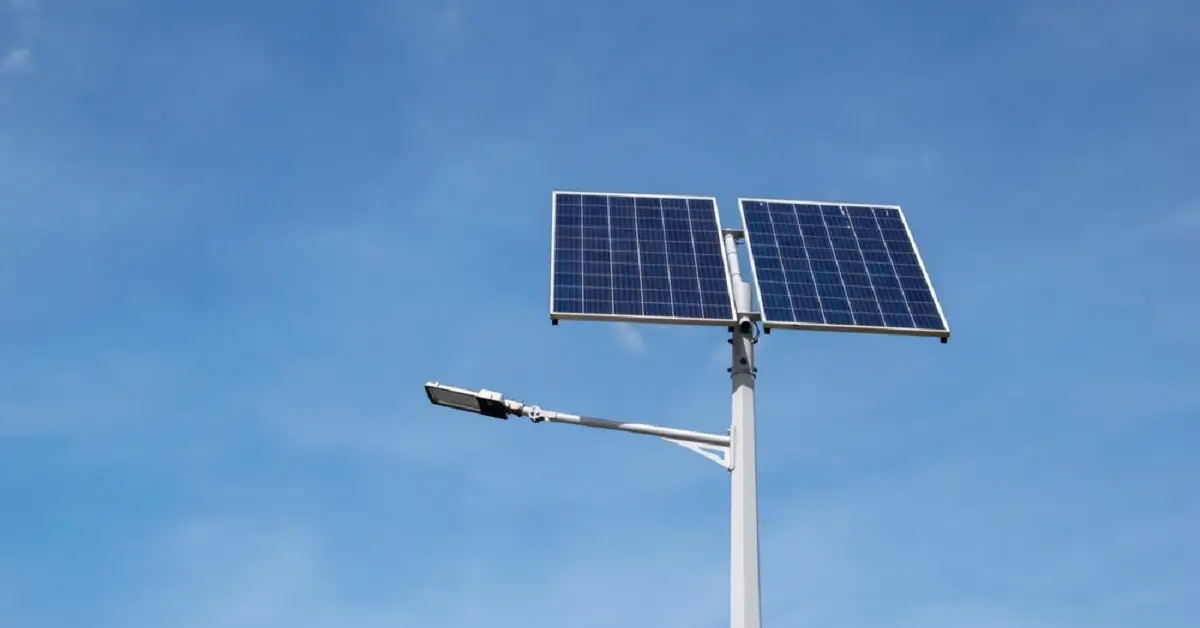
Solar security lights are more likely to have LiFePO4 batteries than decorative path lights. Security lights need to be reliable. Manufacturers put better batteries in them.
Commercial grade lights almost always use LiFePO4. They cost more but they are built to last. If you need lights for a rental property or a business, buy commercial grade with LiFePO4.
Can I upgrade my existing lights
Yes. Sometimes.
If your current solar light has a replaceable battery, you can buy a LiFePO4 battery and swap it in. But there are catches.
First, the battery must be the same size and voltage. Check your old battery before buying a replacement.
Second, the charger in the light must be compatible with LiFePO4. Some lights have chargers designed only for NiMH. They will not charge LiFePO4 correctly. The light might not work at all. Or it might damage the new battery.
Third, LiFePO4 batteries are sometimes larger than NiMH. They might not fit in the battery compartment.
I tried upgrading one of my old lights. The battery fit but the light would not charge it properly. The light worked for one night then died. I gave up and bought new lights instead.
If you want to try, buy one battery first. Test it. If it works, buy more. If it does not, you are only out a few dollars.
The bottom line
LiFePO4 solar lights cost more upfront. A pack of four costs 60 to 80 instead of $20. But they last for years instead of one or two.
I have had mine for three years. They still work like new. My old NiMH lights never made it past one winter.
Do the math over several years. The LiFePO4 lights are cheaper. Much cheaper. Plus you avoid the hassle. Plus you create less waste.
If you are buying solar lights for the long term, spend the extra money. Get LiFePO4. Your future self will thank you.
FAQs
What does LiFePO4 mean in solar lights?
LiFePO4 stands for Lithium Iron Phosphate. It is a type of rechargeable battery that lasts much longer than standard NiMH batteries. Years instead of months.
Are LiFePO4 solar lights worth the extra cost?
Yes. A LiFePO4 light costs about twice as much upfront. A set might cost 60 instead of 20. But it lasts much longer. Over several years, the LiFePO4 light is cheaper. Plus you avoid the hassle of dead lights.
How long do LiFePO4 solar lights last?
Years. The battery can handle many charge cycles. That means years of nightly use. The solar panel and LED can last even longer.
Do LiFePO4 solar lights work in winter?
Yes but less. They work better than NiMH lights in cold weather. For very cold climates, look for low temperature rated LiFePO4 batteries.
Are LiFePO4 batteries safe for outdoor use?
Yes. LiFePO4 chemistry is very stable. It does not overheat easily. It does not catch fire like some other lithium batteries. The batteries are sealed and weatherproof.
Can I replace a NiMH battery with a LiFePO4 battery?
Sometimes. The battery must be the same size and voltage. The charger in the light must be compatible with LiFePO4. Many lights are not. Test one battery first before upgrading all your lights.
Why are LiFePO4 solar lights more expensive?
The battery costs more to manufacture. The materials are more expensive. The quality control is stricter. You are paying for a battery that lasts much longer. The higher price reflects the longer life.
How do I know if a solar light has LiFePO4?
Read the box or the product specs online. Look for “LiFePO4” specifically. Not just “lithium.” Some lights hide the battery type in the fine print. If you cannot find it, ask the seller or buy a different light.
Do LiFePO4 solar lights need maintenance?
Very little. Keep the solar panel clean. That is it. The battery does not need replacing for years. No water topping off. No special storage. Just clean the panel every few weeks.
What happens when a LiFePO4 battery finally dies?
It stops holding a charge. Your light will run for fewer hours each night. Eventually it will not turn on. Replace the battery if the light has a removable one. If not, recycle the whole light properly. Take the battery to a recycling drop off.
Summary
LiFePO4 solar lights use lithium iron phosphate batteries that last for years. A $20 pack of cheap NiMH lights lasts one year. A $60 pack of LiFePO4 lights lasts five years or more. Over time, LiFePO4 is much cheaper. Look for “LiFePO4” on the box. For permanent garden lighting, spend the extra money.