Table of Contents
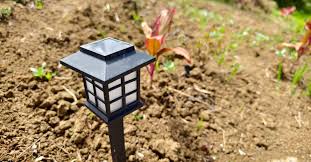
I have thrown away so many dead solar lights.
The first set went in the bin after three weeks. The second set lasted a whole season before the batteries gave up. The third set looked great in the box but turned yellow after two months in the sun.
My wife stopped asking where the lights went. She just assumed they were dead.
After enough failures, I figured out what actually matters. Not what the box says in big letters. Not what the guy at the store tells you. The real stuff.
Here is what I learned.
The battery is everything
Nobody looks at the battery. I did not either. But the battery is the heart of the light. If the battery is bad, nothing else matters.
Open the box if you can. Look for a small screw on the bottom. That screw means you can replace the battery when it dies. No screw means the light is sealed shut. When the battery fails, the whole light becomes trash.
I learned this after cutting open a dead light with a knife. Inside was a perfectly good LED and a perfectly good solar panel. But the battery had swollen up like a little pillow. I could not replace it because the case was glued together. So the whole thing went in the bin.
Now I only buy lights with a screw. A small thing that makes a huge difference.
Also look at the mAh number. That tells you how much power the battery holds. 600 mAh is the minimum I will buy. 1000 mAh or higher is even better. If the box does not show this number, I put the light back. They are hiding something.
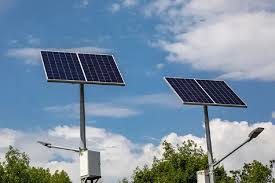
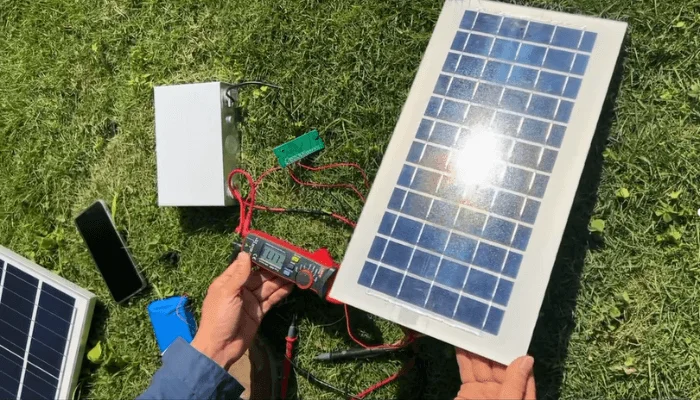
The solar panel needs to be bigger than your thumb
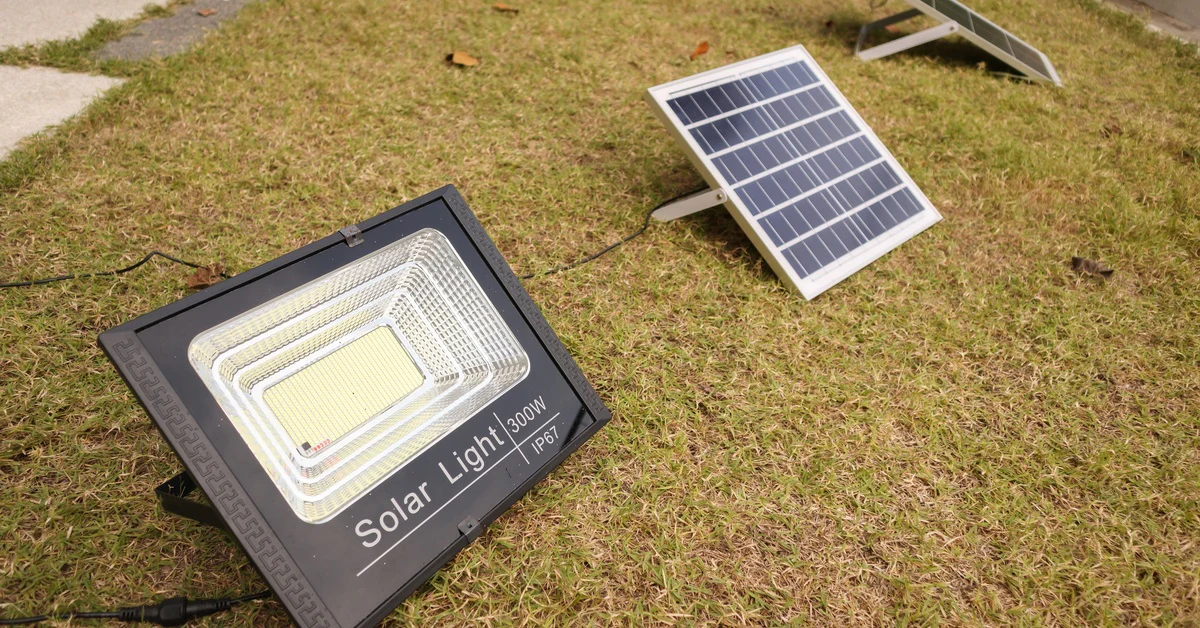
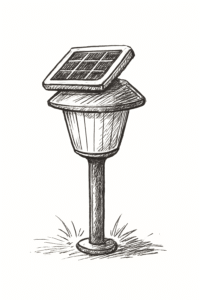
I see tiny little solar panels on some lights. Smaller than a postage stamp. Those are useless.
The panel collects sunlight. A tiny panel collects almost nothing. Your light will charge all day and die after two hours. You will think something is wrong. Nothing is wrong except the panel is too small.
A good panel should be at least two inches by two inches. About the size of two thumbs side by side.
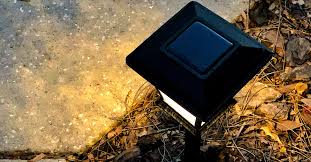
Also look at the panel surface. It should be smooth and dark. Cloudy or scratched means the plastic is already breaking down. Do not buy it.
Warm white or nothing
Solar lights come in different colors. Most people do not know this until they turn them on and see an ugly blue glow.
Blue white light looks cheap. It looks like a science experiment. It makes your garden feel cold and unwelcoming.
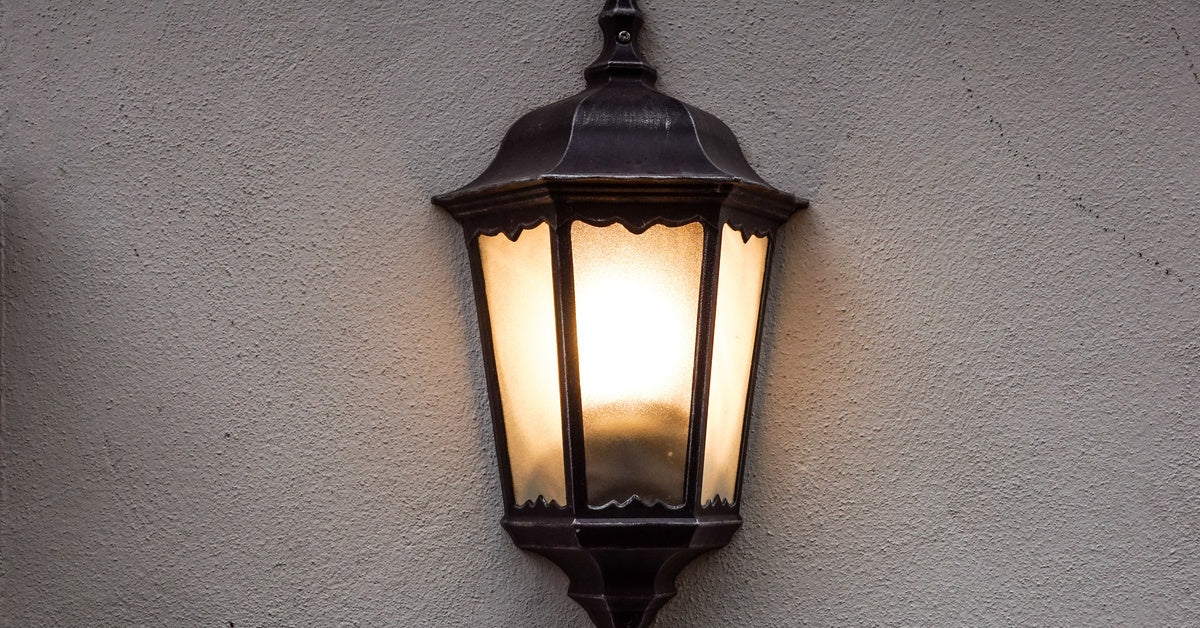
Warm white light looks like a candle or an old fashioned bulb. It makes your garden feel cozy. Plants look better. Skin looks better. Everything looks better.
I bought cool white lights once because they were cheaper. I returned them the next day. The blue glow made my nice garden look like a parking lot.
Stick with warm white. Your garden will thank you.
To understand the full purpose of solar lights and how they’re designed to work, What Is the Purpose of Solar Lights? Everything You Need to Know
Rain will get inside unless you check the IP rating
Solar lights sit outside. Rain happens. But not all lights can handle it.
Look for IP44 or IP65 on the box. That means the light is sealed against rain. No IP rating means the light is not sealed at all. One good storm and water gets inside. Then the circuit board corrodes. Then the light dies.
I have a set of lights on my back fence. IP44. They have survived three years of rain and snow. Still work fine.
I bought a second set for the front yard. No IP rating on the box. They died after the first thunderstorm. Opened them up and found rust everywhere.
Do not make this mistake.
Metal lasts. Plastic cracks.
Pick up the light. Squeeze it. Does it flex in your hand? That is cheap plastic. It will turn yellow in the sun. It will crack when you push the stake into hard soil. It will break when you try to pull it back out.
Metal does none of these things. Aluminum or stainless steel costs more. But you buy it once. Five years later, it still looks fine.
The same goes for the stake. Plastic stakes snap. Metal stakes bend but do not break. Spend the extra money.
I bought metal path lights for my front walkway four years ago. They have been stepped on, hit by the lawnmower, buried in snow, and baked in summer sun. They still work and still look good.
The plastic set I bought for the back yard? Replaced twice already.
The box lies about run time
Every solar light box claims eight hours of light. Sometimes ten. I have never seen a solar light run for eight hours. Not once.
Manufacturers test in perfect conditions. Full sun all day. Brand new battery. Ideal temperature. Then they print that number on the box.
Real world run time is about half of what the box says.
If the box says eight hours, expect four. If it says six, expect three. Plan around that.
For path lights, three to four hours is fine. Your lights do not need to glow until dawn. They just need to glow while you are outside.
For security lights, you want longer. Look for lights that claim ten hours or more. Then you might get five or six.
The warranty tells you everything
A company that offers a two year warranty expects their light to last two years. A company that offers no warranty expects their light to break before you open the box.
I check the warranty on every solar light I buy. One year is fine. Two years is better. Three years means the company is serious.
No warranty means do not buy it. Keep walking.
I learned this after buying a four pack with no warranty. Three of them died within six months. The fourth died at month eight. I could not return them because I had thrown away the receipt. My fault. But also their fault for selling junk.
Where you put it matters more than what you buy
You can buy the most expensive solar light in the store. If you put it in the shade, it will not work.
Solar lights need direct sun. Not morning sun. Not dappled shade from a tree. Six hours of direct unobstructed sun.
I put a light under my porch eave. The eave blocked the sun for half the day. The light died at 11pm every night. I moved it ten feet to the left, into full sun. Now it runs until 2am. Same light. Different spot.
Before you buy, look at where you want to put the light. Stand there at different times of day. Watch where the sun hits. If the spot gets less than six hours of direct sun, do not put a solar light there.
South facing is best. East and west are fine. North facing is useless.
Cheap lights cost more in the long run
I used to buy the cheapest solar lights I could find. Two dollars each. Sometimes less.
They lasted a few months. Then I bought another pack. Then another. After two years, I had spent more money on cheap lights than one good set would have cost.
A $12 light that lasts three years costs $4 per year. A $3 light that lasts six months costs $6 per year. The cheap light is more expensive.
Also, the cheap light makes more waste. Every time it dies, you throw away plastic, glass, and a toxic battery. The expensive light stays out of the landfill.
I stopped buying cheap lights. Now I spend $10 to $15 per light. They last years. My garden looks better. My wallet is happier. The planet is happier.
Brands I trust and brands I avoid
I have tested a lot of brands over the years. Here is what I found.
VonHaus makes good security lights. They are bright. They last. The motion sensor works.
Smart Solar makes good path lights. Metal stakes. Glass lenses. Three year warranty.
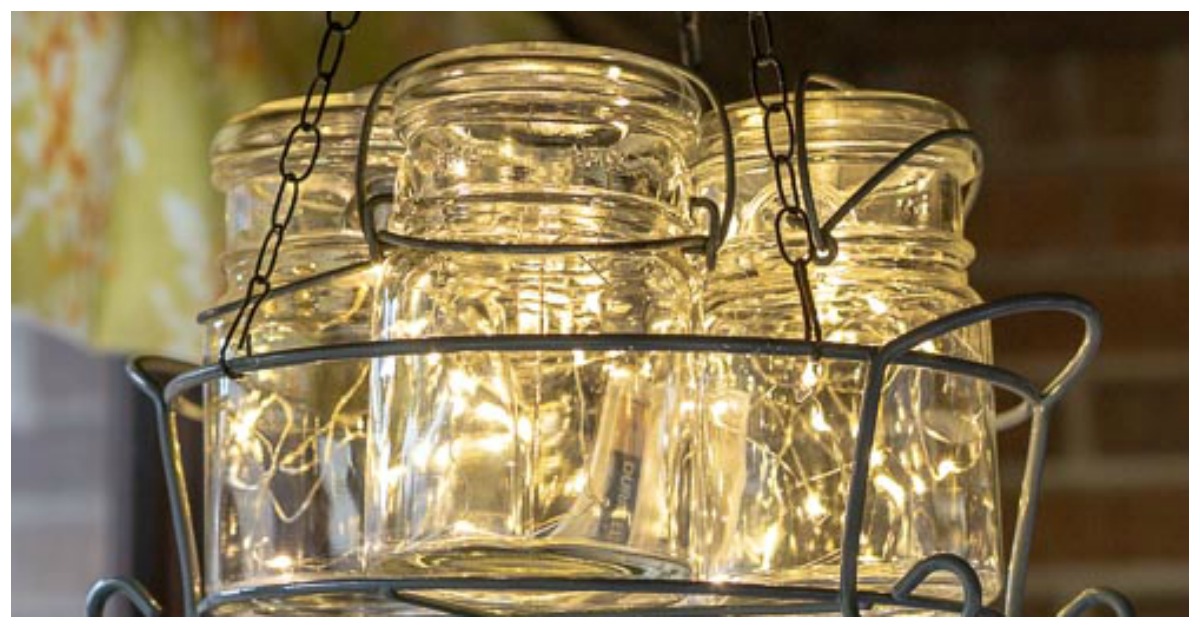
Lights4fun makes good string lights. Expensive but they hold up in rain and sun.
Aldi Specialbuys are a gamble. Some are great. Some die in a month. I buy them for temporary use only. Not for permanent installation.
No name brands from discount stores? Avoid. They never put specs on the box. No IP rating. No battery size. No warranty. Just a picture of a glowing garden and a low price. Do not fall for it.
My final checklist
Before I buy any solar light, I run through this list in my head.
Can I replace the battery? Look for a screw.
What is the mAh? 600 minimum. 1000 better.
How big is the panel? Two inches by two inches minimum.
What is the IP rating? IP44 minimum. IP65 better.
Warm white or cool white? Warm only.
Metal or plastic? Metal for path lights. Good plastic for string lights.
What is the warranty? One year minimum. Two years better.
Where will I put it? Six hours of direct sun or I do not buy it.
How much does it cost? 8to12 per light is the sweet spot.
Follow this list and you will avoid the mistakes I made. Your lights will last. Your garden will glow. And you will not be standing in the dark wondering why your cheap lights died again.
This is something we cover in detail in our guide on What to Look For When Buying Solar Lights 2026 Guide
FAQs
What should I consider when buying solar lights?
Battery size, panel size, IP rating, build quality, warranty, and sun exposure. Spend 8to12 per light. Avoid anything under $3. Make sure the battery is replaceable.
Are expensive solar lights worth the money?
Yes for permanent installation. A 12 light lasts three years.A 3 light lasts six months. Over three years, the cheap light costs 18.The12 light costs $12. Cheap is expensive.
How many lumens do I need for solar lights?
10 to 50 lumens for accent lighting. 50 to 150 for path lights. 150 to 500 for security lights. More lumens drains the battery faster. Balance brightness with run time.
What is a good IP rating for solar lights?
IP44 handles rain. IP54 handles heavier rain. IP65 handles a hose. No IP rating means water will get inside. Do not buy it.
Can I leave solar lights out in winter?
Yes but they work less. Shorter days mean less charging. Your lights might only run for 2 to 4 hours. Bring them inside during hard freezes. Cold cracks plastic.
How long do solar lights last?
Good lights last 2 to 4 years. Excellent lights last 5 to 7 years. Cheap lights last 3 to 6 months. Replace the battery every 2 to 3 years to extend life.
Do solar lights need direct sunlight or just daylight?
Direct sunlight. Not daylight. A cloudy day produces some power but not much. A shady spot produces almost none. Six hours of direct sun minimum.
Why do my solar lights keep dying?
Three reasons. The battery is worn out. Water got inside. The panel is dirty. Replace the battery first. If that does not work, open the light and look for rust. Seal any gaps with silicone.
Can I replace the battery in solar lights?
Some yes, some no. Look for a screw on the bottom or back. Screw means yes. Glue means no. Buy only lights with screws.
What is the best brand of solar lights?
VonHaus for security lights. Smart Solar for pathway lights. Lights4fun for string lights. Avoid no name generic lights from discount stores.
Summary
When buying solar lights, check the battery size (600 mAh minimum), panel size (two inches by two inches), IP rating (IP44 minimum), and warranty (one year minimum). Spend 8to12 per light. Make sure the battery is replaceable. Avoid lights with no specs on the box. Metal and glass last longer than plastic.