Table of Contents
Quick Answer
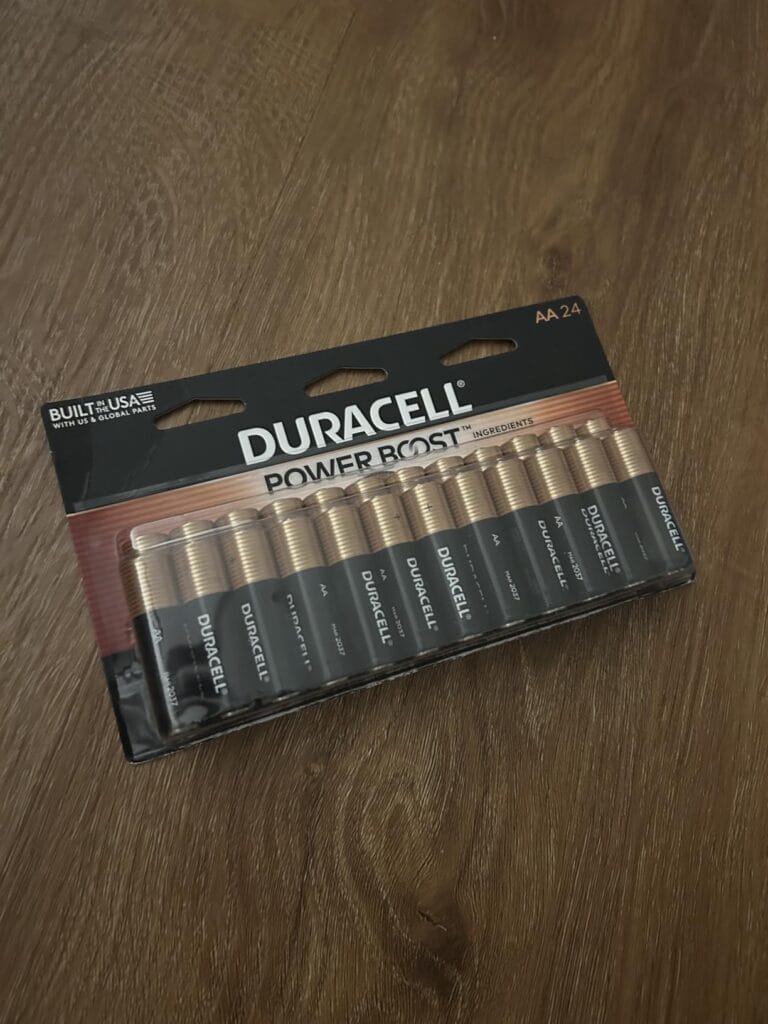
No. Regular alkaline AA batteries don’t work in solar lights. Solar lights recharge their battery every day through the solar panel, and alkaline cells aren’t built for this cycle. Put one in, and it risks leaking, swelling, or failing outright. Solar lights need rechargeable NiMH batteries at 1.2 volts, not single-use alkaline cells at 1.5 volts.
I Put Regular Batteries in My Solar Lights and Ruined Them
The Worst Five Dollars I Ever Saved
I stood in a dollar store staring at a pack of AA batteries. My solar lights had stopped working, and the rechargeable ones at the hardware store cost six times more. Five dollars beat thirty dollars. Simple math, I thought.
I got home, popped them in, and the lights turned on the same night like nothing was wrong. Three days later, the light dimmed. By day seven, it was dead. I opened the compartment to check the batteries and found them warm to the touch, which a battery sitting in a solar light at night has no business being.
Turns out I’d made a well-documented mistake. Alkaline batteries discharge one way and one way only. A solar light’s charging circuit sends current back into the battery every single day. Force this current into a cell built for one-way use, and the chemistry inside starts to fight back.
Why Regular and Normal Batteries Don’t Work in Solar Lights
“Regular,” “normal,” and “ordinary” batteries all mean the same thing here: standard alkaline AA cells, the kind sold in every convenience store. None of them handle recharging well.
Here’s the mechanics behind it. Alkaline batteries store energy through a one-time chemical reaction between zinc and manganese dioxide. Once this reaction runs its course, the battery is spent, permanently. There’s no reversing it cleanly.
A solar panel doesn’t know the difference. It sends a small charging current into whatever battery sits in the compartment, every day the sun is out. Feed this current into an alkaline cell, and gas builds up inside the sealed can with nowhere to go. Duracell’s own safety documentation lists rupture, venting, and explosion among the consequences of recharging a battery not designed for it, along with leakage of potassium hydroxide, a caustic chemical, which damages the light’s contacts and casing.
Voltage adds a second problem. Alkaline AA batteries put out 1.5 volts. Rechargeable NiMH batteries put out 1.2 volts. Solar light circuits get built around this 1.2-volt spec, so a 1.5-volt battery throws the charging calibration off from day one.
Regular vs Rechargeable AA Batteries: Side-by-Side Comparison
| Feature | Alkaline (Regular) AA | NiMH (Rechargeable) AA |
|---|---|---|
| Voltage | 1.5V | 1.2V |
| Built for recharging | No | Yes |
| Charge cycles | 0, single use | Hundreds to over 1,000, brand dependent |
| Safe in solar lights | No | Yes |
| Upfront cost | Lower | Higher |
| Cost over 2-3 years | Higher, repeat purchases | Lower, reused |
| Risk if recharged | Leaking, swelling, rupture | Built to handle it |
Why People Make This Mistake Anyway
The math looks tempting in the store. A pack of alkaline batteries costs a few dollars. A pack of rechargeable NiMH batteries costs several times more. Grabbing the cheaper pack feels like a win.
It isn’t. Ruin a solar light with the wrong battery, and you throw away the light itself, usually worth twenty to fifty dollars. This isn’t a discount. This is a trade: five dollars saved for a thirty-dollar light lost.
There’s also this: most people end up buying rechargeable batteries anyway, right after the alkaline ones fail. So the “savings” turn into an extra purchase, not a smaller one.
What Belongs in Your Solar Lights
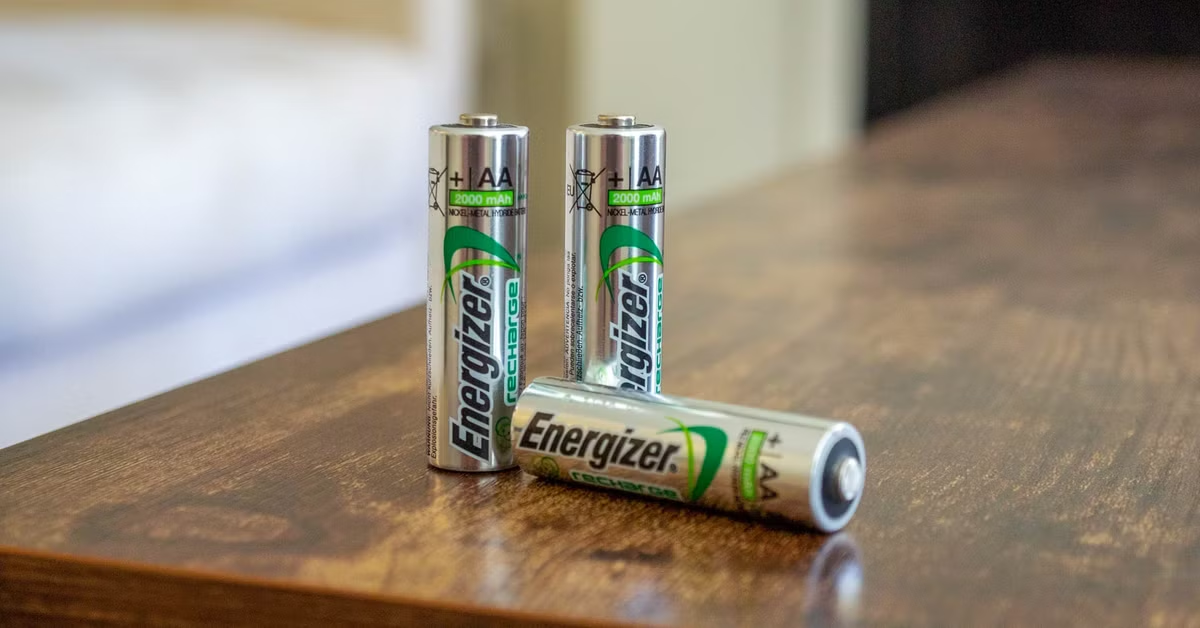
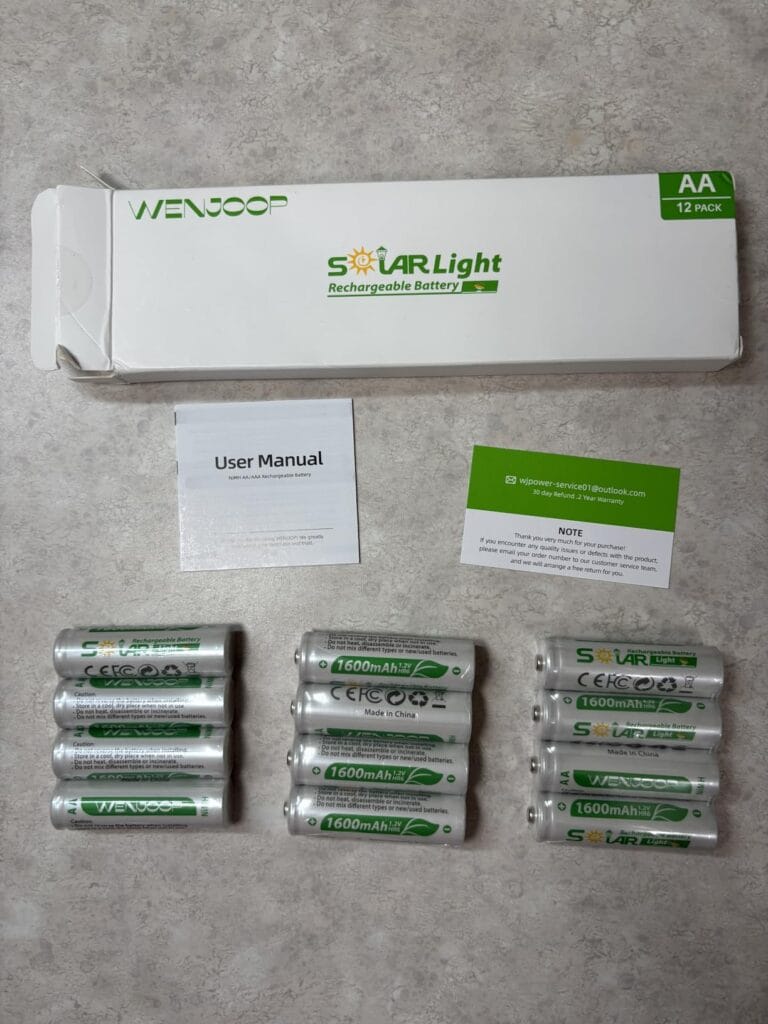
Rechargeable NiMH batteries are the standard for solar lights, full stop. They’re built to charge and discharge daily, sometimes for a thousand cycles or more before performance drops.
Capacity matters here. It’s measured in mAh, or milliamp-hours, and it tells you how much energy the battery holds per charge. Higher mAh means longer light output at night. A 600mAh battery runs out faster than a 2,000mAh one.
Panasonic Eneloop, Energizer Recharge, and AmazonBasics all make well-tested rechargeable AA batteries in the 1,800 to 2,500mAh range, with independent testing showing several hundred to over a thousand charge cycles depending on the model. Pick based on your budget and how many hours of light you want after dark.
How to Tell If Your Solar Light Uses AA or AAA Batteries
Open the battery compartment and look. AA batteries are the standard cylindrical size, roughly the width of your finger. AAA batteries share the same shape but sit noticeably thinner and shorter.
If the compartment is empty, check the manual or the printed label inside the compartment itself. Most manufacturers stamp the required size and battery count right there.
Battery Capacity: How Much mAh You Need
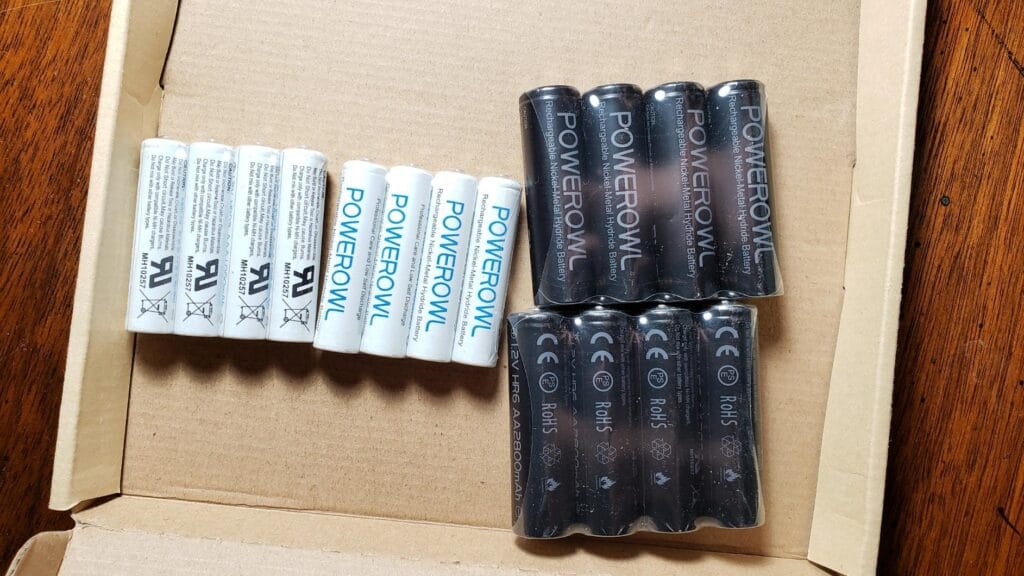
For basic garden stake lights, 600 to 1,000mAh usually holds enough charge for a full night. For brighter lights, security lights, or anything you want running until sunrise, aim for 2,000mAh or higher.
Cloudy regions benefit from higher capacity too. A bigger battery buffers against days when the panel doesn’t get a full charge.
What to Do If You Already Put Regular Batteries In
Remove them right away. Don’t wait to see what happens.
Check the compartment for a white, crusty residue. This white residue is the leaked chemical from a damaged alkaline cell, and it needs cleaning before a new battery goes in. Wear gloves, and wipe the contacts with a cloth lightly dampened in white vinegar, which neutralizes the residue.
Once the compartment is clean and dry, install the correct NiMH rechargeable battery, matched in size and voltage to what the light originally shipped with. Most solar lights recover fully once the right battery goes back in. In most cases, the battery fails, not the light itself.
2026 Shows What Works
NiMH remains the standard rechargeable chemistry for solar lights in 2026. It’s proven, affordable, and widely available.
Higher-end solar lights are shifting toward LiFePO4 batteries, which handle temperature swings better and last longer overall, though they cost more upfront. For most garden and pathway lights, NiMH still does the job well.
FAQs
Can you use regular AA batteries in solar lights?
No. Regular alkaline batteries aren’t built for daily recharging and risk leaking or failing inside the light.
What’s the difference between rechargeable and regular batteries in solar lights?
Rechargeable NiMH batteries run at 1.2 volts and handle repeated daily charging. Regular alkaline batteries run at 1.5 volts and discharge once, with no safe way to recharge them.
Will regular batteries damage a solar light?
Often, yes. Leaking chemicals corrode the battery contacts and compartment, though the light itself usually survives once you clean it and install the right battery.
Can you use normal or ordinary batteries in solar lights?
No. “Normal” and “ordinary” both refer to standard alkaline batteries, and they carry the same recharging risk as any other alkaline cell.
How do you know if a solar light needs AA or AAA batteries?
Check the battery compartment. AA batteries sit thicker and longer than AAA. The compartment label or manual usually states the exact size too.
Do rechargeable batteries charge in cloudy weather?
Yes, though at a slower rate. Solar panels still generate a charge under cloud cover, though less than on a clear day.
How long do rechargeable batteries for solar lights last?
Most NiMH batteries hold up for one to three years of daily use, with premium options rated for several hundred to over a thousand charge cycles.
What should you do if you already put regular batteries in your solar light?
Remove them immediately, clean any residue from the compartment, and replace them with the correct rechargeable battery.
Summary
Regular alkaline AA batteries don’t belong in solar lights. The daily charging cycle a solar panel runs is built for rechargeable NiMH batteries at 1.2 volts, not single-use alkaline cells at 1.5 volts. Using the wrong battery risks leaking, swelling, or full failure, and it usually costs more in the long run than buying the right battery from the start. Stick with NiMH, match the capacity to how long you want your light running, and your solar lights last years instead of days.