Table of Contents
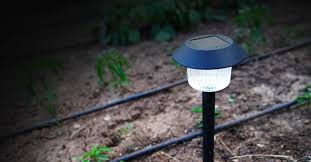
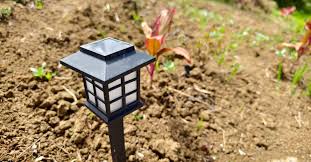
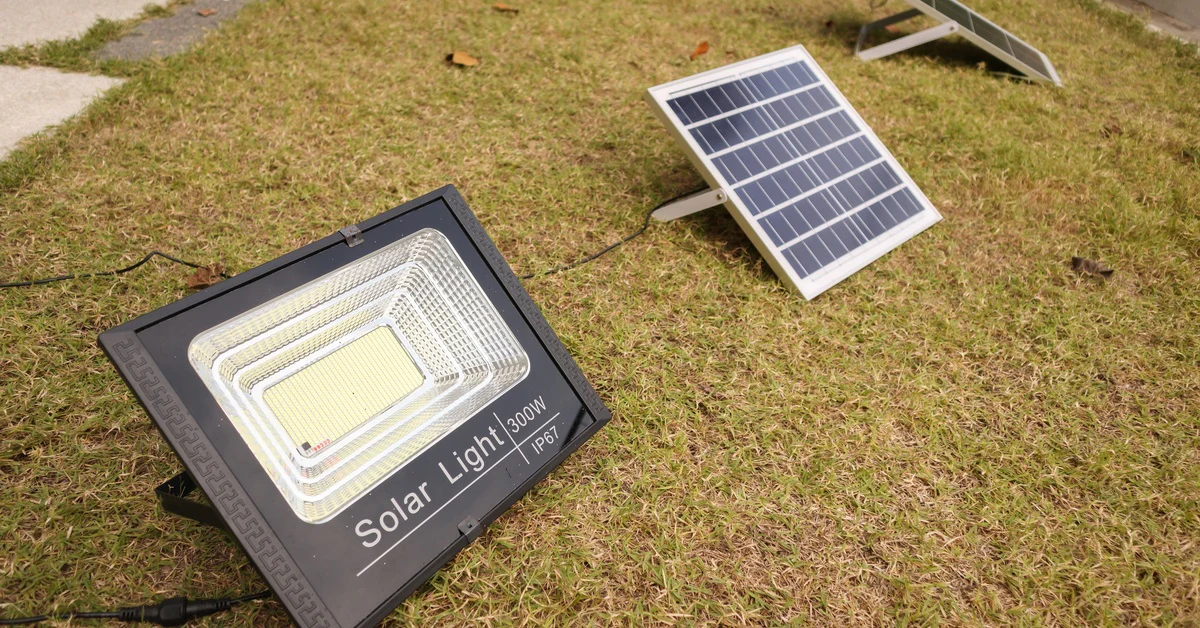
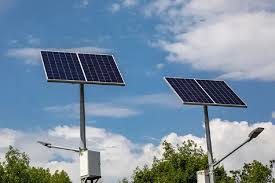
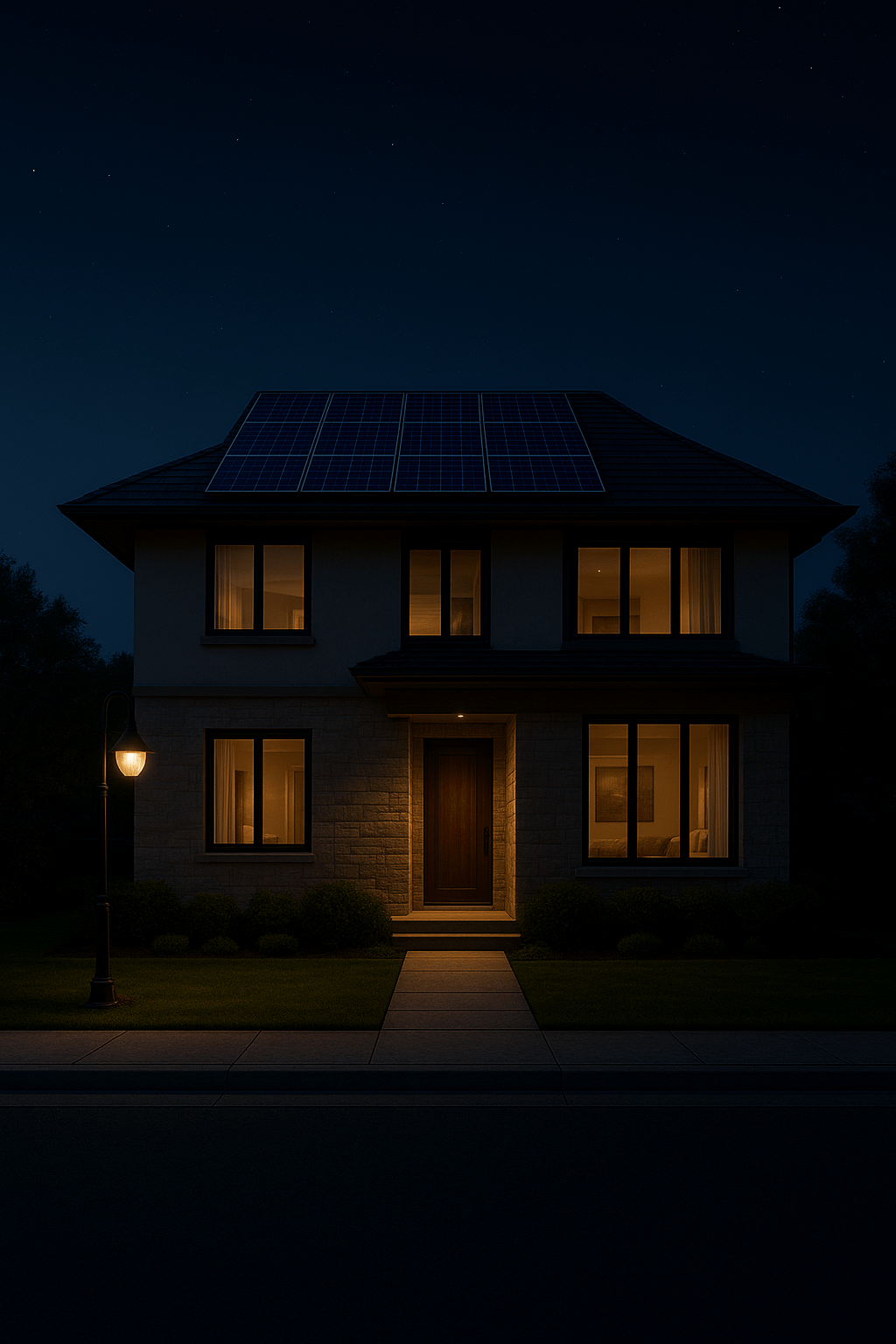
I put solar lights around my garden last year. Looked great at night. Then my Christmas cactus refused to bloom. Not one flower. I waited all winter. Nothing.
A friend came over. She looked at my setup. She laughed. She said the lights are the problem. Your cactus needs darkness. The lights are tricking it.
She was right. I moved the lights. The next year the cactus bloomed like crazy.
So here is what I learned. Some plants hate solar lights. Not all plants. Just some.
Poinsettias hate solar lights at night
You know those red Christmas plants. They need darkness to turn red. Fourteen hours of complete darkness every night. For six weeks. A solar light shining on a poinsettia stops the whole process. You get a green plant. No red. I tested this. Put a poinsettia near a solar light. It stayed green all season. Moved it away. Turned red the next year.
Christmas cactus is the same way
This plant needs long nights and cool temperatures to set buds. A solar light nearby adds just enough light to confuse it. The plant grows fine. Lots of green leaves. But no flowers. I had this problem for two years before I figured it out. Felt stupid when I realized.
Kalanchoe too
This succulent has bright flowers. Red. Pink. Yellow. Orange. It needs darkness to bloom. Solar lights at night stop the flowers. The plant grows. It looks healthy. But no blooms come.
Why does darkness matter so much to these plants
Plants have an internal clock. Just like you. They know day from night. During the day they do photosynthesis. At night they do something else. A dark phase where they take in carbon dioxide.
Some plants also use darkness to measure seasons. When nights get long in fall, they know winter is coming. They make flowers before the cold arrives. A solar light at night breaks this signal. The plant thinks the days are still long. It waits to flower. And waits. And waits.
How bright does the light need to be to cause problems
Not bright at all. I thought a small solar light would not matter. I was wrong. For sensitive plants, even a tiny amount of light at night disrupts flowering. The light does not need to be bright. It just needs to be present. The plant senses it.
I know a gardener who tested this with her eggplants. She put a small solar light in the pot. The eggplants grew fine. Lots of fruits. But her Christmas cactus in the same area never bloomed. The light affected the cactus but not the vegetables.
Most vegetables do not care about solar lights
Tomatoes. Peppers. Eggplants. Beans. Squash. I have solar lights all around my tomato beds. The tomatoes produce like crazy. No issues at all.
The only exception is some varieties of onions and soybeans. Those are short day plants too. They need specific day lengths to form bulbs or pods. If you grow those, keep lights away.
Some plants actually do not mind solar lights at all
Snake plants. ZZ plants. Peace lilies. They grow fine in low light. A solar light nearby does not hurt them. Ferns too. Maidenhair ferns love shade. A little solar light at night does not bother them.
I have snake plants near my solar lights. Two years now. Both are healthy. The peace lily even flowers sometimes.
Shade loving plants are fine with solar lights
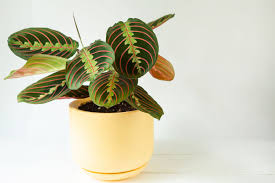
Dracaena grows well in shade. Philodendron prefers indirect light. Calathea loves low light conditions. All of these plants are used to very little sun. A solar light at night is nothing to them. They do not care.
How to tell if your solar lights are bothering your plants
Look for no flowers when there should be flowers. That is the biggest sign. The plant looks healthy. Green leaves. Good growth. But no blooms.
Look for leaves that stay open at night. Some plants close their leaves at night. Prayer plants fold their leaves upward. If the leaves stay open, the plant might think it is still daytime.
Look for delayed flowering compared to the same plant somewhere else. If your neighbor has the same plant and it blooms earlier, check your lights.
Leggy growth is another sign. Plants stretch toward light if they want more. But solar lights are so weak that this is rare. More common with indoor grow lights.
This is something we cover in detail in our guide on Solar Powered Grow Lights for Indoor Plants
What I do now
I keep solar lights away from my short day plants. My Christmas cactus sits on a different patio. No lights near it. It blooms every winter now.
My poinsettias come inside at night during fall. They go in a closet from 6pm to 8am. Total darkness. After six weeks, they turn bright red.
My kalanchoe stays in a room with no night light. Curtains closed. Solar lights outside do not reach it.
For my vegetables, I do not worry. They get solar lights all around them. No problems.
If you are not sure about a plant, do a simple test
Leave the lights off for one month. See if the plant blooms better. Then turn the lights back on. You will know quickly if the lights are the problem.
I did this with my Christmas cactus. Lights off for one month. Buds appeared. Lights on. Buds stopped. Lights off again. Buds came back. That is how I knew for sure.
The one thing you should not do
Do not put solar lights directly in the pot of a sensitive plant. I tried this with a small poinsettia. The light was right next to the stem. The plant stayed green all season. No red at all. The light was too close.
Keep sensitive plants at least ten feet away from any solar light. The light spreads out and weakens with distance. At ten feet, most solar lights are too dim to cause problems.
What about other plants like orchids
Some orchids are also sensitive to night light. But not all. Phalaenopsis orchids, the common moth orchid, can bloom with artificial light nearby. They are less sensitive than poinsettias. But some other orchid varieties need darkness. Check your specific type.
The bottom line after killing my cactus blooms for two years
Most plants do not care about solar lights. The lights are too weak. Your vegetables will be fine. Your common flowers will be fine.
But poinsettias, Christmas cactus, and kalanchoe are different. They need darkness to bloom. A solar light nearby confuses them. No flowers come.
If you have these plants, keep solar lights away. Put the lights on the other side of your garden. At least ten feet away. Or turn the lights off during fall when these plants set buds.
I use timers on half my solar lights now. They run from dusk to 10pm. Then they turn off. My plants get darkness for the rest of the night. I still get evening light for my patio.
Best of both worlds. Light when I am outside. Darkness when my plants need to sleep. And flowers every year now.
Do not make my mistake. Check where your solar lights shine. If your Christmas cactus is not blooming, the lights might be the problem. Move them. Wait a month. You will see the difference.
FAQs
Do solar lights bother tomato plants at night?
No. Tomato plants are not sensitive to night light. They flower and fruit based on temperature and age, not day length. Solar lights near tomatoes are fine.
Can I put solar lights around my Christmas cactus?
No. Christmas cactus needs long nights to bloom. Solar lights at night delay or prevent flowering. Keep lights at least 10 feet away.
What happens if a poinsettia gets light at night?
The poinsettia will not turn red. It needs 14 hours of total darkness daily for six weeks to develop red bracts. Any light during that time stops the process.
Do LED solar lights affect plant growth differently than other lights?
LED lights have different color spectrums than other bulbs. White LEDs have less red and far red light. But for most garden plants, the effect is the same. The light is too weak to matter.
Can solar lights help plants grow at night?
No. Plants do not grow from solar lights at night. The lights are too weak. Plants need darkness for their dark phase respiration. Solar lights do not replace sunlight.
Why do some plants need darkness to bloom?
These are called short day plants. They measure day length using a protein inside their cells. Light at night resets this measurement. The plant thinks the day is still long and delays flowering.
Are there any plants that need complete darkness?
No plant needs complete darkness to survive. But many need darkness to flower properly. Poinsettias, Christmas cactus, kalanchoe, and some orchids are examples.
Will solar lights kill my plants?
No. Solar lights will not kill any plant. At worst, they prevent flowering. The plant will stay healthy and green. It just will not bloom.
Can I use solar lights in a greenhouse?
Yes, but be careful. Greenhouses concentrate light. If you have short day plants, keep solar lights away from them. For vegetables and herbs, solar lights are fine.
How far should solar lights be from sensitive plants?
At least 10 feet. The light spreads out and weakens with distance. At 10 feet, most solar lights are too dim to affect plant flowering. Test by standing where the plant sits. If you see the light clearly, move it farther.
Summary
Plants that don’t like solar light are mostly short day plants like poinsettias, Christmas cactus, and kalanchoe. These plants need long periods of darkness to bloom. Solar lights at night trick them into thinking the day is still long, so no flowers come. Most vegetables and common flowers are not affected because solar lights are too weak. To protect sensitive plants, keep solar lights at least 10 feet away or put them on timers. If your Christmas cactus or poinsettia refuses to bloom, check your night lighting first. Darkness matters as much as sunlight for these special plants.