Table of Contents
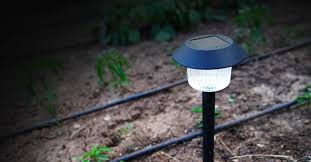
I bought my first solar light at a hardware store clearance rack. A little stainless steel stake light for my front walkway. It cost four dollars. I thought, worst case, I am out the price of a coffee.
That light lasted three weeks.
Then it died. Then its twin brother died. Then I got annoyed and bought a twelve-pack online. Those died too. Three years later, I have taken apart more solar lights than I care to admit. I have swapped batteries, cleaned sensors, resealed casings, and yelled at a few that never woke up again.
Here is what I learned. Most of the common problems with solar lights and how to fix them come down to four things: batteries that gave up, panels that got dirty, water that got in, or placement that made no sense.
You do not need to be handy. You just need to know what to look for.
To understand the full purpose of solar lights and how they’re designed to work, What Is the Purpose of Solar Lights? Everything You Need to Know
Dead after one season means the battery quit
Solar lights die fast because manufacturers put the cheapest possible battery inside. You open the compartment and find a green or blue battery with no brand name. That battery might hold a charge for six months. After that, it slowly turns into a paperweight.
I opened a dead SURSIP solar light last year and found a 300mAh NiMH cell. Three hundred milliamp hours. That is tiny. No wonder the light ran for forty-five minutes at night.
How to fix it: Buy replacement NiMH or Li-ion batteries with higher capacity. Look for 600mAh to 1000mAh for AA size. For AAA size, 400mAh to 600mAh works well. I use Tenergy NiMH batteries. A four-pack of their 1000mAh AA cells runs about ten dollars on Amazon. Swap out the old battery, close the compartment, and let the light charge for two sunny days.
Do not use alkaline batteries. I tried that once as an experiment. The light turned on for one night and then the alkalines leaked white crusty stuff everywhere. That killed the light permanently.
The panel looks clean but it is not
Here is a test for you. Take a white paper towel. Dampen it. Wipe the solar panel on any light that has been outside for more than two weeks. Look at the towel. That gray or brown smear is why your light fails.
People think rain cleans solar panels. Rain does not clean panels. Rain leaves mineral spots. It spreads dust around. It does not remove the thin film of air pollution, pollen, and exhaust that settles on every outdoor surface.
How to fix it: Clean panels every two weeks during pollen season. Once a month the rest of the year. Use a soft cloth and plain water. For stubborn spots, add one drop of dish soap to a cup of water. Wipe gently. No scrub pads. No steel wool. No Windex with ammonia. Ammonia can fog the plastic lens over time.
I keep a microfiber cloth in a Ziploc bag by my back door. Takes me five minutes to wipe down eight lights. I do it Sunday morning while my coffee brews. That simple habit doubled the nighttime runtime on my cheapest lights.
Your light faces the wrong direction
I see this all the time at my neighbors’ houses. A solar light mounted flat against a wall that gets zero direct sun. Or a path light tucked under a bush because someone wanted to hide it. The panel needs sun. That is the whole point.
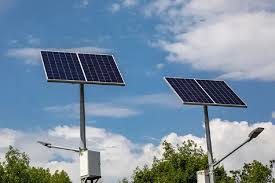
Solar panels work best when they face south in the northern hemisphere. They need the sun’s rays to hit them straight on. Morning sun only gives you a partial charge. Afternoon sun only gives you a partial charge. You need a solid block of direct sun from late morning to mid-afternoon.
How to fix it: Do a sun audit. Pick a sunny day. Every hour from 9 AM to 4 PM, go outside and look at where your lights sit. Mark which spots have direct sunlight. Move any light that spends more than two hours in shade.
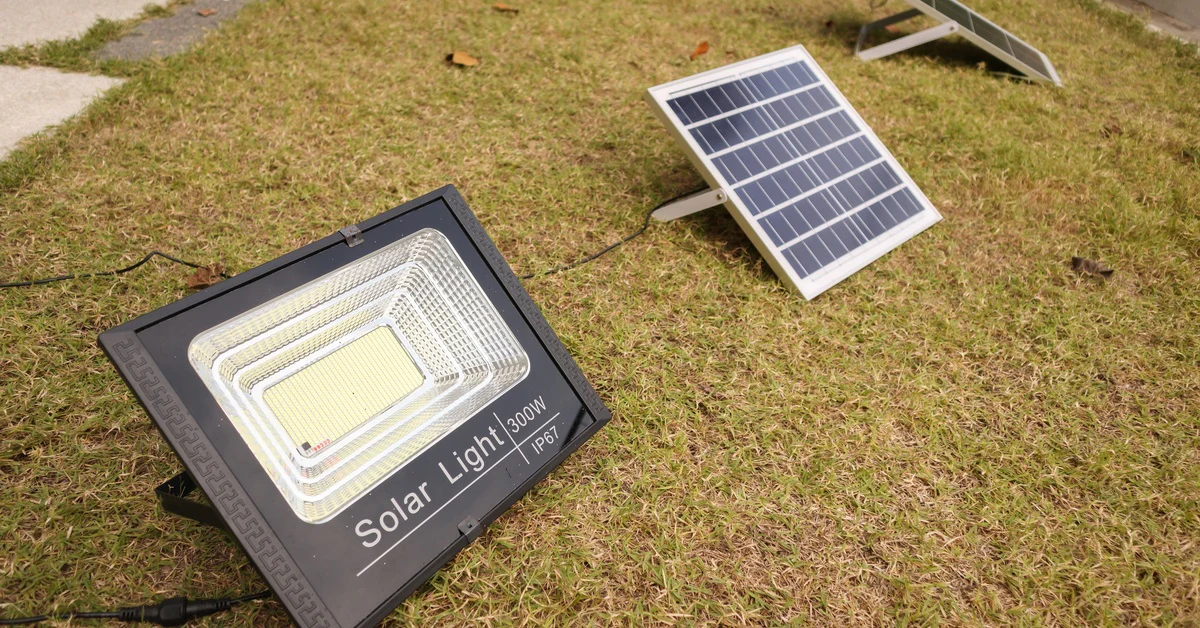
For lights with separate panels like the Ring Solar Pathlight, you have flexibility. Mount the panel on a fence post or a metal pole in a sunny spot. Run the cable to the light where you need it. That cable is usually ten to fifteen feet long. Plenty of reach.
I moved one LITOM floodlight panel from a shaded corner to my shed roof. The difference was insane. Before the move, the light lasted two hours. After, it ran all night long.
Water got inside and you did not notice
Cheap solar lights have cheap seals. You buy a six-pack for twenty bucks and each light has a thin foam gasket that compresses after one season. Rain gets in. Morning dew gets in. Sprinklers blast water right into the seam.
You open the battery compartment and find corrosion. Green or white powder on the metal contacts. That powder stops electricity from flowing. The battery might be fine. The LED might be fine. But the connection is broken.
How to fix it: Open the light. Remove the batteries. Dip an old toothbrush in white vinegar. Scrub the corrosion off the metal contacts. Vinegar neutralizes the alkaline corrosion. Wipe everything dry with a paper towel. Let it sit open for an hour. Put in fresh batteries.
To stop this from happening again, buy a tube of dielectric grease. Permatex makes a small 0.33 ounce tube for about five dollars at any auto parts store. Put a thin layer on the rubber gasket and a tiny dab on each battery contact. The grease repels water. I did this to a new set of URPOWER lights two years ago. Not a single drop of water has gotten inside since.
If the corrosion ate through the metal contact completely, that light is done. You cannot fix broken metal. Recycle it and buy a light with a better waterproof rating next time. Look for IP65 on the box. That means it resists low-pressure water jets. IP44 only resists splashes.
The light stays on when the sun is up
This problem makes you look crazy to your neighbors. Your solar light is glowing bright white at 2 PM. Or it flickers on and off every few seconds. Or it turns on at night for five minutes and then shuts off.
The light sensor is confused. Every solar light has a small photoresistor that detects darkness. If that sensor is dirty, shaded, or broken, the light does not know when to turn on or off.
How to fix it: Find the sensor. It looks like a small bump, usually yellow, black, or white. It sits near the LEDs but it is not an LED itself. Wipe it clean. Make sure no leaf, spider web, or dirt clod sits on top of it.
Test the sensor by covering it completely with your thumb. The light should turn on within ten seconds if it is daytime. Remove your thumb. It should turn off within ten seconds. If nothing happens, the sensor is dead.
Some lights have a manual switch with Off, On, and Auto. Check that first. I spent an hour troubleshooting a light once before realizing my kid had flipped it to On. The light stayed on all day and ran the battery flat. Flipped it back to Auto and let it charge. Worked fine the next night.
Dim light or color change means LED stress
Solar lights often start bright white. Then they turn warm yellow. Then they turn dim warm yellow. Then they give up.
This happens because the LED gets too hot. Cheap lights pack the LED and the battery and the circuit board into a tiny sealed case with no airflow. Heat builds up. Heat kills LEDs. Heat also kills batteries faster.
How to fix it: If the light is less than a year old, try a fresh battery first. A weak battery causes dim output just like a dying LED does. Swap in a new NiMH or Li-ion cell. Let it charge fully. Test at night.
If a new battery does not bring the brightness back, the LED is permanently degraded. You can replace the LED if you own a soldering iron and know how to match voltage and current. Most people should just replace the whole light at that point.
When you buy new lights, look for ones with aluminum housings. Aluminum pulls heat away from the LED. LITOM and Ring both use aluminum bodies on their better models. A LITOM 30W LED solar floodlight costs about twenty-five dollars for a two-pack. That is not cheap. But I have had mine for three winters and they still run bright.
This is something we cover in detail in our guide on Solar Light Brightness Factors
Winter kills runtime and you cannot stop it
Shorter days mean less sun. Less sun means less charge. Less charge means less light at night. That is just how solar works. No fix changes the angle of the earth.
But you can cheat.
How to fix it: Angle your solar panel toward the winter sun. In summer, the sun sits high overhead. In winter, it hangs low in the southern sky. Tilt your panel southward at a steeper angle. Some lights have adjustable brackets. For lights without brackets, prop the back edge up with a small rock or a folded piece of aluminum flashing.
Bring portable lights inside during deep winter. I have a set of solar string lights that I pull off my patio every November. They hang in my garage until March. That saves the battery from freezing and extends the life by years.
For lights that must stay outside, accept that they will run shorter hours. A light that lasts eight hours in July might only last two hours in January. That is not broken. That is winter.
This is something we cover in detail in our guide on Why Do Solar Lights Stop Working?
The one fix that takes two days but costs nothing
Before you throw any solar light away, try this. Turn it off. Not to Auto. Not to On. Off. Leave it in direct sunlight for two full days. Do not touch it. Do not turn it on at night to check. Just let it sit.
After 48 hours, turn it back to Auto. Let it run that night.
I have saved at least five lights this way. A full two-day charge lets the battery management circuit reset. It balances the cells. It forces a complete top-off that a normal daily cycle never provides. It sounds fake. It works anyway.
This is something we cover in detail in our guide on Reset Solar Light Steps
When fixing costs more than replacing
Some lights are not worth your time. If the plastic case has cracks, water will keep getting in. If the solar panel glass is broken, replacement panels cost almost as much as a new light. If the light smells like burnt electronics when you open it, the circuit board fried itself.
Toss those. But keep the battery. That battery can go into another light. I have a small box of used NiMH cells that I pull from dead lights. They run my garden path lights just fine.
Recycle the rest. Many hardware stores have battery recycling bins. Do not throw solar lights in the trash. The circuit boards contain small amounts of lead and other metals that should not go to a landfill.
Summary
Dead solar lights usually need a new battery, a clean panel, or a better spot in the sun. Replace old NiMH cells with higher capacity Tenergy or EBL batteries. Wipe panels with a damp cloth every two weeks. Move lights to south-facing spots with 6+ hours of direct sun. Seal battery compartments with dielectric grease to stop water damage. Turn lights off for 48 hours to deep charge before giving up. If corrosion or cracks appear, recycle the light but keep the battery.